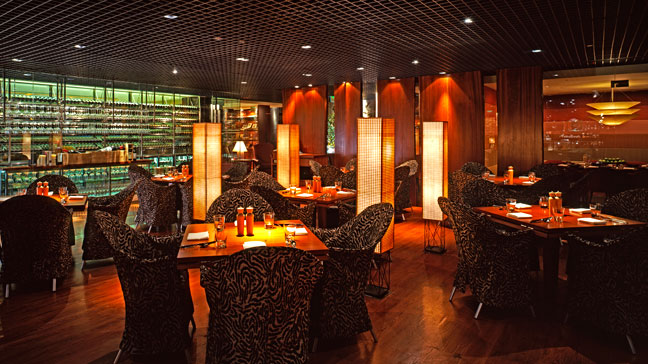
In the history of architecture or interior design there are plenty of great figures to appreciate and study. But in the current era things are going so well one need not look in the rear view mirror.
One such architect who exemplifies this in terms of accomplishments and sheer talent, is Takashi Sugimoto, and his Super Potato Design Studio.

These few images by no means encompass his aesthetic range.
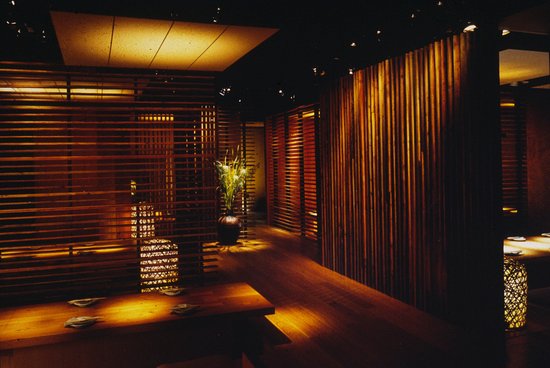
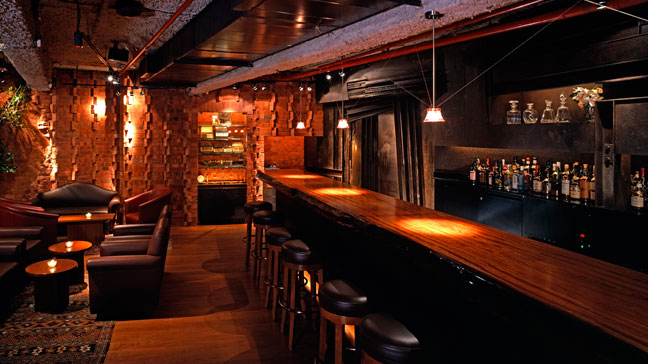
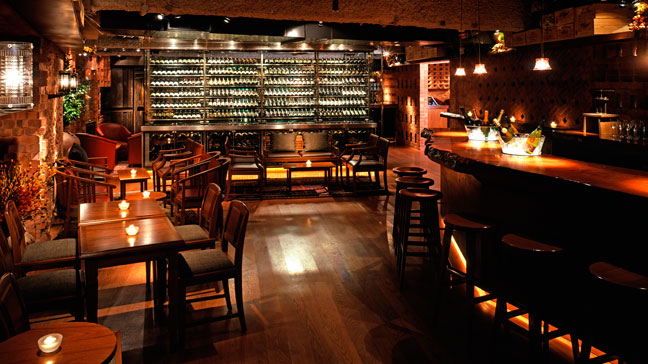
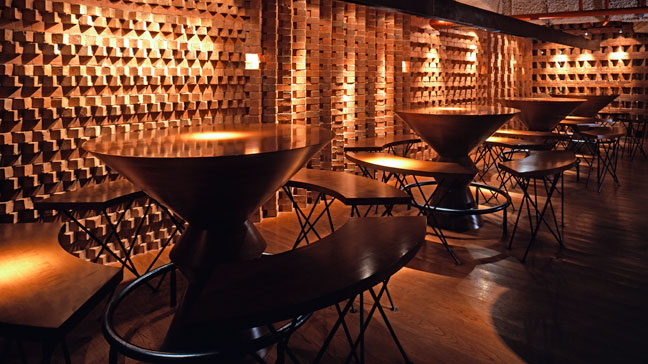
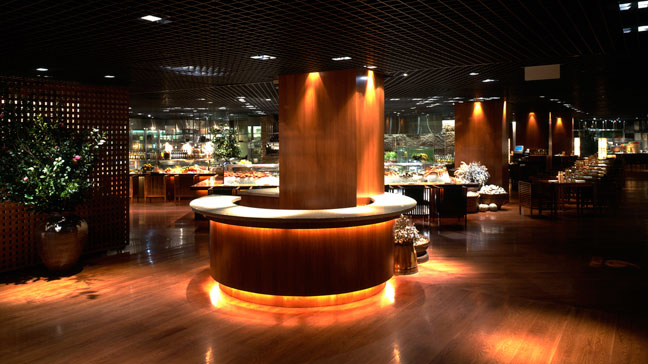
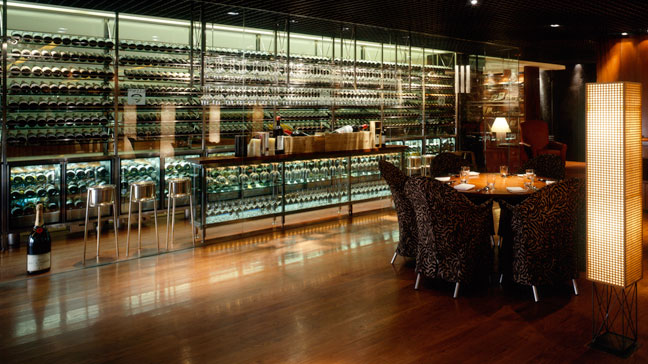
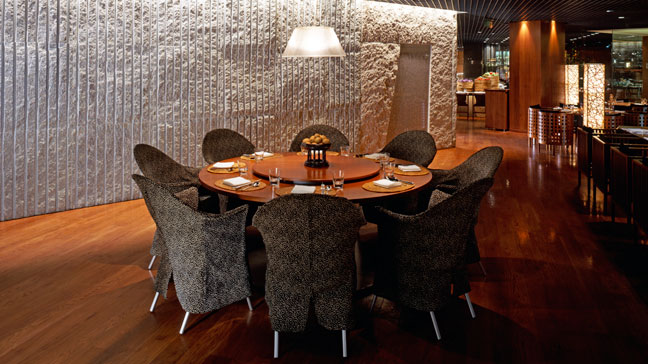
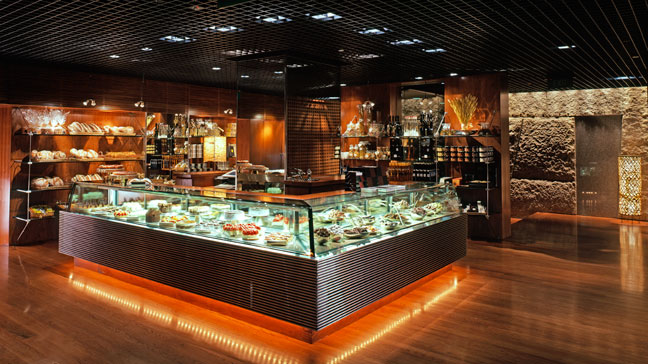
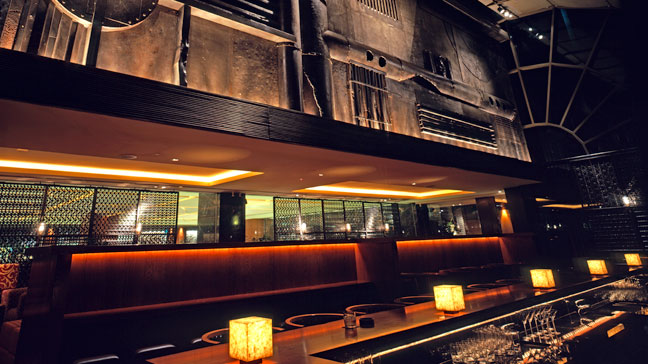
The few I have included up top, all have a common feature. The shape known as rectangle. I’d call Sugimoto King of Rectangles or King of Tables, but that’s in jest. I do respect him far more than this. But as a painter who looks to bridge the oil and canvas medium as close to the edge of other disciplines like photography, architecture, and digital media, this guy’s work gives some excellent visual experiences, better ways to connect, something to lock onto.
As in the end, Architecture is relative to Geometry. And the physics of light is one of the greatest allies. So is the knowledge of physical textures, surfaces, and how light and shadow interact with them.
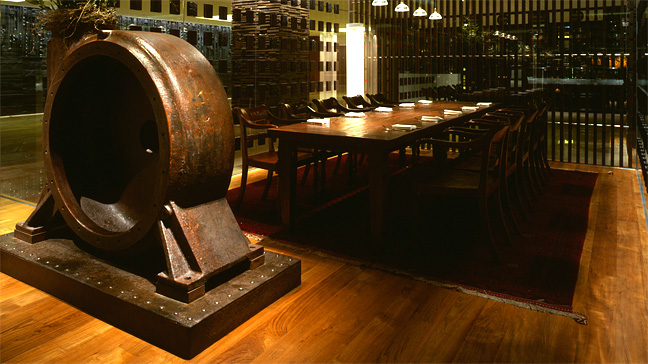
My work in oils and drawings is done as I am not able to transform into an architect, and even if I were, I would likely never have had the career this man has had. But the next best thing, and even better sometimes, is to follow, appreciate, and reflect upon the work.
https://www.interiordesign.net/articles/8459-takashi-sugimoto-2008-hall-of-fame-inductee/
Asked to define the philosophy behind his practice, Sugimoto often refers to a trifecta of ideals: creation, communication, nature. “I work at creating places that allow communication between people and incorporate a sense of nature,” he explains. “But not nature simply as it is.” This last distinction was memorably demonstrated in Tokyo’s Shunju Akasaka, a restaurant he designed in 1990 where diners sat at a counter facing a small internal garden set behind glass. This is nature under the human hand, and it’s an important element in any Super Potato project, whether expressed by a lone tree in a vitrine at the center of a restaurant or the thick slab of roughly hewn cherry, full of knots and cracks, that served as a counter at one of Super Potato’s earliest designs, the tiny but legendary Radio, a Tokyo bar from 1971.
“Radio was a place where my friends and I got together and had a few drinks,” he says of the nine-seat watering hole. “Then, eventually, other people would come in, not expecting the unusual design, and we would all wind up talking about it.” Ever since, Sugimoto has kept the communicative aspects of his interiors firmly in mind. Sometimes this has led to bold, theatrical gestures such as the open kitchen as dining room entertainment, an idea he pioneered in 1998 at Singapore’s Mezza9 restaurant, his first big international success.
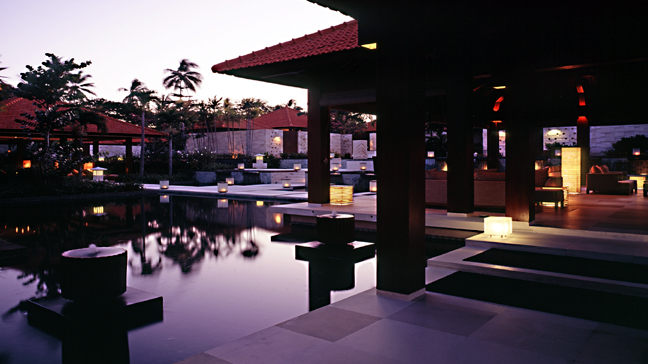
Here’s a couple from a particular hotel / resort that shows both natural and manufactured light, mixed in with architectonic forms.
It’s just a simple resort really, but a lot of thought went into the details. Can it be taken abstract? Or Deconstructed into Cubism? Can the lines be Grafittized? The palm trees are almost like a form of visual encryption. Their lines far harder to replicate.
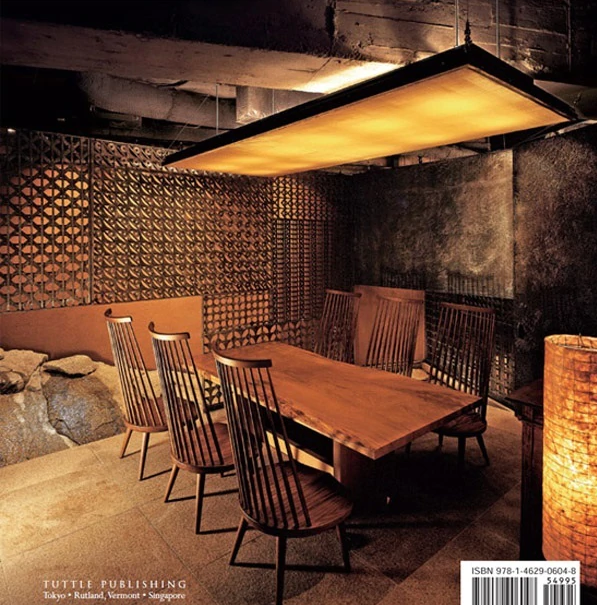
Here’s more of the King of Right Angles in play, on the back cover of a book about him.
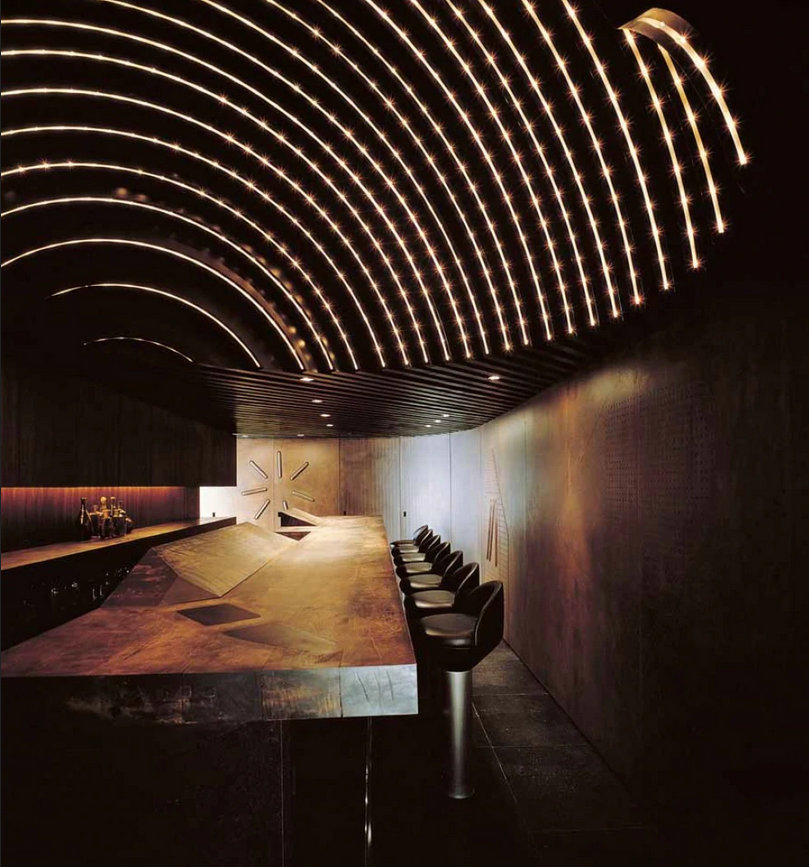
Now mixing more angles.
I like the closed in spaces here as they seem conducive the drinking and intimacy. You can confide in spaces like this. You can be alone with your thoughts in spaces like this. Time can be halted or slowed here.
This is no ordinary blog, it’s not for you unless you wish to live forever, travel through time, see everything. Why else would it cover the fine arts, architecture, digital arts, physics, astronomy, astrophysics, programming, Linux, cryptography, etc.
Even the architect probably desires to be away from all the hotels and resorts and such, but in this era they are whom have the gold.
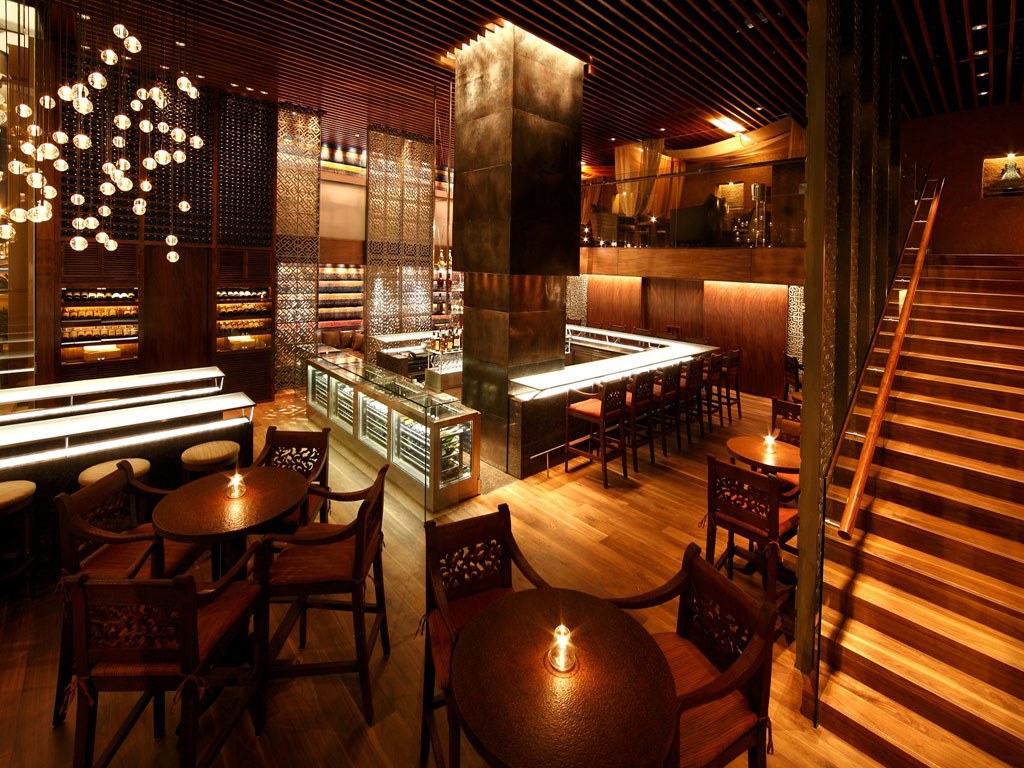
Here’s Grand Hyatt Singapore