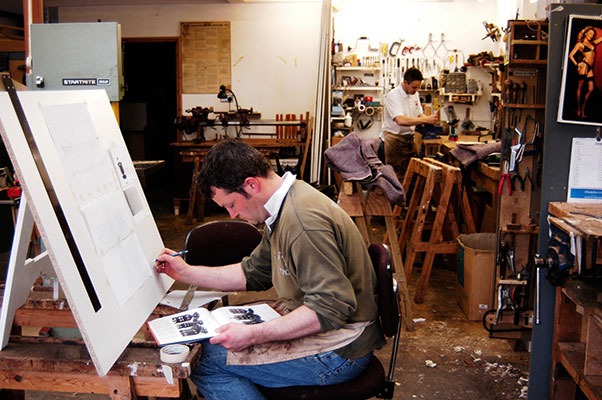
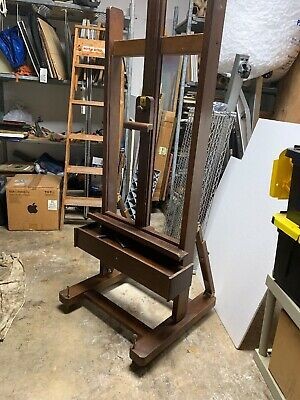
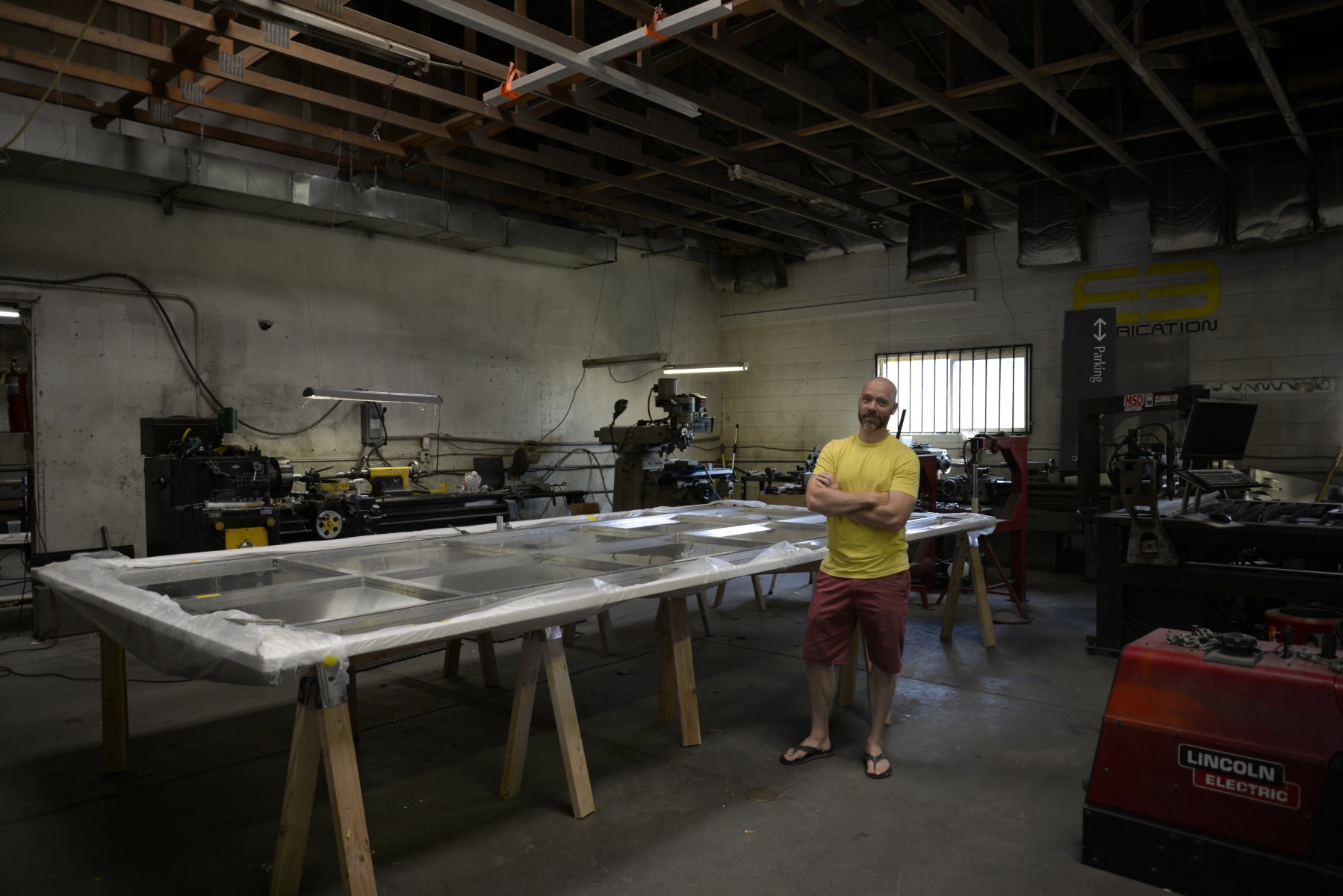
That’s right, the species known as drawing table now gets a dedicated post.
In my opinion, you can’t run a studio without a LOT drawing tables or easels. Make an army of them. Make drawing tables that can hold a serious work, and then make another. You can try to get by with less but over the years to make progress, you need to be able to give a certain painting or drawing it’s own dedicated space and time.
So yeah, I am going to hunt down and build whatever I need. If I have to MACGYVER that shit so be it.

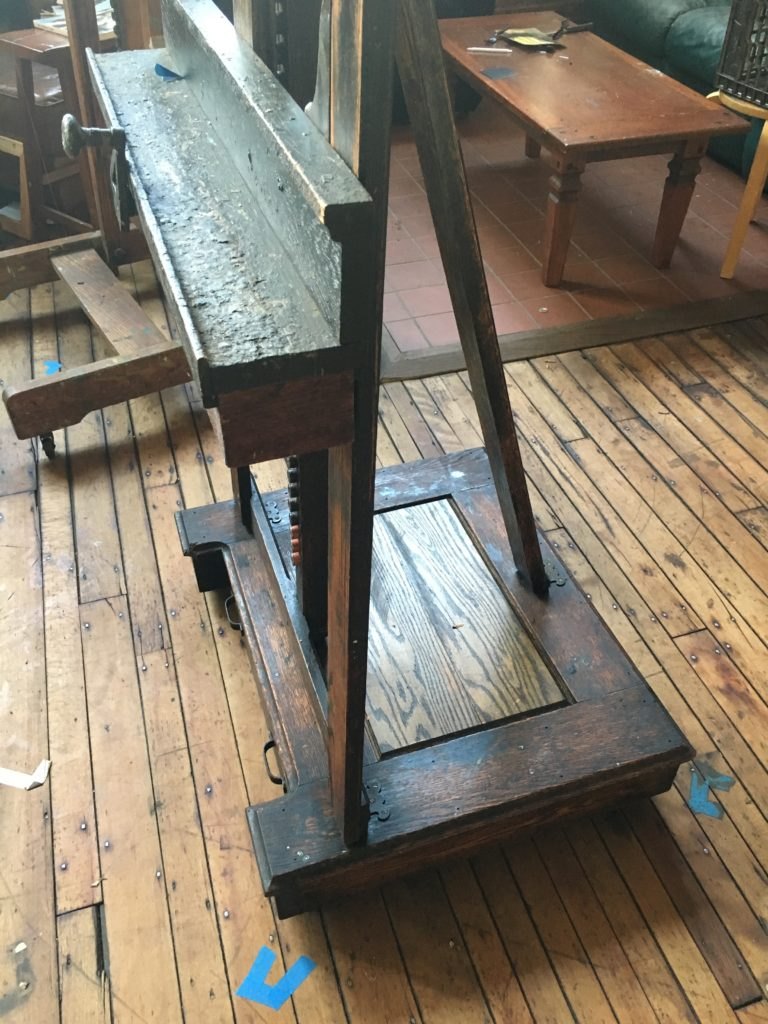
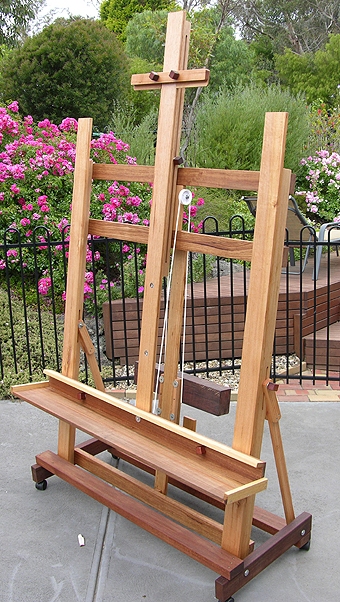
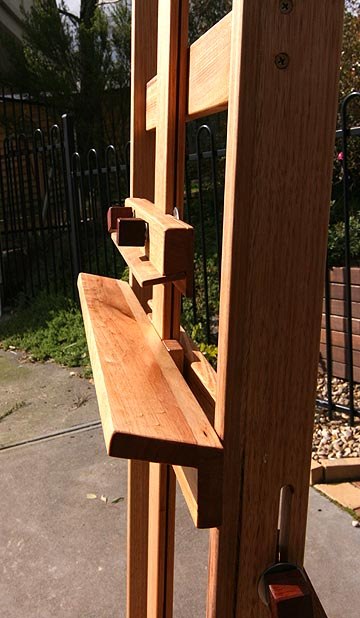
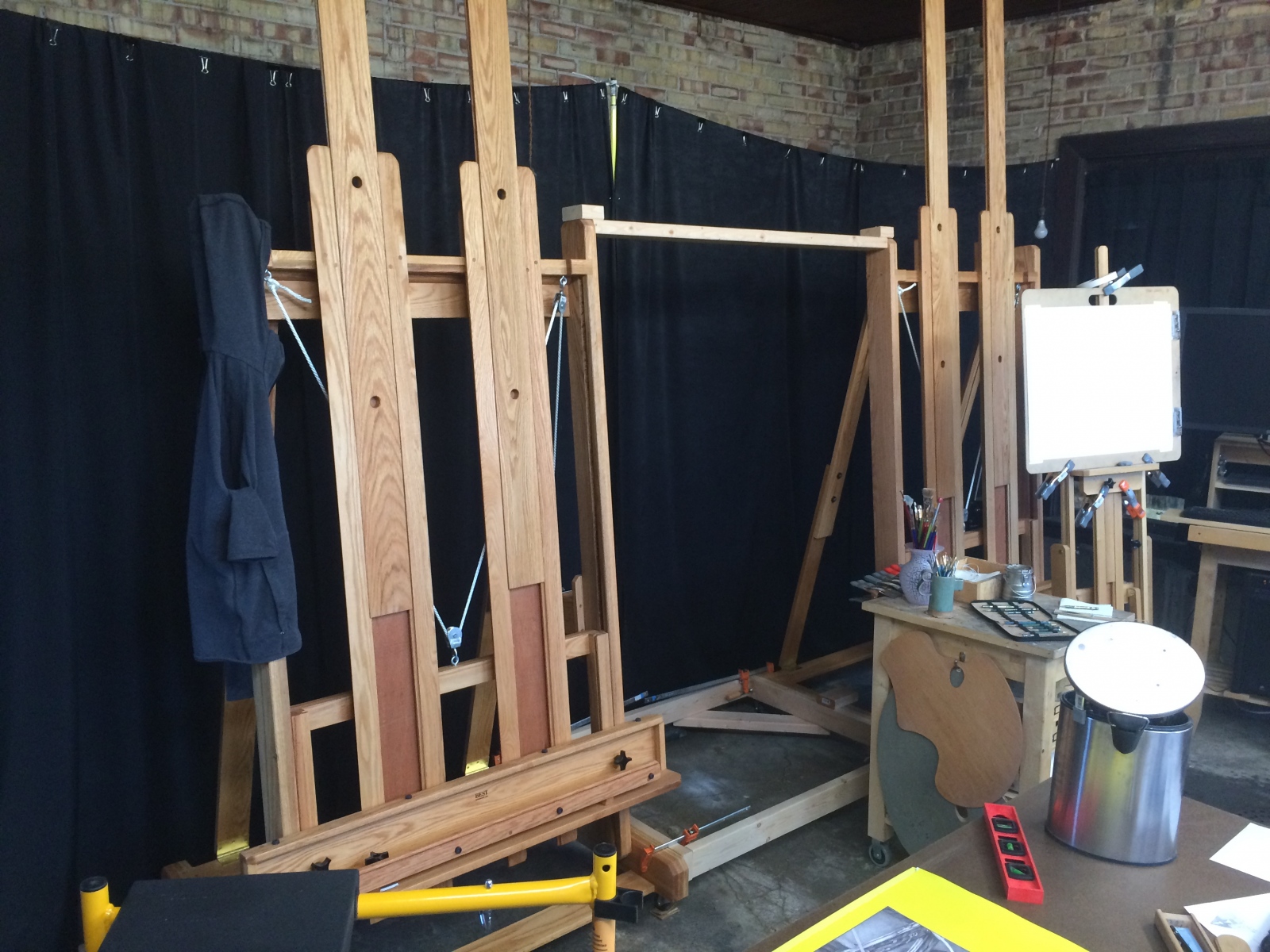
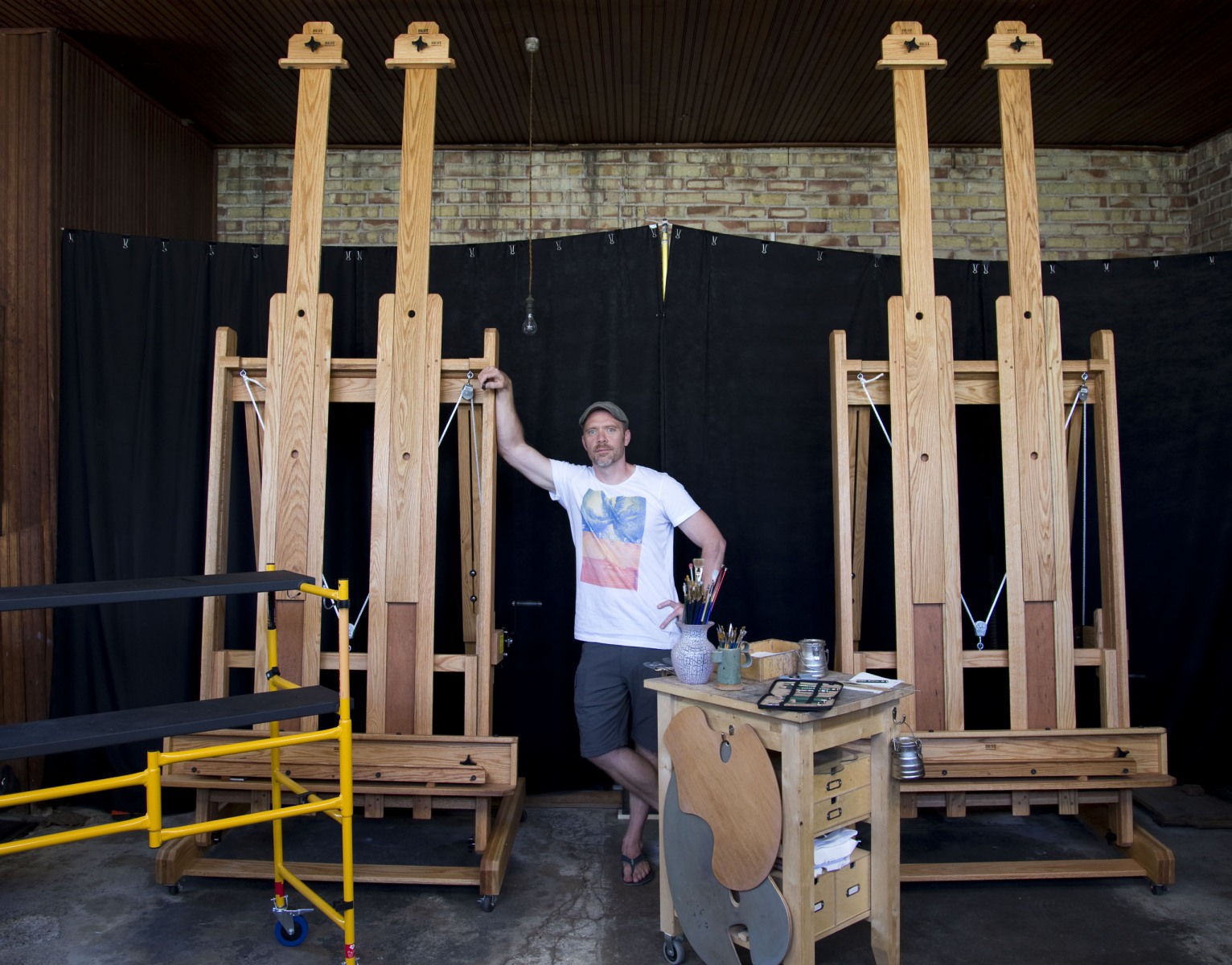
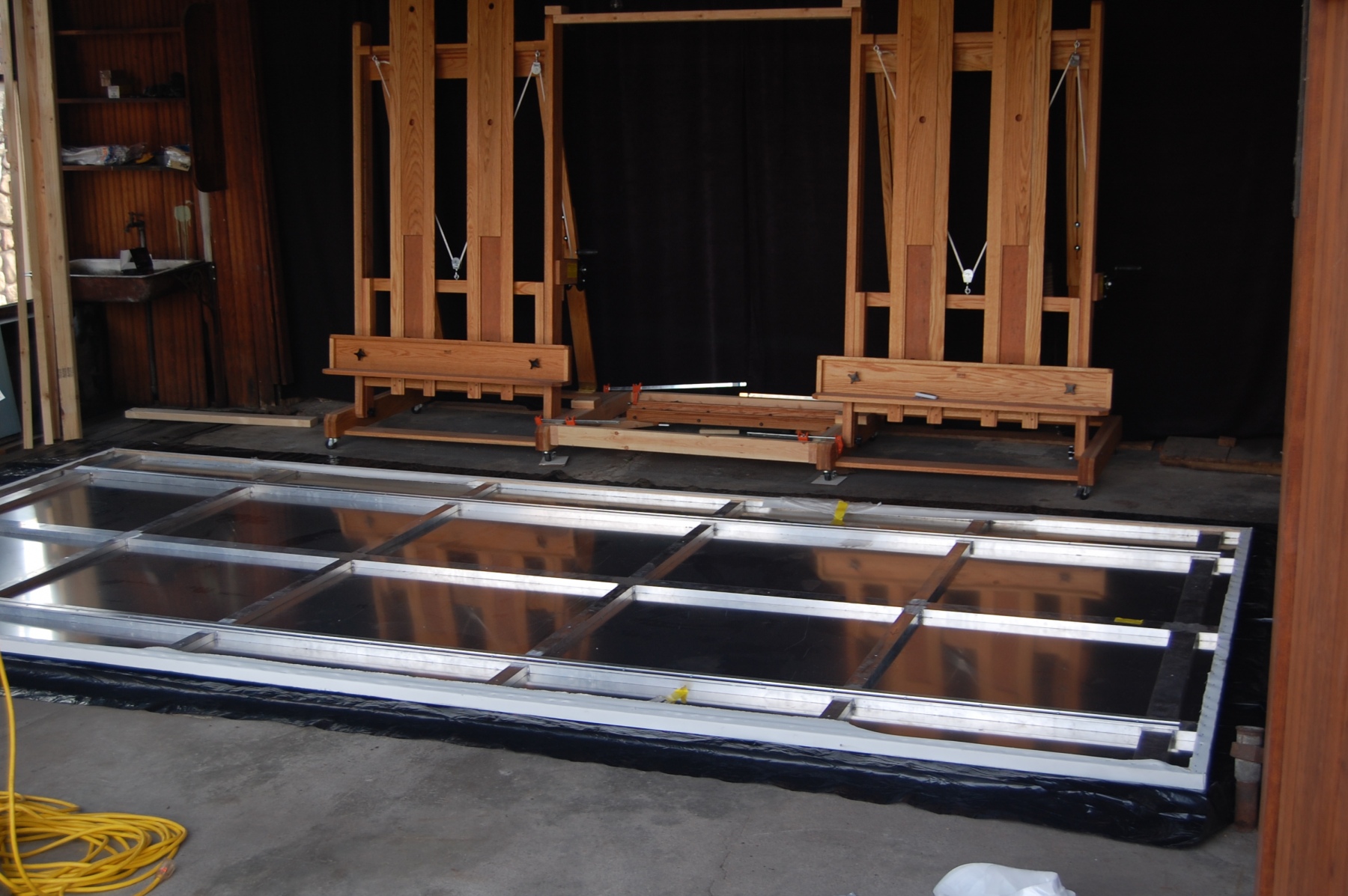
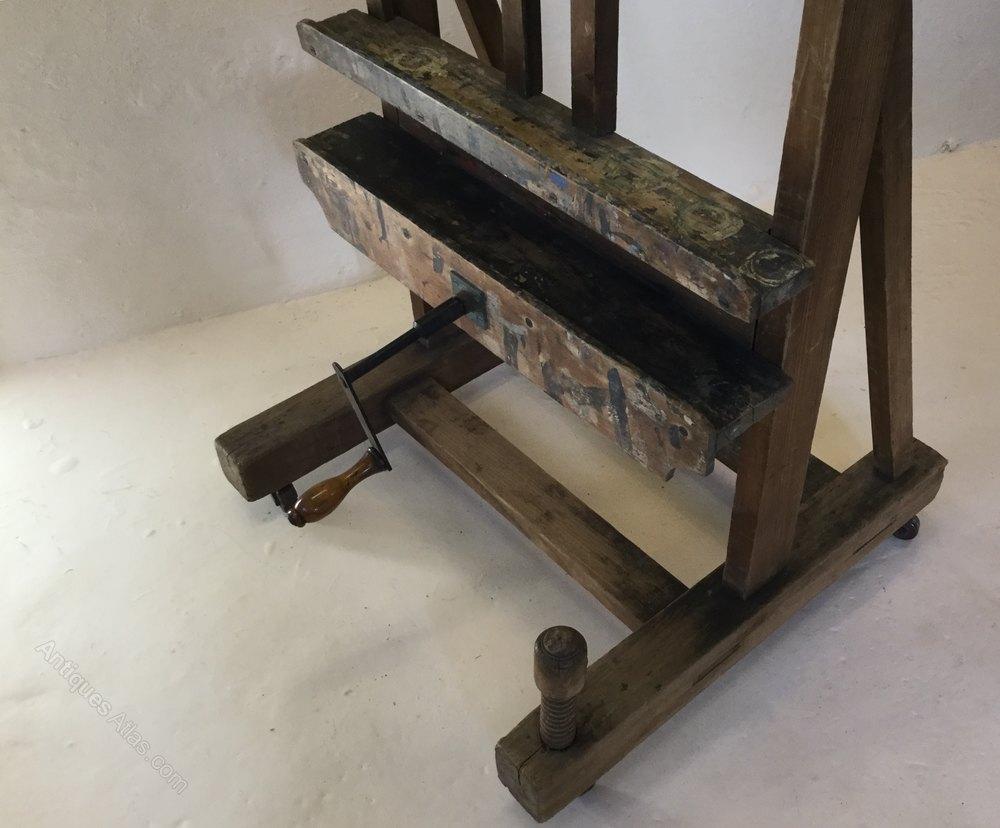
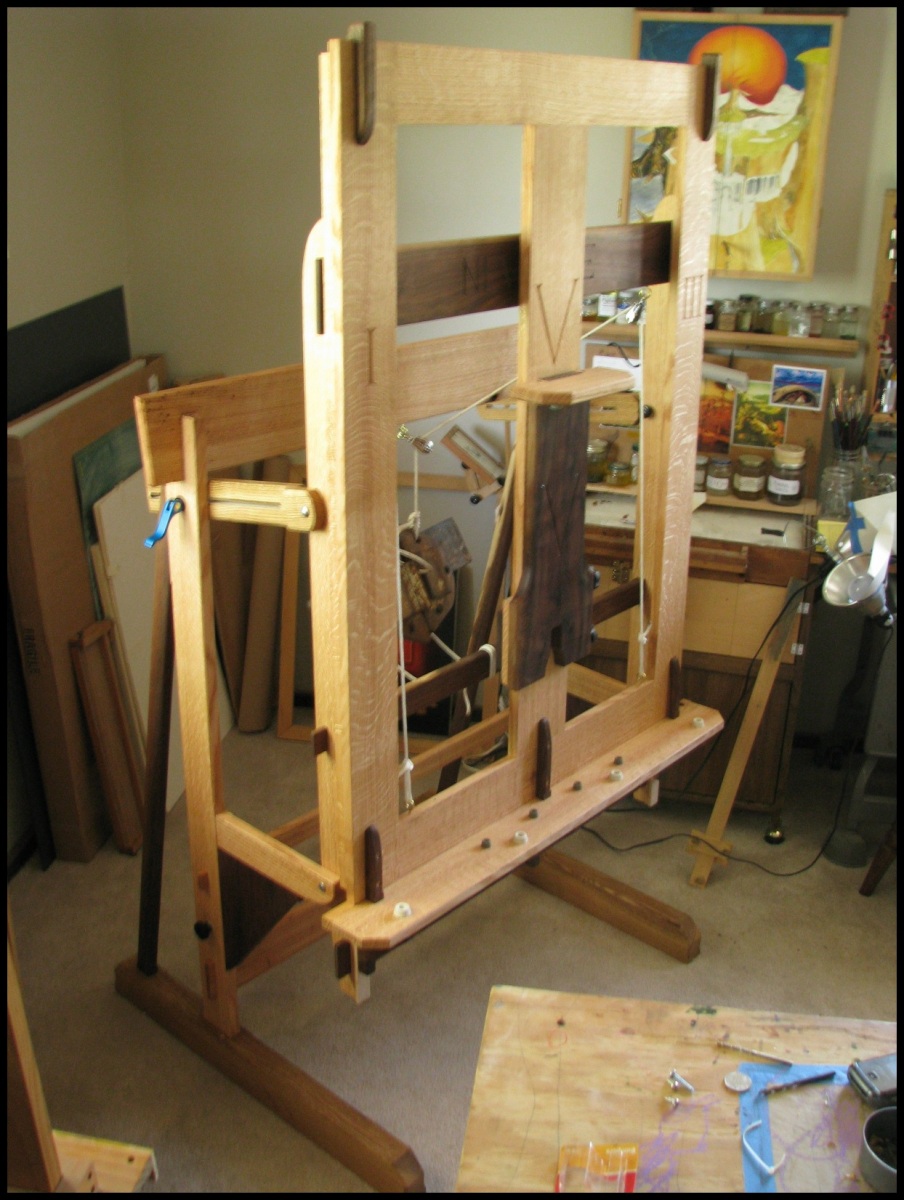
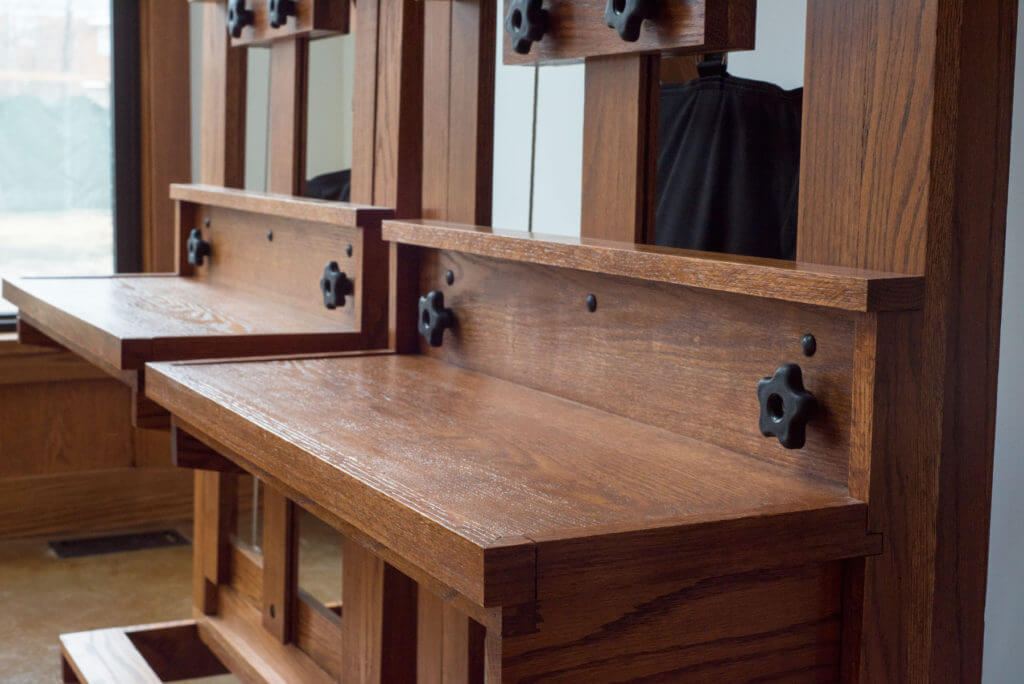
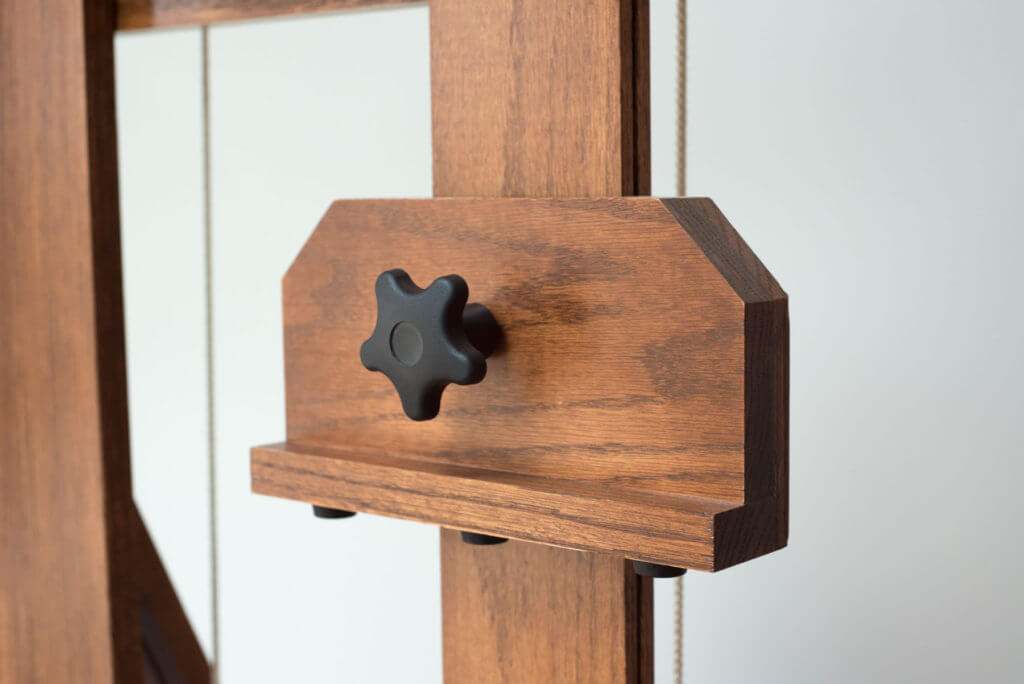
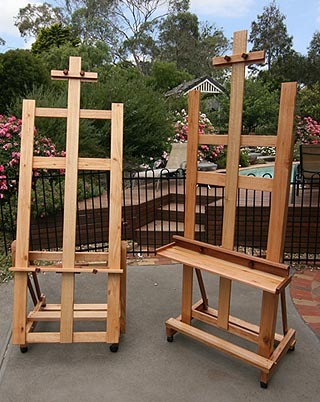
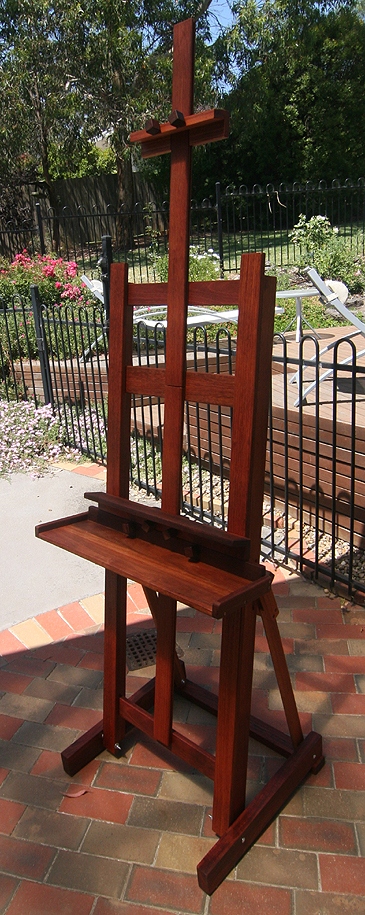
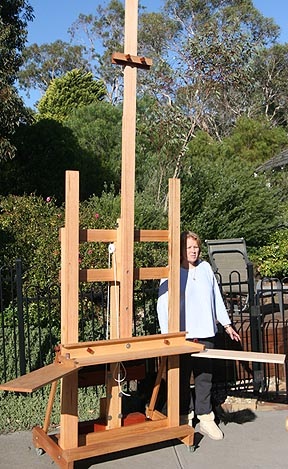
So the first project I have built part way is a Wall Easel Footing.
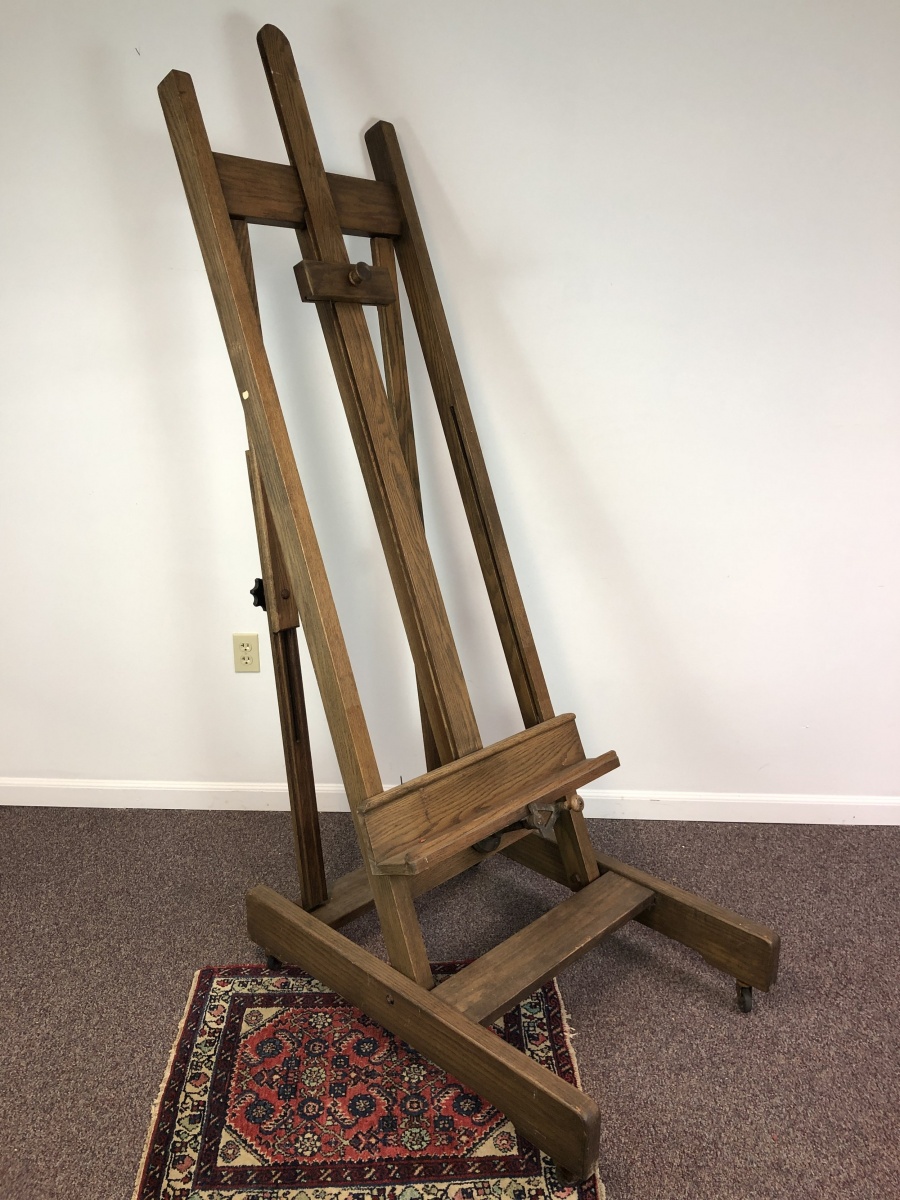
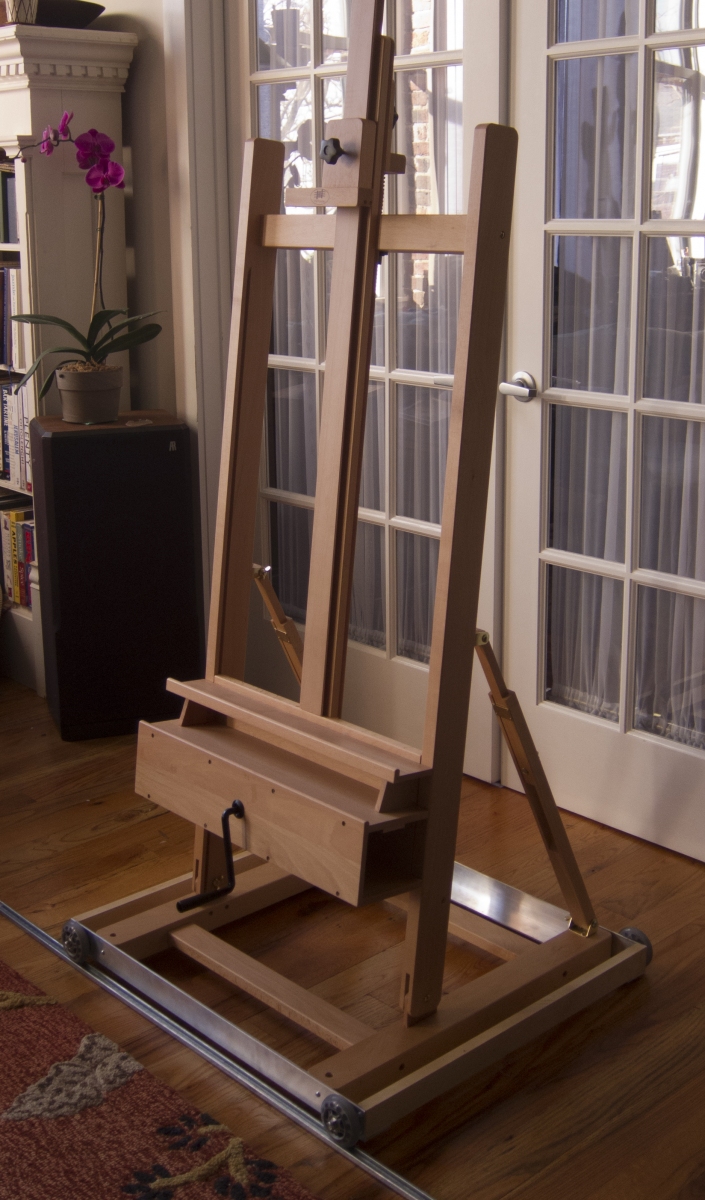
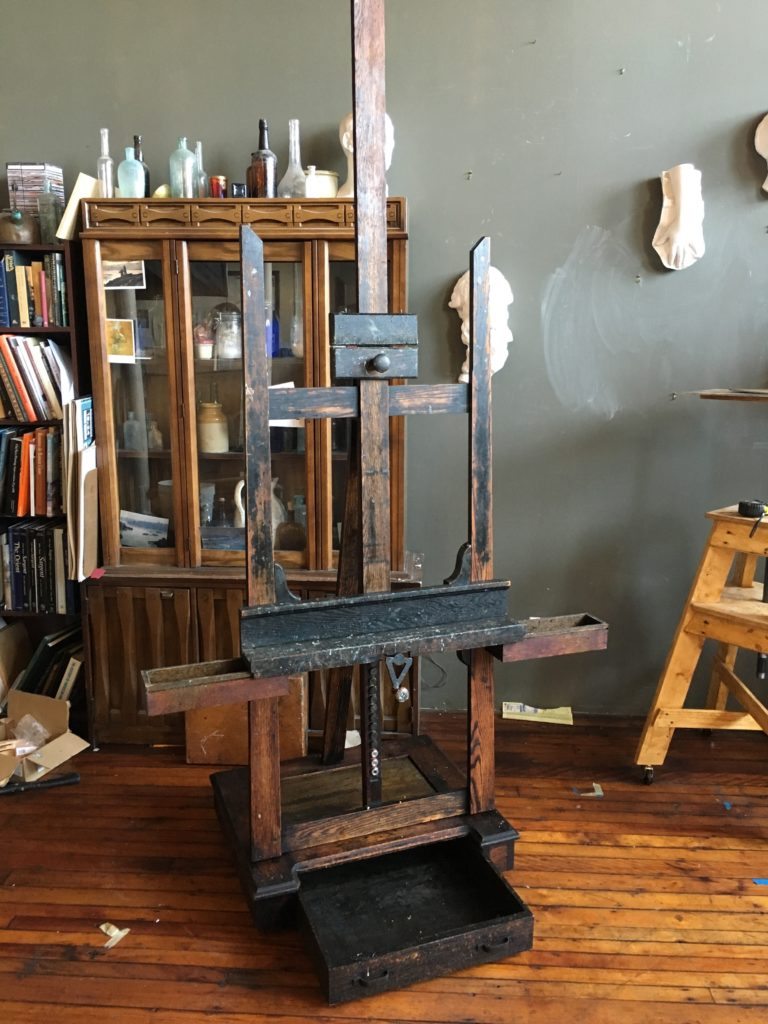
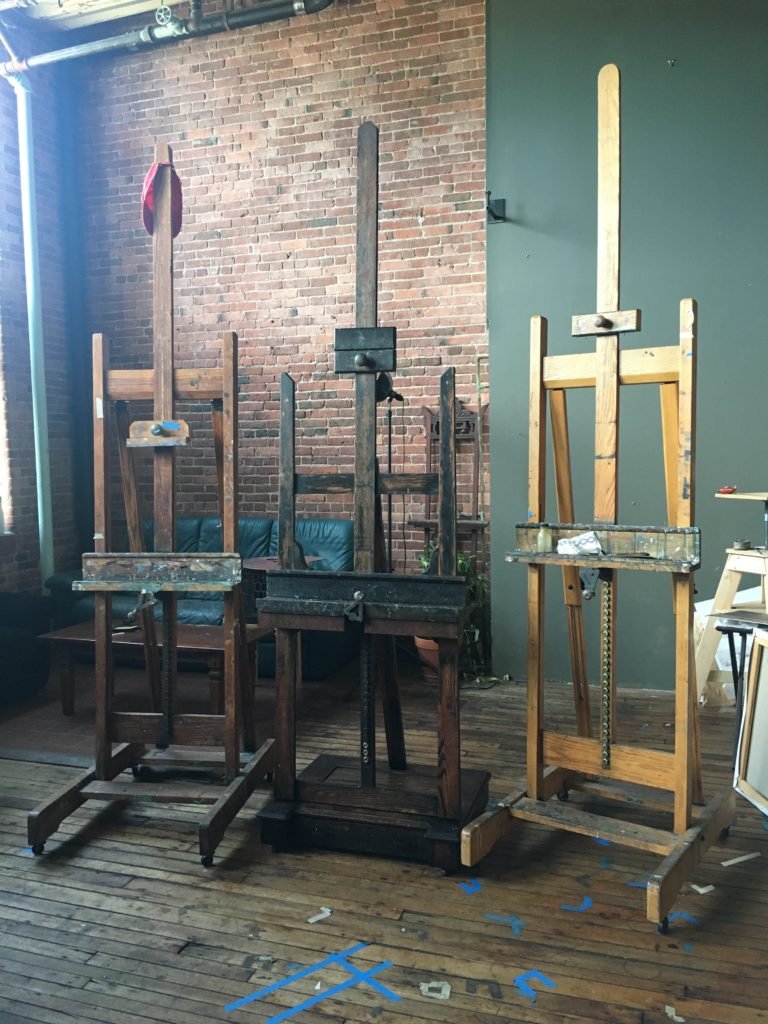
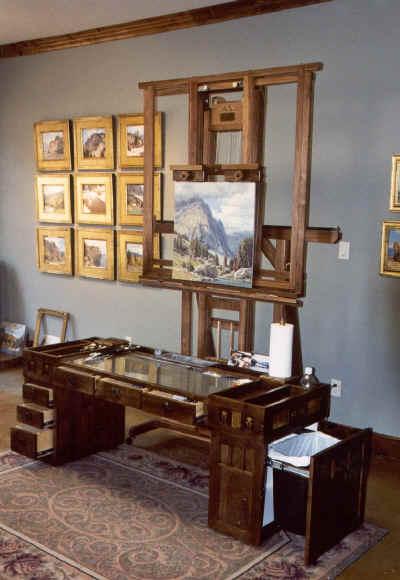
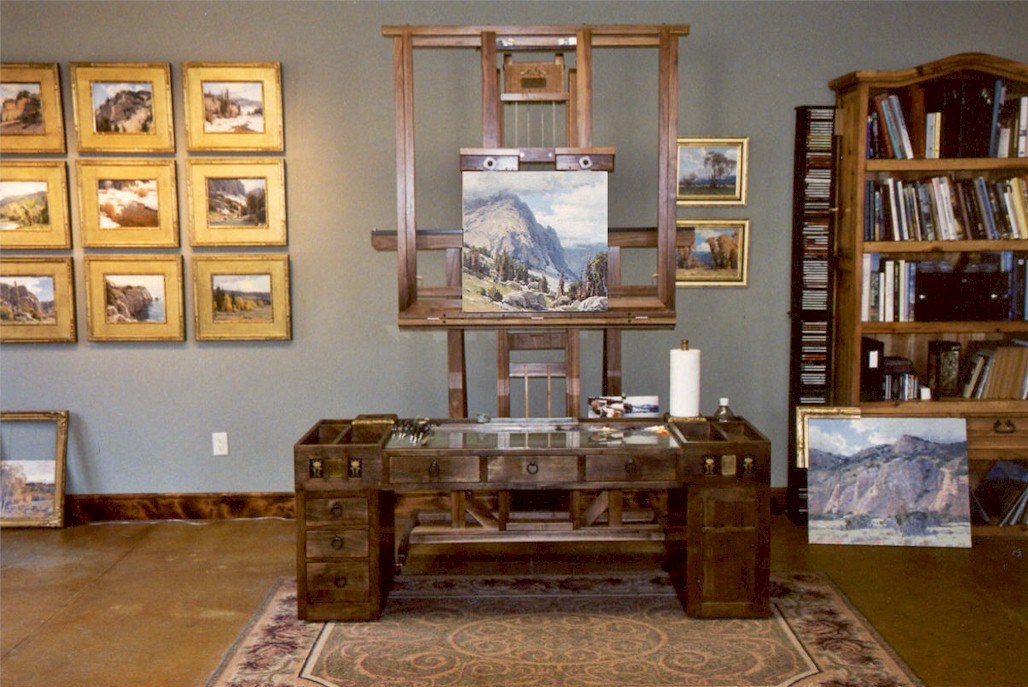
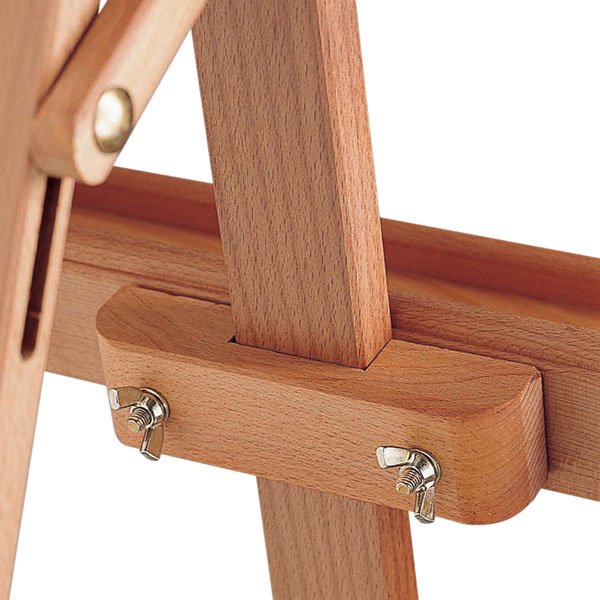
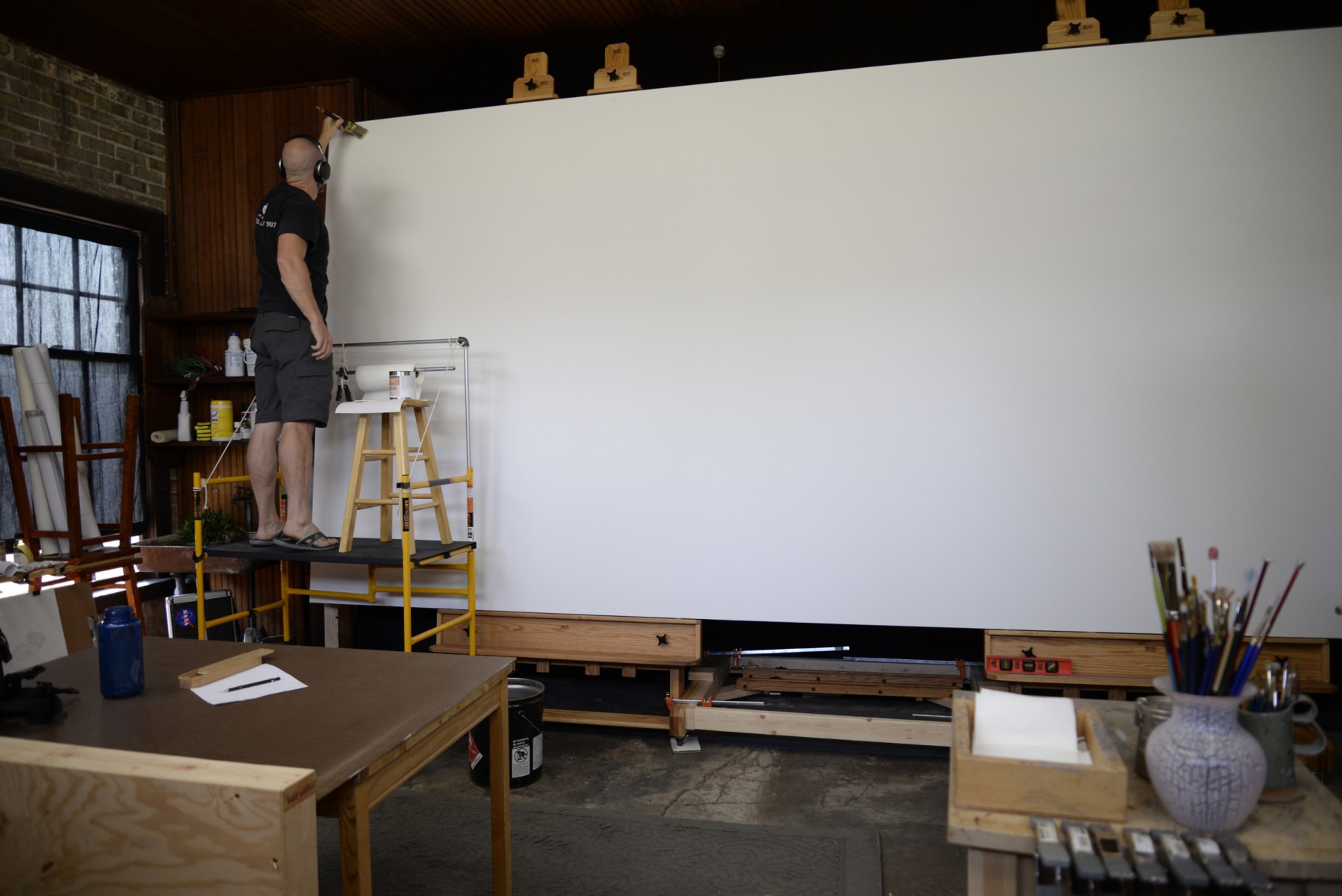
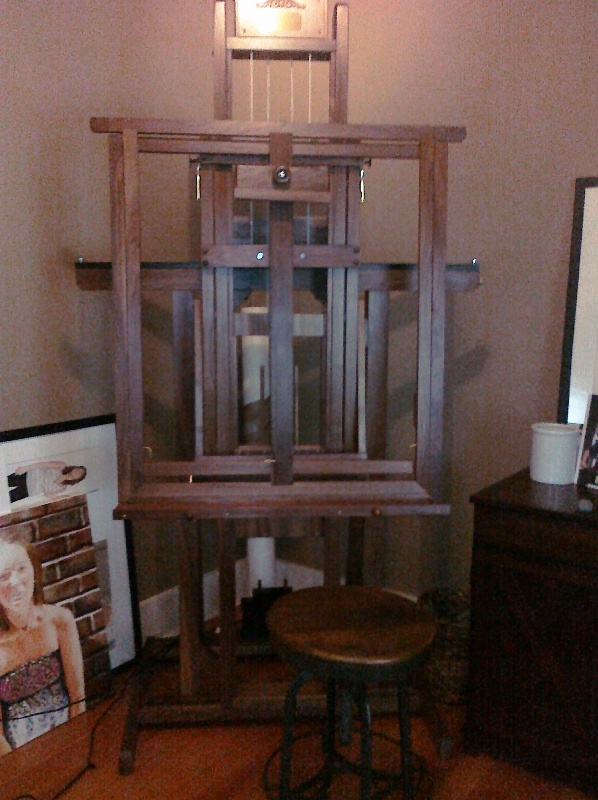
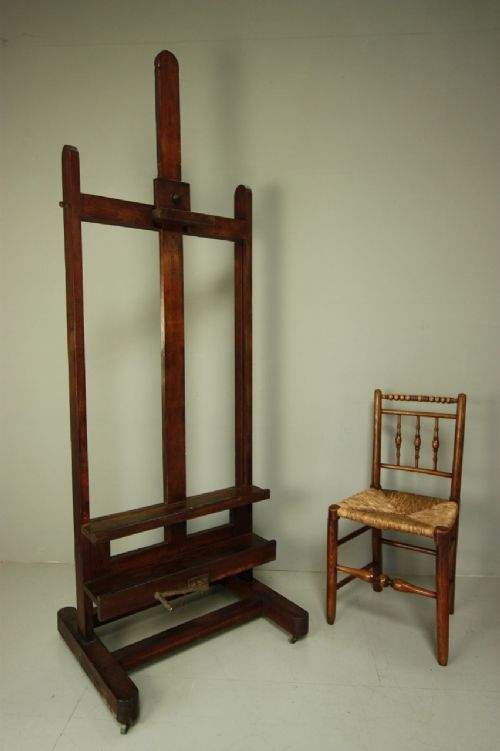
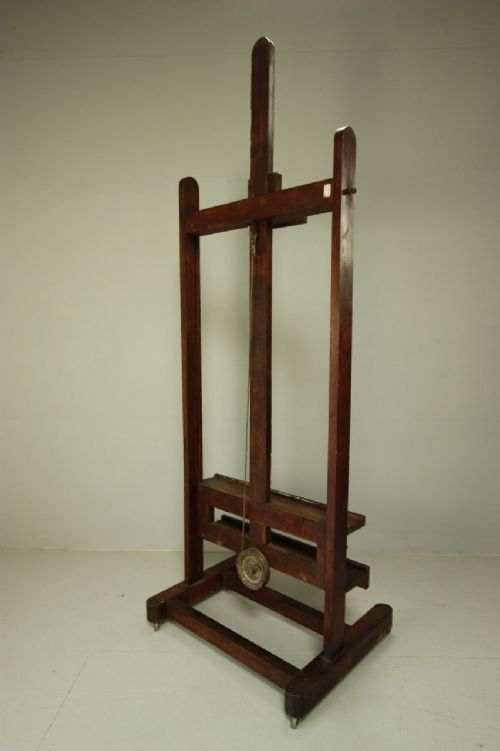
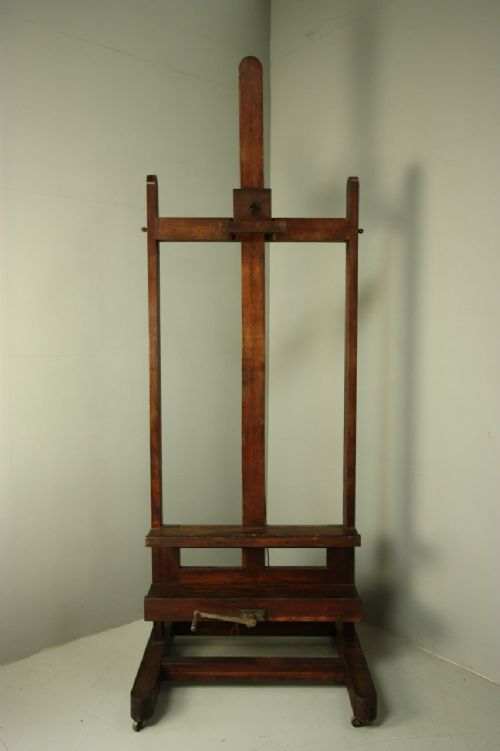
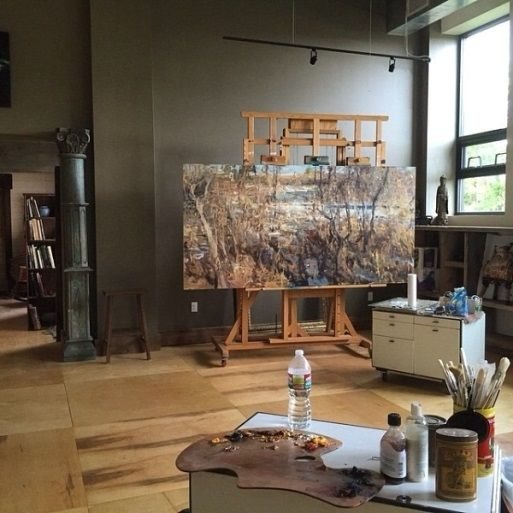
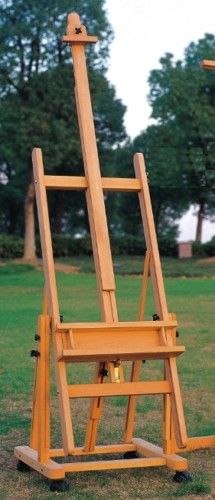
You might ask what the fuck is that. It’s one of these. I’ll load up some additional pics showing it up close with a painting on it. In some pics you can see them but distant. I’ve already moved them from one wall to two. Looking forward to adding on the next feature to them. They are fuckin’ heavy. Sturdy as hell.
no images were found
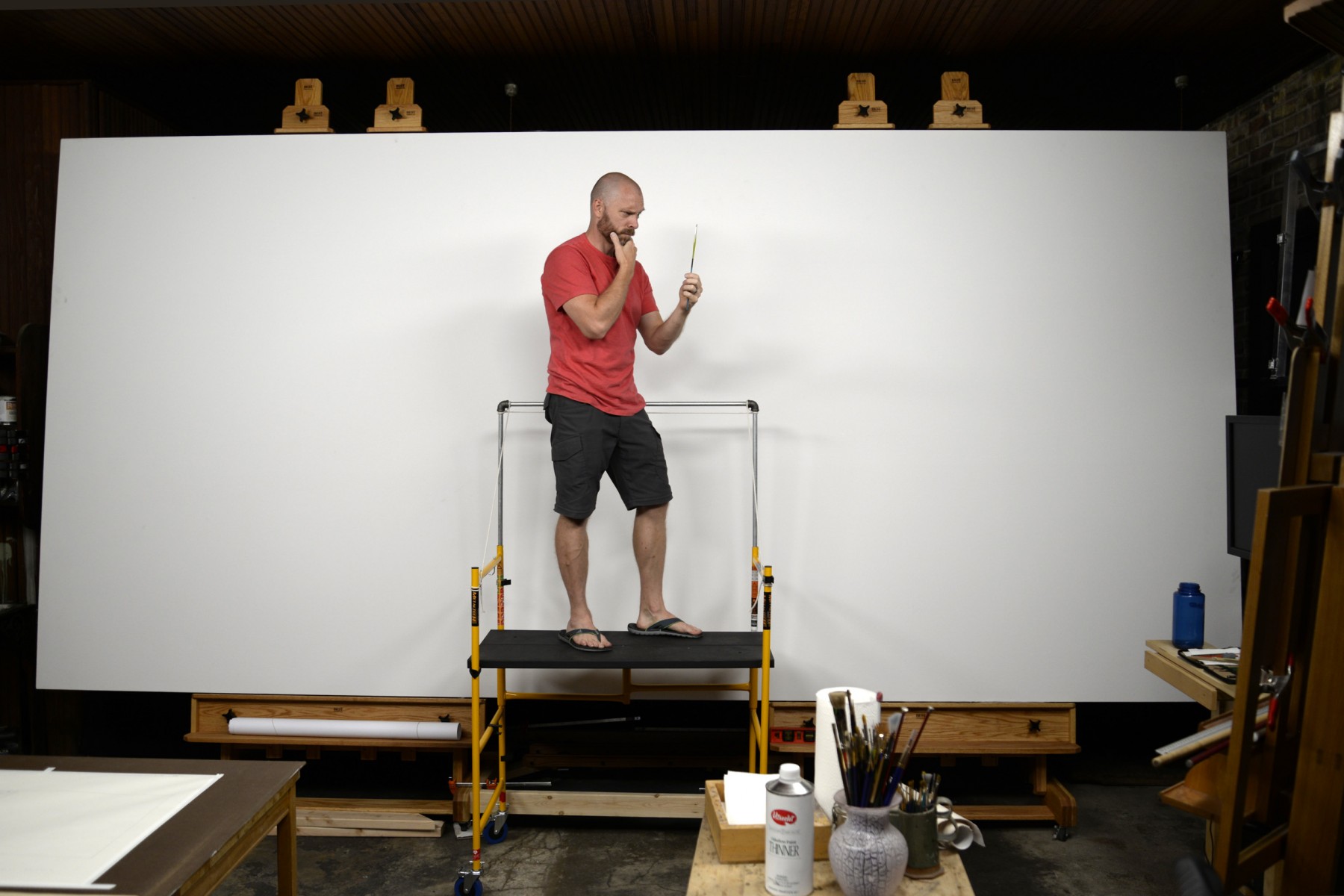
I wanted to have the bottom of a 7 foot wide work be exactly 13 to 14 inches off the floor, which is where I can comfortably and accurately render down low while sat in my fave studio chair.I can then stand and just as comfortably render the top of the painting. And that’s just for that one piece or anything up to 9 feet wide.
If it needs to be higher well then guess what pal, -it’s gonna be on the wall right next to this one. That’s for the works that are about 6 feet to 4 feet wide or whatever height tall. The “bottom” will be about chair seat high or maybe a bit higher.
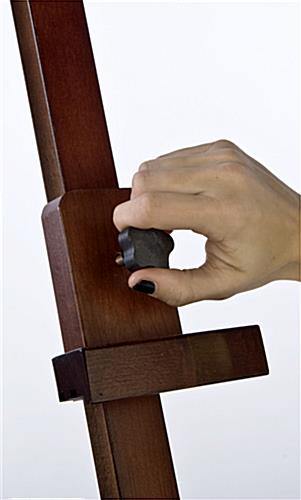
Will these be somehow super adjustable? Not too sure about that. Why? The adjustable aspect of easels is the DEATH of your wallet and for the small army of tools I need I want hard core durability.
I want a battle tank of an easel. Something that would destroy a stone castle fortress on a seaside cliff if it were catapulted from a battleship. I want an easel that will withstand an asteroid impact.
Why? I’m tired of squirrely studio stuff. It’s like some in-built genetic mistake in artists, they always have flimsy shit holding up their work.
Perhaps it not even durability for extreme customization. Perfectionism starting in the base of the setup. Perfection in this case is something IMMOVABLE under heavy use. And ability to be put into action for anything 24″ height to 7 ft height, any width. Mission accomplished.
I am having a TON of fun INVENTING. Almost more fun that the paintings might be but we’ll see.
This is the first oil painting that I’ll be doing of production quality, an oil paint version of a drawing from 1989.
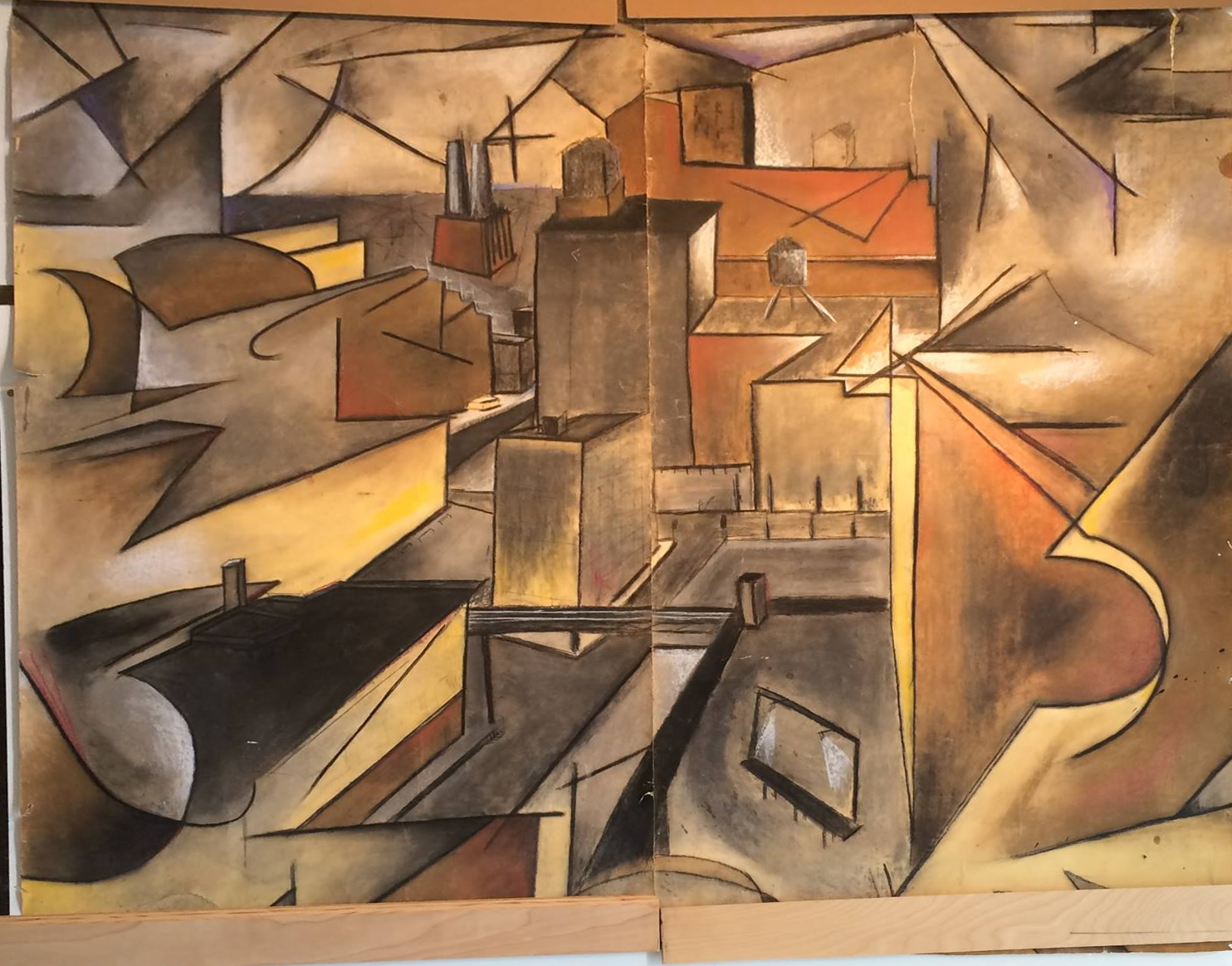
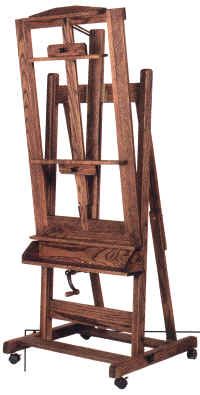
Paintings require a lot of tools, lighting and other things like “ease of rendering position” -and there are $5,000 easels that do it in style. You have to get on the waiting list and the guy who makes them is really cool.
Very nice but I realized the room it’s in is like our central upstairs hallway / room. I just can’t unleash oil paints, solvents and such in there.
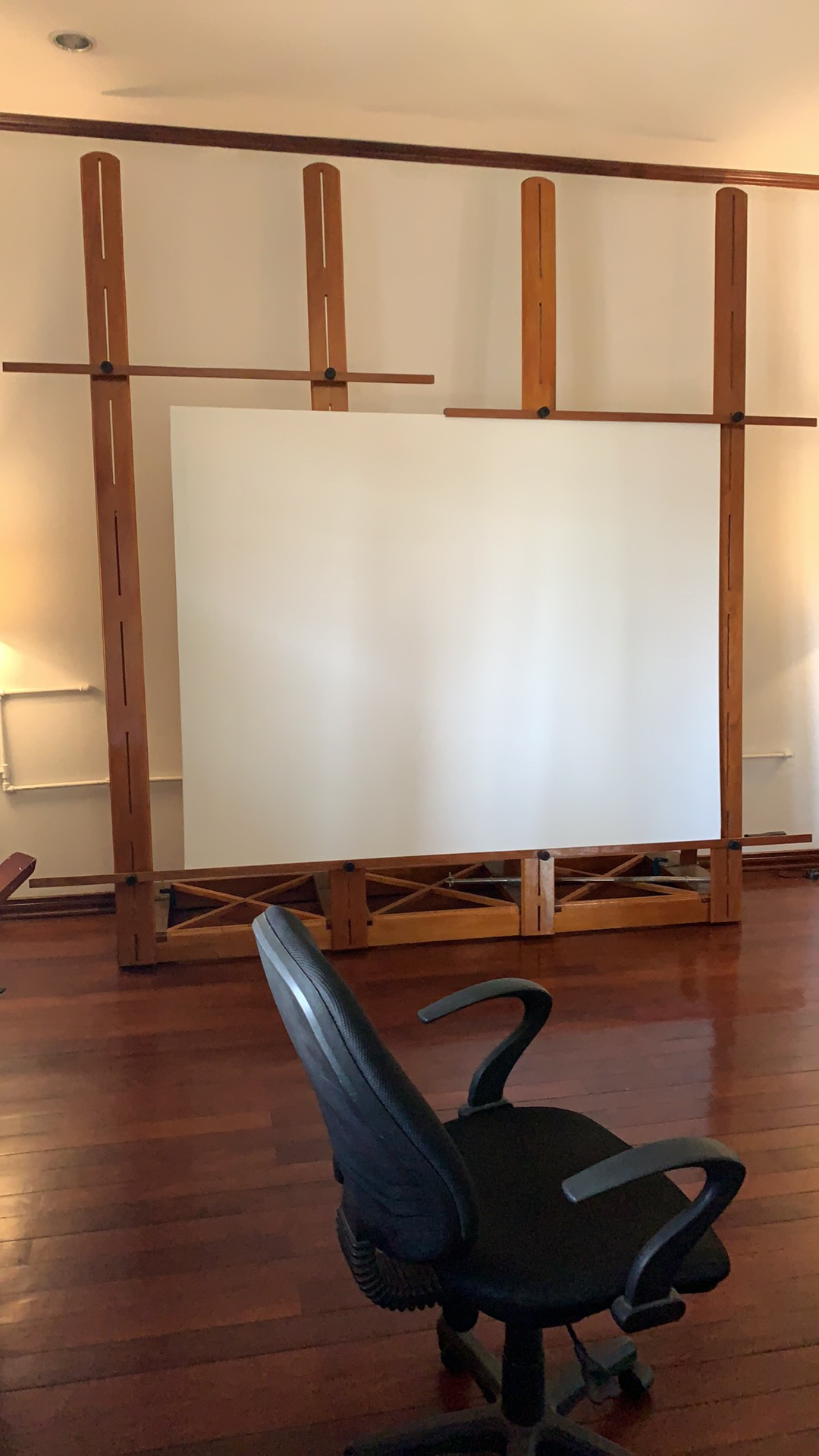
I solved that quandary by changing up some other rooms. Turns out the smallest room is a great place to concentrate. and it has a 9 foot wall which holds one of the biggest works I am onto at the moment.
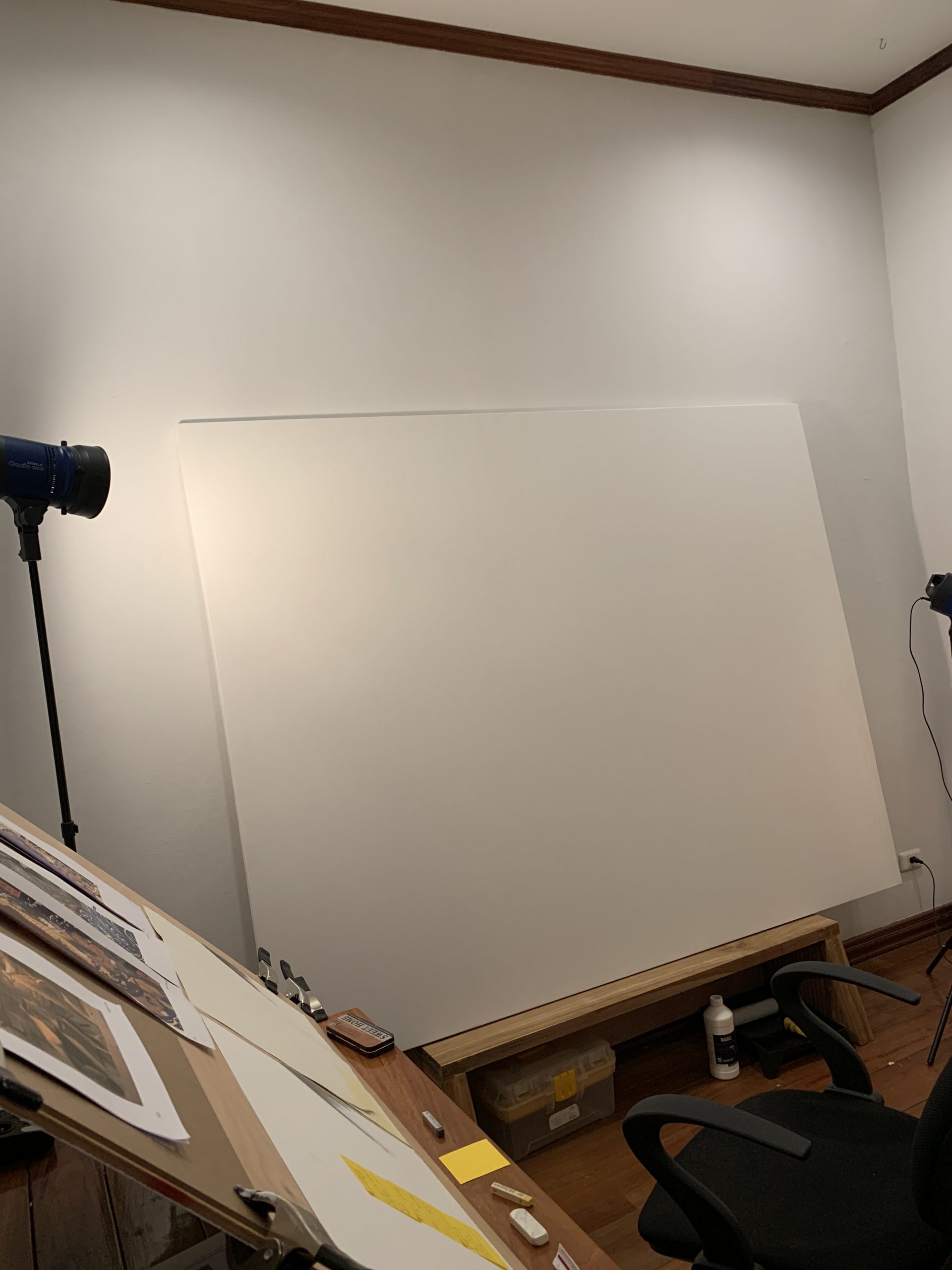
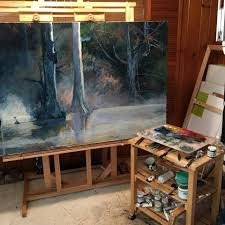
This shows the 7ft long work on the new easel base. I have yet to add in additional framework, and might not. This is pretty suitable so far.
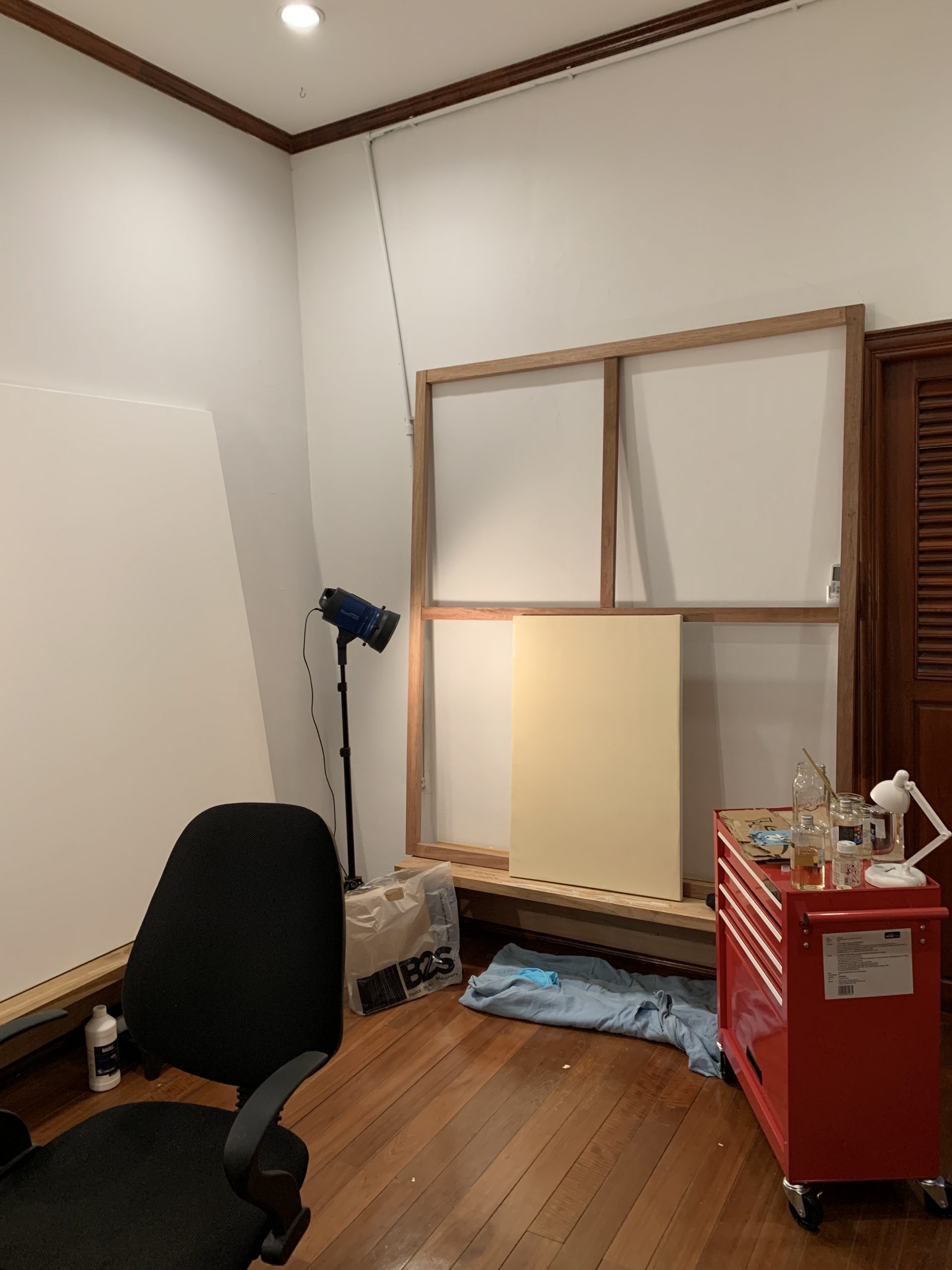
The easel bases or “footings” are strong enough I took one of the pair and moved to easel wall “B”.
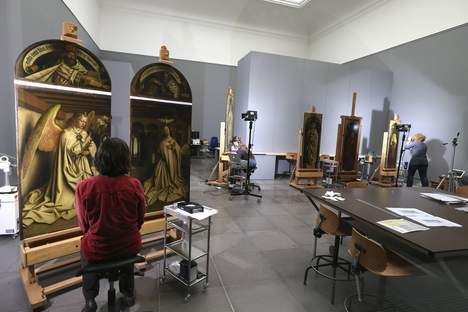
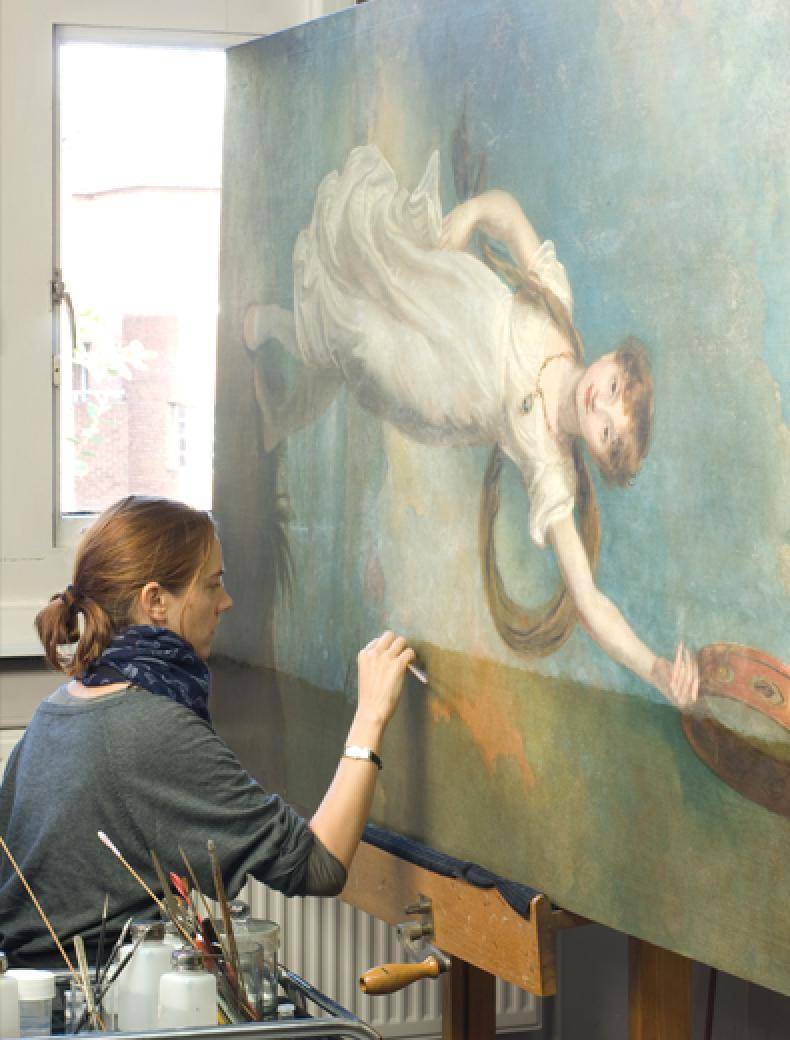
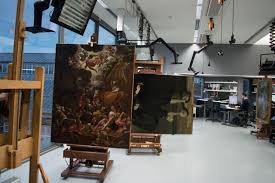
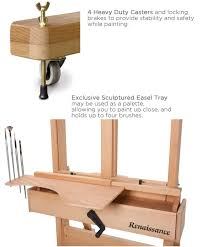
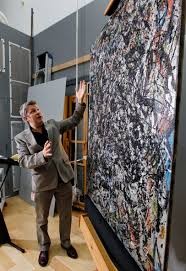
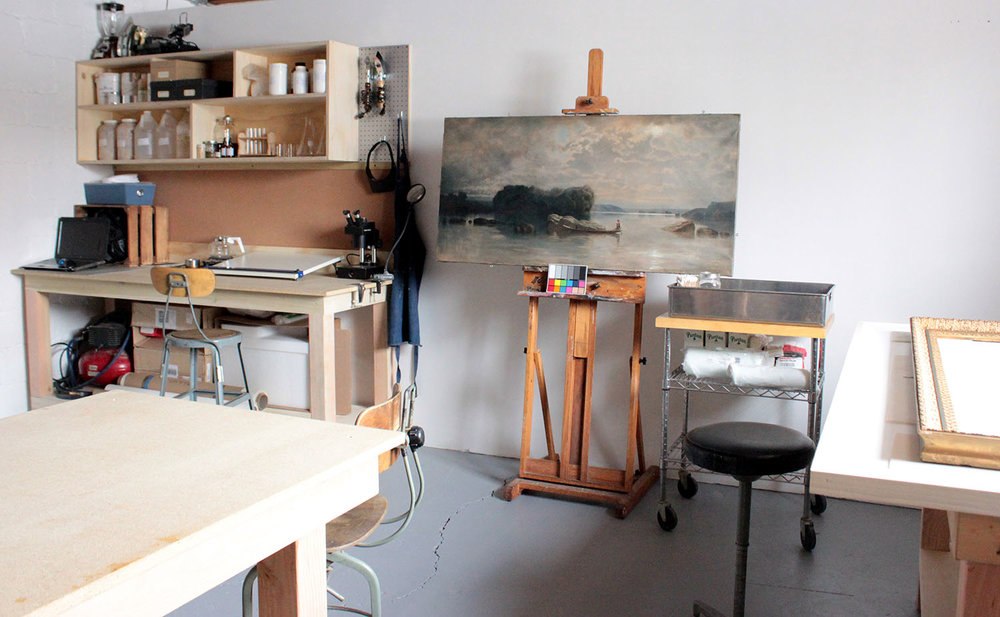
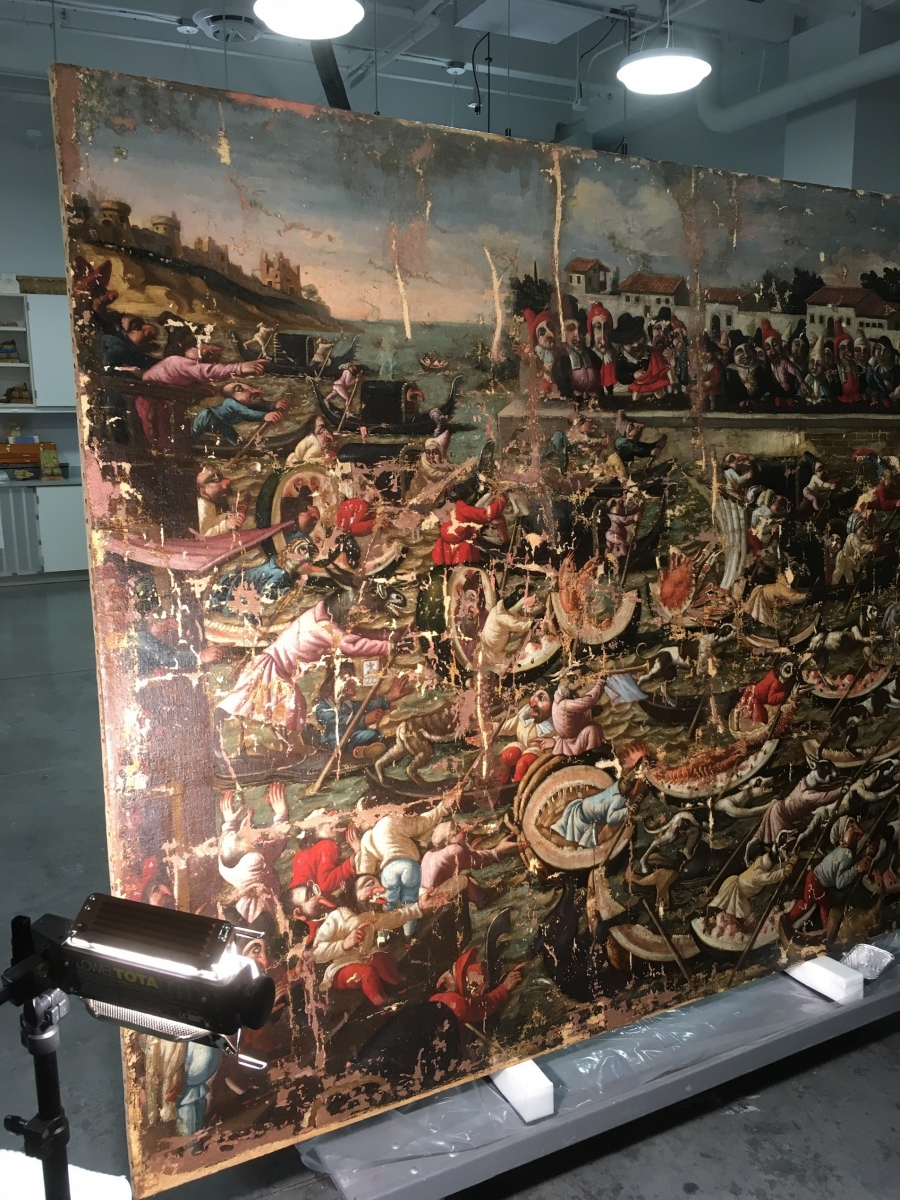
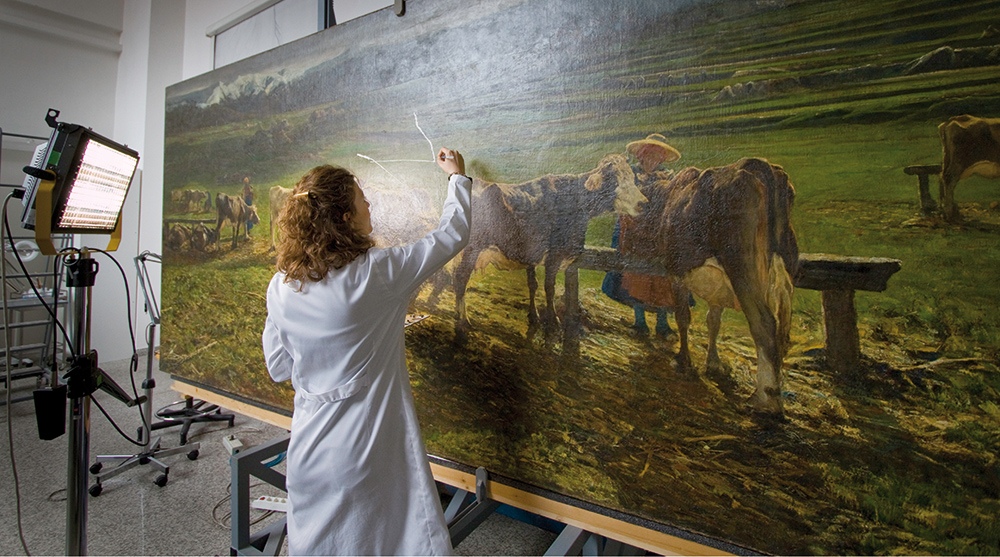
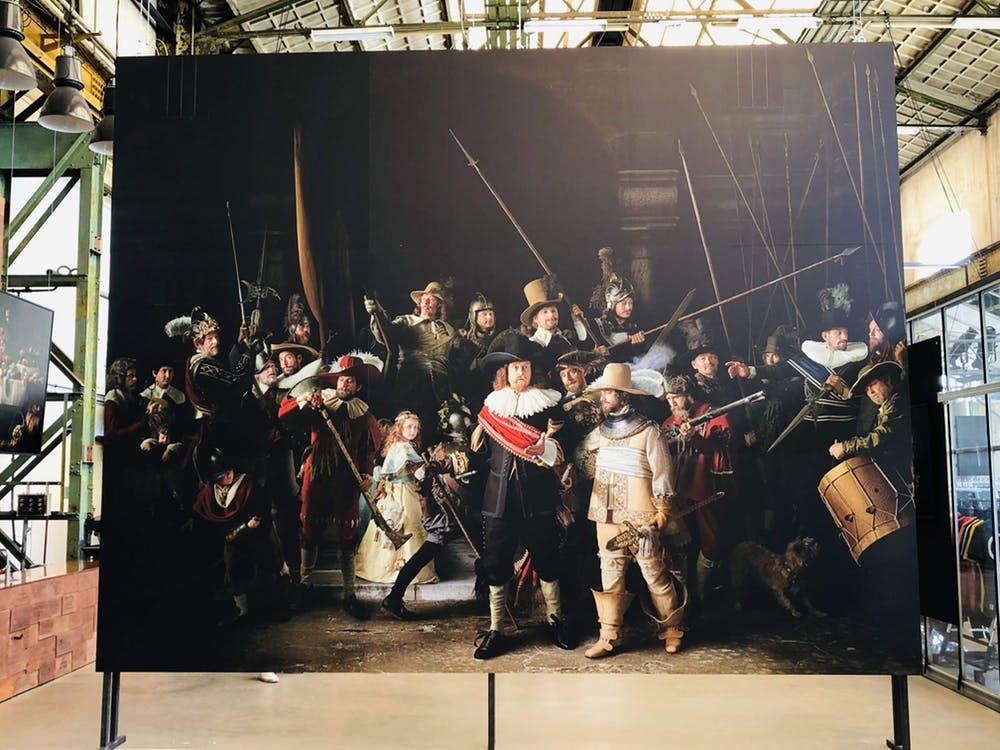
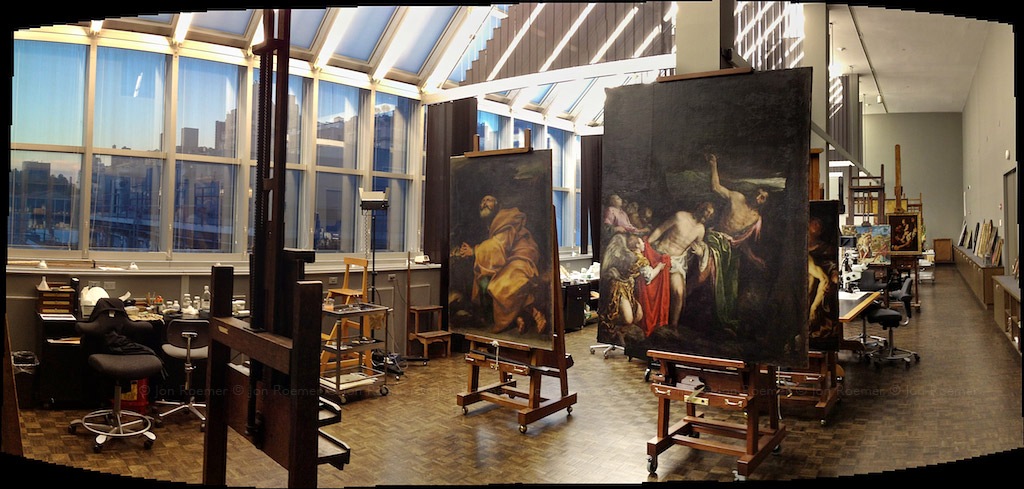
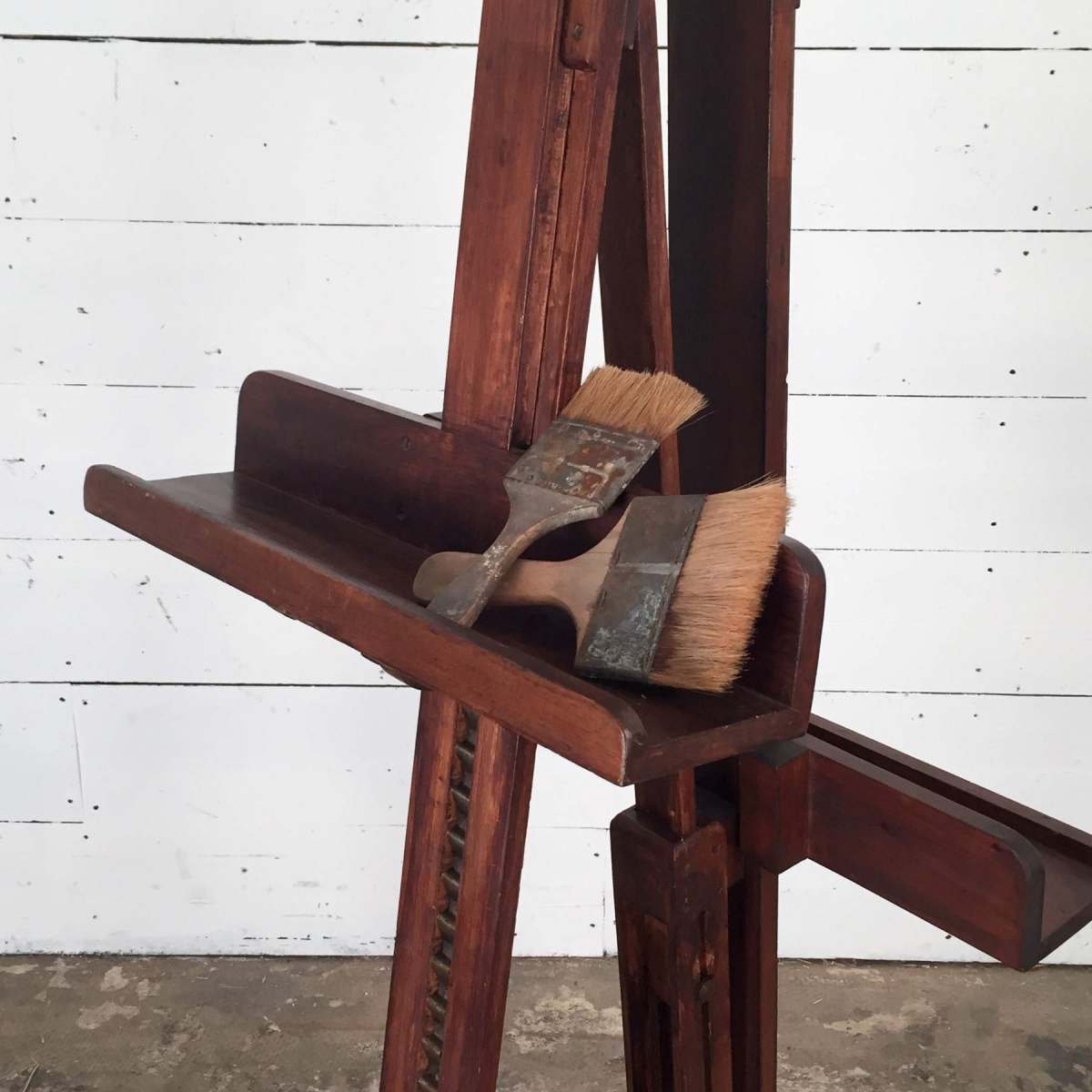
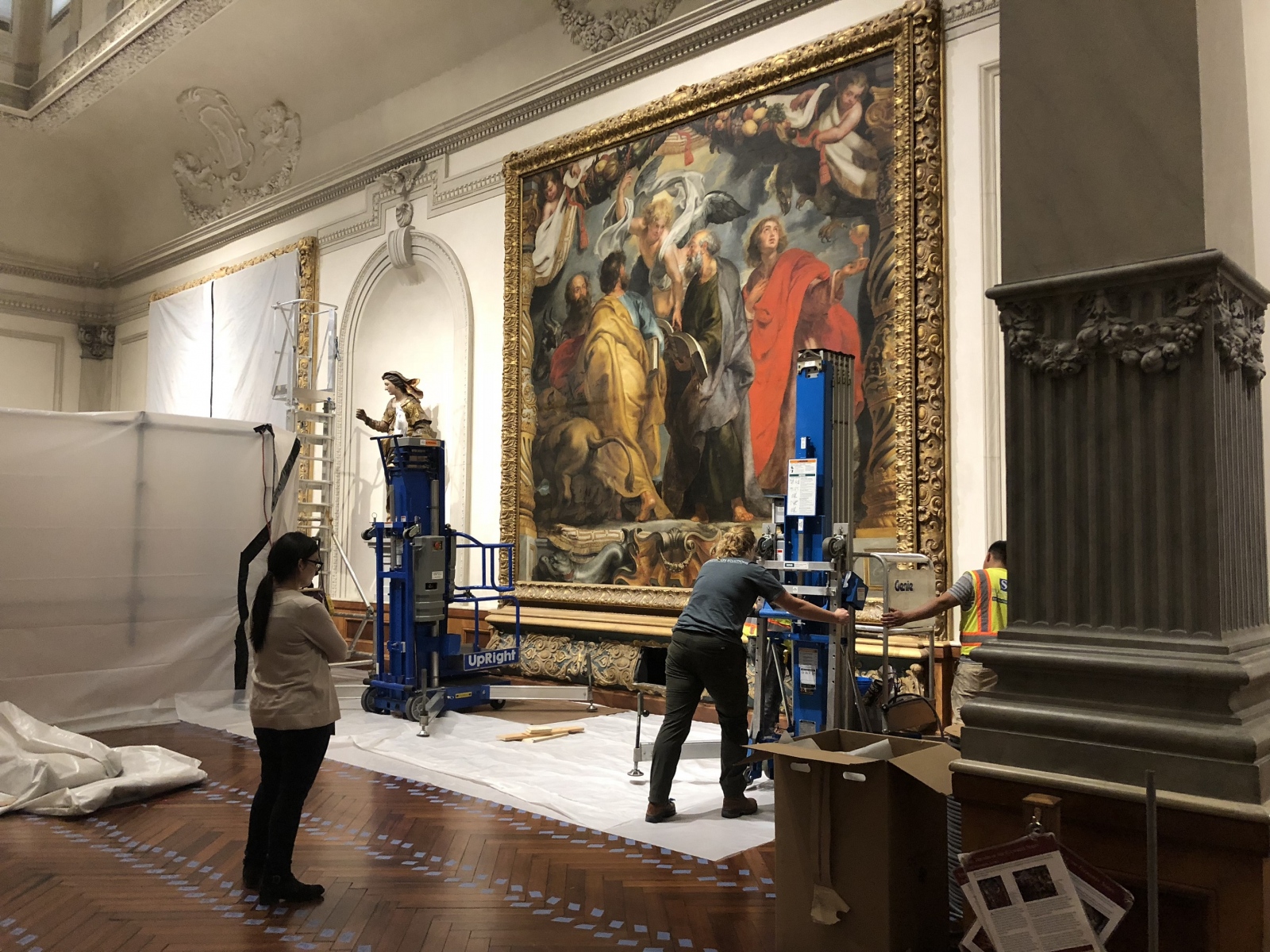
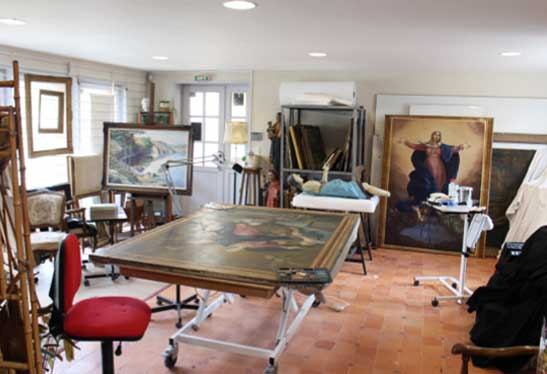
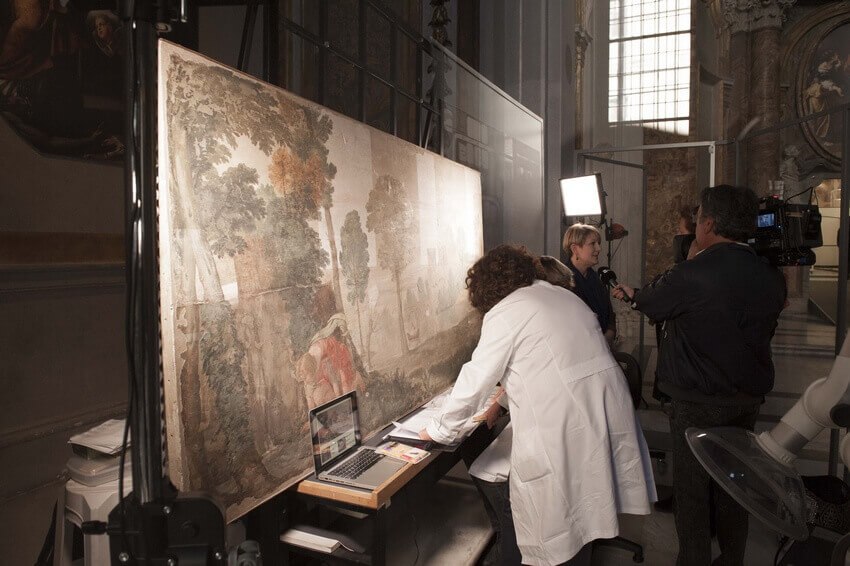
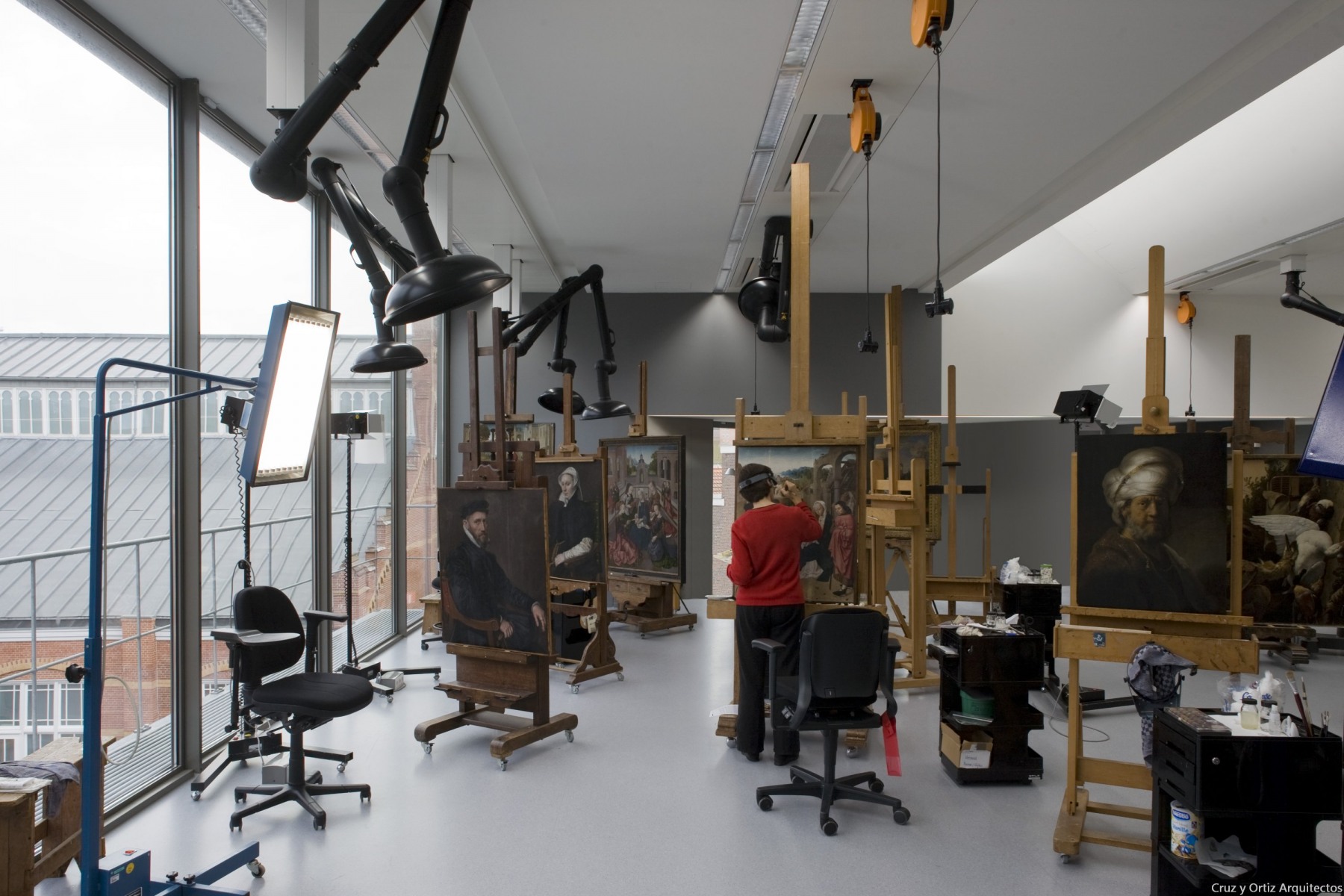
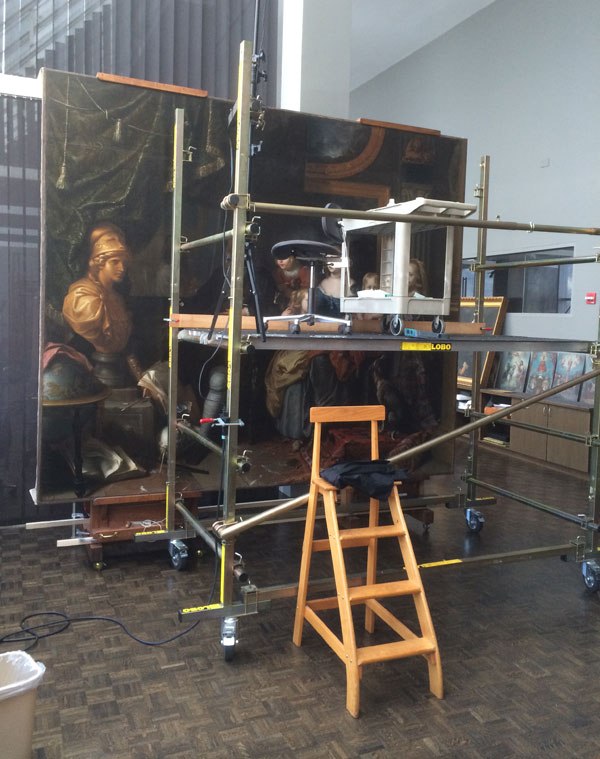
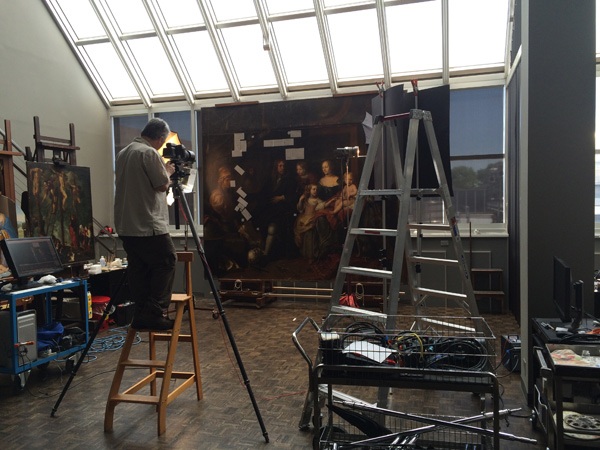
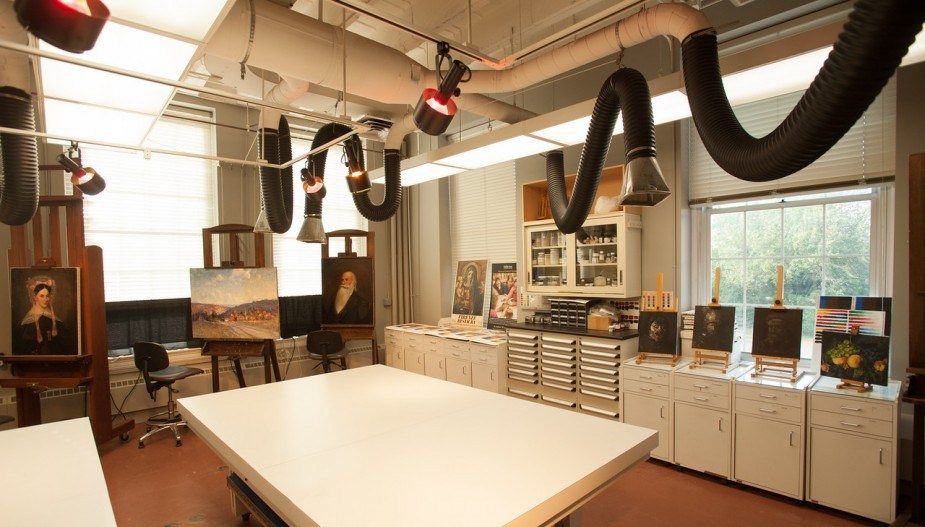
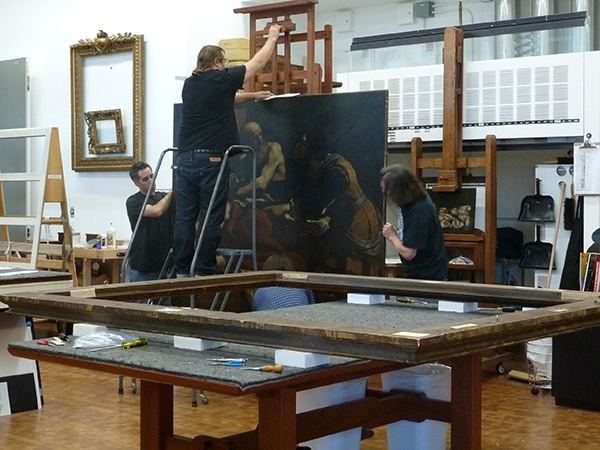
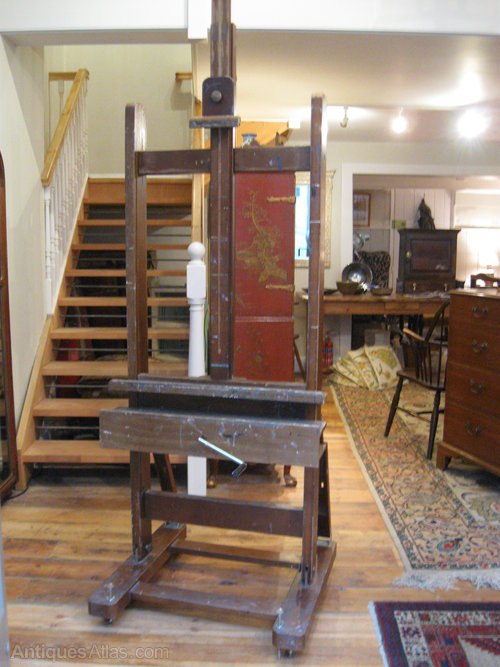
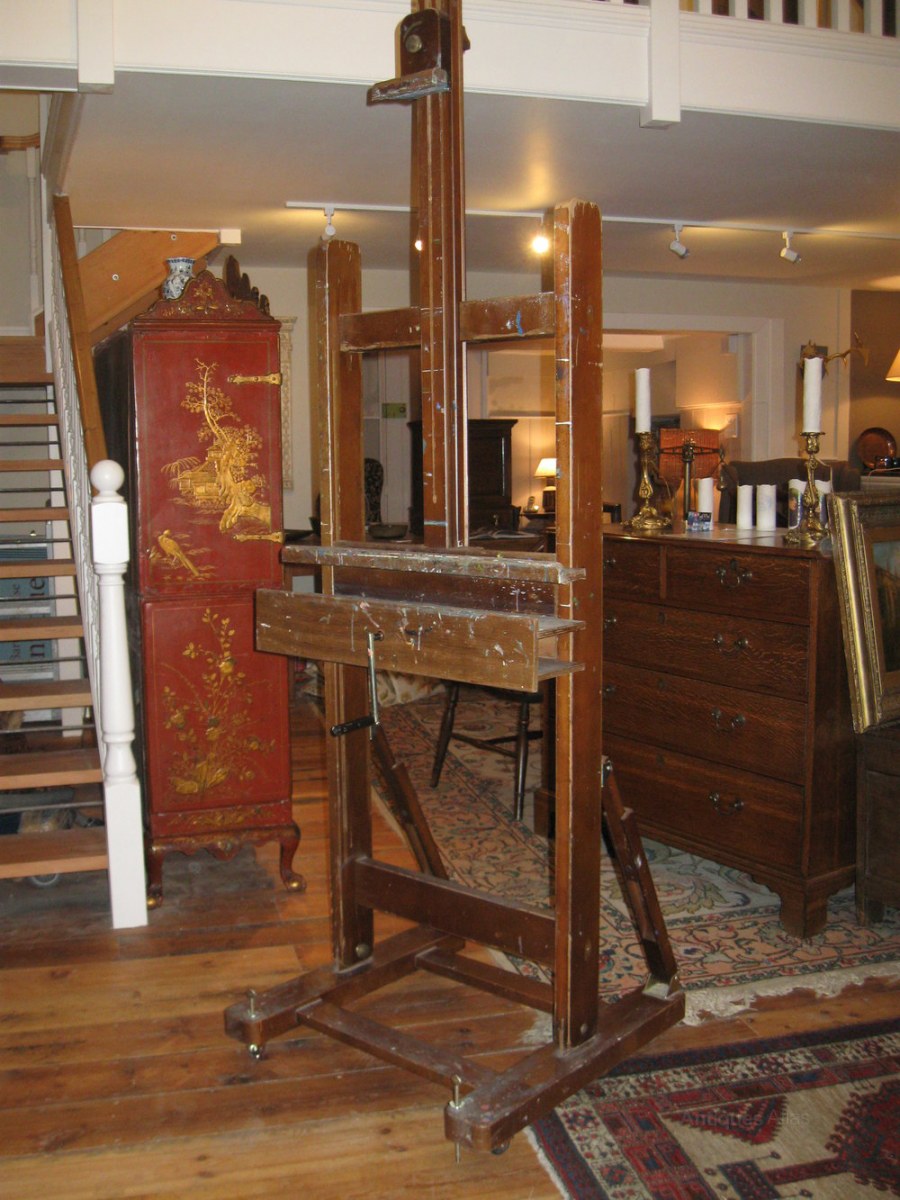
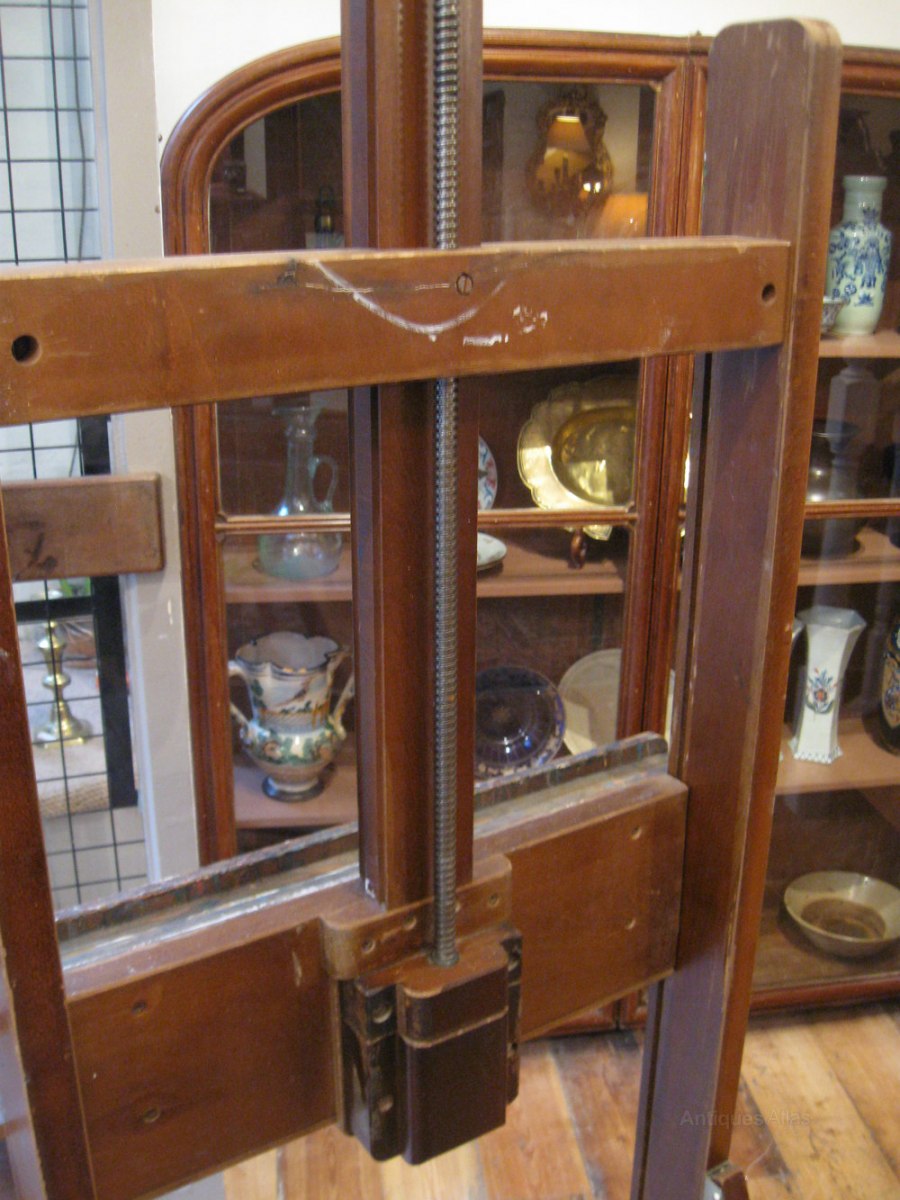
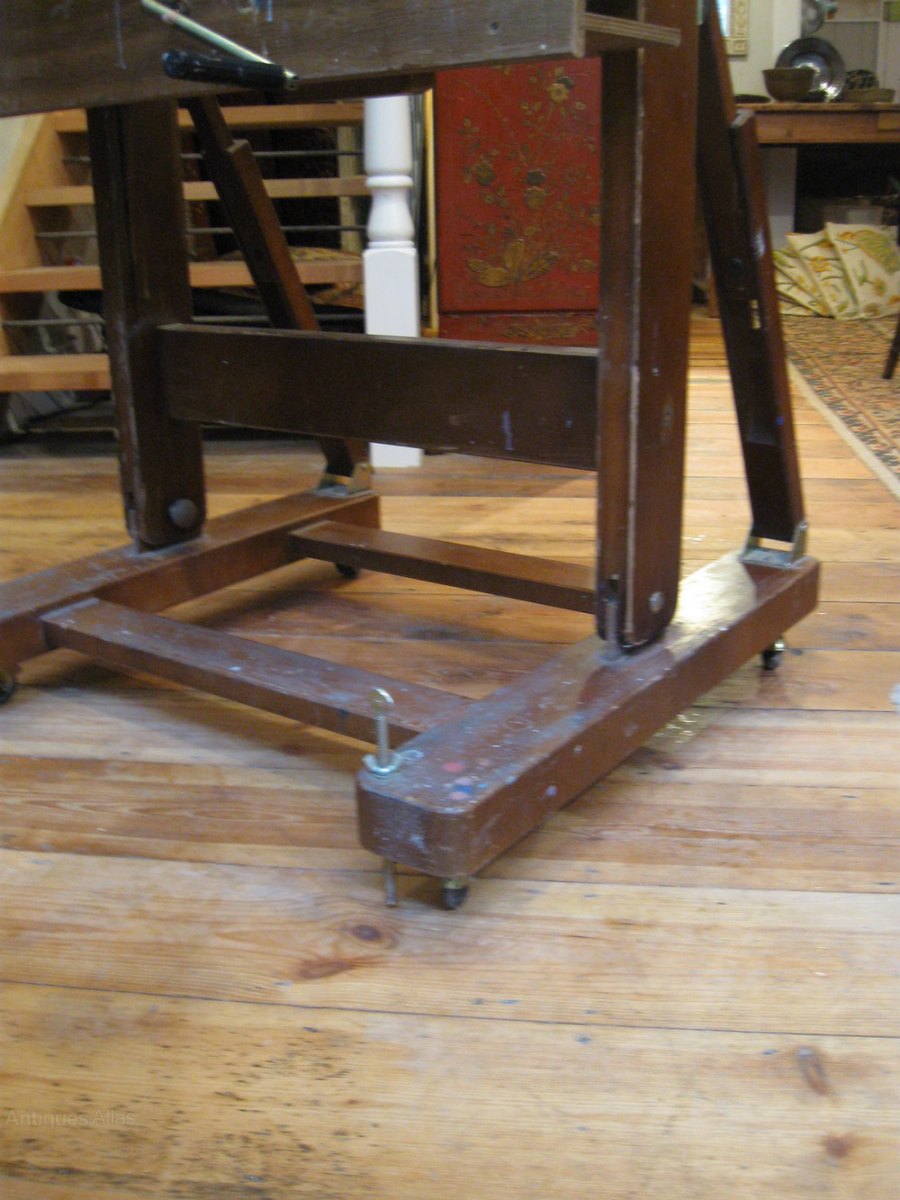
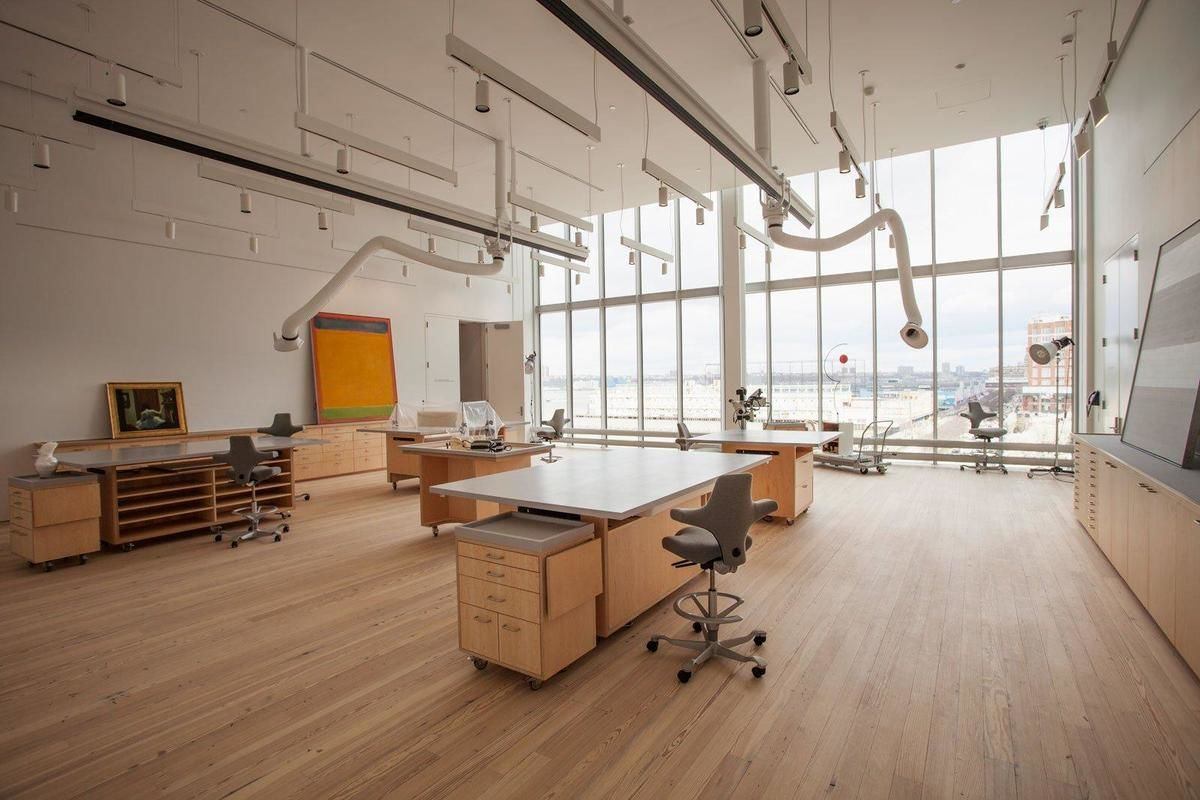
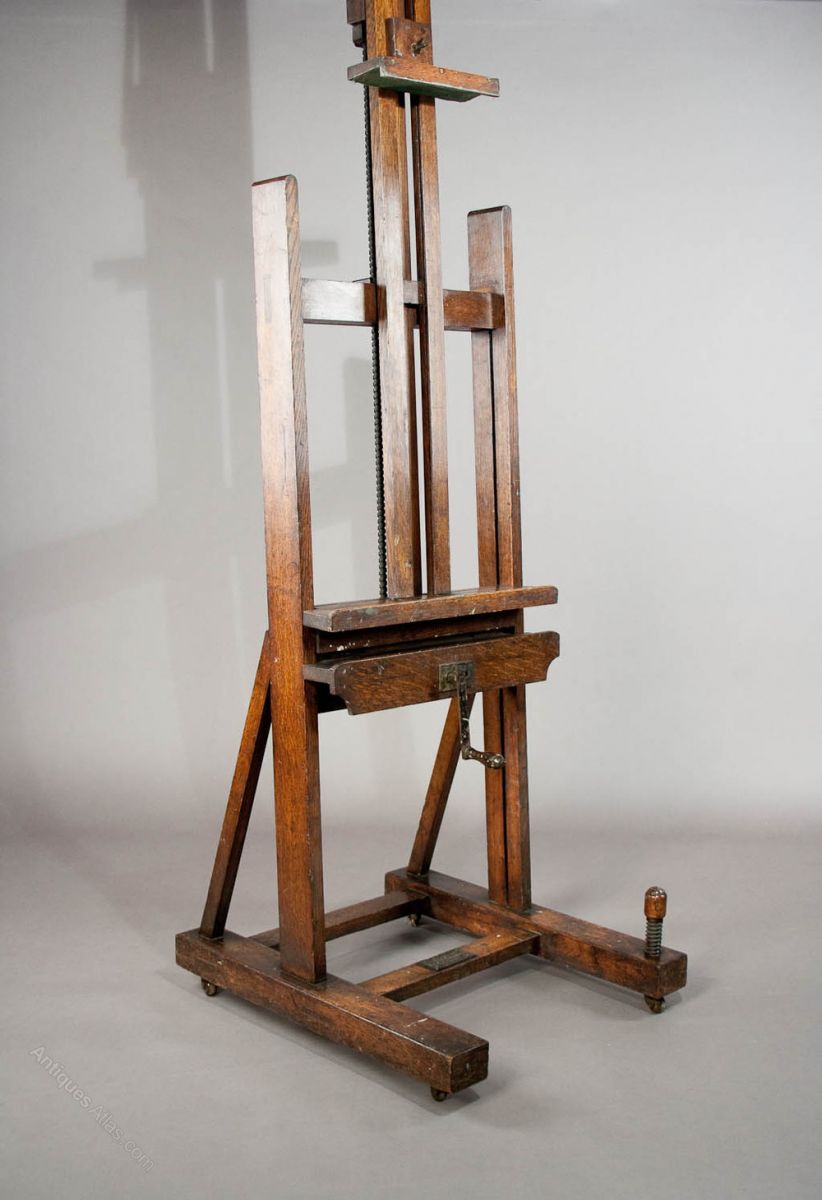
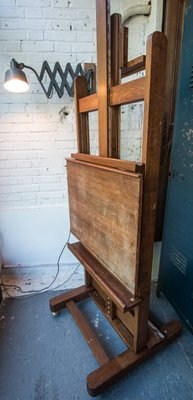
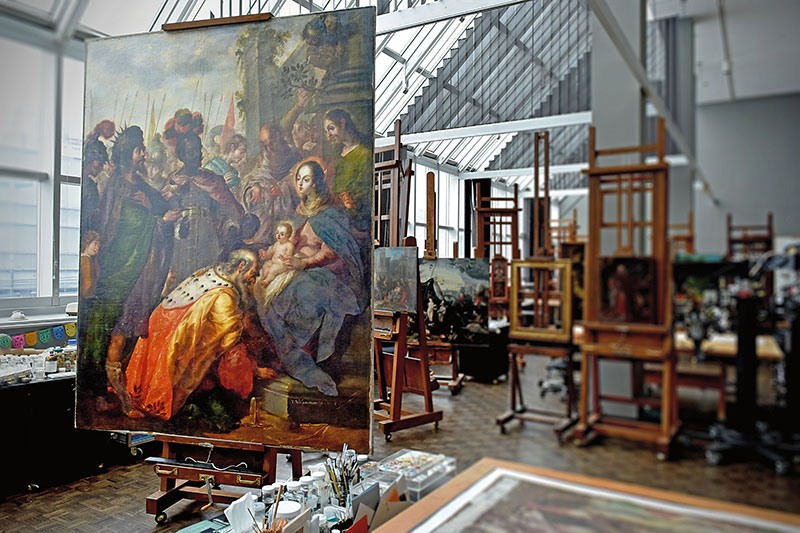
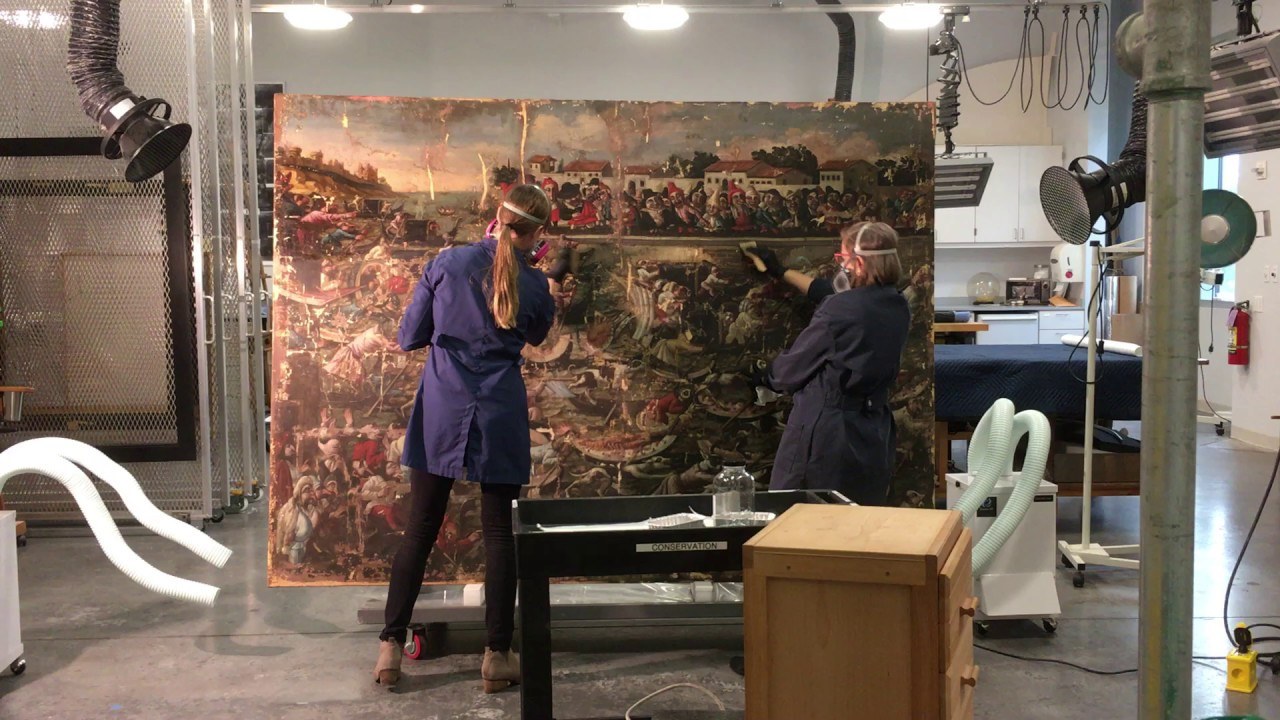
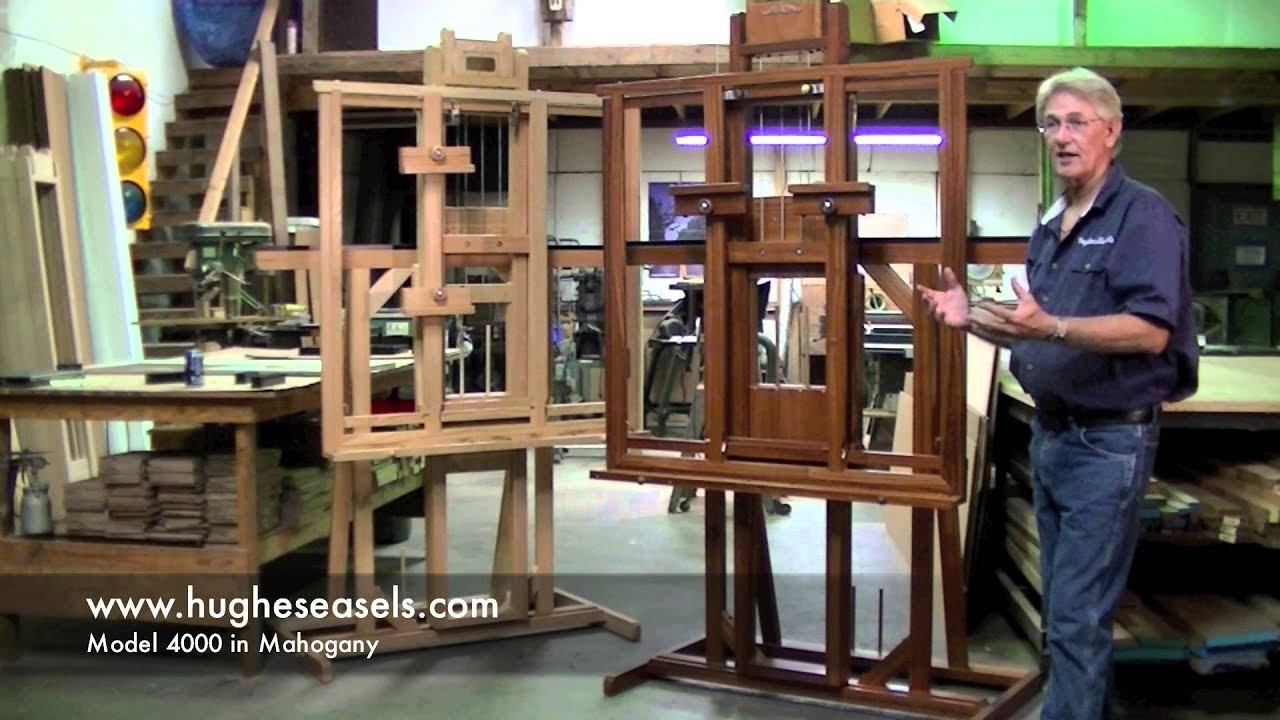
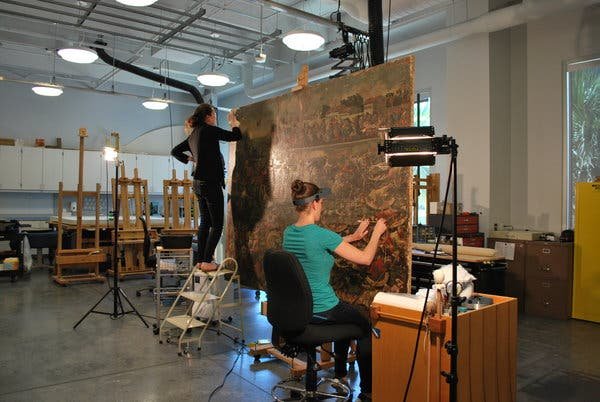
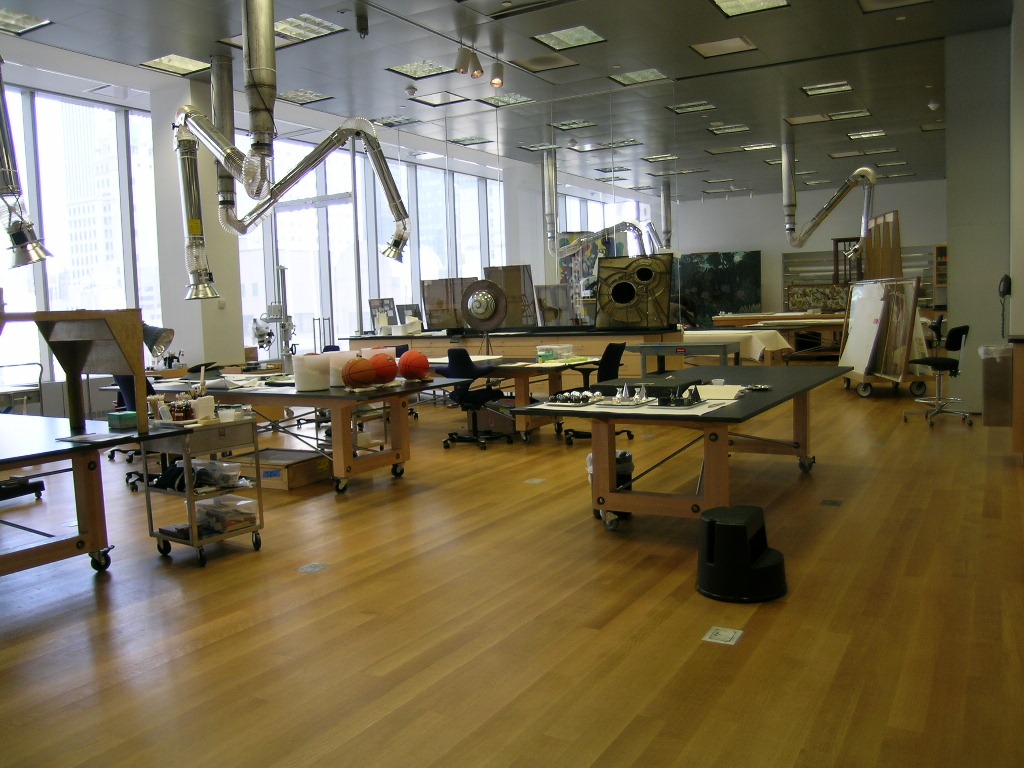
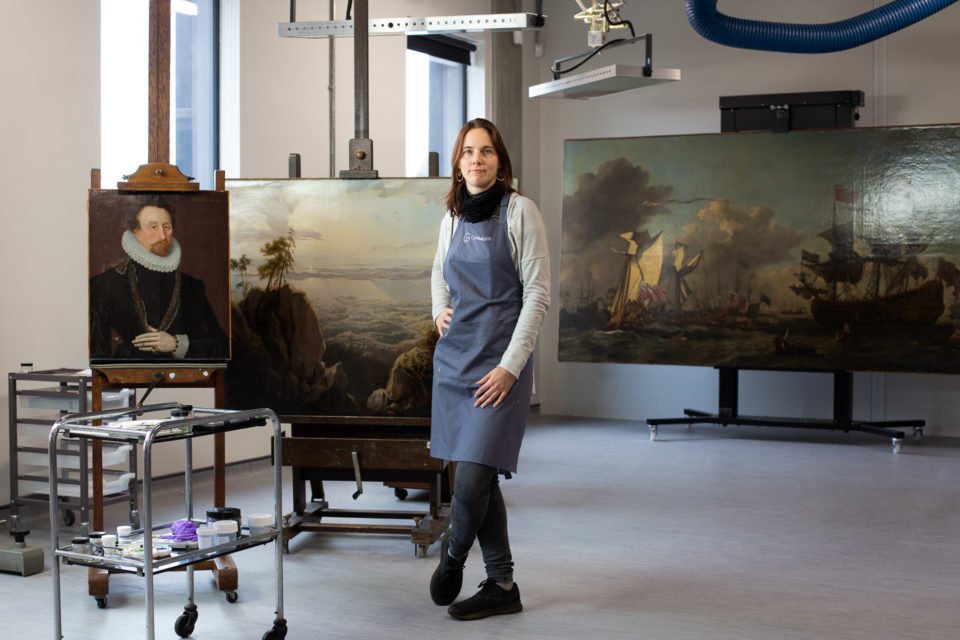
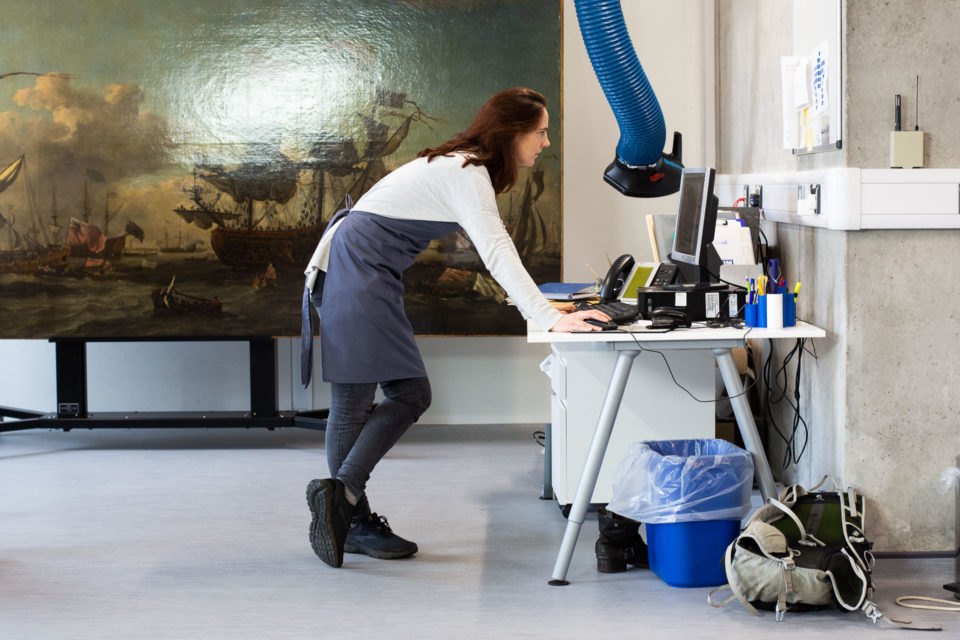
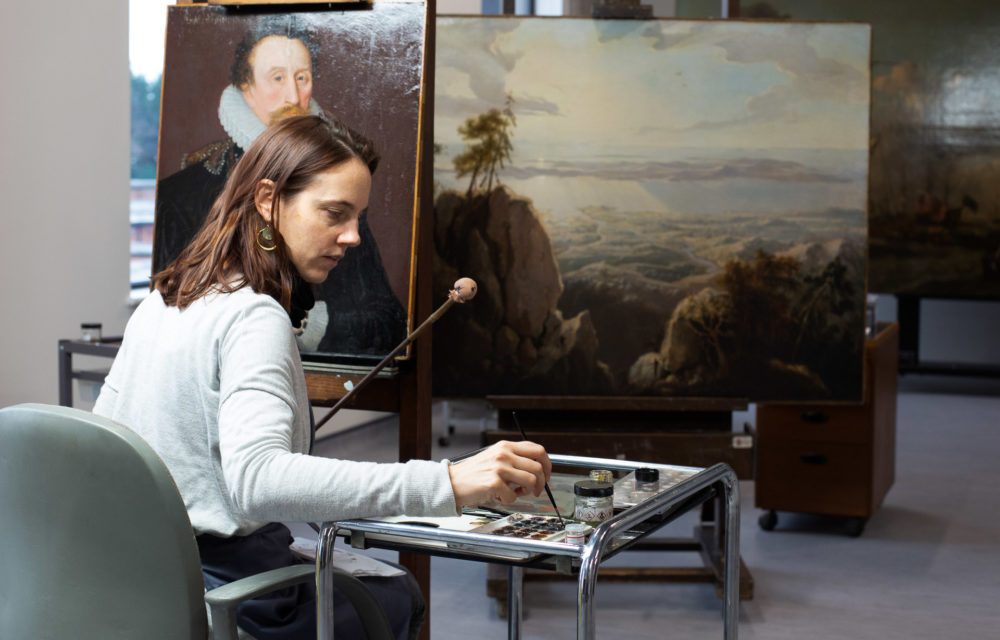
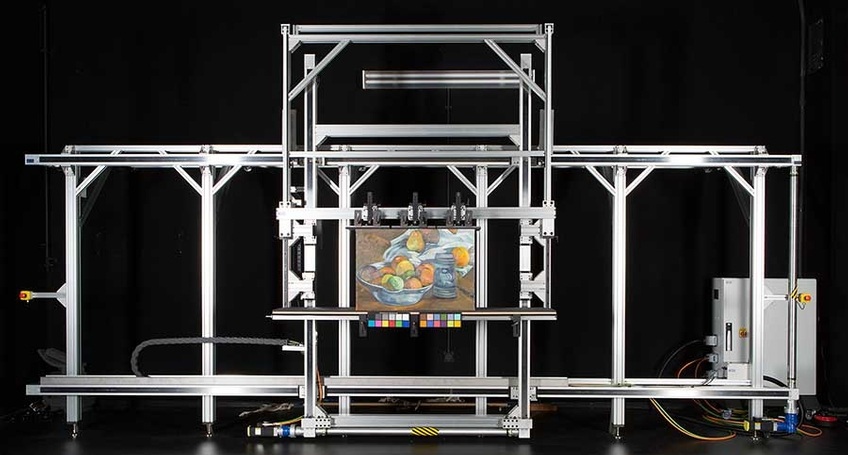
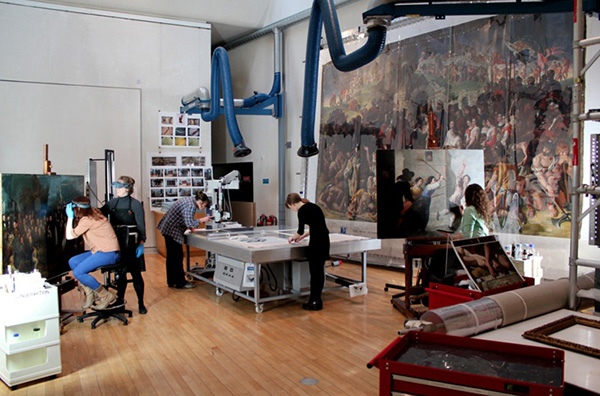
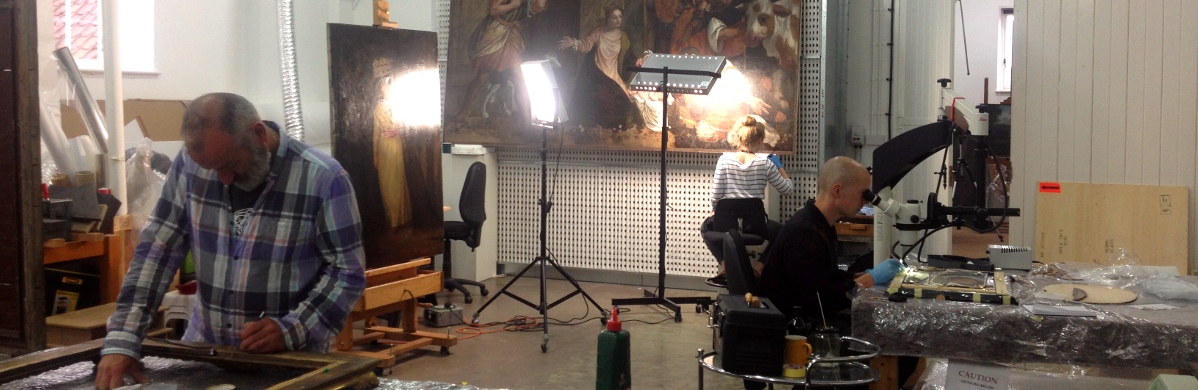
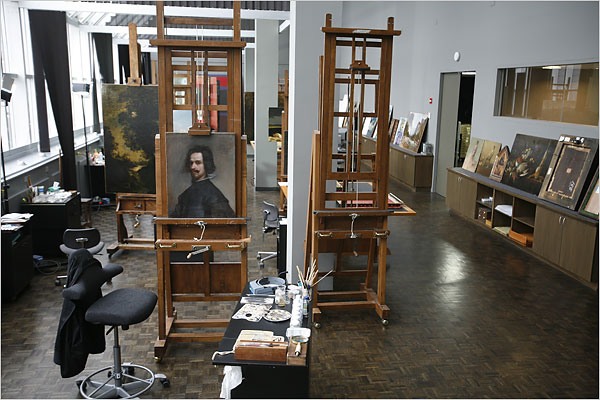
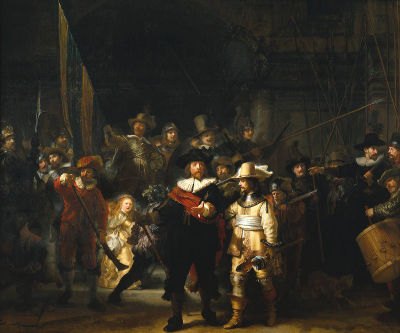
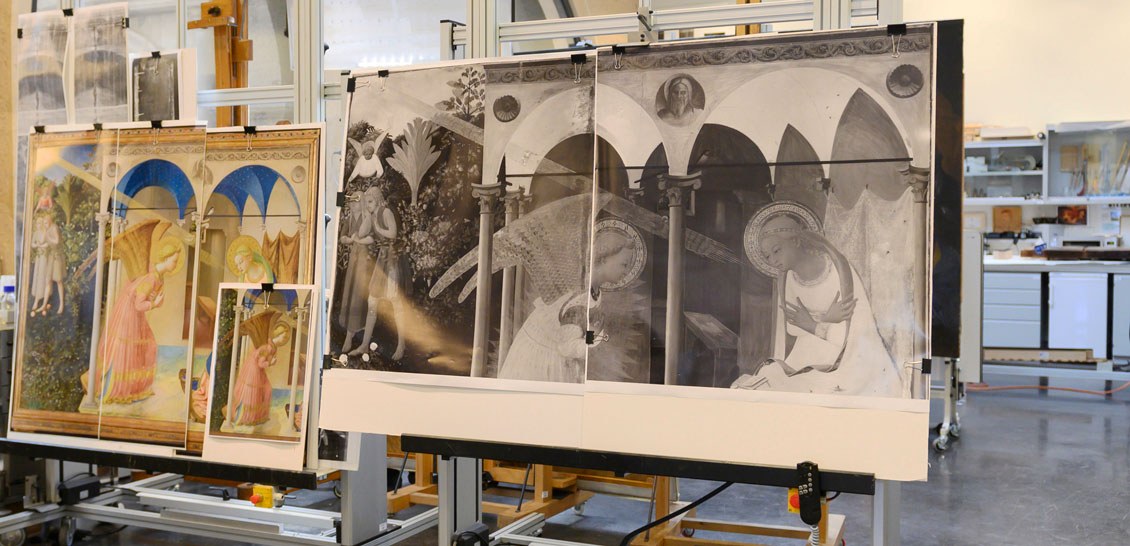
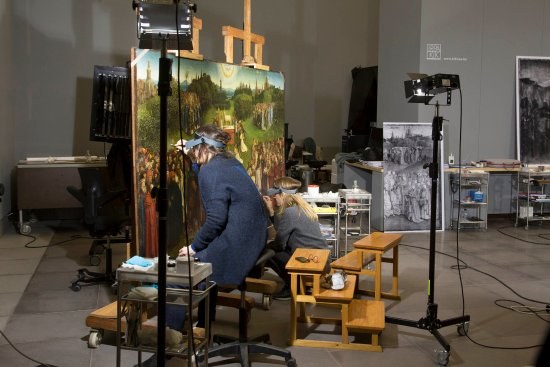
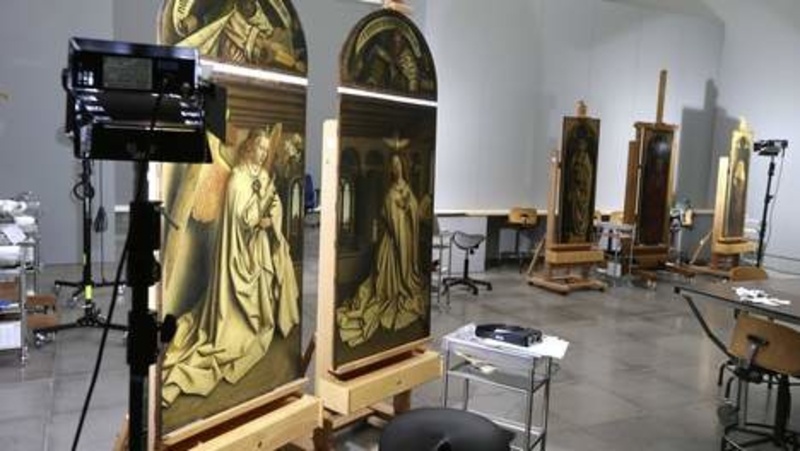
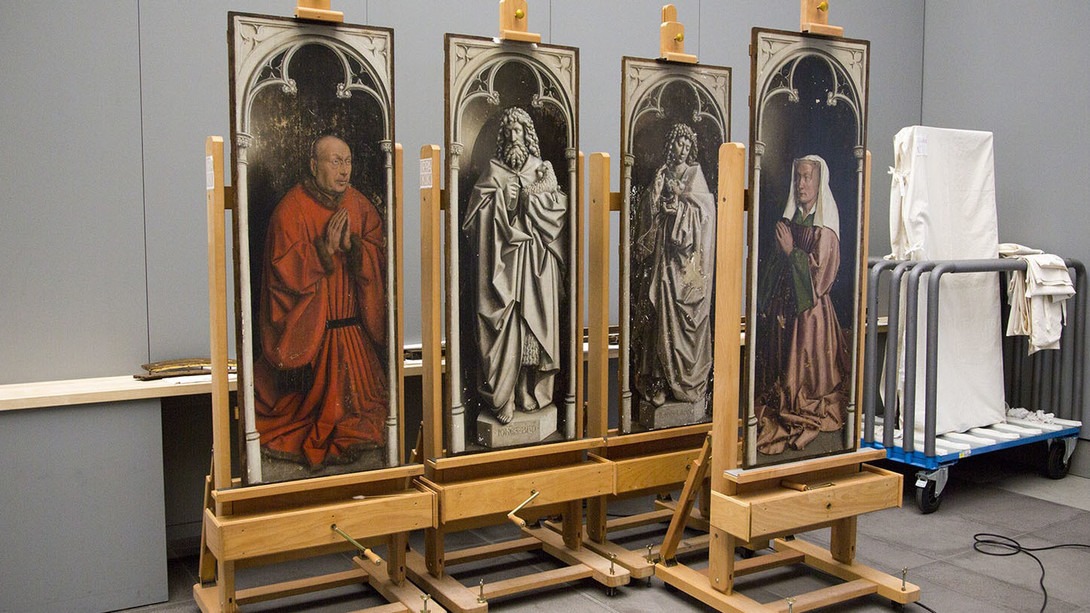
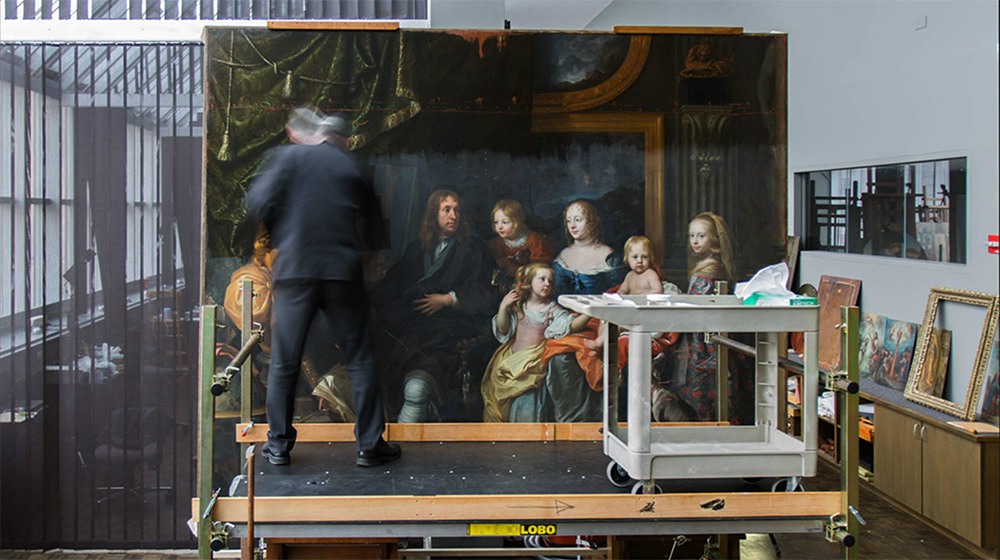
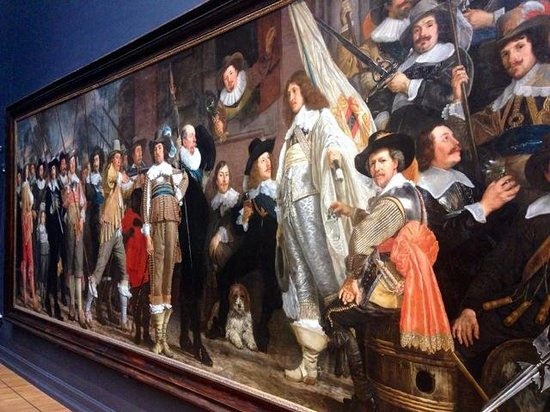
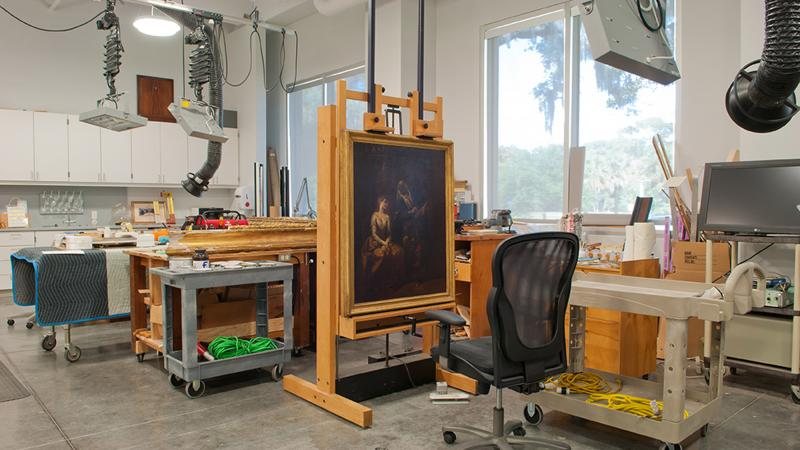
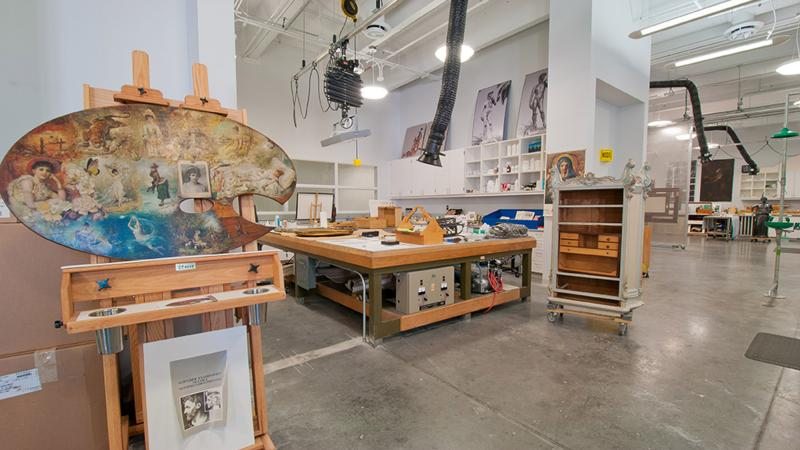
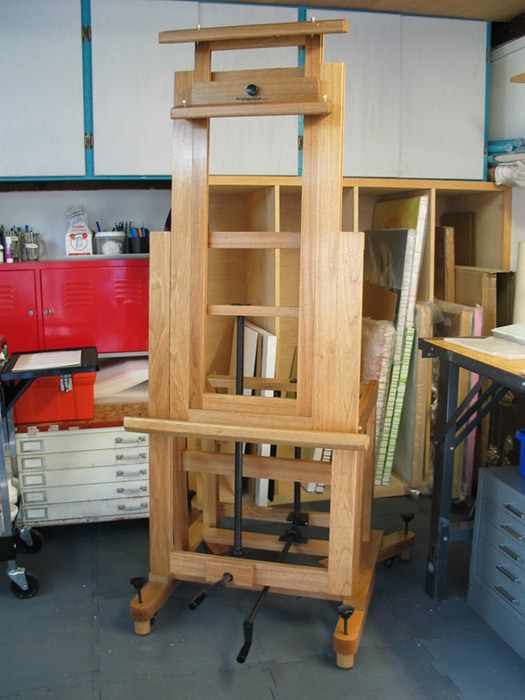
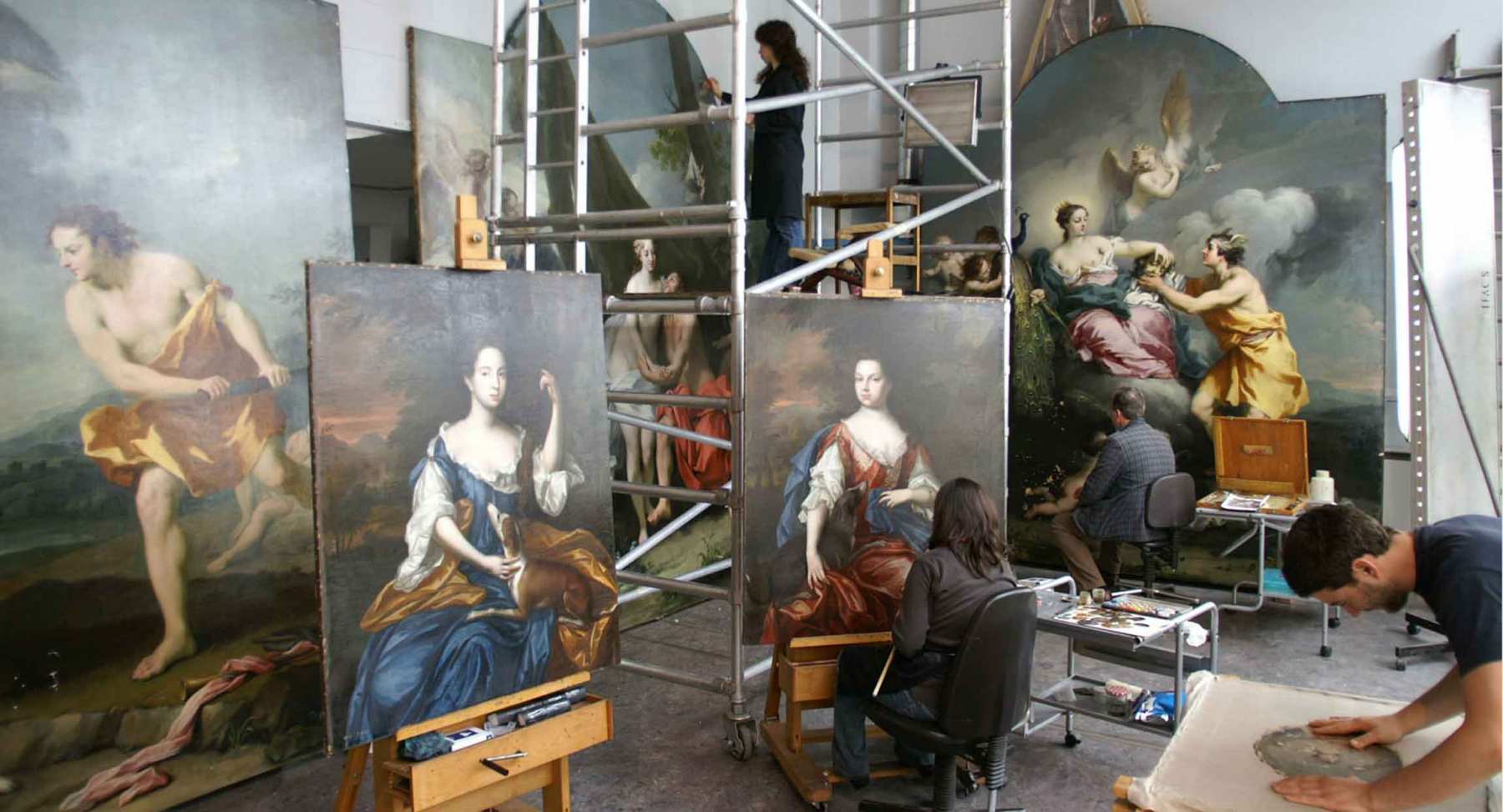
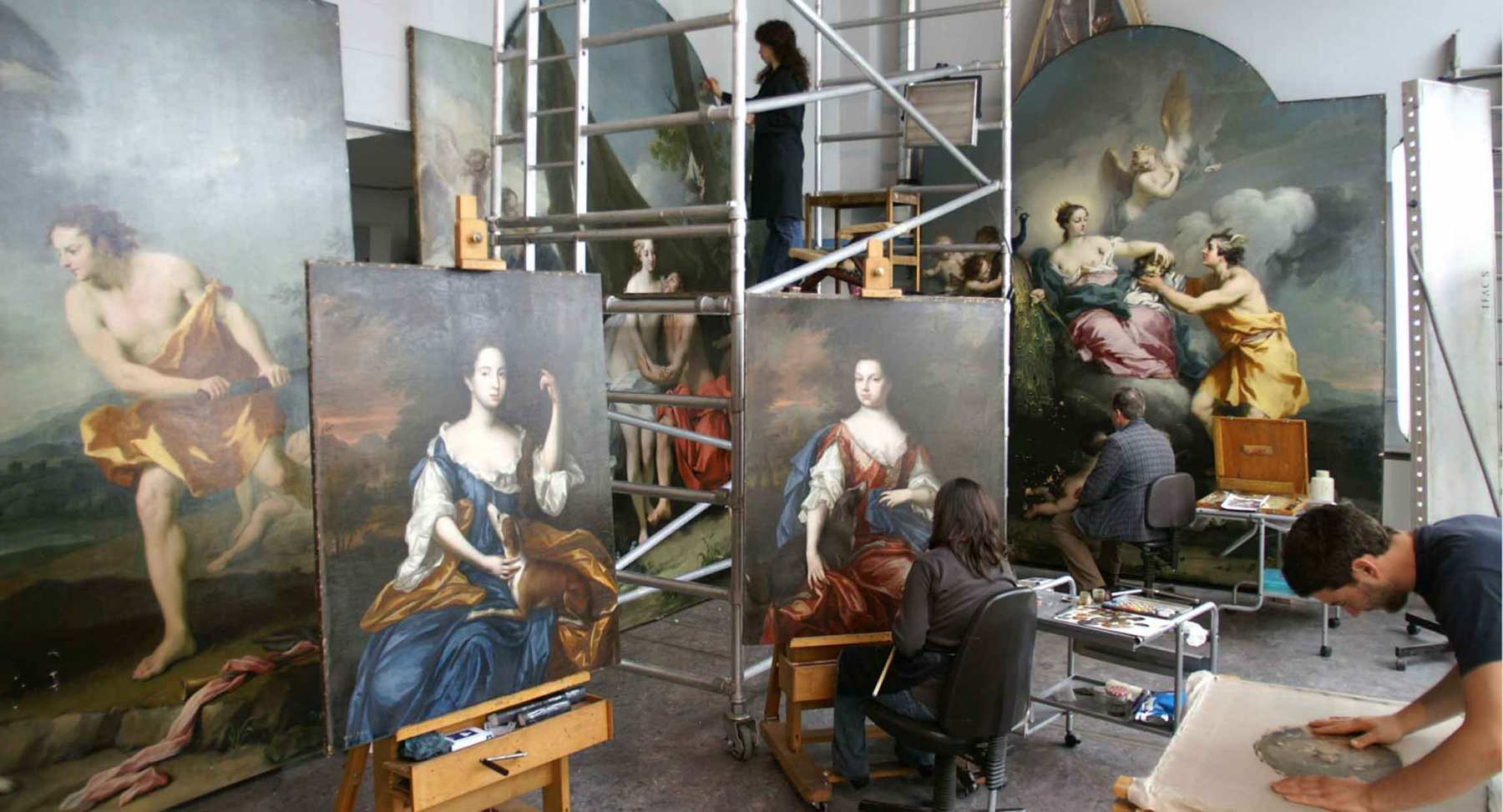
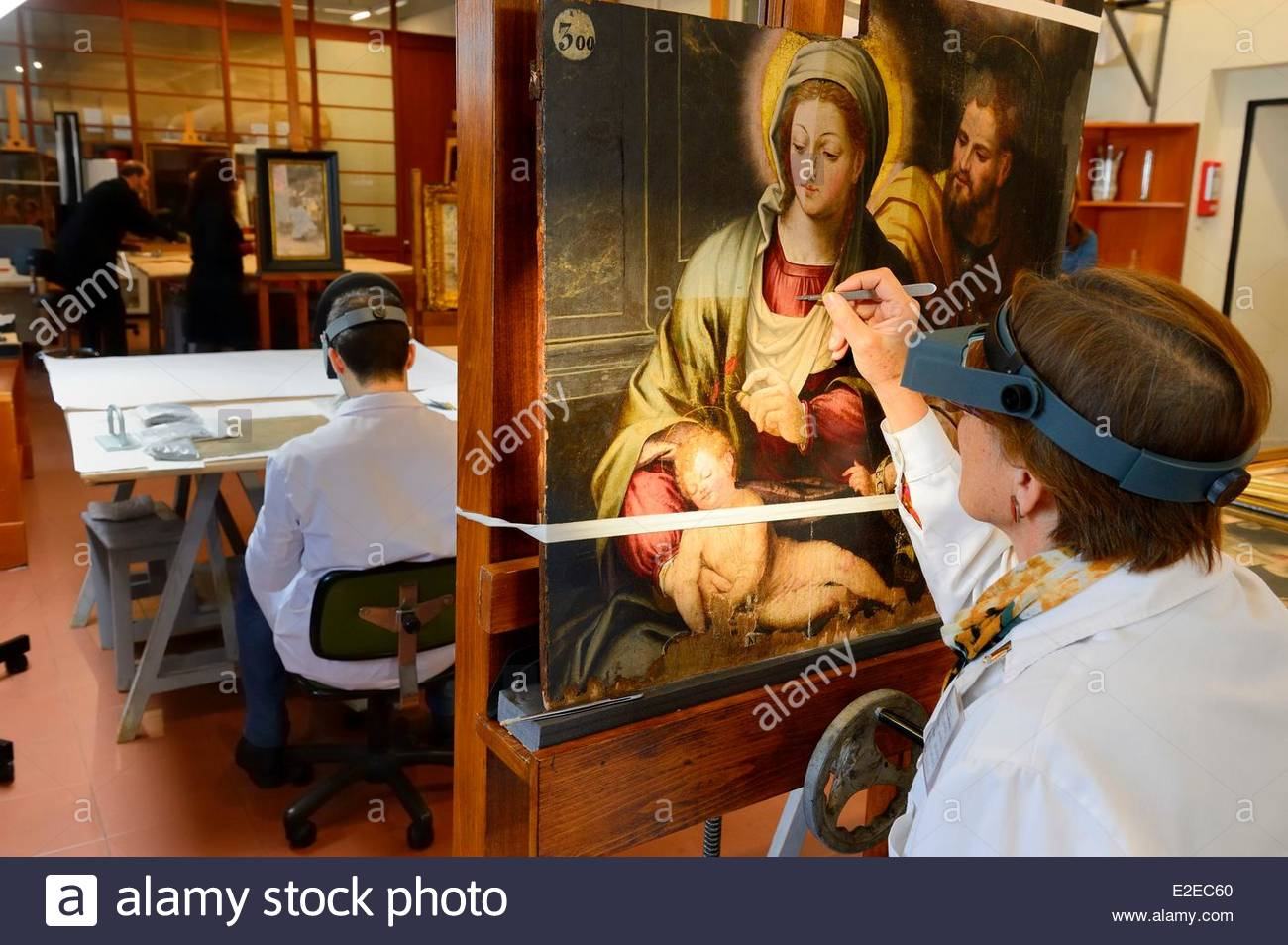
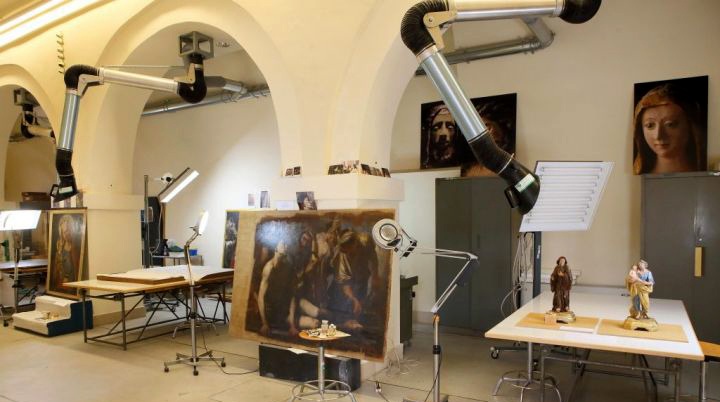
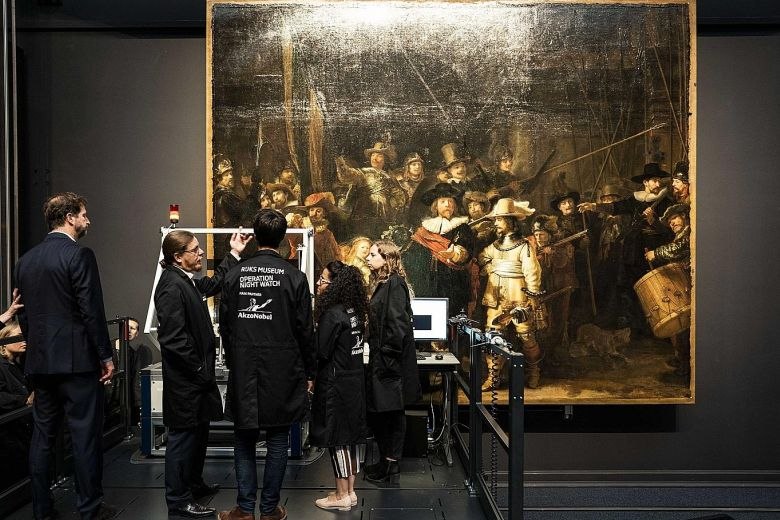
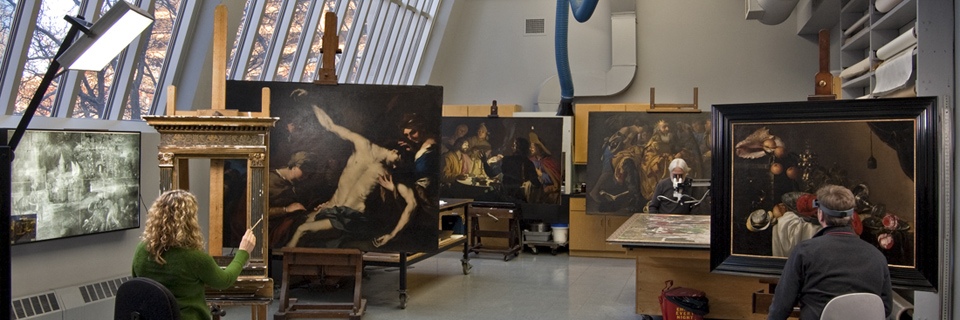
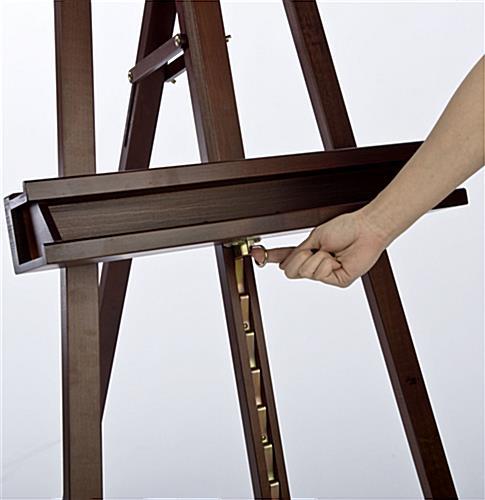
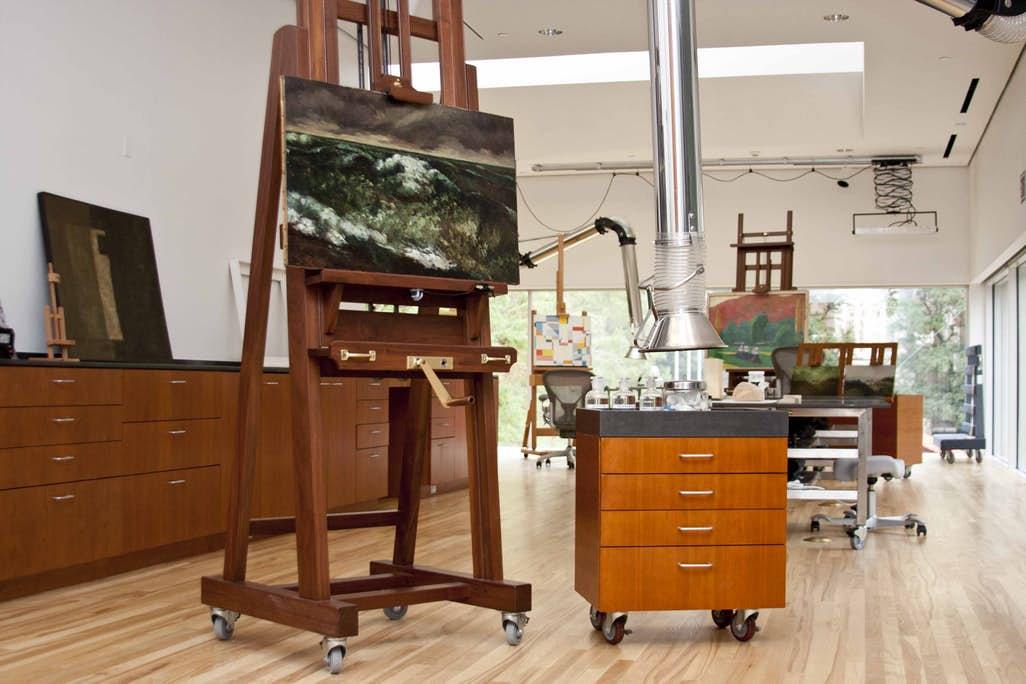
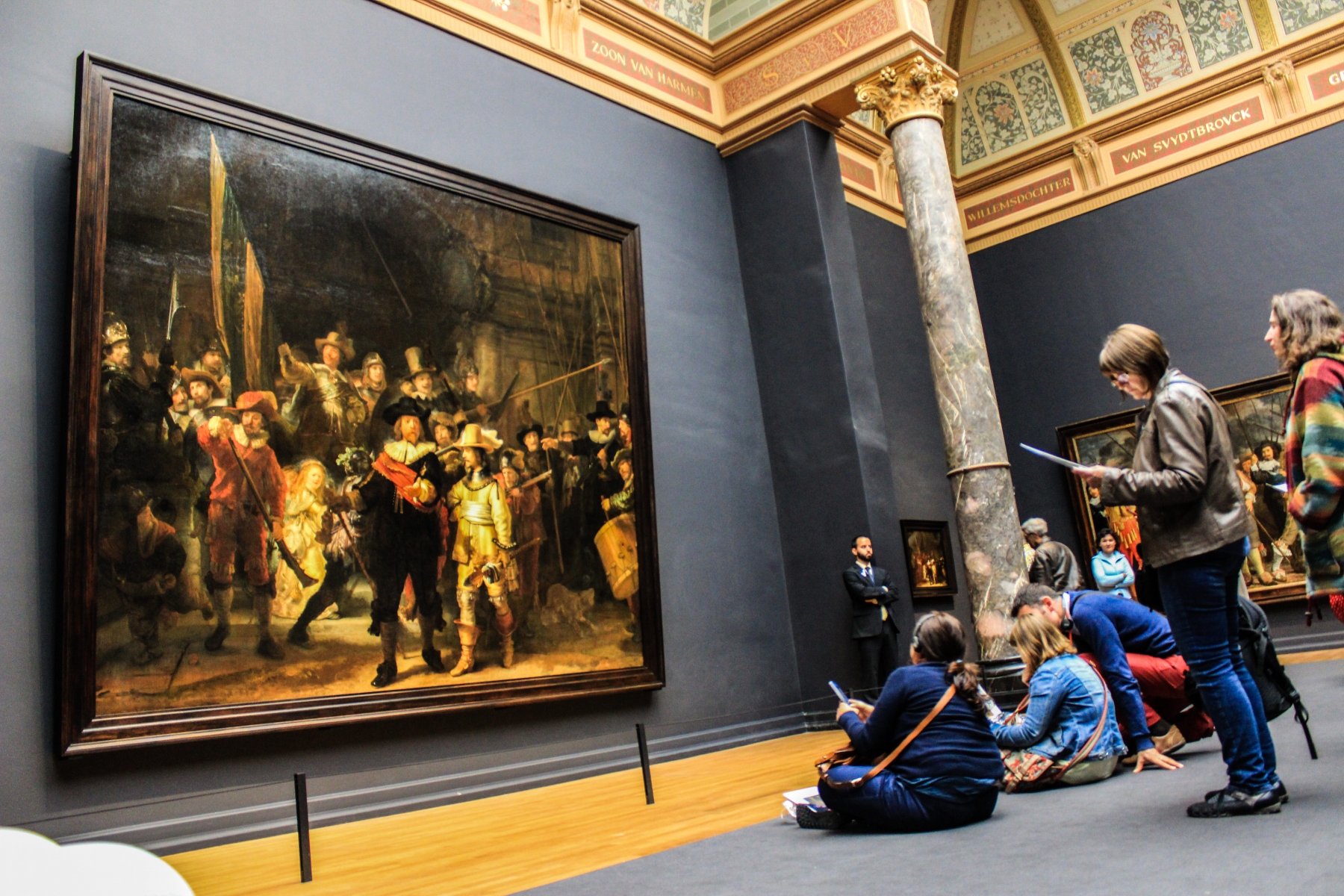
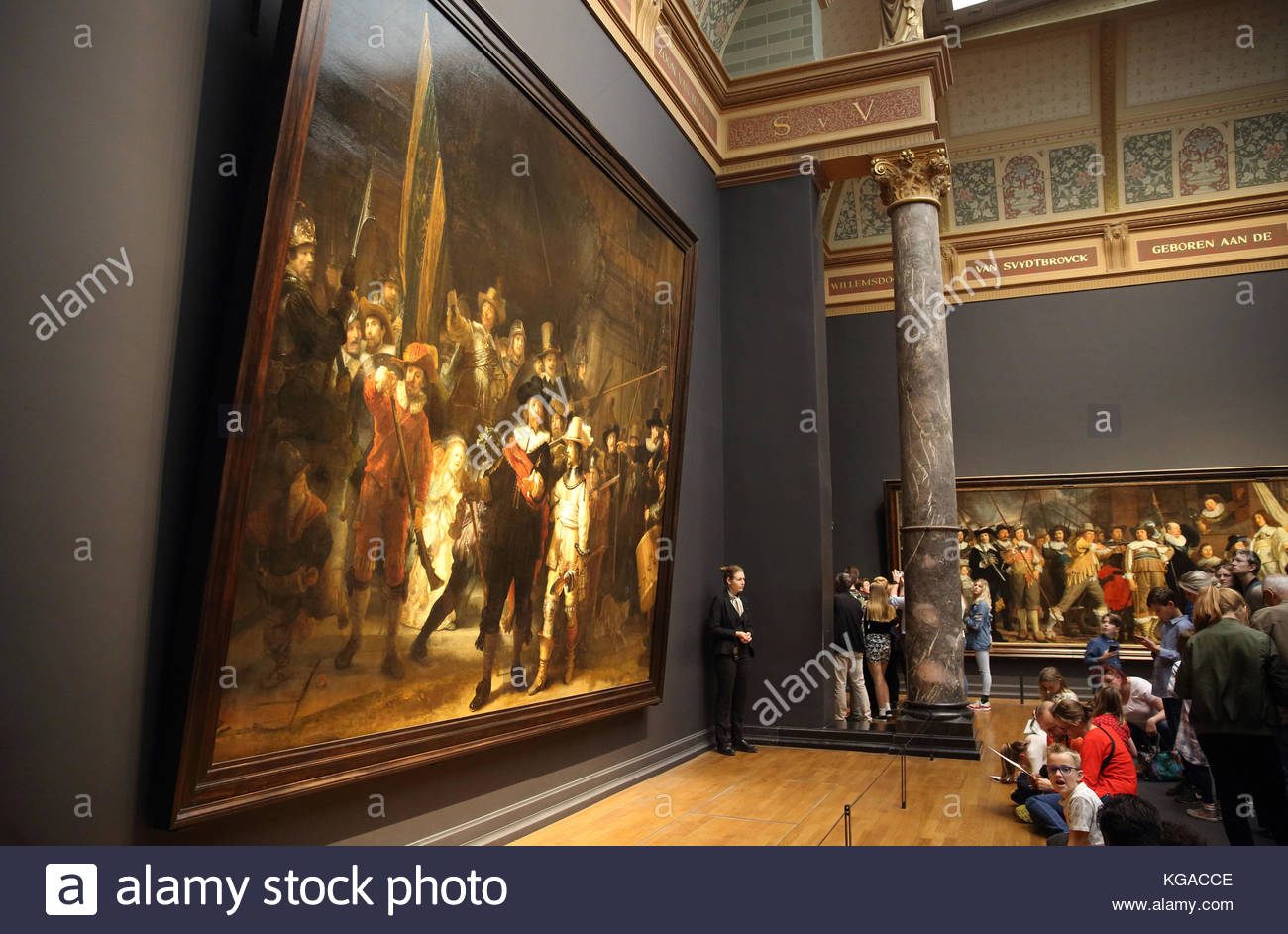
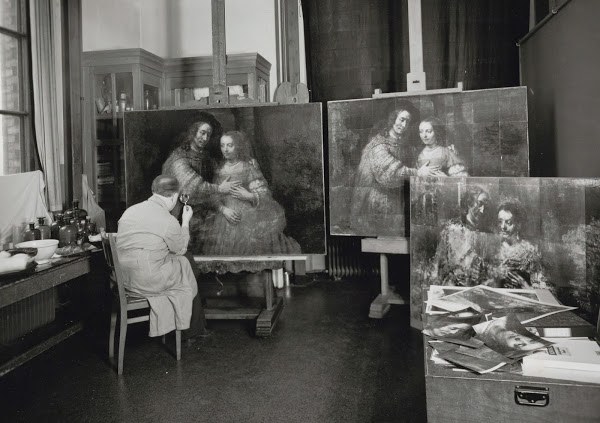
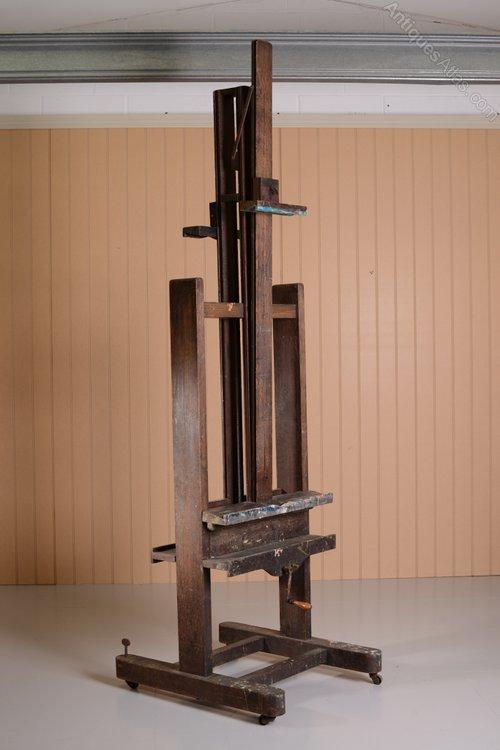
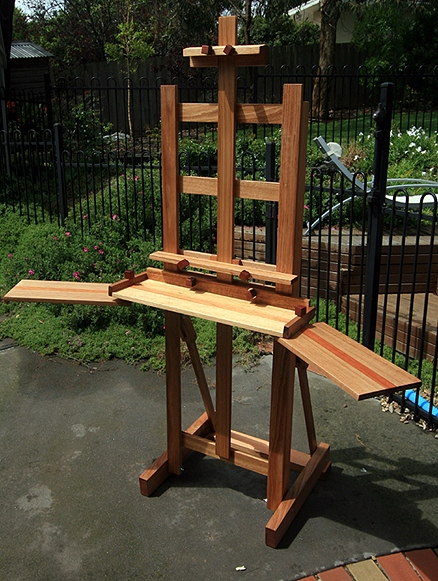
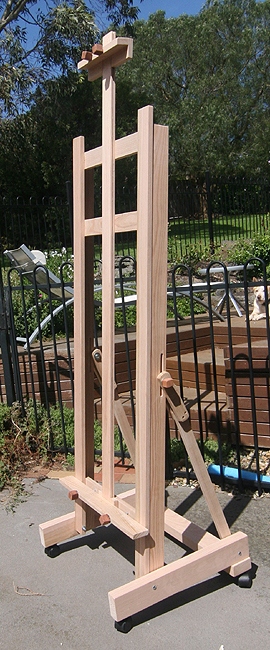
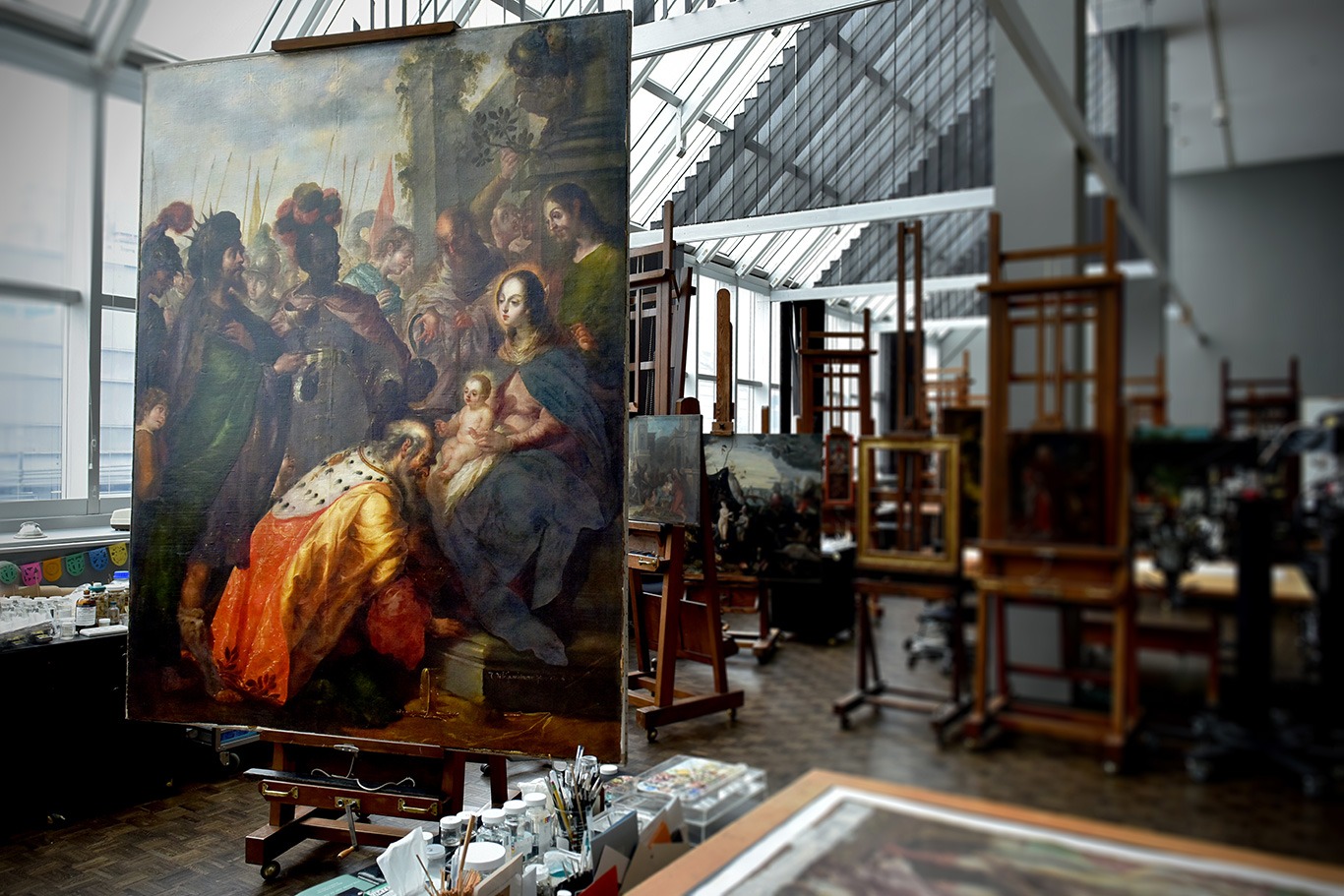
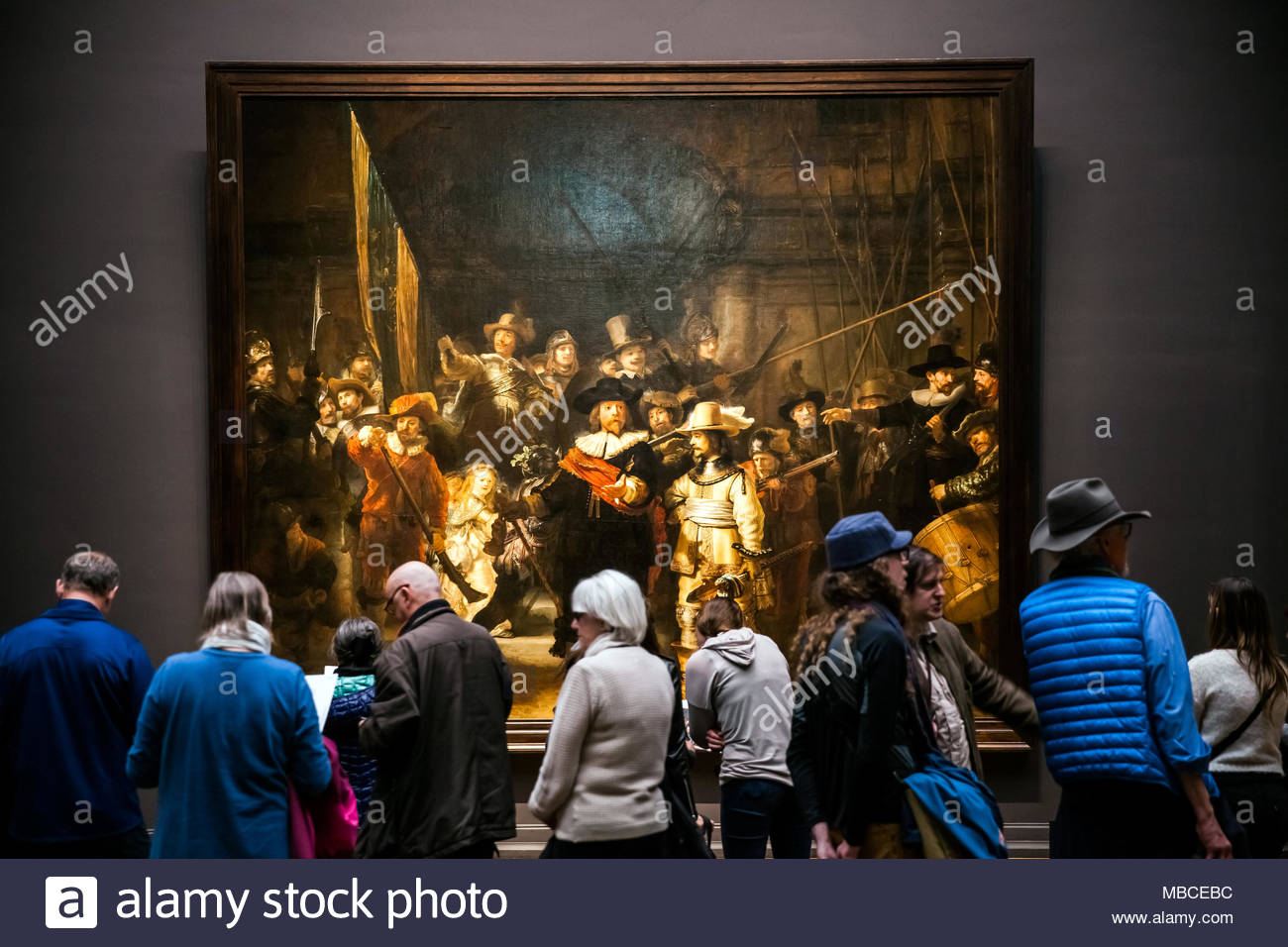
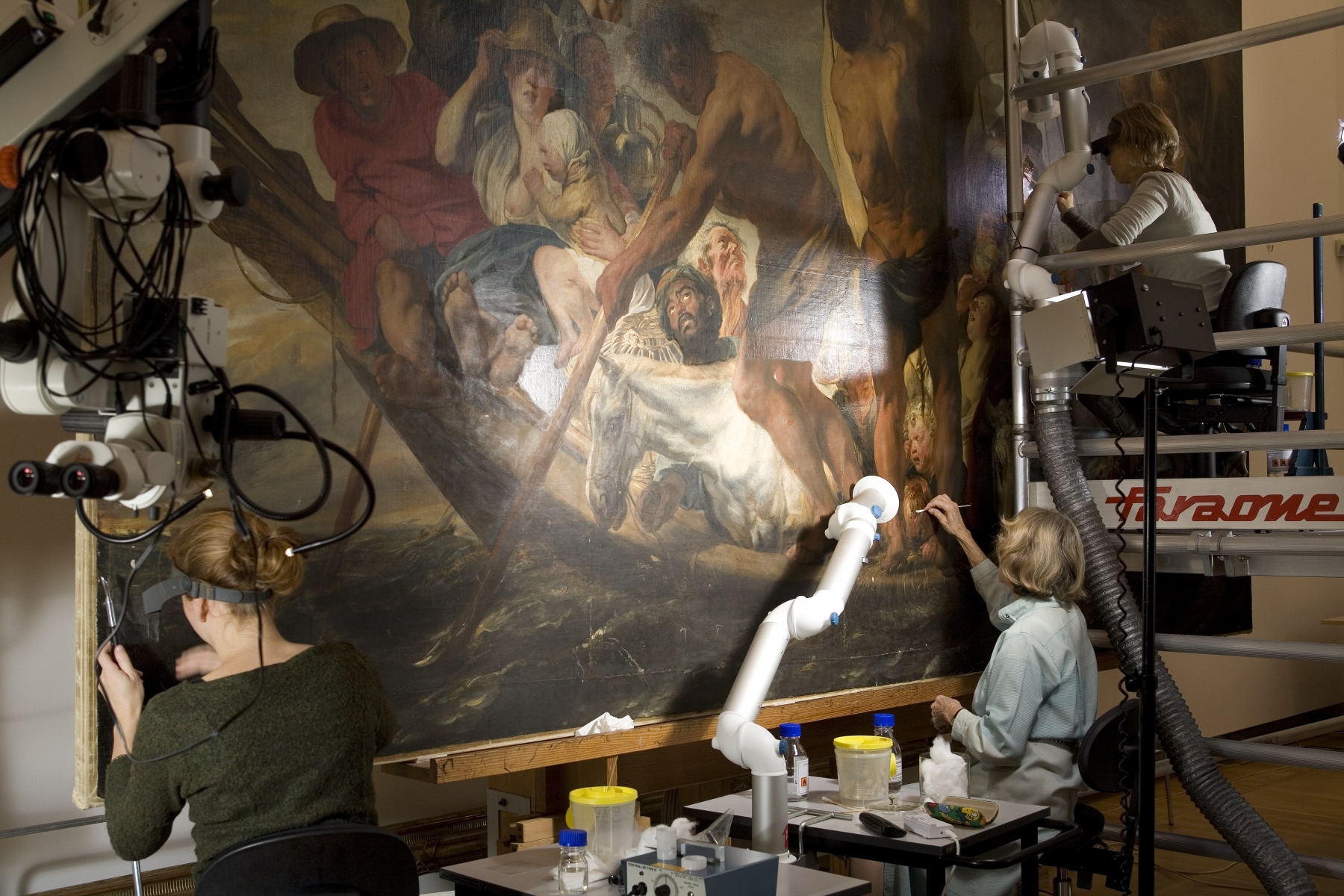
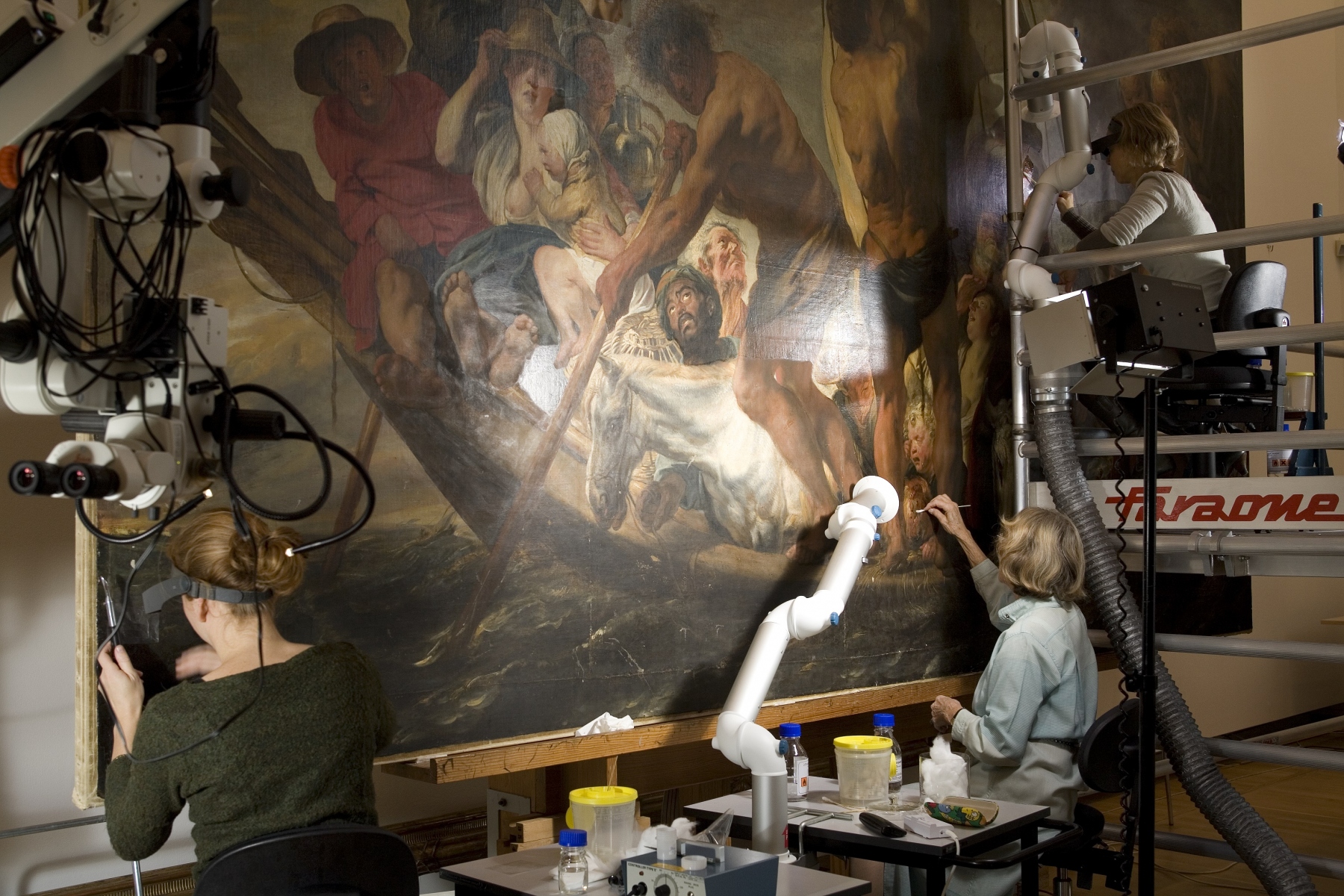
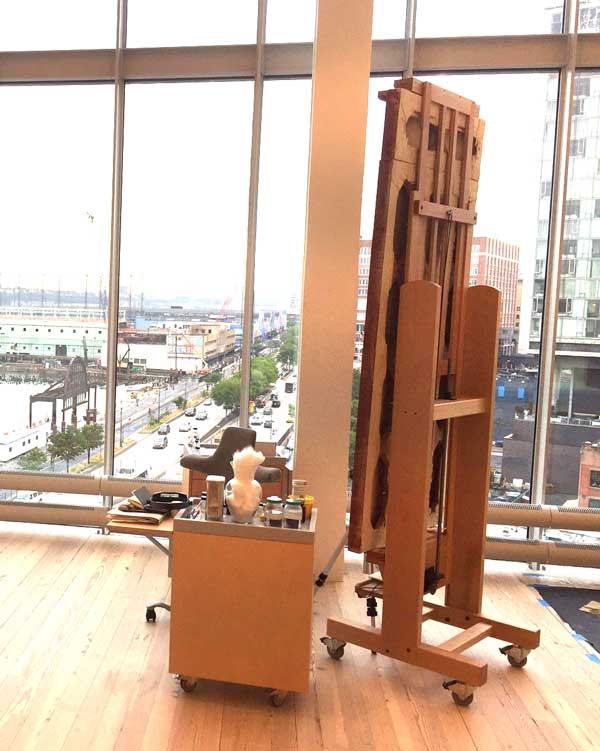
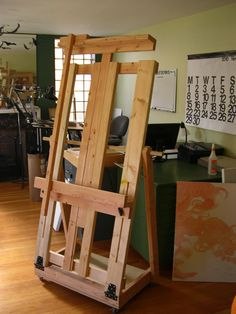
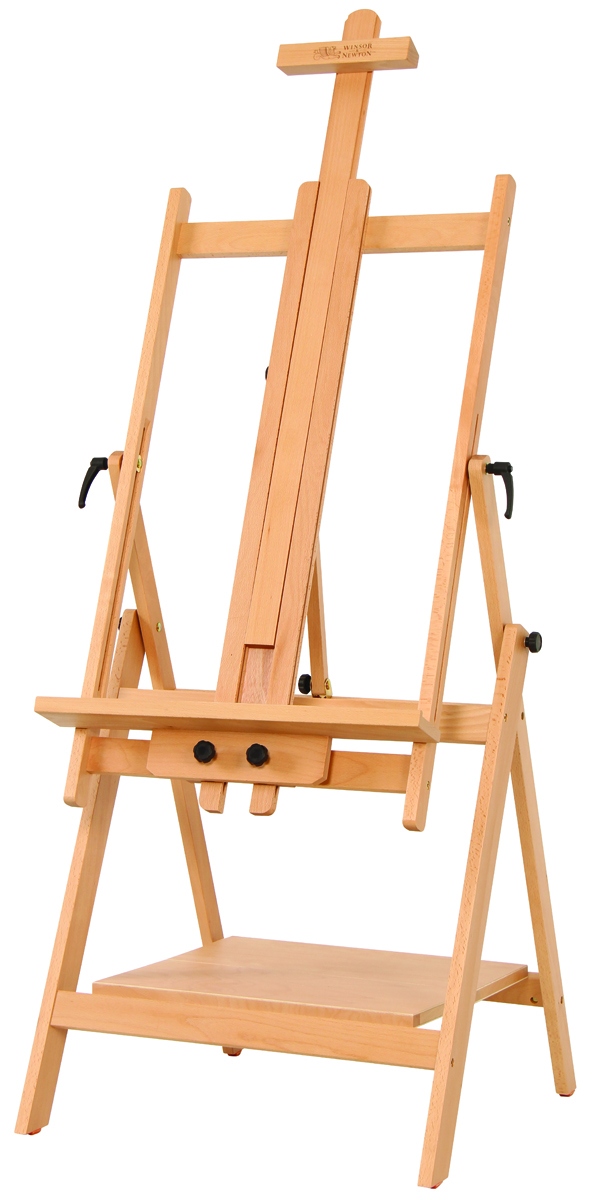
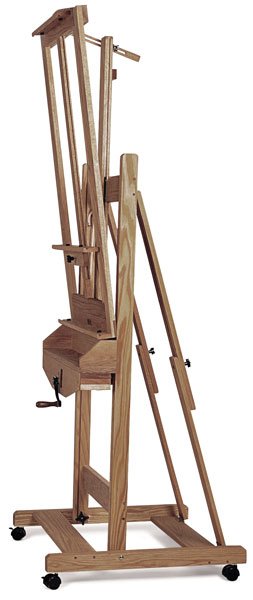
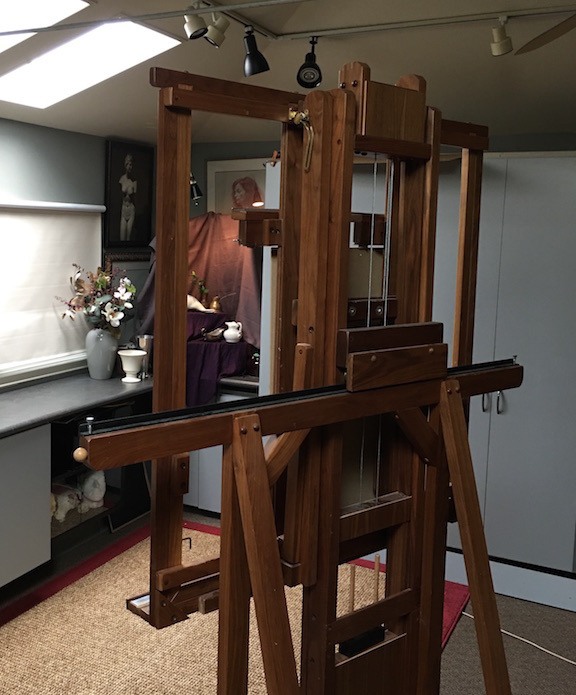
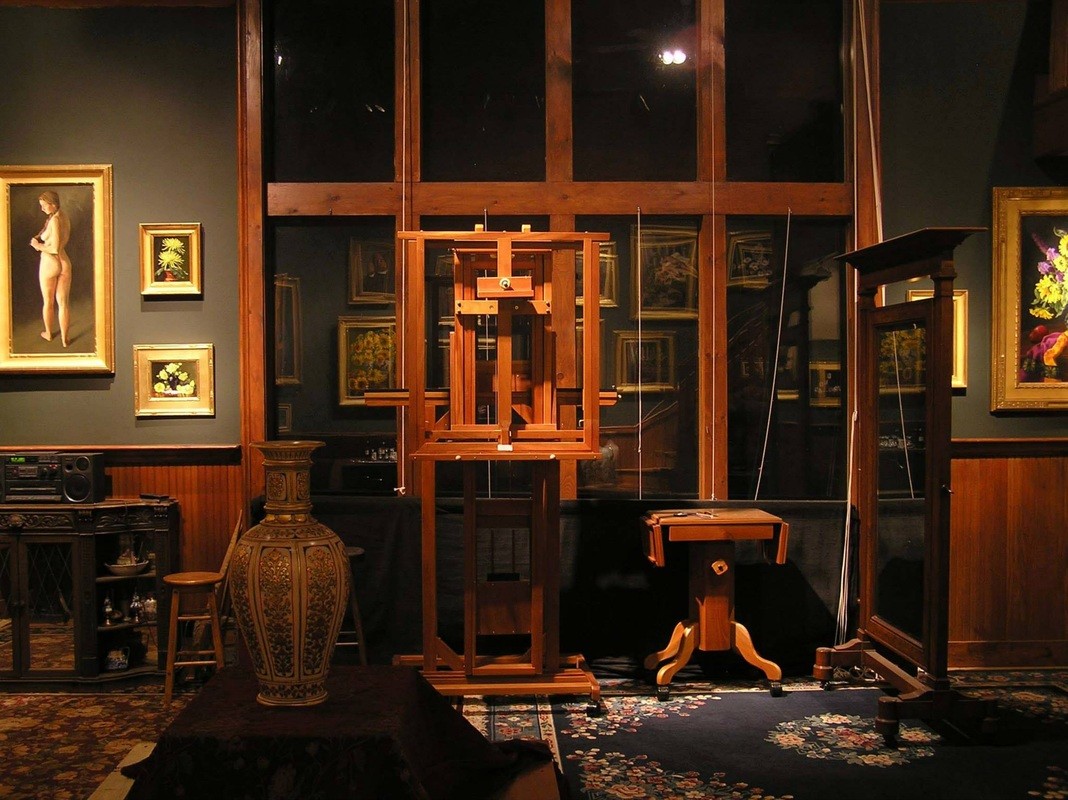
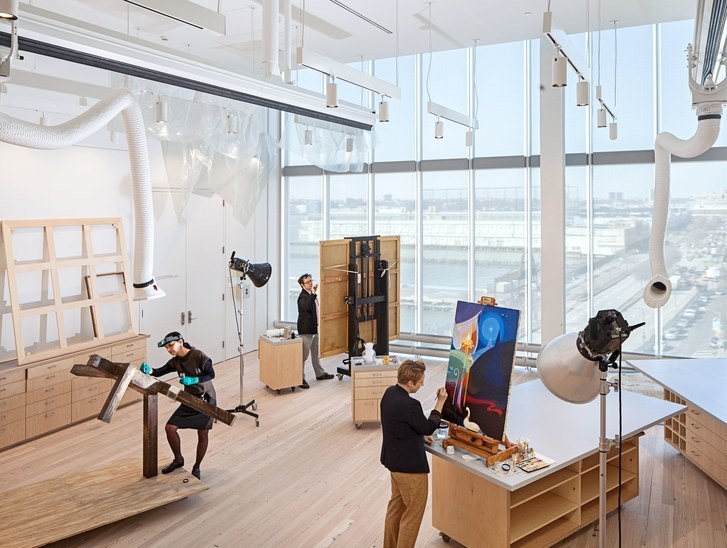
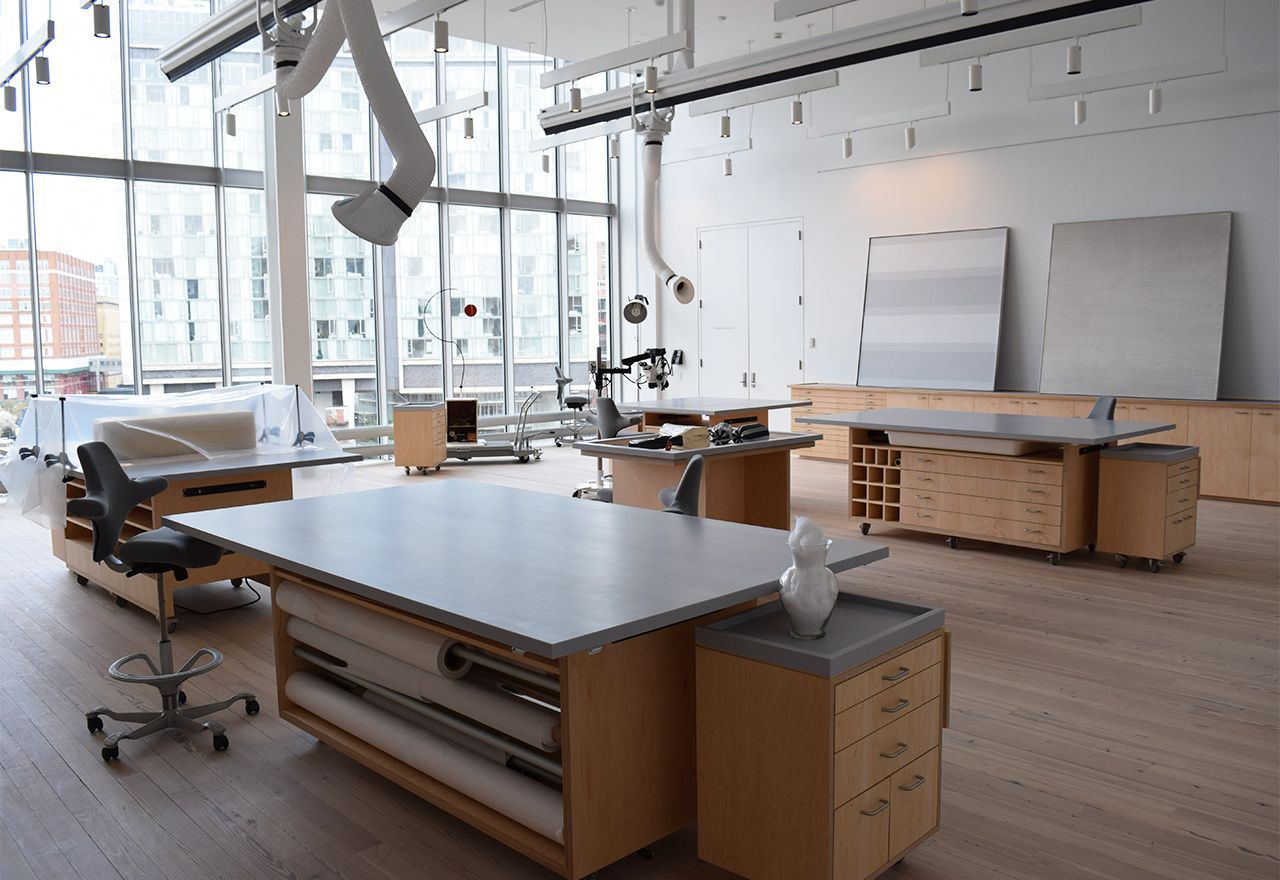
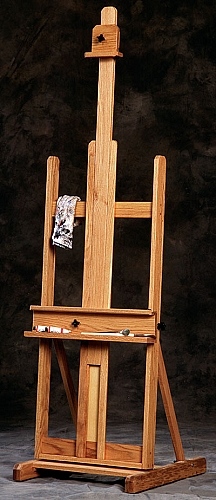
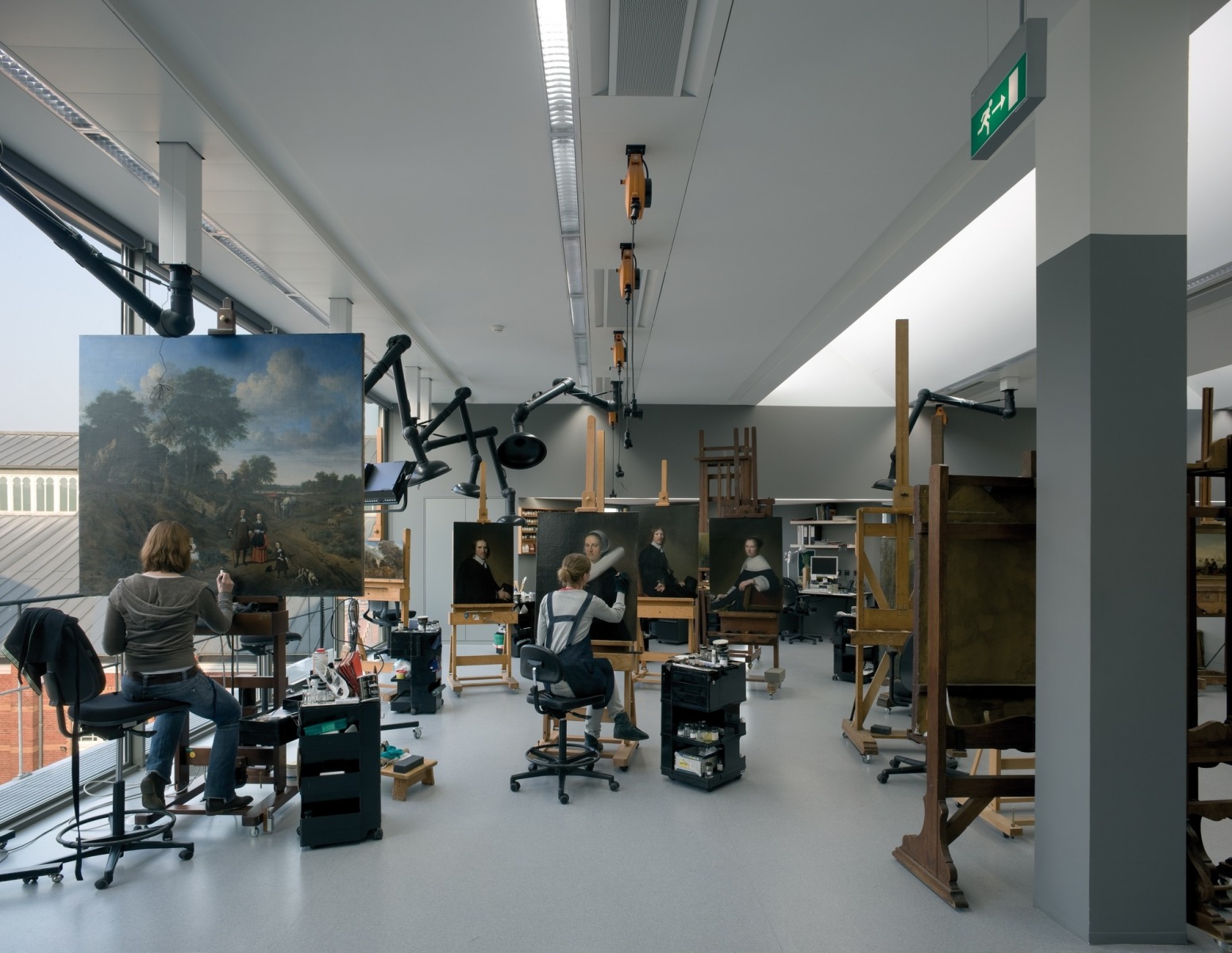
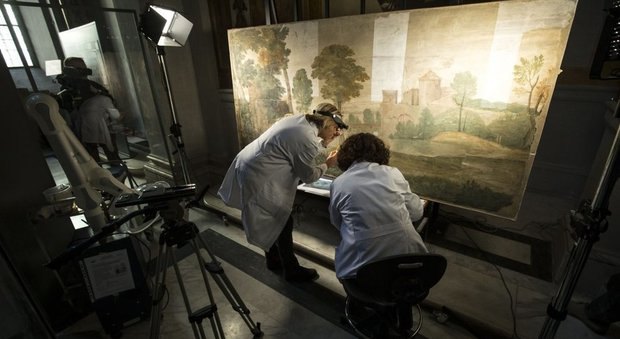
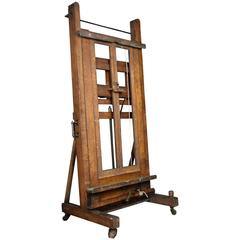
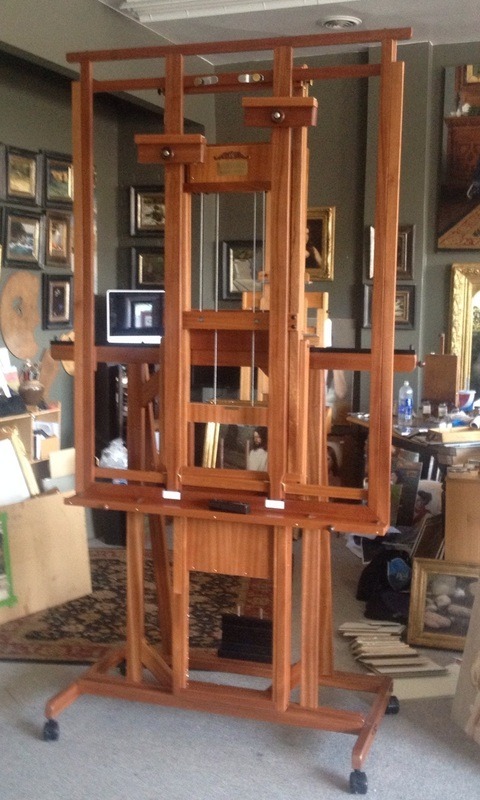
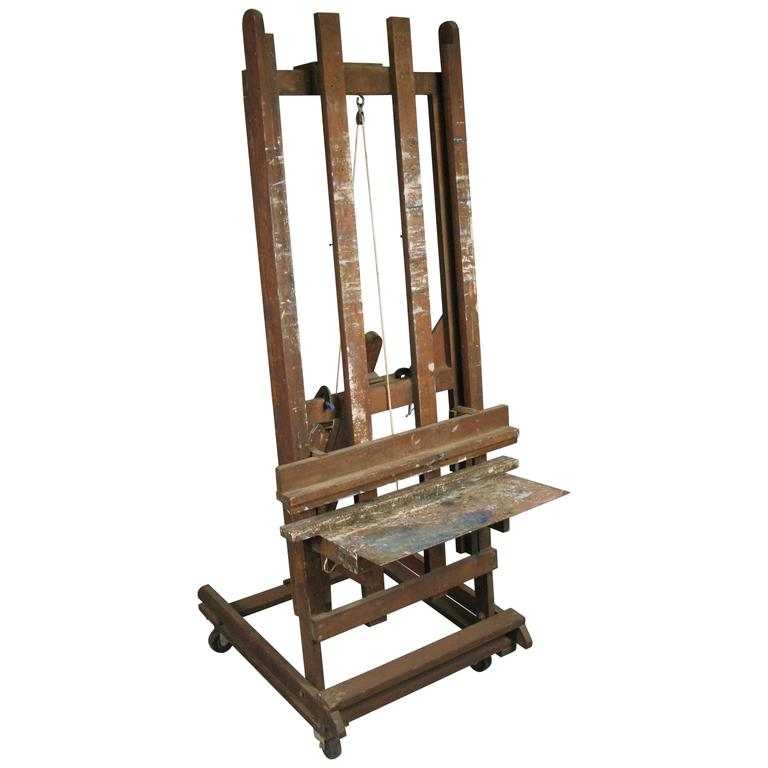
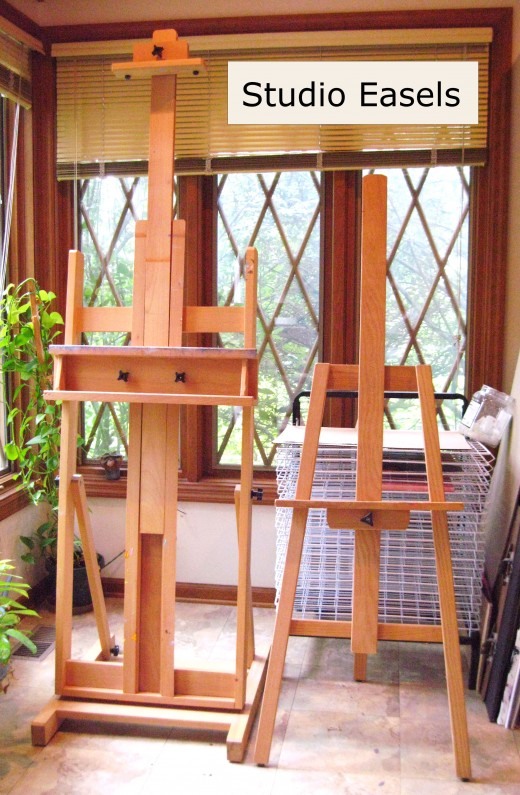
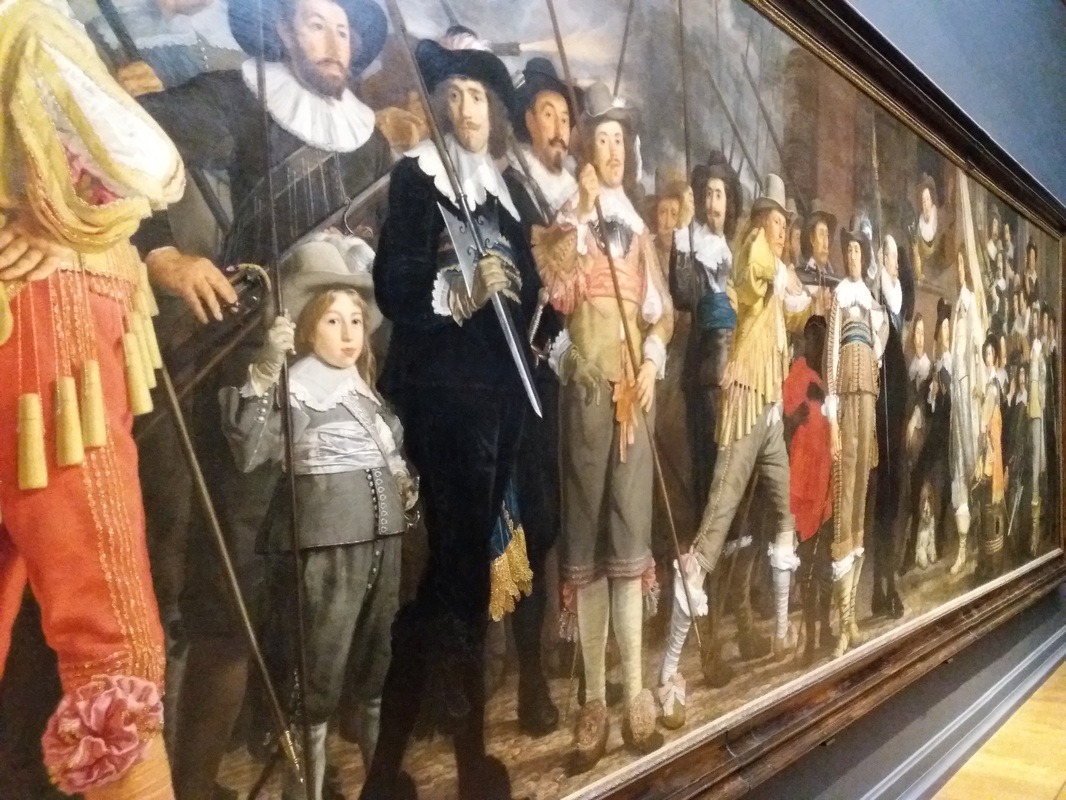
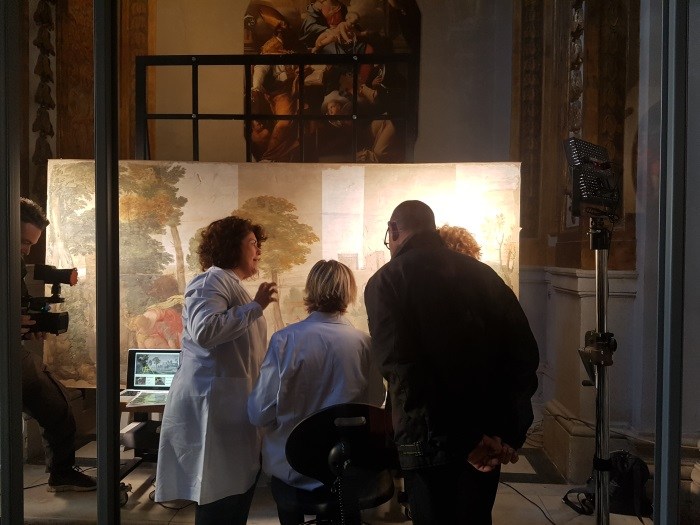
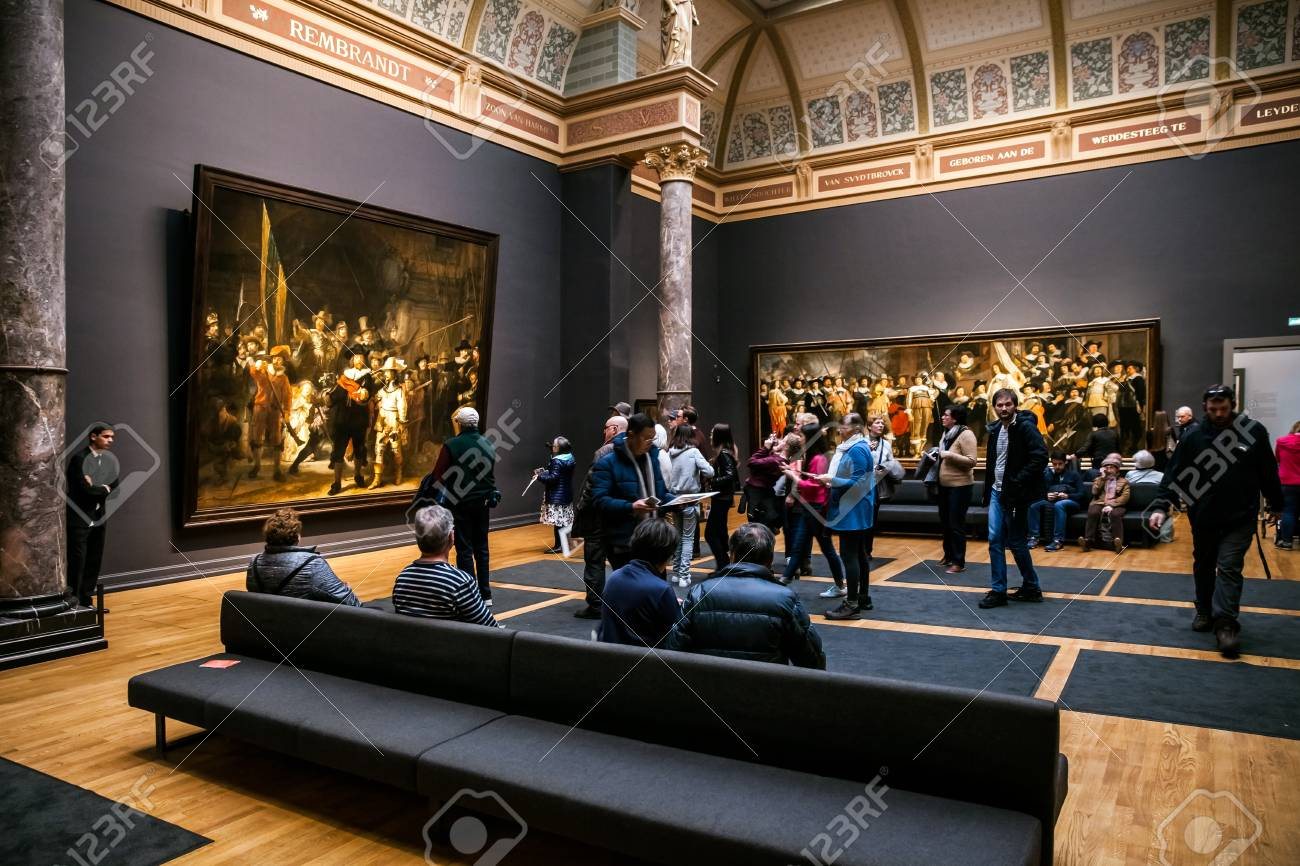
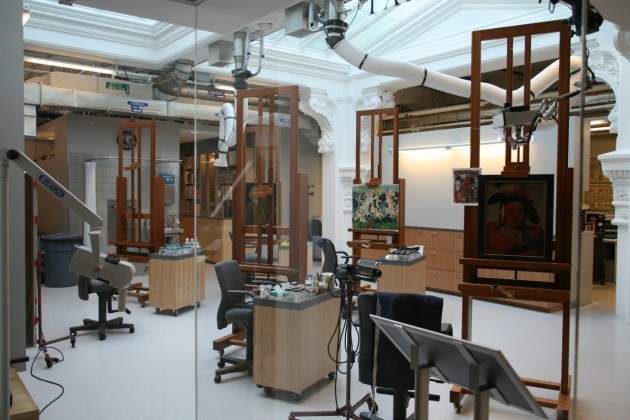
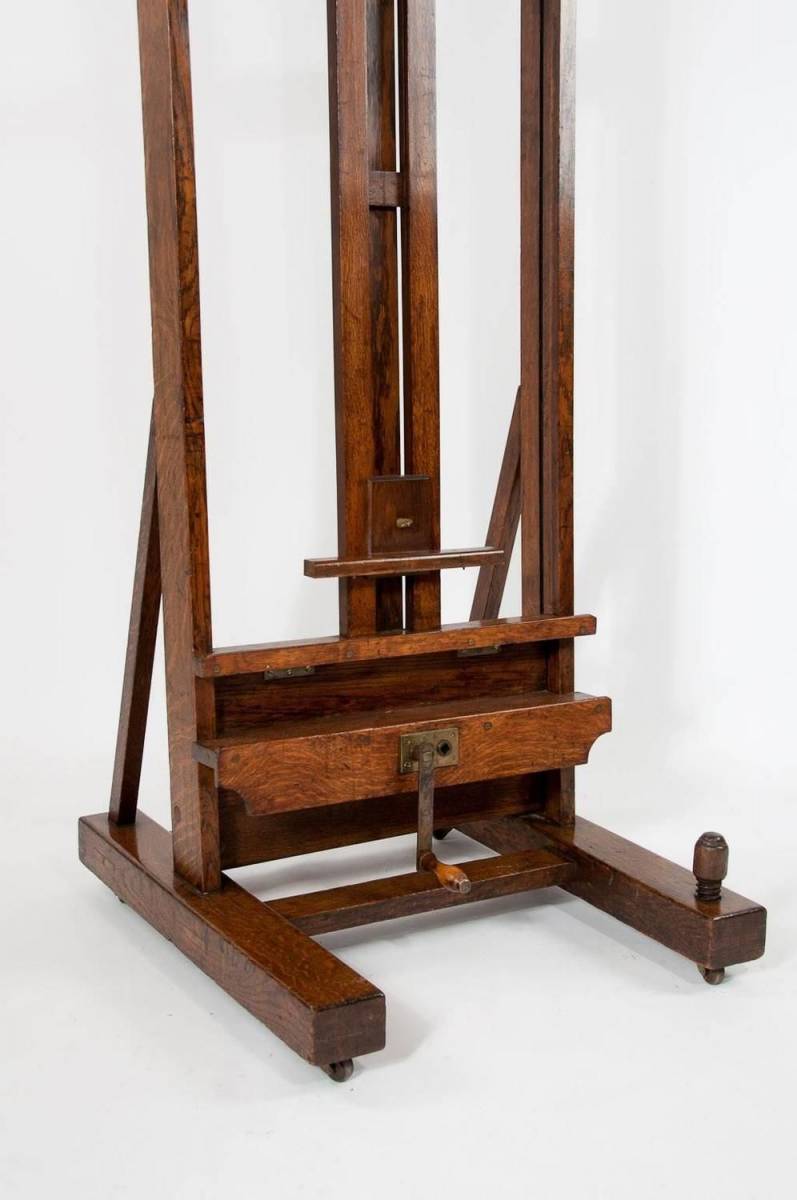
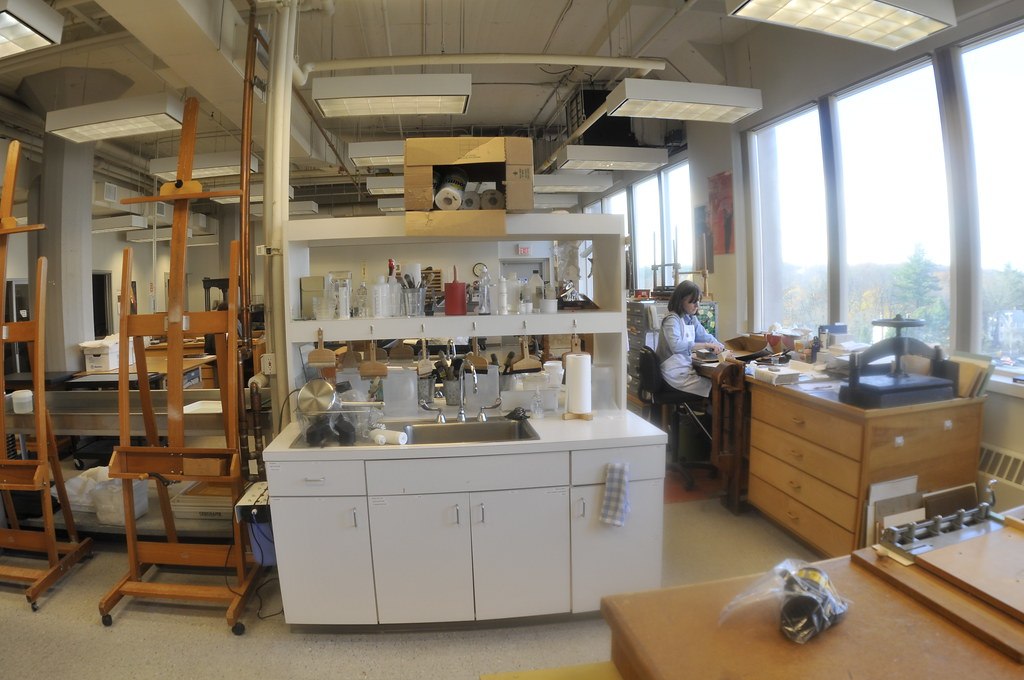
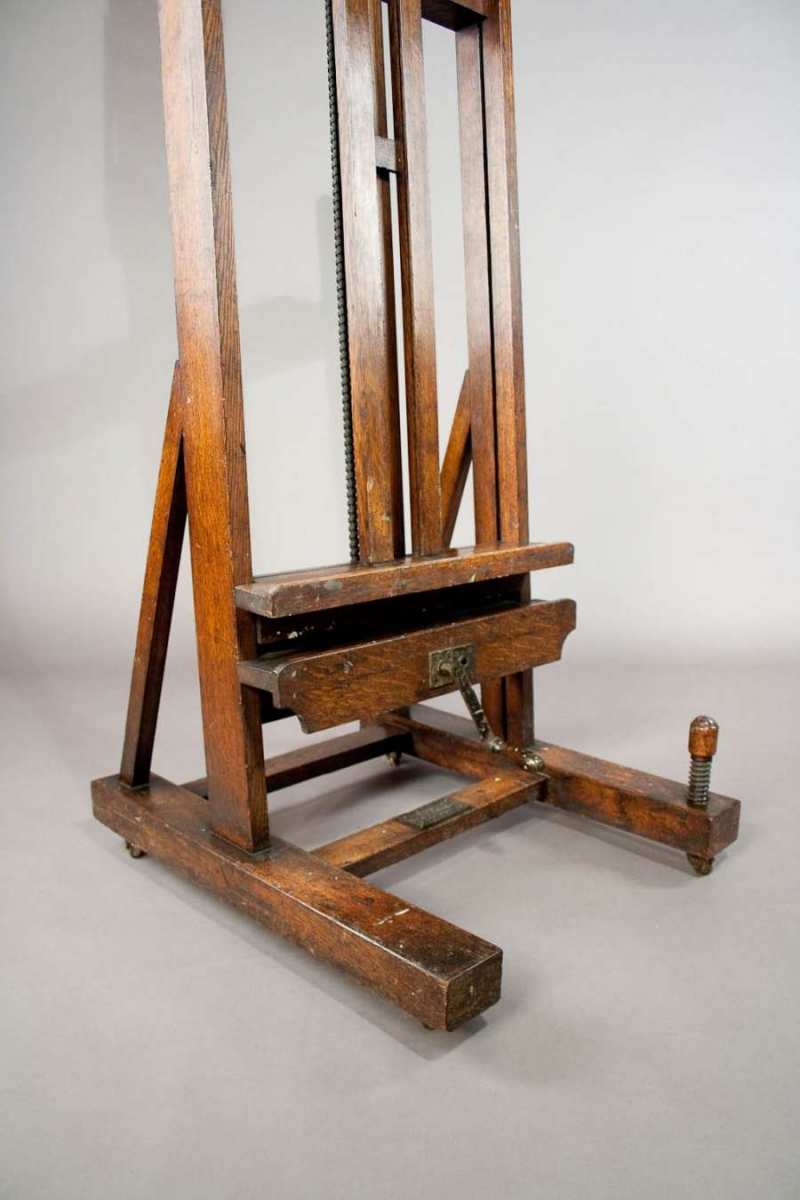
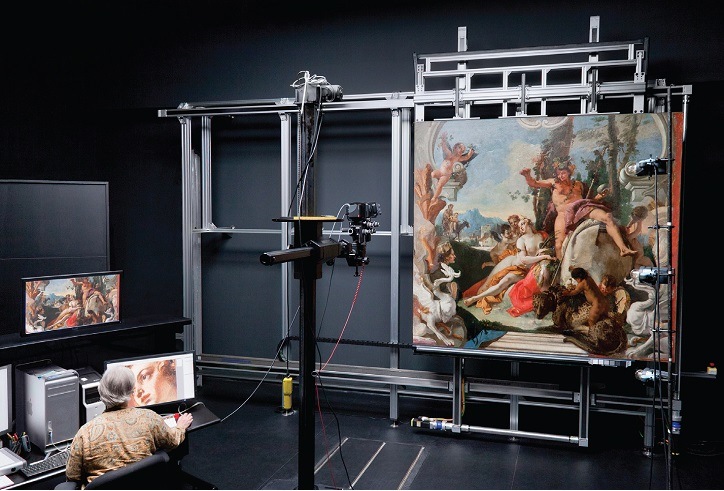
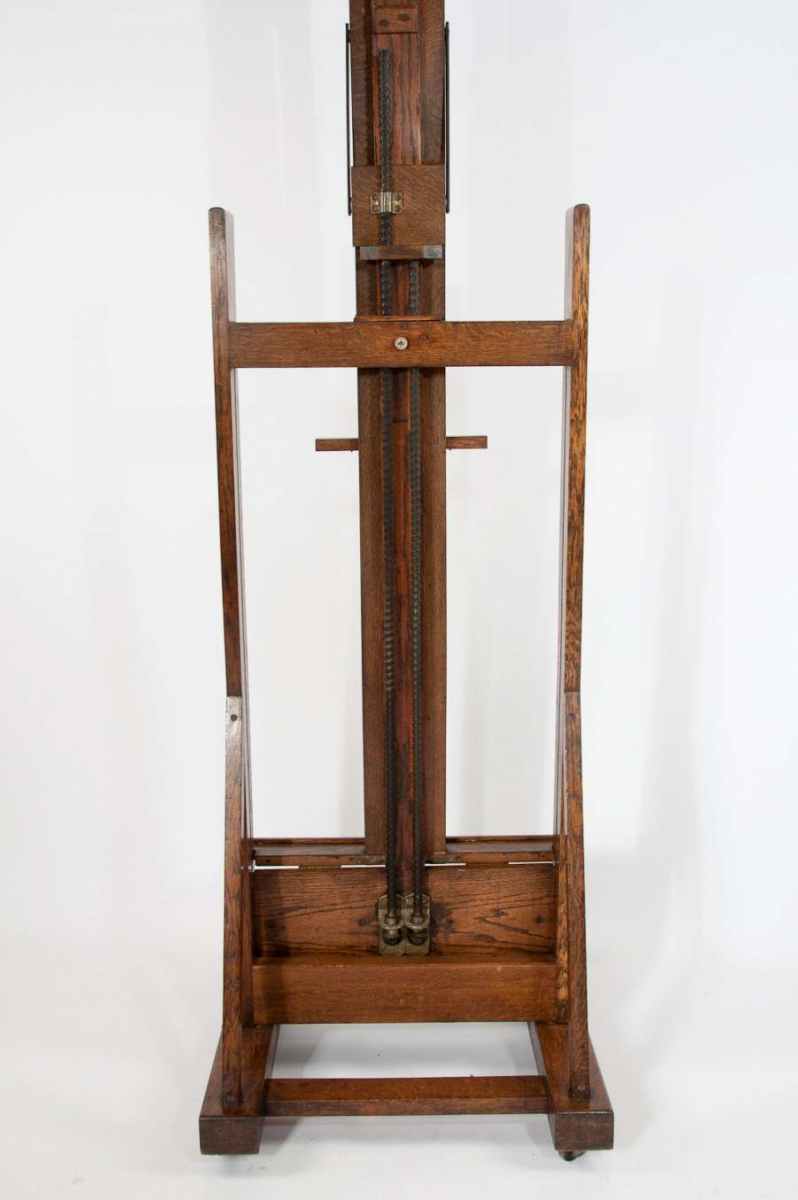
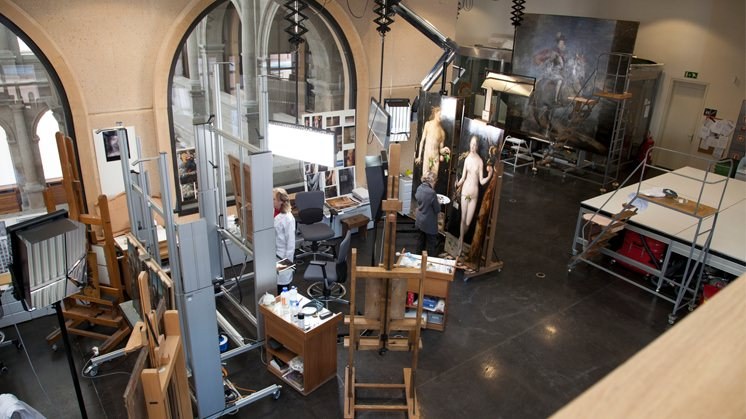
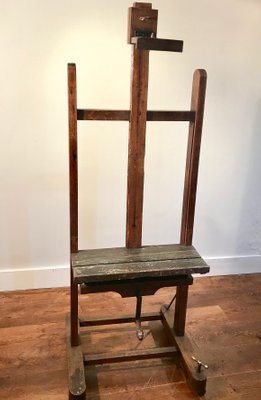
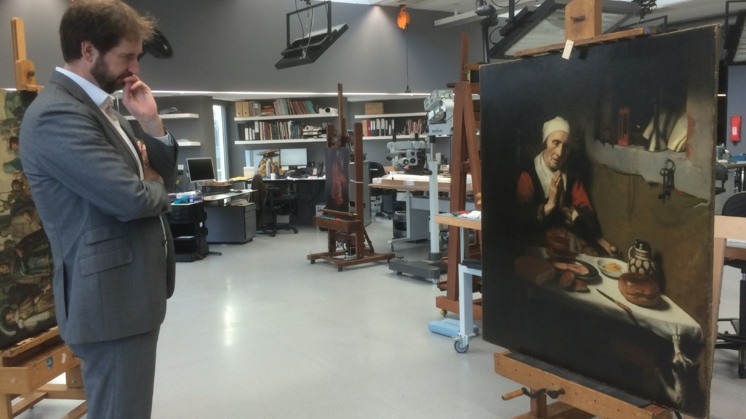
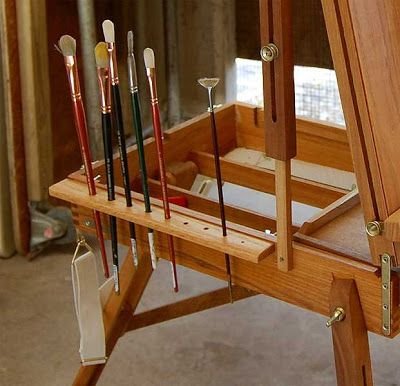
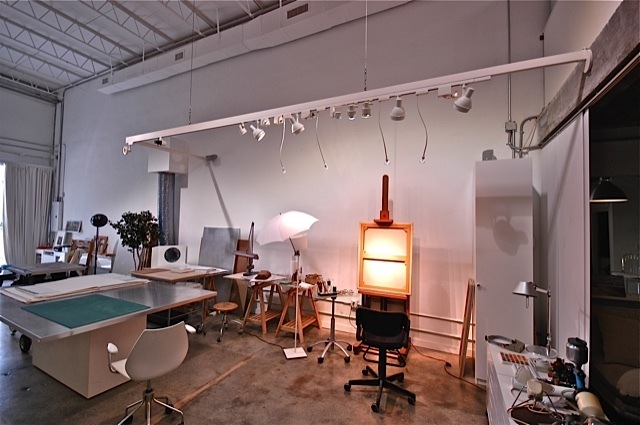
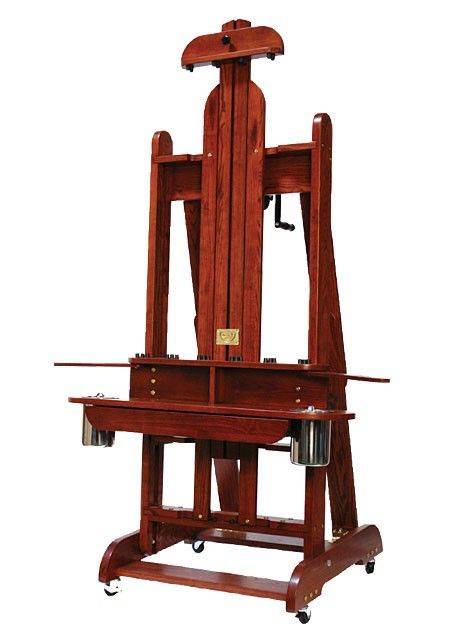
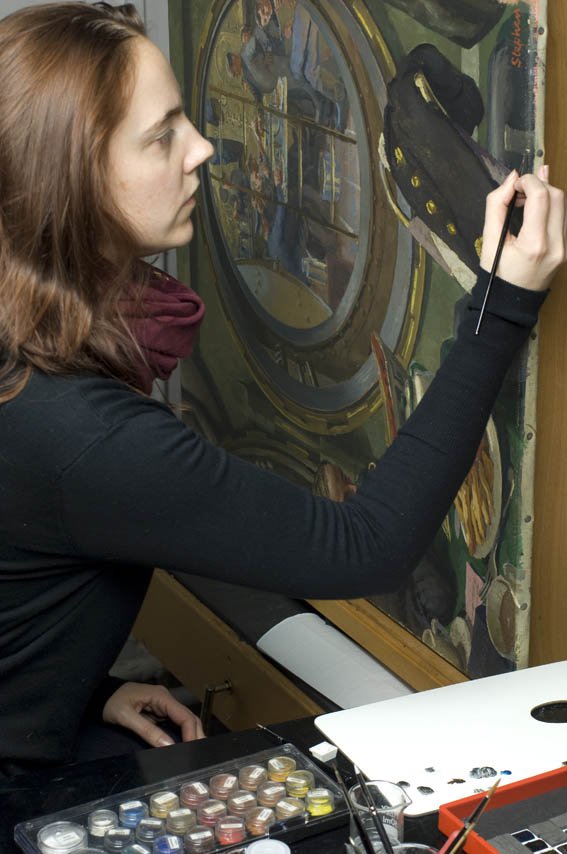
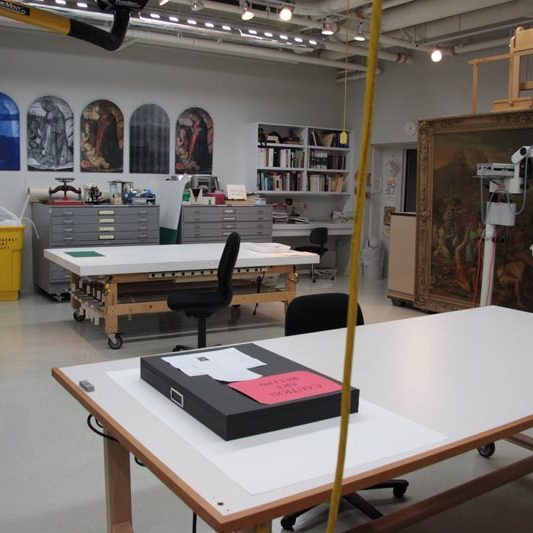
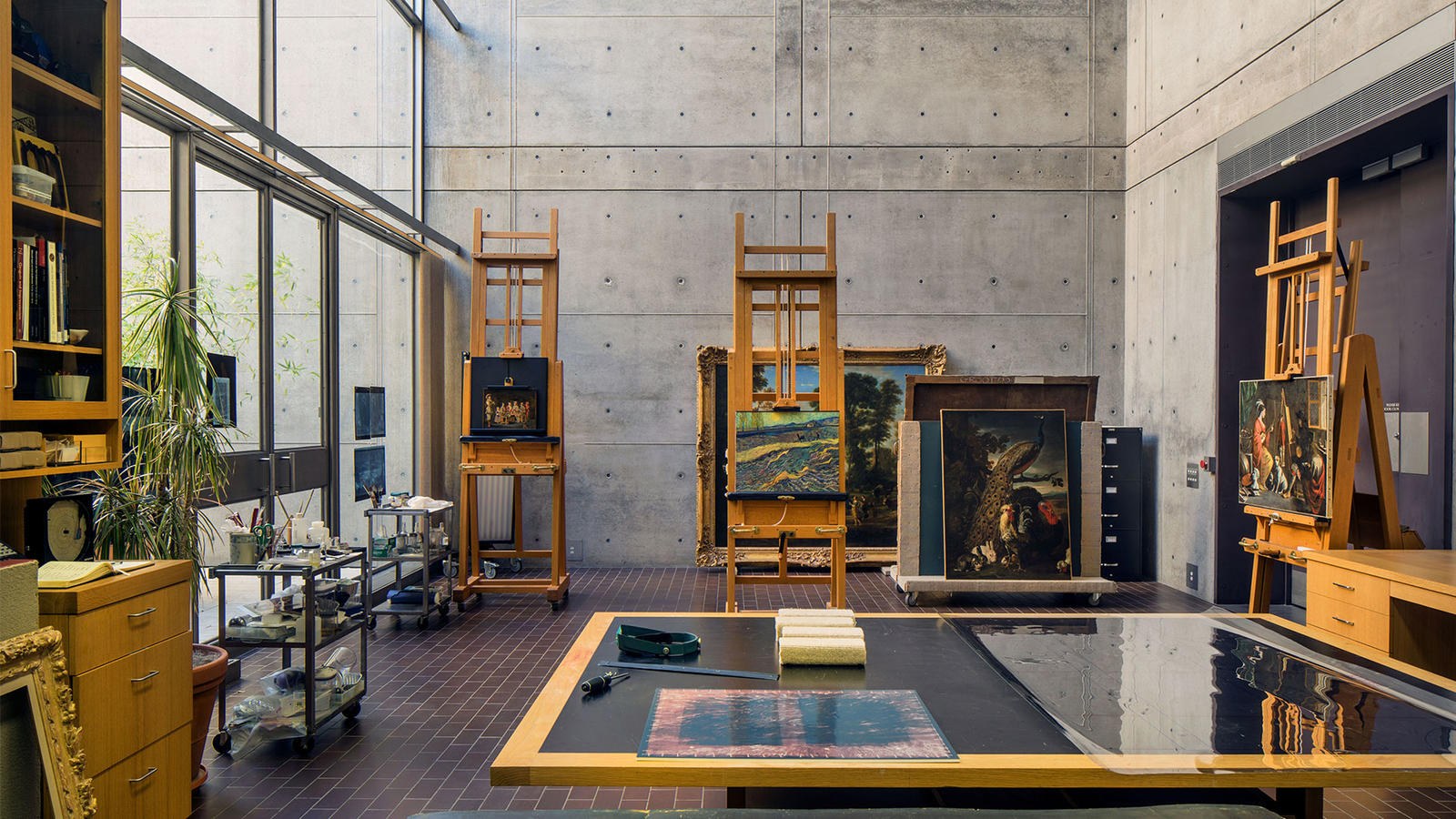
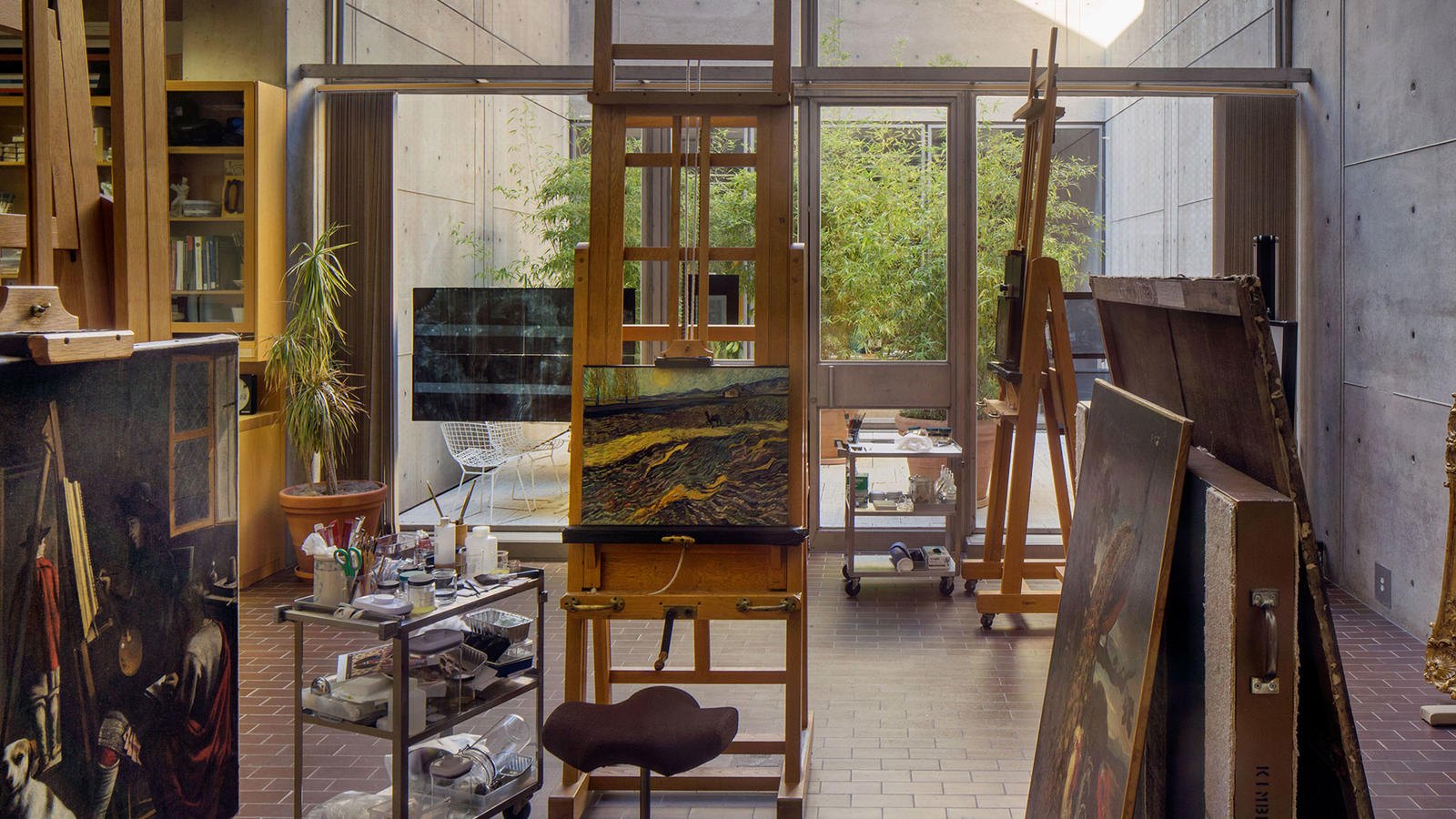
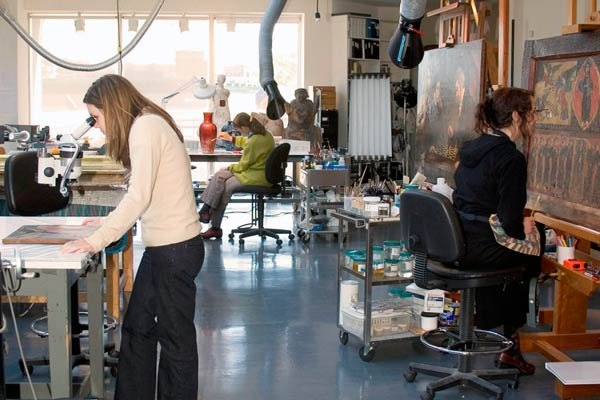
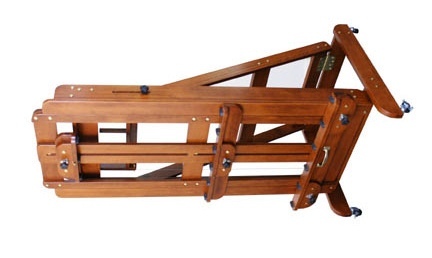
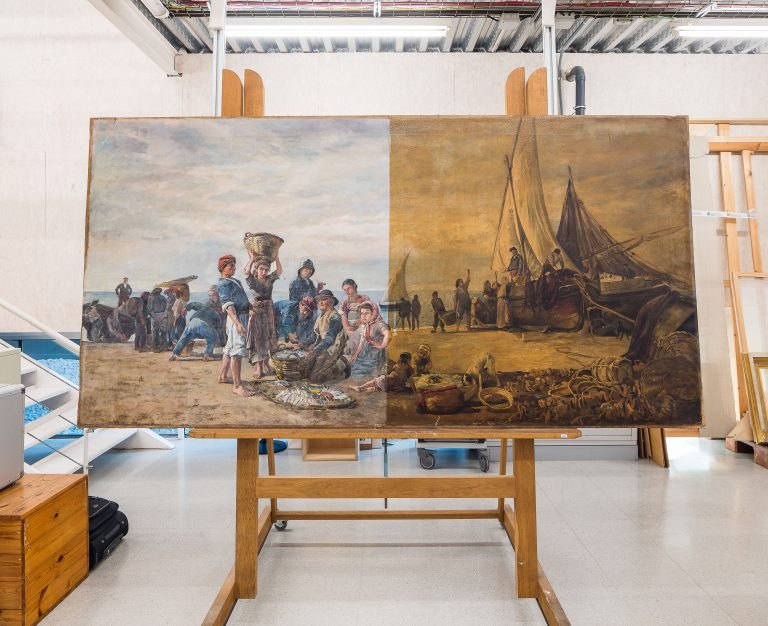
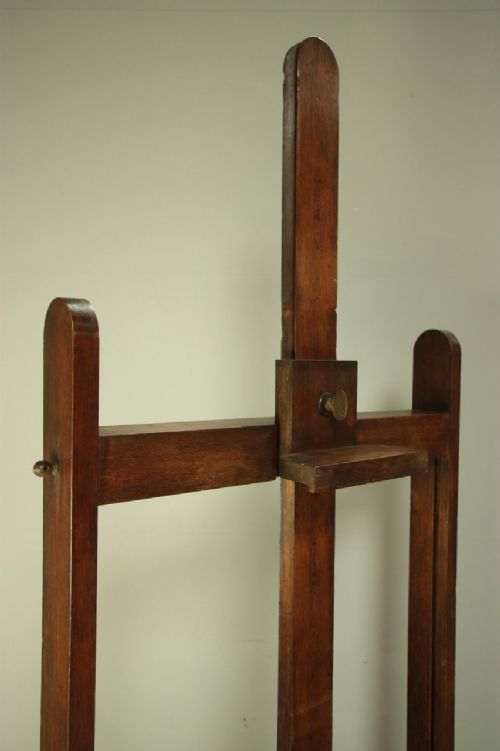
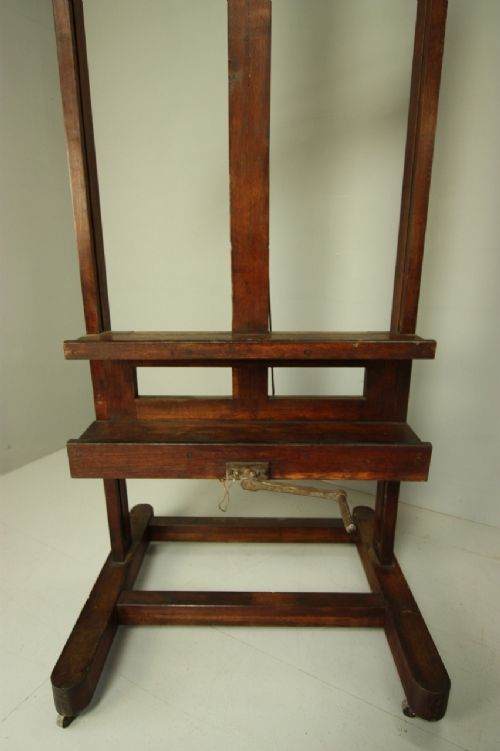
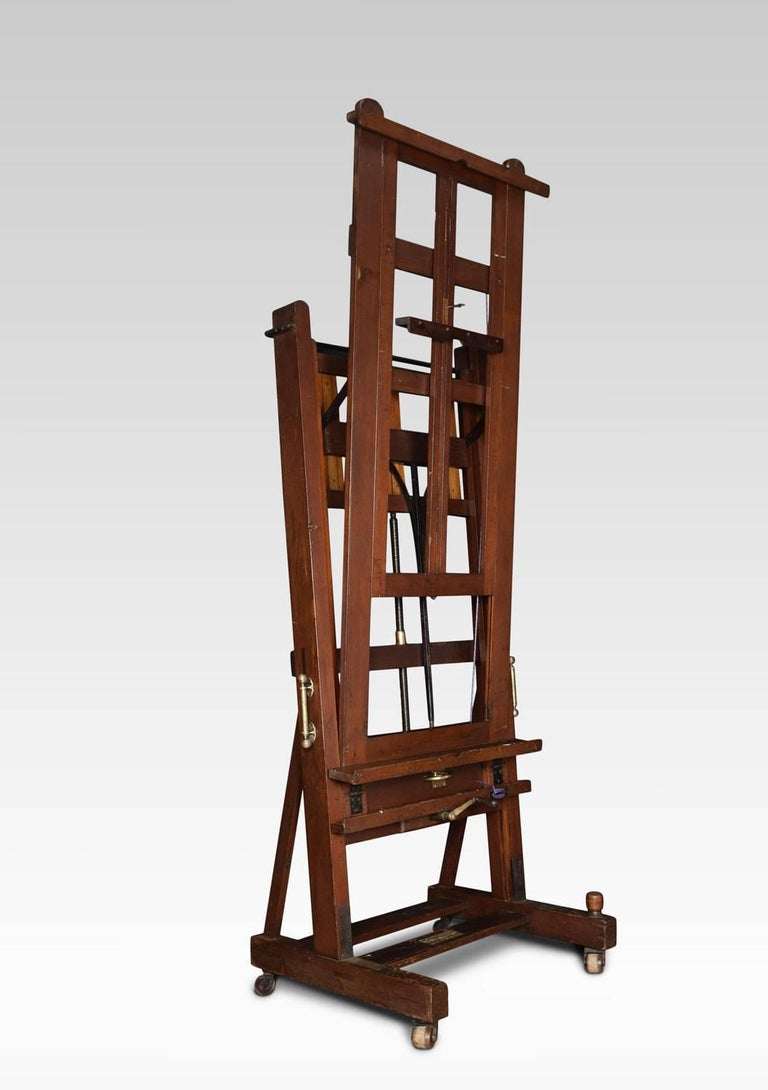
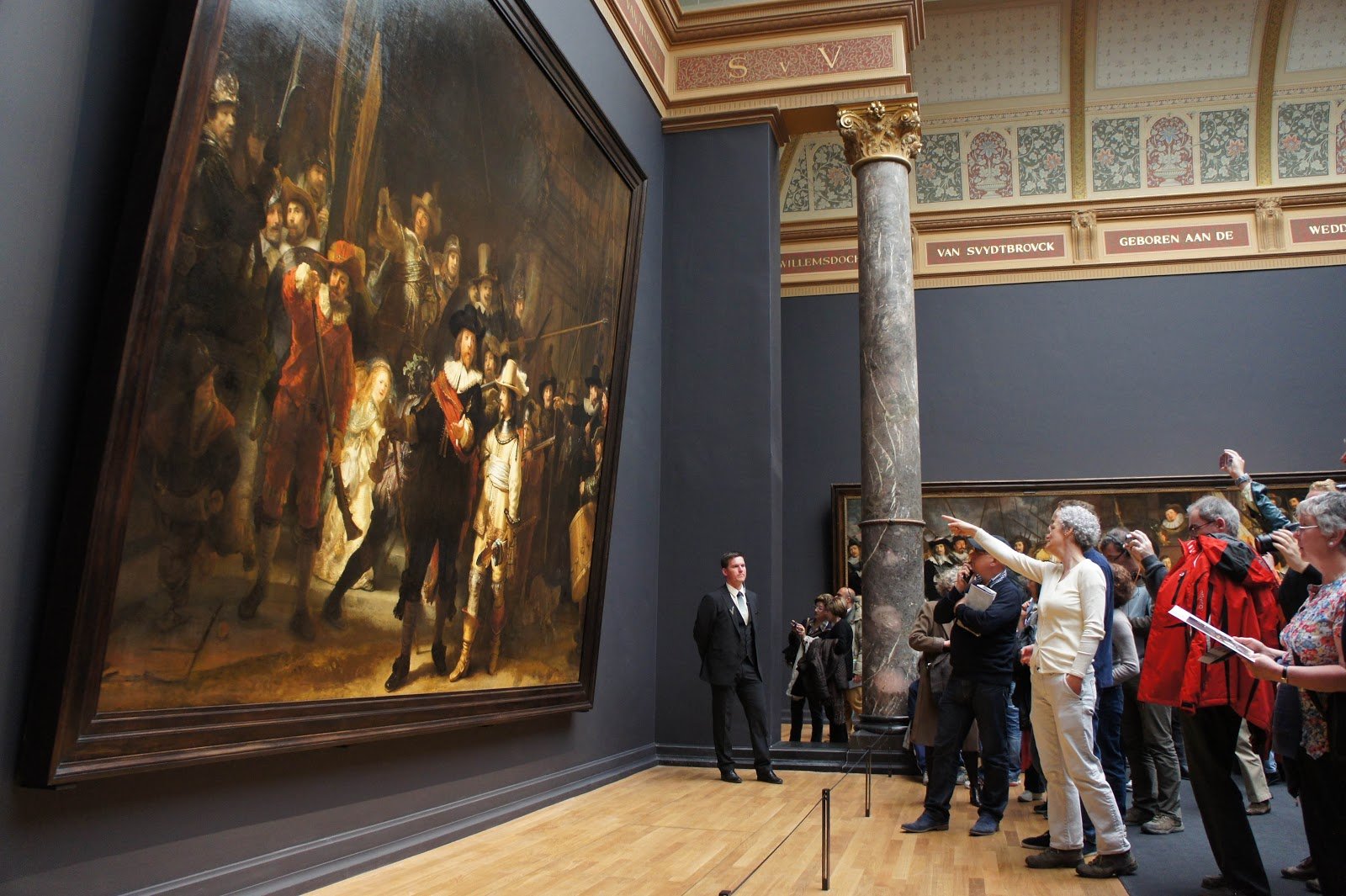
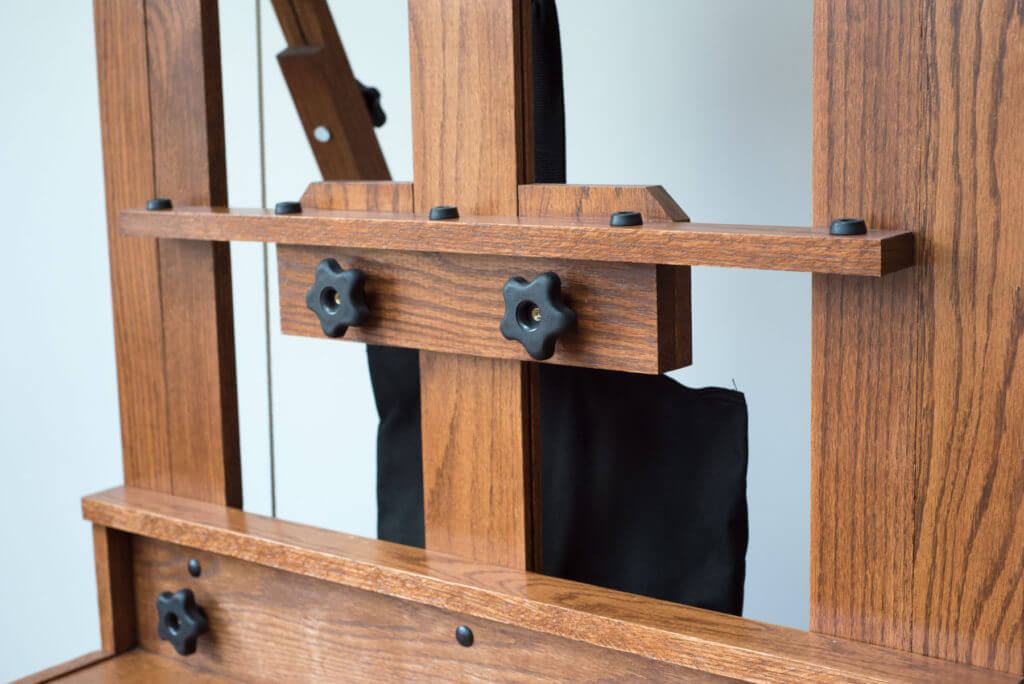
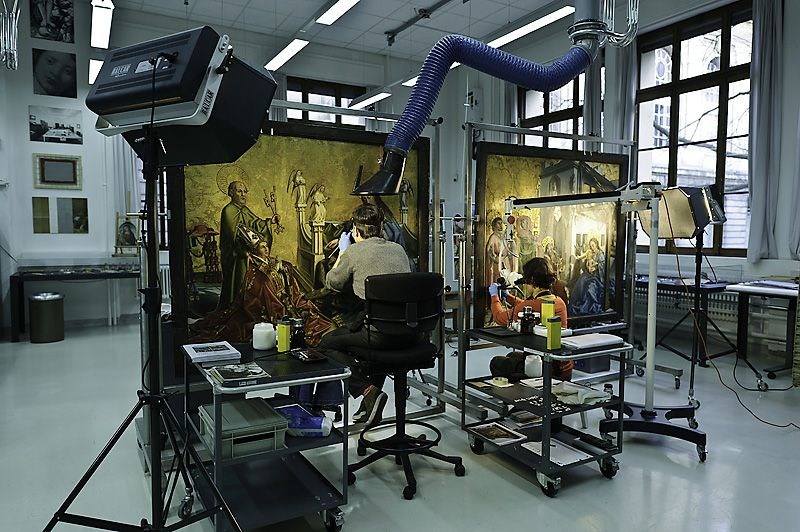
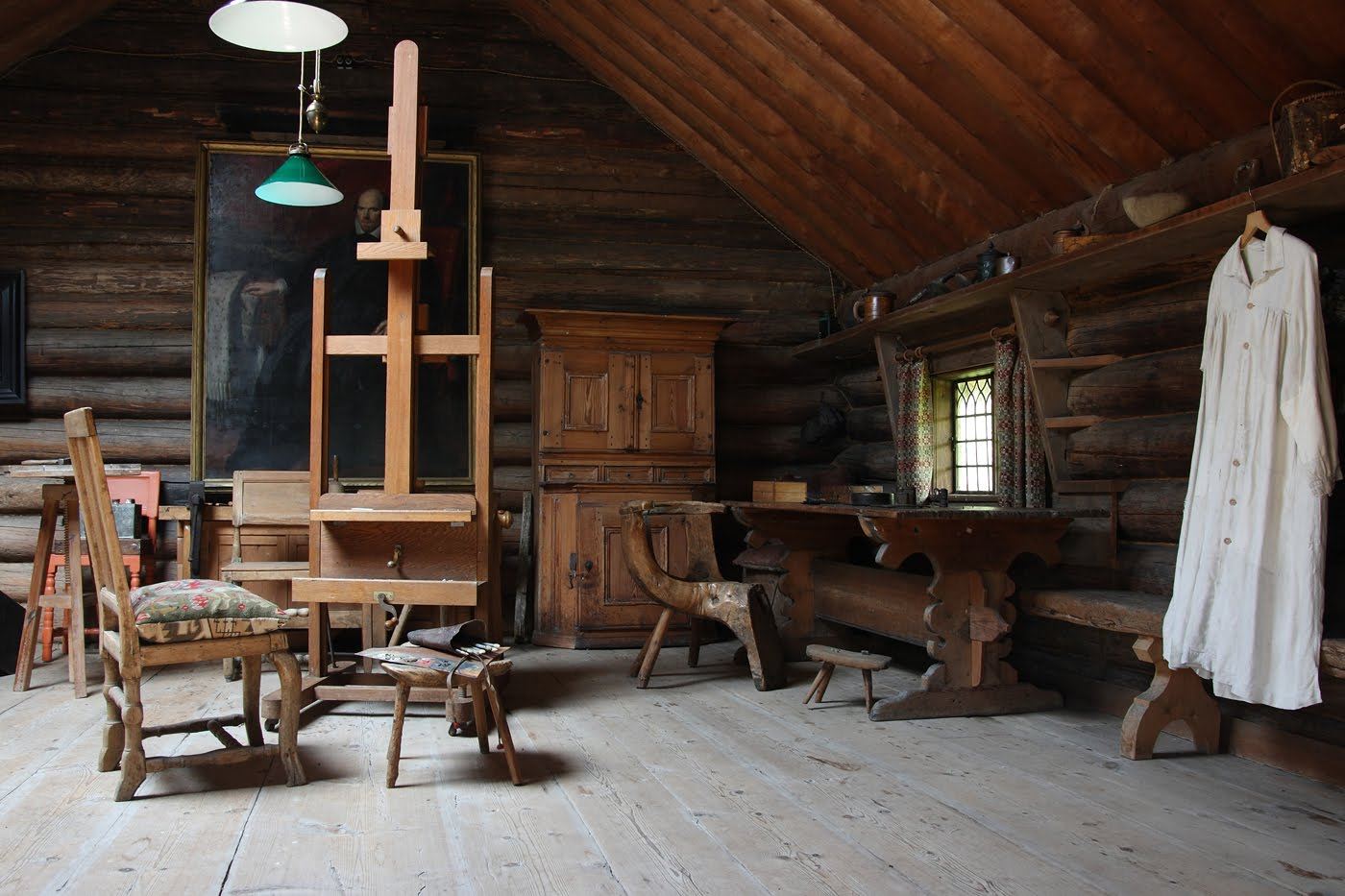
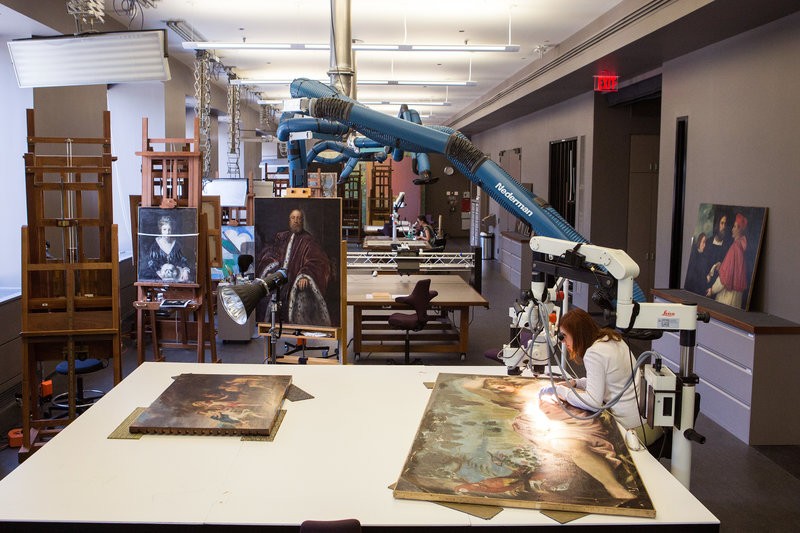
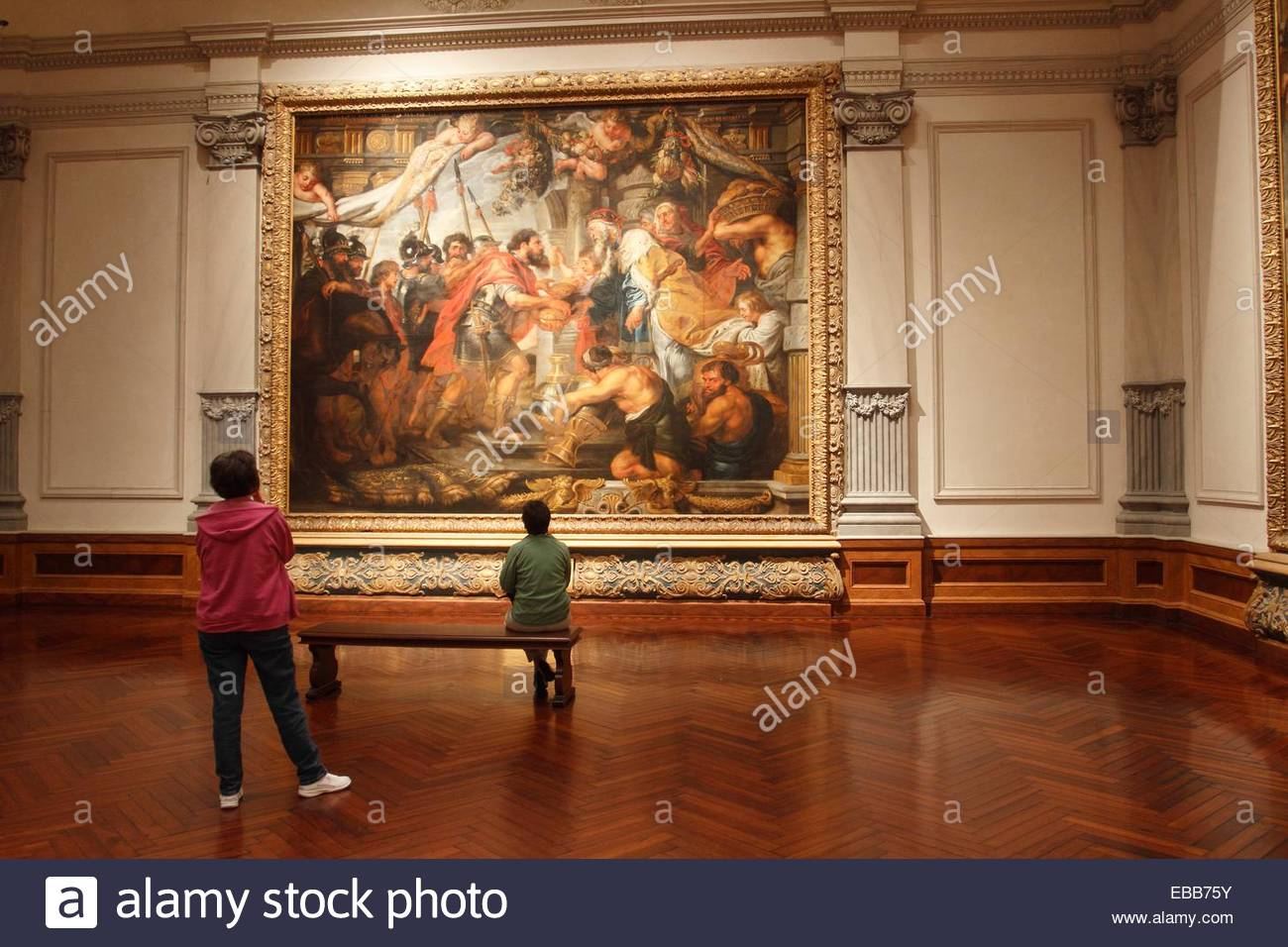
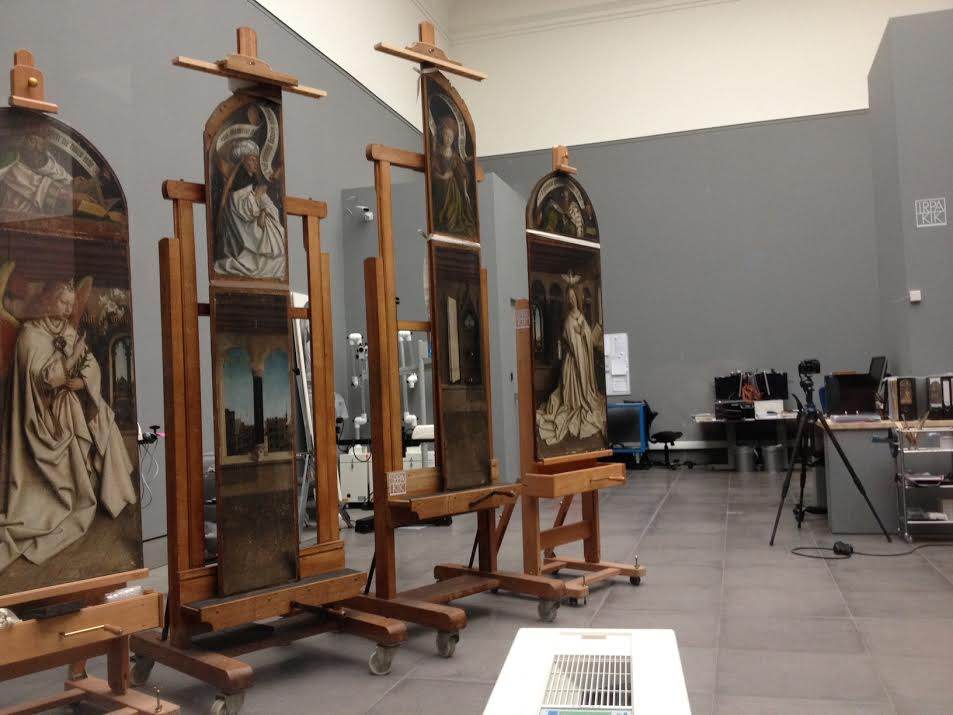
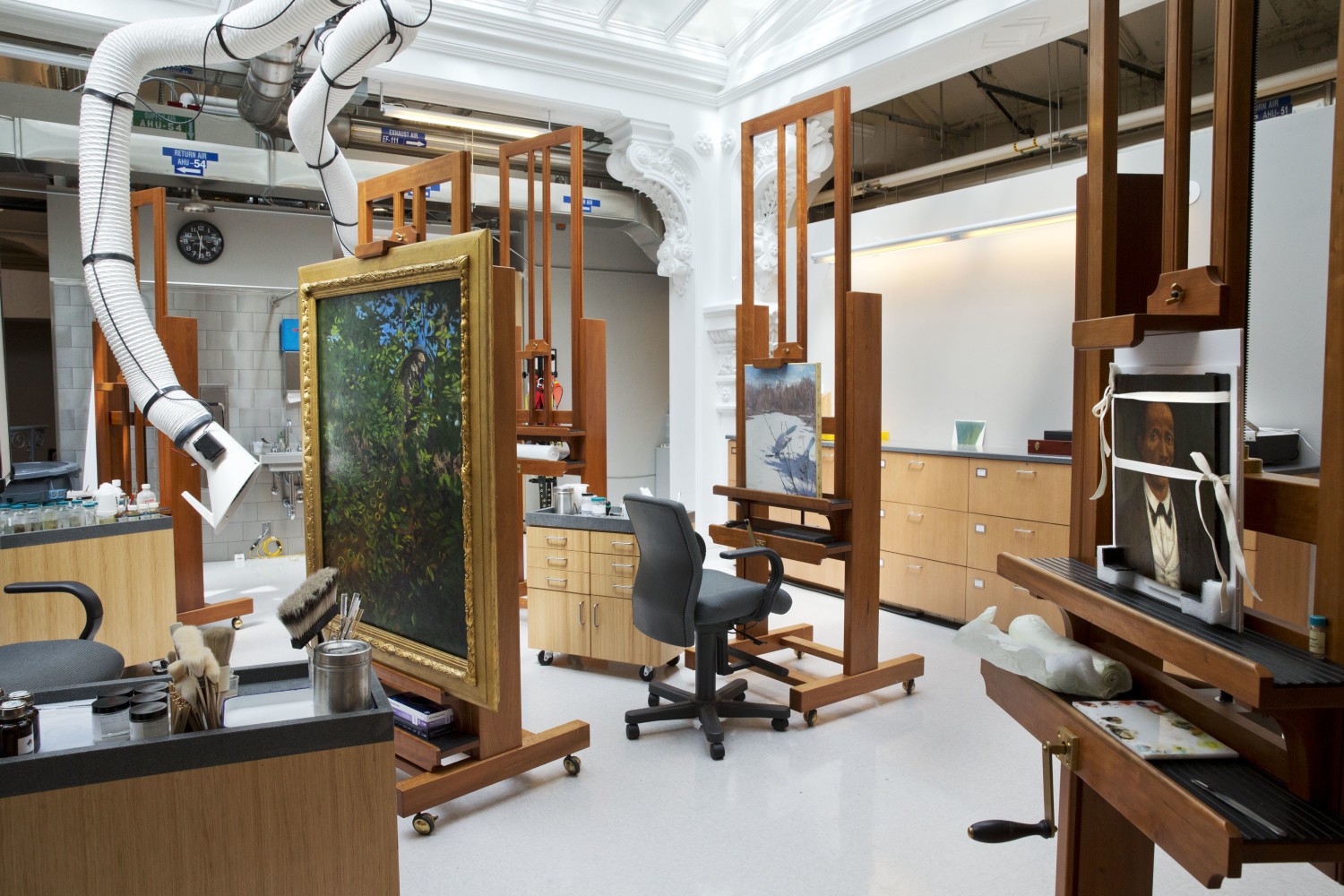
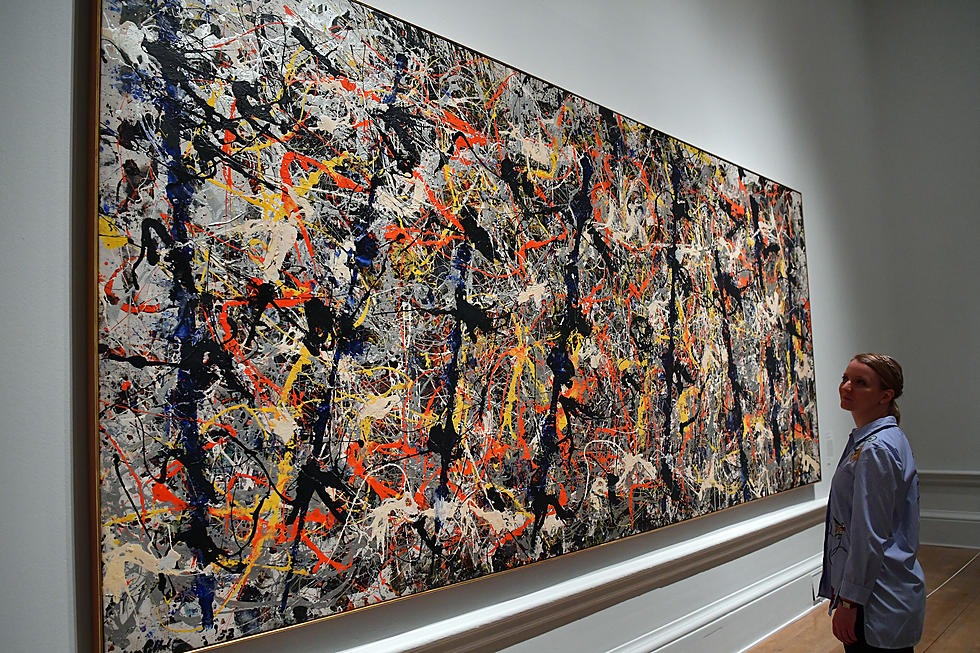
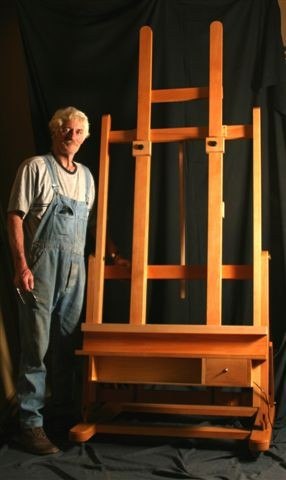
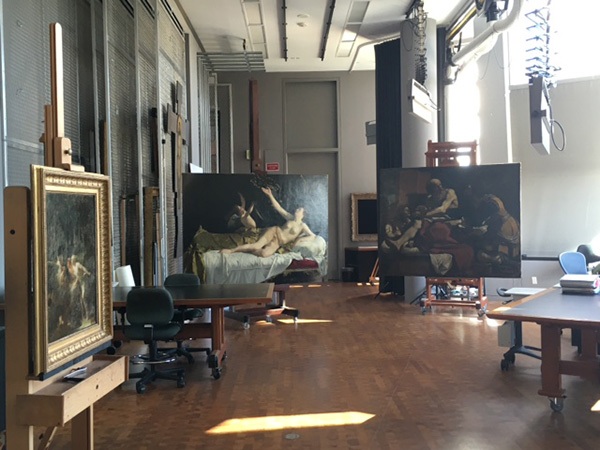
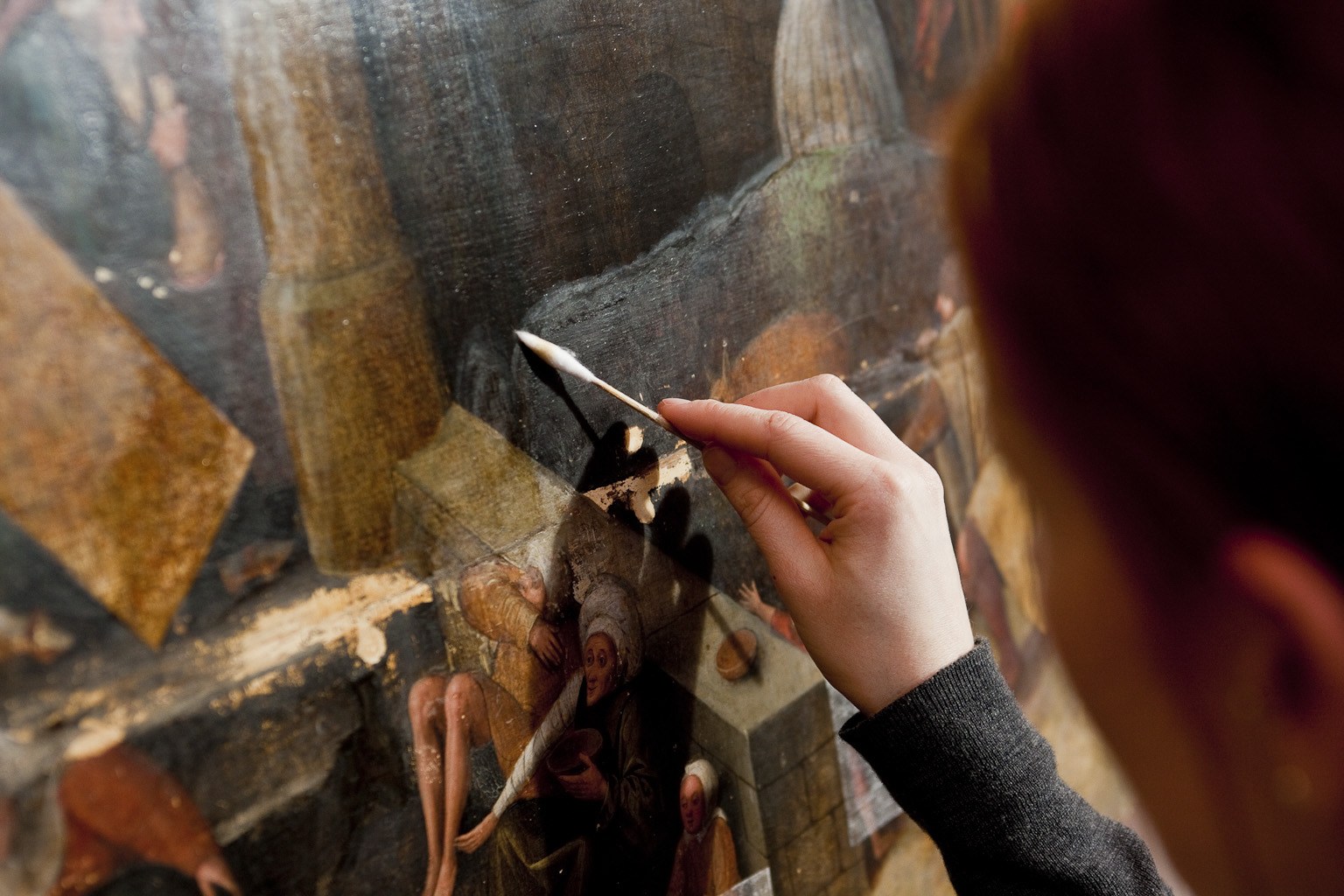
Here’s a gallery below, of not only standalone Easels, but EASELS IN ACTION via Conservation or Restoration. These experts are so good at oil painting they are trusted by museums to maintain, repair & restore works from antiquity. A bit different than the standard youtube back yard shed folks.
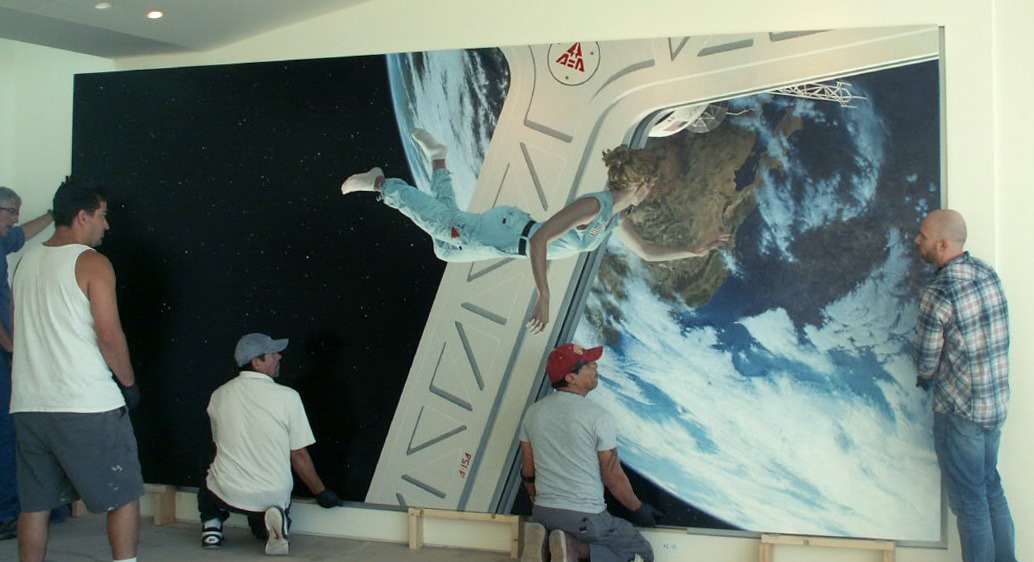
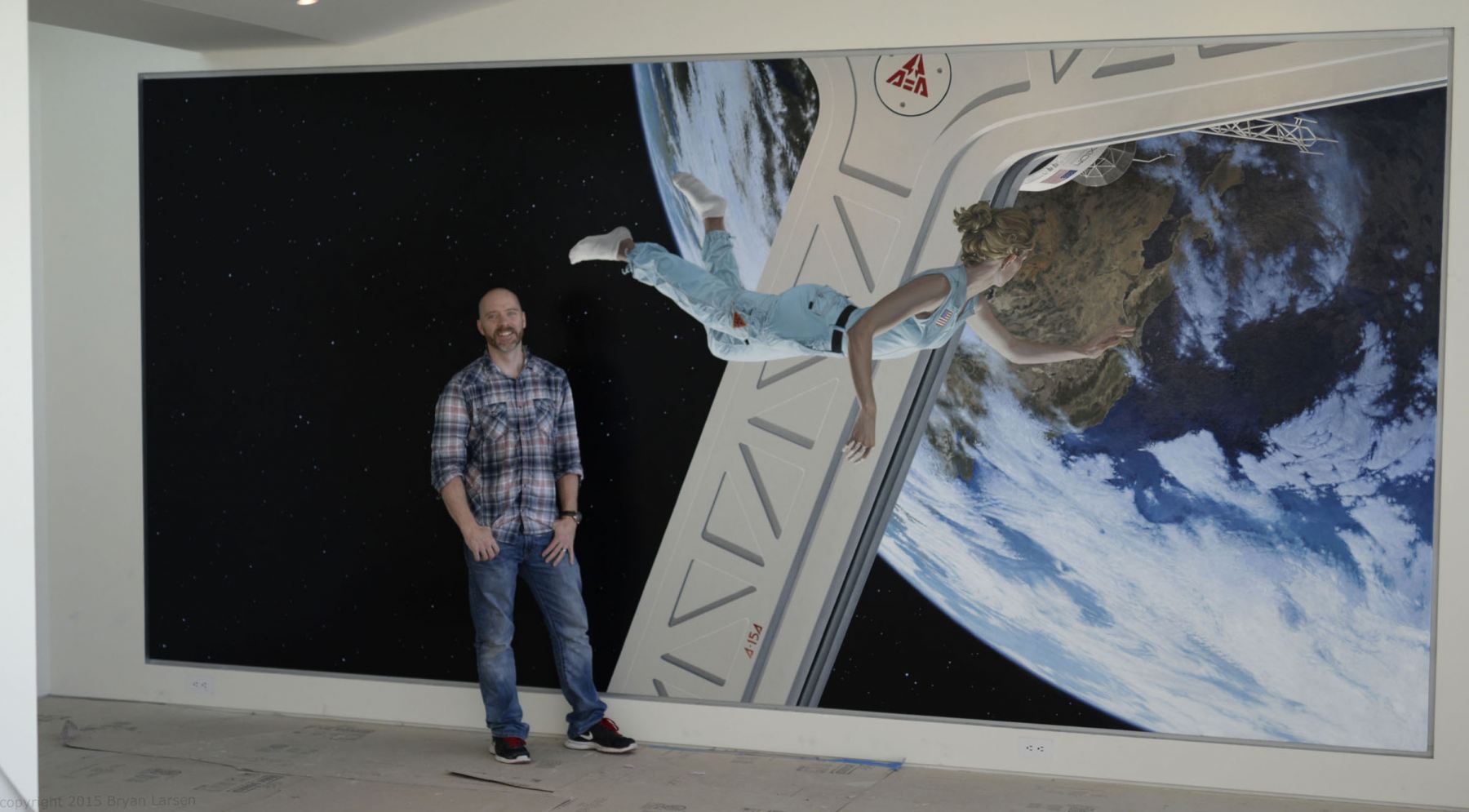
There’s a lot I learned by way of observation, seeing conservation experts at work on various easel and work area setups. And how variable scale, quality and actual texture of the various works as seen from up close or distant perspective, via high quality photography. I myself worked in film and video related jobs as a contracted artist so I am familiar with doing large scale works over 100 ft tall and 600 ft wide. In the movies they are referred to as backdrops, and you need to use scissor lifts and condors (like a small 4 wheel mini crane).
The stuff referenced below is smaller scale than all that.