[ D4T4 CRYPT ORG ]

>-Quaere Cosmos Arcana Imperii-<

  • Home
  • Phys.Org | Space News
  • arXiv.org Astrophysics \ Galaxies
  • ESA Aladin A
    • ESO Aladin B
  • Architecture
    • Architects
  • Astrophysics
    • Black Holes
  • Fine Arts
  • LINKS
    • Star Gazing UK Blog
    • In The Sky: Sky Atlas
  • Linux
    • Man Pages
  • Cinema
    • Film Noir
    • Notable Film Directors
  • UFO / UAP: INDIGO X-RAY FOXTROT

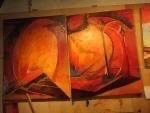
Triptych X

March 3, 2021 by blogadmin

Share
Buffer
Pocket
Tweet
Reddit
WhatsApp
Pin
Email
Share
0 Shares

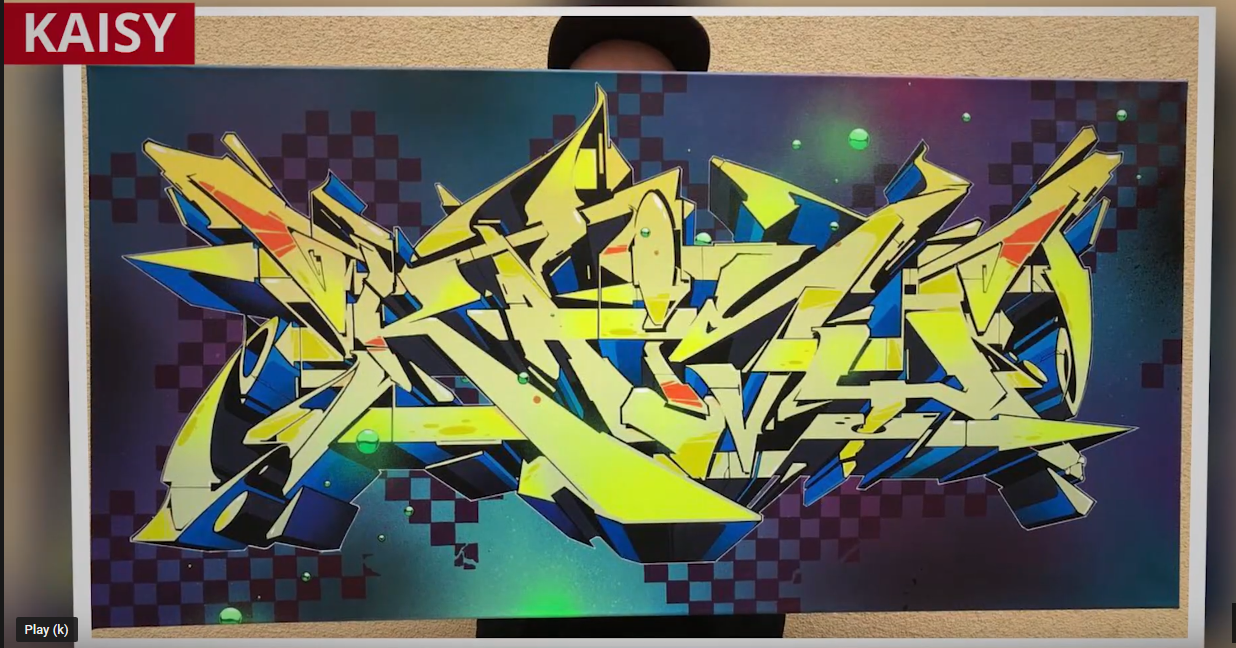
Here’s the first one. It appears that possibly engineering a cut off the snake’s head type of operation is required when dealing with the medium of oils, and invention or assimilation of the multiple style influences being considered. In depth sneak attack type of study. Stealthily studying by way of scouts the leader’s position and disposition. Studying way more. Breaking everything down way more. Establish all of the middle substance, the foundation.

A. Architectonic Form. As a superior form than Graffiti Letter work. And superior atmospheric coloration scheme.

B. That only certain graffiti “action lines” or combinations of complimentary yet asymmetric counter balances be used in a very light sense to add the cryptic / symbol / graf mode but not at the expense of the sublime.

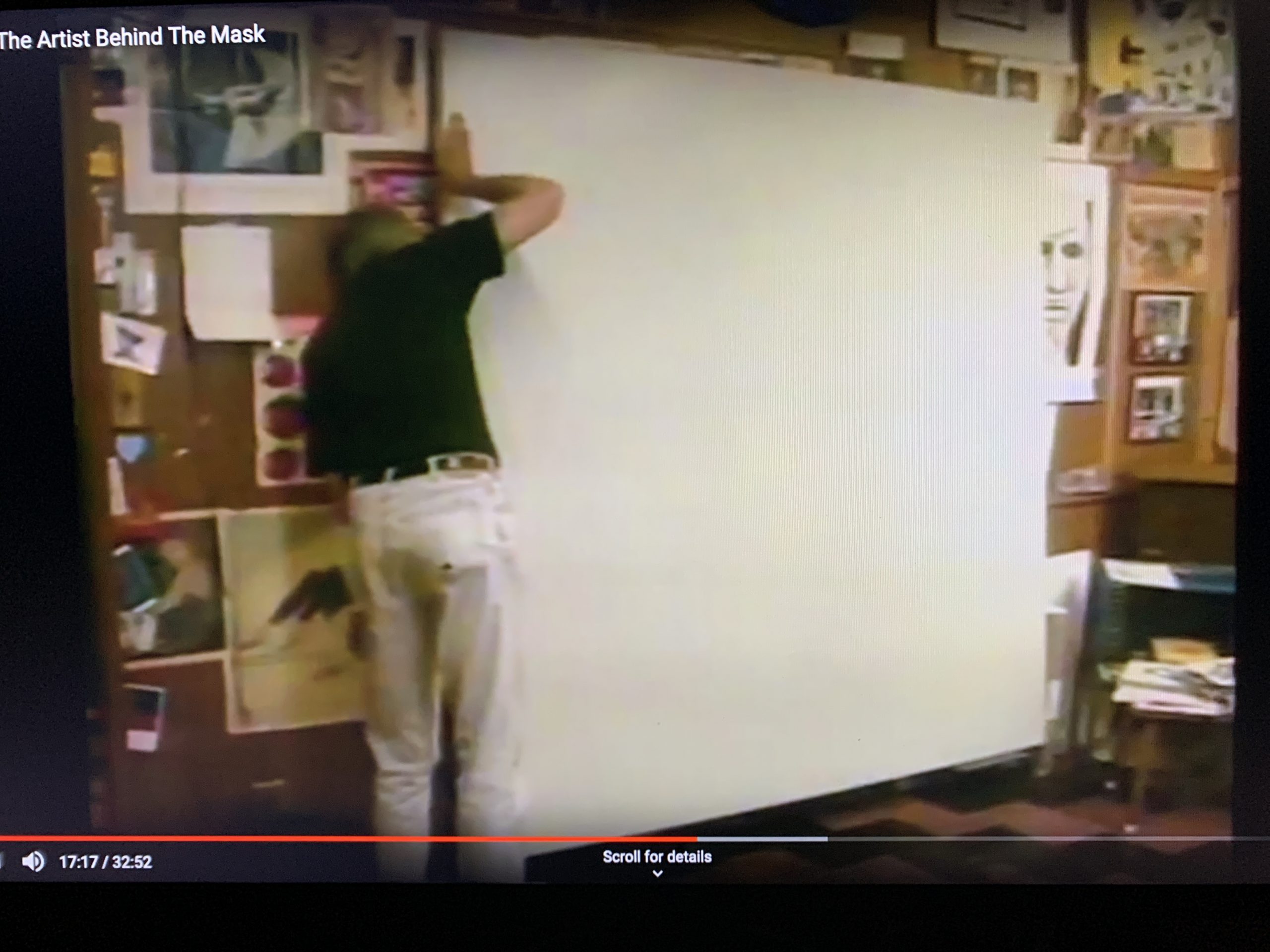
It’s the technique that must be developed more. Beaming from a projector is not enough.

The research must be branched into multiple areas.

1. Continued drawings that become ink or watercolor or aqua-brush works. Or utilize higher end paints or drawing materials like high quality pastels.

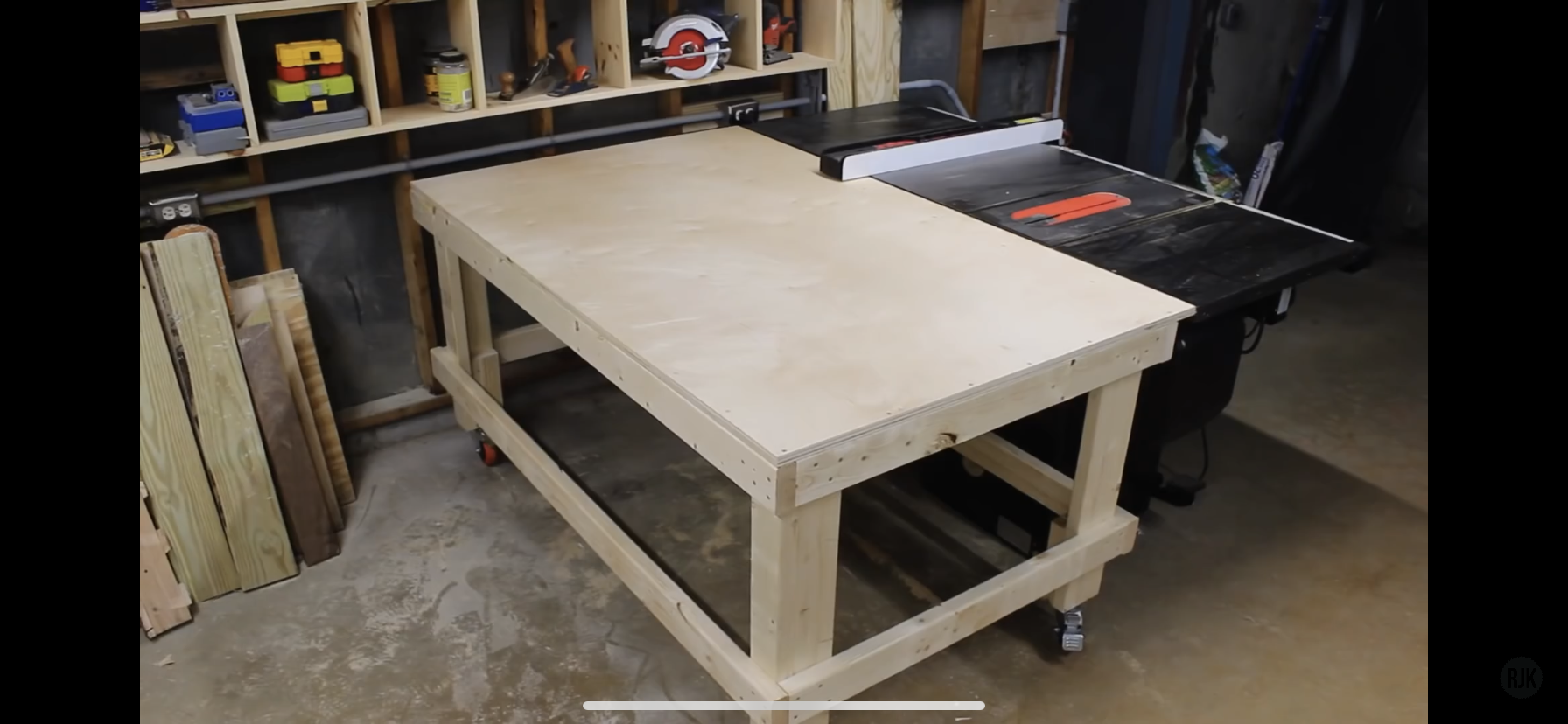
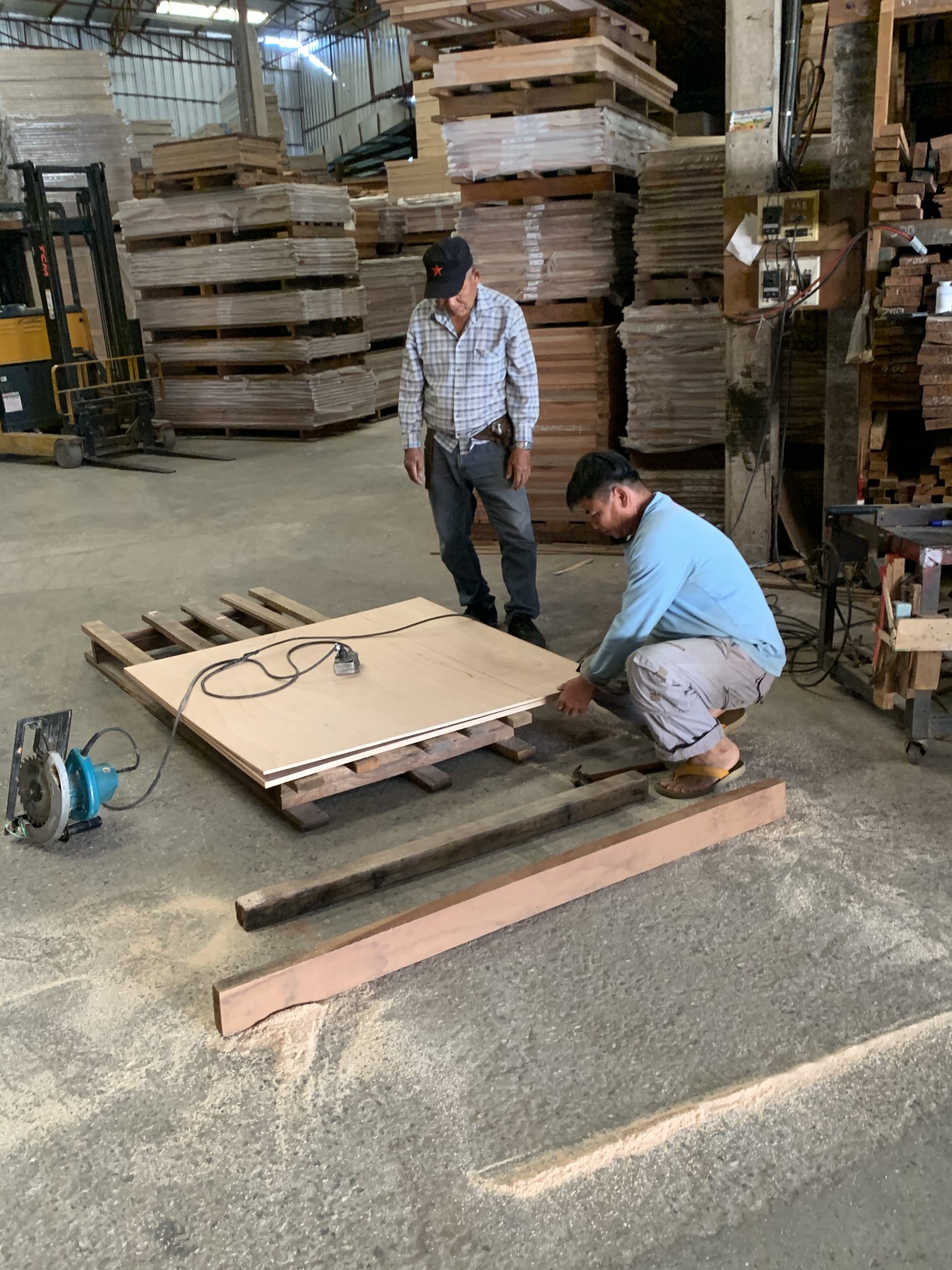
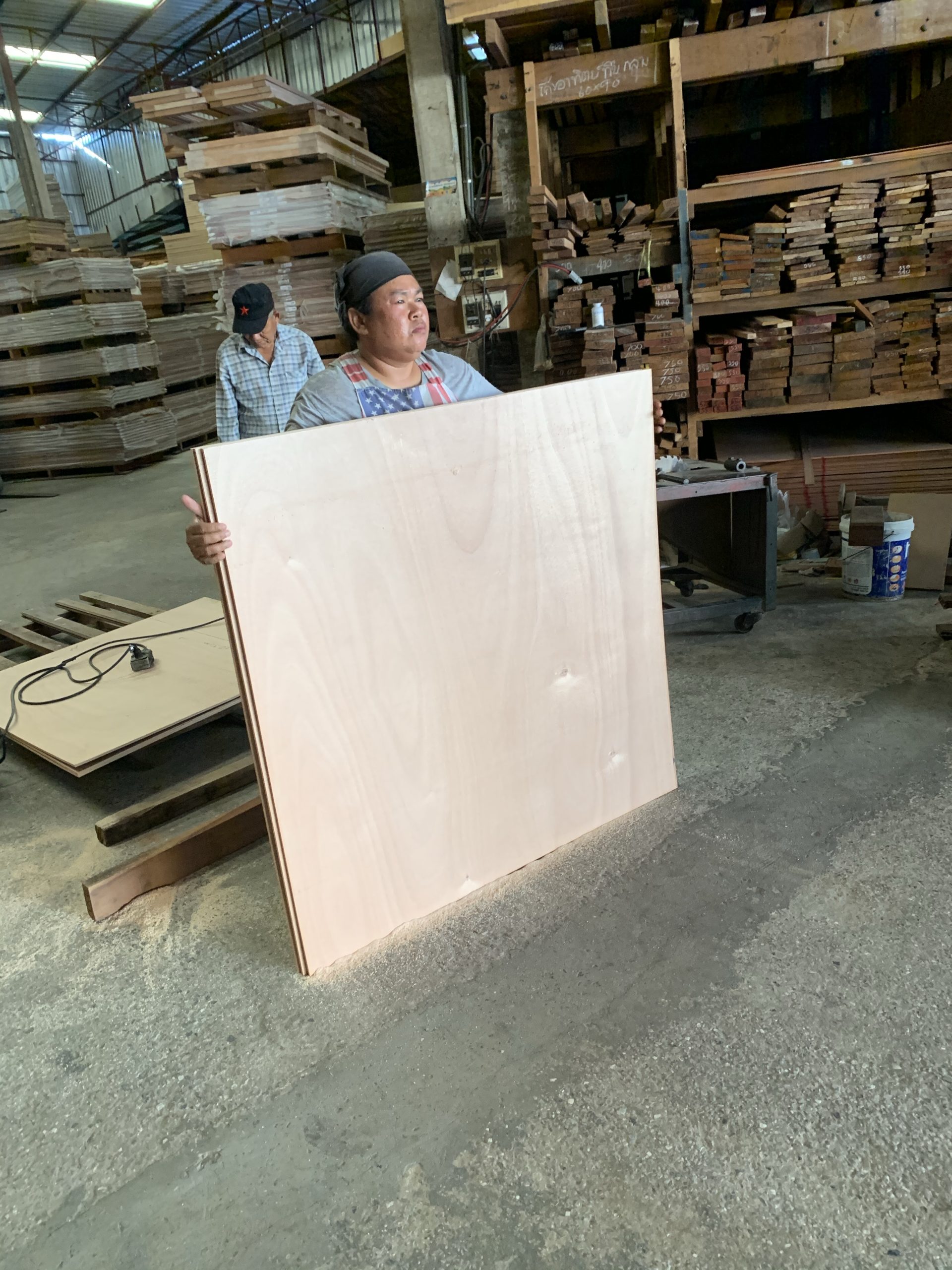
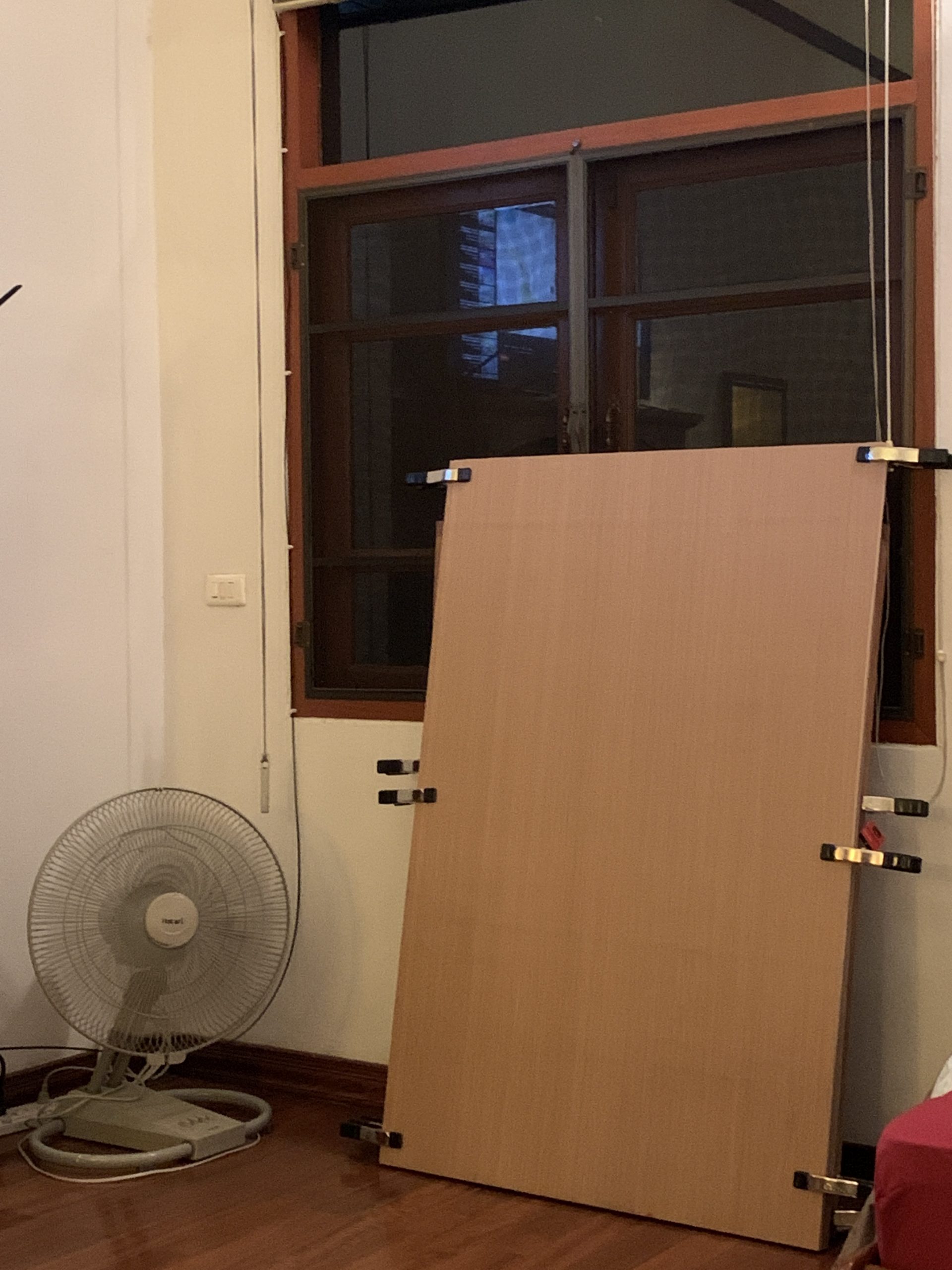
To do this, you need to manufacture many many many surfaces. Like literally every single bit of plywood you have turned into a triple or quadruple or dual drawing board. It’s better to BUY these than it is to try to make them yourself and be heavily delayed. Also to protect your breathing passages and cut down on all of the noise, cleaning and other issues associated with woodworking.

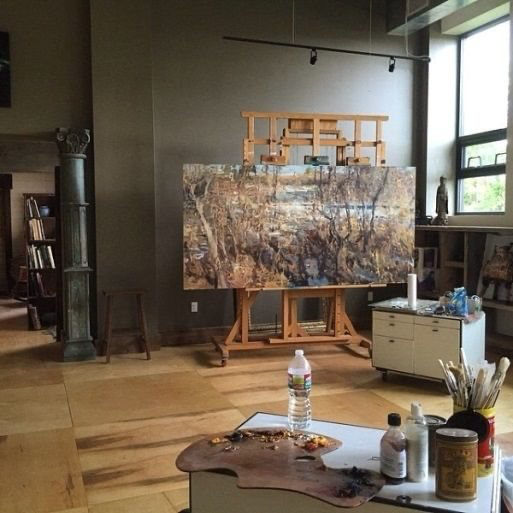
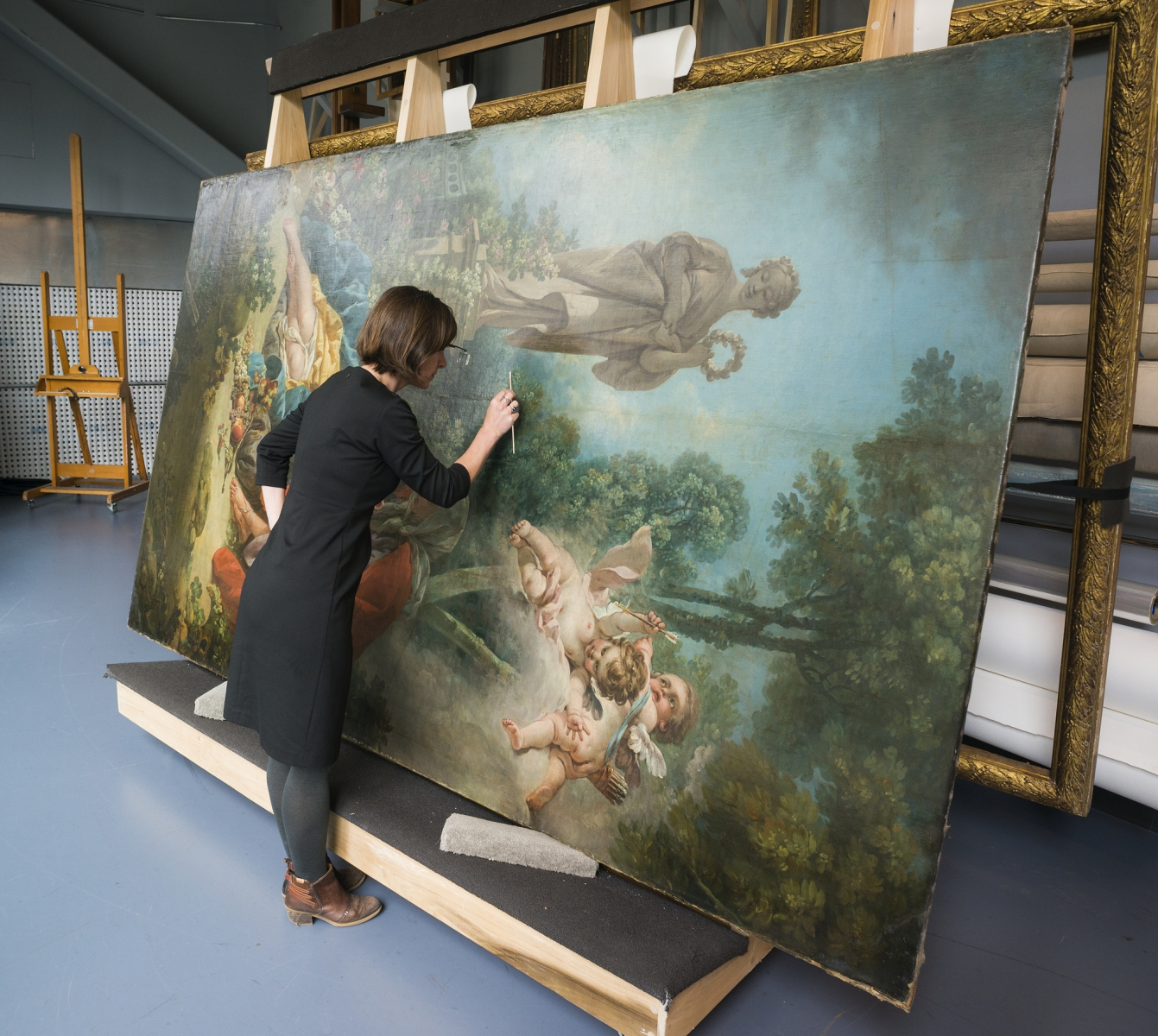
2. Paint experiments in both oil and acrylic on all available canvasses that can help establish your techniques better. This is a major area where you have always been weak before. Don’t let it happen. In fact, also use the plywood technique here, but creating various sizes and finding a suitable “backing trim”. This will make actual real paintings that remove the “bounce” and make everything very portable as you work toward larger scale sizes.

The above moves establish a framework where you can BUILD and DEVELOP and EXPERIMENT and SOLVE so many aspects. And not have to deal with the “big canvas” issues. Also, you get to make works that are more saleable. More portable. Give you more space. More variety.


OLYMPUS DIGITAL CAMERA



Grand Hyatt Singapore

Share
Buffer
Pocket
Tweet
Reddit
WhatsApp
Pin
Email
Share
0 Shares

Filed Under: Fine Arts

SCI-NEWS.com

  • 106-Million-Year-Old Pterosaur Footprints Discovered in Korea
    by Enrico de Lazaro on May 1, 2026 at 9:28 pm

    A set of neoazhdarchian pterosaur footprints discovered in South Korea is offering a rare glimpse into how some of the largest flying reptiles may have hunted on land. The post 106-Million-Year-Old […]

  • Hubble Captures Spiral Galaxy Packed with Brilliant Star Clusters: NGC 3137
    by Enrico de Lazaro on May 1, 2026 at 8:10 pm

    Astronomers using the NASA/ESA Hubble Space Telescope have captured this vivid image of the spiral galaxy NGC 3137, which is located in the constellation Antlia. The post Hubble Captures Spiral […]

  • Urban Birds Seem to Fear Women More Than Men: Study
    by News Staff on May 1, 2026 at 4:12 pm

    Experiments involving dozens of European bird species -- such as great tits, house sparrows and blackbirds -- suggest the birds can distinguish human sex and react differently, but the reasons remain […]

  • Omnivorous, Rodent-Like Mammal Lived in Dinosaurs’ Shadow on Pacific Coast
    by Enrico de Lazaro on April 29, 2026 at 11:43 pm

    Paleontologists have descibed a new species of the multituberculate mammal genus Cimolodon based on a fossil found in Baja California, Mexico. The post Omnivorous, Rodent-Like Mammal Lived in […]

  • Dark Matter May Have Jump-Started Universe’s First Giant Black Holes
    by News Staff on April 29, 2026 at 9:56 pm

    New research by astronomers from the University of California, Riverside, Sam Houston State University and the University of Oklahoma suggests decaying dark matter could have triggered the rapid […]

  • Two-Toed Sloths May Be Three Distinct Species, New Research Suggests
    by Natali Anderson on April 29, 2026 at 8:43 pm

    A comprehensive genome-wide analysis of Amazonian two-toed sloths (genus Choloepus) suggests the animals are more genetically diverse than once believed, raising the possibility of previously […]

  • Newly-Discovered ‘X-ray Dot’ Object May Reveal What Mysterious ‘Little Red Dots’ Really Are
    by News Staff on April 29, 2026 at 5:51 pm

    An unusual object discovered by NASA’s Chandra X-ray Observatory may represent a missing link between hidden ‘black hole stars’ and fully exposed supermassive black holes, offering new clues […]

  • Scientists Develop Quicker Test to Measure Coffee Quality
    by News Staff on April 29, 2026 at 4:14 pm

    Researchers have developed a fast, practical test to evaluate quality of black coffee, offering baristas and scientists a clearer window into flavor without complex lab work. The post Scientists […]

  • Small Titanosaur Species from Morocco Reveals Surprising South American Ties
    by Enrico de Lazaro on April 28, 2026 at 10:53 pm

    A new genus and species of titanosaurian sauropod dinosaur related to South American forms has been described by a team of paleontologist led by University of Bath’s Dr. Nick Longrich. The post […]

  • Interstellar Comet 3I/ATLAS Formed in Ultra-Cold Planetary System, ALMA Reveals
    by News Staff on April 28, 2026 at 7:24 pm

    With more than 30 times deuterated water or semi-heavy water seen in solar system comets, 3I/ATLAS preserves evidence of radically different conditions in its birthplace billions of years ago. The […]

  • Early Platypuses Had Strong Teeth and Powerful Jaws, Fossils Show
    by News Staff on April 28, 2026 at 4:53 pm

    New fossils from the Namba Formation of South Australia reveal that 25 million years ago, Obdurodon insignis thrived in lush inland lakes alongside freshwater dolphins and other now-lost species. The […]

  • Why Geologists Love Pond Scum
    by Kenneth C. Gass on April 27, 2026 at 10:43 pm

    If you’ve ever wondered how geologists know so much about ancient beaches and shallow oceans, they owe it all to the sand particles bound together by microbes, forming structures known as microbial […]

  • Infrasound Can Subtly Raise Stress and Discomfort, New Study Finds
    by News Staff on April 27, 2026 at 9:32 pm

    New research suggests that infrasound -- very low-frequency sound below 20 Hz -- can increase cortisol levels and irritability, offering a scientific explanation for why some ‘haunted’ places […]

  • In Cretaceous Oceans, Giant ‘Kraken-Like’ Octopuses May Have Been Top Predators
    by News Staff on April 27, 2026 at 6:47 pm

    Massive, soft-bodied cephalopods up to 19 m (62 feet) long rivaled -- and perhaps hunted -- the ocean’s fiercest reptiles in the Cretaceous period, according to new research led by Hokkaido […]

  • Honeybees Can Process Numerical Information, New Study Confirms
    by News Staff on April 27, 2026 at 3:28 pm

    A new analysis of honeybee vision suggests their ability to distinguish quantities is not a trick of visual patterns, but evidence of genuine numerical cognition shaped by how their brains see the […]

  • Sombrero Galaxy Shines in Stunning New Image from Dark Energy Camera
    by Enrico de Lazaro on April 27, 2026 at 2:21 pm

    The Dark Energy Camera has captured the iconic Sombrero Galaxy in unprecedented detail, exposing faint stellar streams and a glowing halo that hints at a turbulent past shaped by galactic mergers. […]

  • Marine Biologists Solve Mystery of Deep-Sea ‘Golden Orb’
    by Natali Anderson on April 25, 2026 at 3:13 am

    New research led by the Smithsonian National Museum of Natural History suggests the ‘golden orb’ is the remains of a rarely seen species of anemone. The post Marine Biologists Solve Mystery of […]

  • New Fossil from Brazil Reveals Unexpected Diversity among Pre-Dinosaur Herbivores
    by Enrico de Lazaro on April 23, 2026 at 11:37 pm

    Paleontologists in Brazil have identified a new genus and species of hyperodapedontine rhynchosaur -- an extinct lineage of beaked, herbivorous reptiles -- based on a partial skull and lower jaws […]

  • New Study Finds Genetic Key to Vitamin D’s Role in Diabetes Prevention
    by News Staff on April 23, 2026 at 9:48 pm

    In a large clinical trial, Tufts University researcher Bess Dawson-Hughes and colleagues found that vitamin D supplements reduced diabetes risk only in people with certain genetic variants, pointing […]

  • Webb Spots Icy Clouds on Distant Jupiter-Like Exoplanet
    by News Staff on April 23, 2026 at 8:48 pm

    Using the NASA/ESA/CSA James Webb Space Telescope, astronomers have detected water-ice clouds swirling through the atmosphere of Epsilon Indi Ab, a cold super-Jupiter that challenges existing models […]

Copyright © 2026 · Dynamik-Gen on Genesis Framework · WordPress · Log in