[ D4T4 CRYPT ORG ]

>-Quaere Cosmos Arcana Imperii-<

  • Home
  • Phys.Org | Space News
  • arXiv.org Astrophysics \ Galaxies
  • ESA Aladin A
    • ESO Aladin B
  • Architecture
    • Architects
  • Astrophysics
    • Black Holes
  • Fine Arts
  • LINKS
    • Star Gazing UK Blog
    • In The Sky: Sky Atlas
  • Linux
    • Man Pages
  • Cinema
    • Film Noir
    • Notable Film Directors
  • UFO / UAP: INDIGO X-RAY FOXTROT

TUNNEL X

March 26, 2020 by blogadmin

Share
Buffer
Pocket
Tweet
Reddit
WhatsApp
Pin
Email
Share
0 Shares

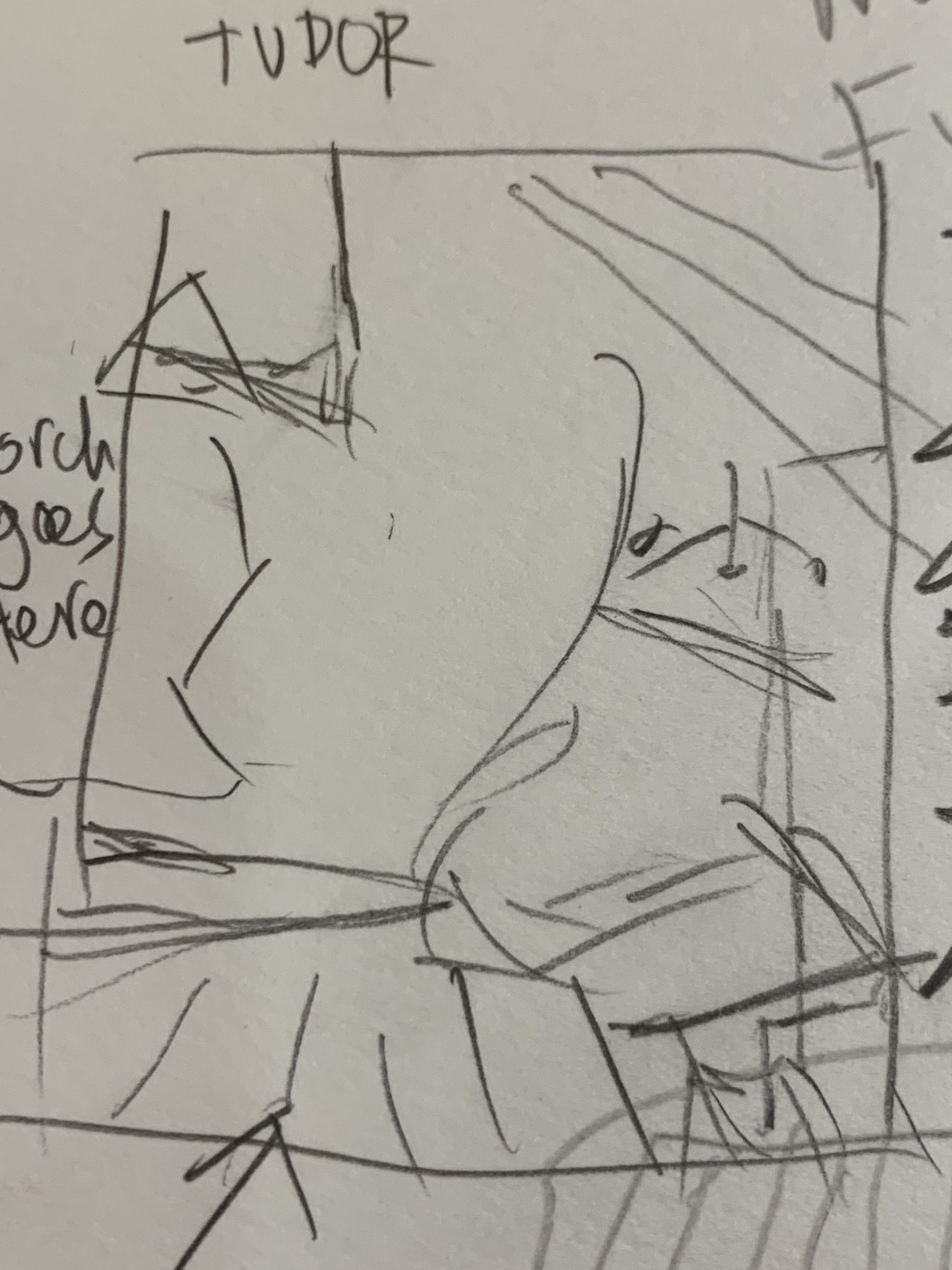
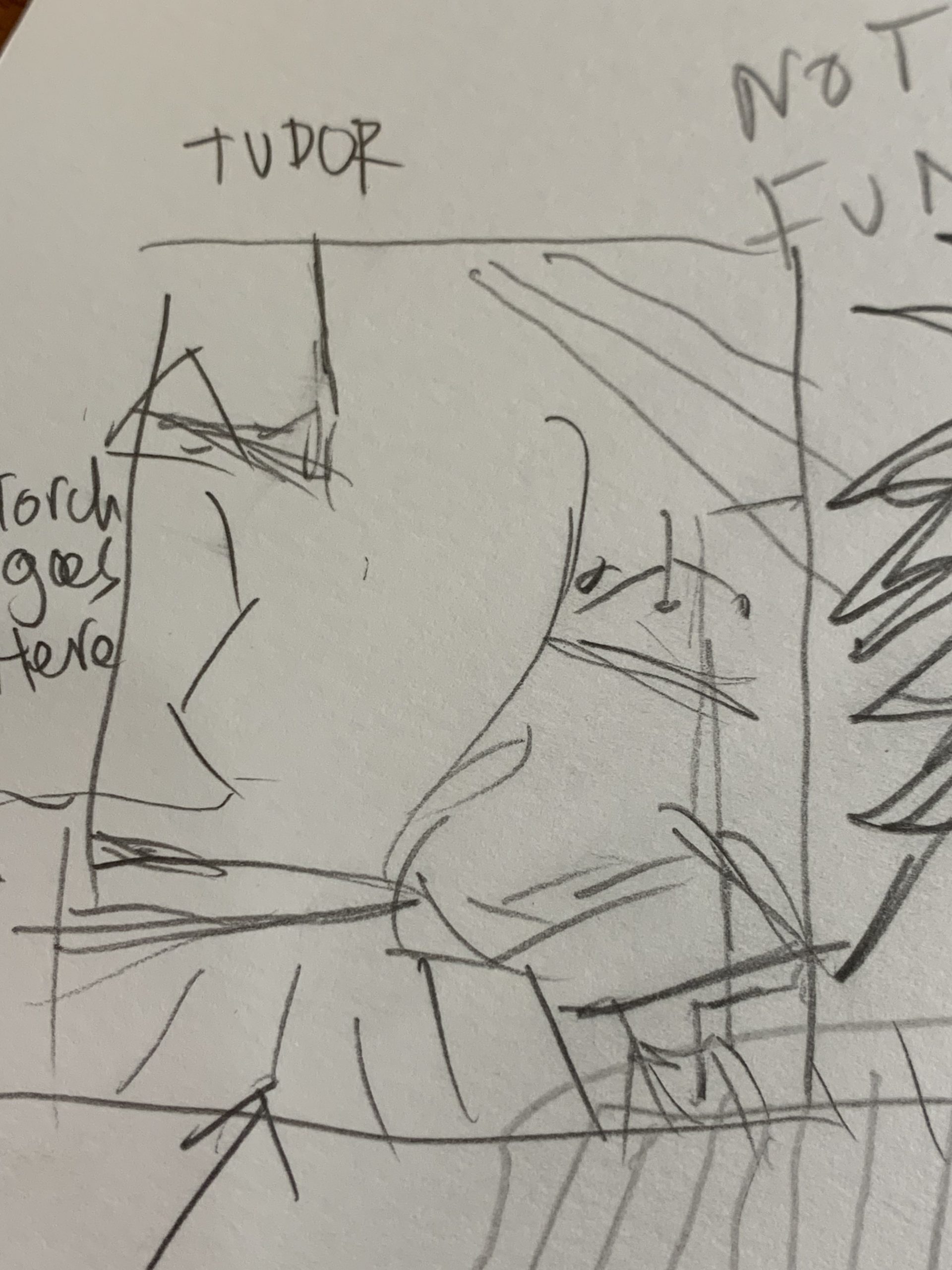
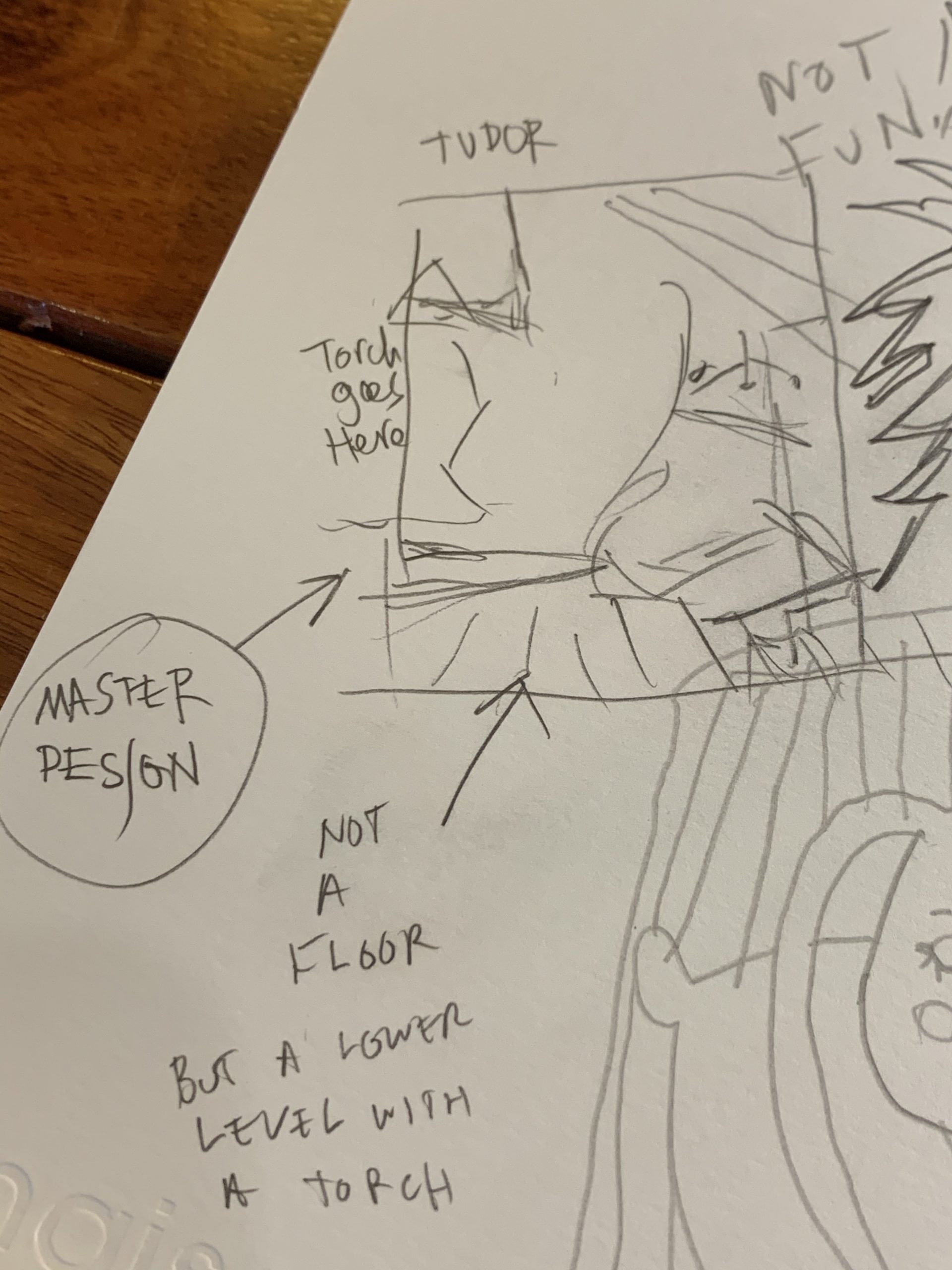
I was thinking of why these two paintings kept failing years ago.

The main reason was that as stairwells they offer all sorts of options to exit the painting but the middle space goes nowhere.

I thought that by lining them up next to each other I could create a sort of diptych but again the fact that they both have a wall sitting there in the middle made it nearly impossible to dive into the work with any decisive lines.

Thus no story could be told and the only impression that could be given was that of painterly effects, colors and contrasting edge juxtaposition between two dimensional and three dimensional forms.

As one can see from the source image of the painting on the right, I had forgotten about every single option and wasn’t even really finding useful reference material back in 2004 to remember what I had first started in 1989 with an opaque projector.

Victor Horta:

After thinking on this for a while more I realized that the middle of the painting and really the middle of the photo was a wall with extremely fancy accessorization and decor.

I calculated that if I were to remove the wall and replace it with some other form that had depth of perspective, spatial depth, I might be able to get more into the painting, which was a lesson that I learned from deducing some of the success of Southloop.

To give the eye plenty of places to roam around one has to push the space as far back as possible, and Southloop covered miles compressed into a 2 meter x 2 meter square, and offered random details in 3D with just the right balance with the graffiti meets cubism 2D vs 3D interplay recipe I’d devised.

Graffiti had more modern and appealing line shapes and a dynamism and emotion where ass cubism was still good at the construction of space and juxtaposition of 2D and 3D linework, all with abstraction in play.

I never really got past the stumbling block but now I may have done so.
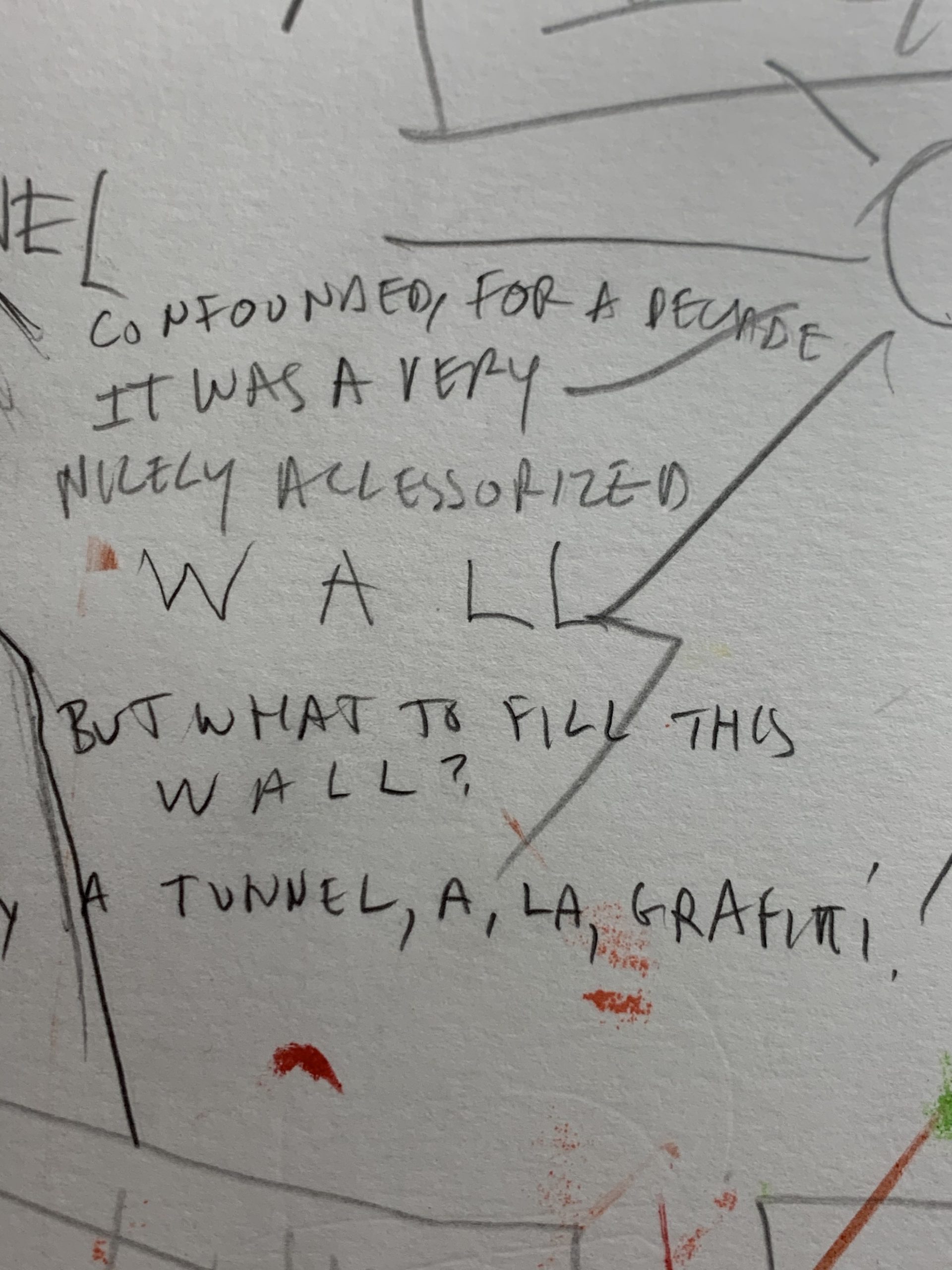
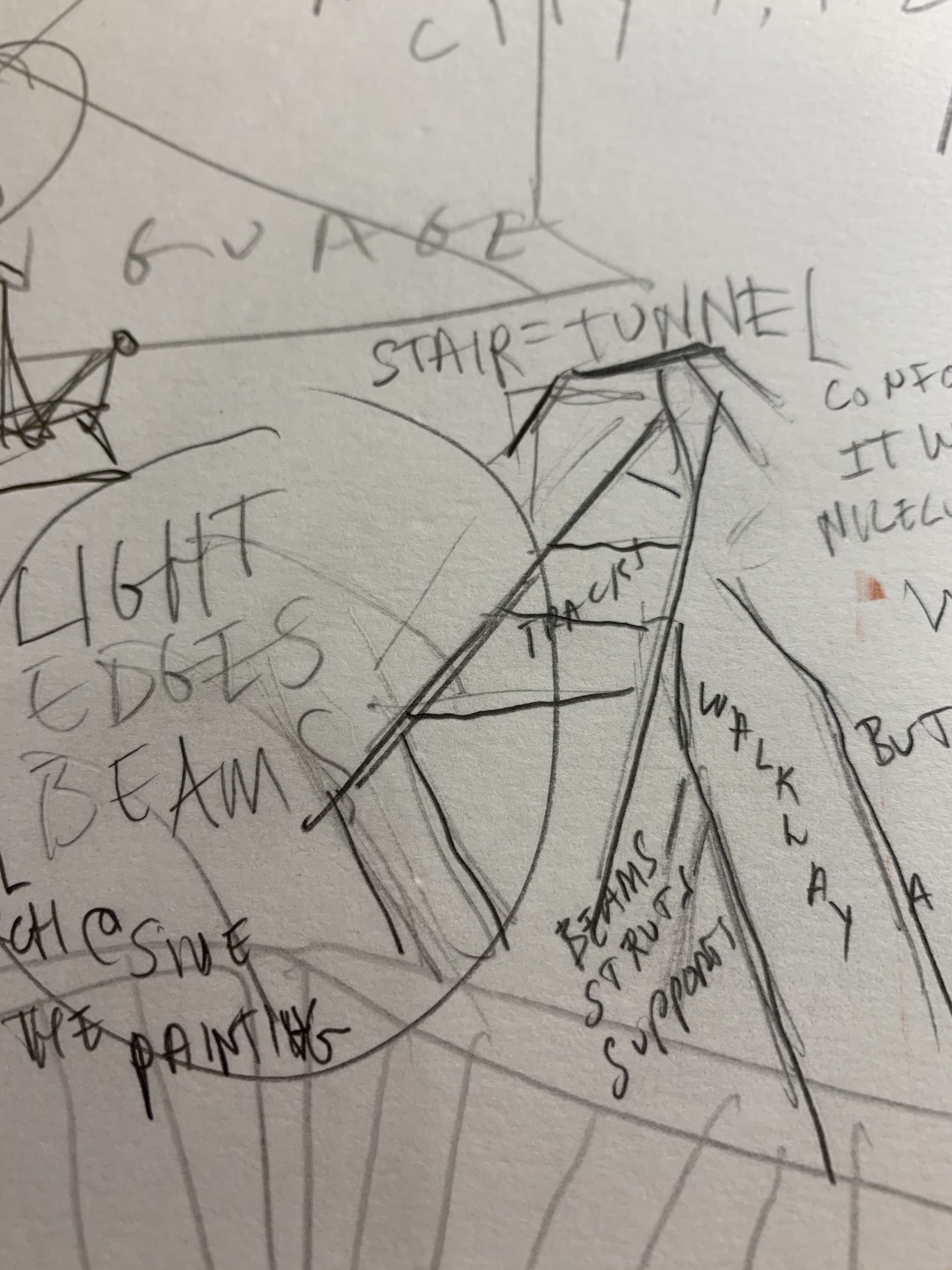
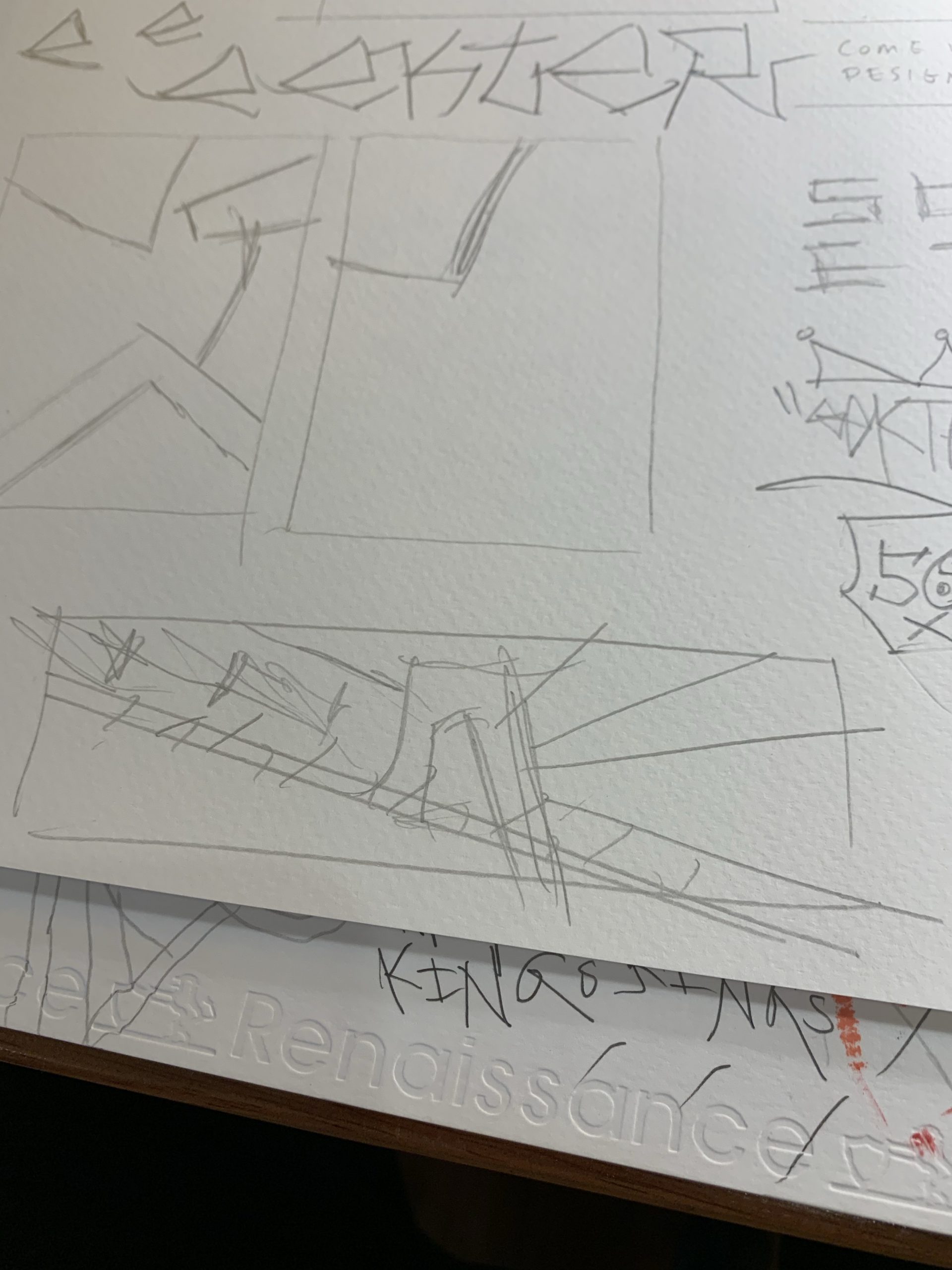
So my theory is now that if I process a piece that has more depth of perspective I have a better chance at working out something of interest.

More research and design and drawing is required to really figure this out but I will try to use as close to the original formula as I possibly can such that when it gets around to the paint it is a very certain situation with little need for major corrections. A possible winner even.

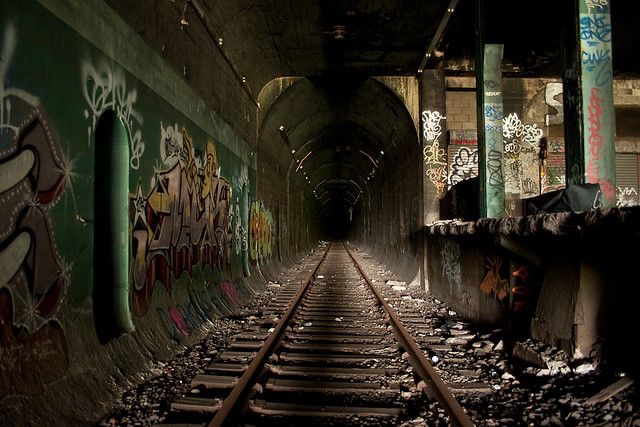
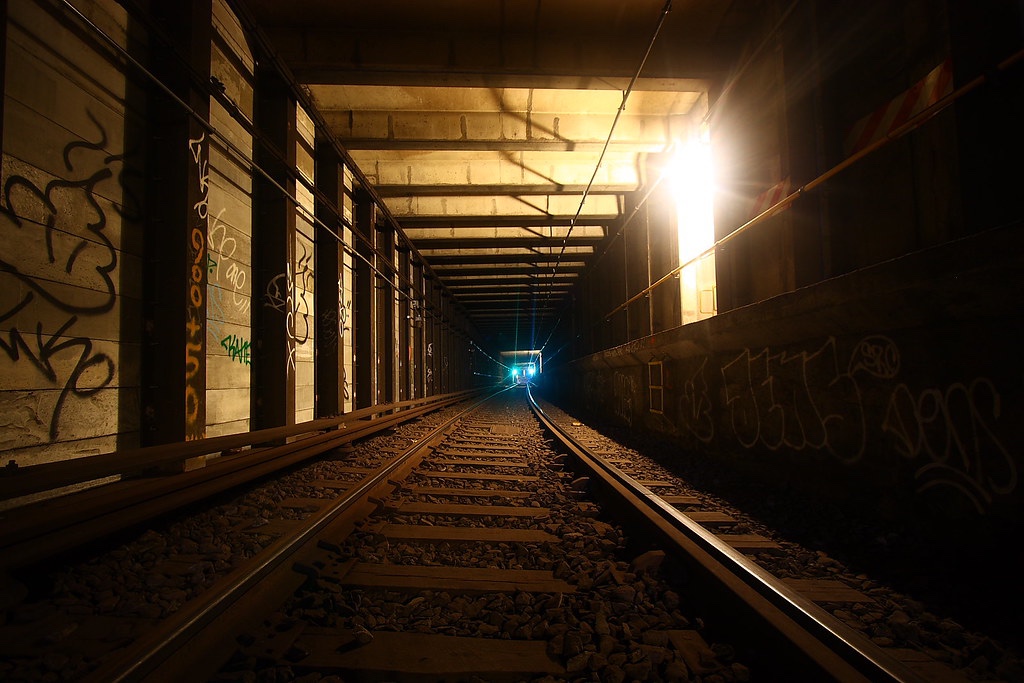
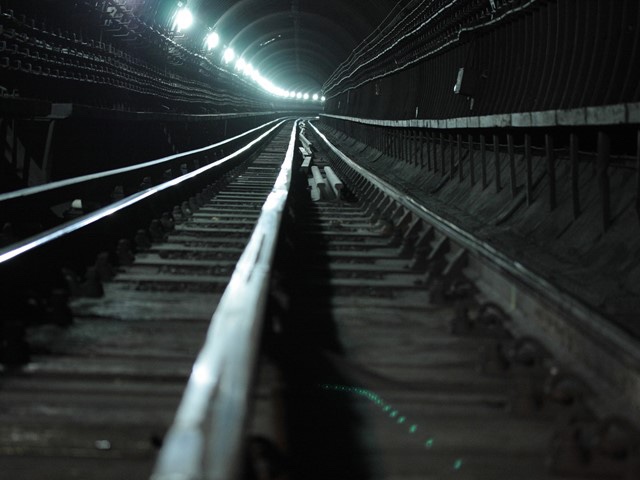
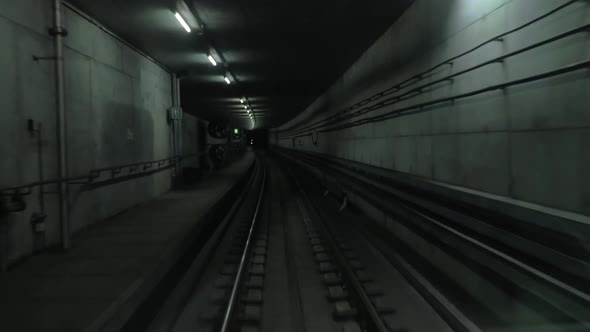
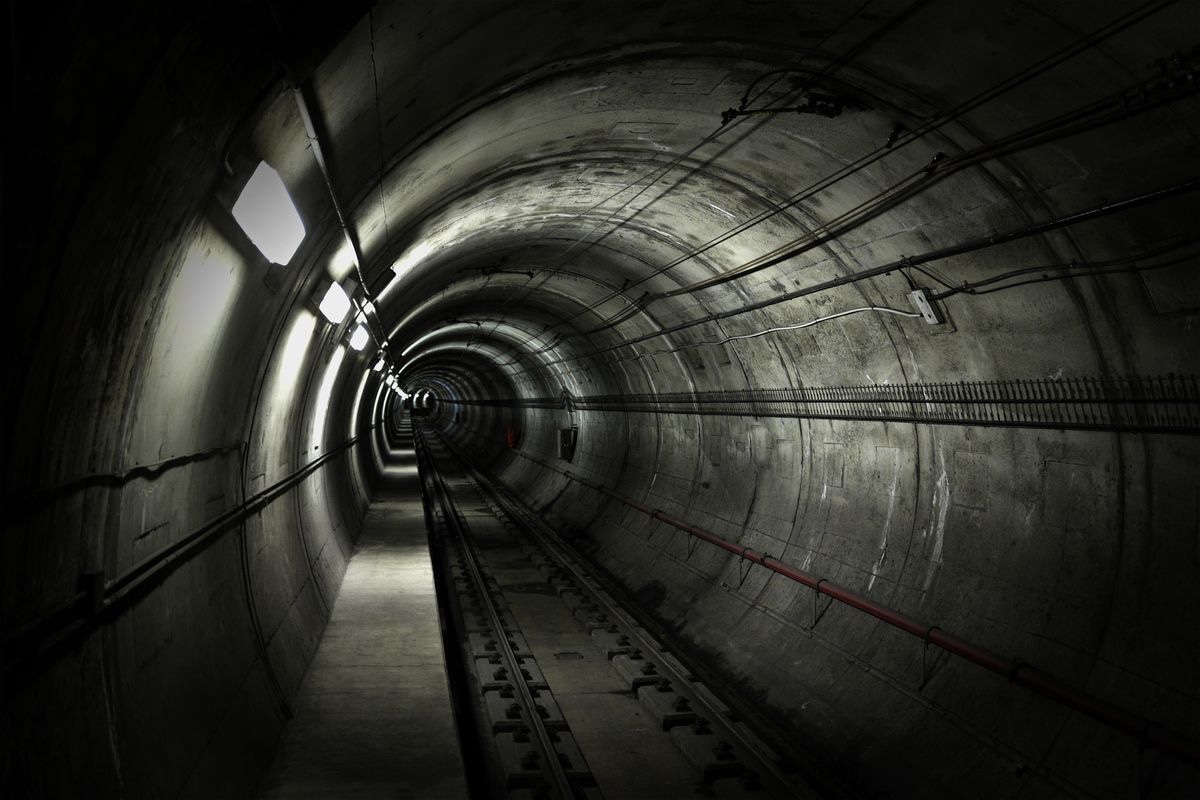
I still have the intention to keep this all about cubism meets graffiti and getting back to the theme of the city and especially a subway tunnel or a rooftop or a train station is going to build out this series in a few nice directions with regard to palette especially if I am able to work in some of the influence of Paschke lines and Paschke colors.

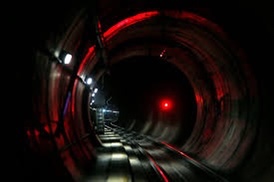
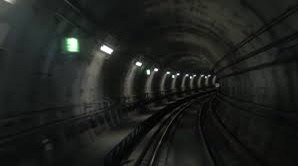
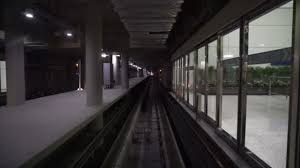
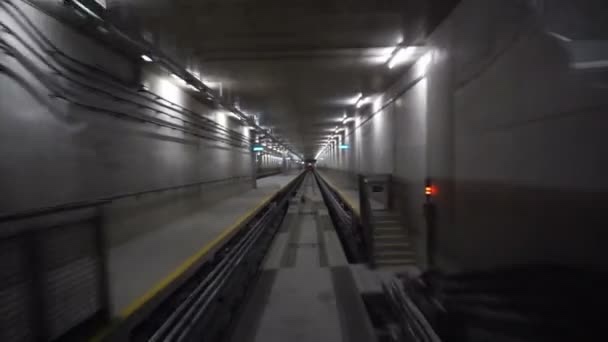
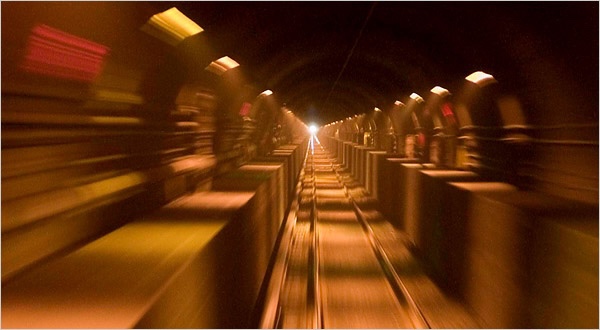
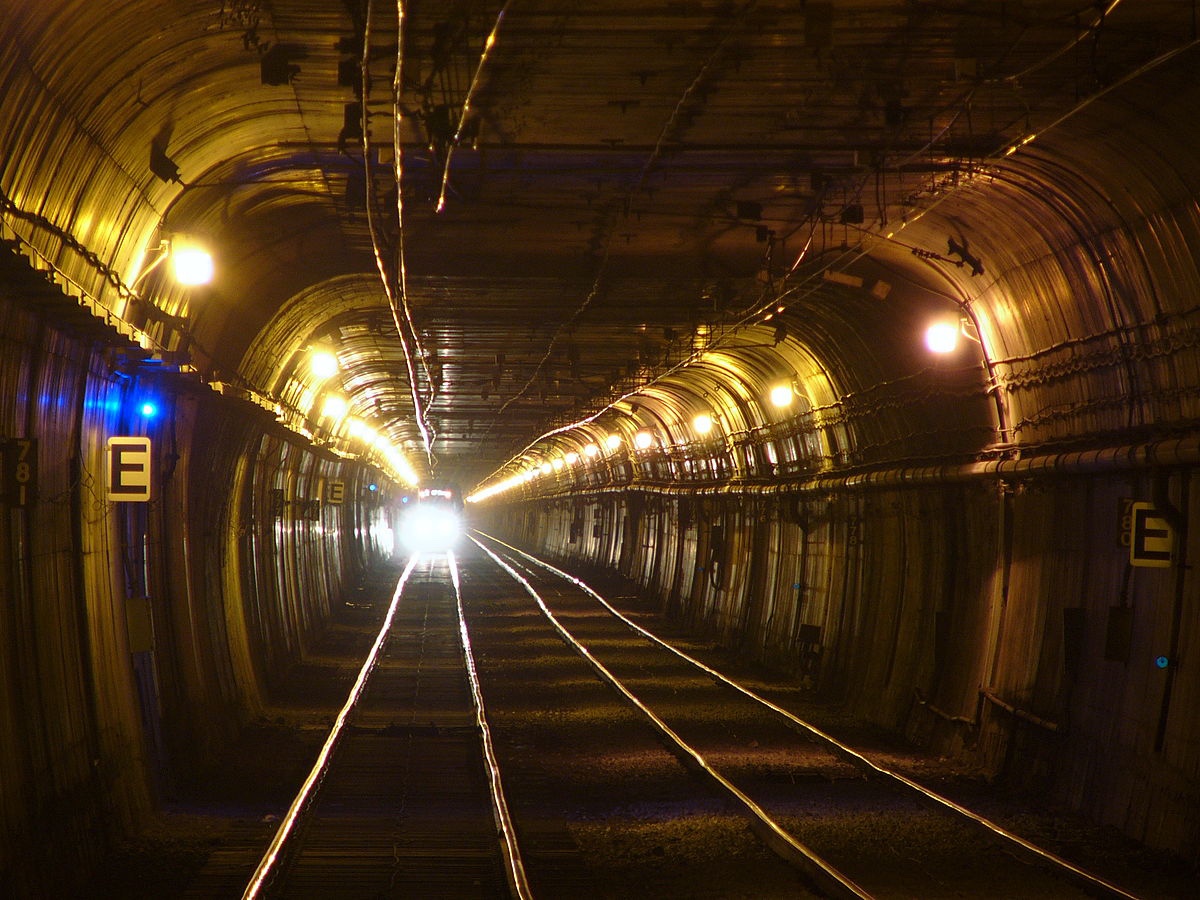
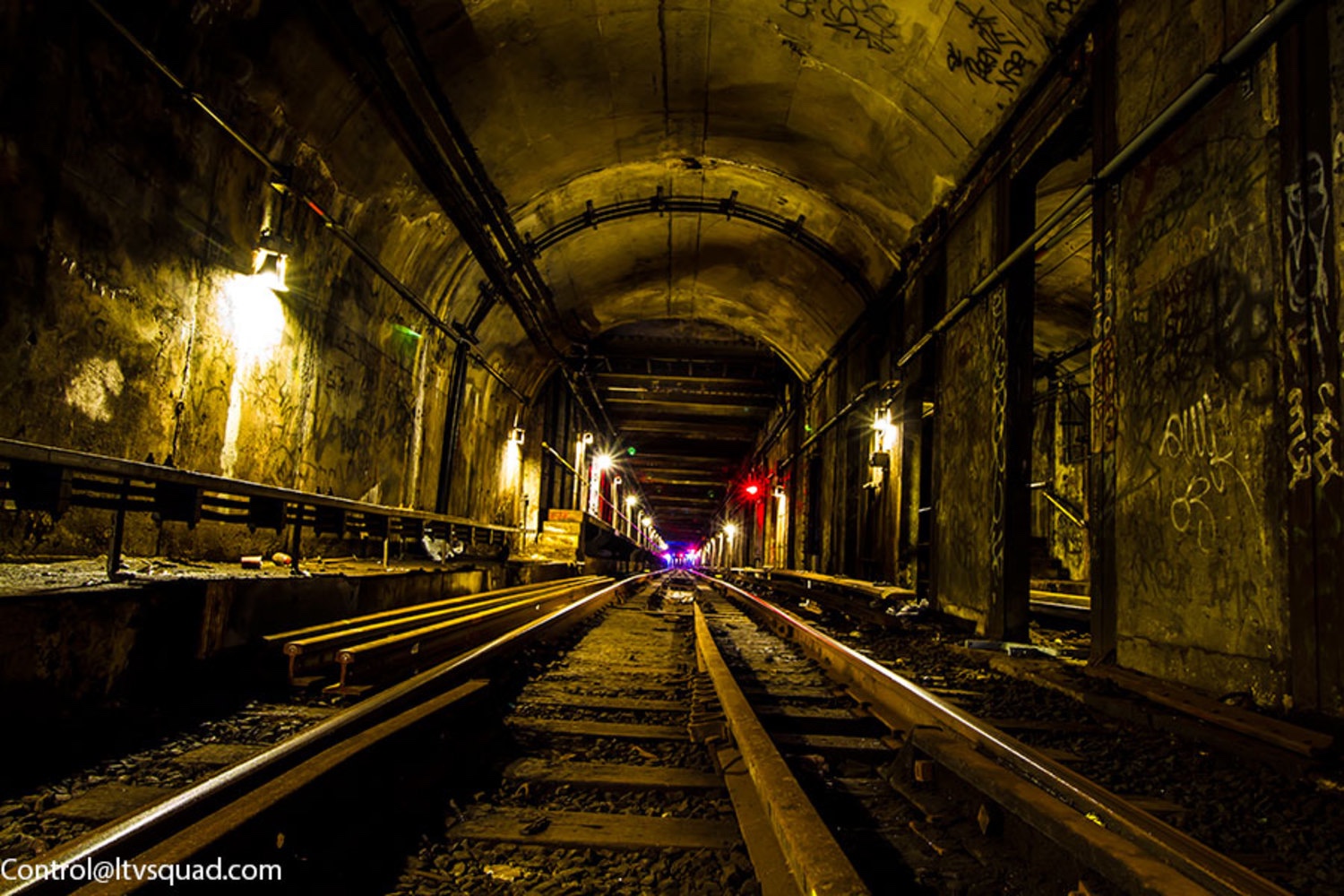
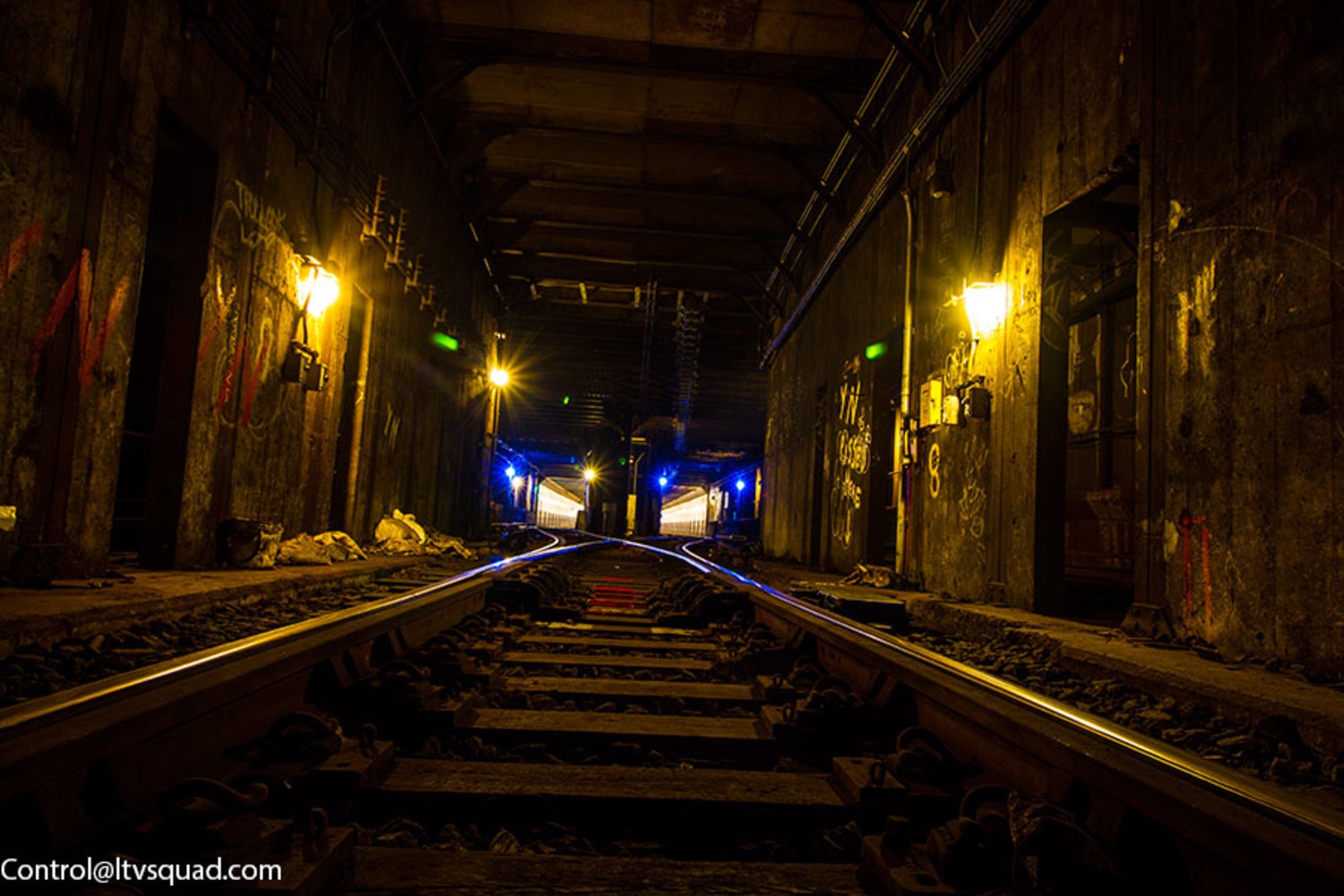
Here are some of the subway images I came across that might be of use:

Share
Buffer
Pocket
Tweet
Reddit
WhatsApp
Pin
Email
Share
0 Shares

Filed Under: Fine Arts, Oil Paintings

SCI-NEWS.com

  • Paleontologists Uncover New Mosasaur Species in Egypt’s Western Desert
    by News Staff on September 16, 2026 at 7:13 pm

    Paleontologists have described a previously unknown species of mosasaur -- a group of extinct marine reptiles that patrolled Cretaceous seas alongside dinosaurs on land -- based on fossils unearthed […]

  • CERN Physicists Find Evidence of One of Higgs Boson’s Rarest Decays
    by Enrico de Lazaro on September 16, 2026 at 6:29 pm

    Physicists from the ATLAS Collaboration at CERN’s Large Hadron Collider (LHC) have found evidence of the Higgs boson decaying into a ‘virtual’ photon and a real photon, which in turn produces a […]

  • VISTA Focuses on Inner Regions of Magellanic Clouds
    by Natali Anderson on September 16, 2026 at 3:57 pm

    Astronomers using ESO’s Visible and Infrared Survey Telescope for Astronomy (VISTA) have observed the densest, most crowded regions at the centers of the Large and Small Magellanic Clouds, our […]

  • New Dicynodont Species from Tanzania Suggests Younger Age for Rocks Tied to Earliest Dinosaurs
    by Enrico de Lazaro on September 15, 2026 at 11:04 pm

    Paleontologists have identified a new species of ancient, distant mammal relative from two fossil specimens found decades apart in the Manda Beds of Tanzania. The post New Dicynodont Species from […]

  • Entanglement Survives Violence of CERN’s Large Hadron Collider
    by News Staff on September 15, 2026 at 9:06 pm

    Physicists from the ATLAS Collaboration at CERN’s Large Hadron Collider have confirmed that quantum entanglement -- the phenomenon Albert Einstein called ‘spooky action at a distance’ -- can […]

  • New Study Explains Why Venus Has No Moon
    by Natali Anderson on September 15, 2026 at 6:38 pm

    Dr. Stephen Kane from the University of California, Riverside and colleagues offer a tidy explanation for one of the Solar System’s enduring puzzles: why Venus, so similar to Earth in size and […]

  • Spanish Amber Deposit Offers Rare Window into Cretaceous Life
    by Enrico de Lazaro on September 14, 2026 at 10:33 pm

    El Soplao, a fossil site tucked into the hills of Cantabria in northern Spain, stands out for yielding amber pieces with a blue-violet hue and abundant bioinclusions, according to a new review […]

  • Diplodocus, Long Thought Exclusively American, Turns Up in Spain
    by Enrico de Lazaro on September 14, 2026 at 9:17 pm

    Paleontologists from Fundación Dinópolis have identified the first confirmed fossils of the genus Diplodocus found outside North America. The post Diplodocus, Long Thought Exclusively American, […]

  • Mercury Has Shrunk Even More than Planetary Scientists Thought
    by News Staff on September 14, 2026 at 6:41 pm

    The Solar System’s smallest planet has contracted by nearly 19 km (12 miles) across, as crater debris masked telltale wrinkles on its surface, according to new research led by the German Aerospace […]

  • Devonian Armored Fish Show Multiple Ways to Crush Hard-Shelled Prey
    by Enrico de Lazaro on September 14, 2026 at 5:01 pm

    Long before sharks or reptiles ruled the seas, armor-plated fish called placoderms were already experimenting with different jaw designs to crush hard-shelled prey. The post Devonian Armored Fish […]

  • Study: Interstellar Comet 3I/ATLAS Formed in Cold, Nitrogen-Rich Environment
    by Enrico de Lazaro on September 14, 2026 at 2:43 pm

    Astronomers have found new evidence that 3I/ATLAS, only the third confirmed interstellar object ever detected entering the Solar System from beyond, formed in an extremely cold environment far from […]

  • Ancient Alligator Relative Lived Right After Dinosaur-Killing Asteroid
    by Enrico de Lazaro on September 11, 2026 at 11:14 pm

    Paleontologists have identified a new species of extinct alligatorid that lived in what is now Colorado just a few hundred thousand years after the asteroid impact that wiped out the non-avian […]

  • Ichthyosaurs Had Surprisingly Dense Ribs, New Study Finds
    by Enrico de Lazaro on September 11, 2026 at 4:54 pm

    New research from the Natural History Museum at the University of Oslo suggests ichthyosaurs’ rib cages may have done a job modern whale ribs don’t: acting as ballast to help them dive. The post […]

  • Exceptionally Preserved Bird Feathers Found in 66-Million-Year-Old Dinosaur Coprolite
    by Enrico de Lazaro on September 10, 2026 at 10:08 pm

    Paleontologists in Montana have discovered remarkably preserved feathers of an ancient aquatic bird inside a fossilized dinosaur dropping, offering rare insight into why certain birds survived the […]

  • Denisovans Once Roamed Southwest China, New Fossils Reveal
    by Enrico de Lazaro on September 10, 2026 at 7:01 pm

    Paleoanthropologists have identified a trove of Denisovan fossils from a cave in China’s Yunnan province, extending the known range of the elusive human relative and providing the first-ever direct […]

  • Paleontologists Discover First-Ever Adult Tyrannosaurus rex Trackway
    by Enrico de Lazaro on September 9, 2026 at 11:04 pm

    Paleontologists in North Dakota have unearthed a set of 66.5-million-year-old fossilized footprints that can be confidently attributed to a full-grown Tyrannosaurus rex. The post Paleontologists […]

  • Elephants Show Talent for Resisting Impulses
    by News Staff on September 9, 2026 at 8:45 pm

    In experiments in Thailand, Asian elephants (Elephas maximus) learned to ignore an enticing but ineffective route to food and quickly adapted when a familiar solution stopped working. The post […]

  • Britain’s Tallest Standing Stones Traced to Their Geological Source
    by Enrico de Lazaro on September 9, 2026 at 7:26 pm

    Scientists from Curtin University and the University of York have pinpointed the origin of the Devil’s Arrows, the three towering gritstone megaliths that have stood on the edge of Boroughbridge, […]

  • Researchers Unveil Complete Fruit Fly Connectome
    by Enrico de Lazaro on September 9, 2026 at 5:23 pm

    After nearly two decades of work, scientists have completed a wiring diagram of the central nervous system of an adult male fruit fly (Drosophila melanogaster). The post Researchers Unveil Complete […]

  • Hubble and Webb Team Up to Spy Tiny Frozen Worlds beyond Neptune
    by Enrico de Lazaro on September 9, 2026 at 3:35 pm

    For the first time, astronomers combined Hubble and Webb space telescopes to hunt down some of the smallest, faintest objects ever spotted in the outer Solar System. The post Hubble and Webb Team Up […]

Copyright © 2026 · Dynamik-Gen on Genesis Framework · WordPress · Log in