This was a solid reference:
https://www.howtogeek.com/278599/how-to-combine-text-files-using-the-cat-command-in-linux/
cat file1.txt file2.txt file3.txt > file4.txt
cat file1.txt file2.txt file3.txt | sort > file4.txt
>-Quaere Cosmos Arcana Imperii-<

This was a solid reference:
https://www.howtogeek.com/278599/how-to-combine-text-files-using-the-cat-command-in-linux/
cat file1.txt file2.txt file3.txt > file4.txt
cat file1.txt file2.txt file3.txt | sort > file4.txt
I was getting errors basically saying that the copy command or they move command had too many arguments passed to it meaning too many files.
Here’s the solution buried in some of the answers on this webpage:
https://stackoverflow.com/questions/11942422/moving-large-number-of-files
So the best idea I have had today has probably been to create this post which covers what might be needed to perform the tasks related to the creation of stretcher bar frames and or the repair or ongoing maintenance or stretcher bar frames.
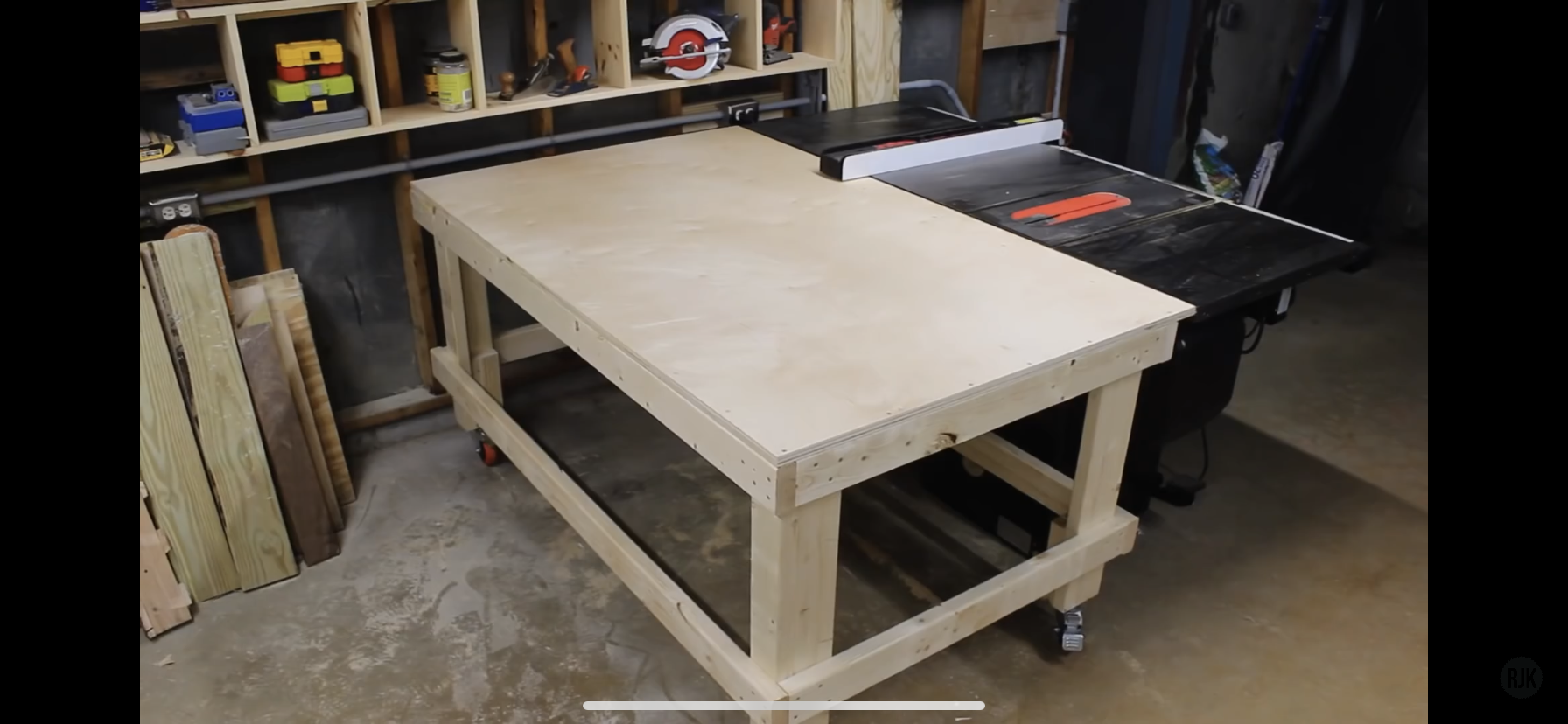
The other need for the studio is a canvas stretching table which in my case needs to be something that I don’t have to expend a lot of physical energy or effort to complete the task and that will be suitable for the pre primed canvas I use.
The dimensions of such a table would be quite large due to the nature of the work that I do but I am willing to except that it might need to be a combination of sawhorses and plywood instead of a giant heavy table which would be very difficult to move around.
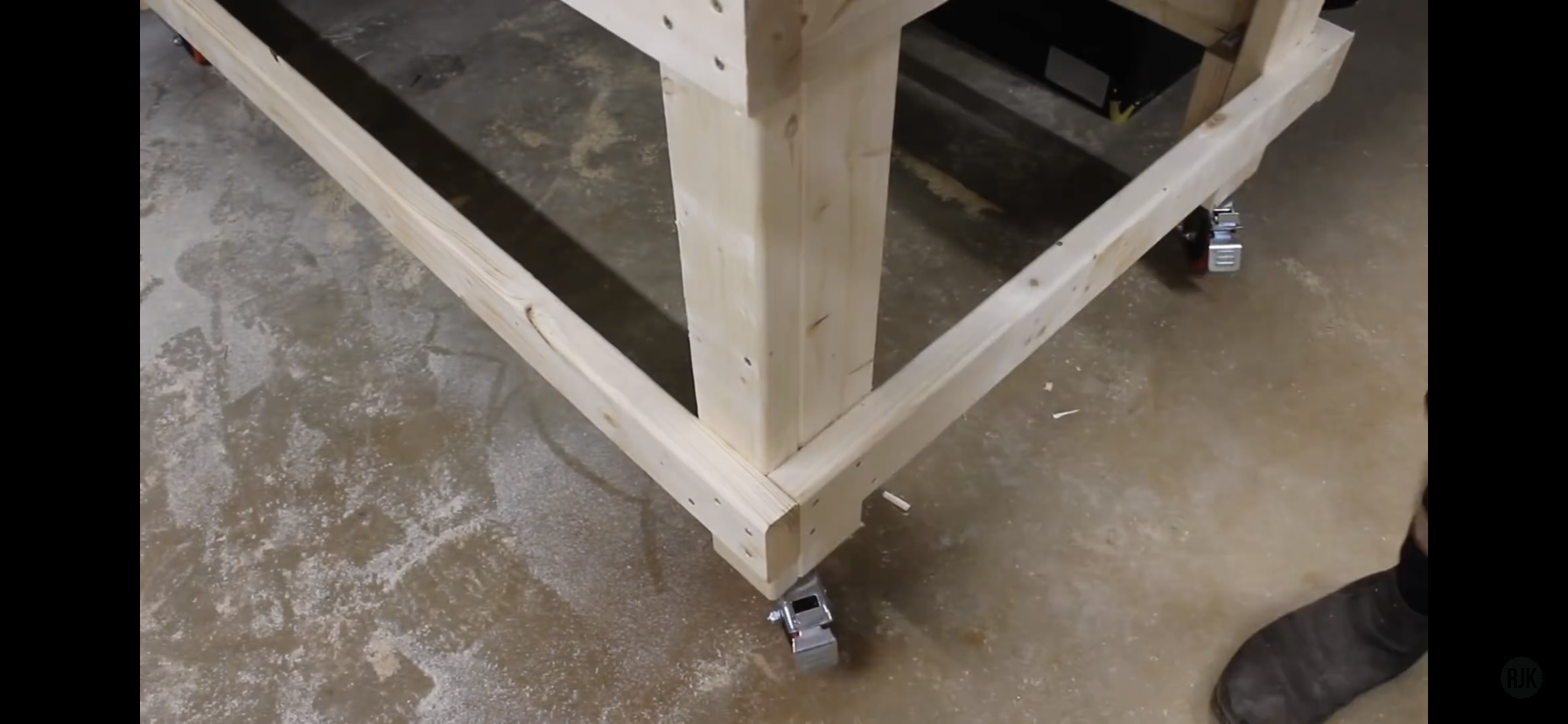
This gets me thinking that I need adjustable sawhorses so I can change the height and then lay on a large piece of plywood and I might actually need to do this double in certain cases where the canvas is actually much larger and that gets me thinking that too harsh or horses would not be enough that I would actually need four or six or even eight of them.
I saw what were referred to as samurai sawhorses but I only need the very basic version of those which I would actually call a ninja sawhorse or something that was not triangle legs which take up too much space and are hard to put close together more for something like an eight or a T shape sawhorses because those can be stacked together easily or create tables that actually look quite nice and do not haveThe aesthetic failures or foot traffic interference issues that wide legs sticking out in all directions will cause.
And unfortunately whatever solution I do come up with also needs to consider that I don’t have the most time in the world in which two have these made and enjoy them and actually get some real work done.
an art studio requires so much woodworking actually that it’s endless because of all of the tables for working with wood and drawing tables and color mixing tables and taborets and easels and every imaginable tool in between eventually creates a situation where the studio is bigger than the person running it and it’s a wonder that anybody would actually get anything done or eventually realize If they were creating a space more than they were creating art.
So for right now I’m just looking for something where I can run a jigsaw and do some basic cups without having to lean over to far and maybe be able to line up two of these in a big piece of plywood or a big piece of wood and do some basic canvas stretching for various works.
The best option I can think of is making some pretty heavy duty sawhorses and getting a few pieces of wood that I can put on top of them.
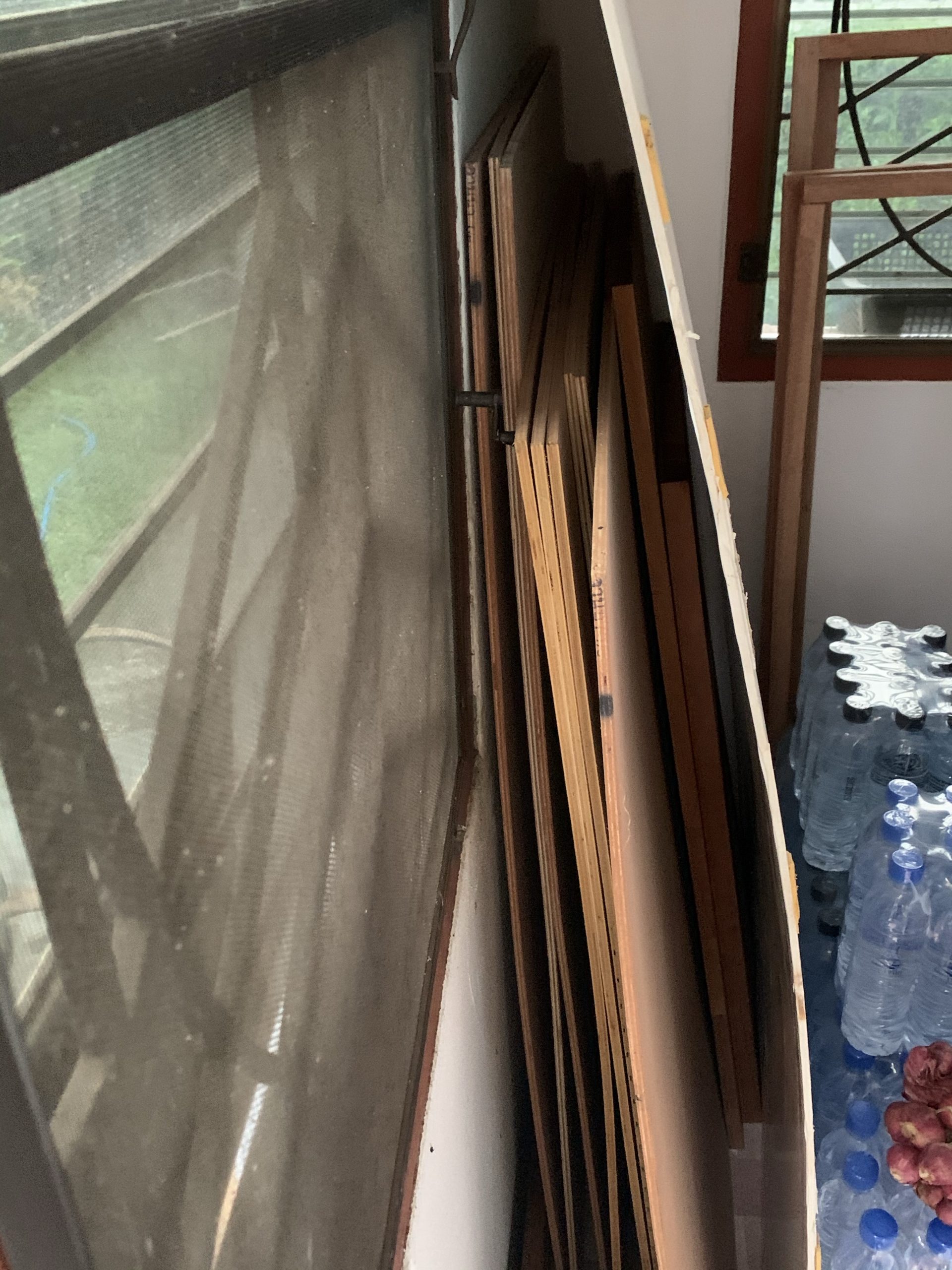
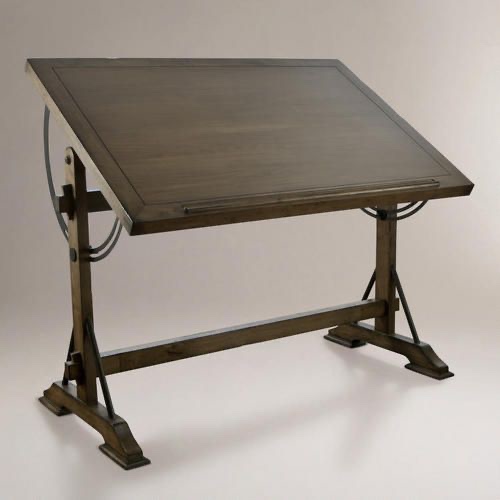
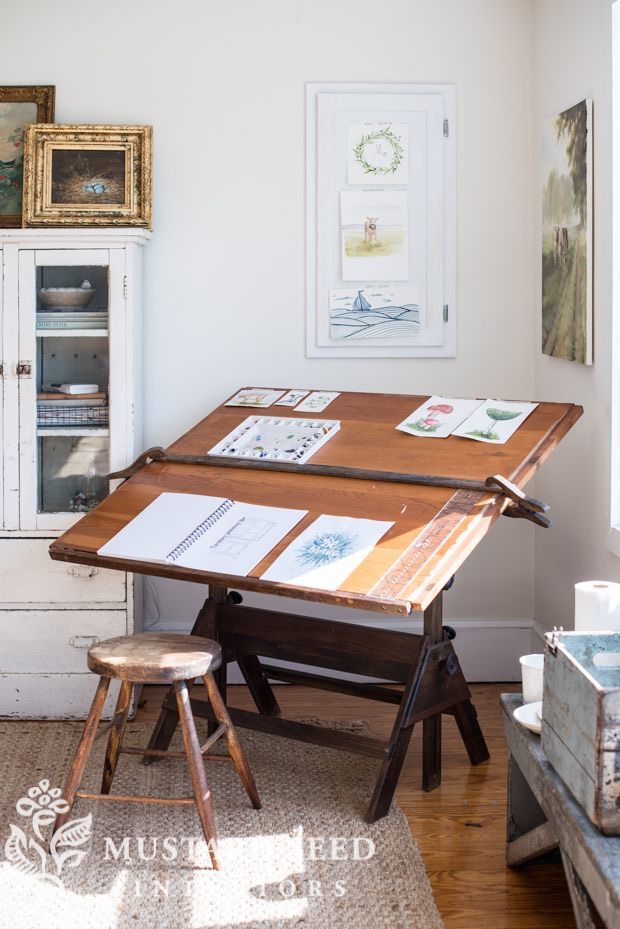
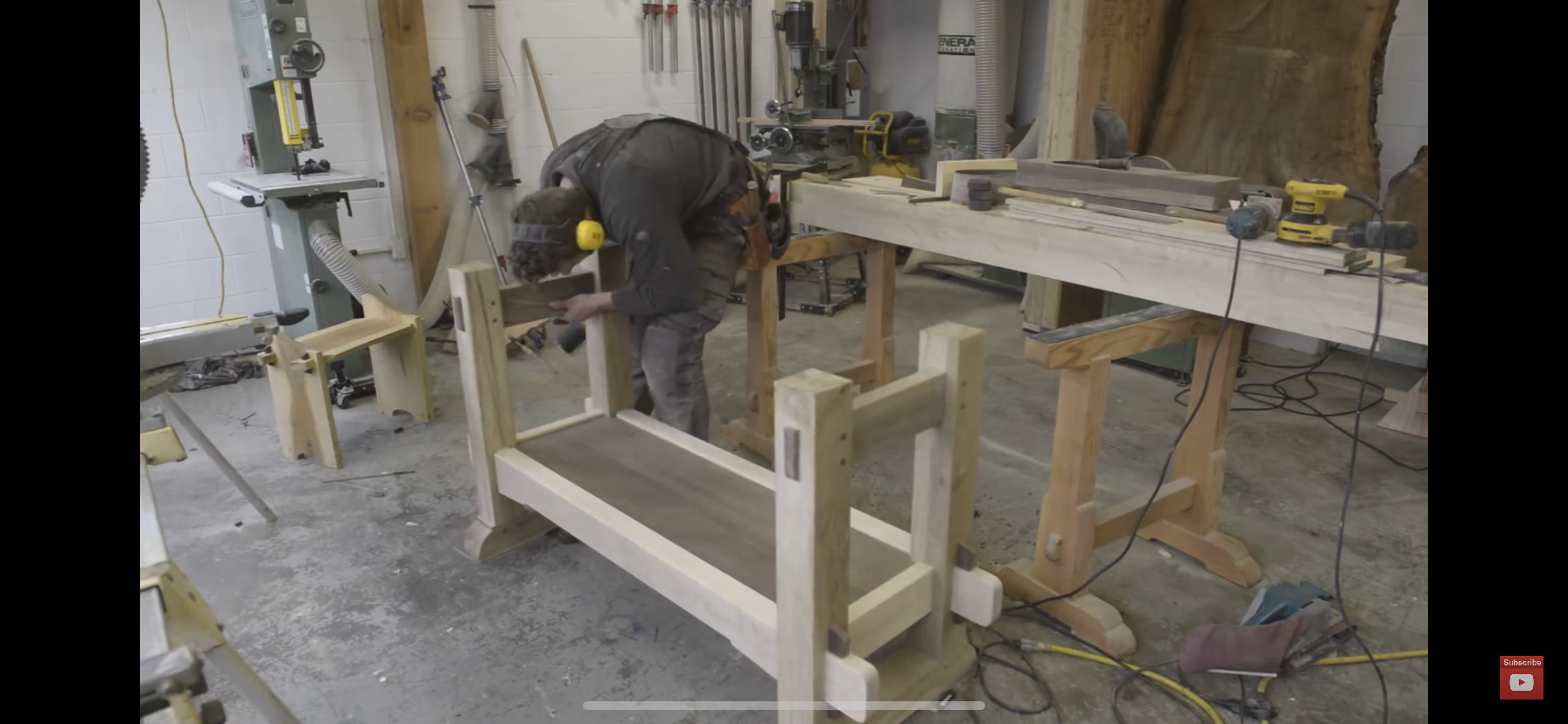
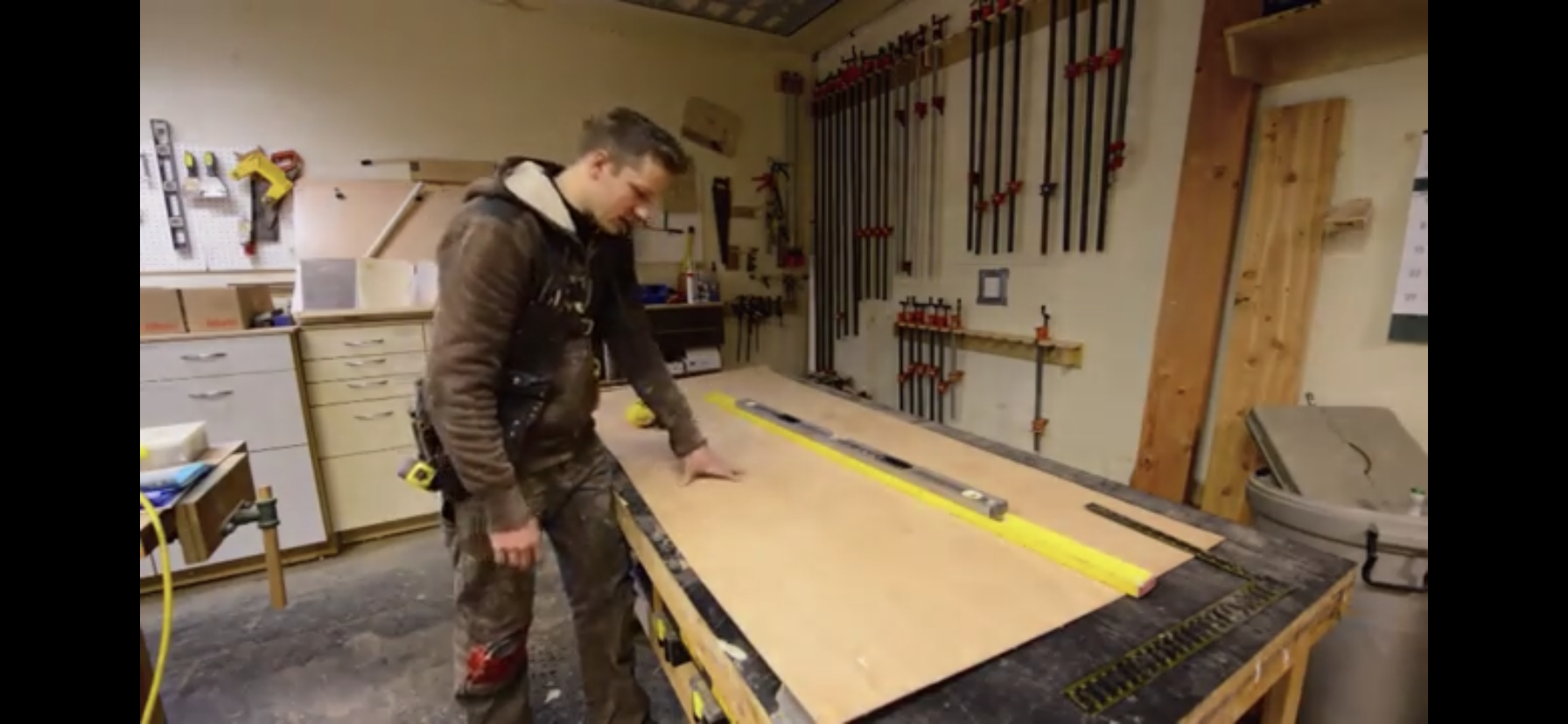
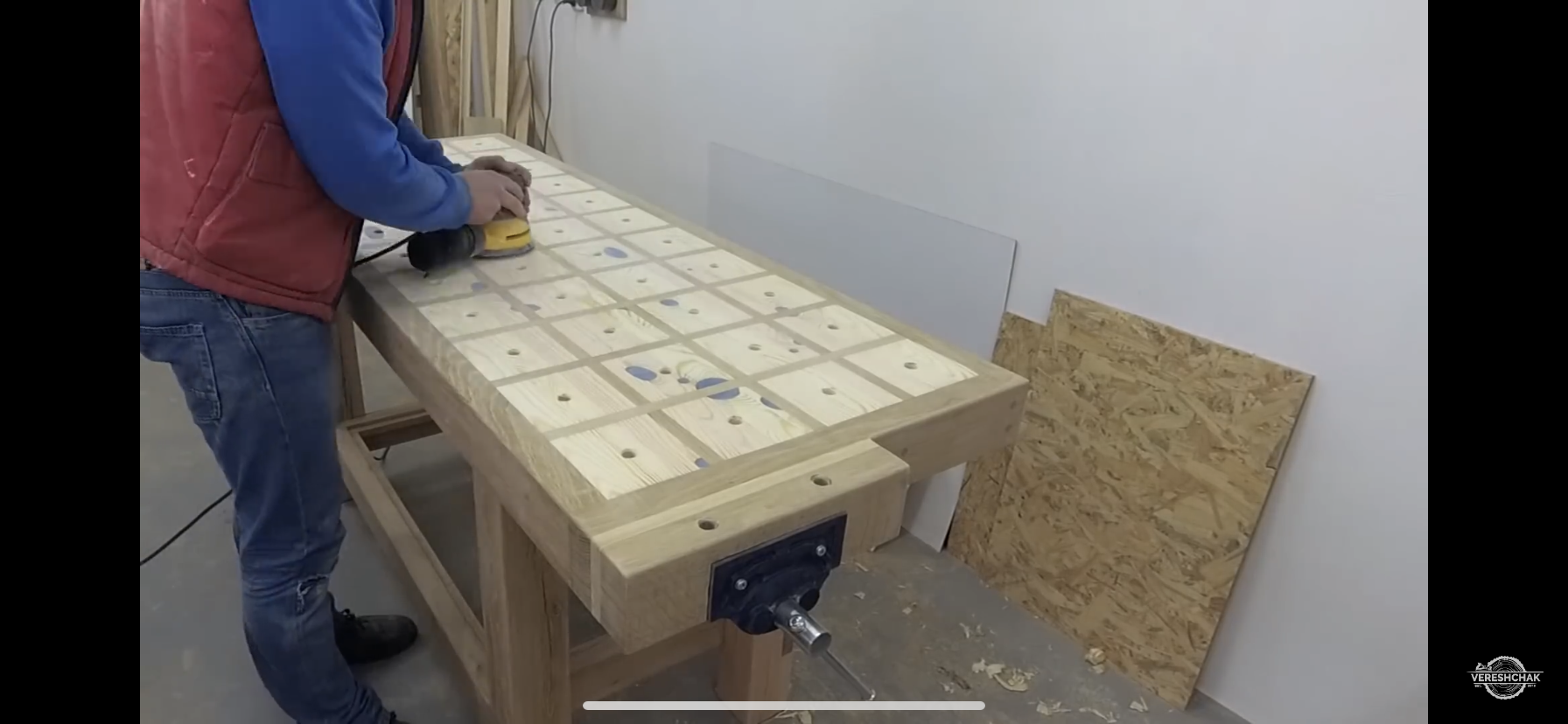
As the pandemic spreads the distractions also do.
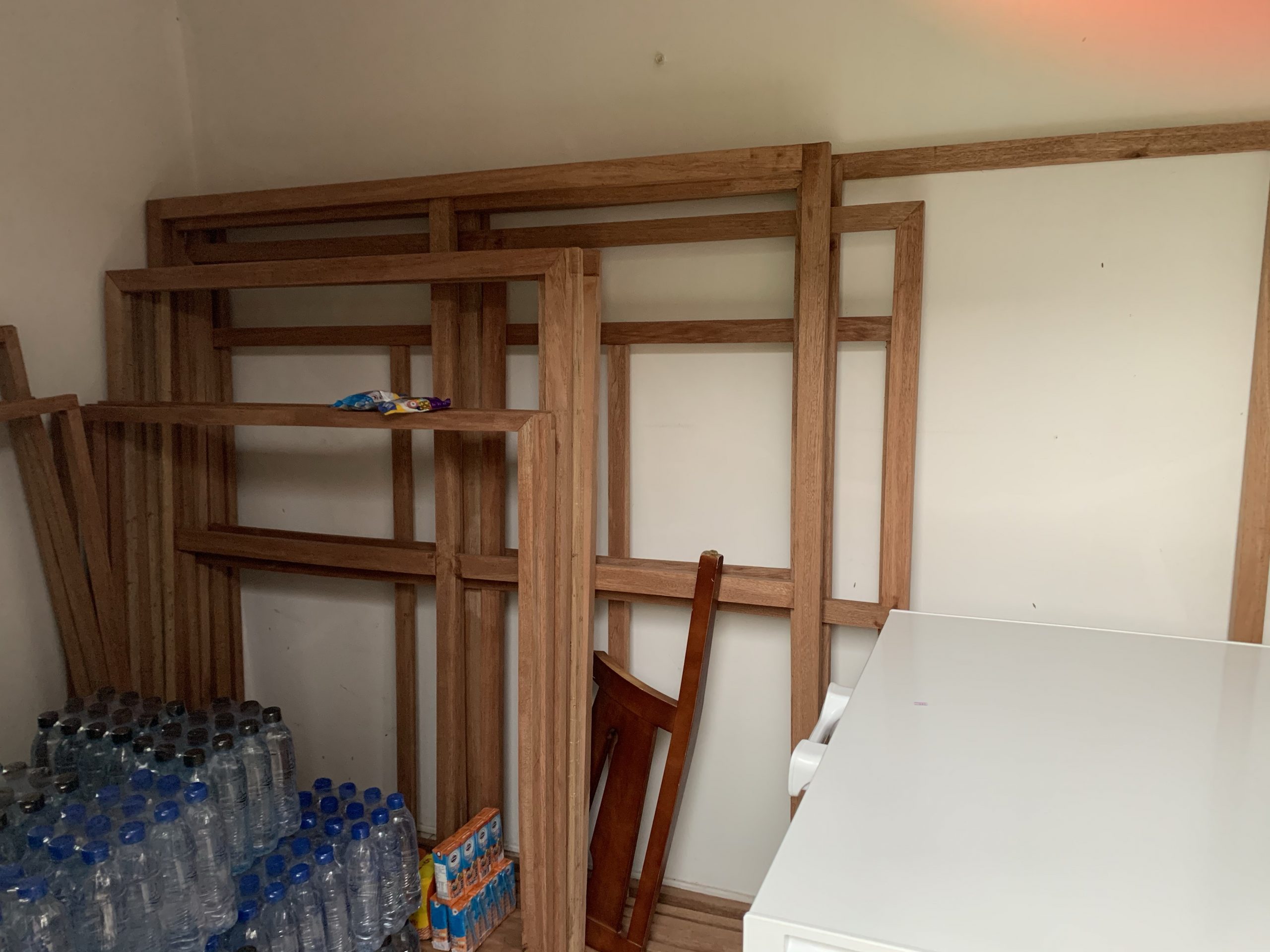
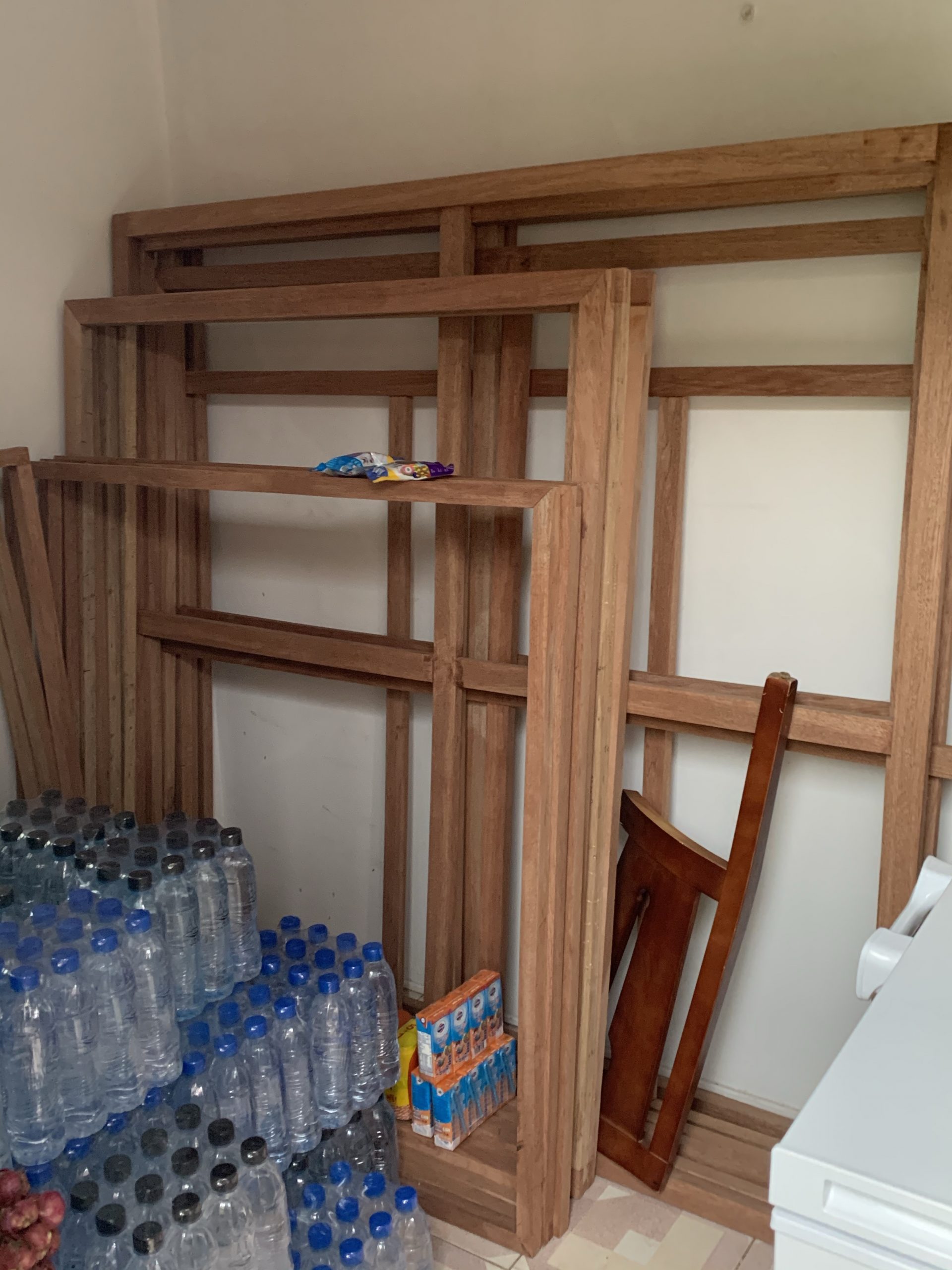
I have figured out that meticulously repairing and adjusting the portrait size stretcher frame is the best move.
Four months I was confronted with the fact that the corners were bowing outwards and would likely shatter or break under canvas pressure.
I don’t have a lot of canvas to begin with and it would be quite some time before I get more if the supplier is even able to stay in business after the pandemic.
I might order some and just have it dropped off outside. But there will be an issue of actually signing for it which is risky.
So the slow path to fixing the woodwork is the best route. I don’t have a design for it anyways and there are two other works that are in progress.
So I have come up with a fix where I applied a clamp to the corner and it actually fit perfectly and pulled the edges flush. I have poured in some wood glue just on the off chance that some of it will seep into the gap.
I also applied it in a way that seems to allow for a counter sink to have access to sink a single screw. If I get lucky this will go off perfectly and then I can apply another clamp or carefully remove this one and position it in a different spot so that I can get a second countersink drill down and set another screw.
It comes to mind that I should do this with every single corner.
And then try to come up with an extra reinforcement methods such as masonite triangles or some other way to stabilize the corner edges.
I can then plan right here in this blog to go out the corners with a sander of my own making.
I also have the idea that I can now request new canvases to be made that will be sheeted with a thin layer of plywood.
I also understand that by delaying my work upon Silver Moon that the layer is drying quickly and I will lose the stickiness and the touch that is needed to do that piece the right way.
I must also acknowledge here that I might be getting too far ahead of myself with regard to finishing Southloop which will indeed require laying in all of the remaining objects and lines.
I have seen the damage that poor diet and a bad sleep patterns has produced overall and so I will redouble my efforts to avoid falling into these ruts of tiredness that come with old age.
There is enough of a plan here on several fronts and I simply need to engage each set of tasks with more details and serious actions.
I was able to get through the mental hurdles:
1. This work was on the office / bedroom easel and I’d felt as if I didn’t even want to finish the work, much less empty the easel.
2. The two easel areas in the smaller studio room had other frames on them and I have not decided what to do yet with either of them especially the portrait landscape shape one because it has issues with the woodwork that I had not fixed yet.
3. The moving overall seemed a headache especially the repeated easel adjustments after already having done them, but once I knew Silver Moon would do well there I made it happen. I even learned a trick using the clamps so that I did not get tortured by gravity and the easel bottom runner falling while trying to raise it. It worked like a champ especially while tightening, which eliminated it “crawling”.
4. I have never placed oil paint on top of acrylic paint before and had only learned it in recent weeks or months during a research session but it worked out very well I think.
This all enabled me to transition piece which I had very serious intentions about before and had lost interest in due to the above mentioned issues with acrylics.
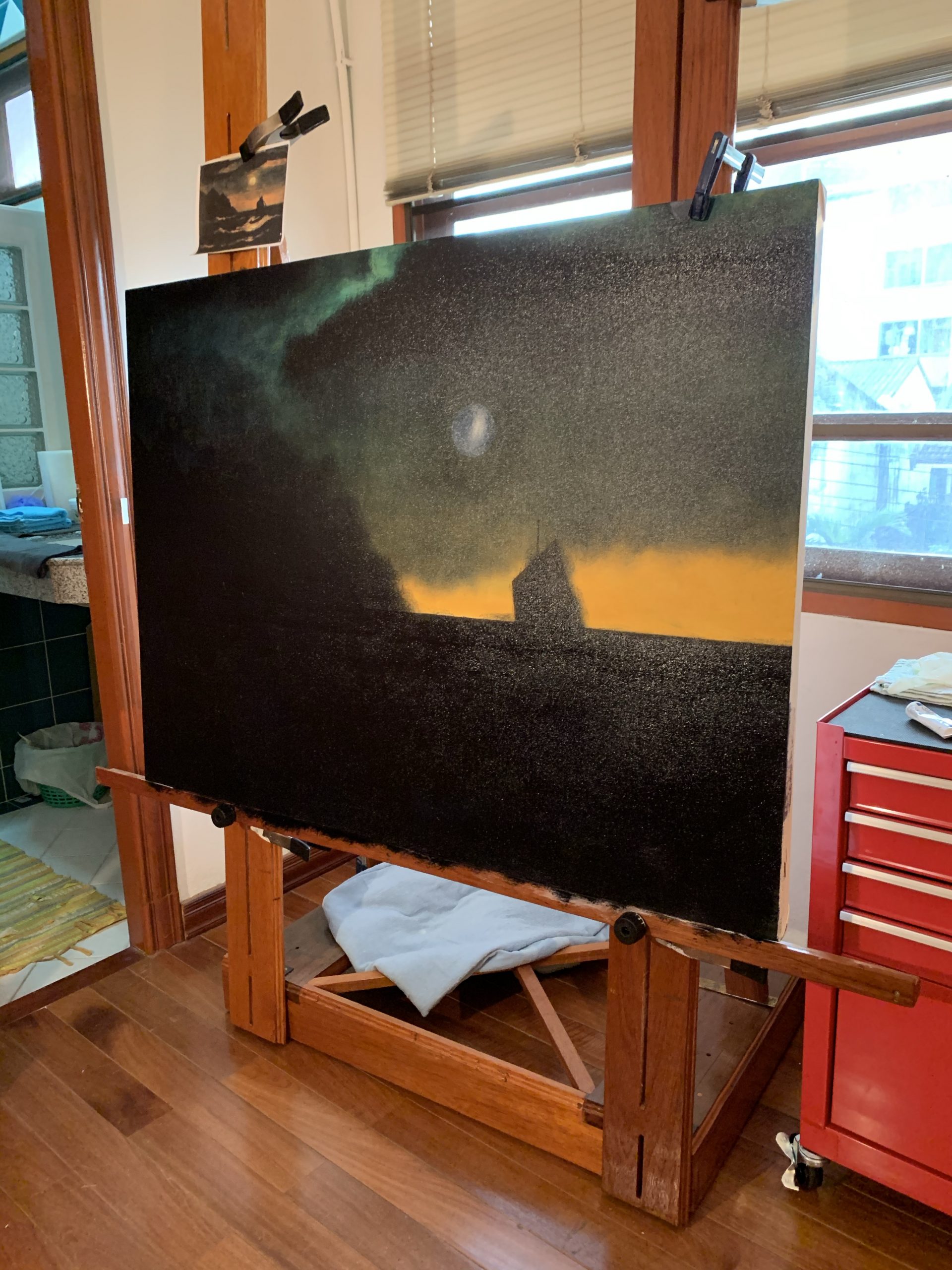
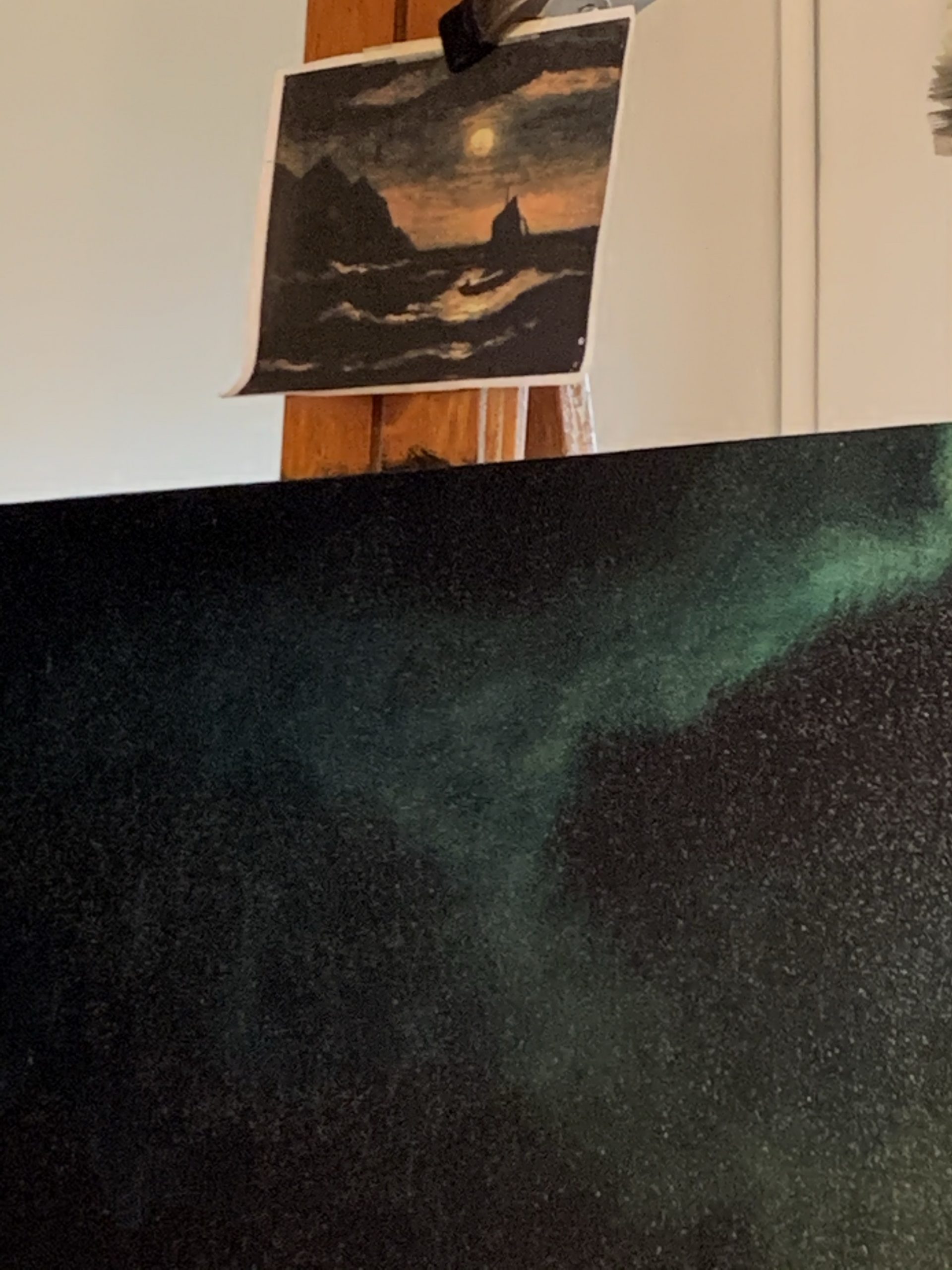
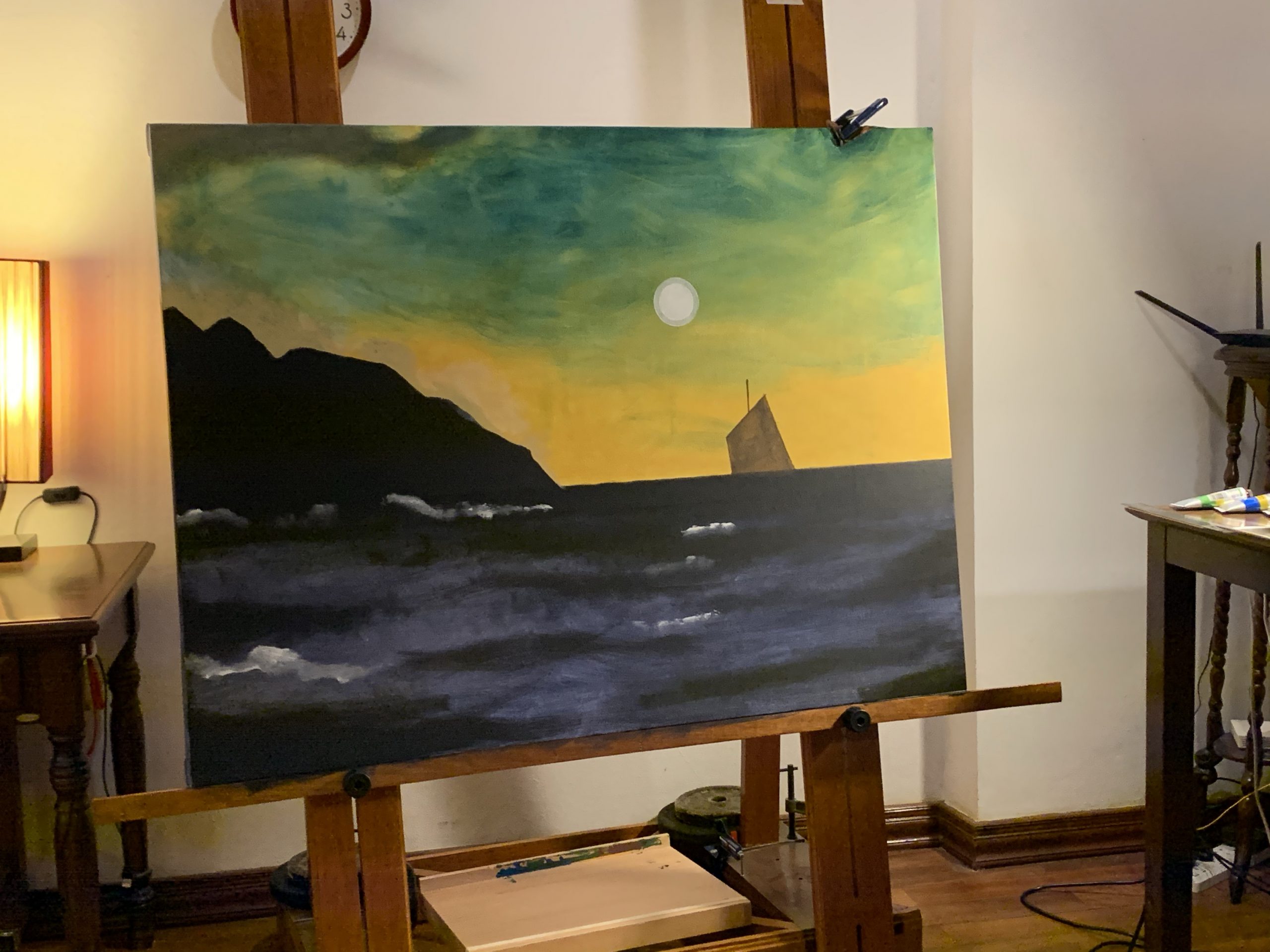
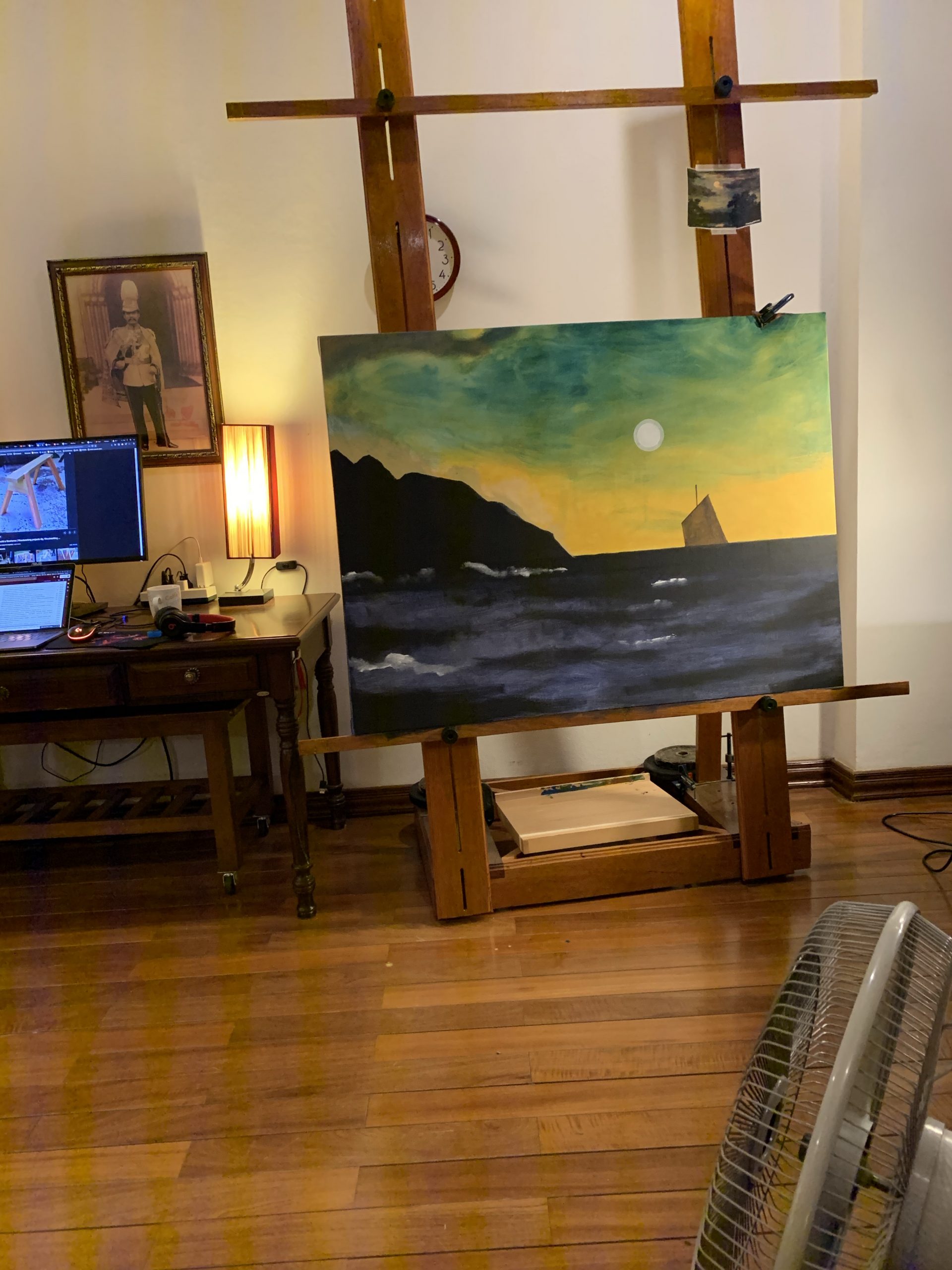
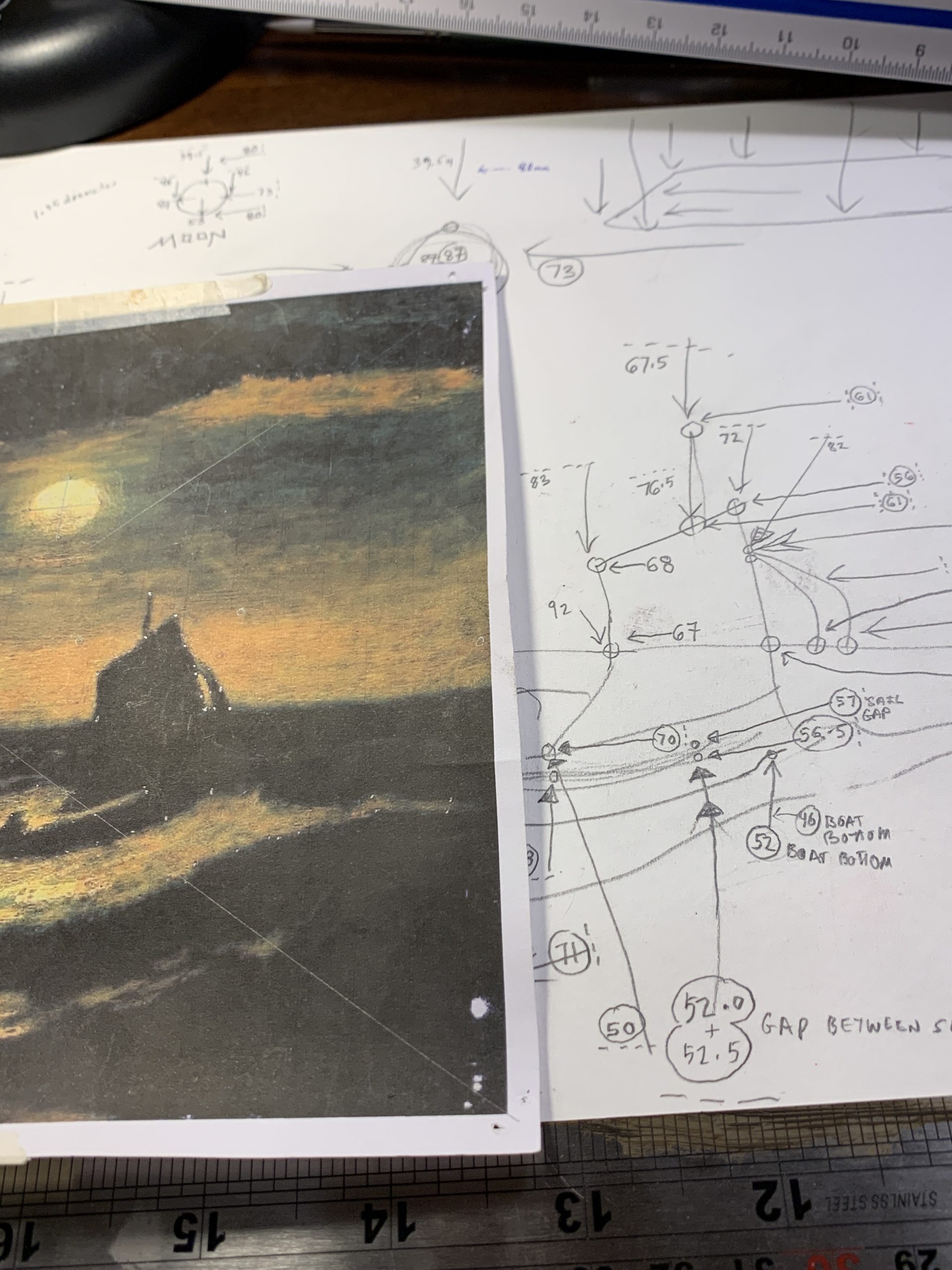
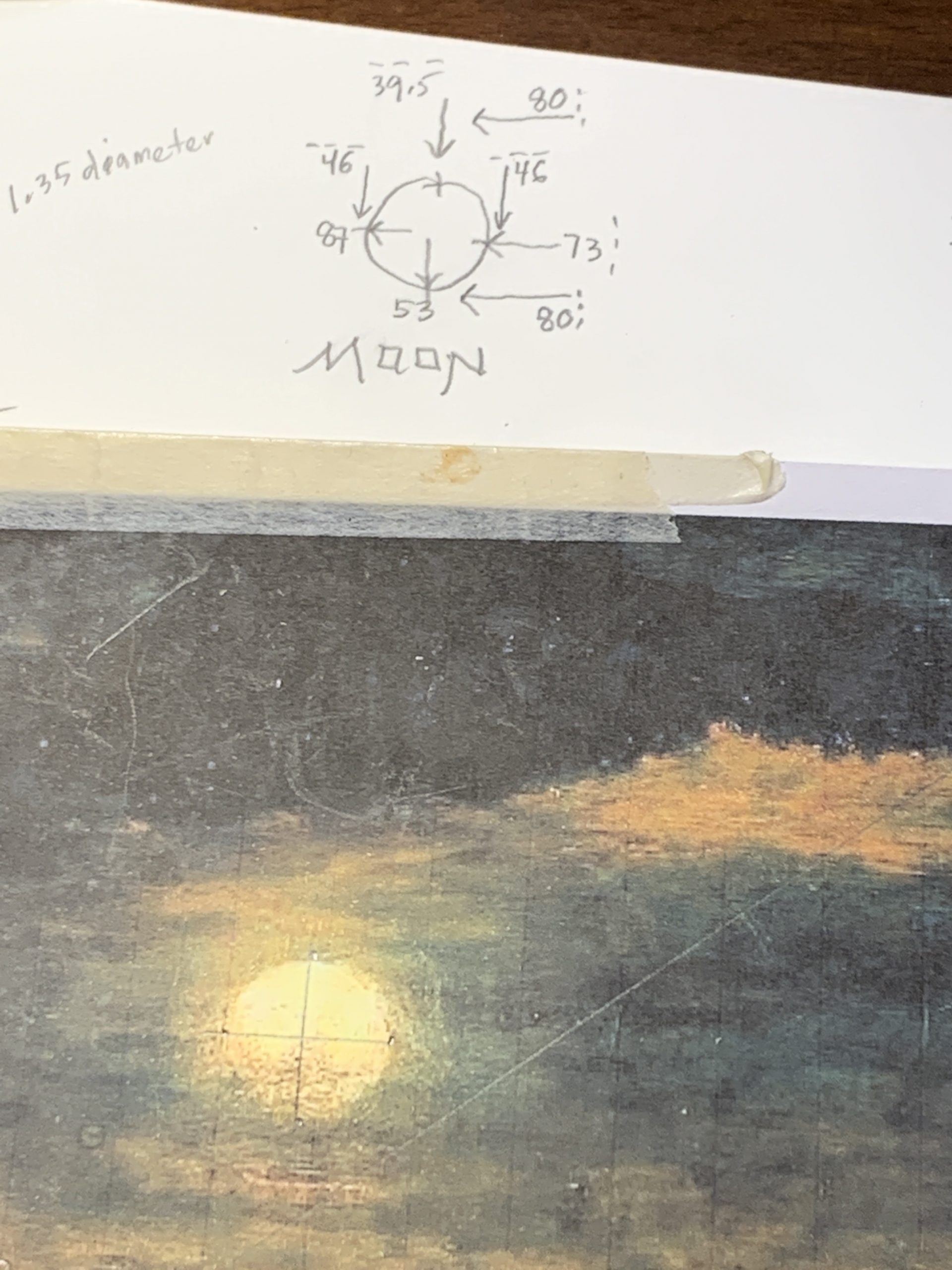
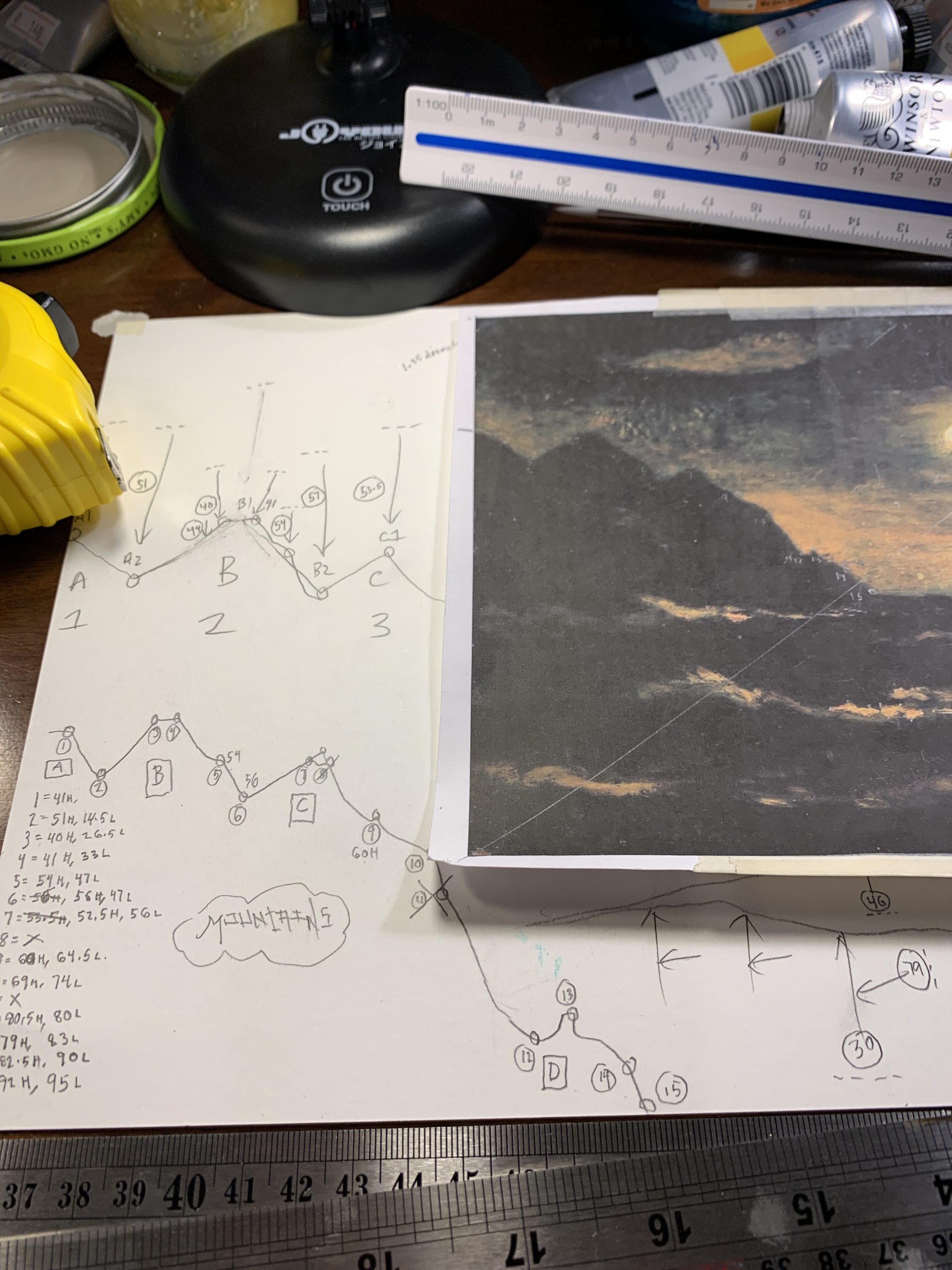
I organized the two easels in both rooms, move various frames and tool caddies, and moved Silver Moon into the smaller studio room, installed it on an easel, and immediately mopped on a layer of Indigo across 90% of the surface.
I’m hoping the linseed oil wasn’t too much and I certainly plan to build up while it’s moist and also work with stand oil or whatever other medium that I can to keep this thing sticky so that I can really build it up with the brush strokes which seem to be the true nature of this work aside from the pallet and a perfect positioning and lay out that Ryder did.
I am so much happier with this medium and immediately feel a new connection to the work order before I was turned off by the coarse and limited nature of acrylics.
I don’t completely hate acrylics but I now know what I can use them for in a limited capacity as far as composition and layout goes.
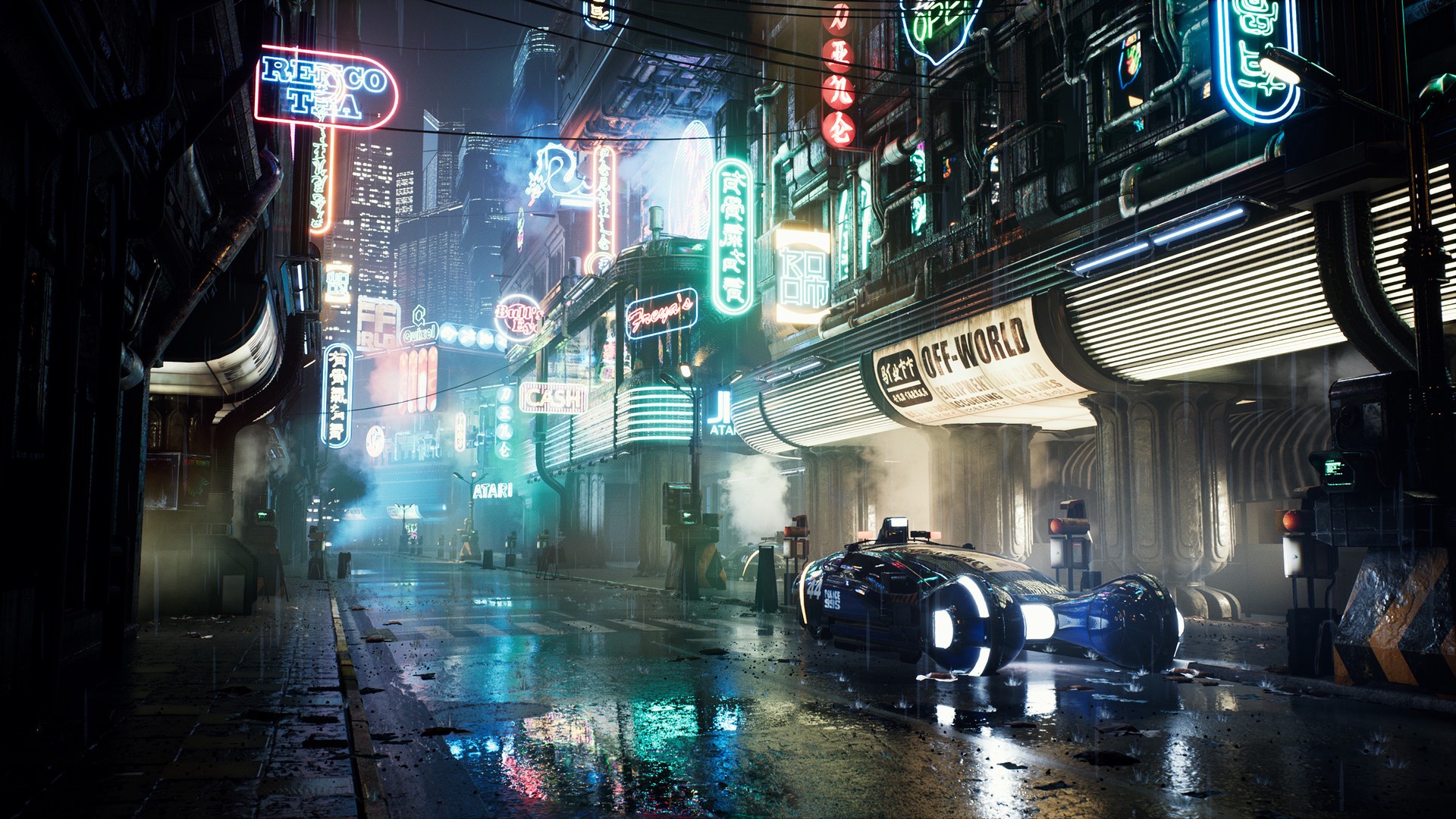
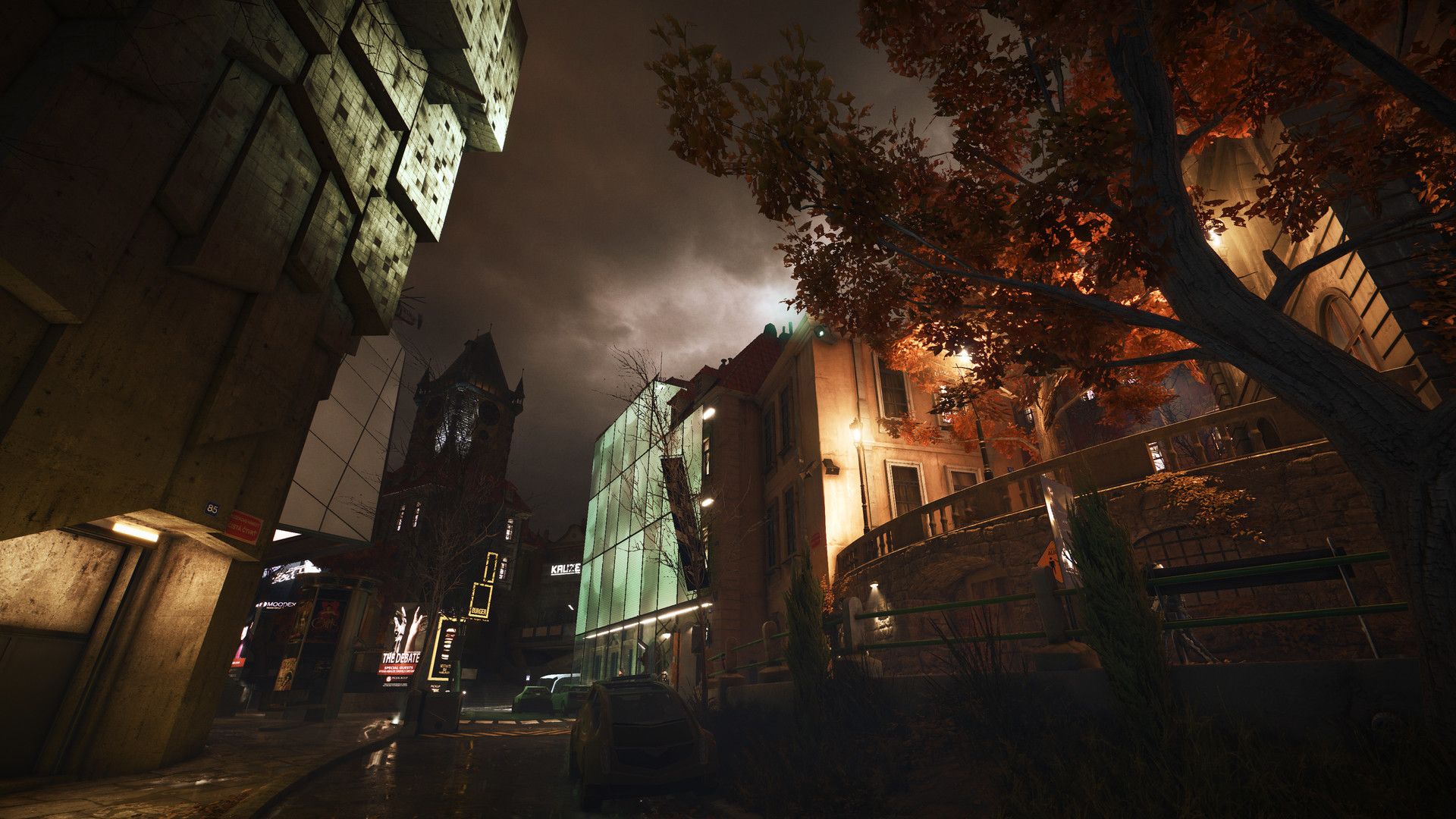
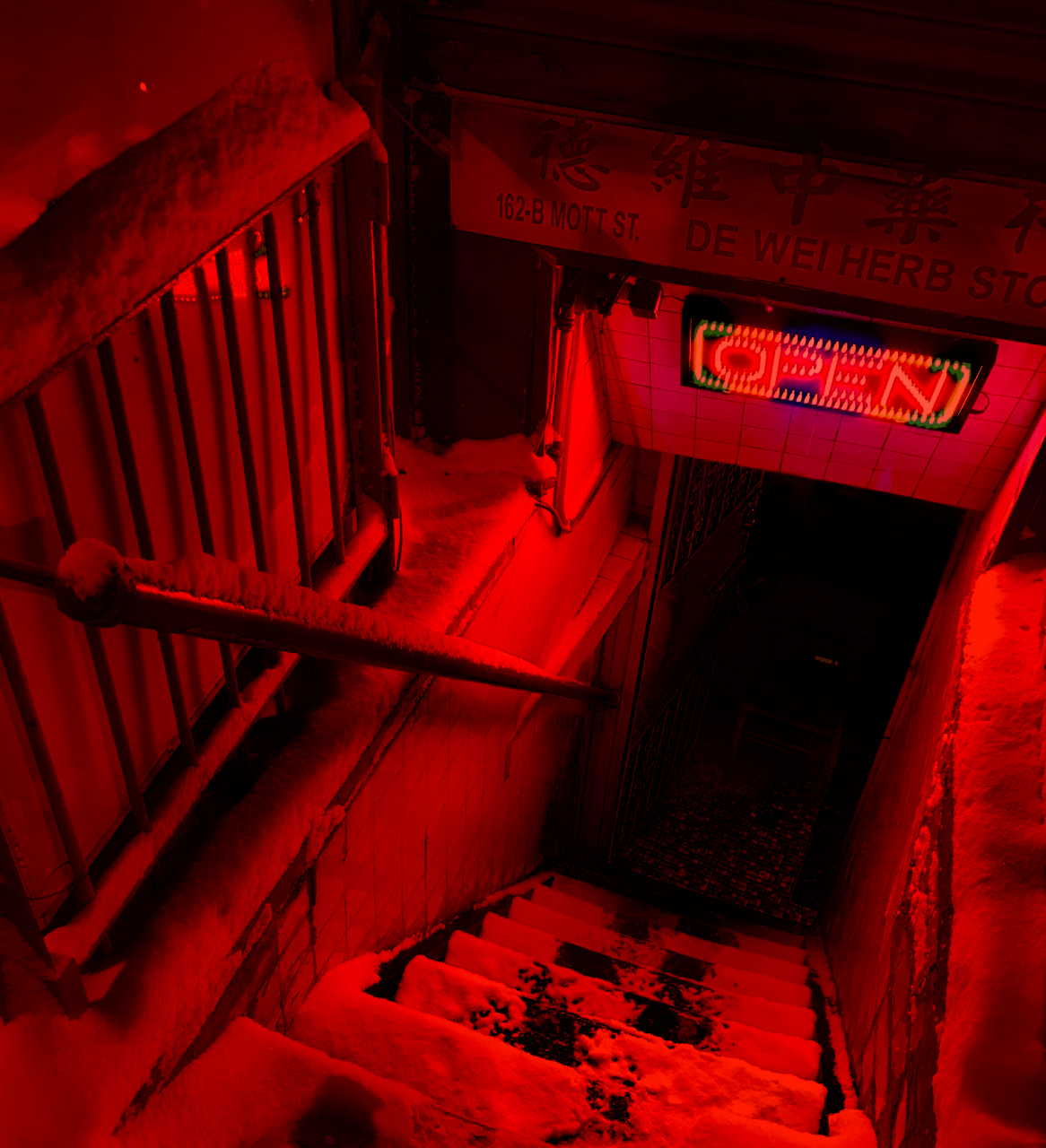
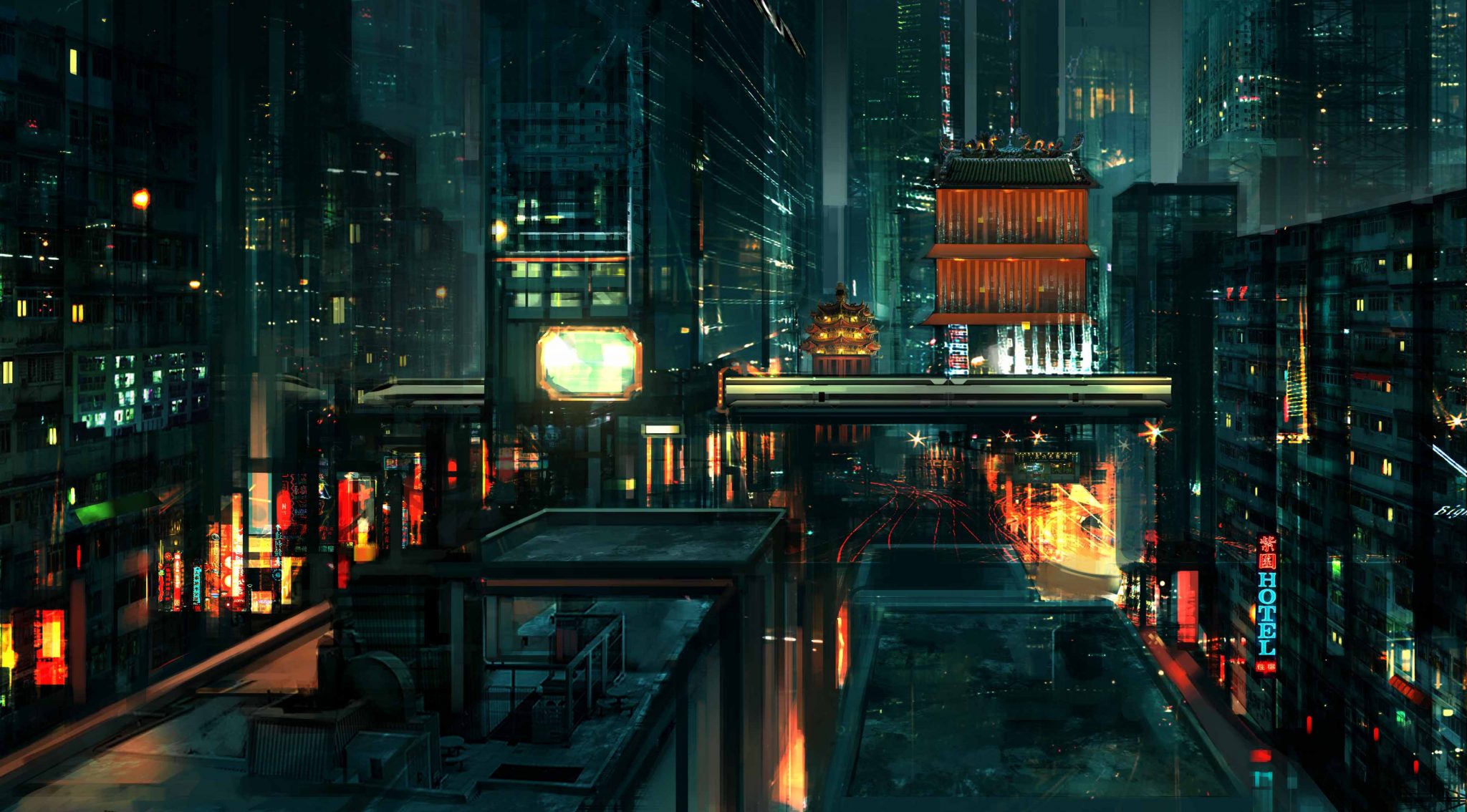

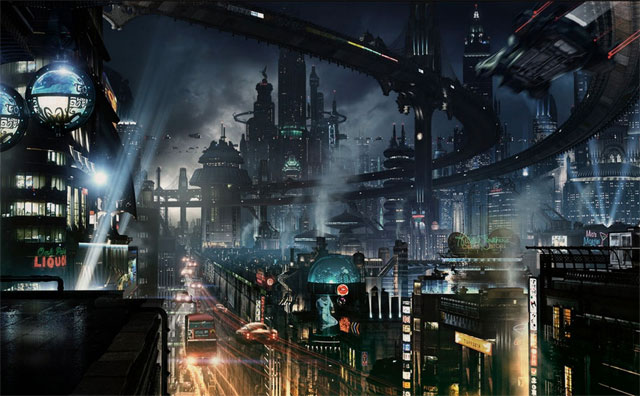
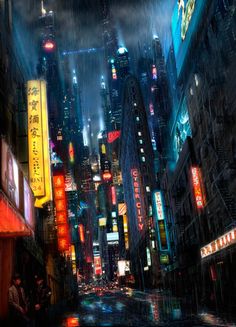
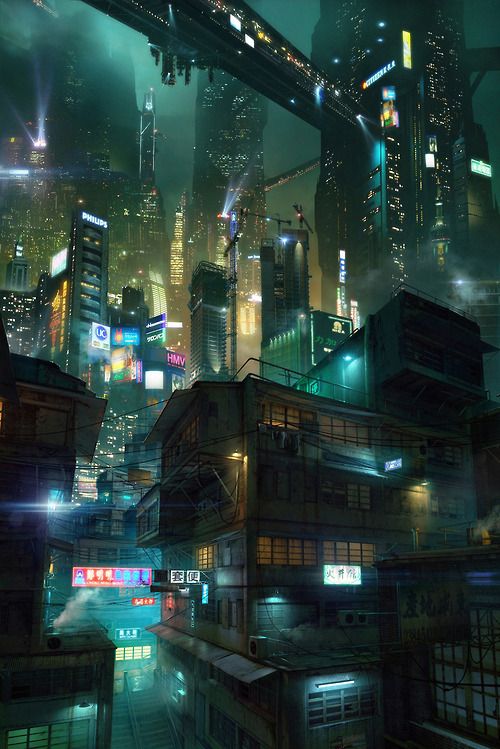
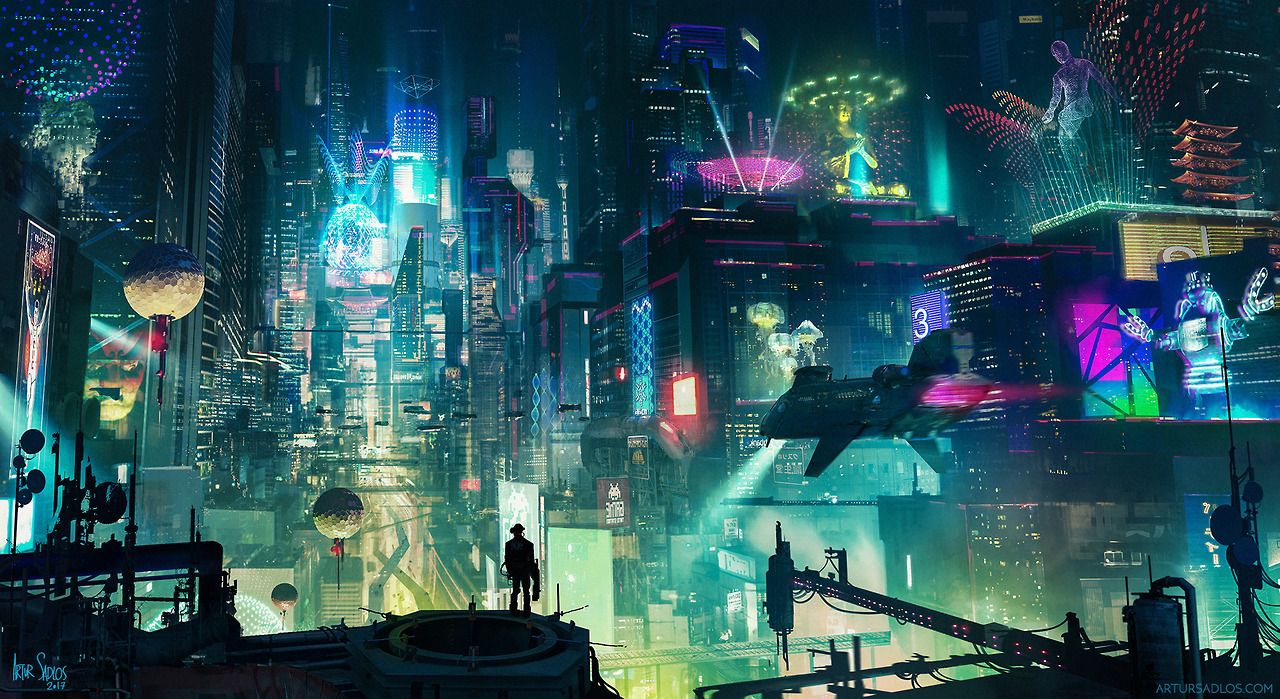
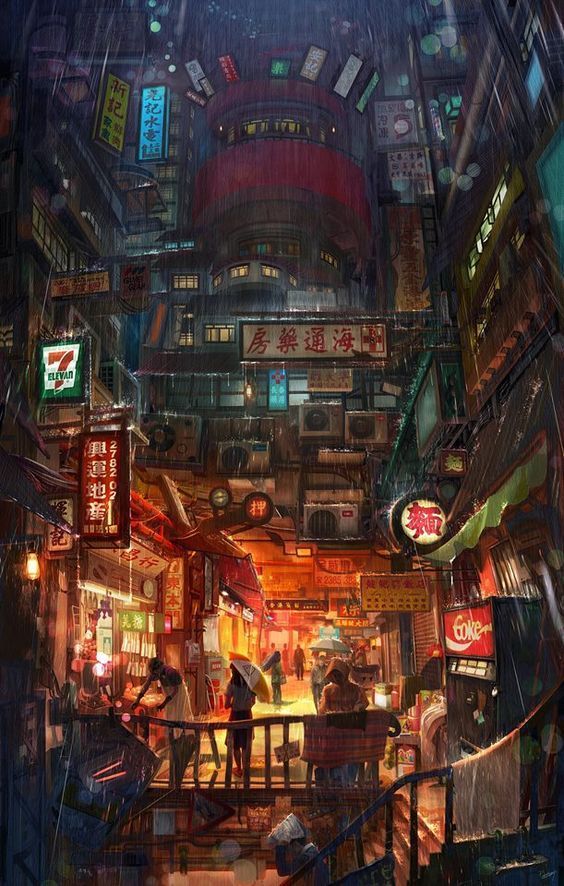
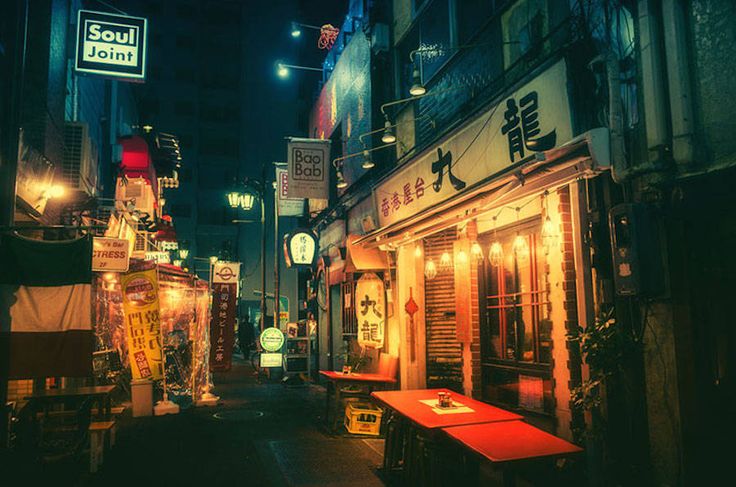
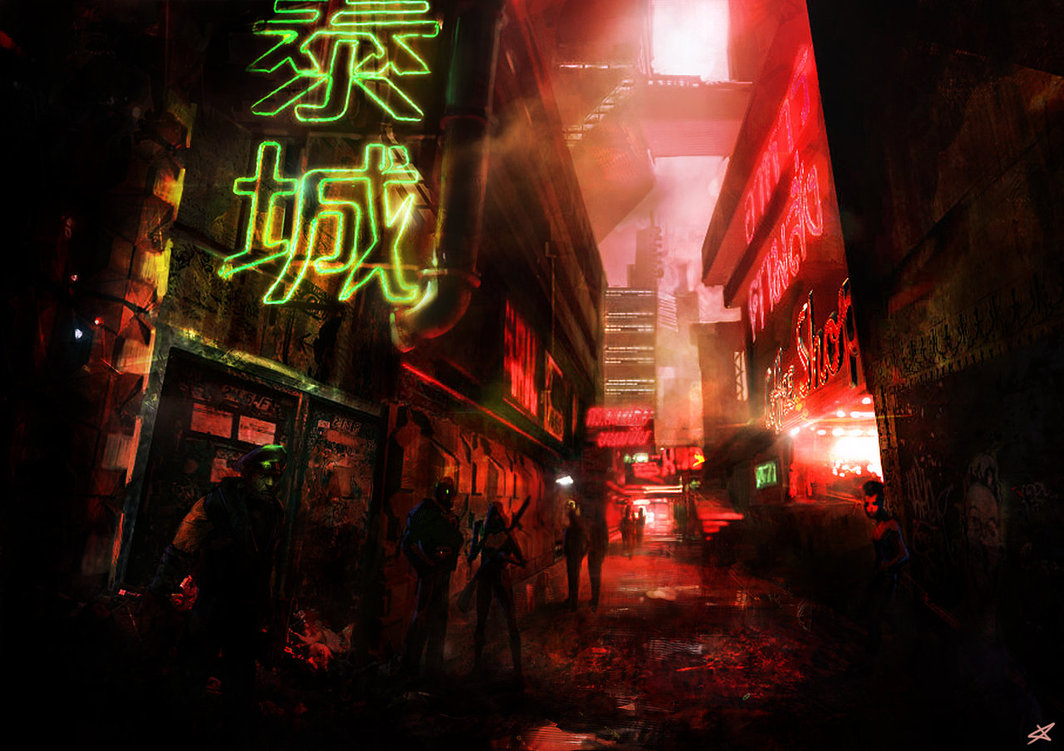
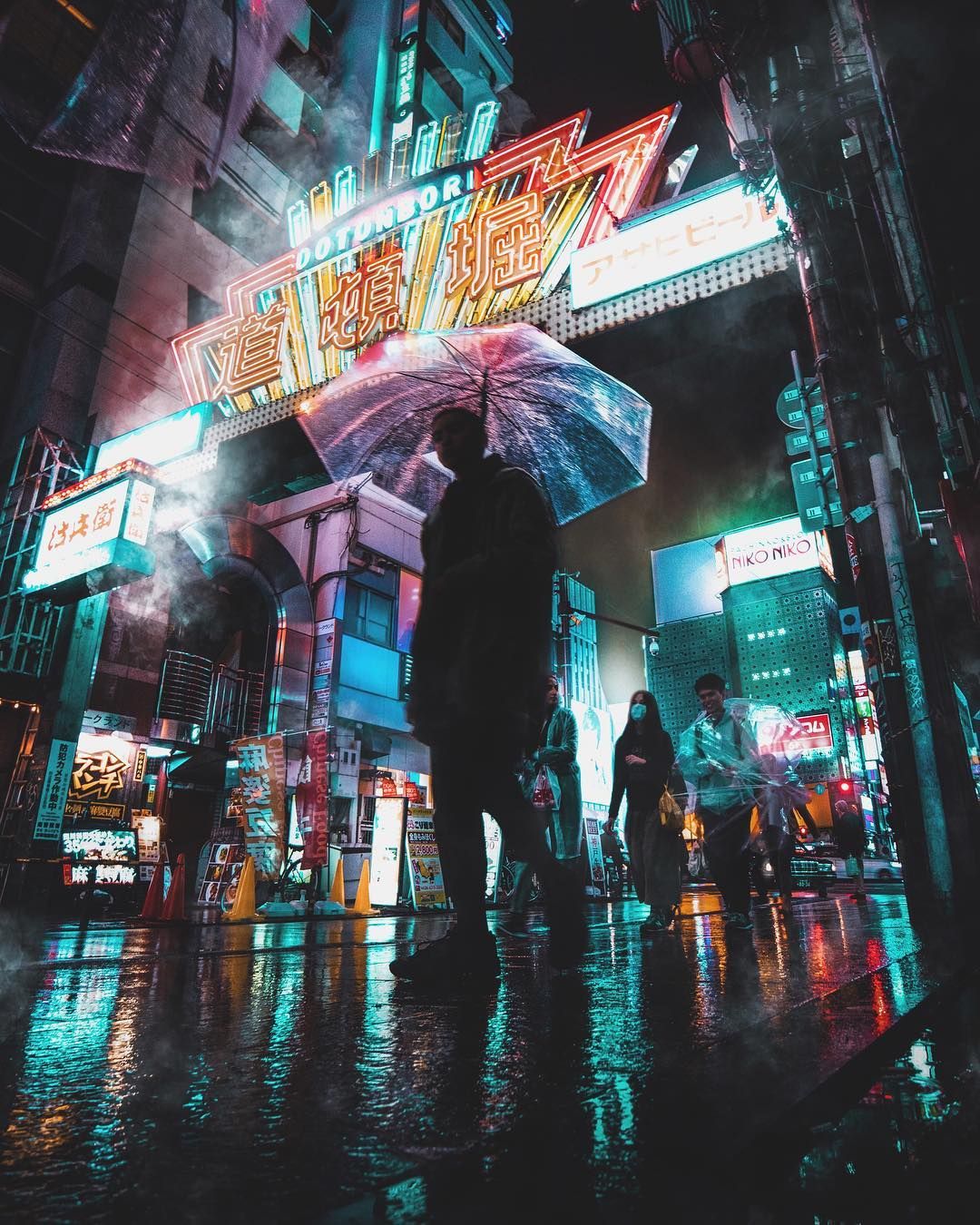
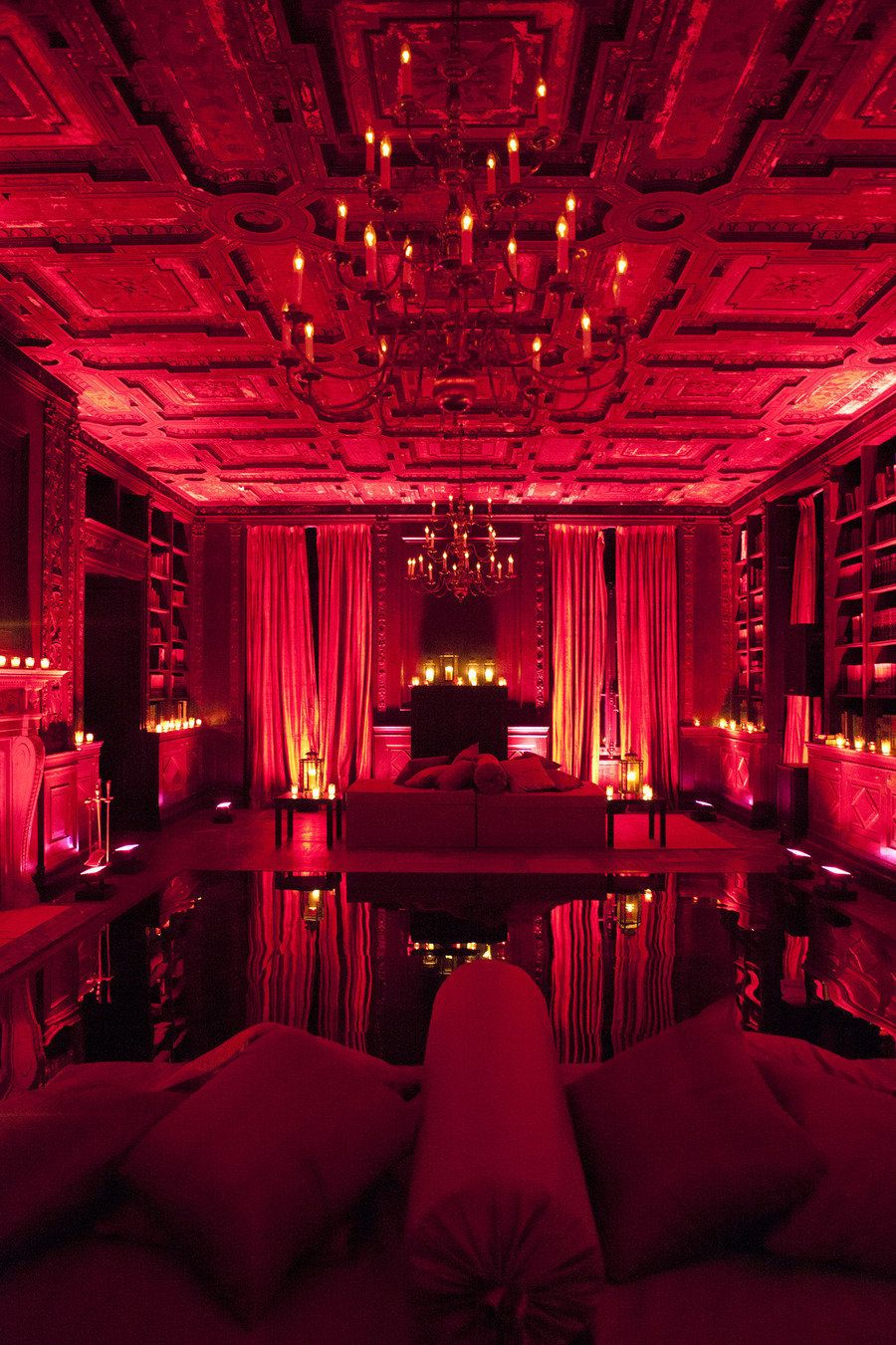
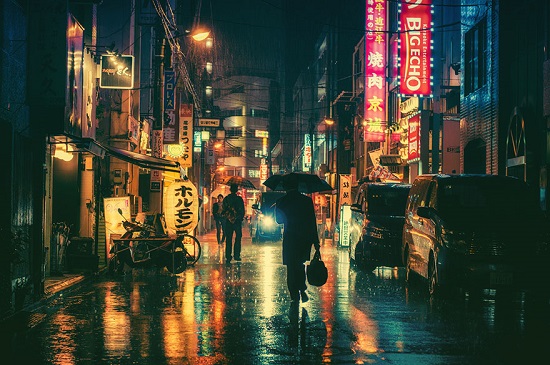
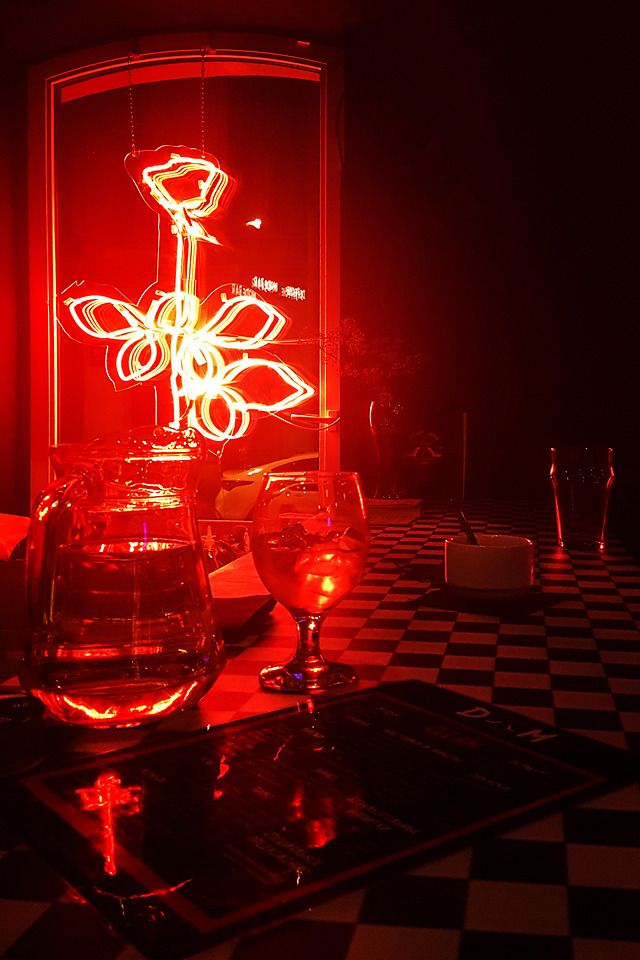
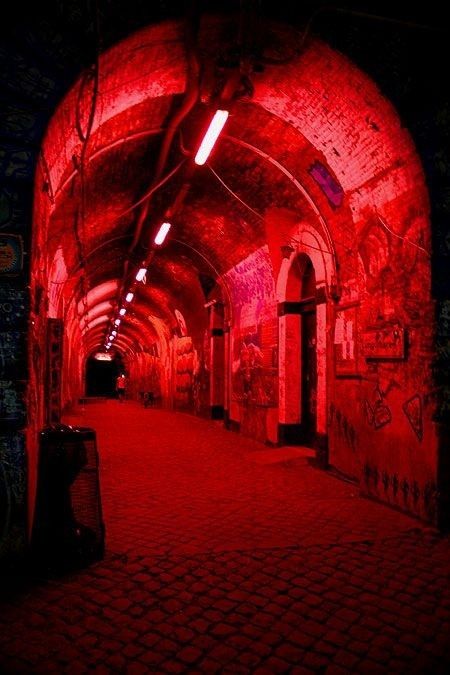
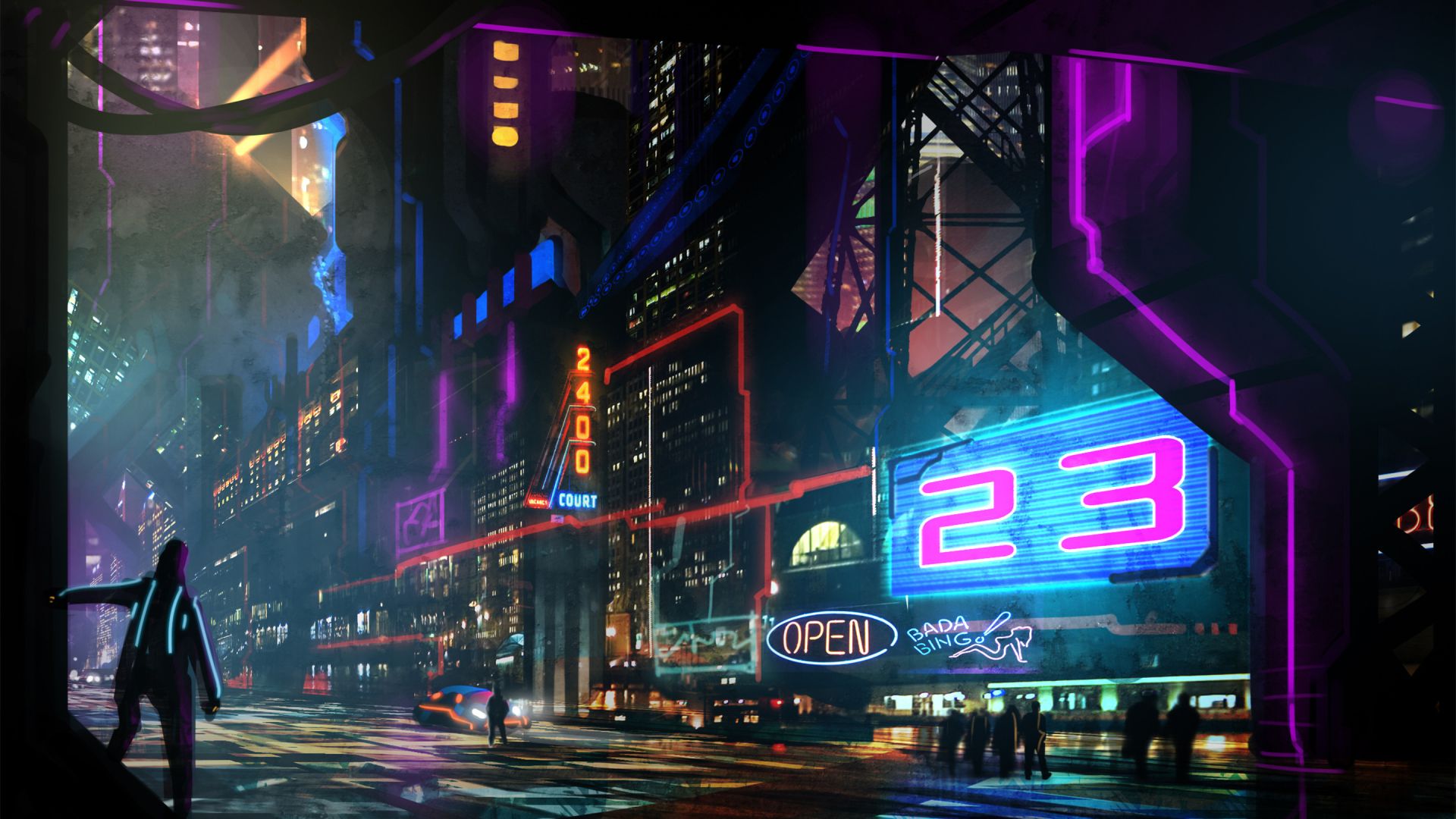
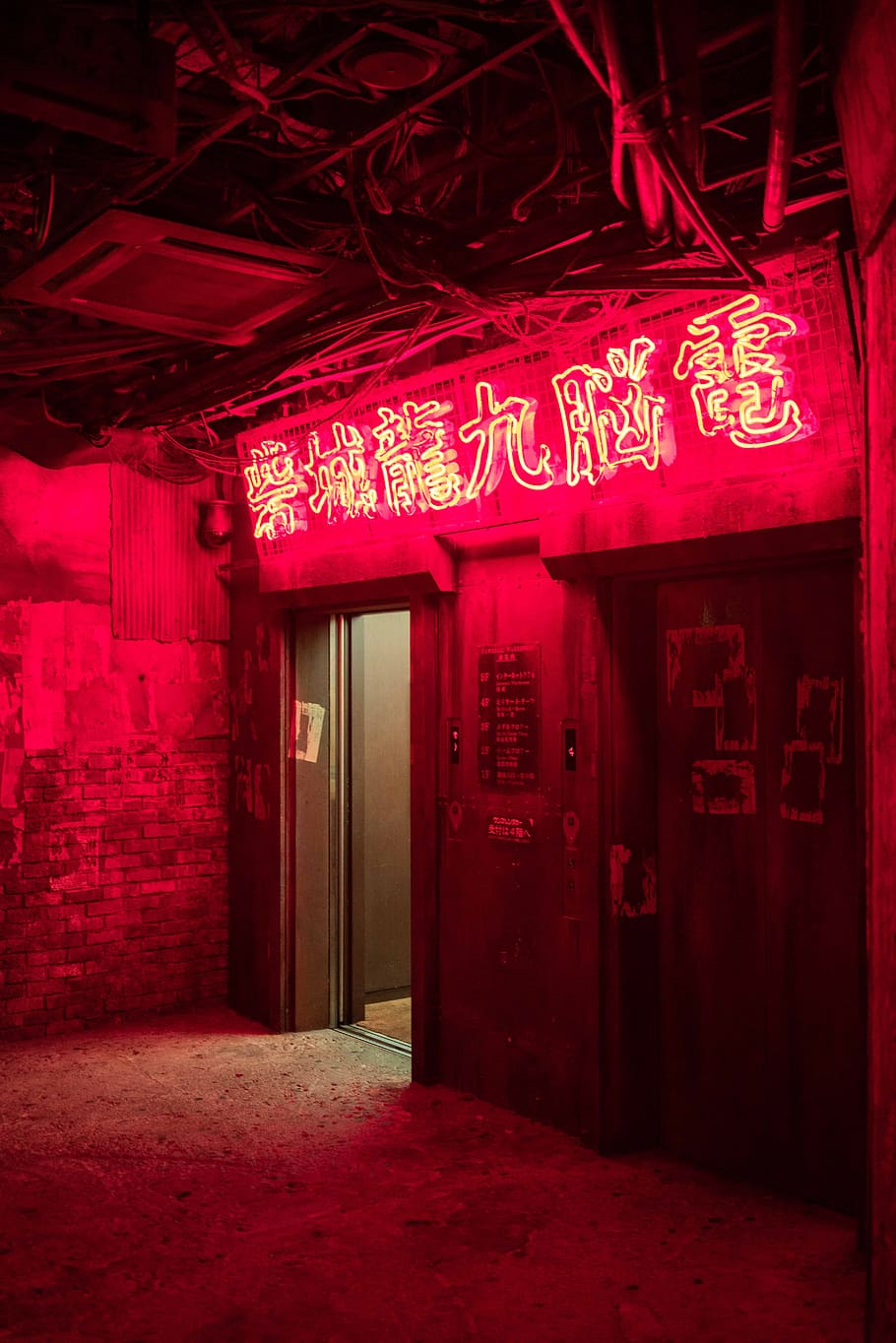
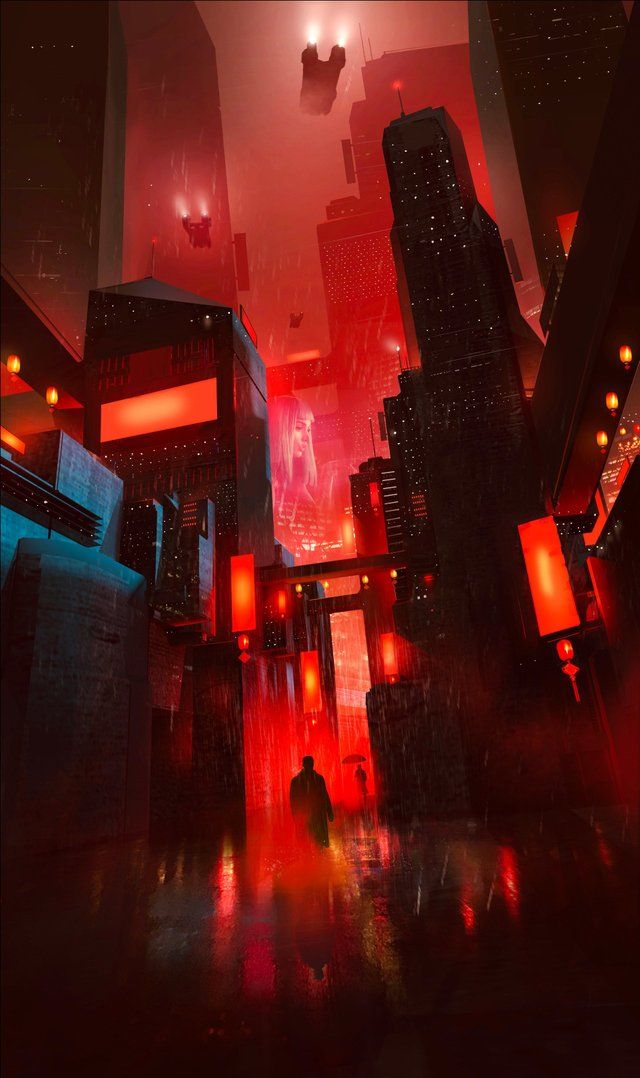
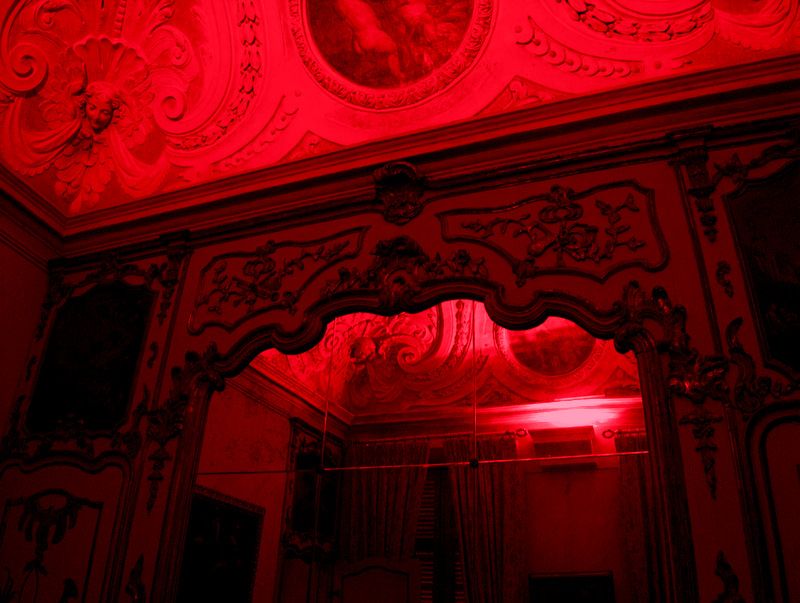
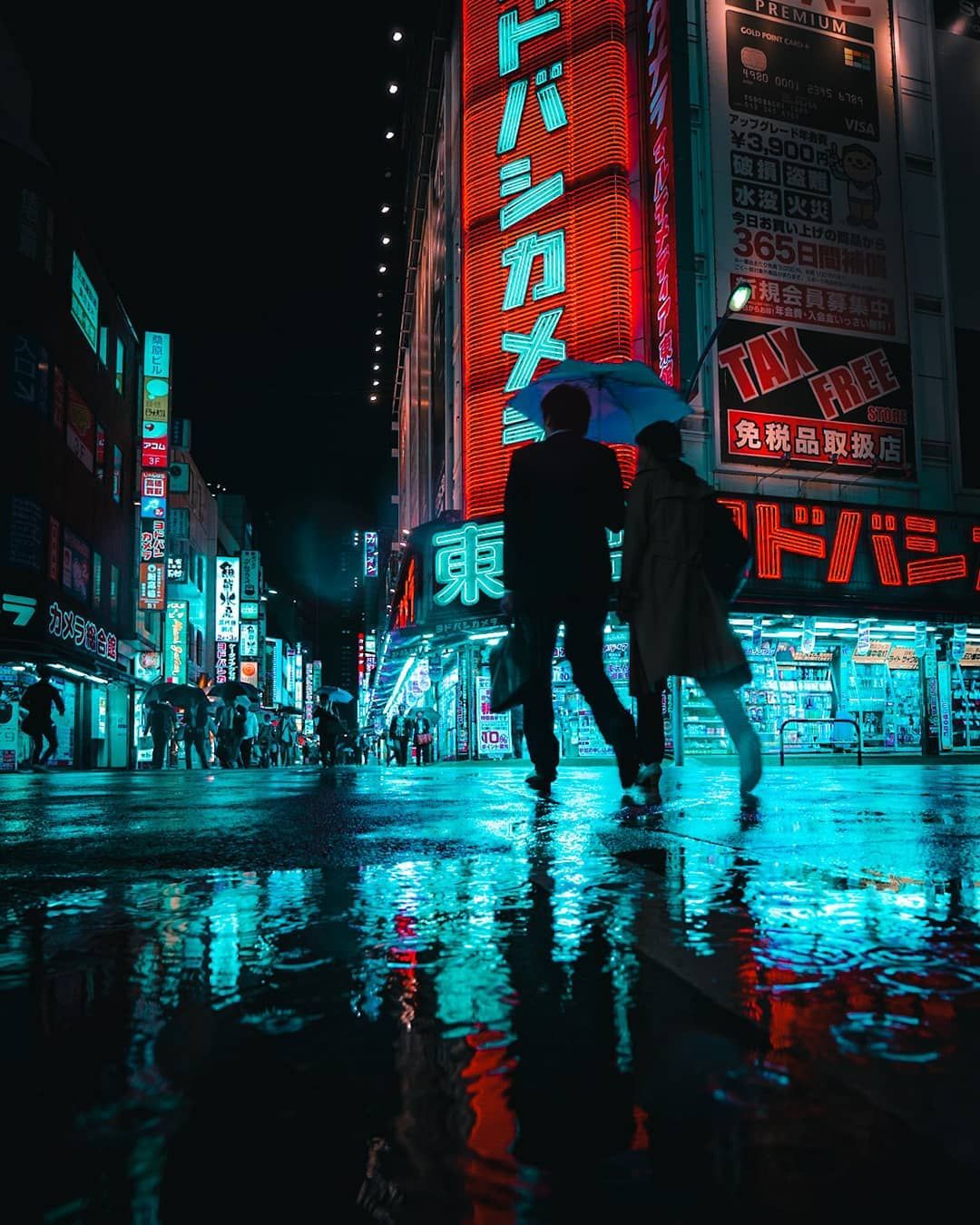
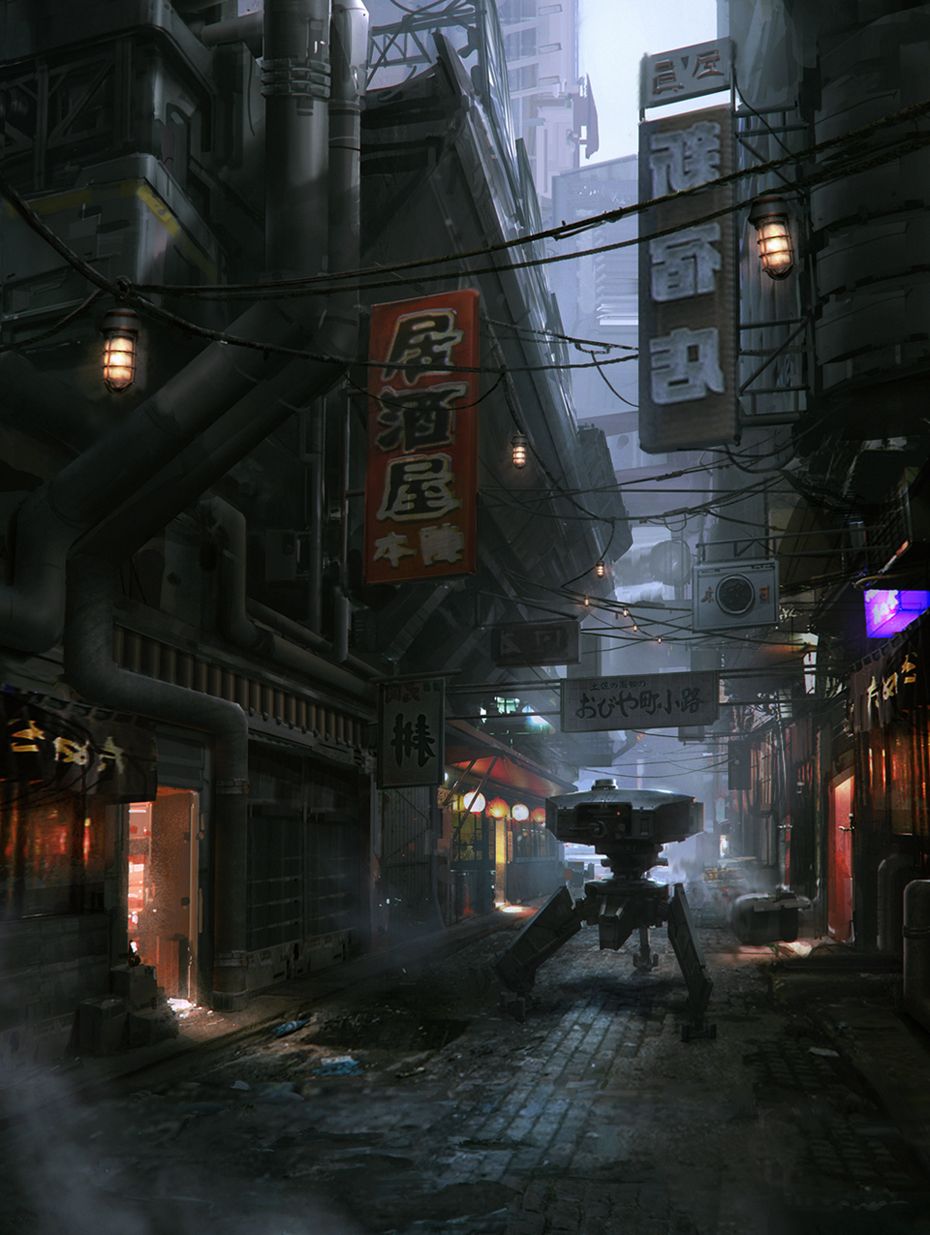
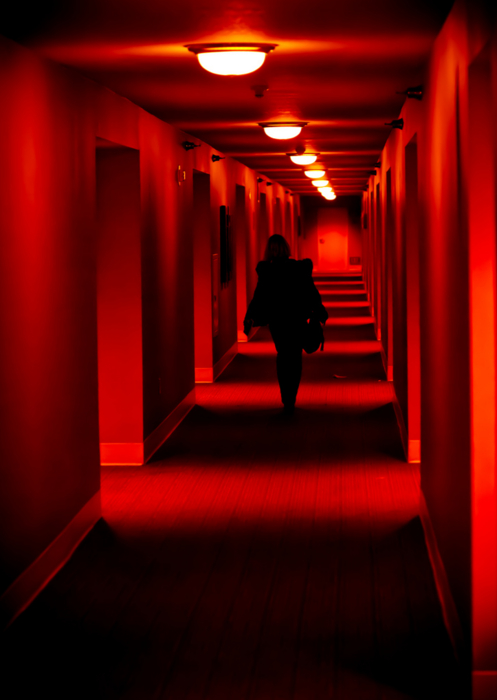
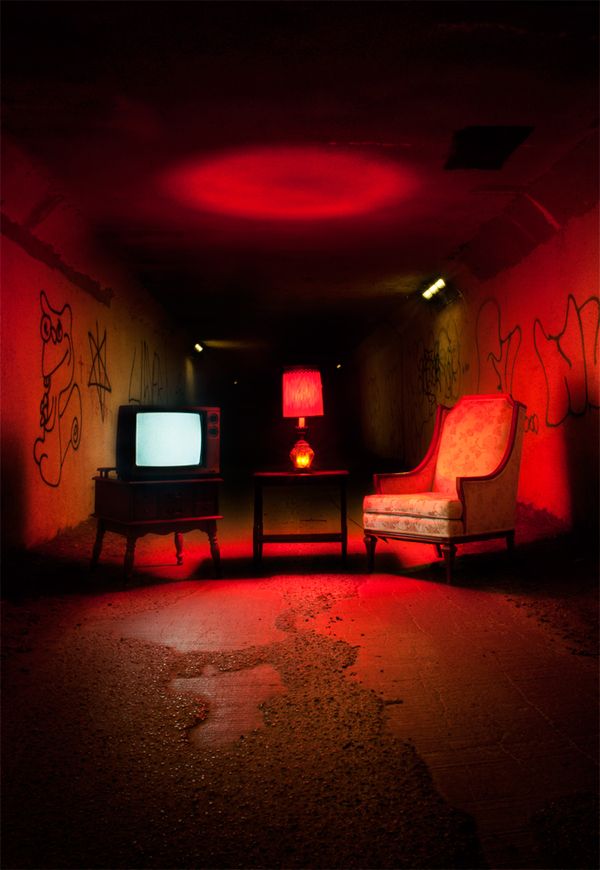
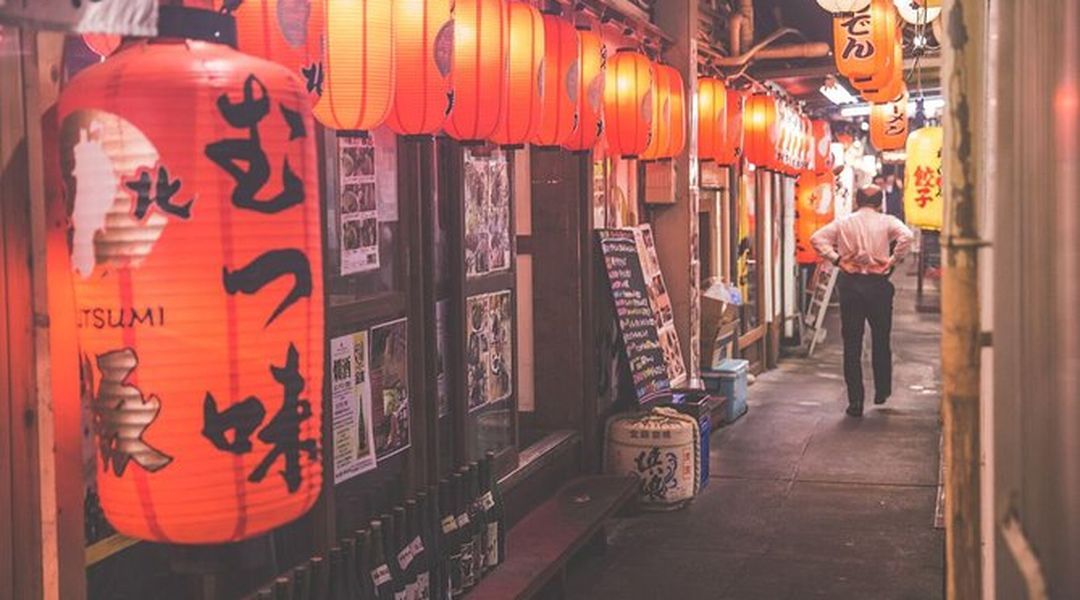
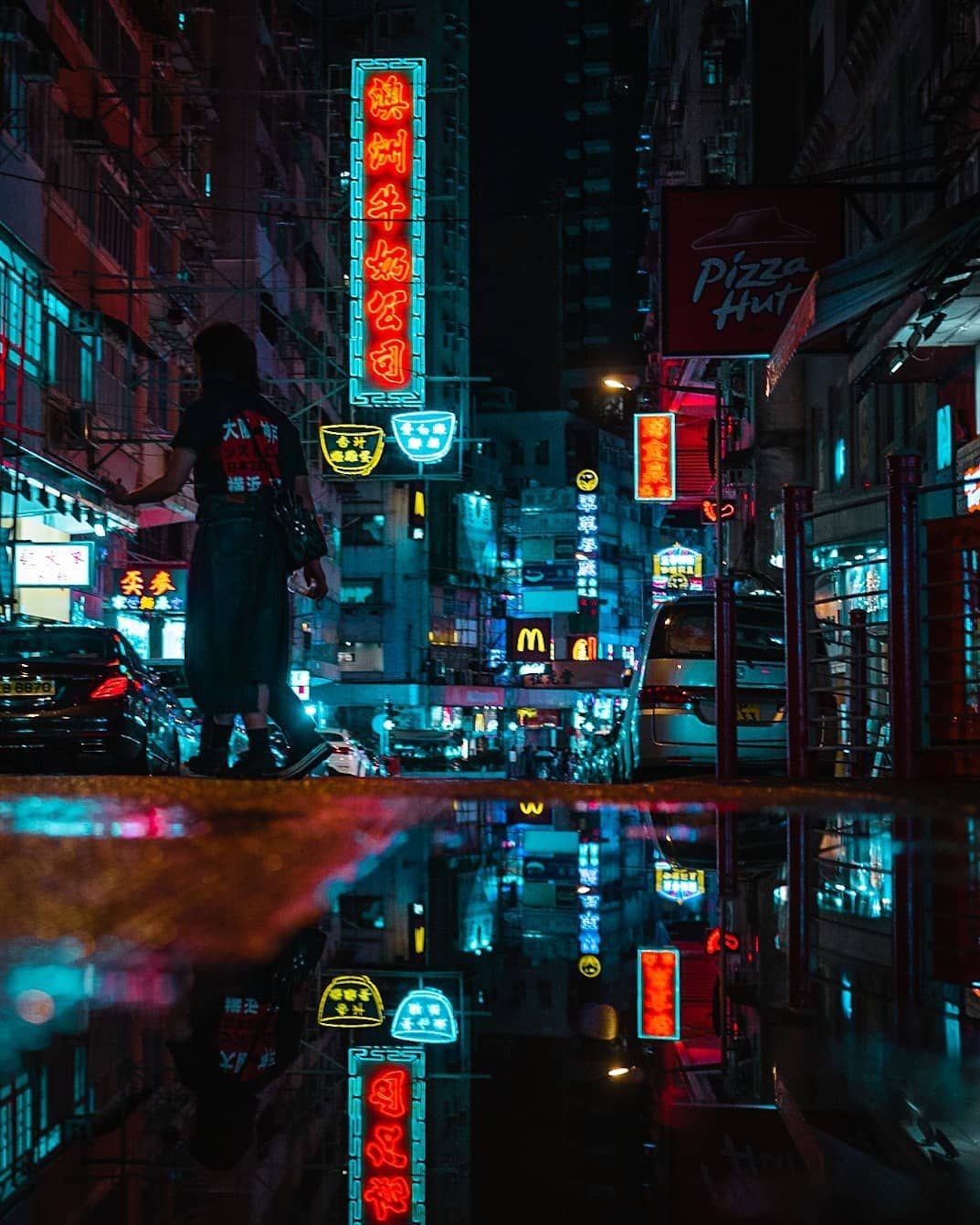
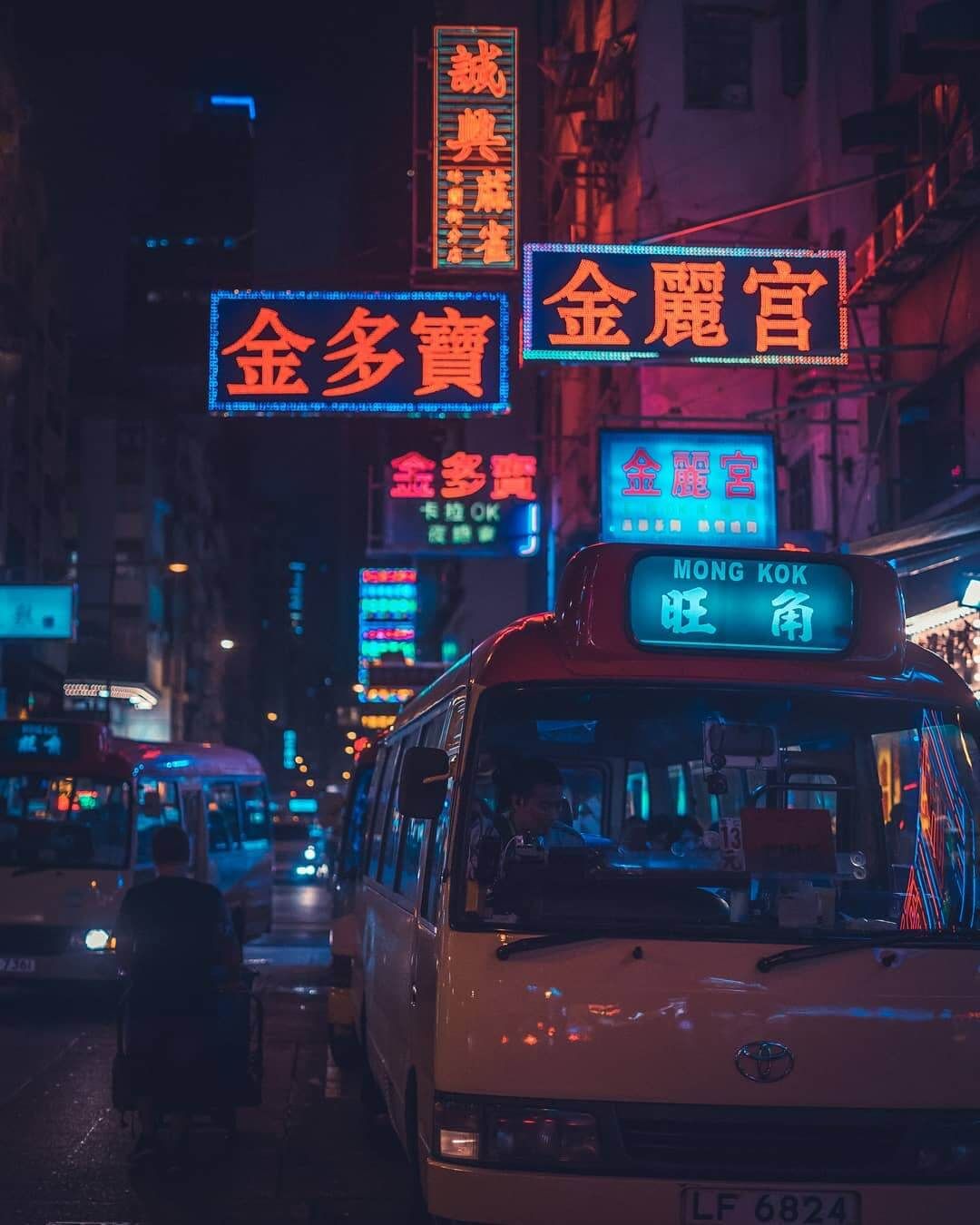
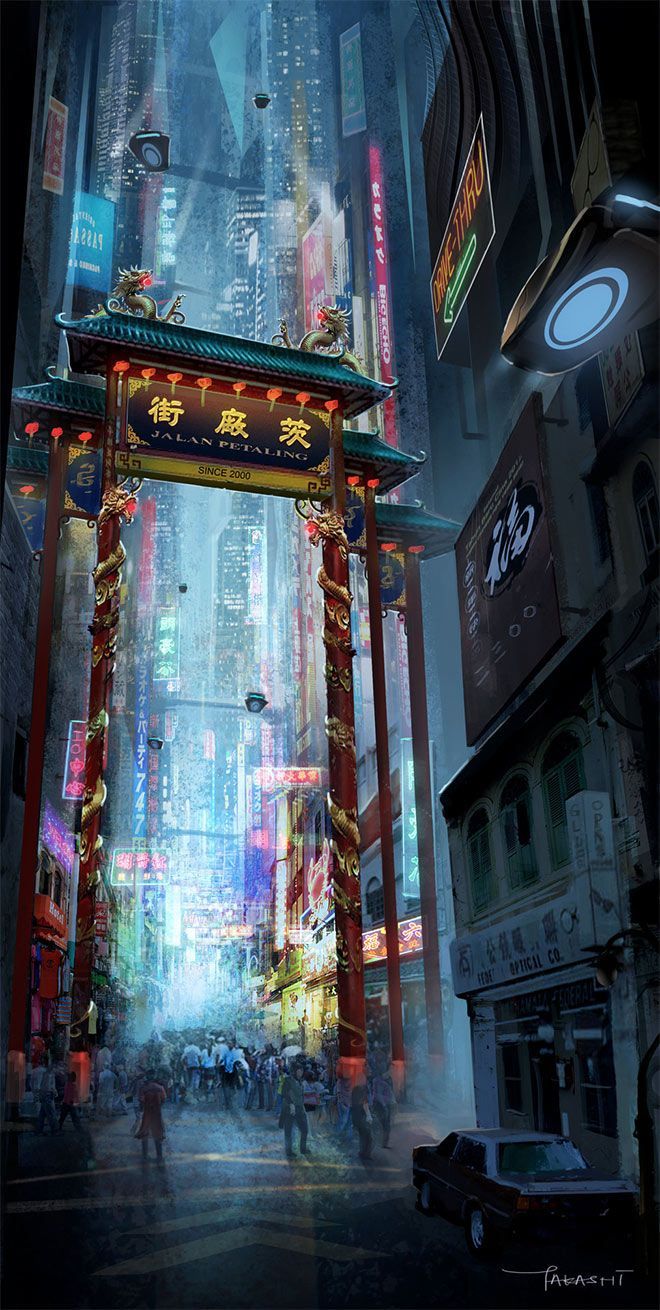
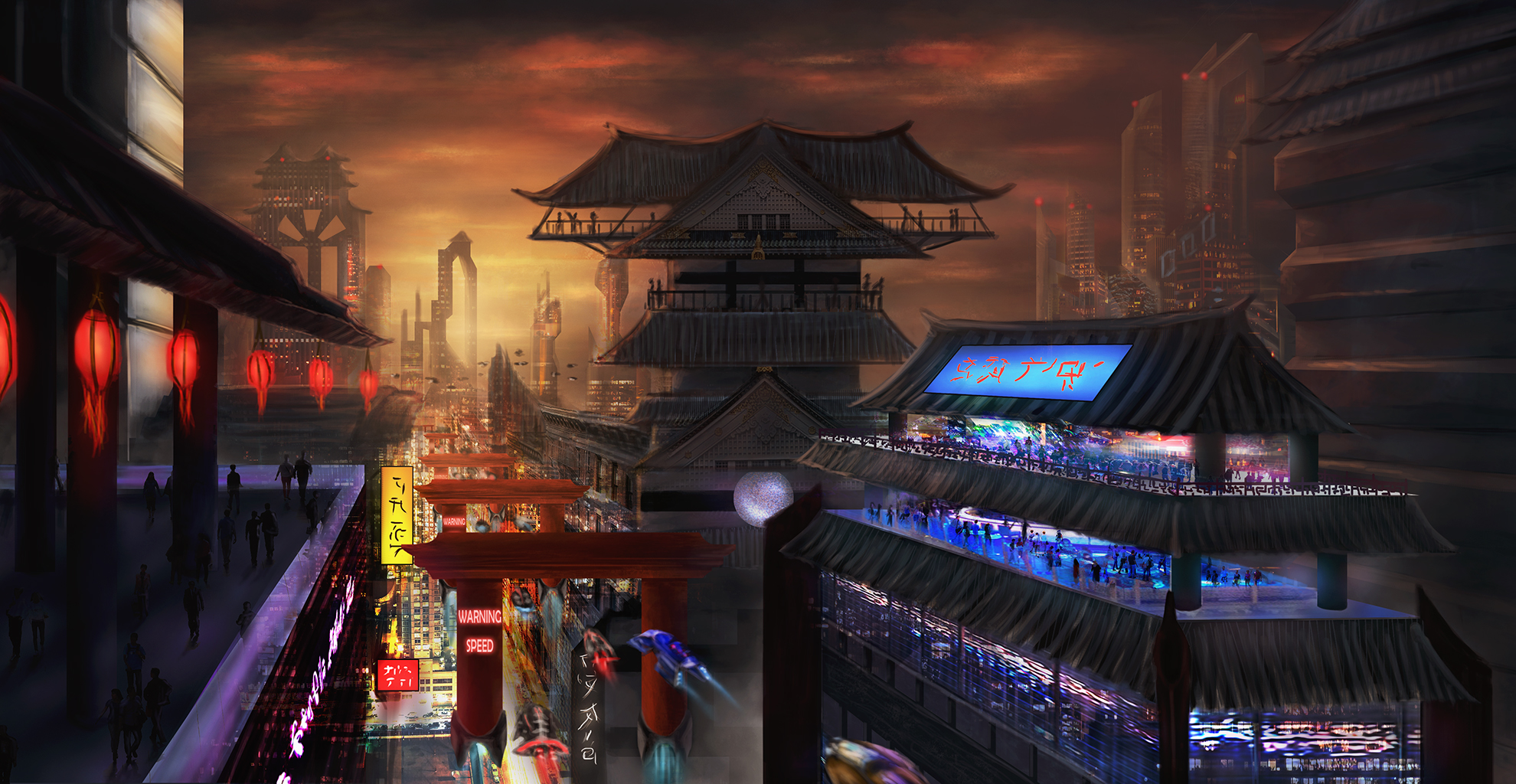
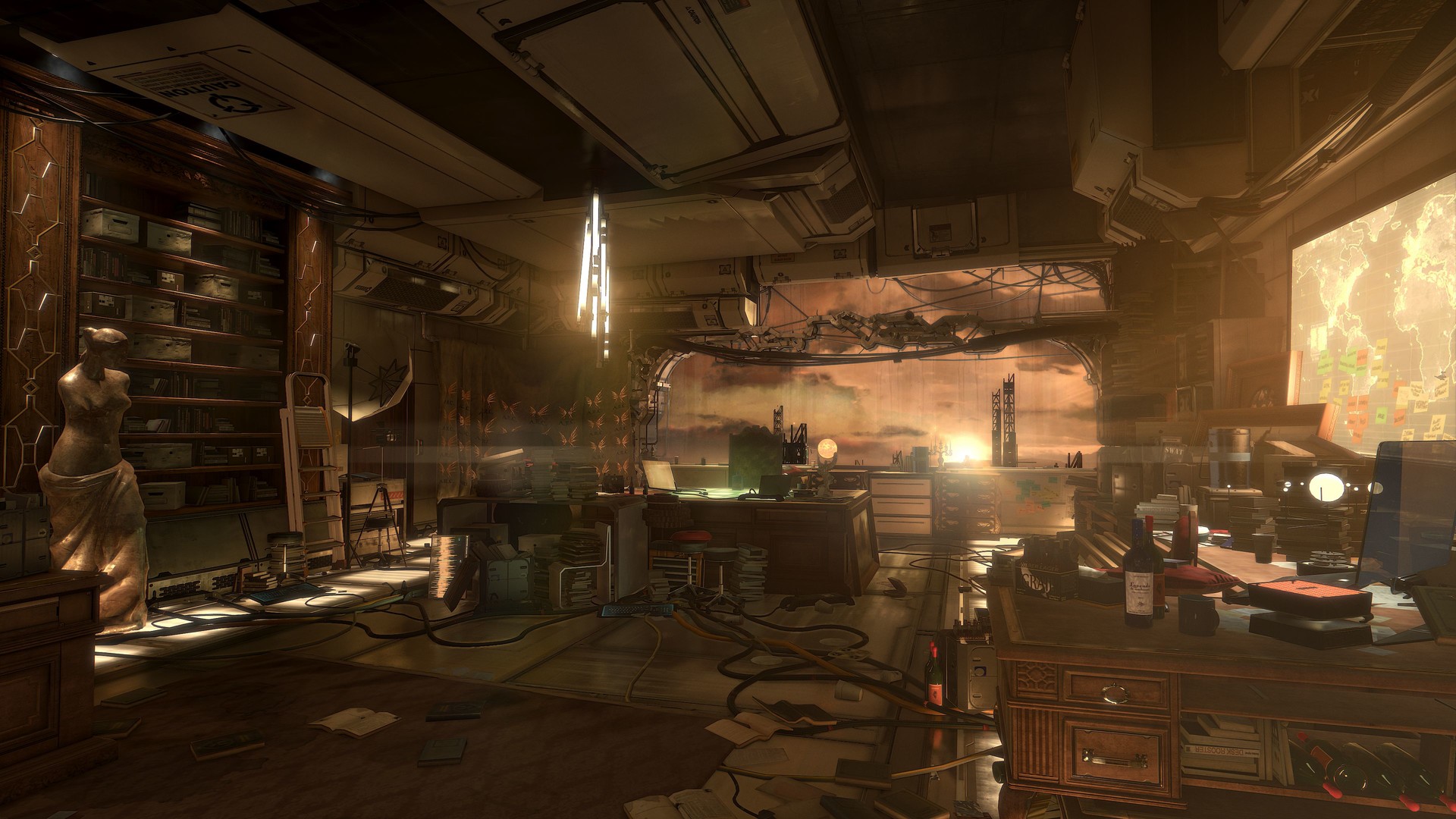
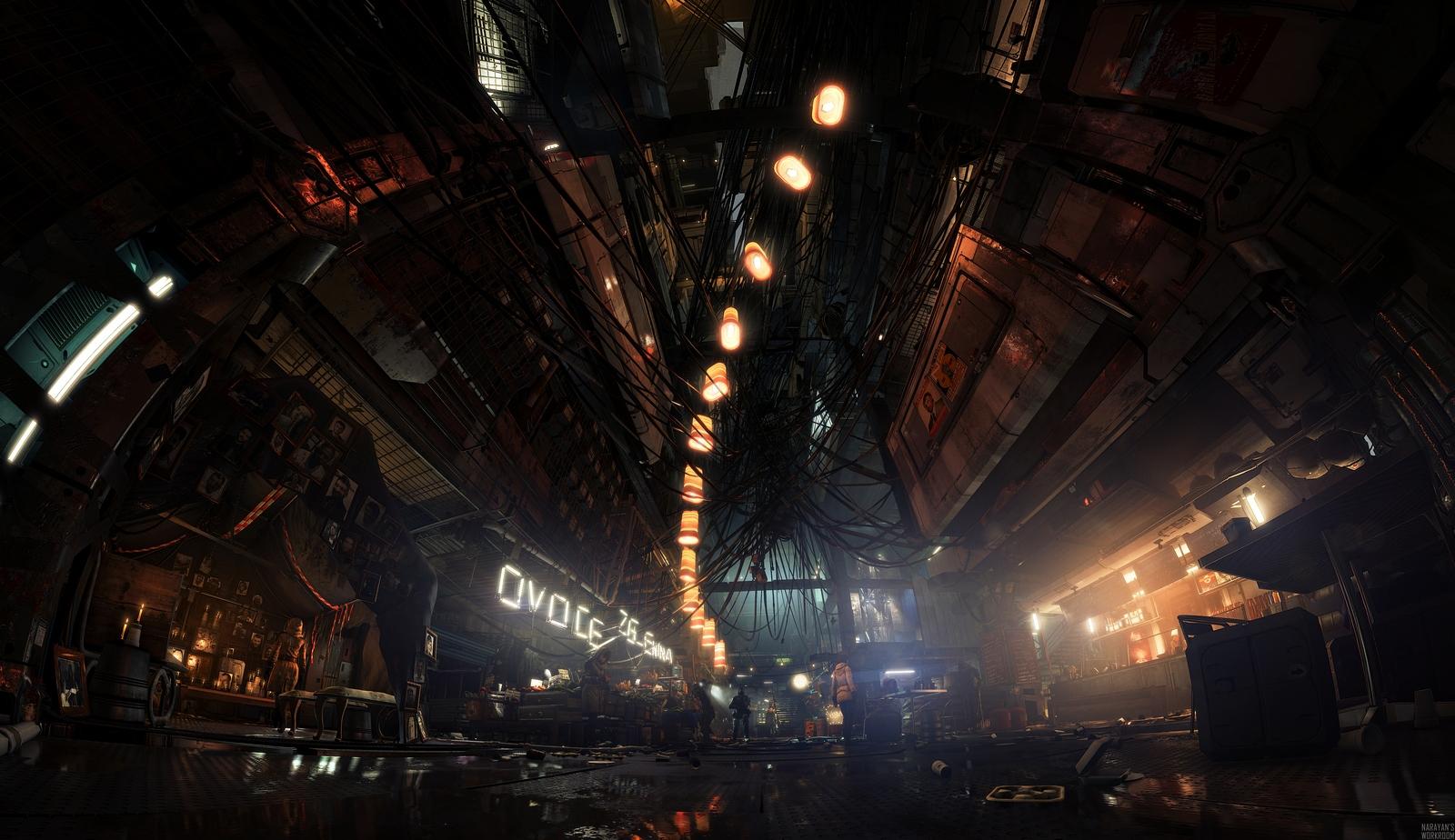
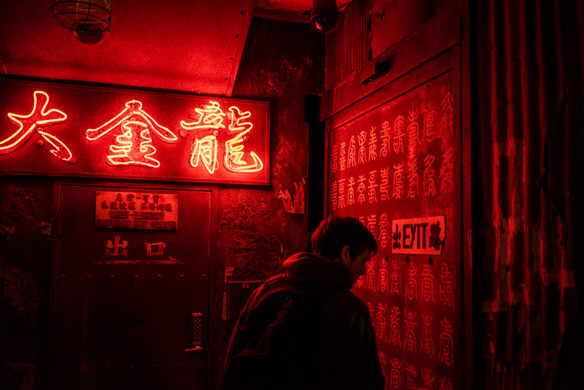
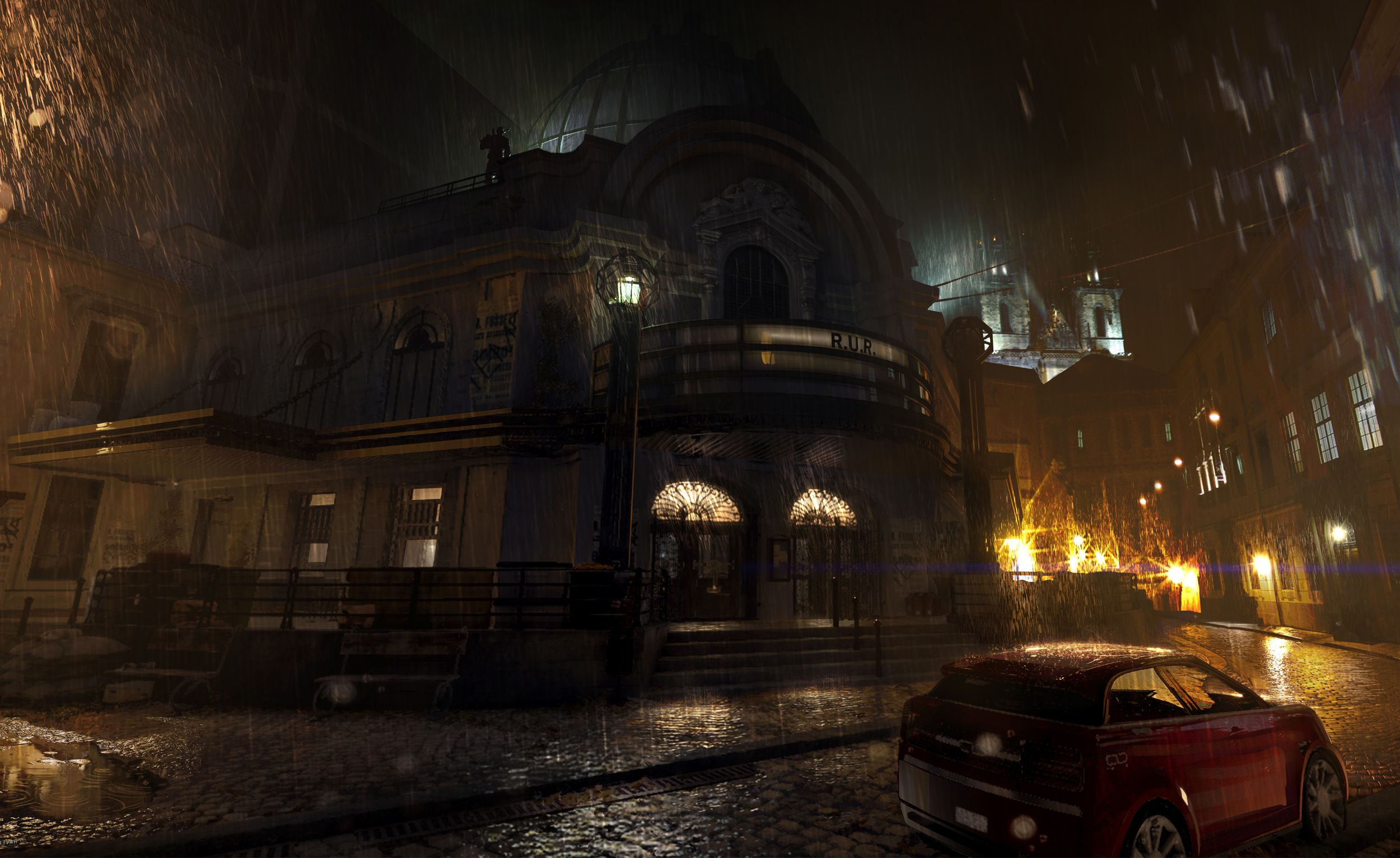
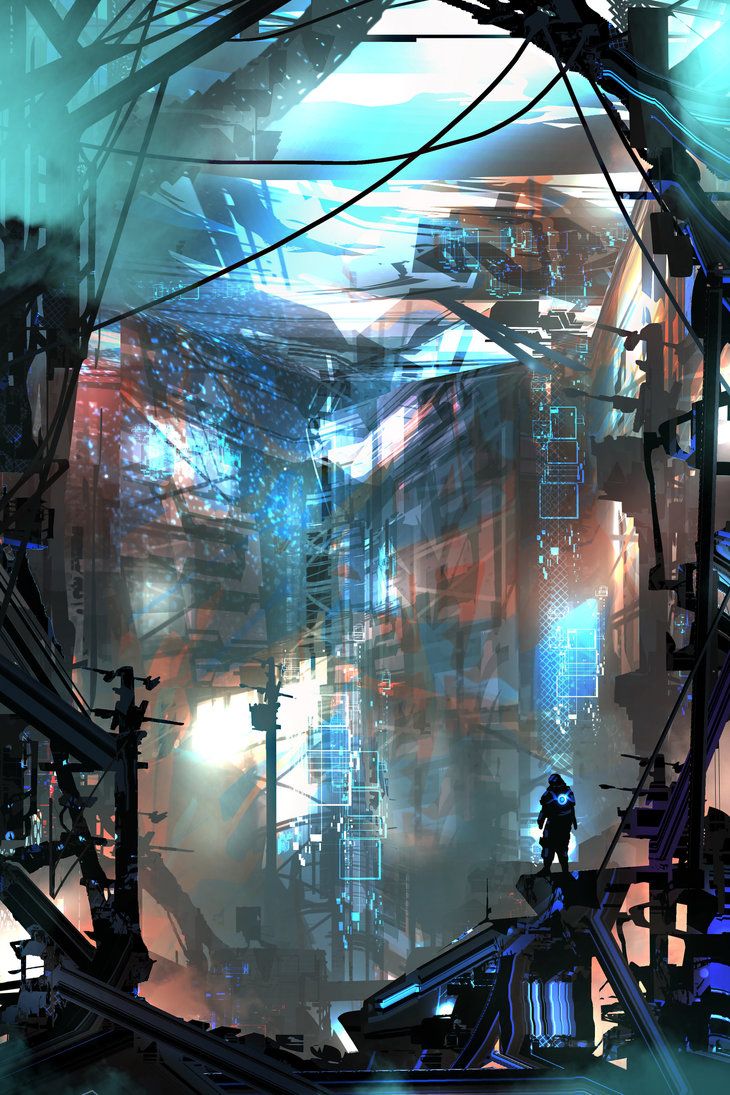
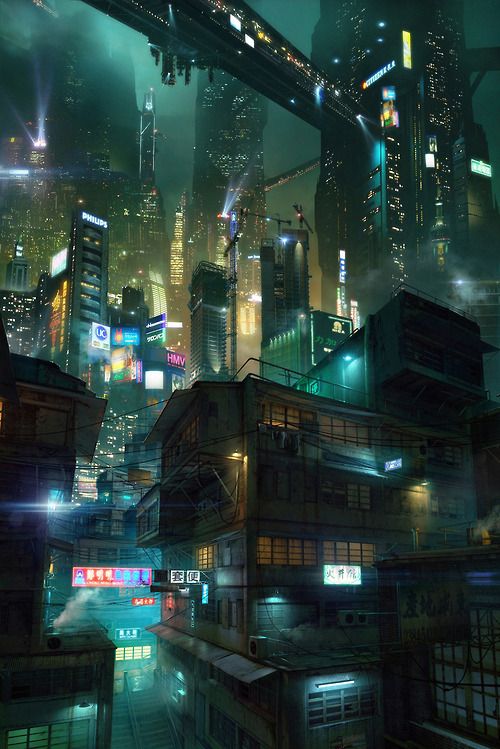
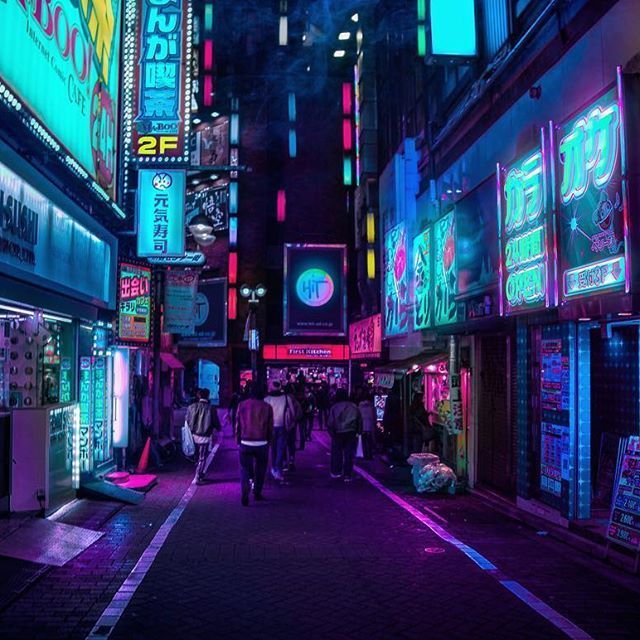
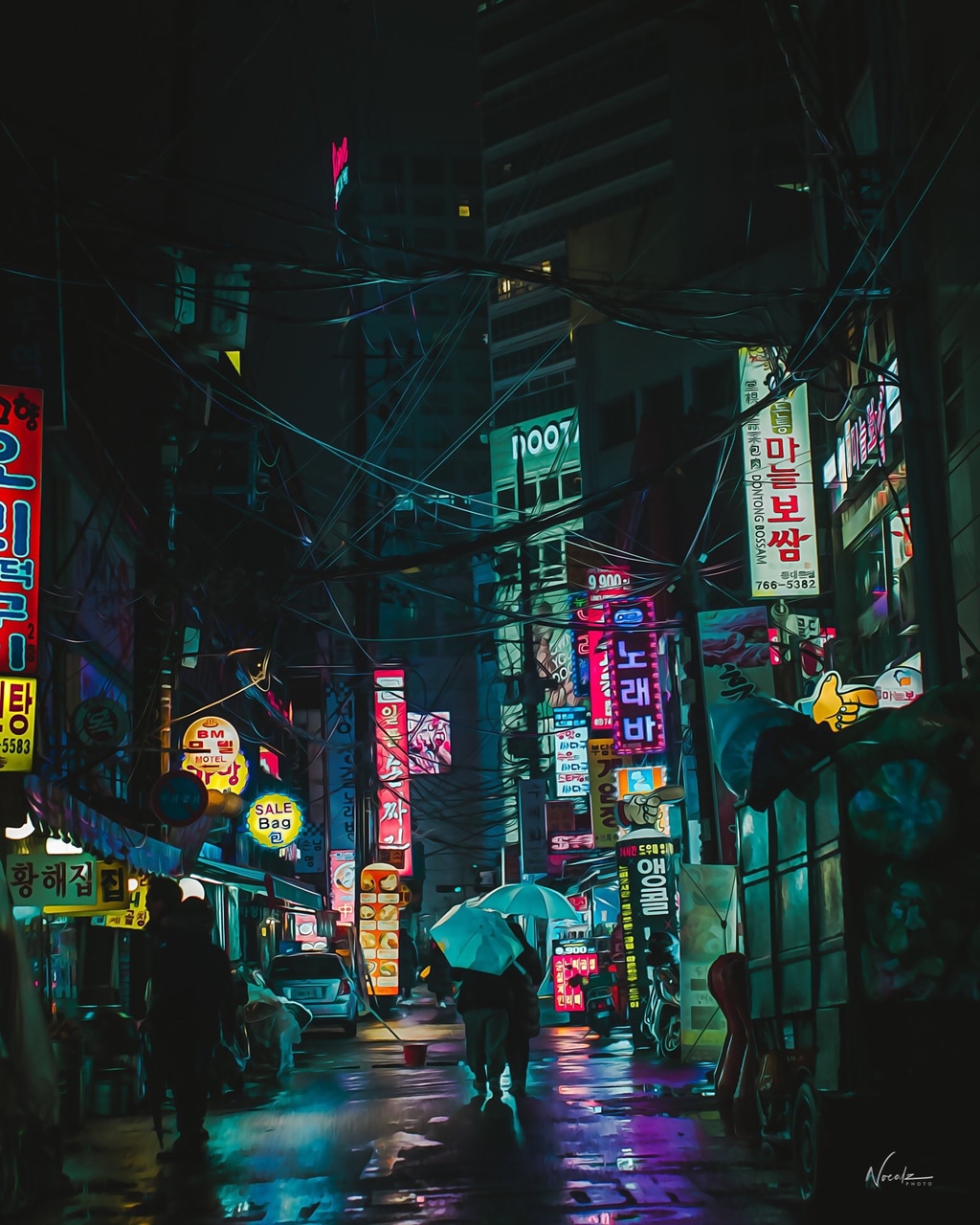
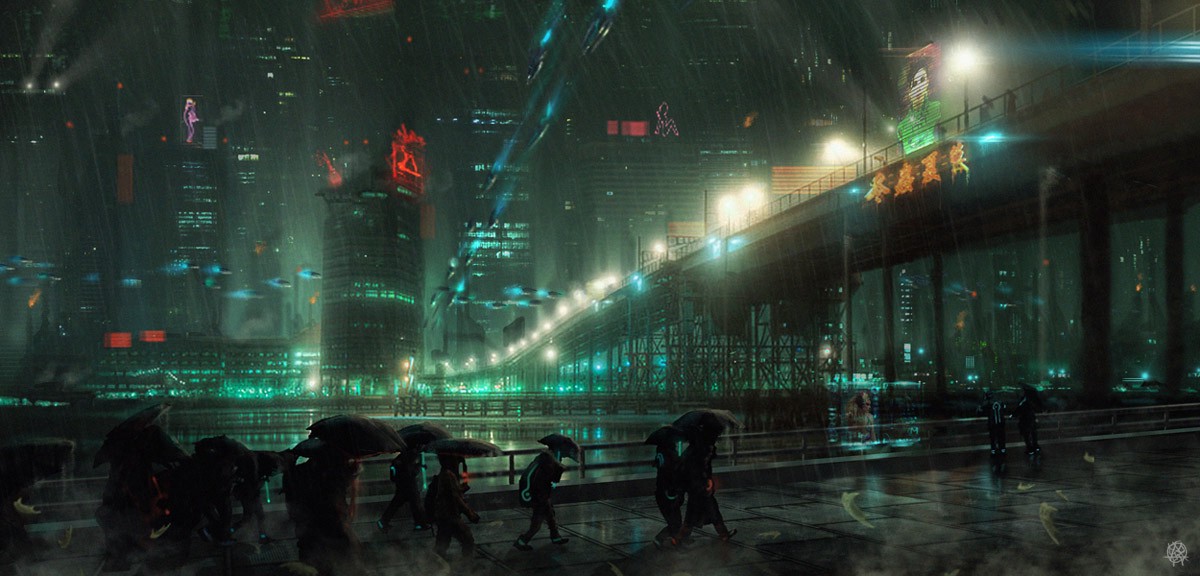
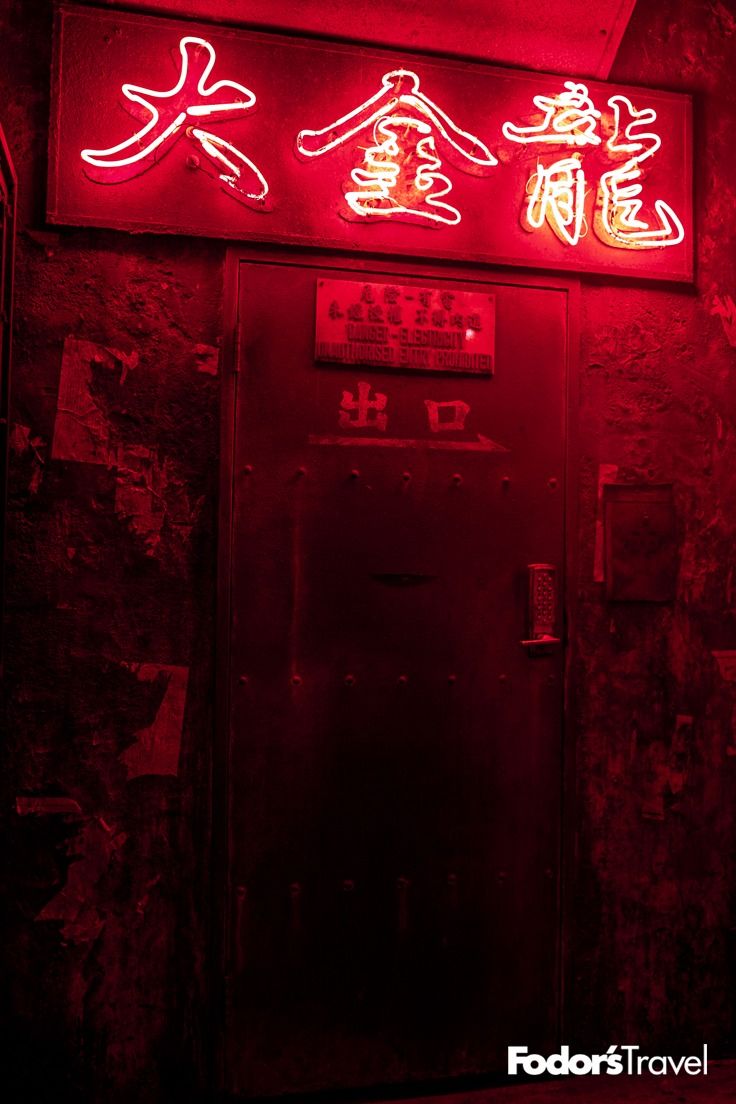
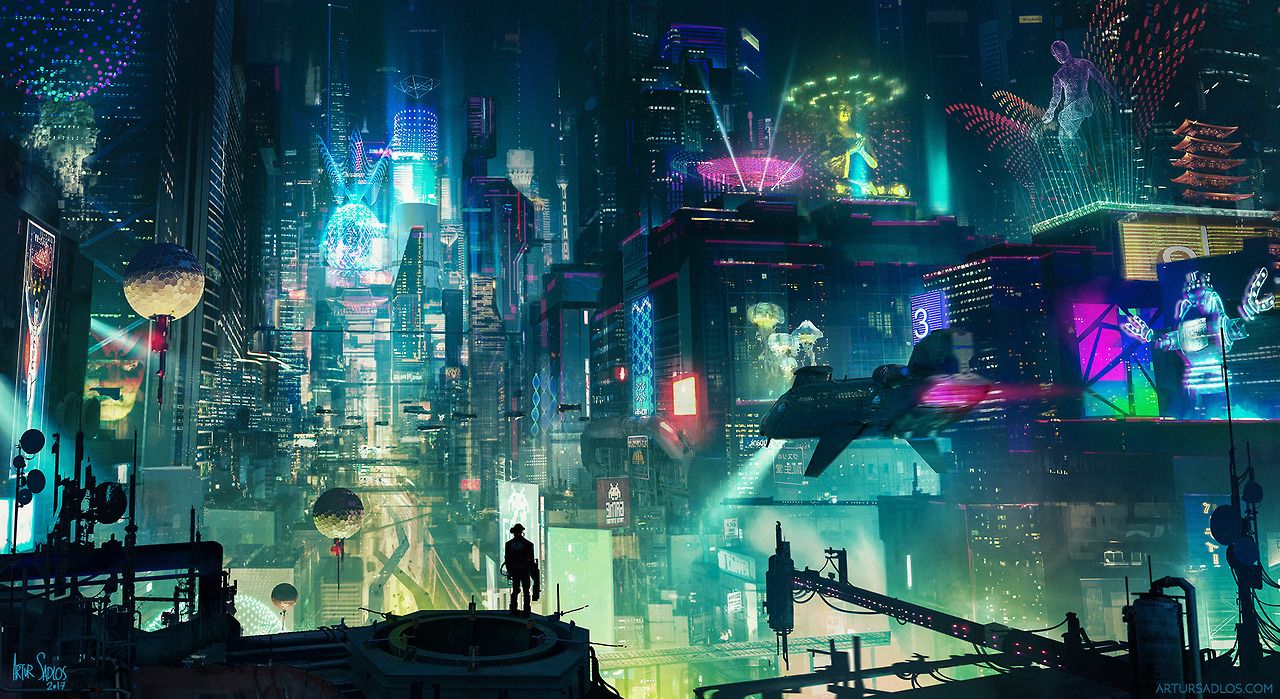
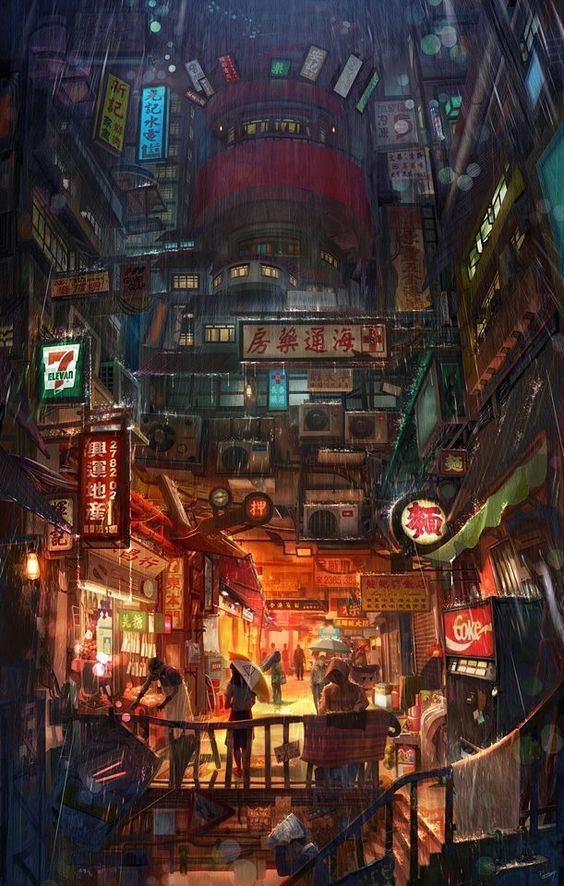
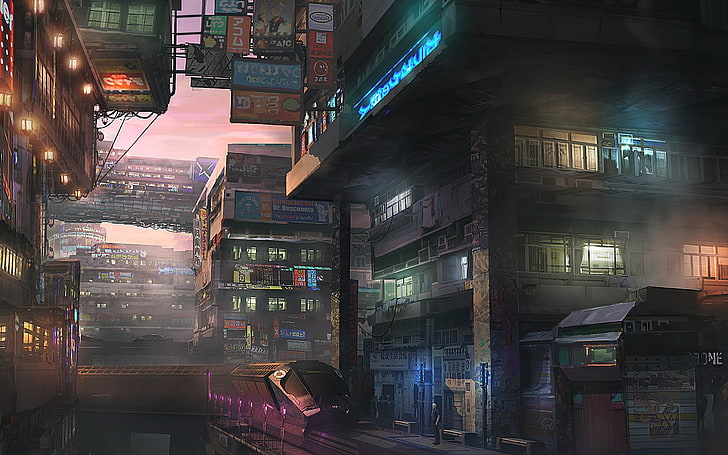
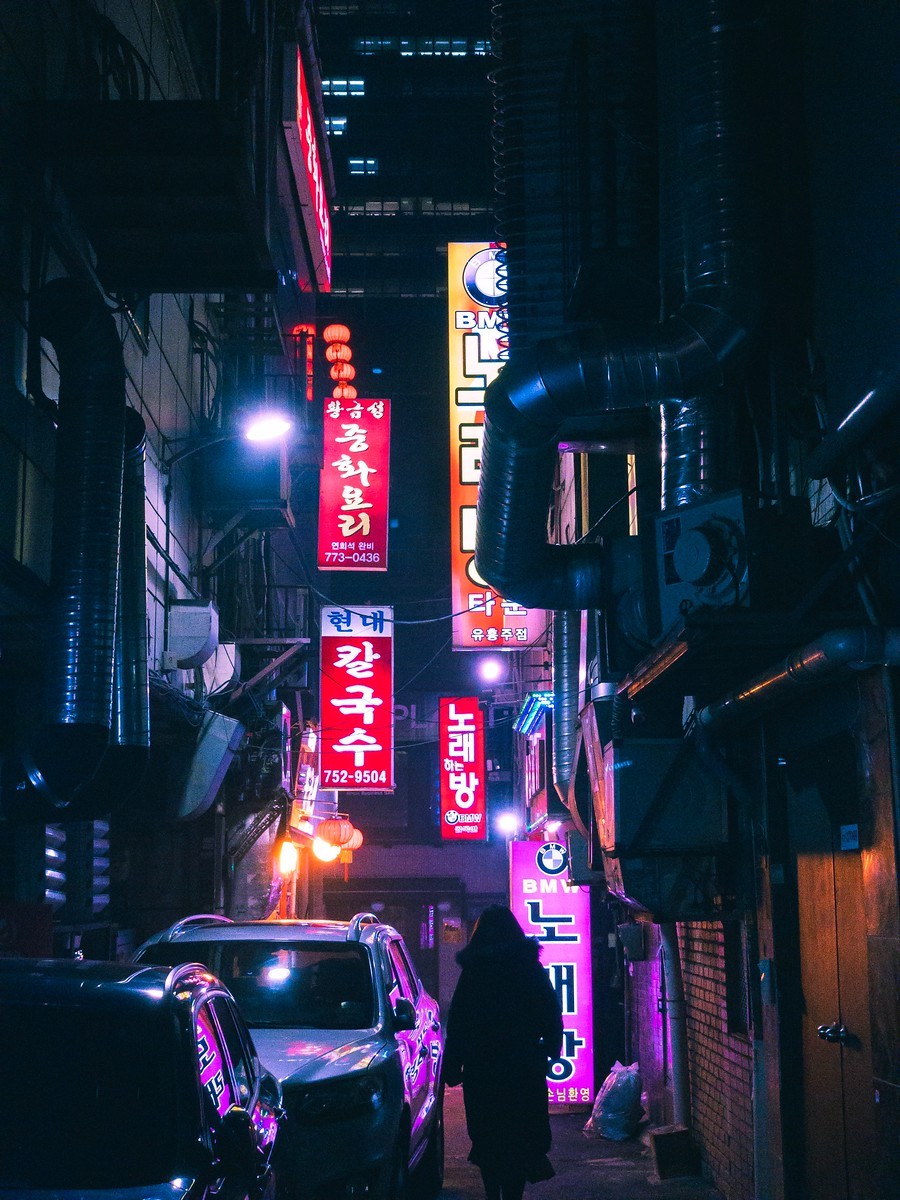
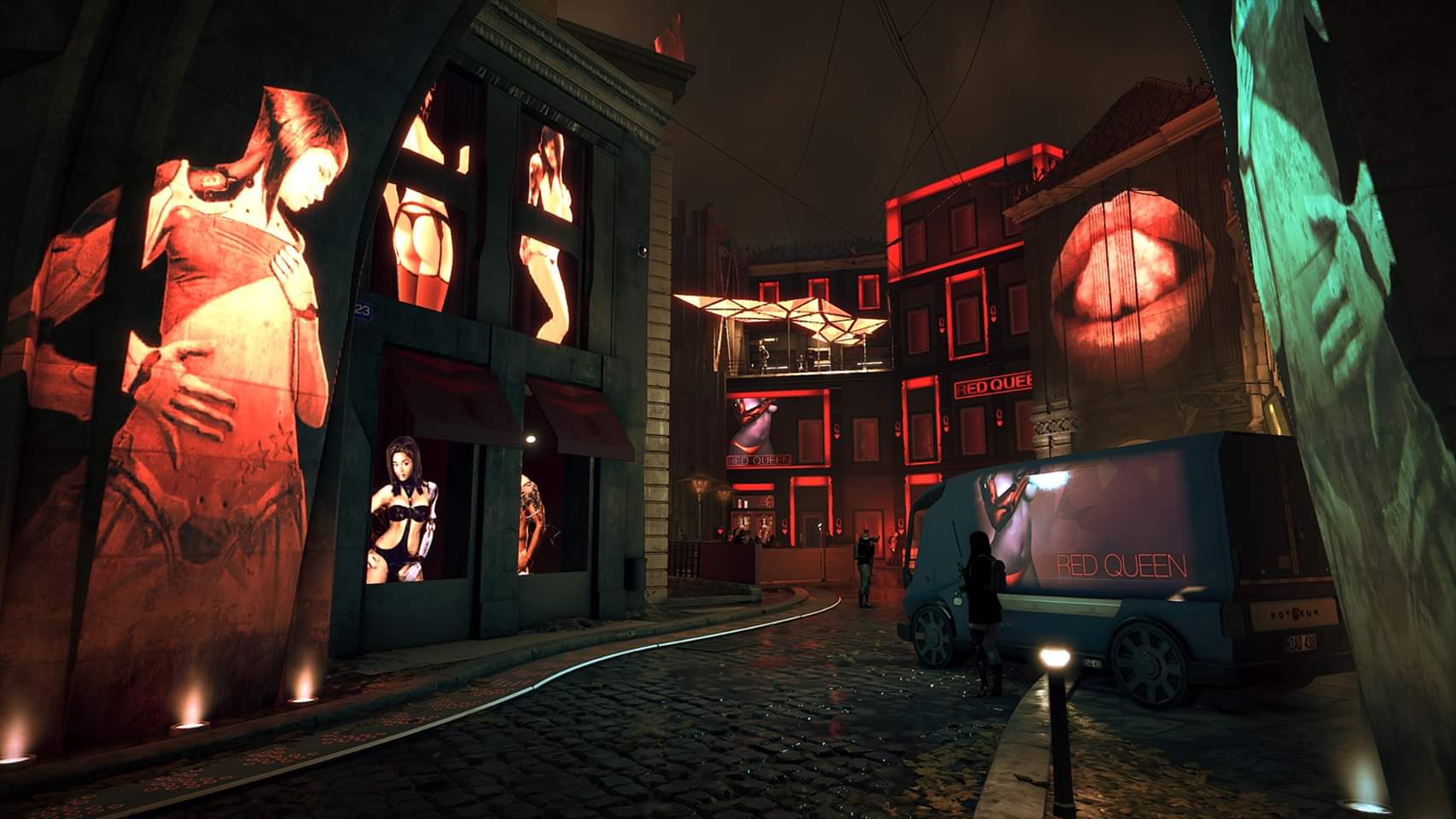
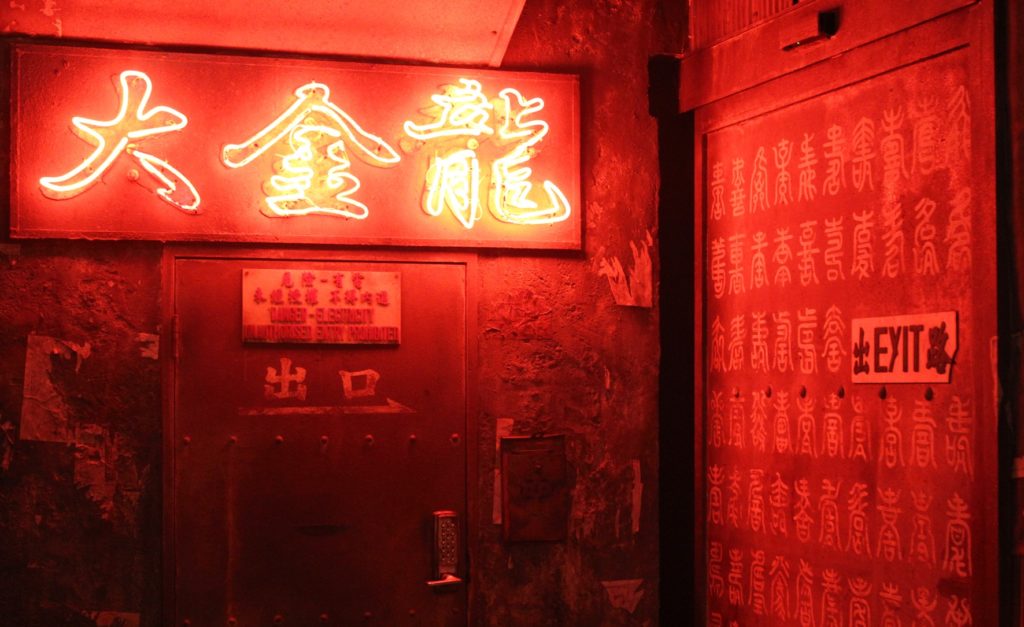
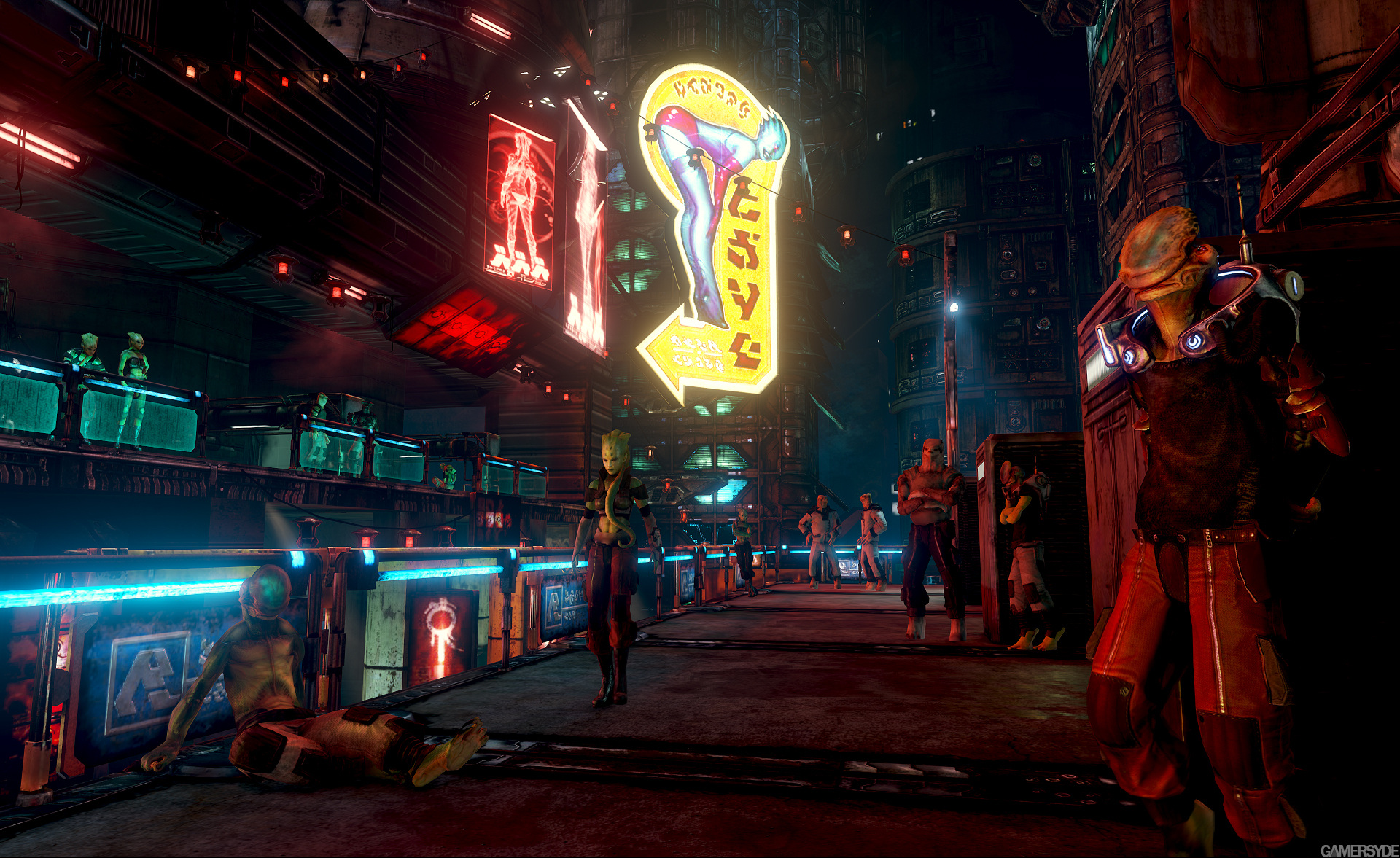
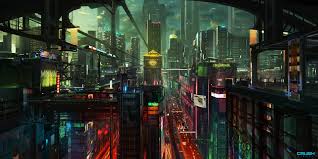
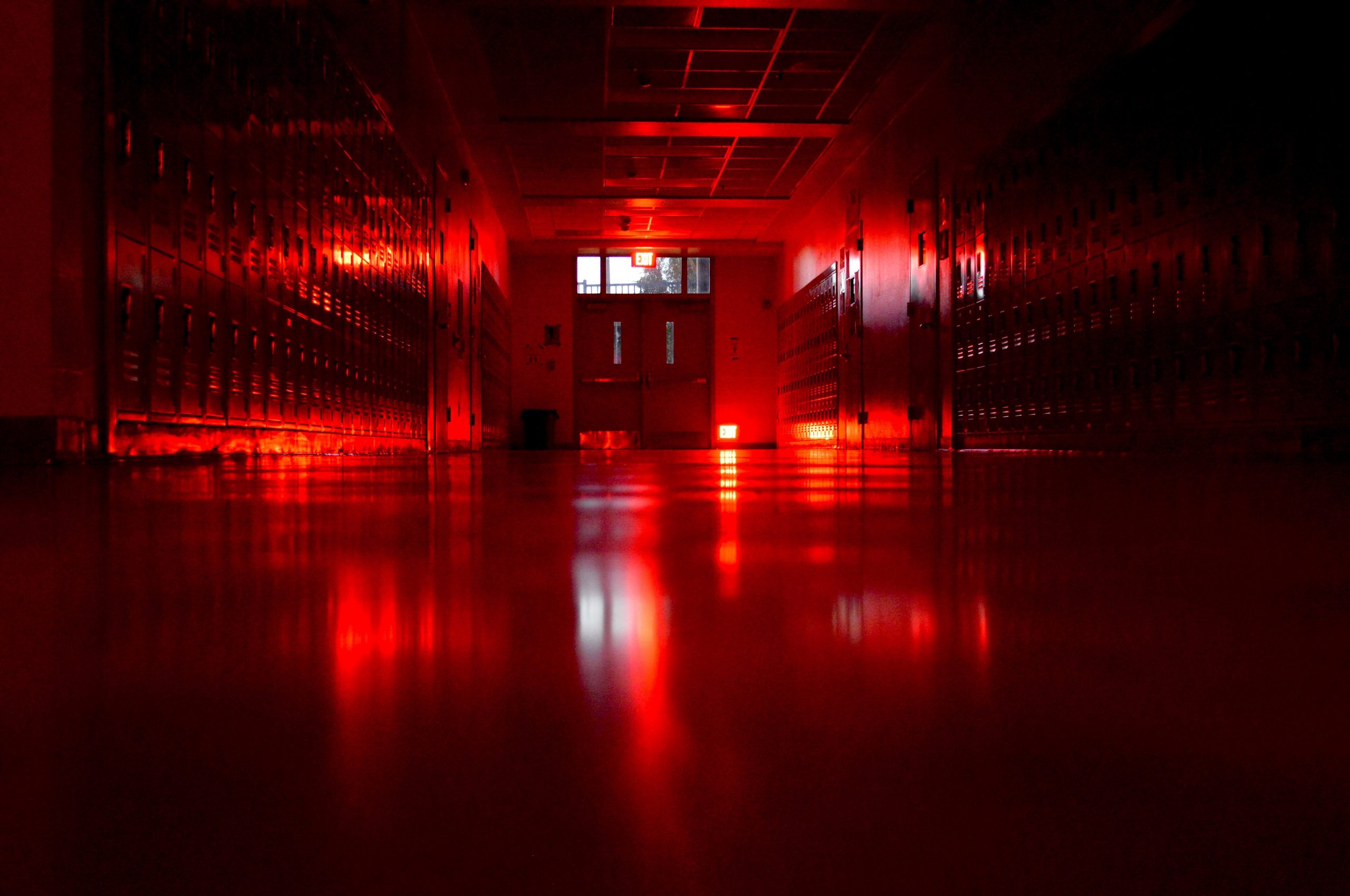
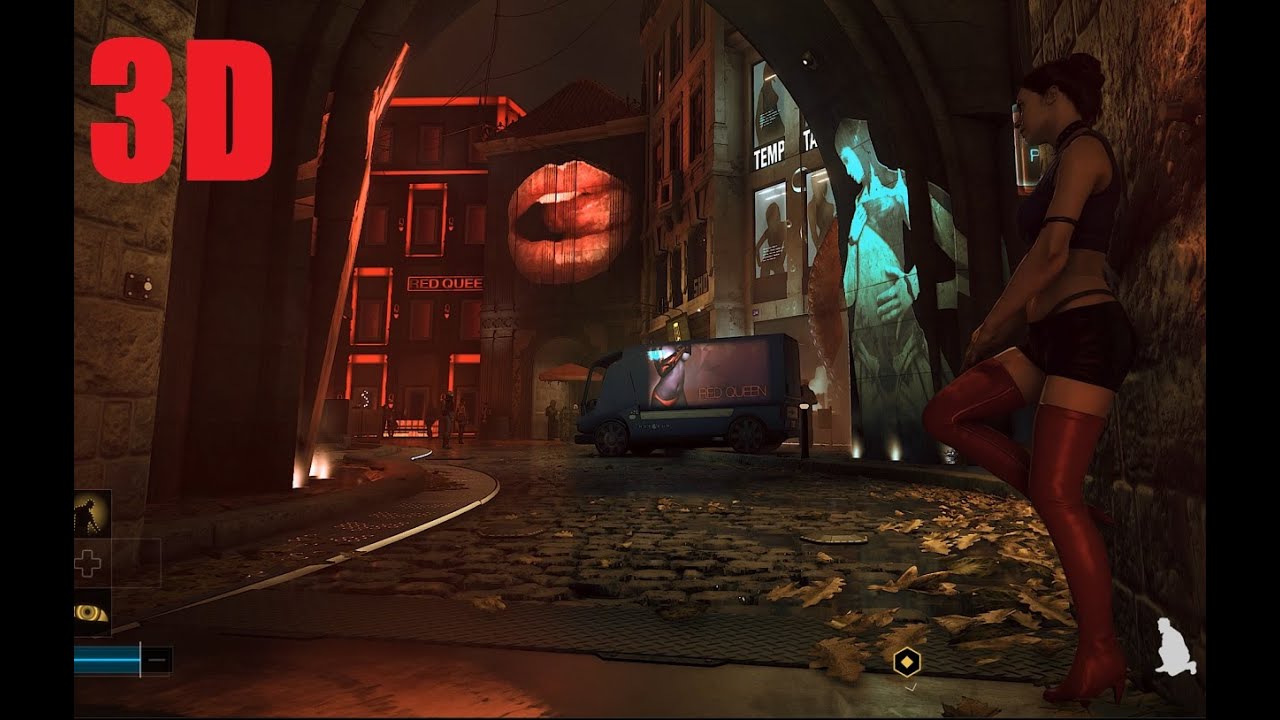
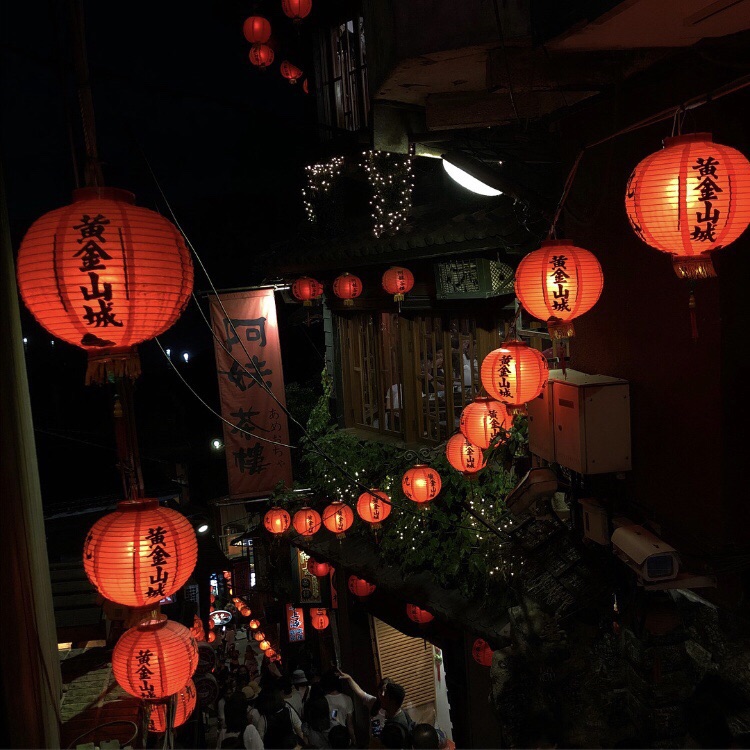
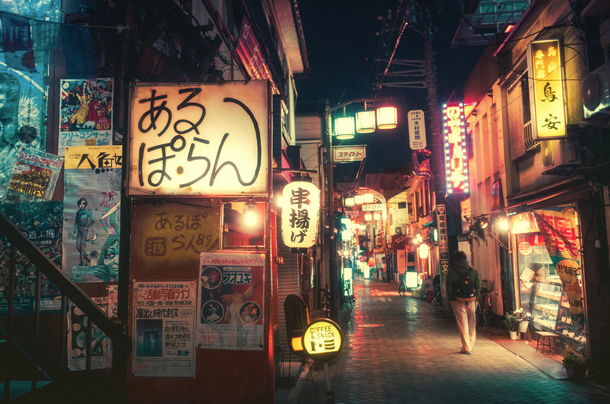
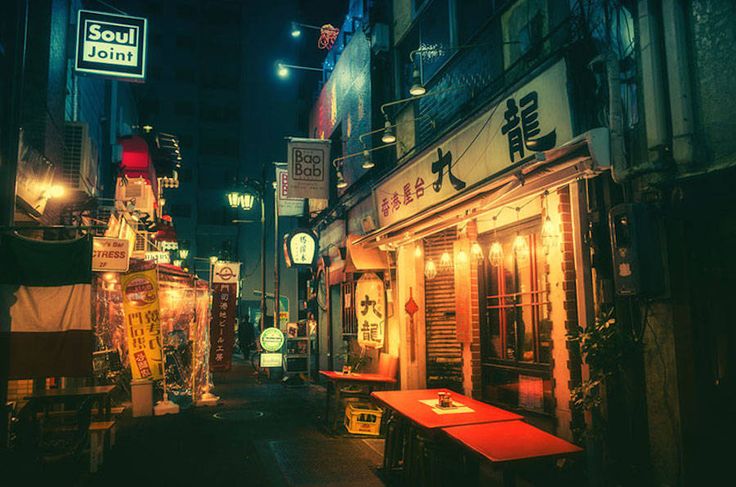
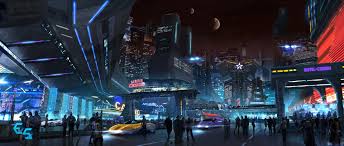
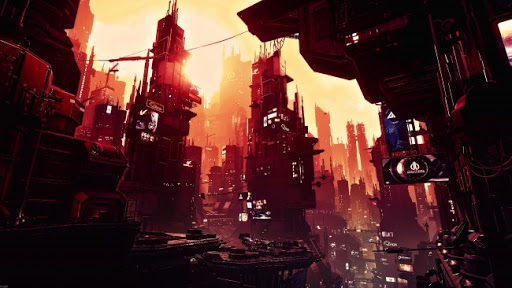
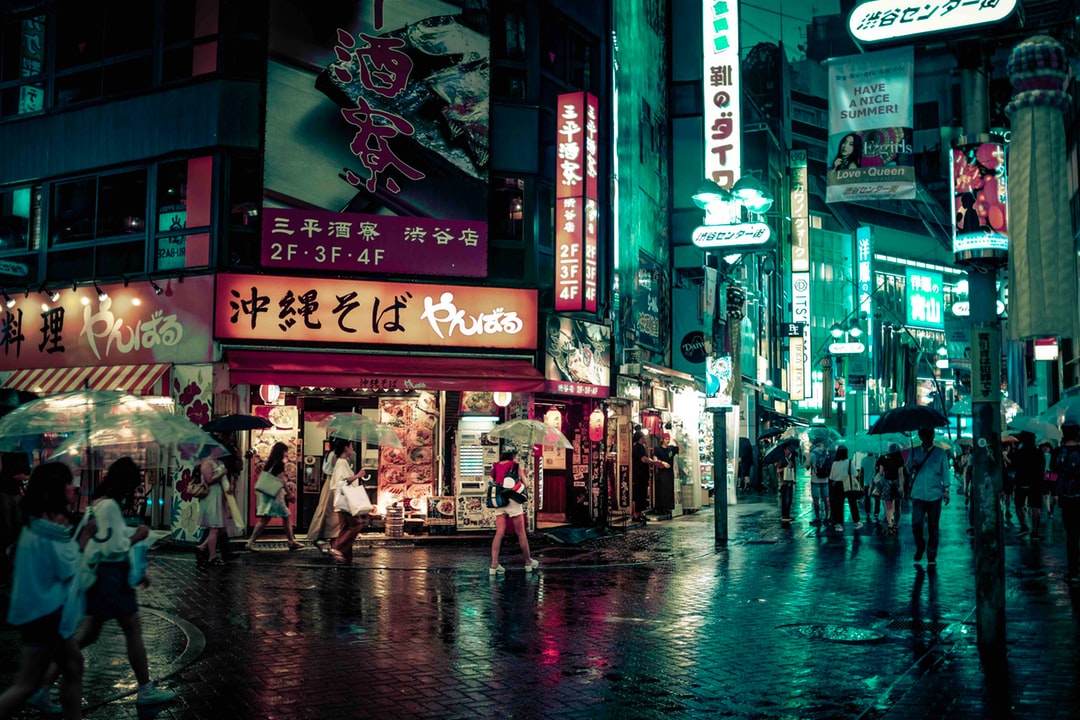
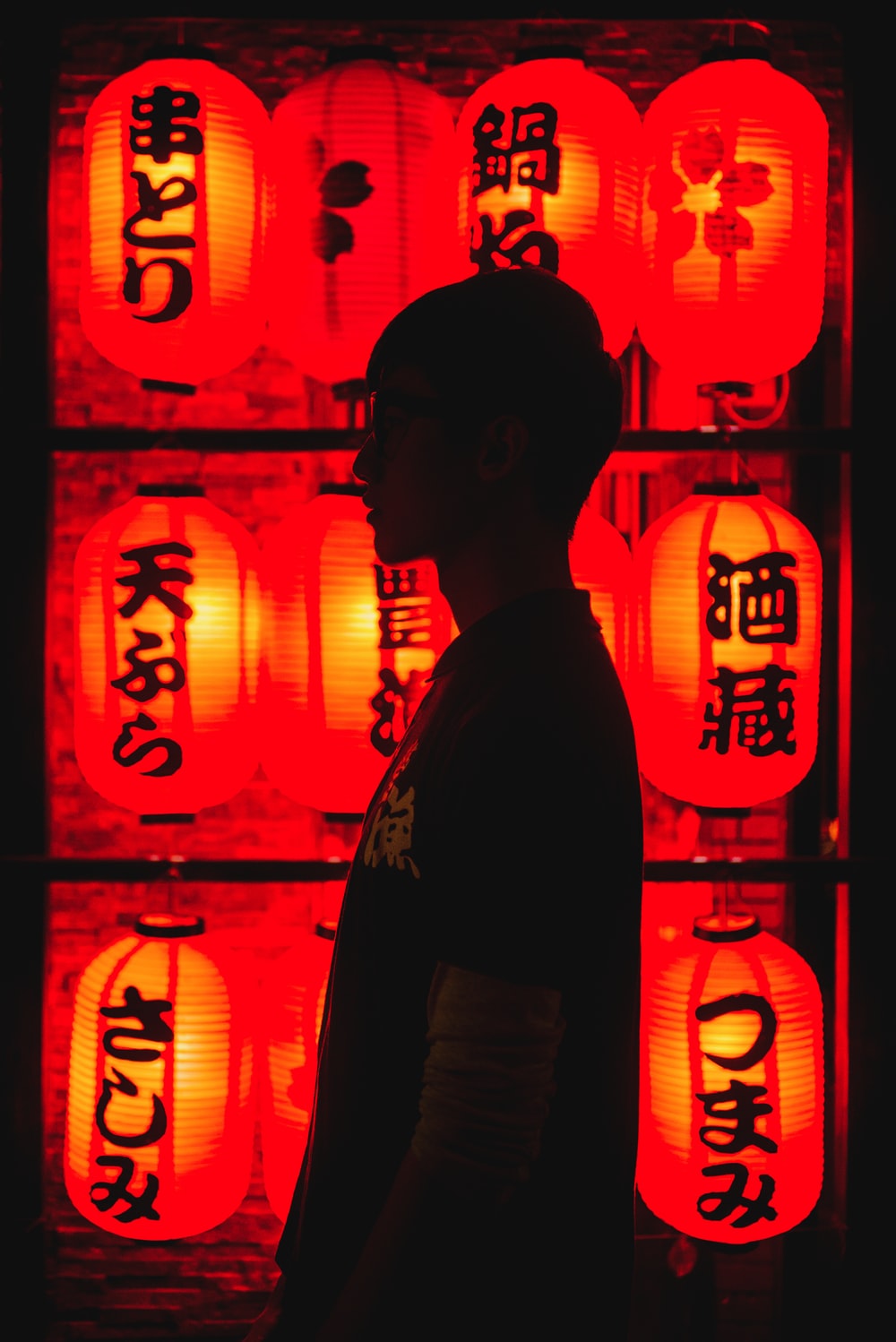
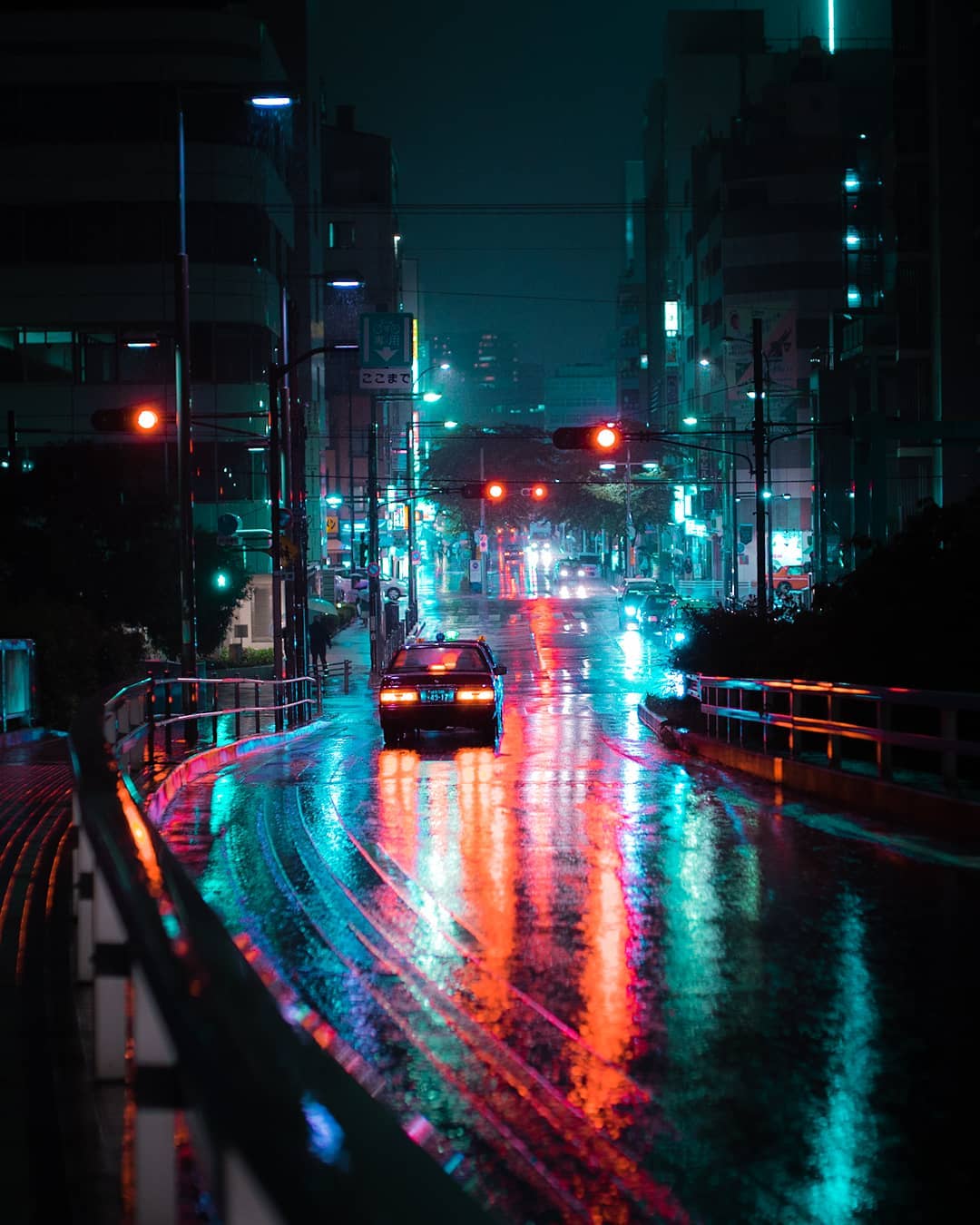
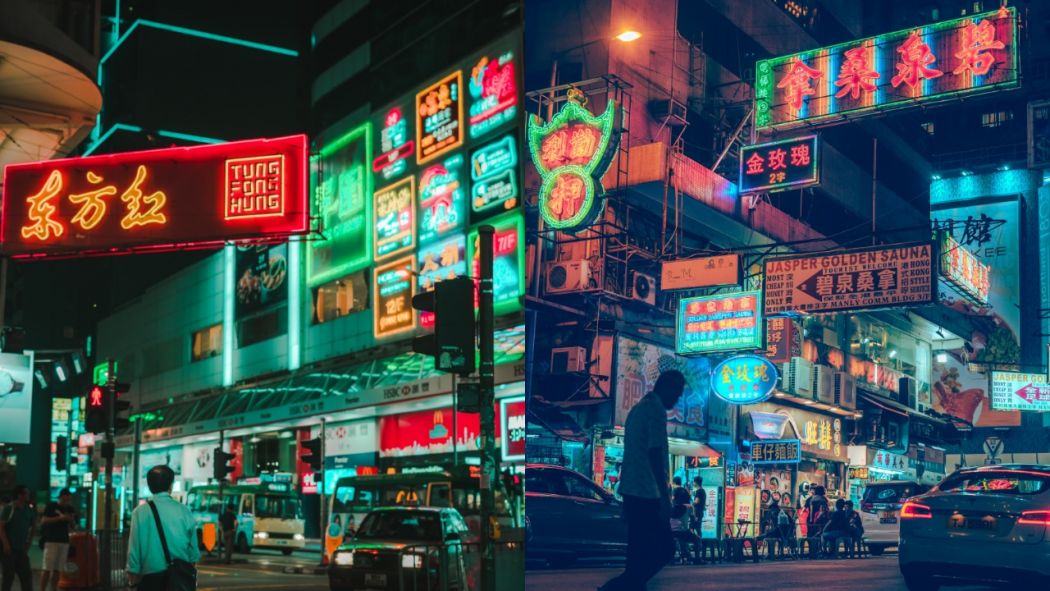
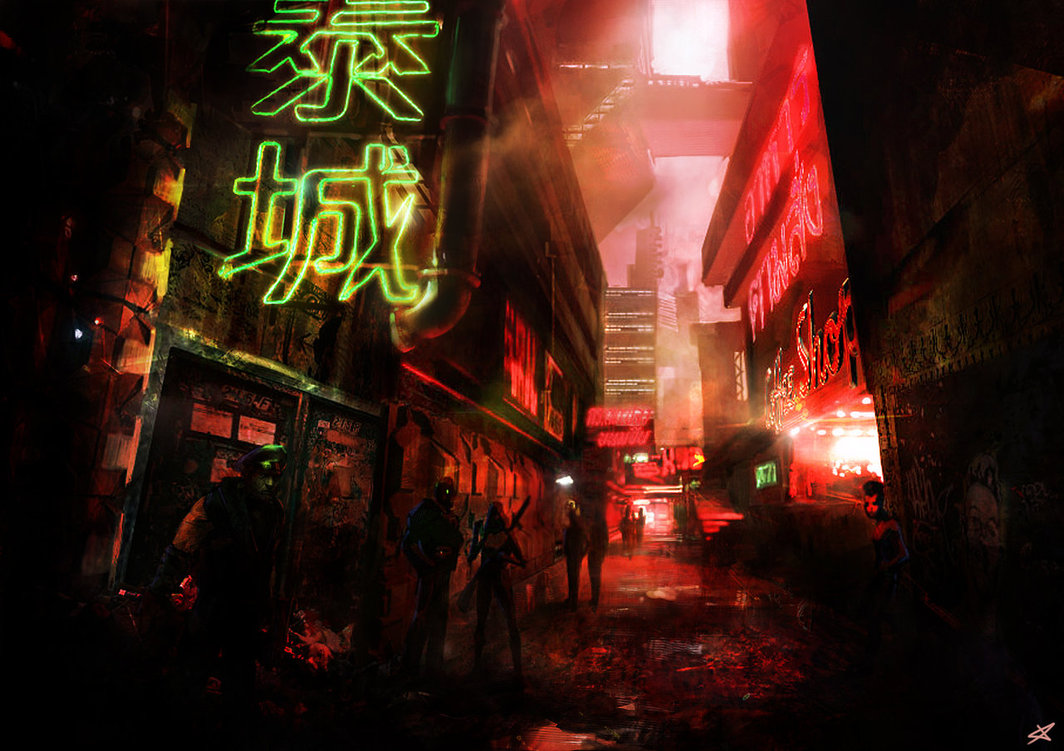
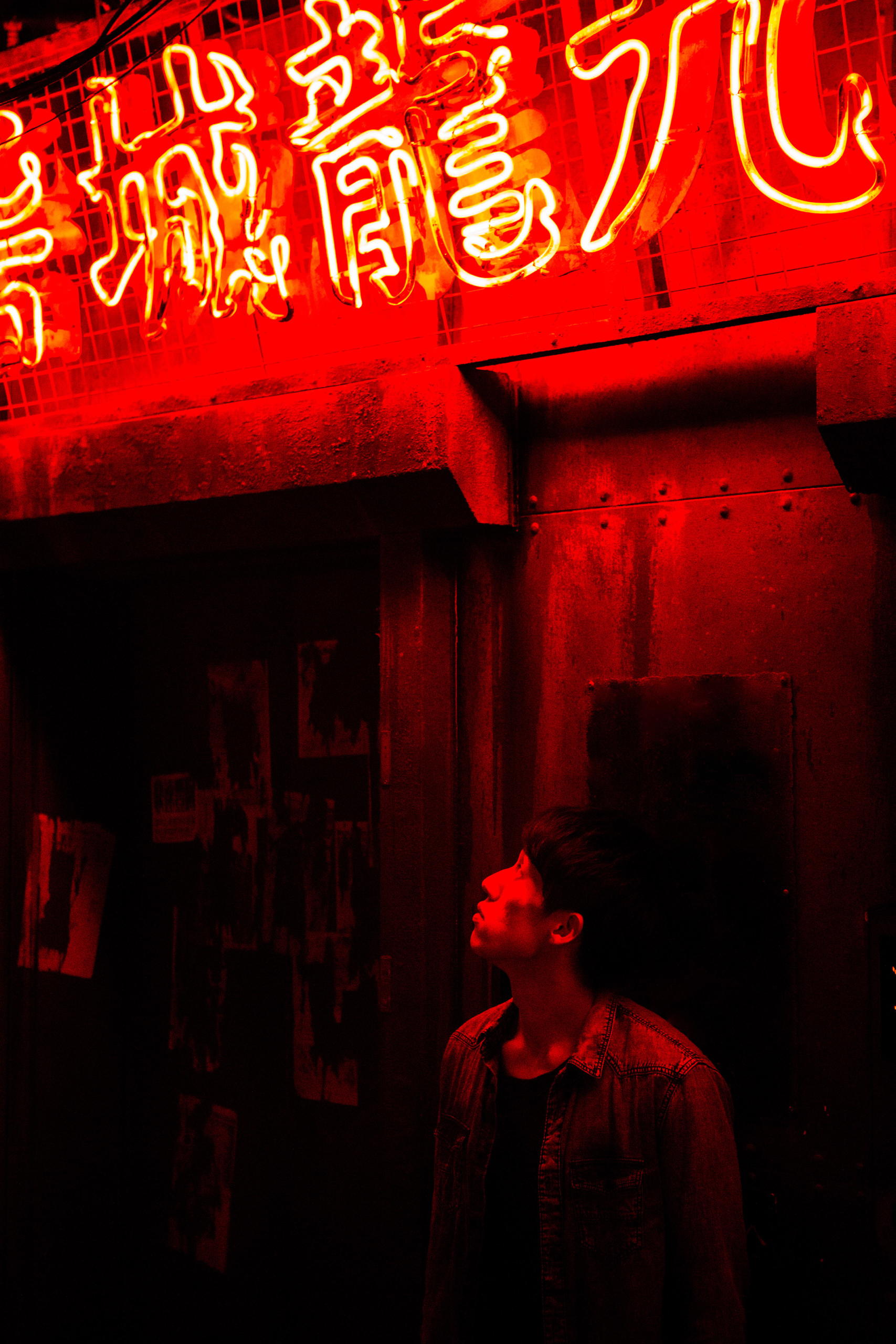
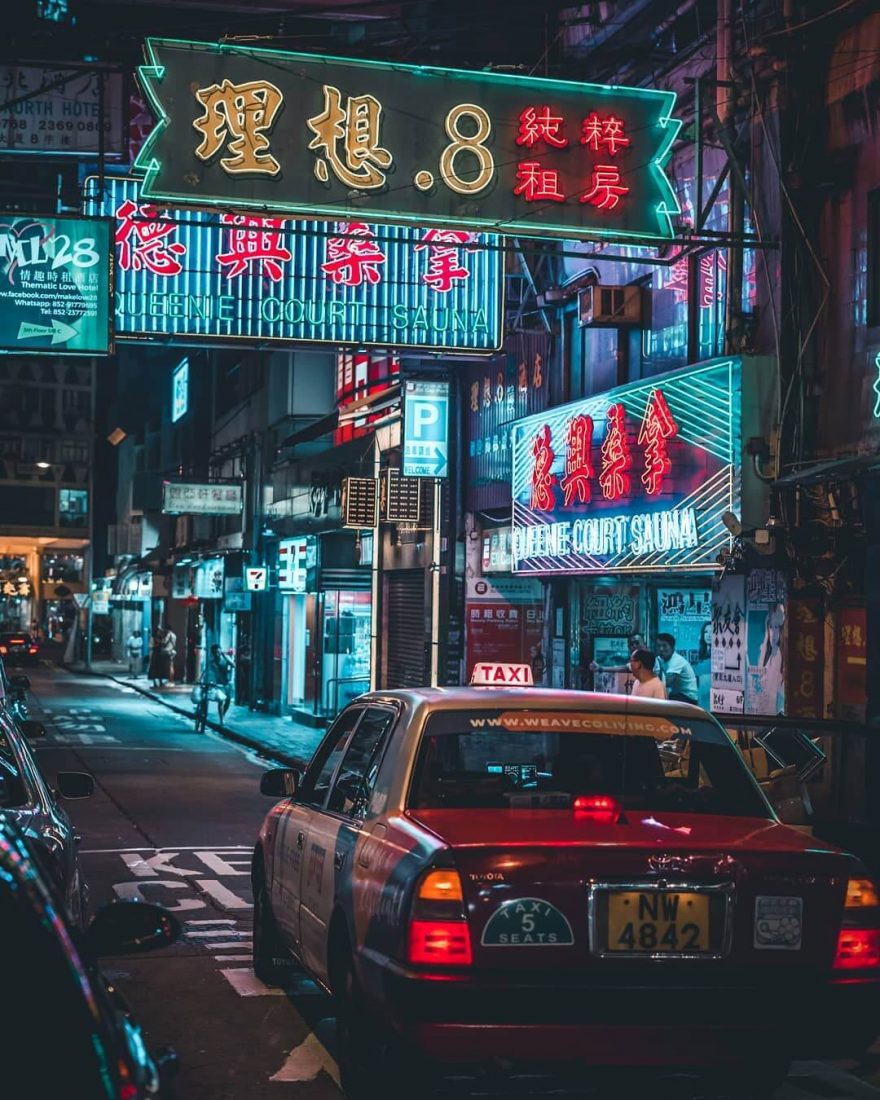
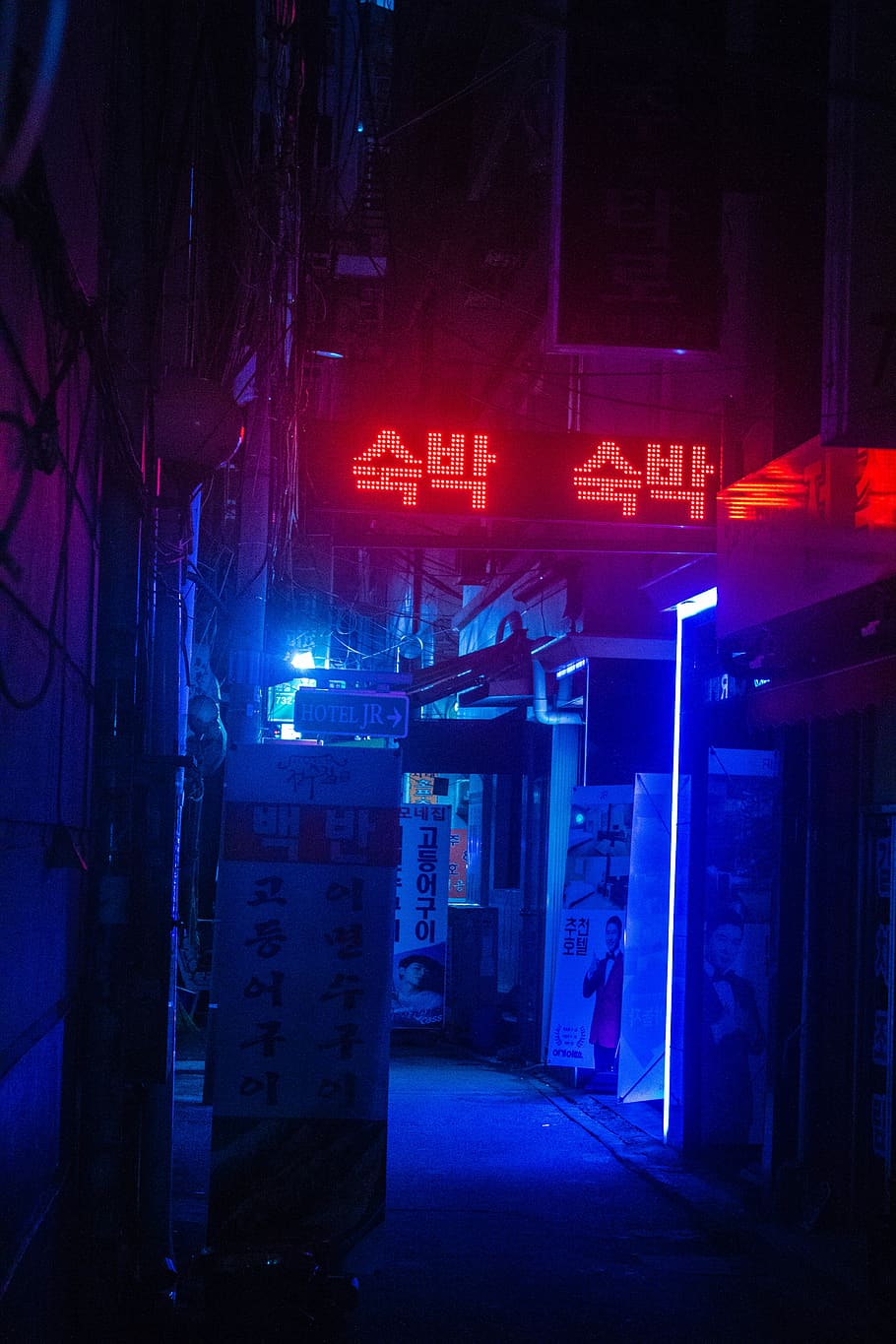
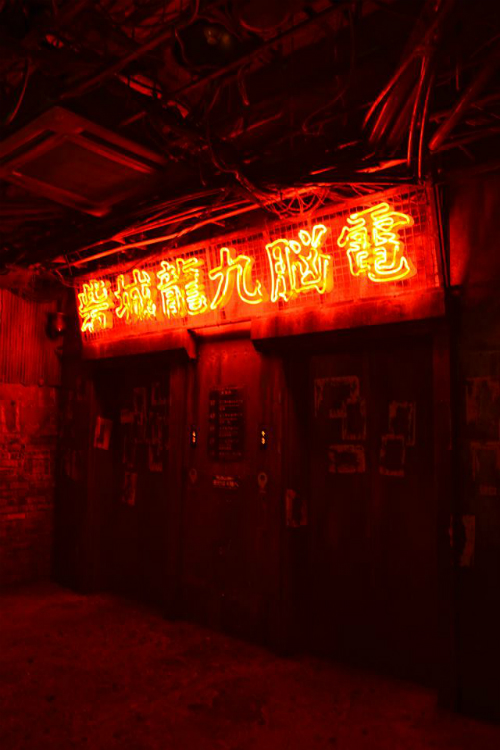
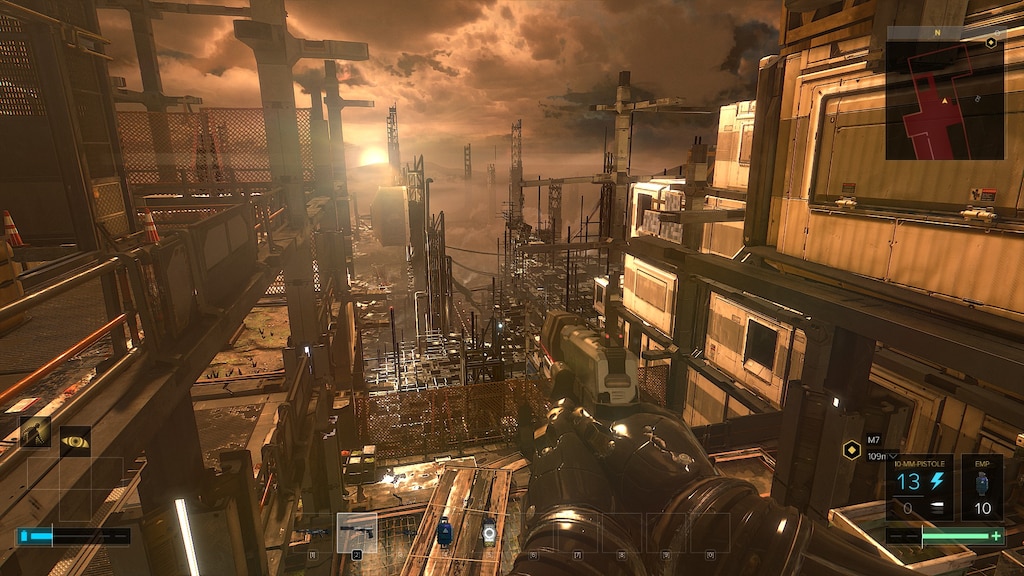
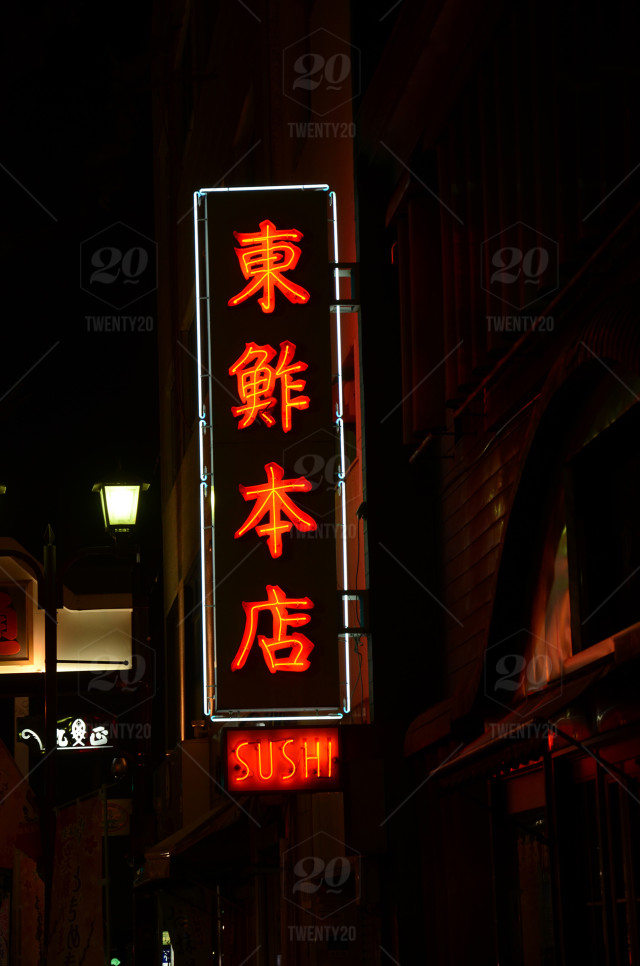
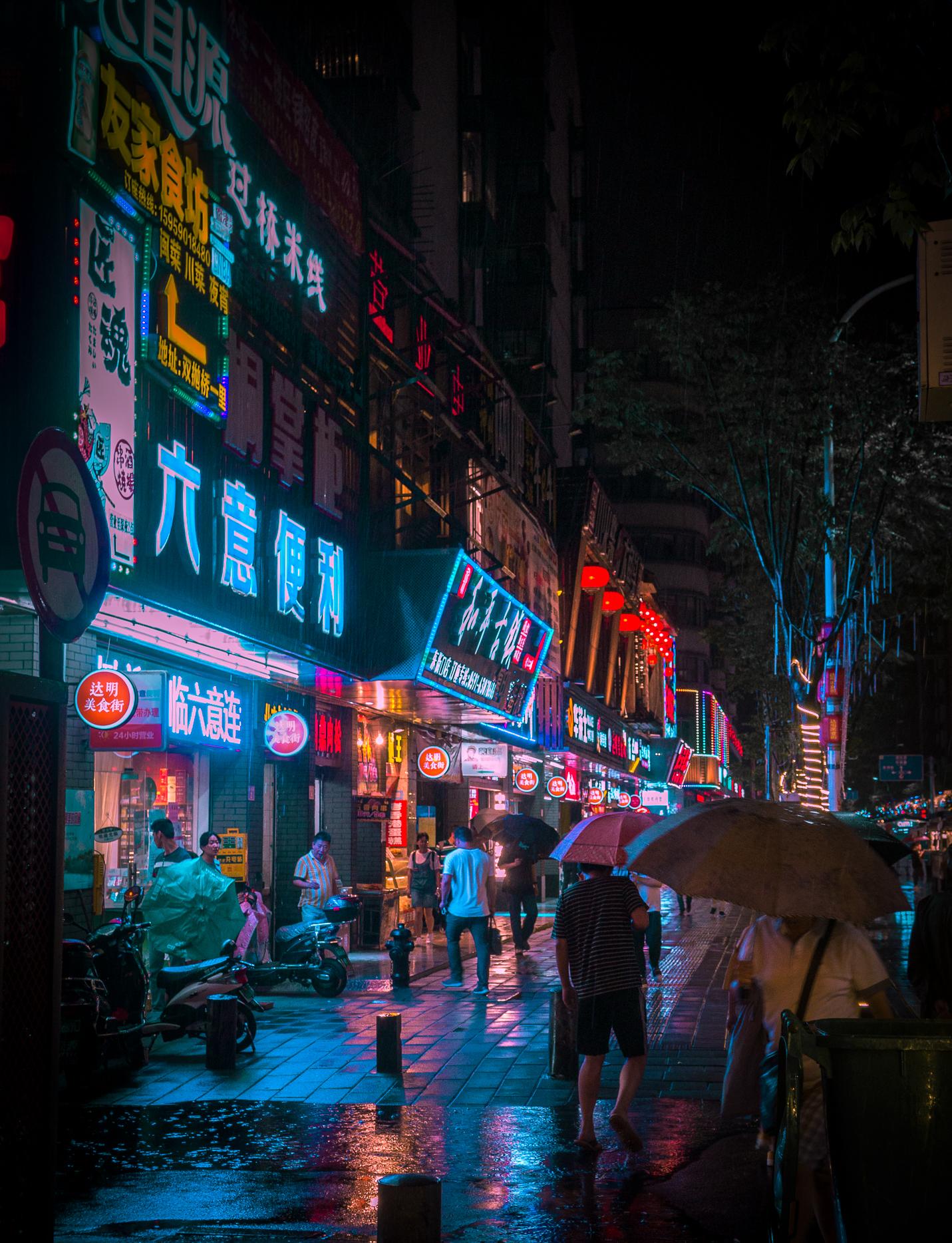
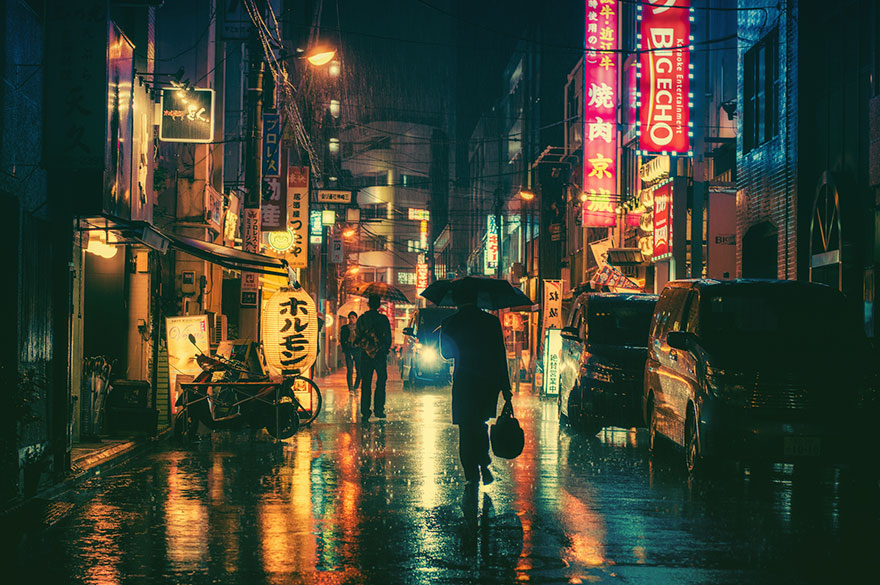
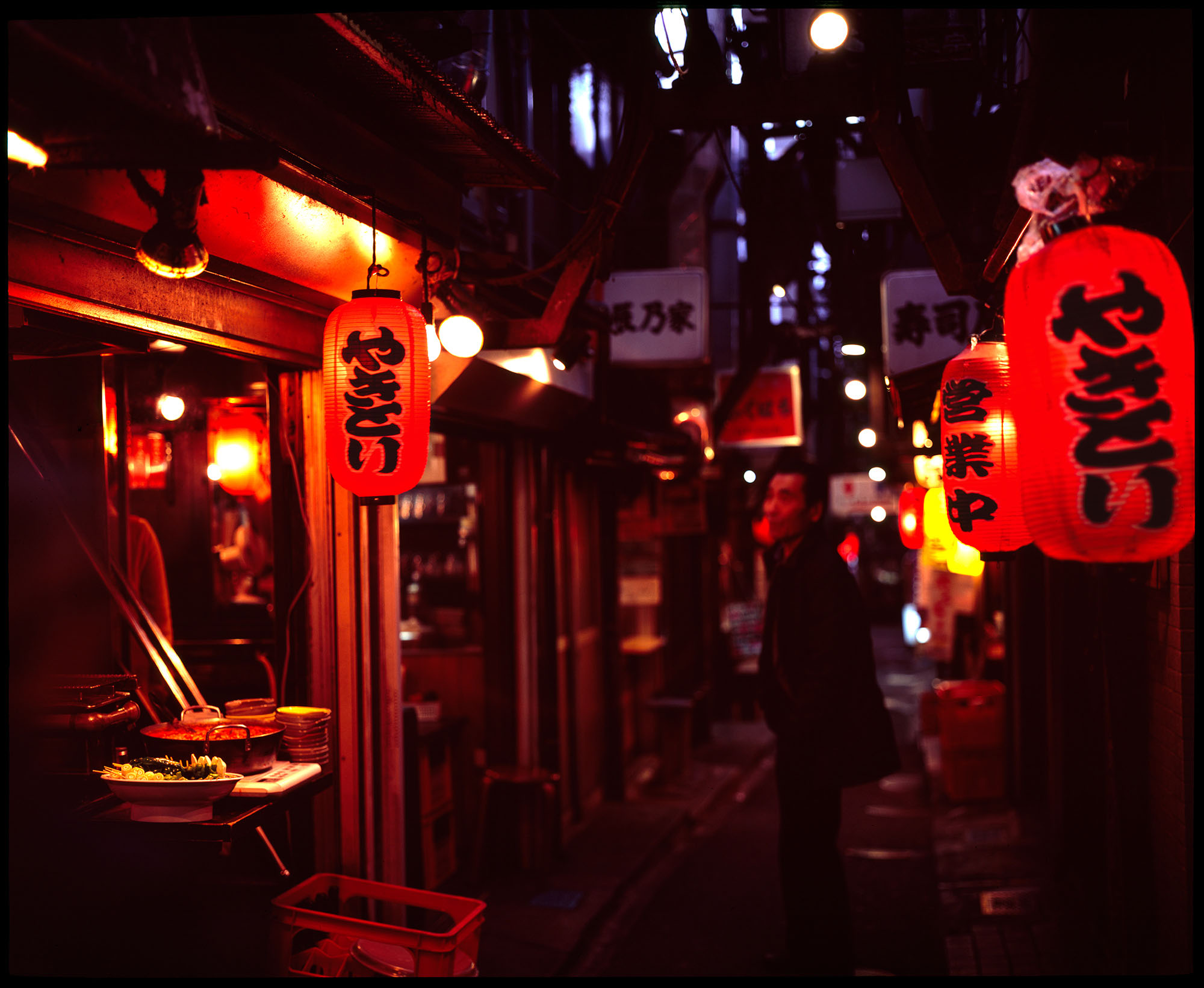
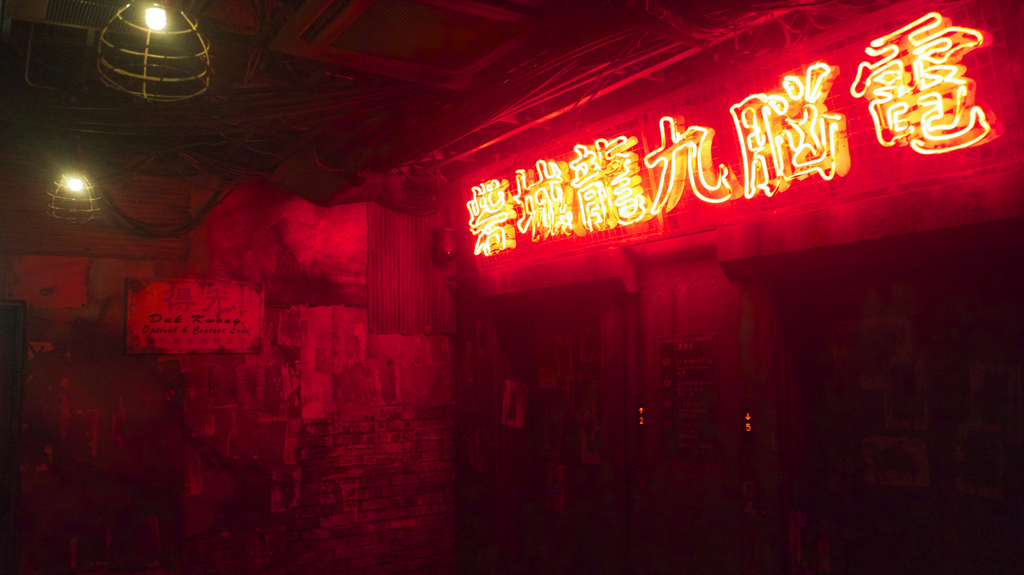
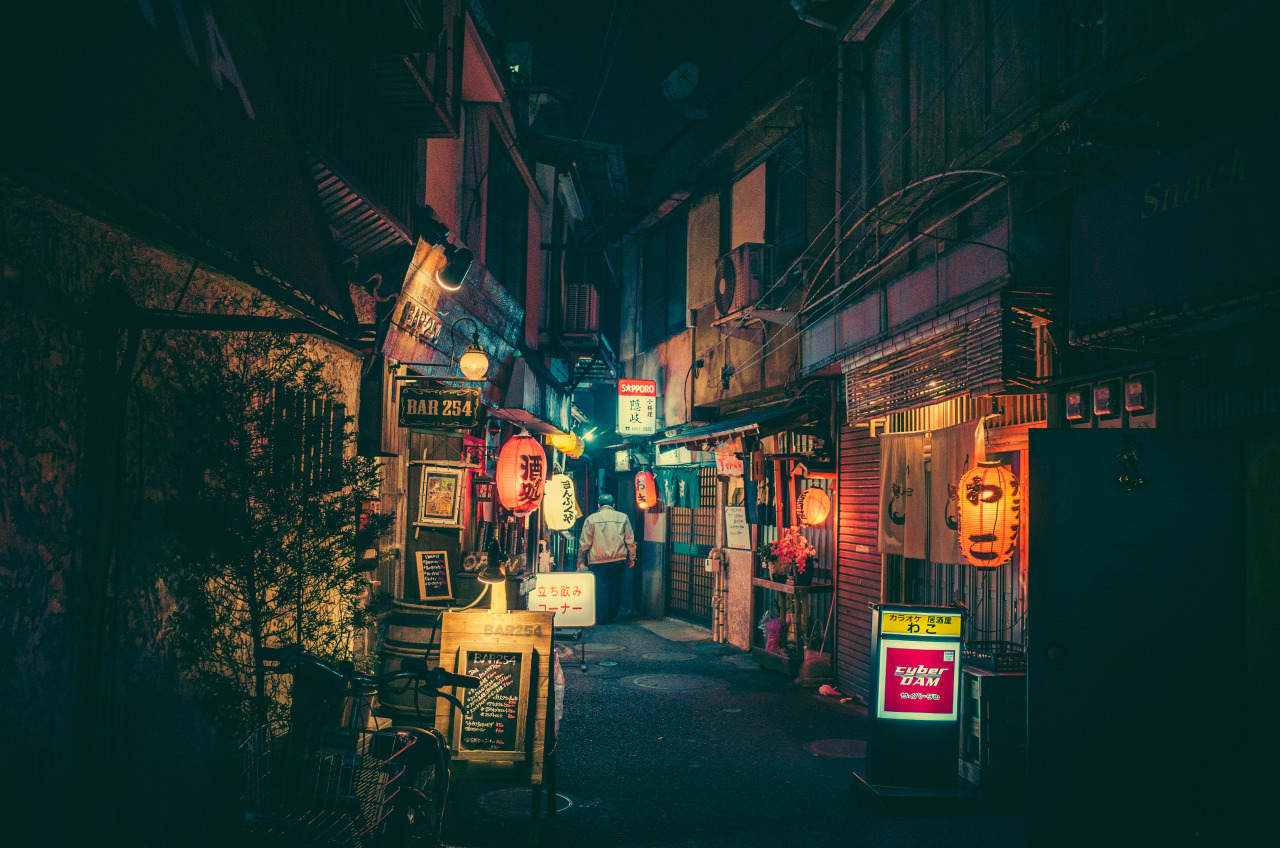
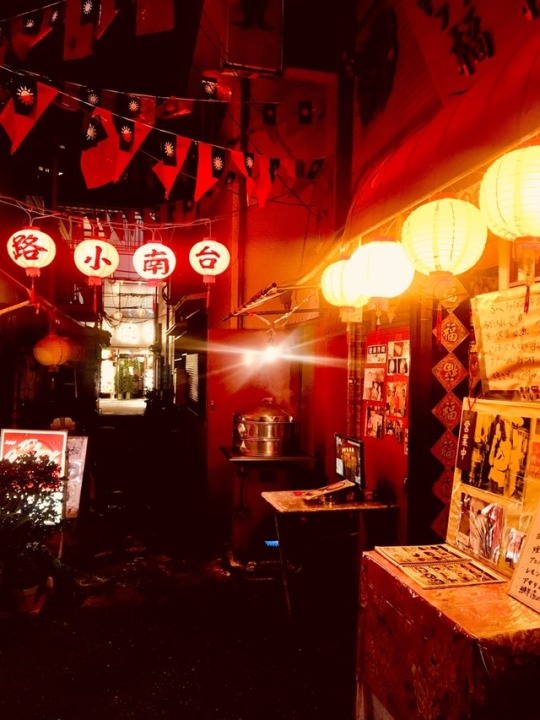
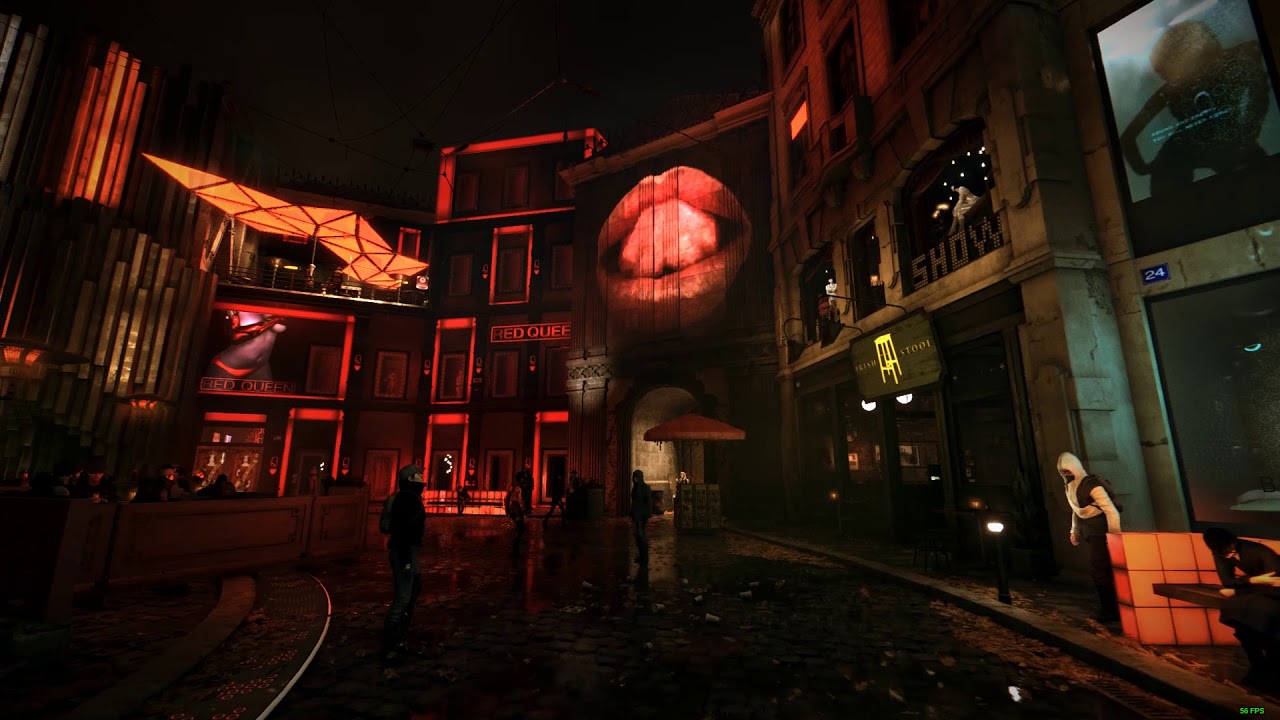
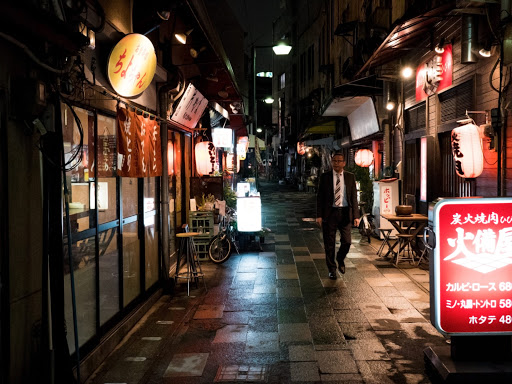
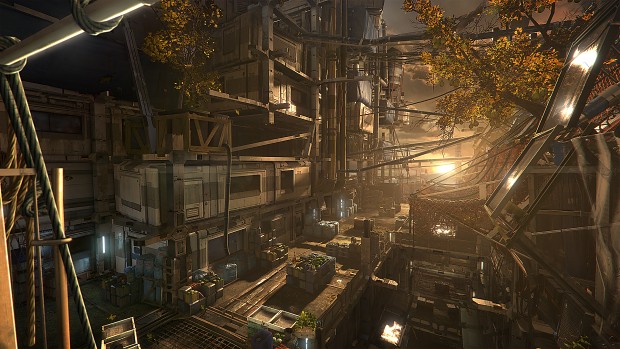
Here’s a bunch of neon night reference images…

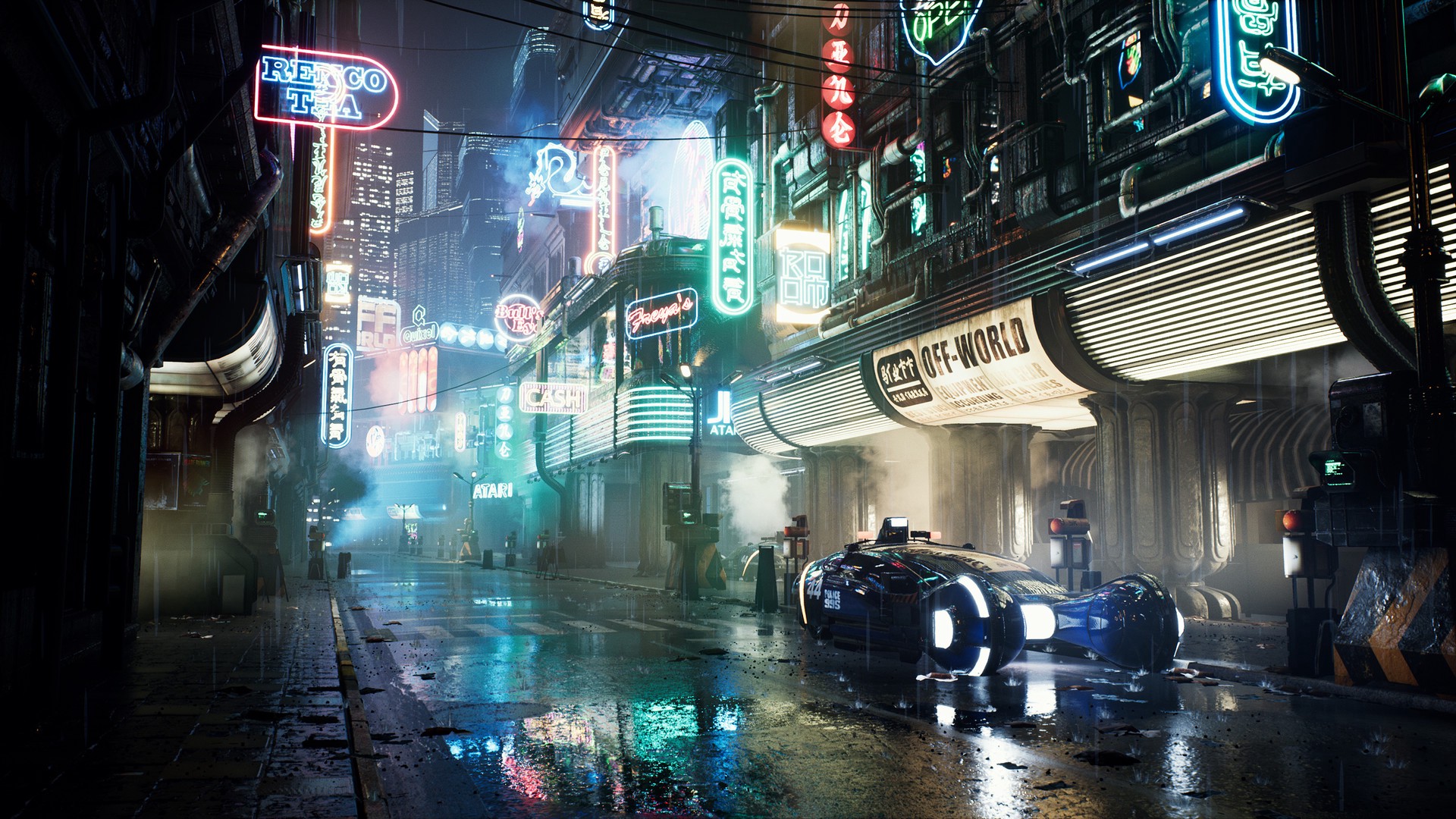
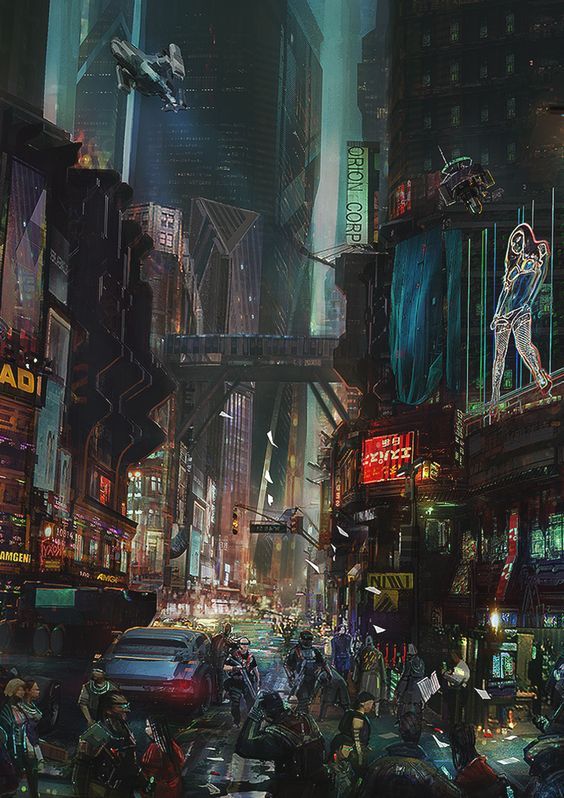



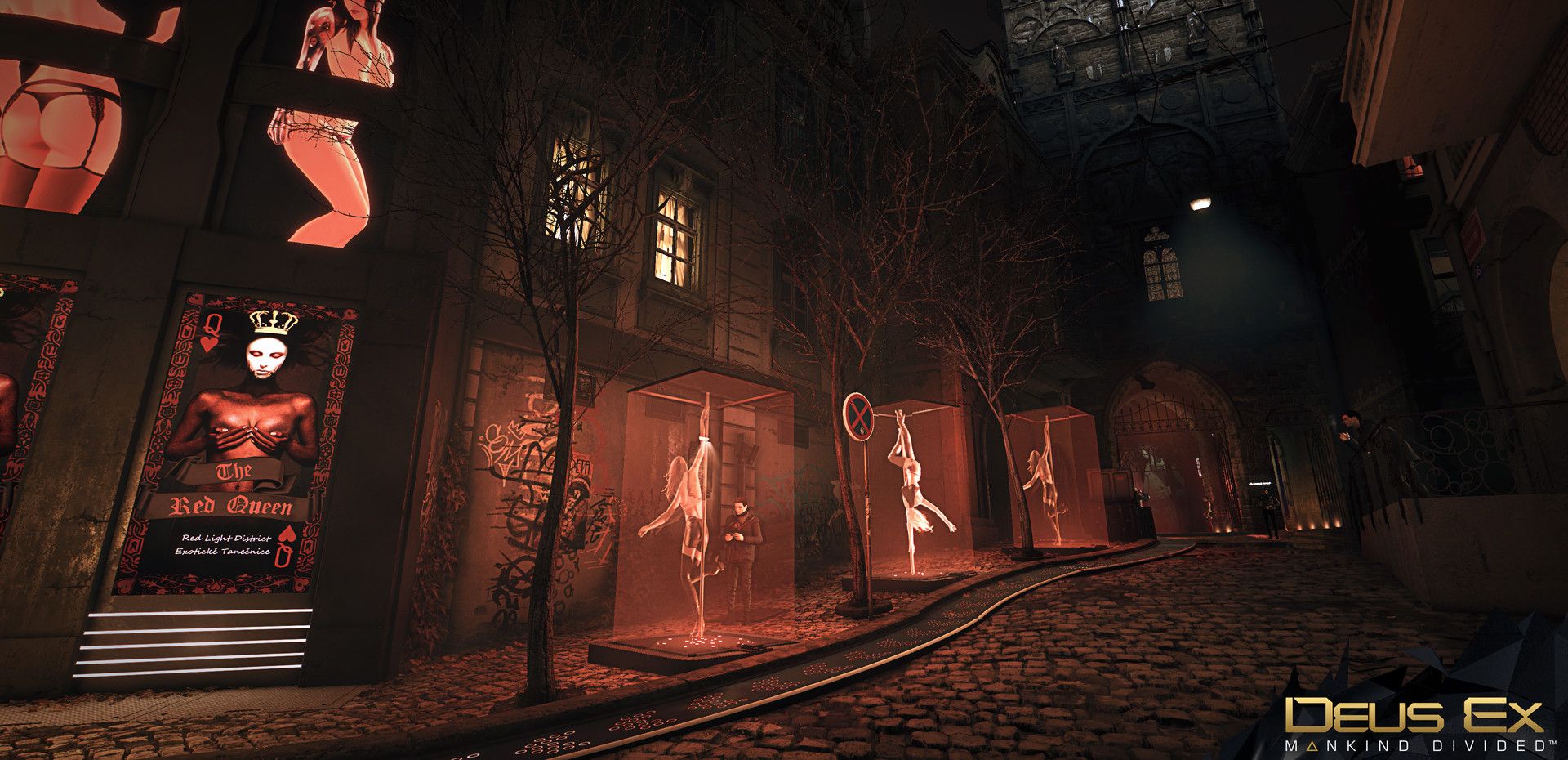
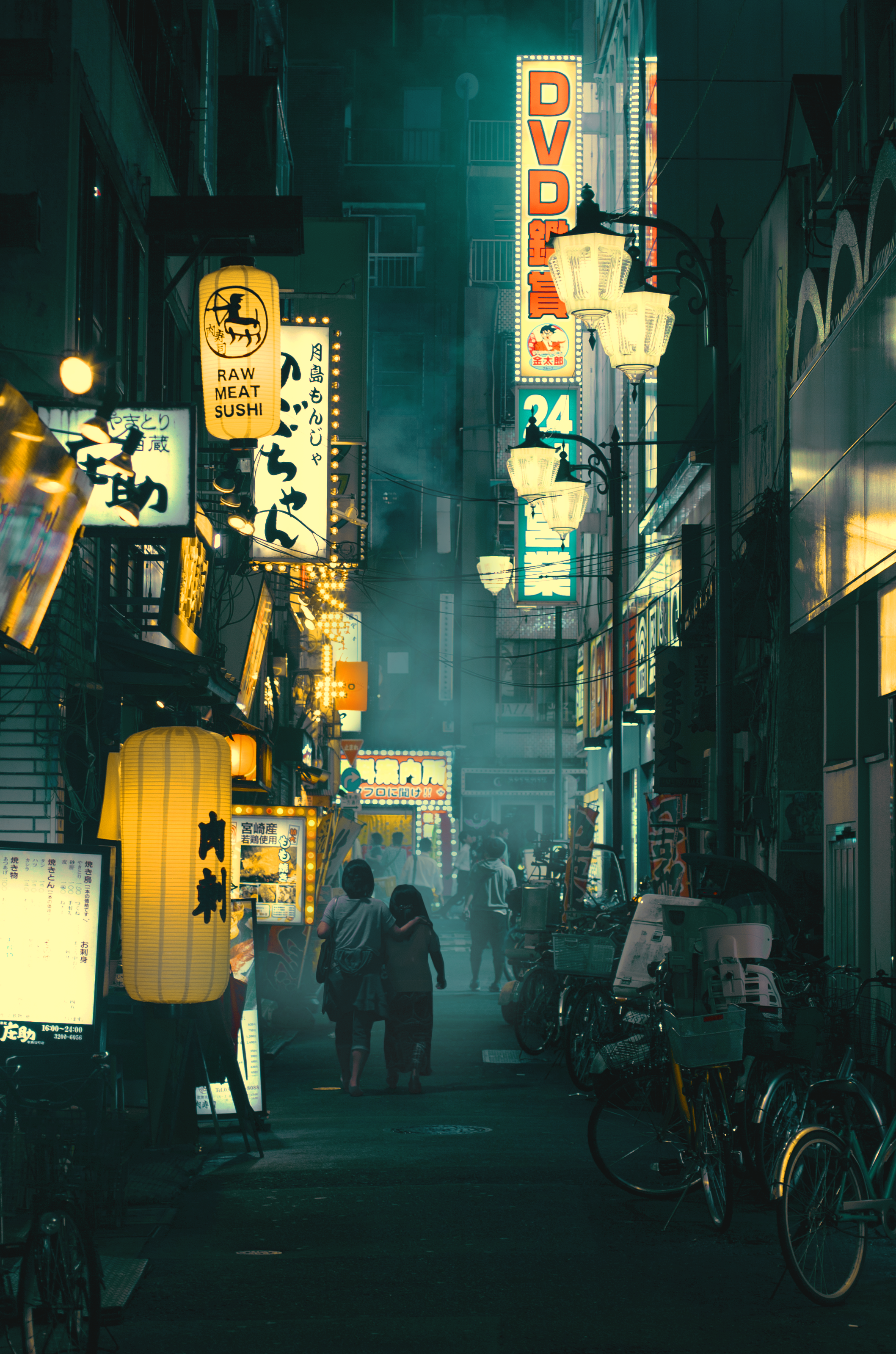

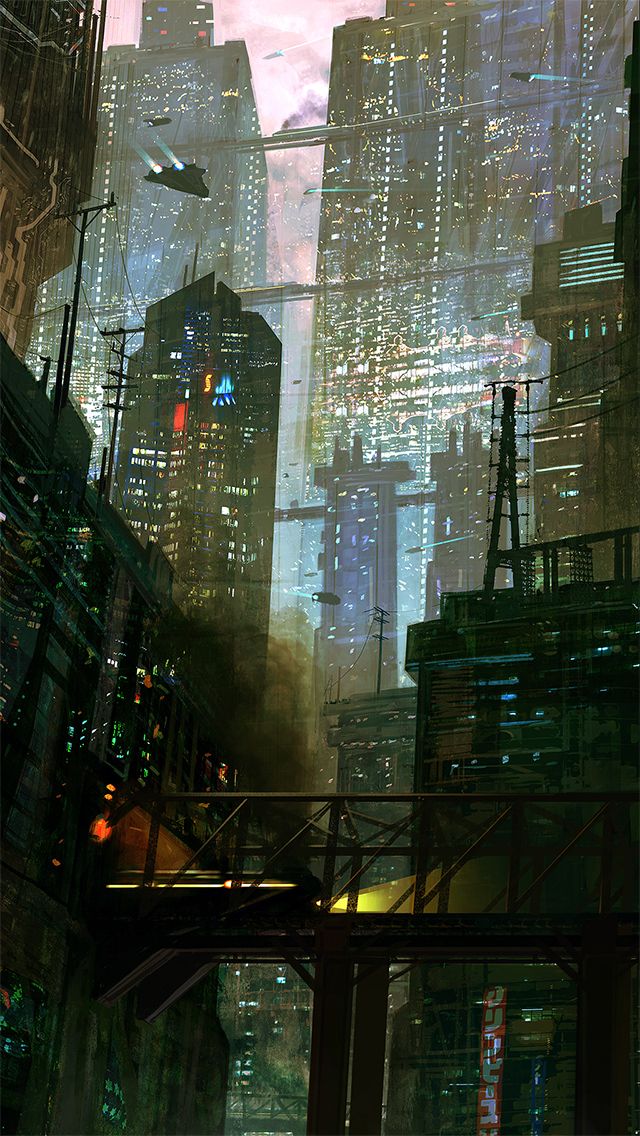
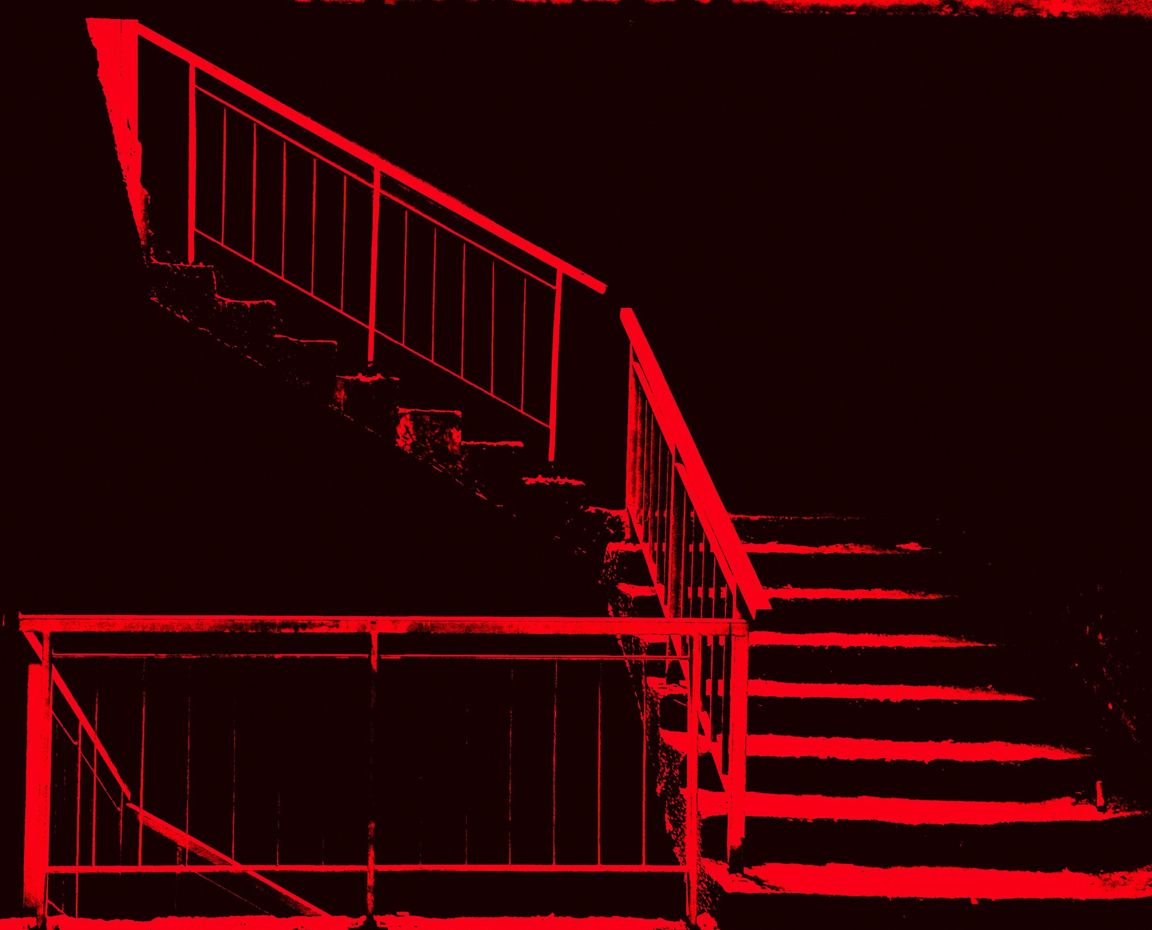

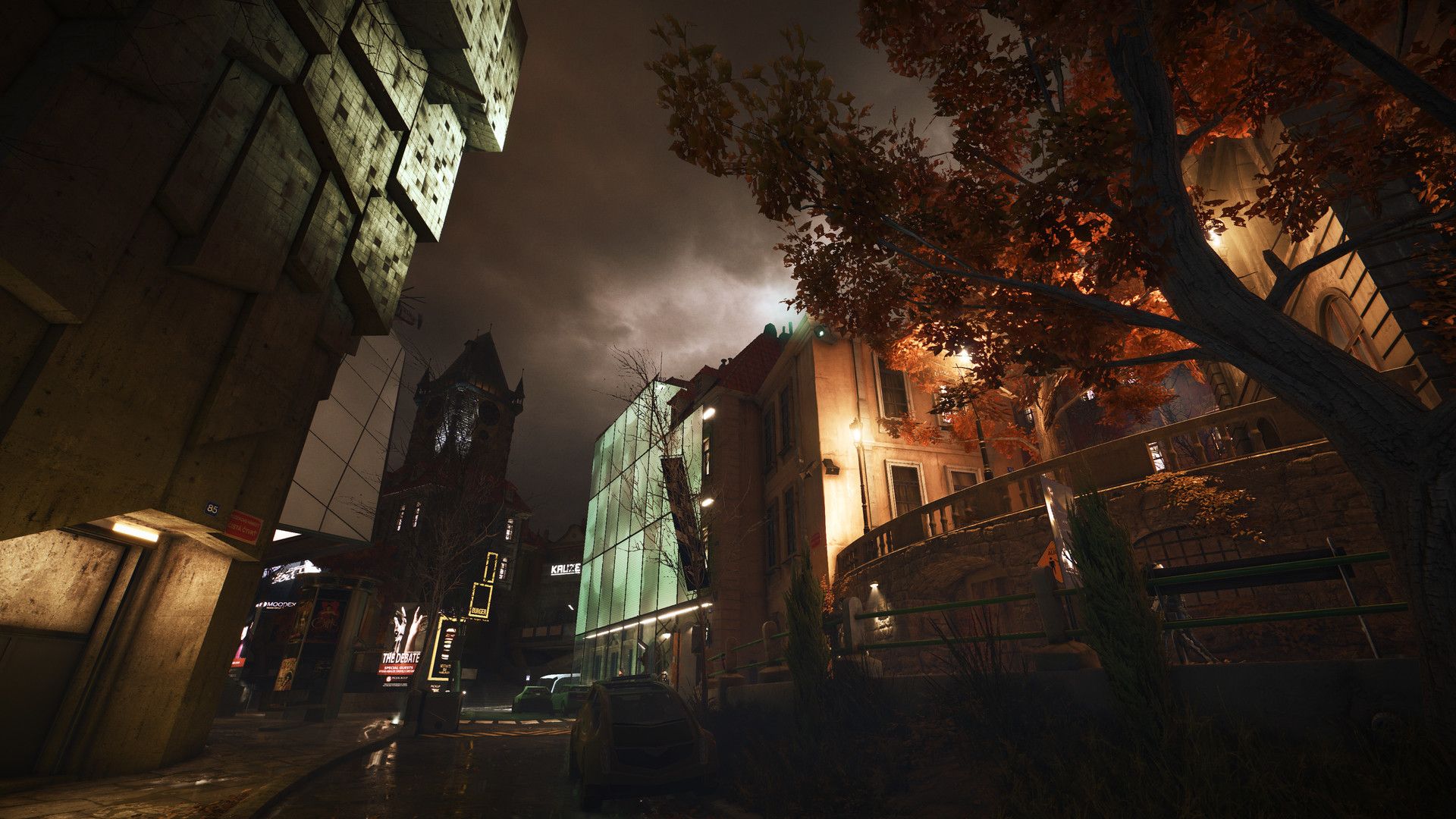

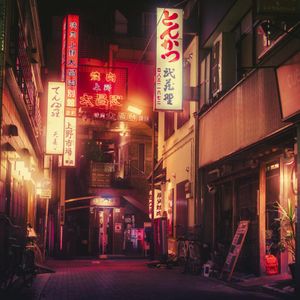
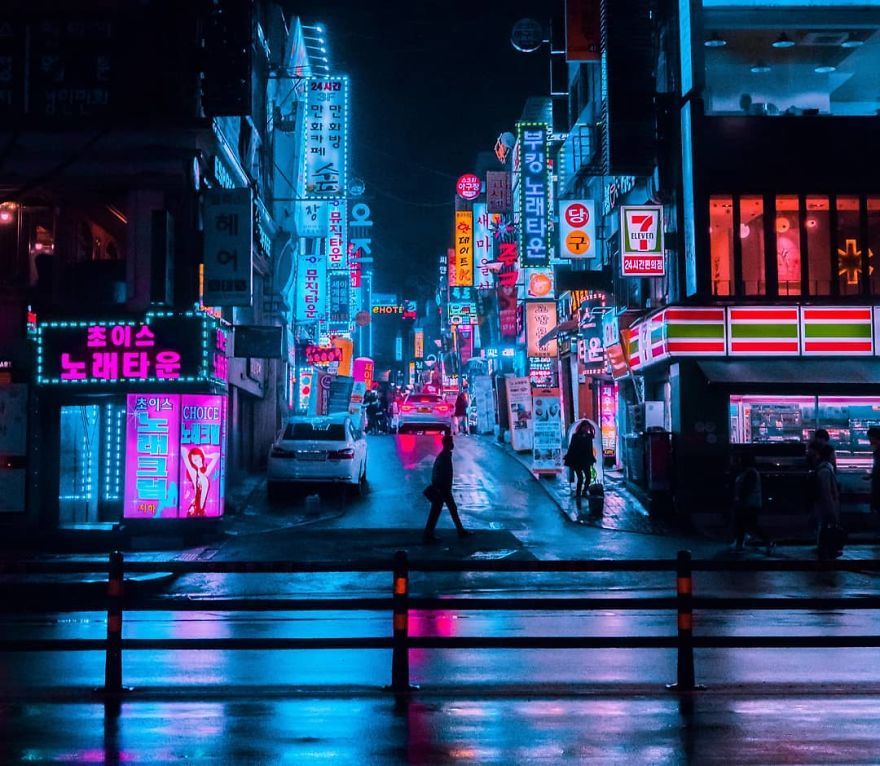
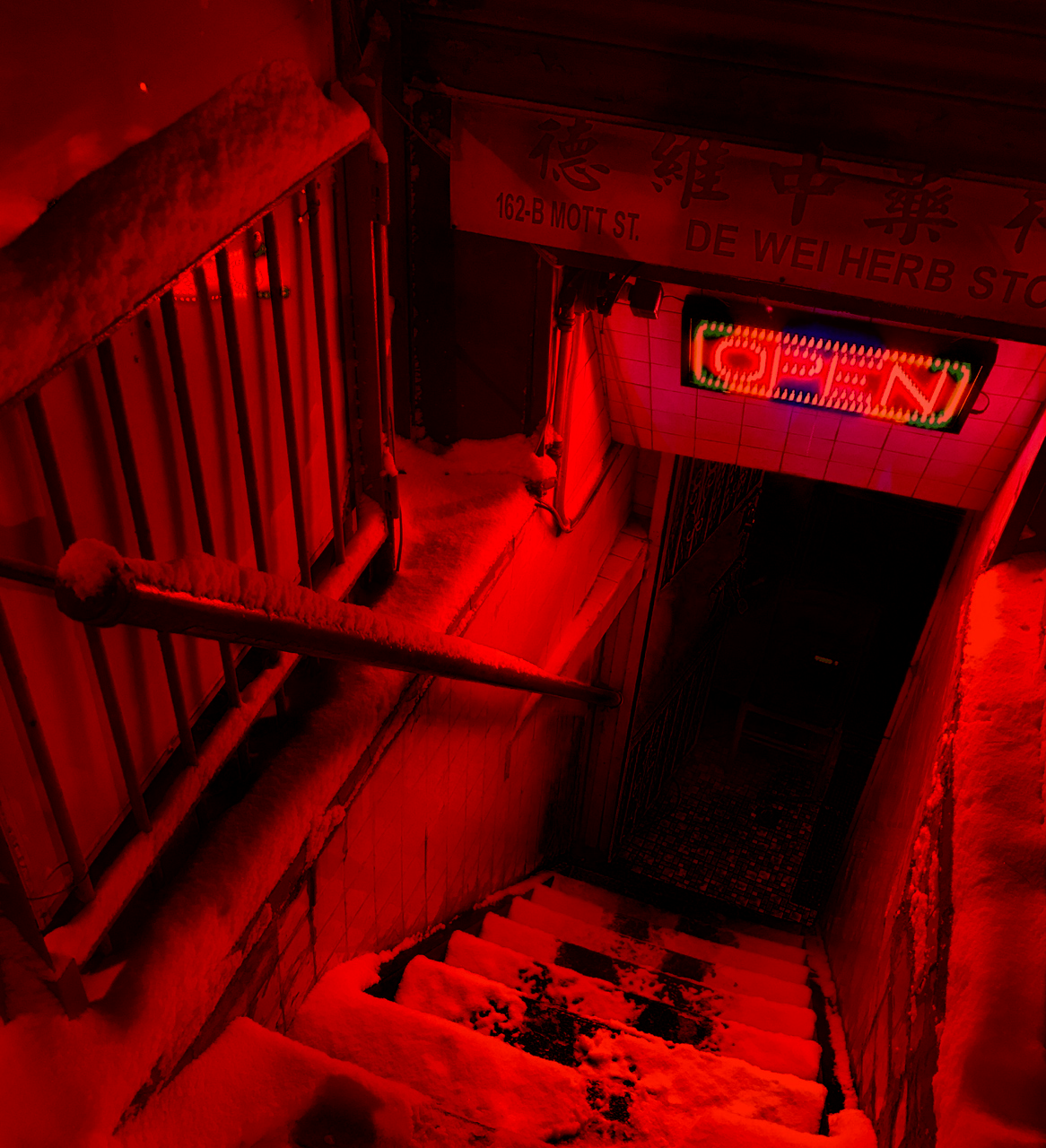
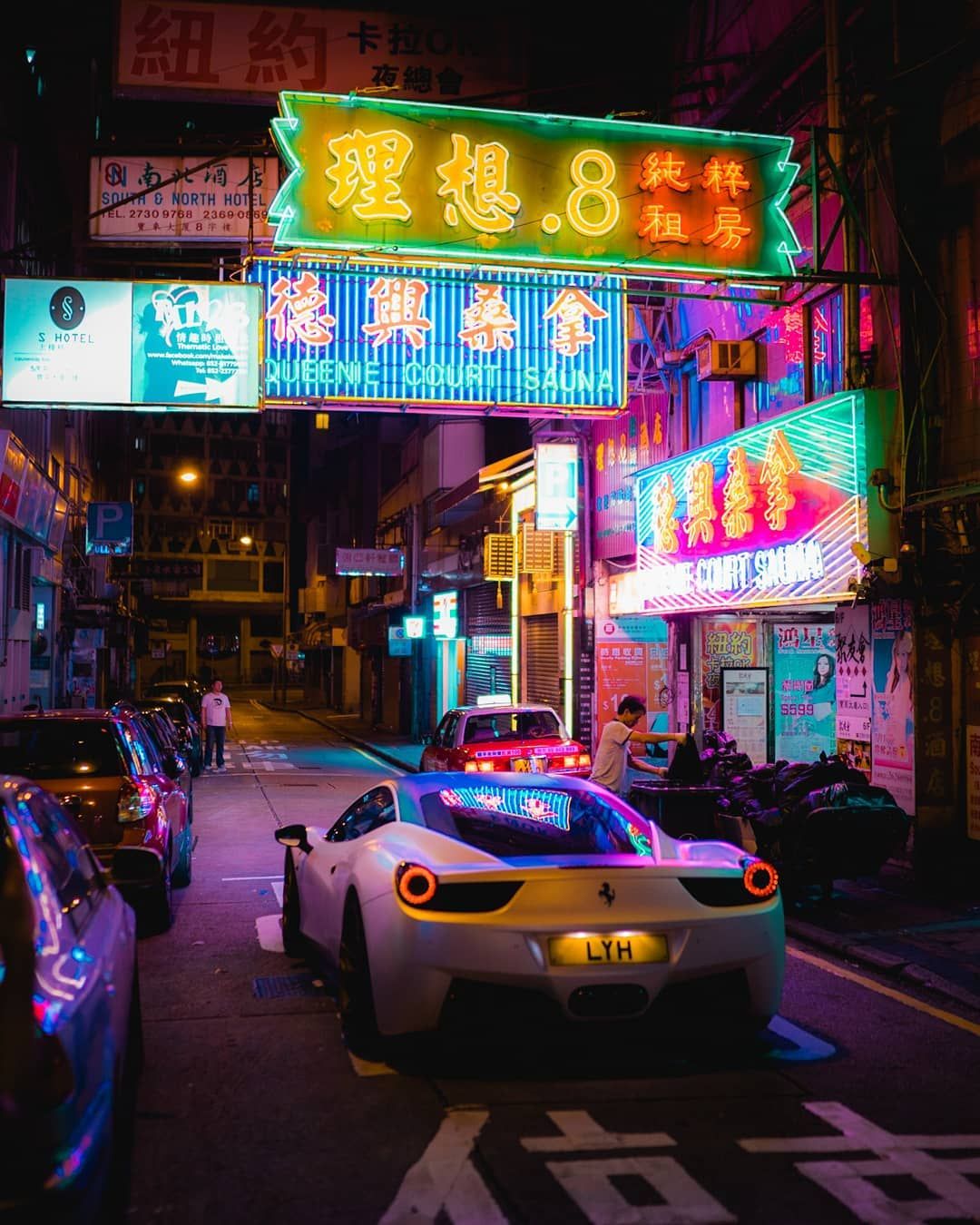
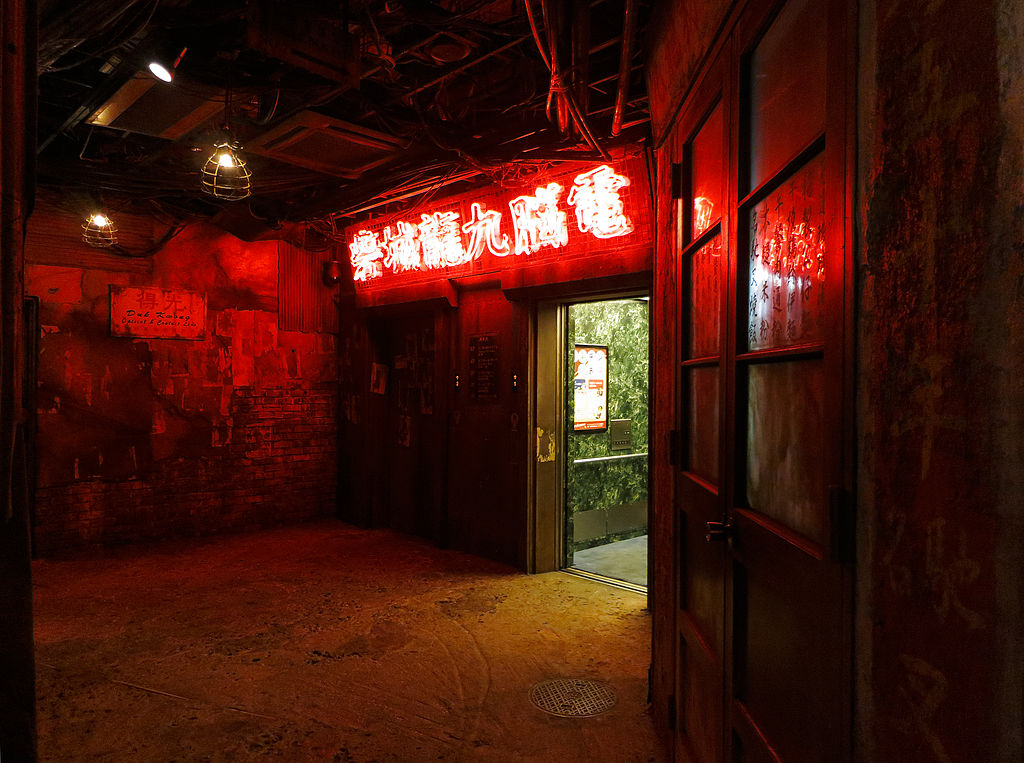

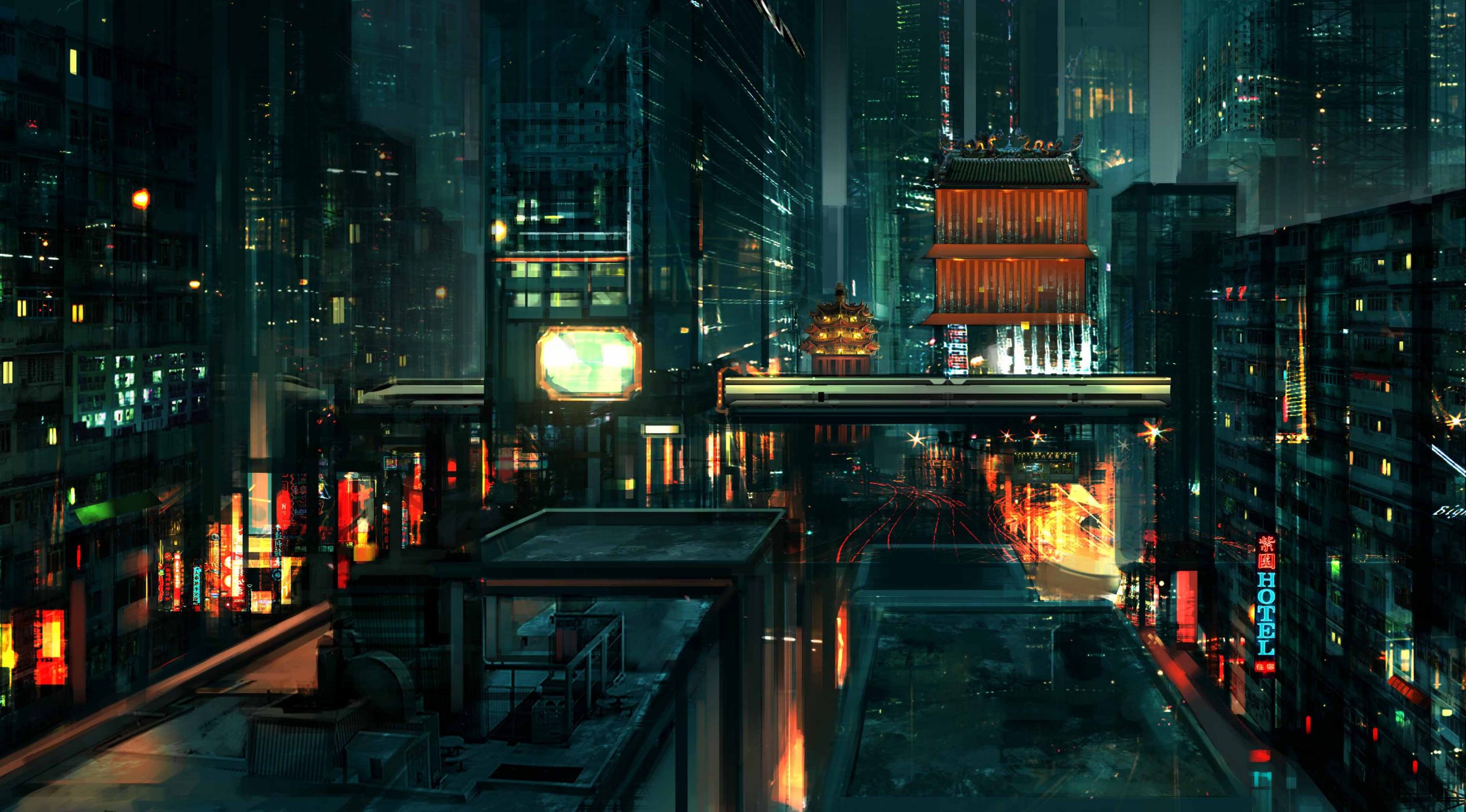
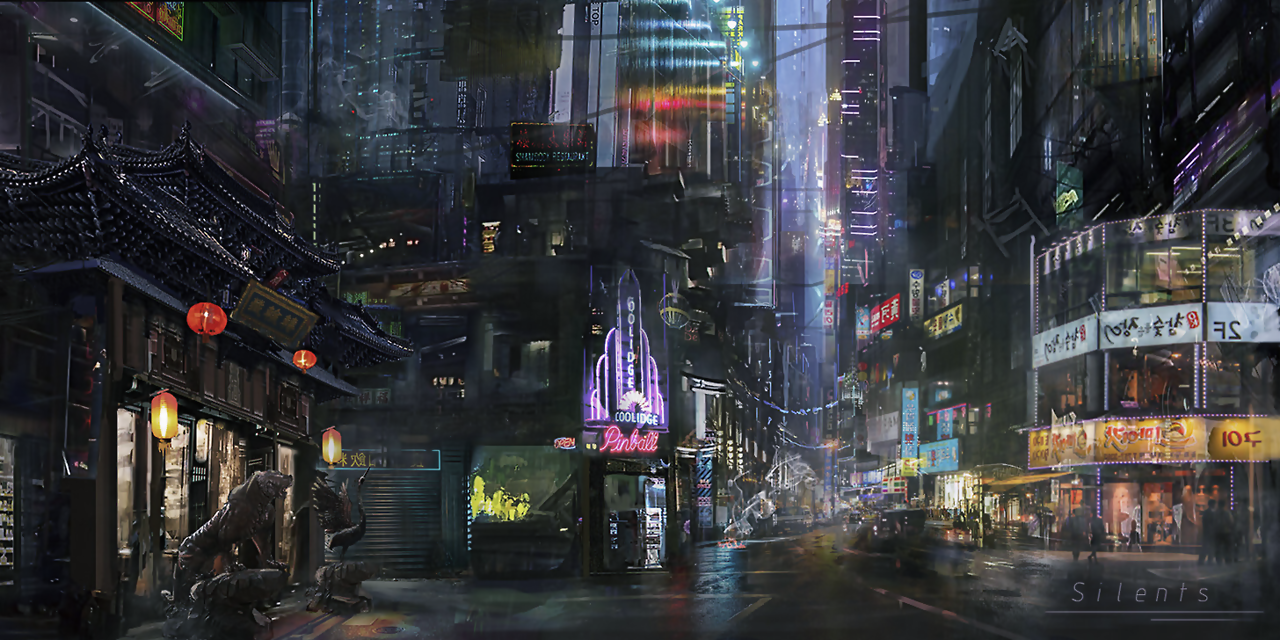
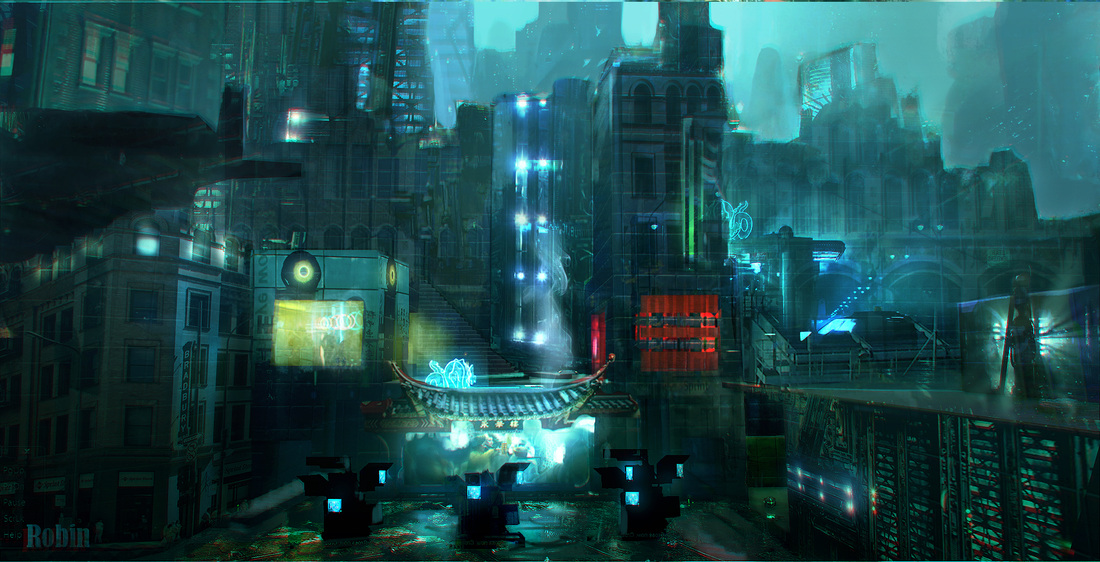
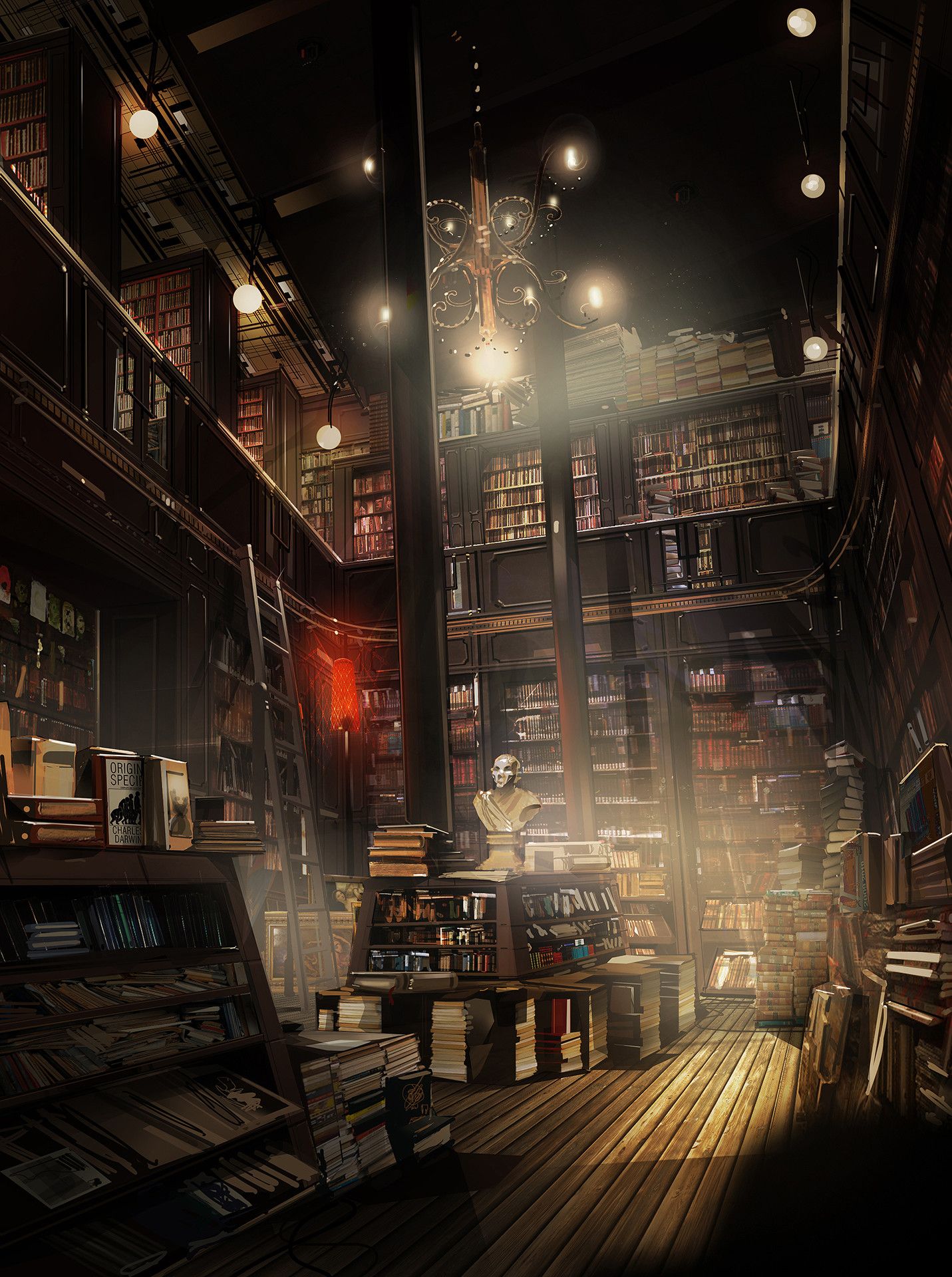
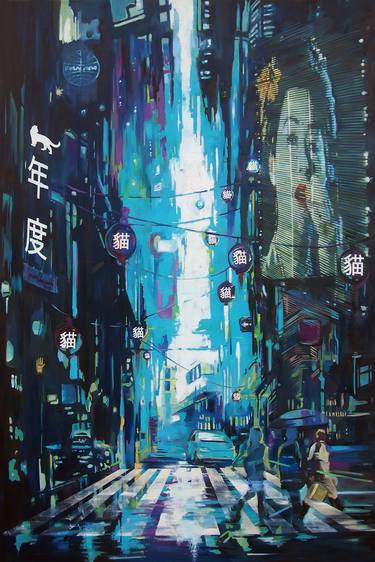

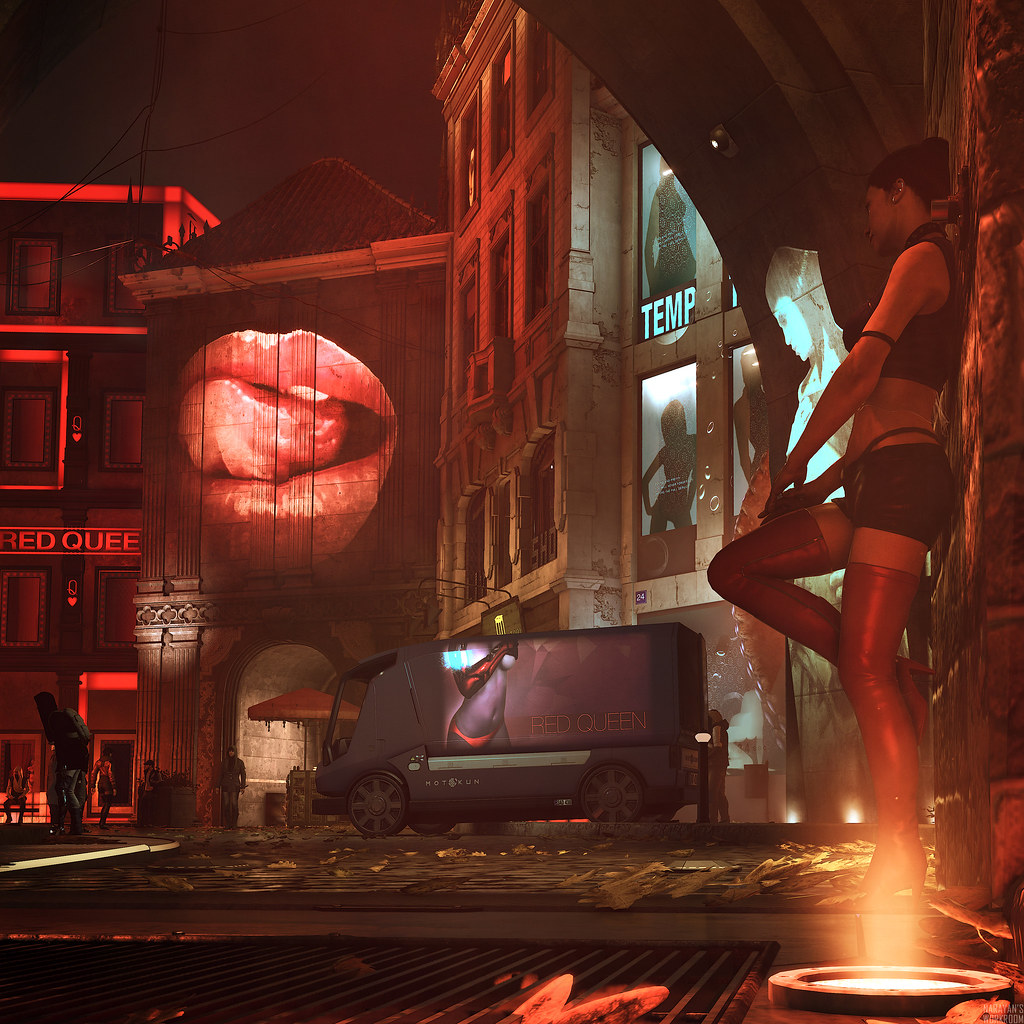
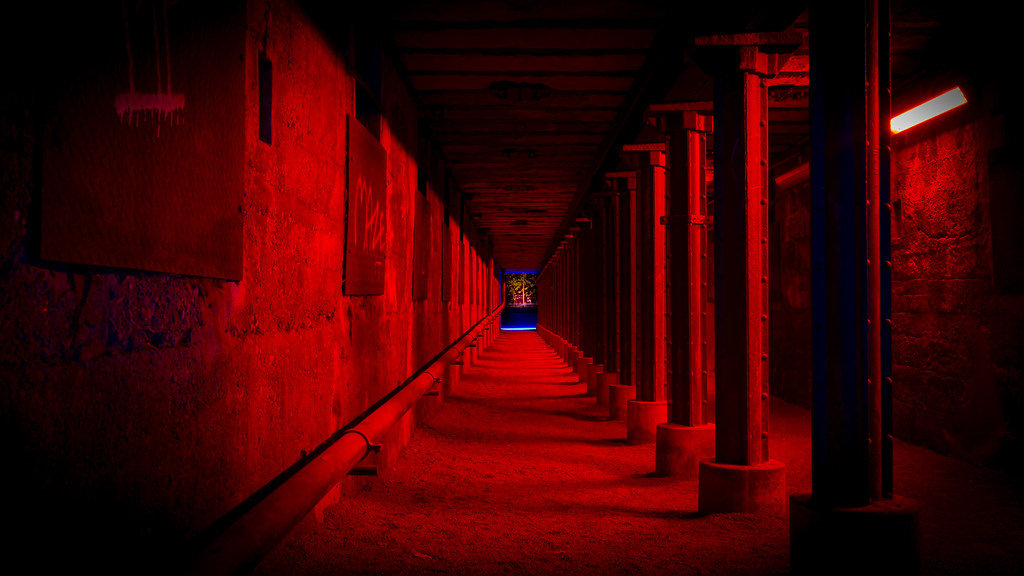
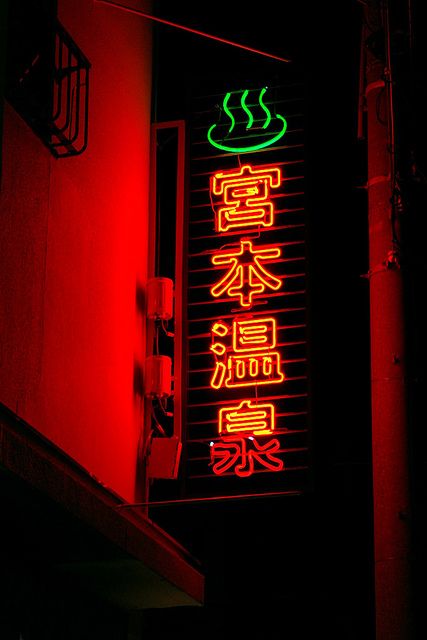
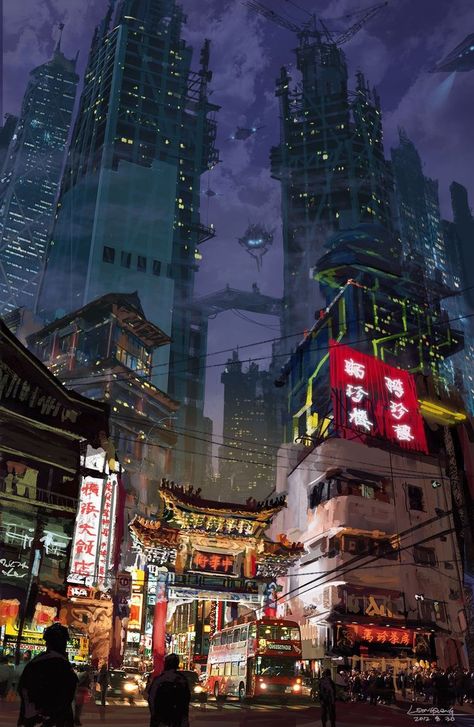
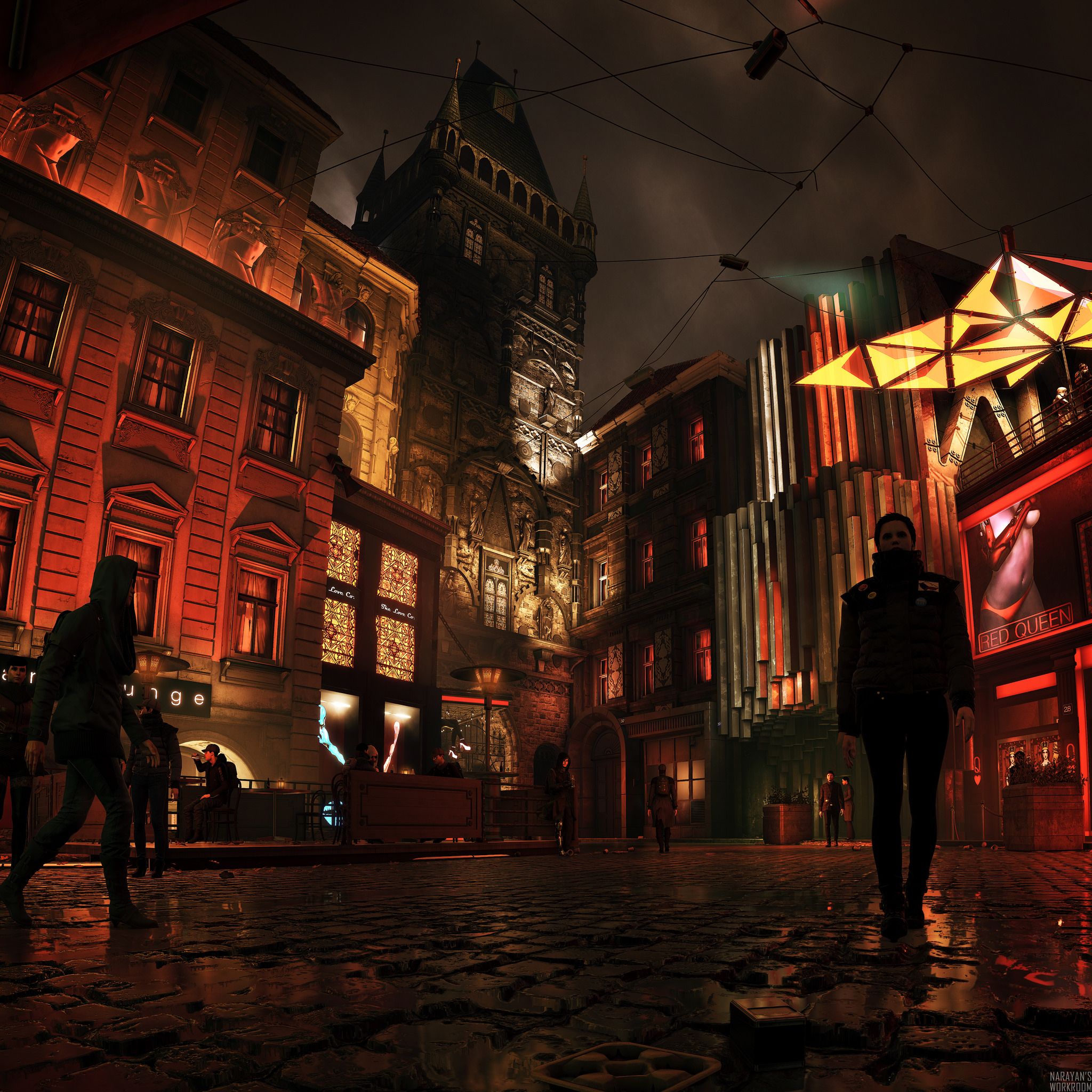
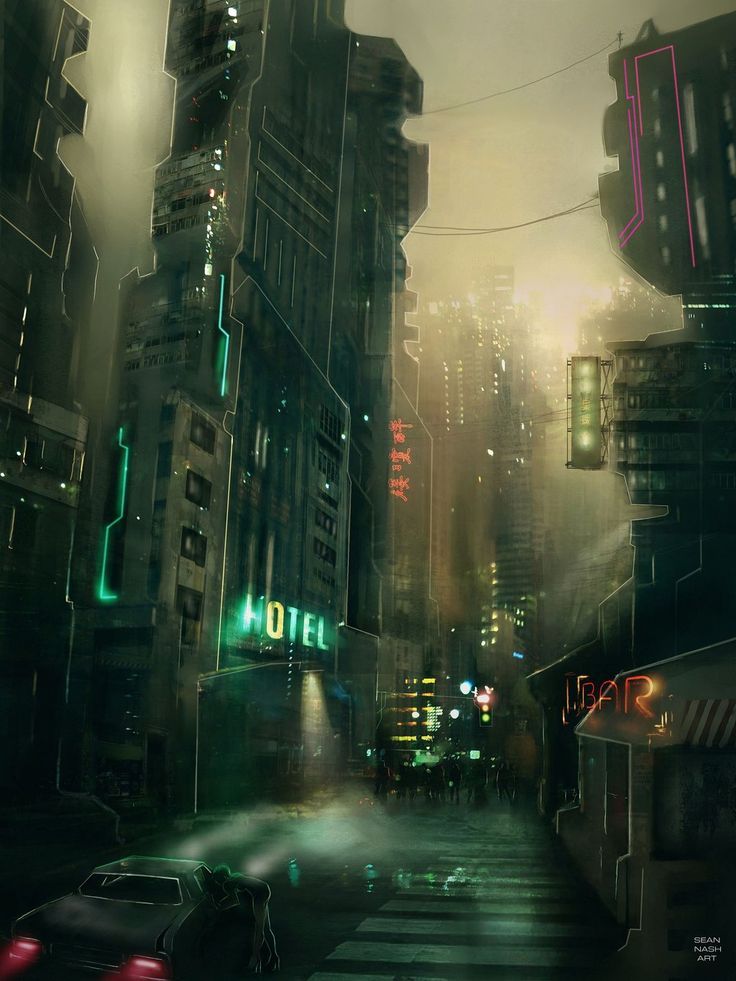


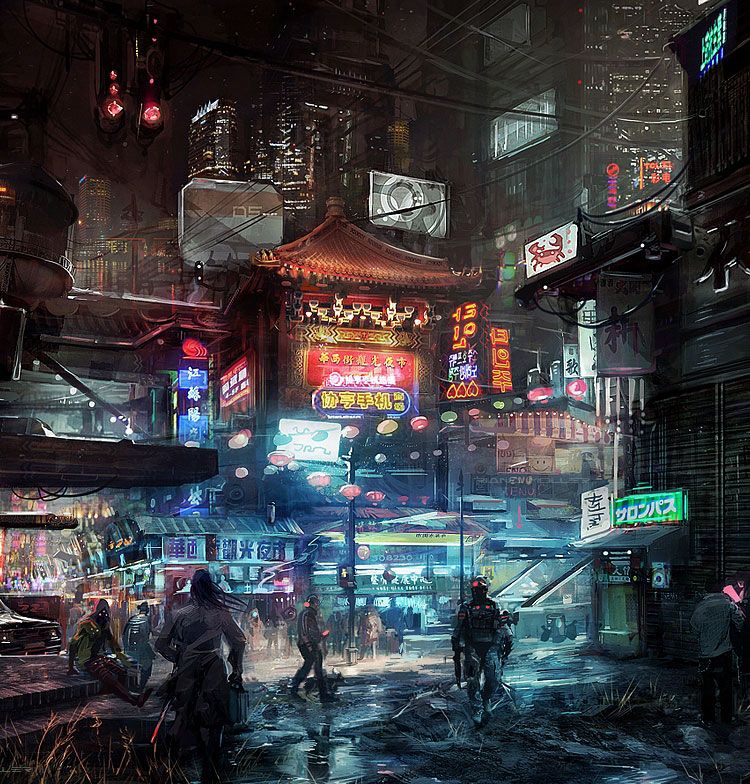
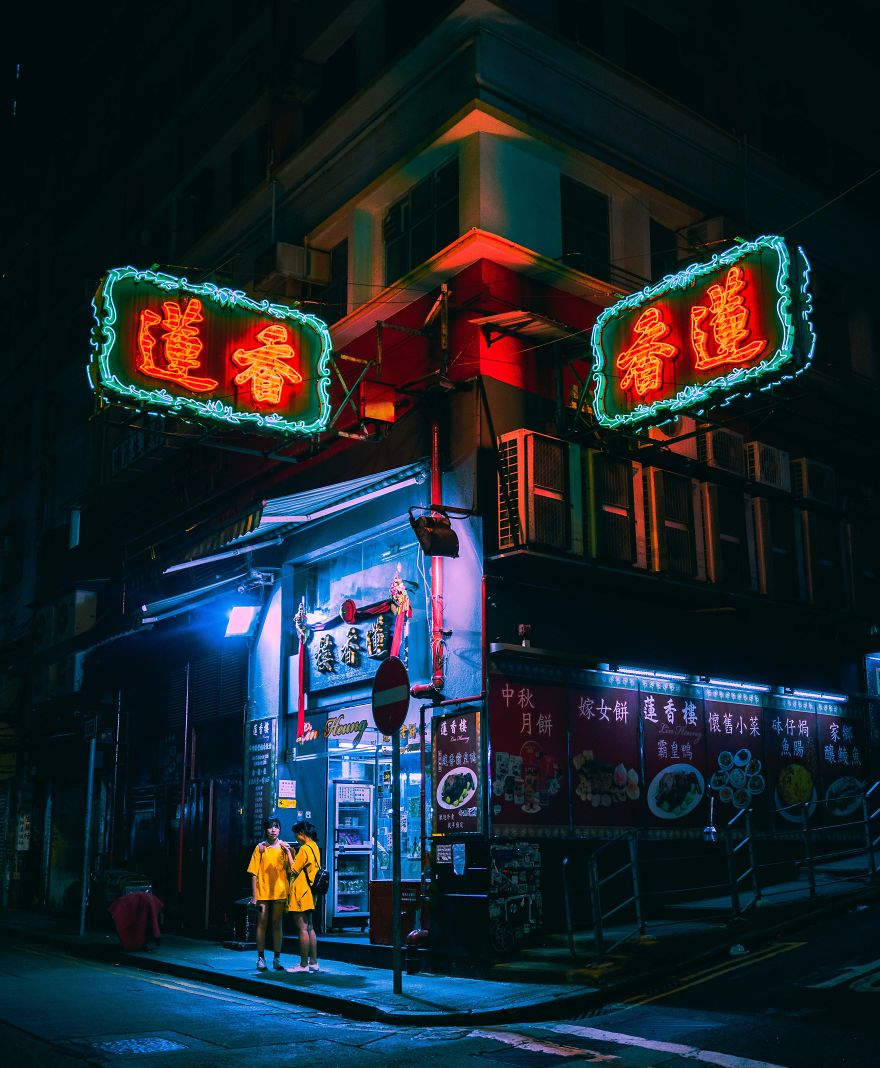
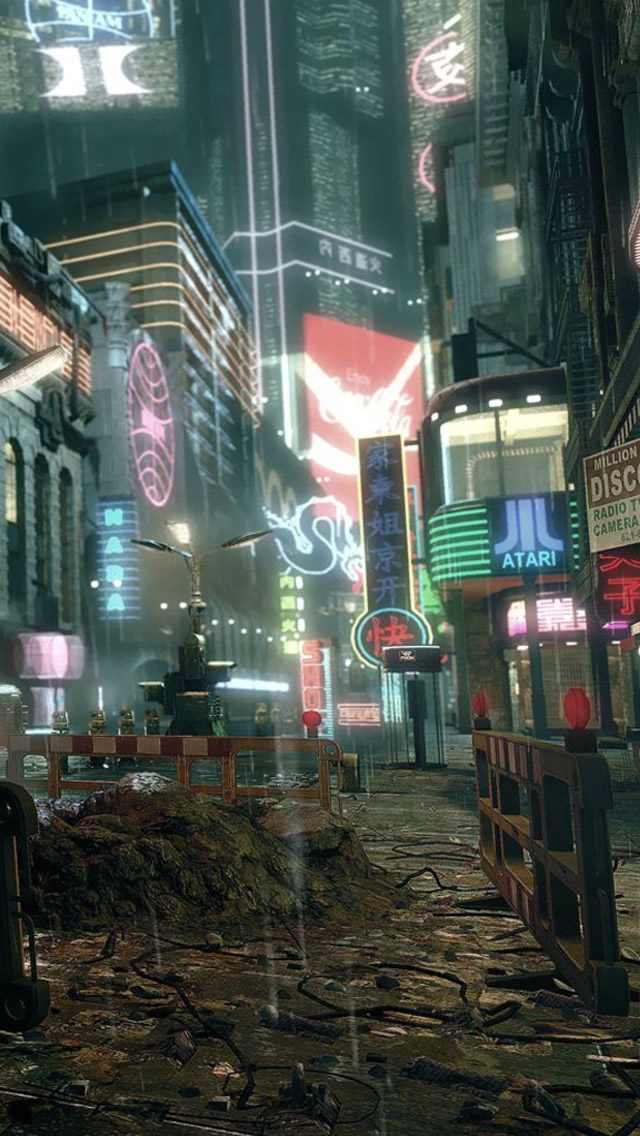
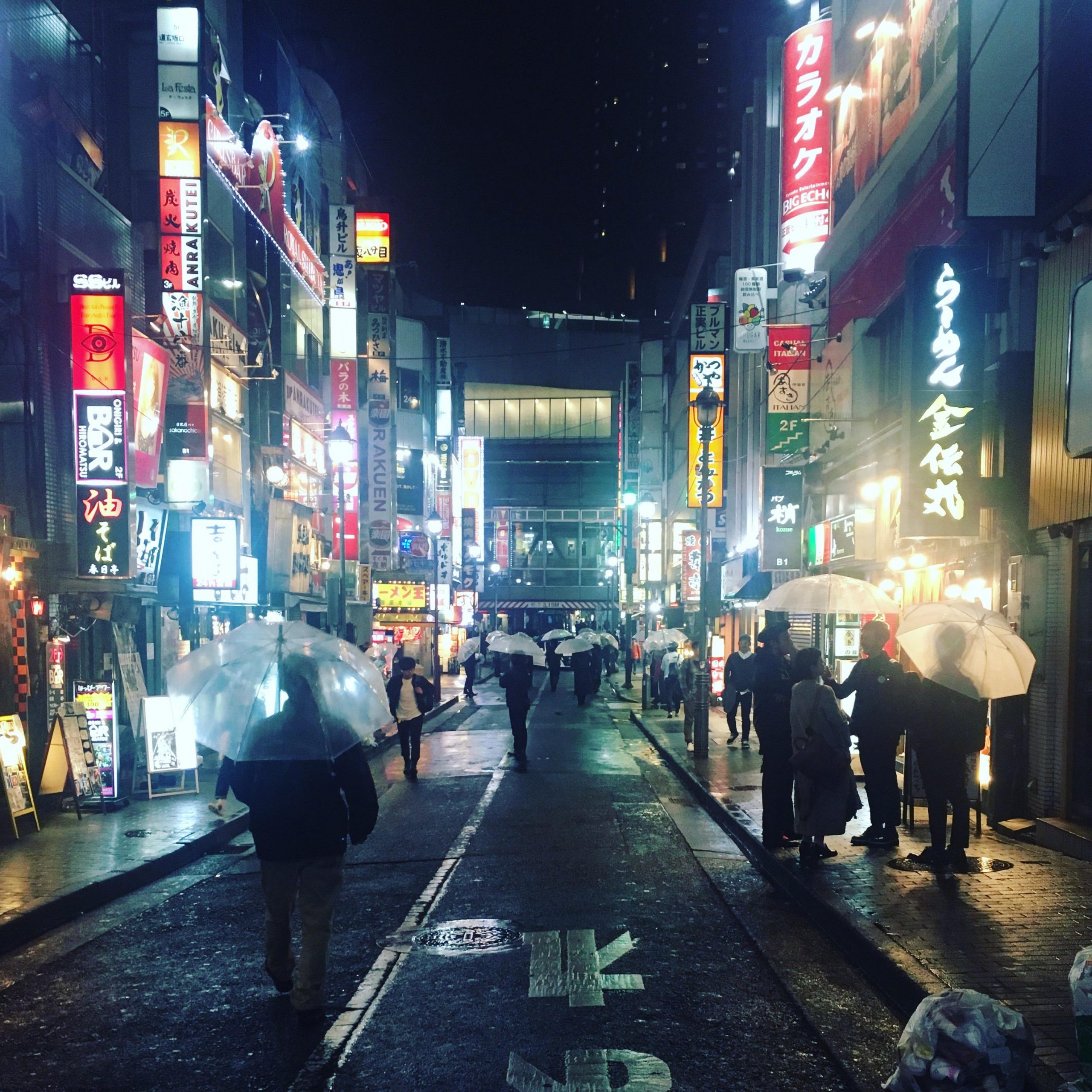
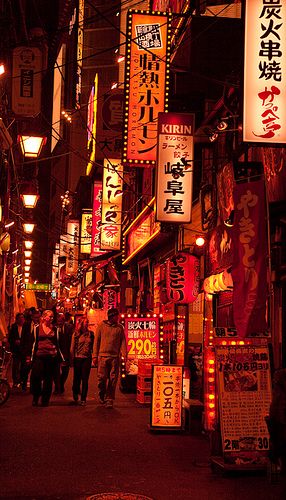
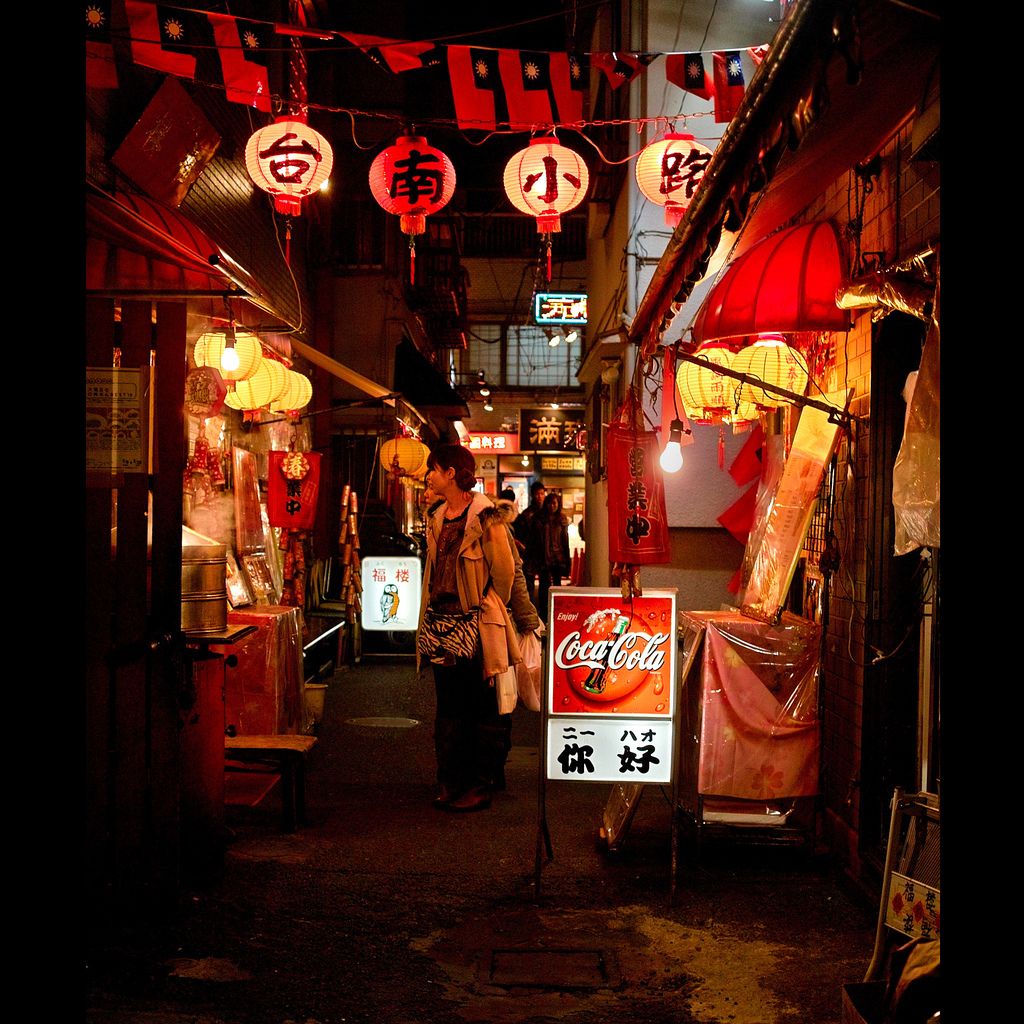
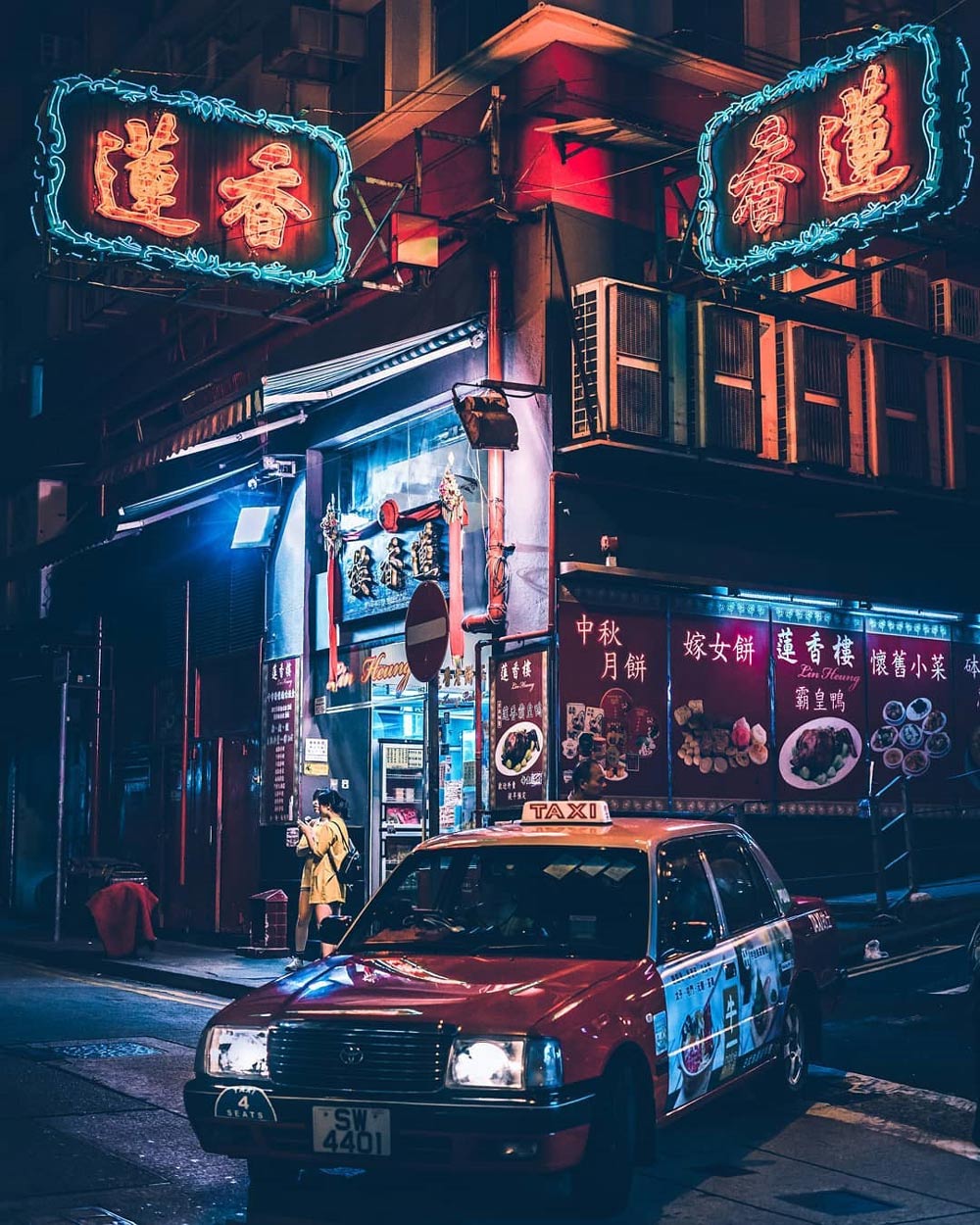
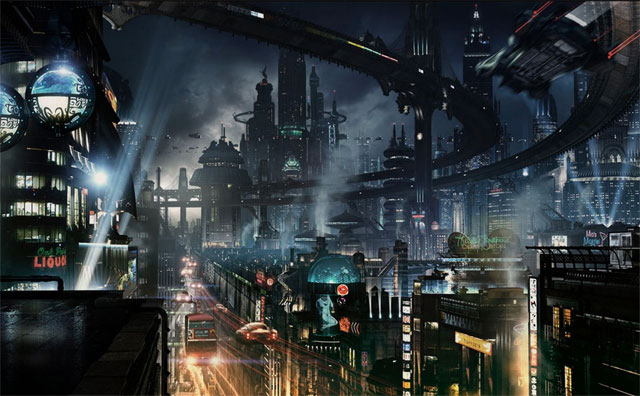
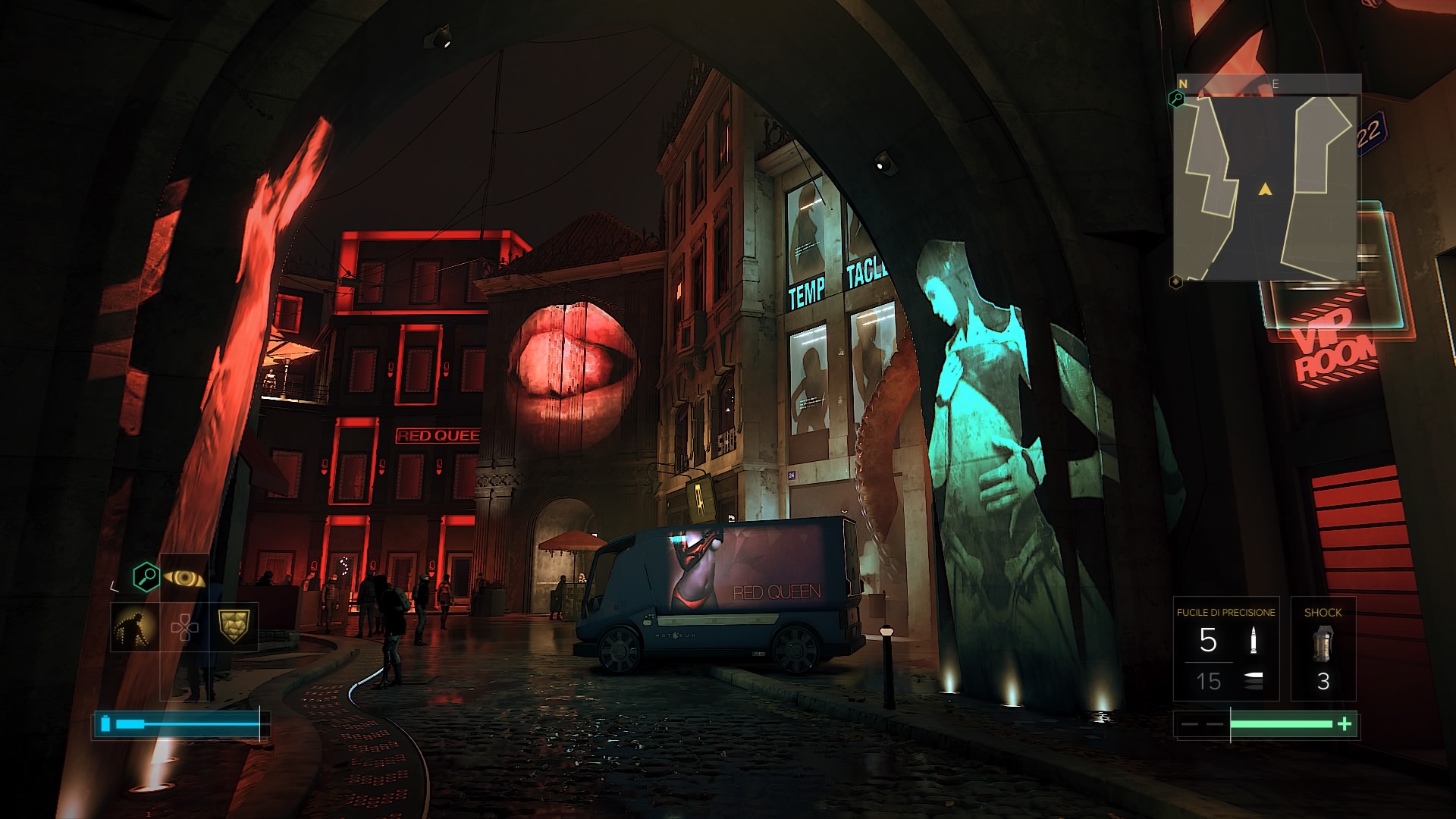
Deus Ex: Mankind Divided™_20160926133034
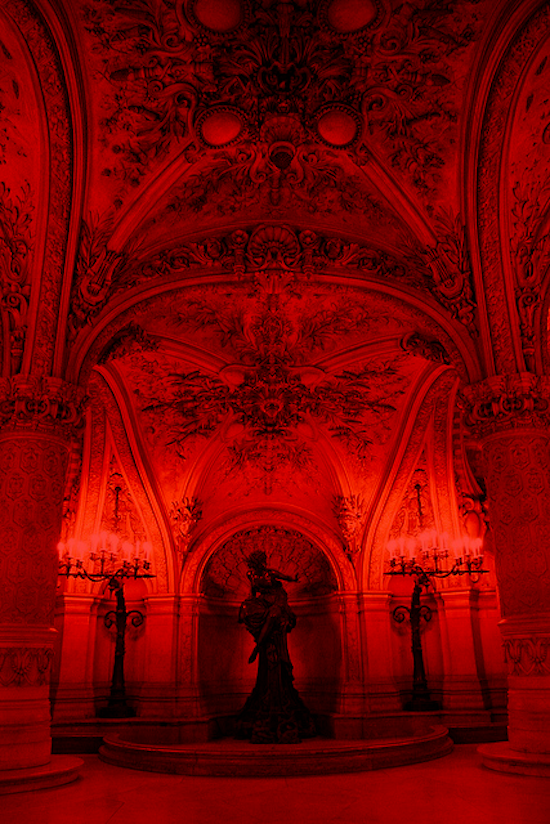


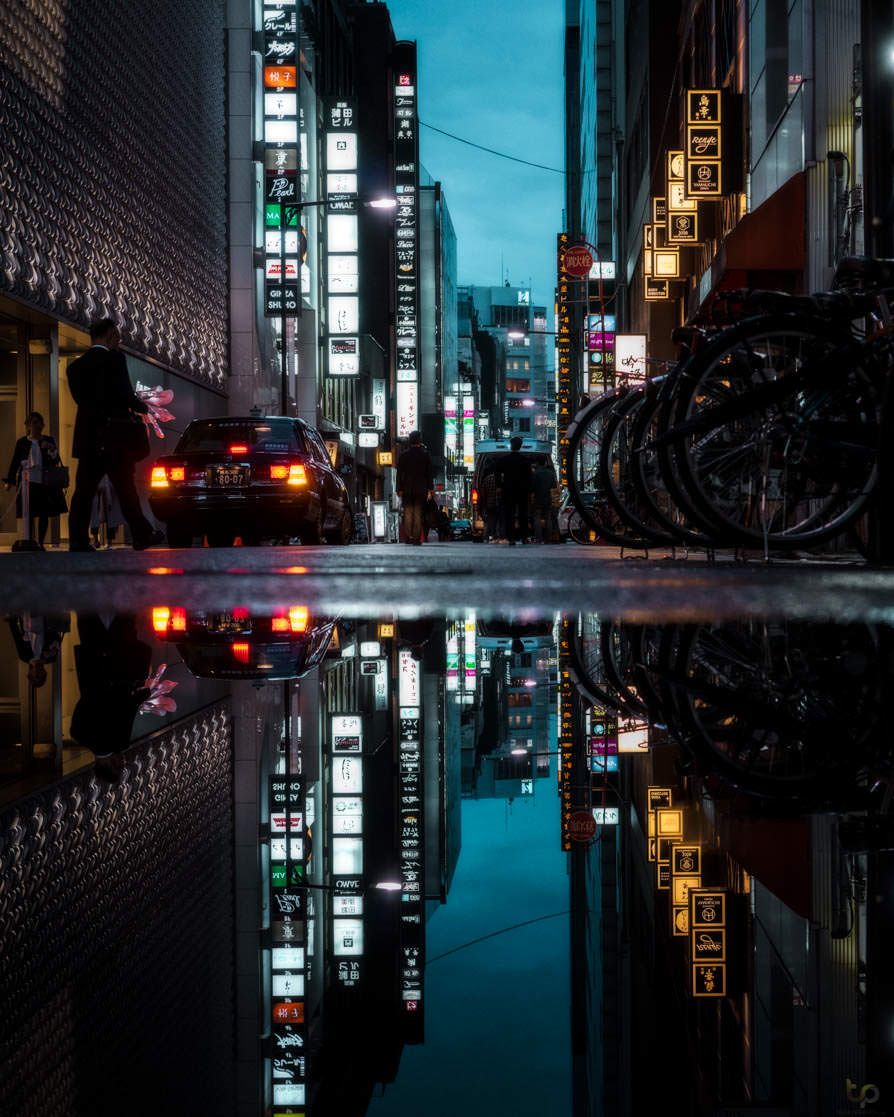
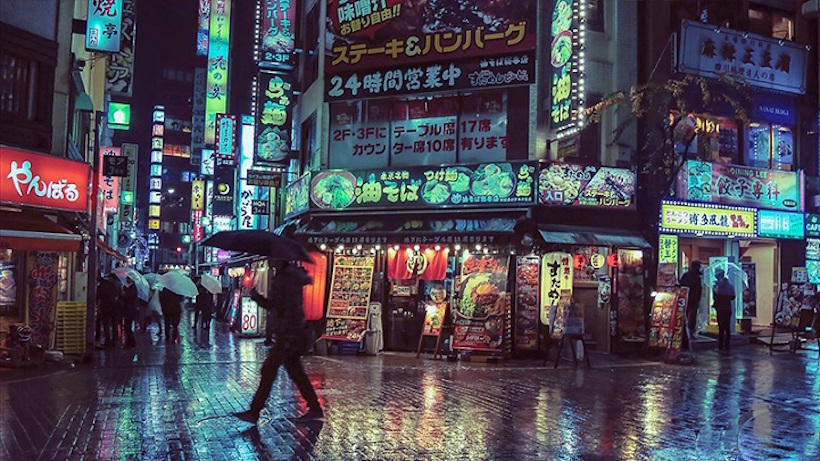
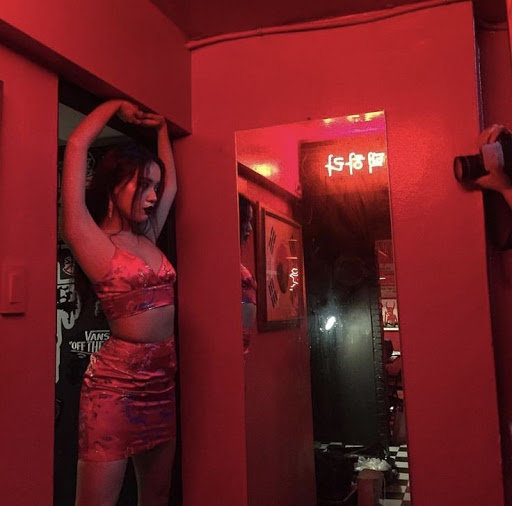
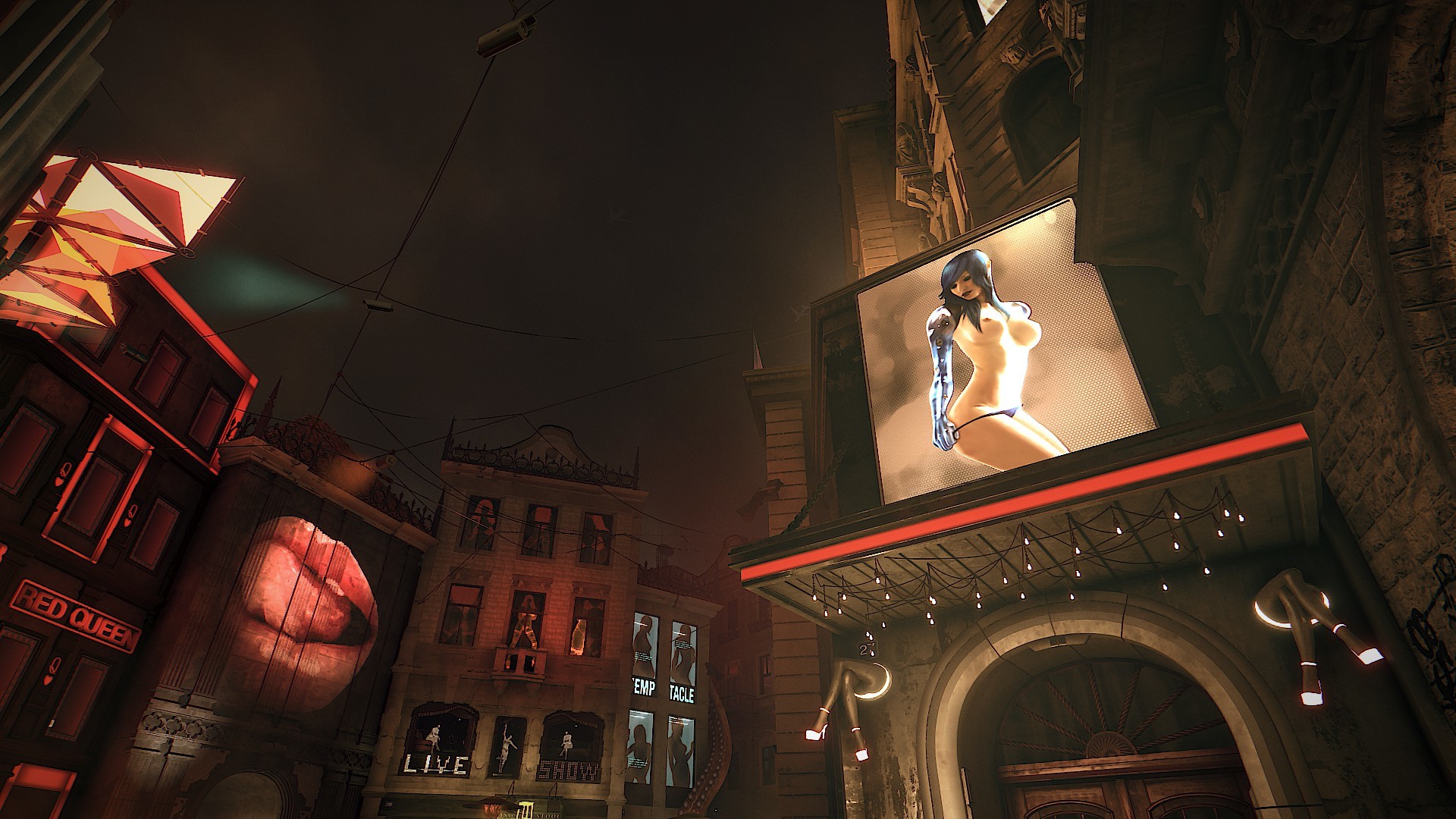





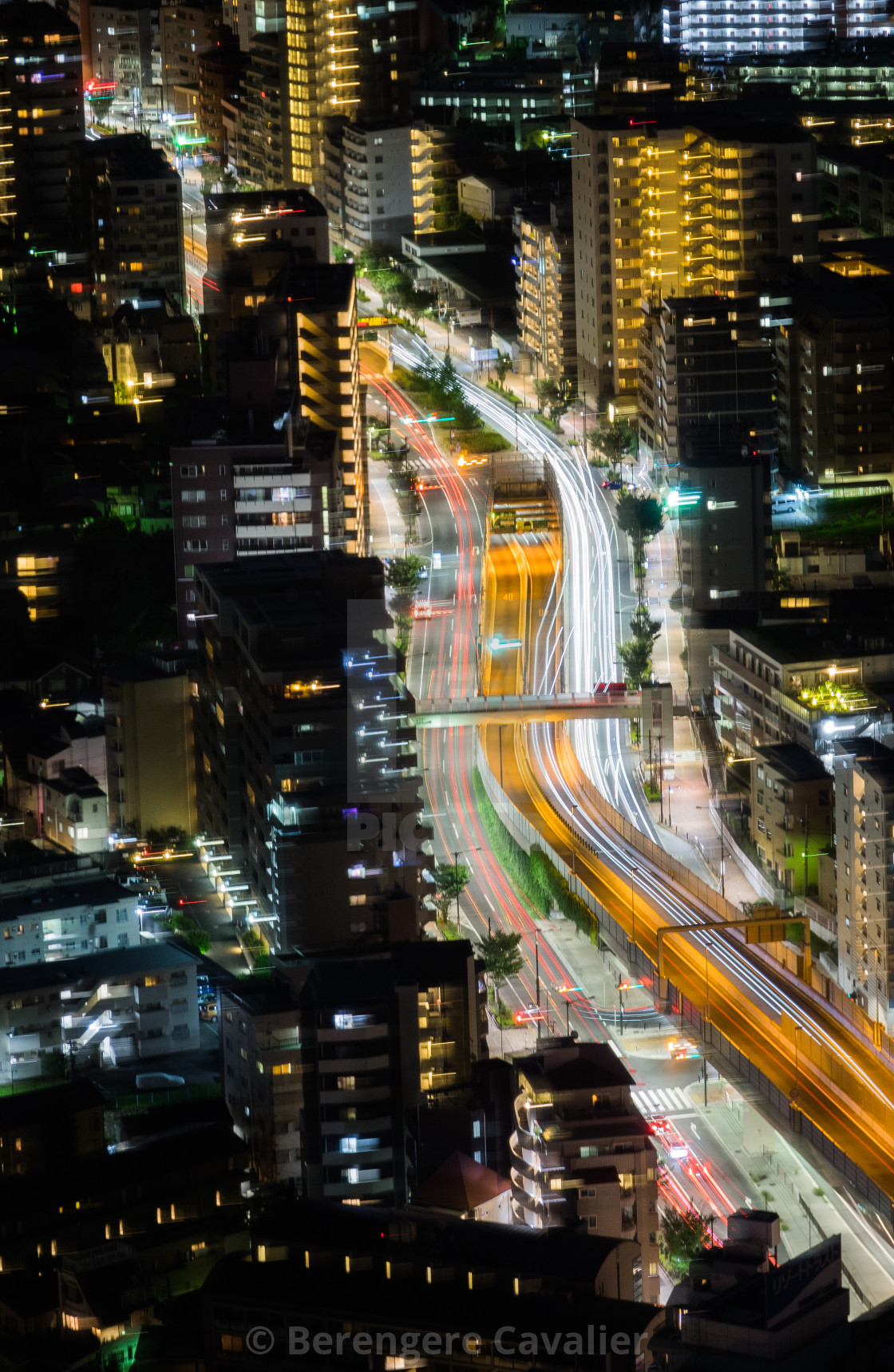
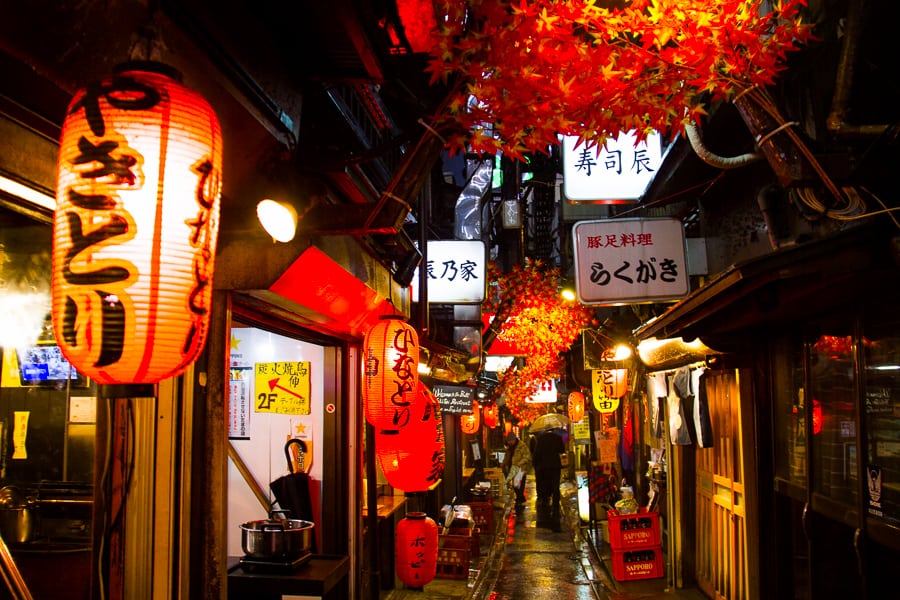

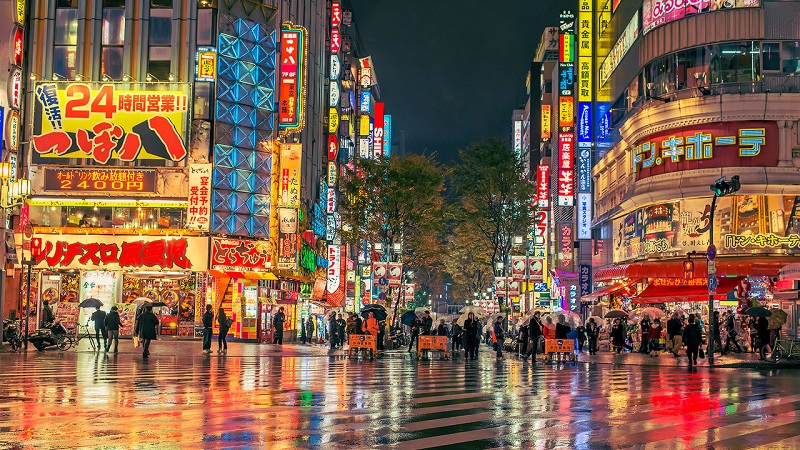
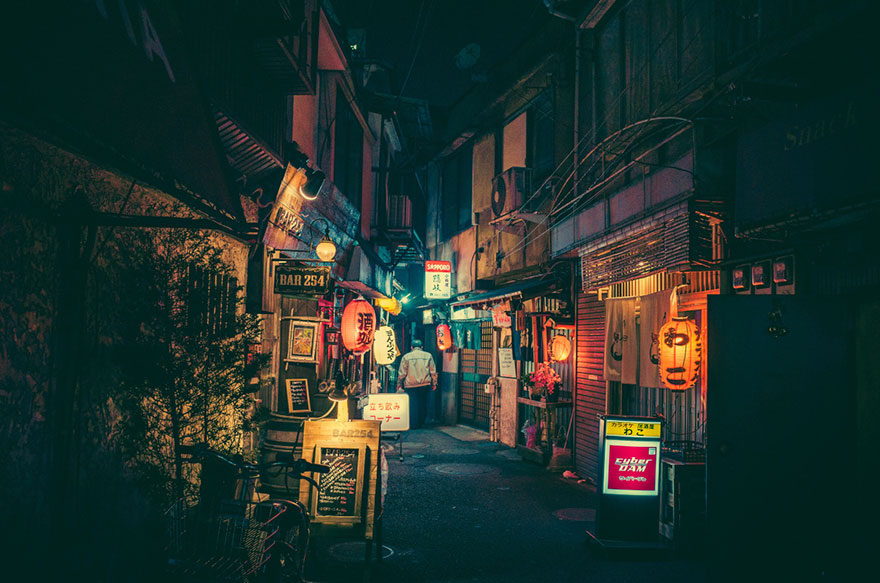


I was thinking of why these two paintings kept failing years ago.
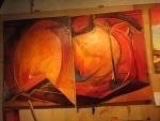
The main reason was that as stairwells they offer all sorts of options to exit the painting but the middle space goes nowhere.
I thought that by lining them up next to each other I could create a sort of diptych but again the fact that they both have a wall sitting there in the middle made it nearly impossible to dive into the work with any decisive lines.
Thus no story could be told and the only impression that could be given was that of painterly effects, colors and contrasting edge juxtaposition between two dimensional and three dimensional forms.
As one can see from the source image of the painting on the right, I had forgotten about every single option and wasn’t even really finding useful reference material back in 2004 to remember what I had first started in 1989 with an opaque projector.
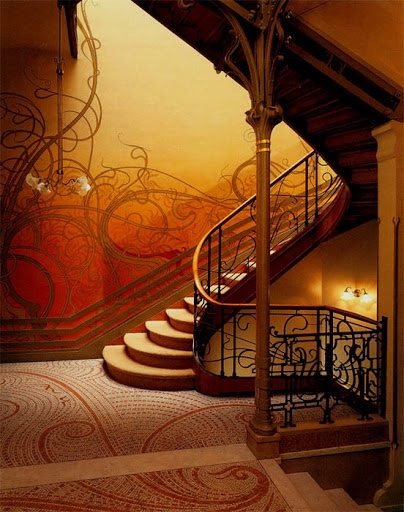
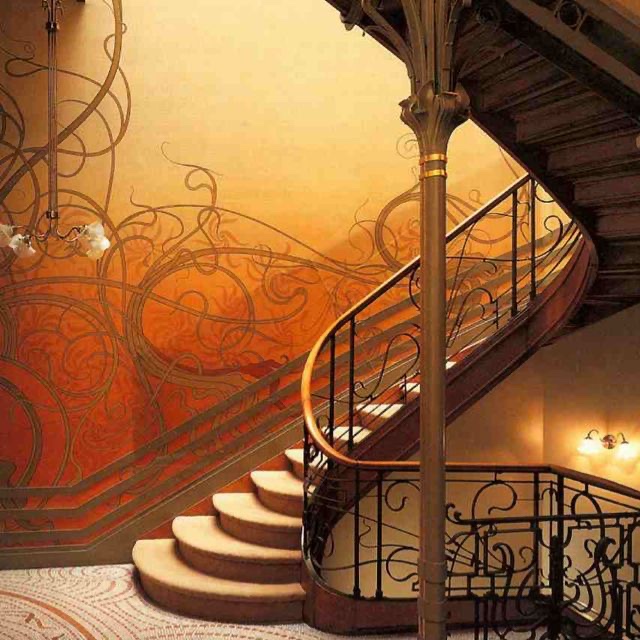
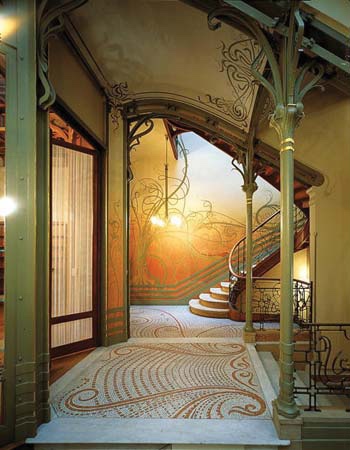
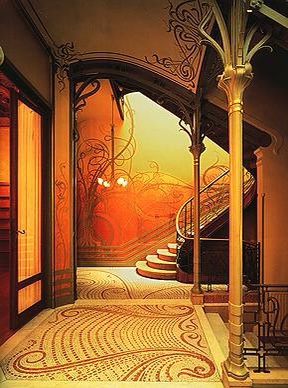
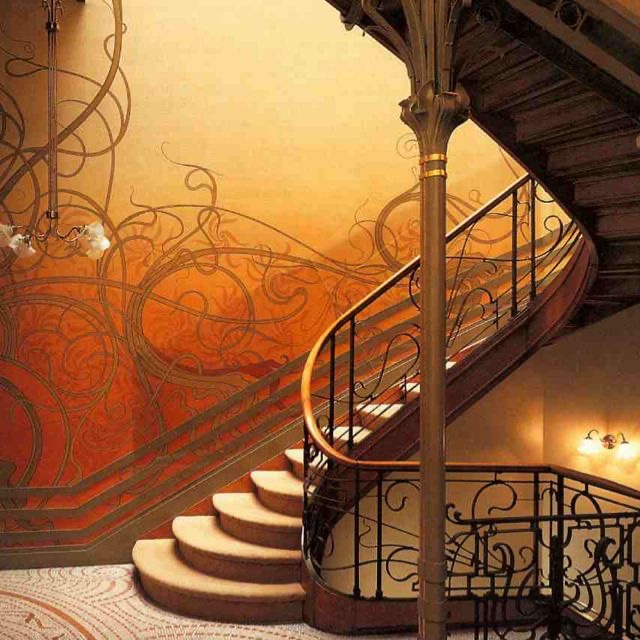
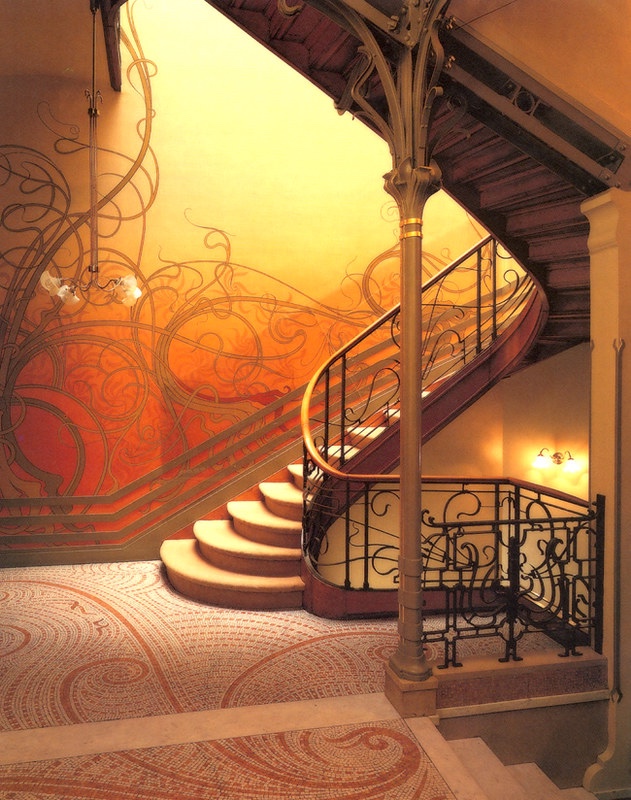
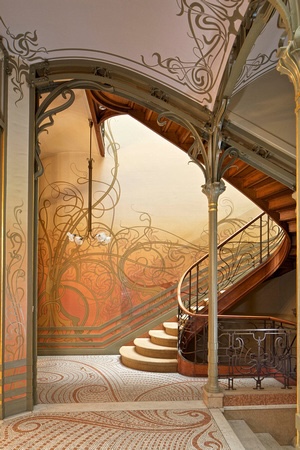
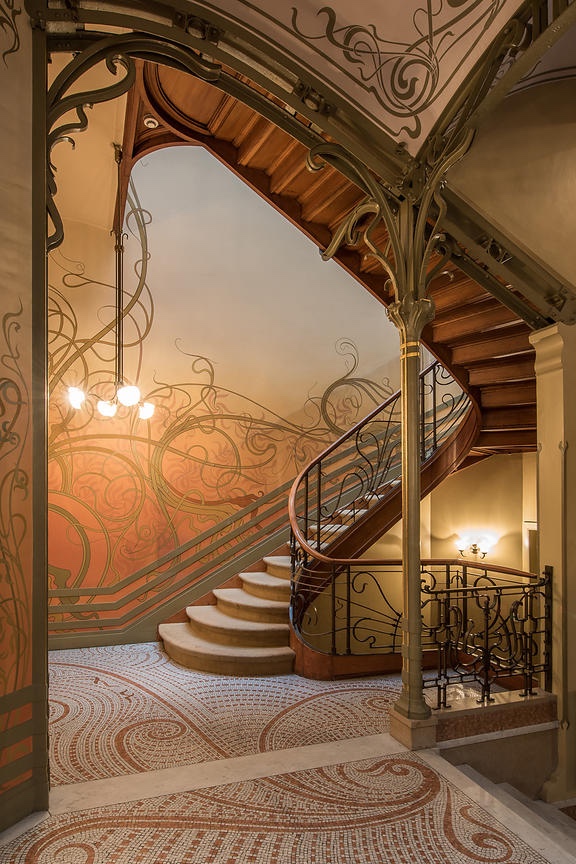
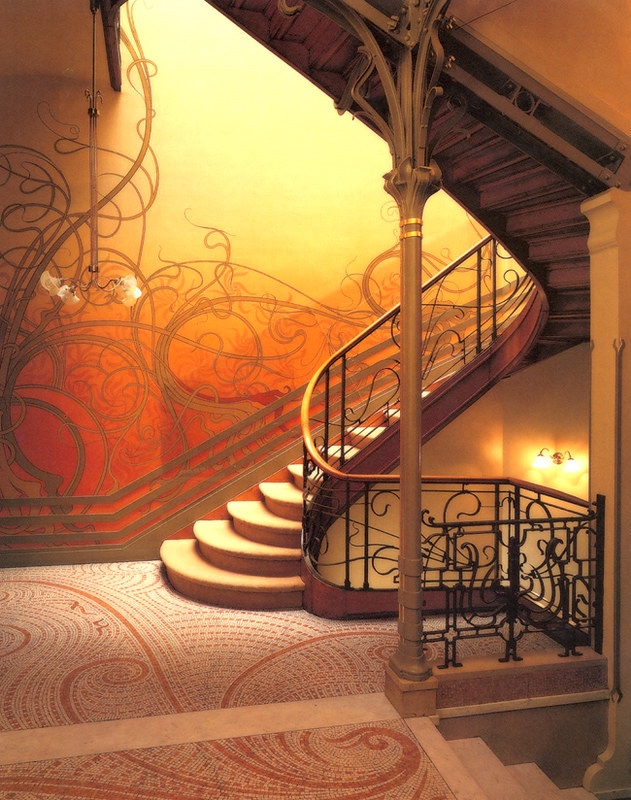
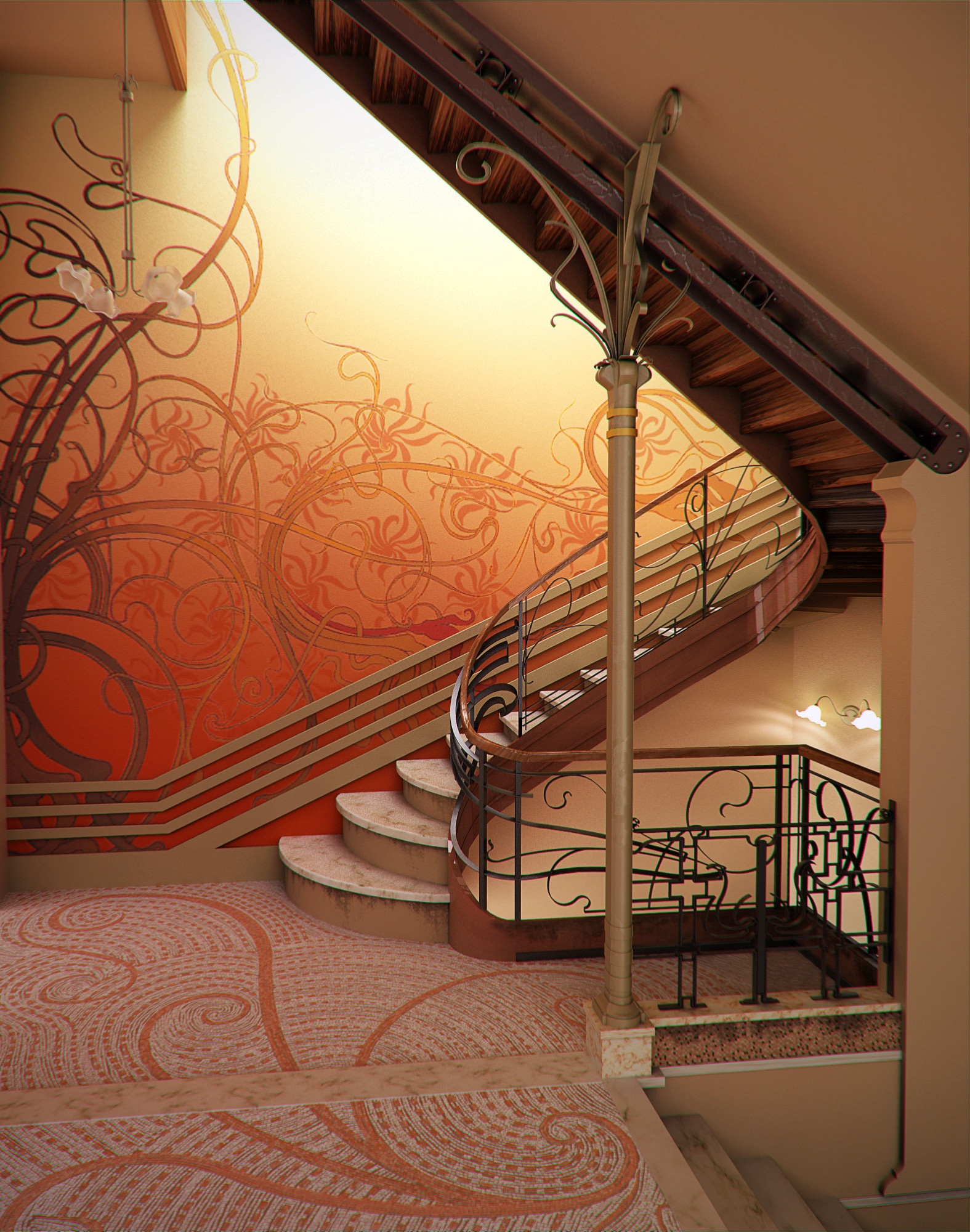
Victor Horta:
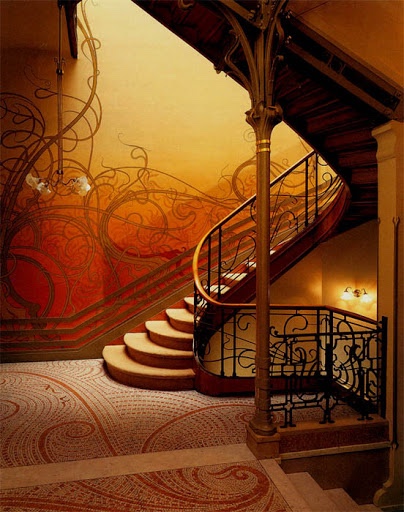
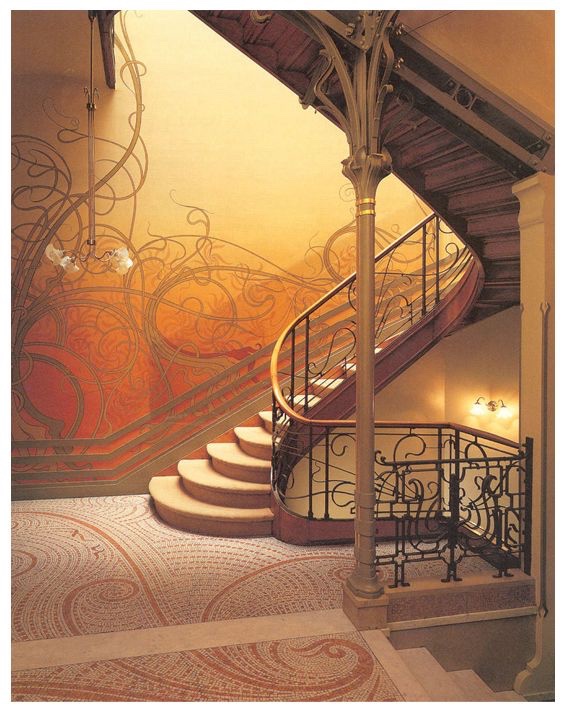
After thinking on this for a while more I realized that the middle of the painting and really the middle of the photo was a wall with extremely fancy accessorization and decor.
I calculated that if I were to remove the wall and replace it with some other form that had depth of perspective, spatial depth, I might be able to get more into the painting, which was a lesson that I learned from deducing some of the success of Southloop.
To give the eye plenty of places to roam around one has to push the space as far back as possible, and Southloop covered miles compressed into a 2 meter x 2 meter square, and offered random details in 3D with just the right balance with the graffiti meets cubism 2D vs 3D interplay recipe I’d devised.
Graffiti had more modern and appealing line shapes and a dynamism and emotion where ass cubism was still good at the construction of space and juxtaposition of 2D and 3D linework, all with abstraction in play.
I never really got past the stumbling block but now I may have done so.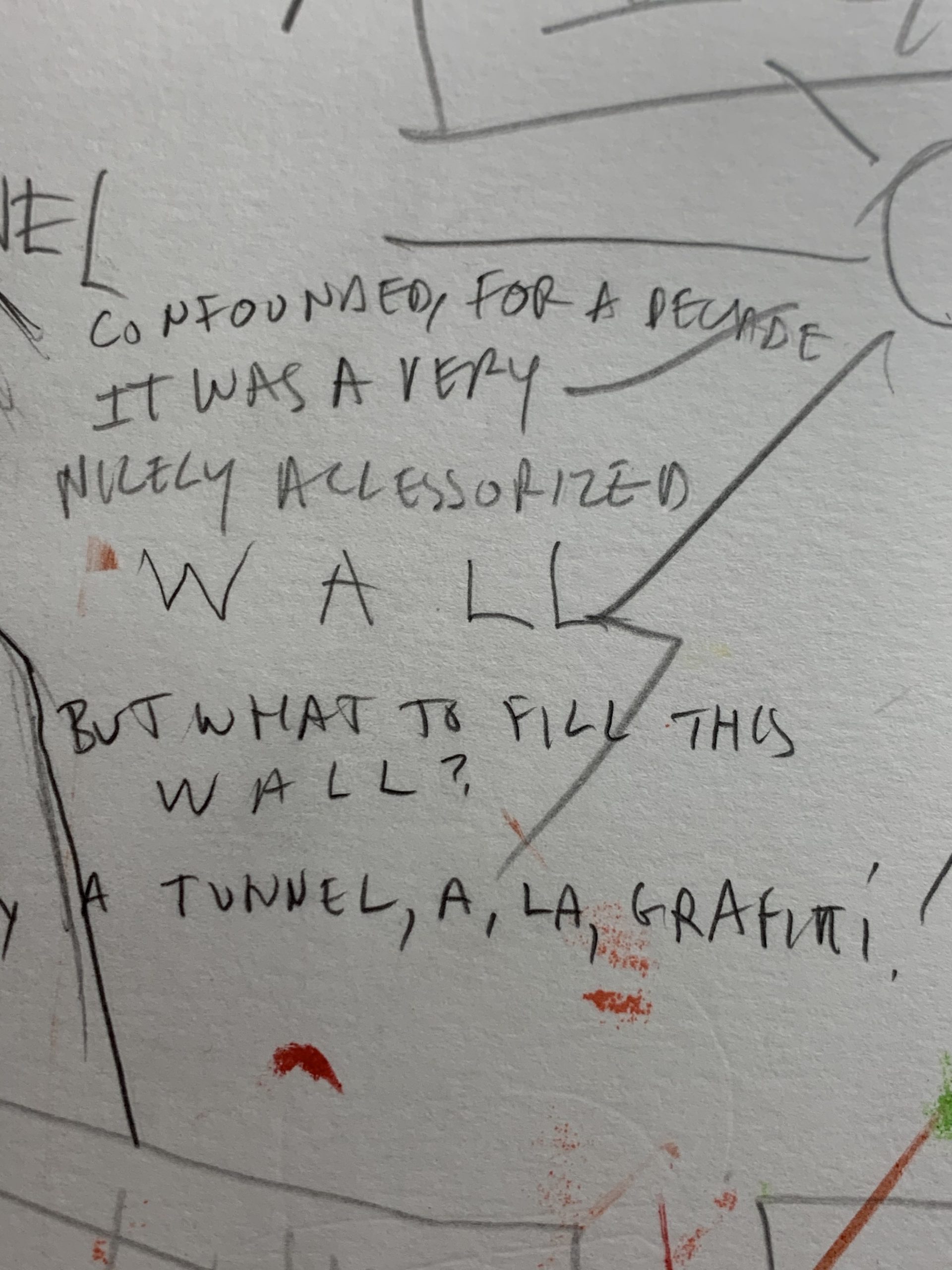
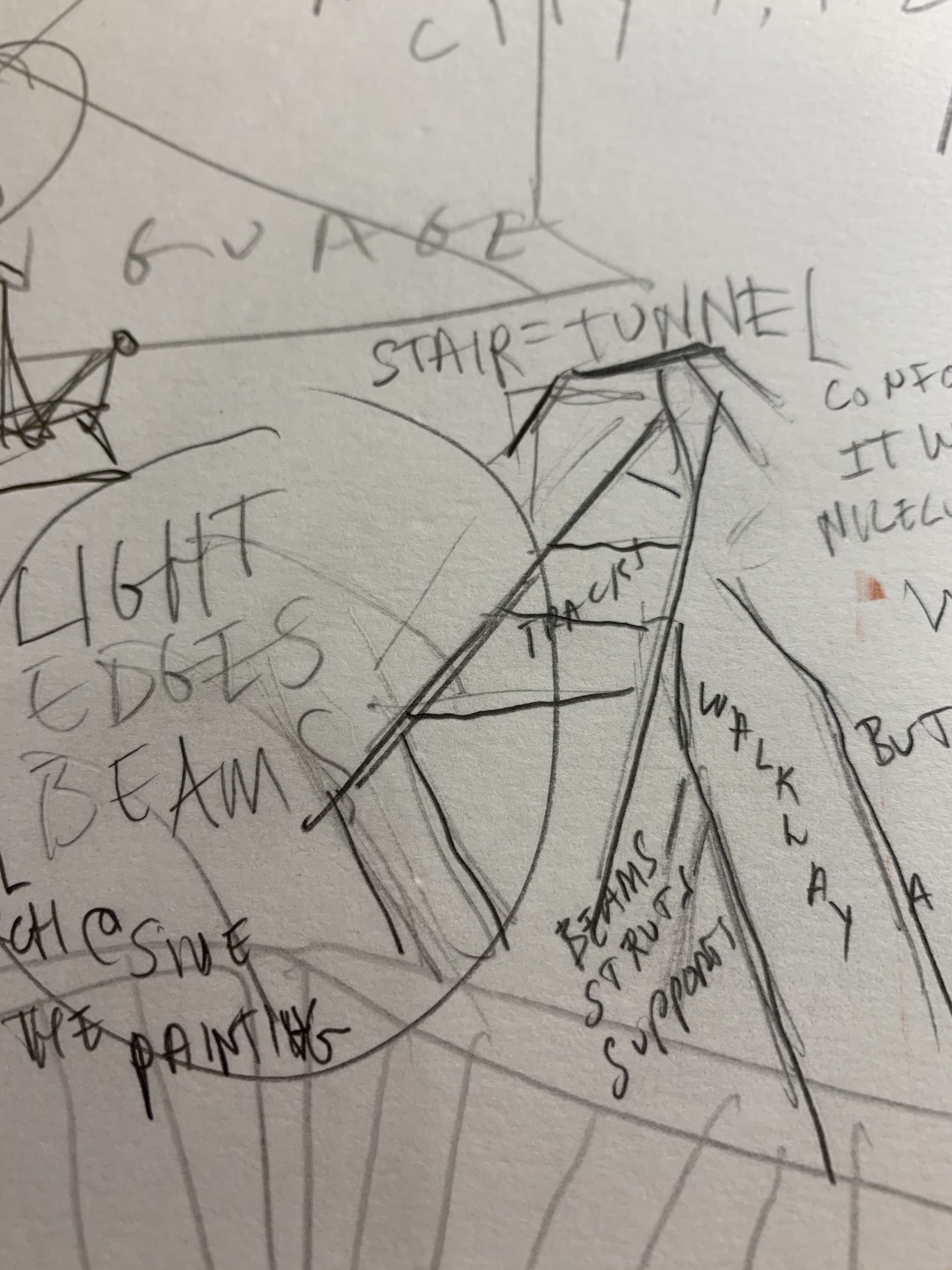
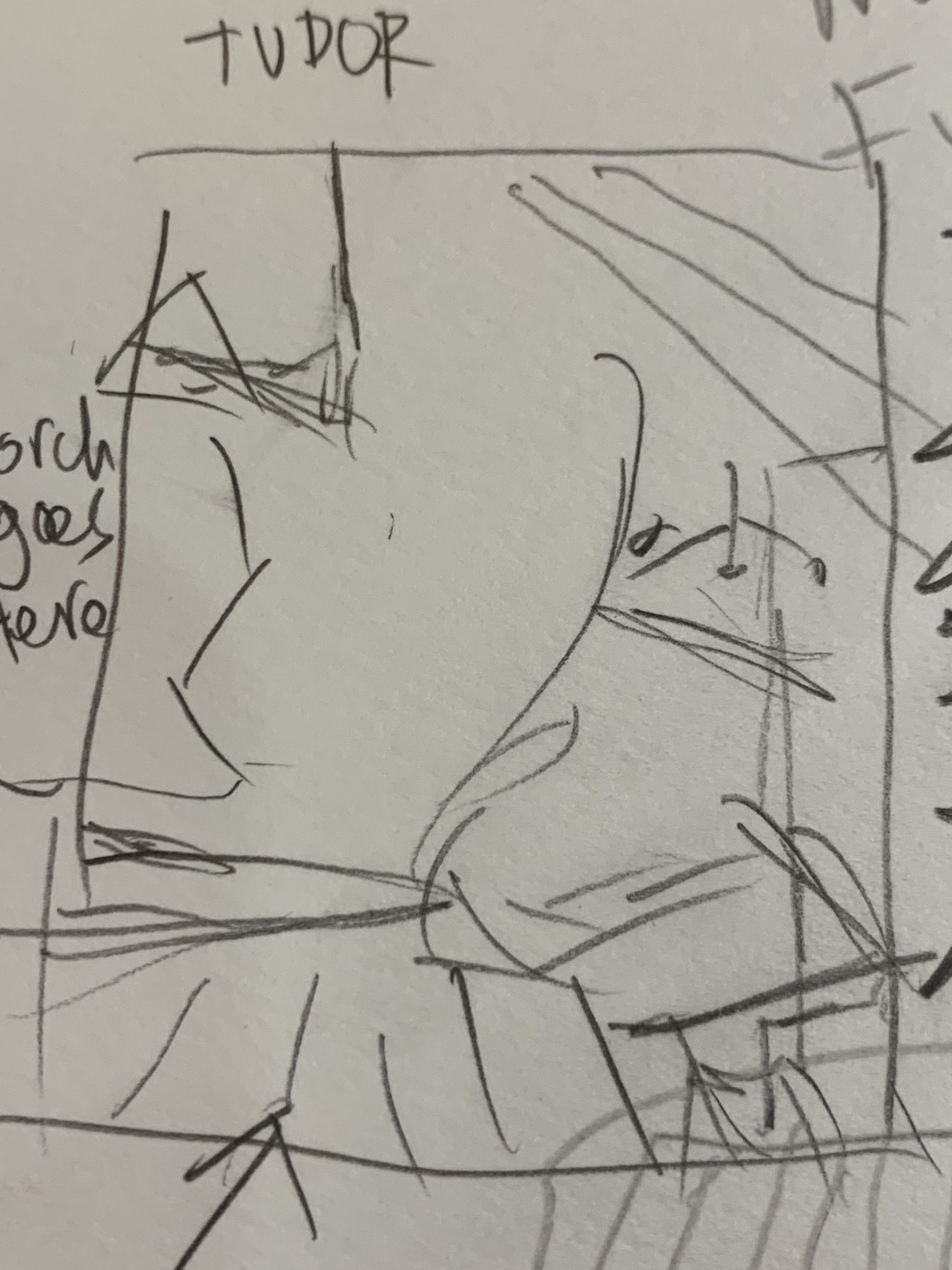
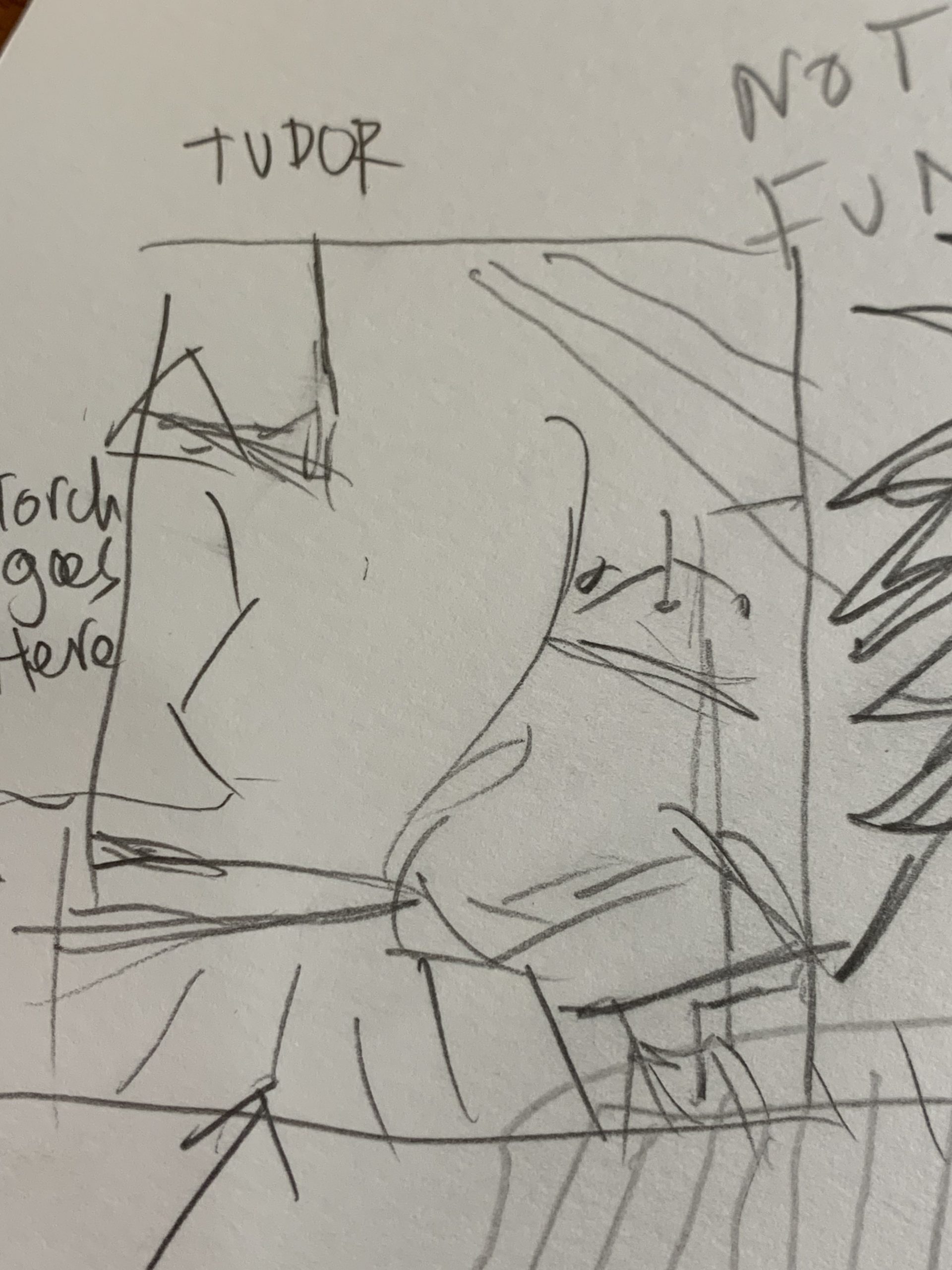
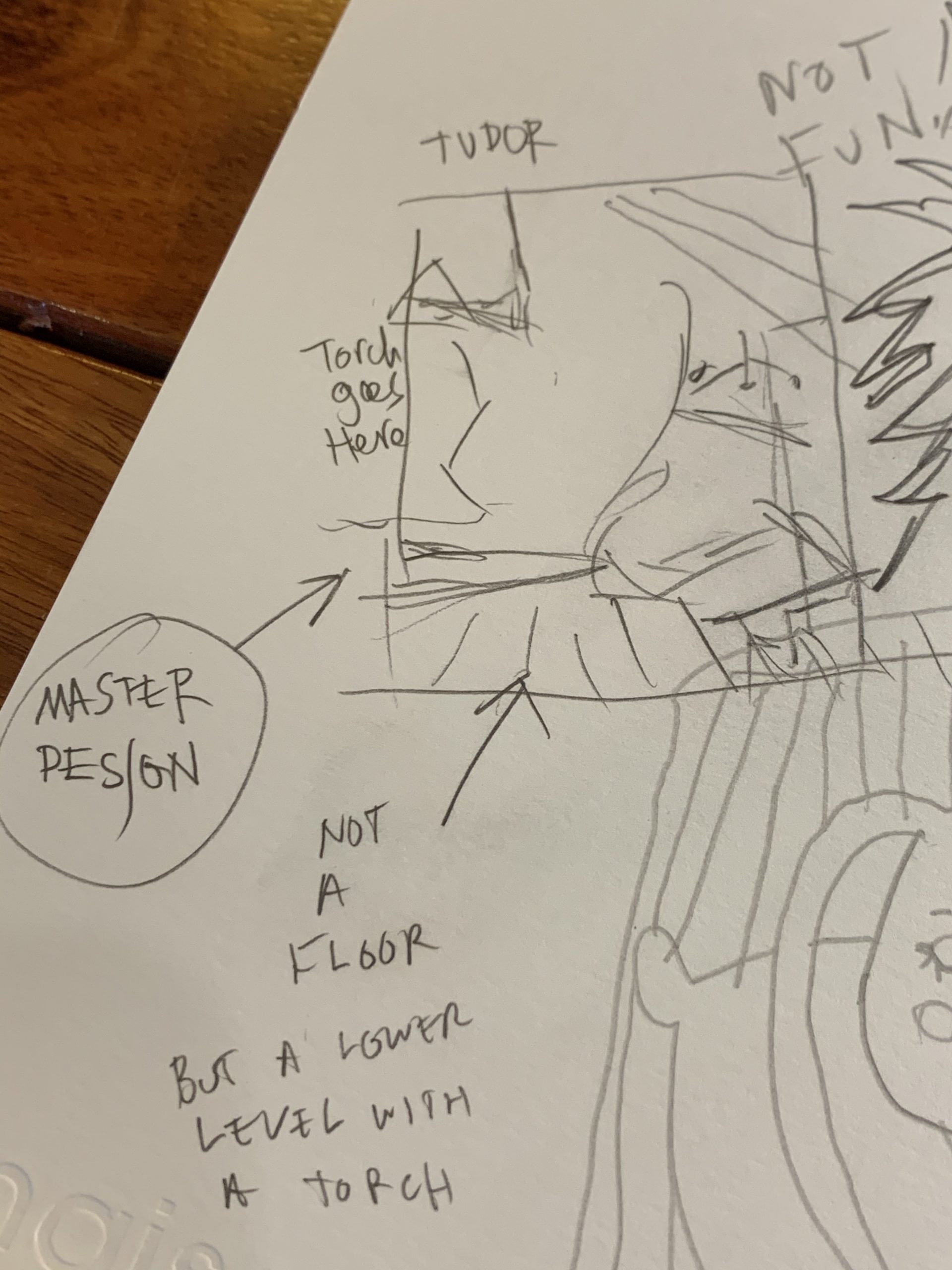
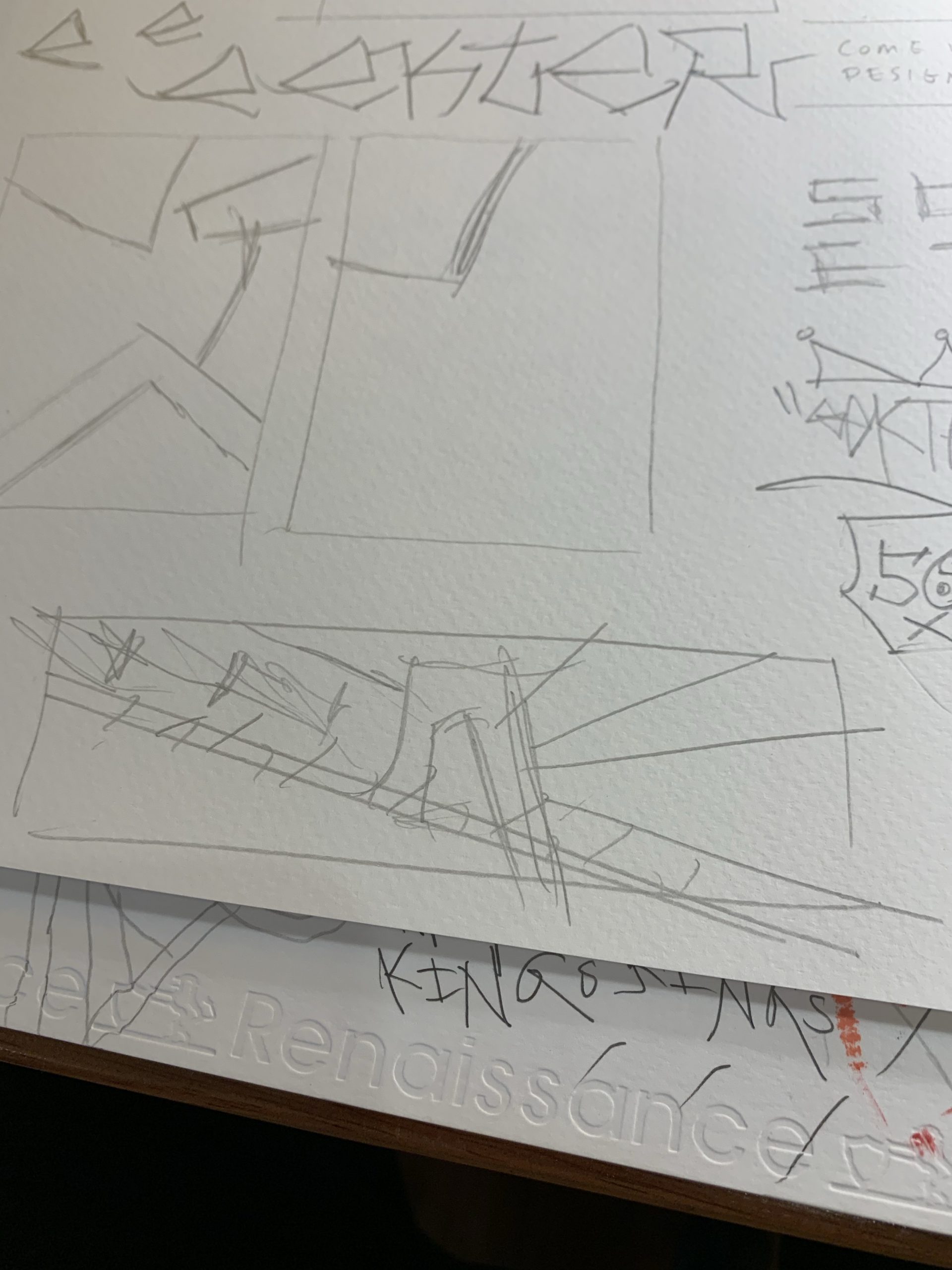
So my theory is now that if I process a piece that has more depth of perspective I have a better chance at working out something of interest.
More research and design and drawing is required to really figure this out but I will try to use as close to the original formula as I possibly can such that when it gets around to the paint it is a very certain situation with little need for major corrections. A possible winner even.
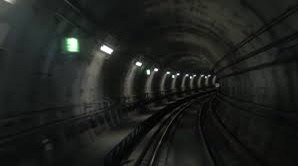
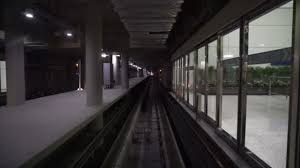
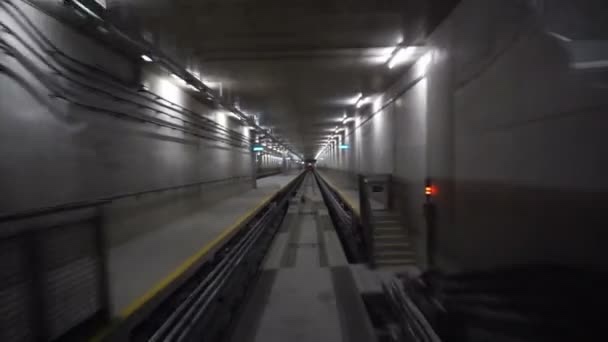
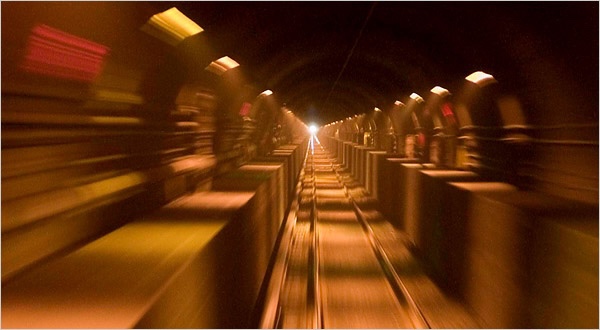
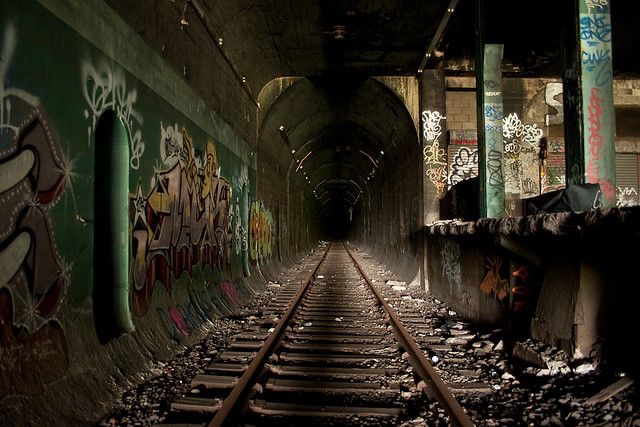
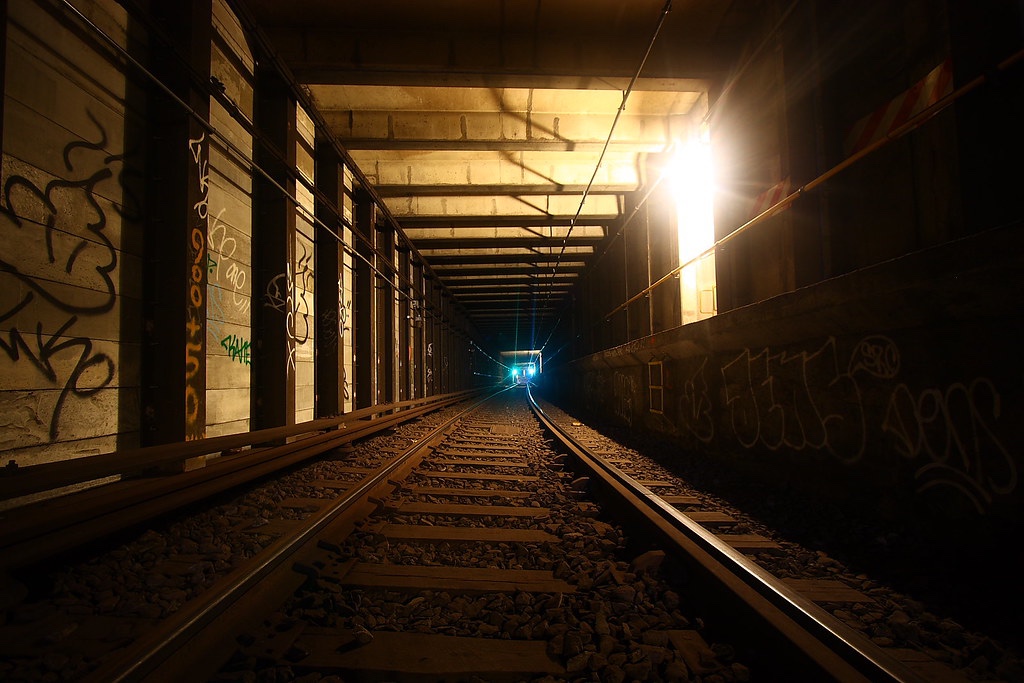
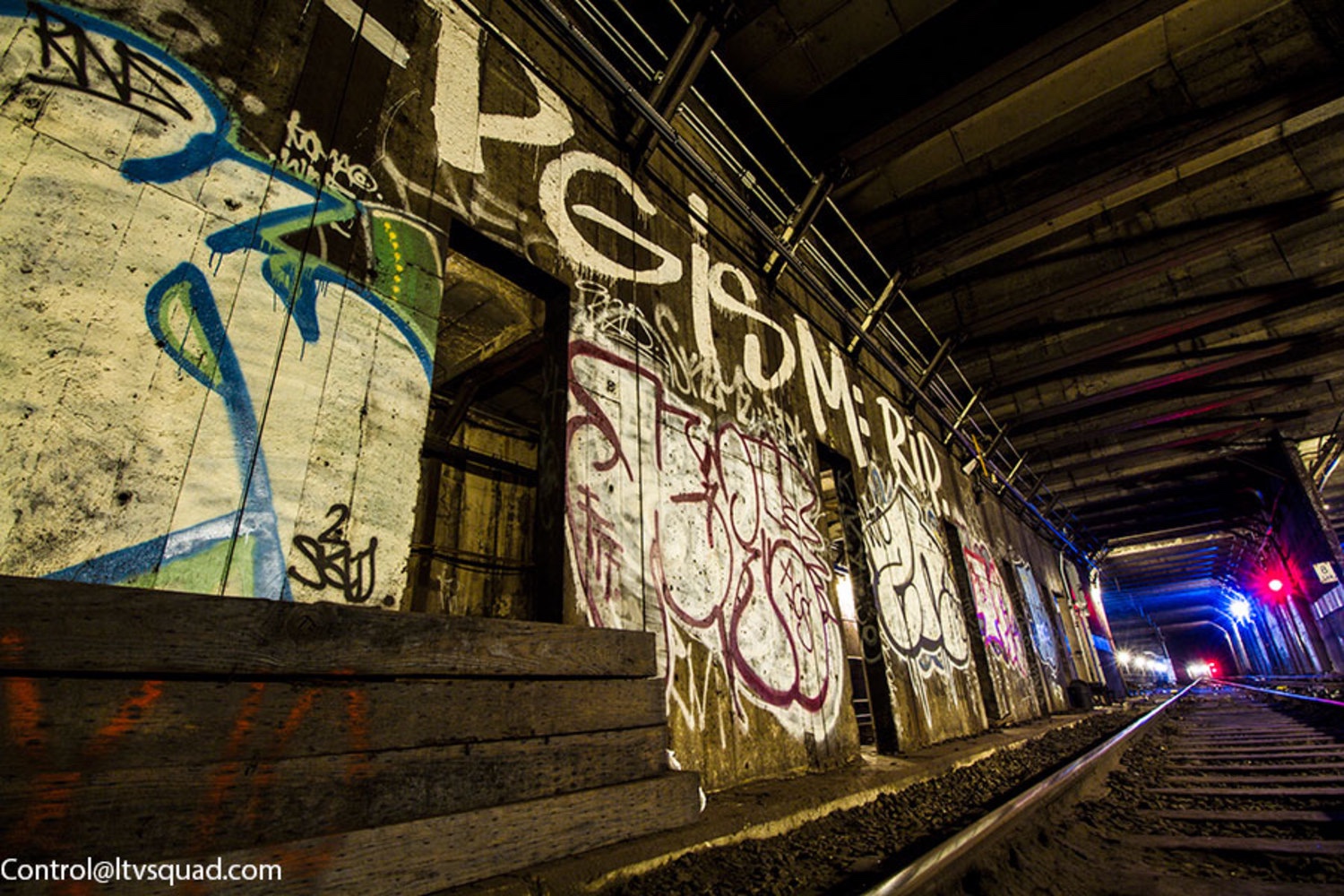
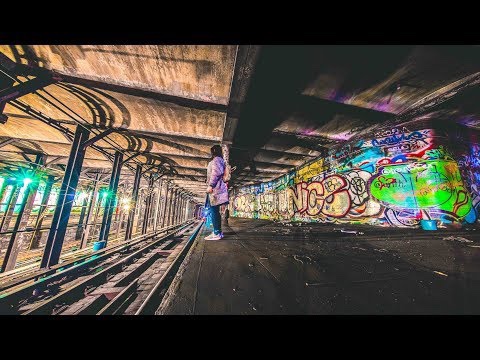
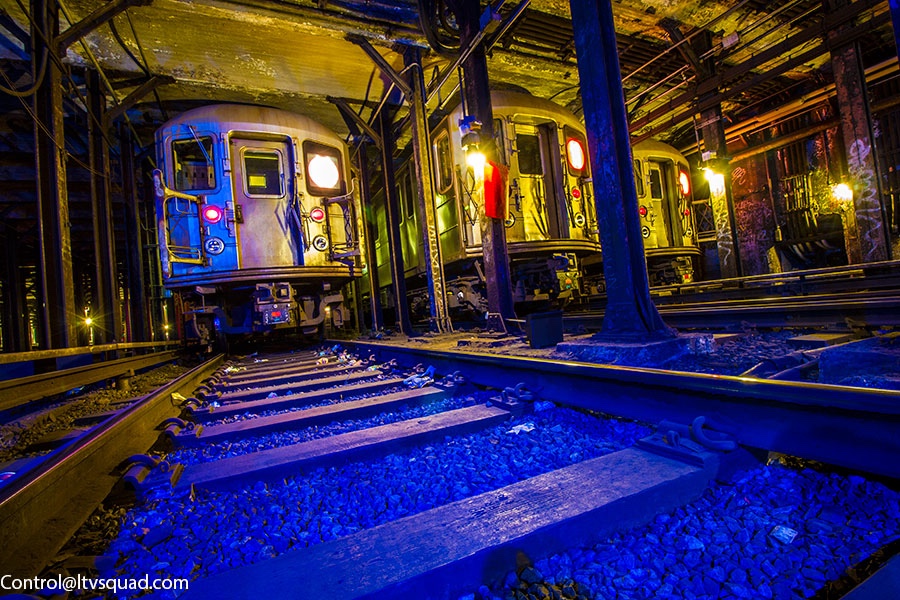
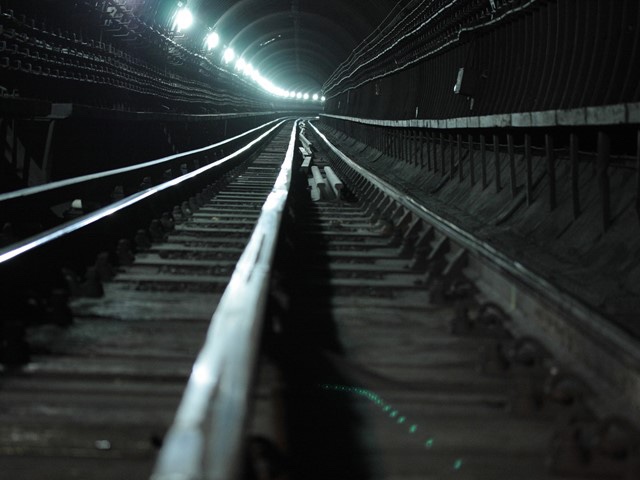
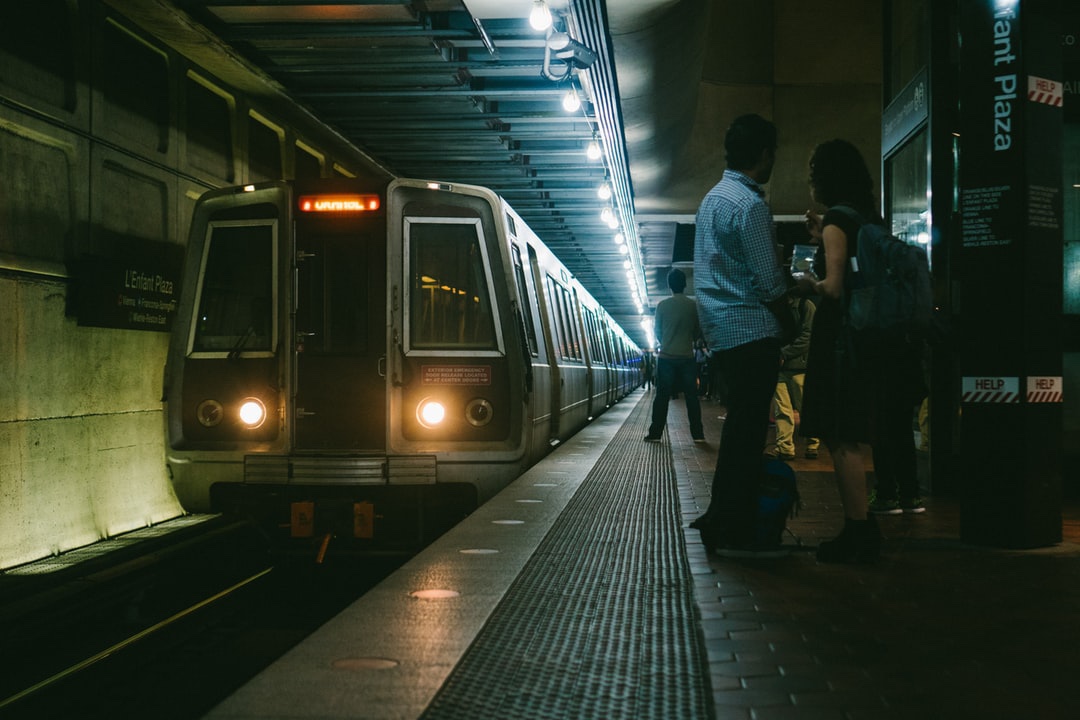
I still have the intention to keep this all about cubism meets graffiti and getting back to the theme of the city and especially a subway tunnel or a rooftop or a train station is going to build out this series in a few nice directions with regard to palette especially if I am able to work in some of the influence of Paschke lines and Paschke colors.
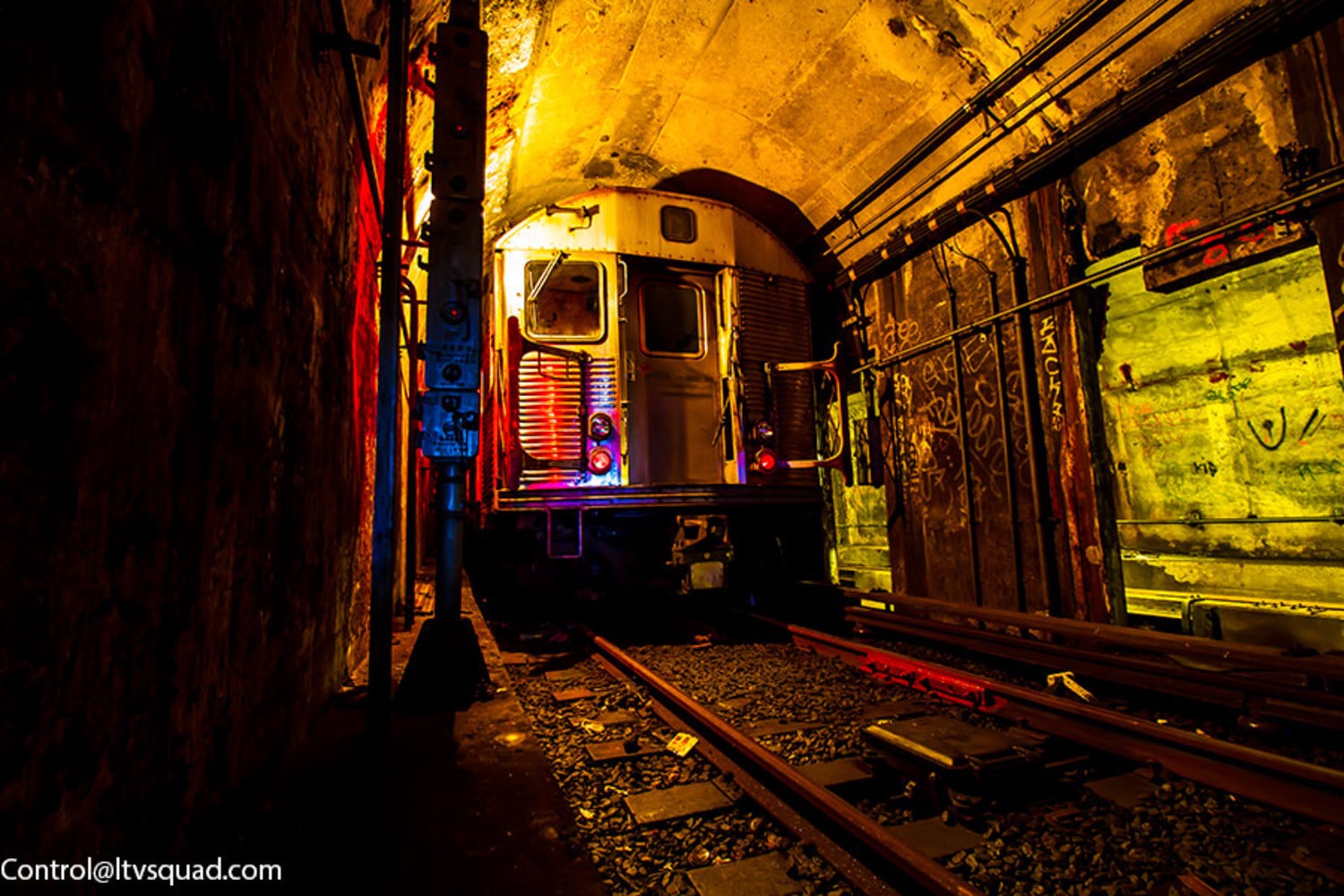
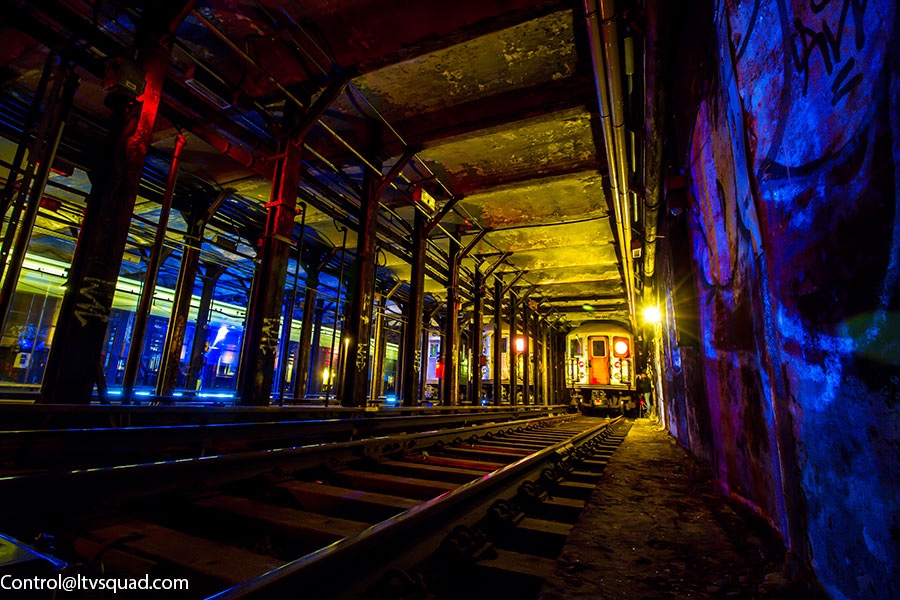
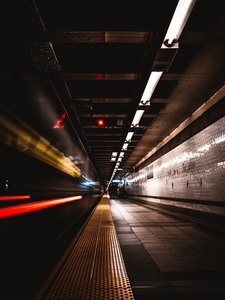
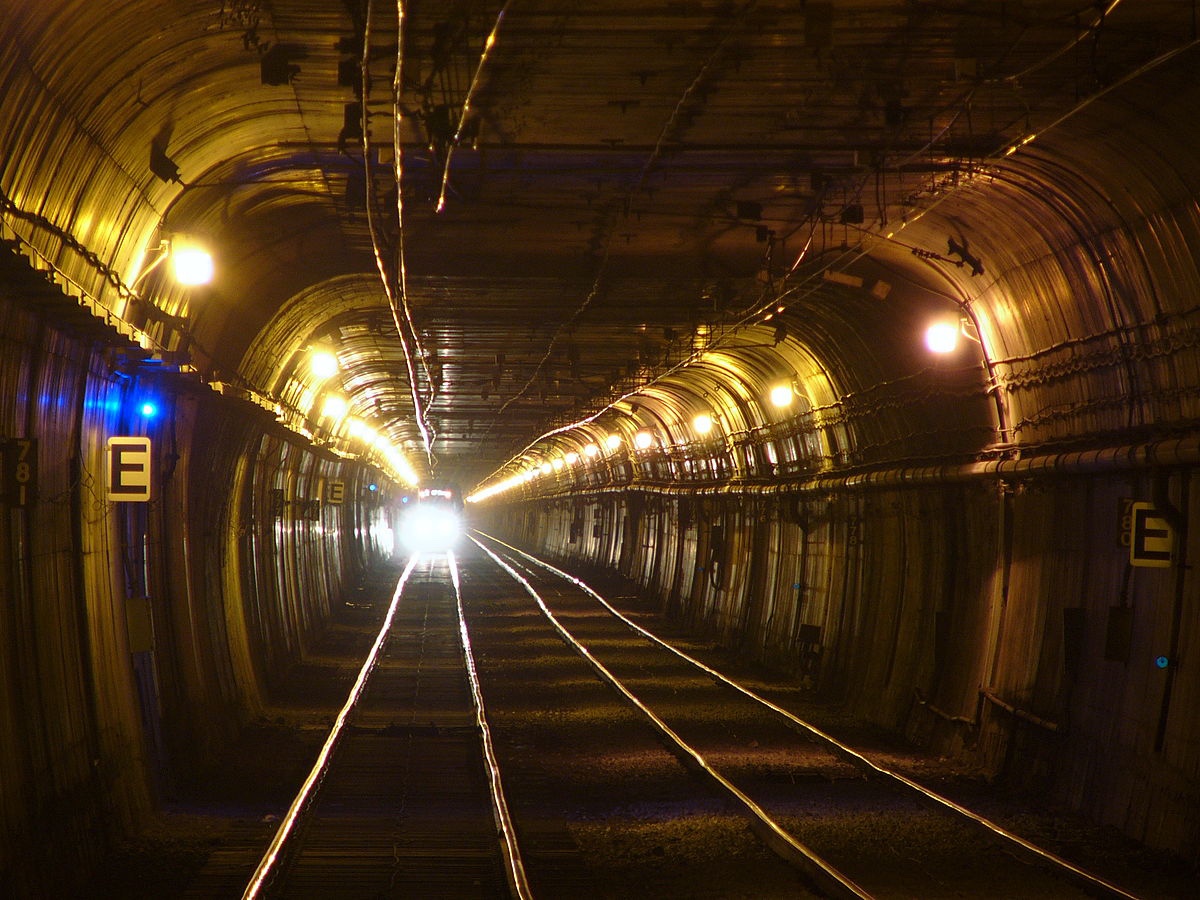
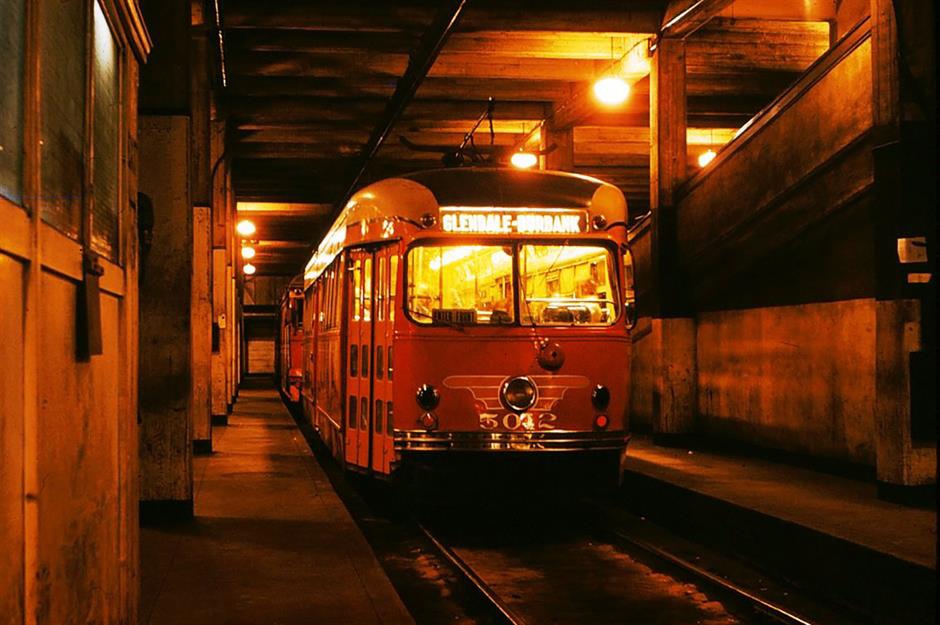
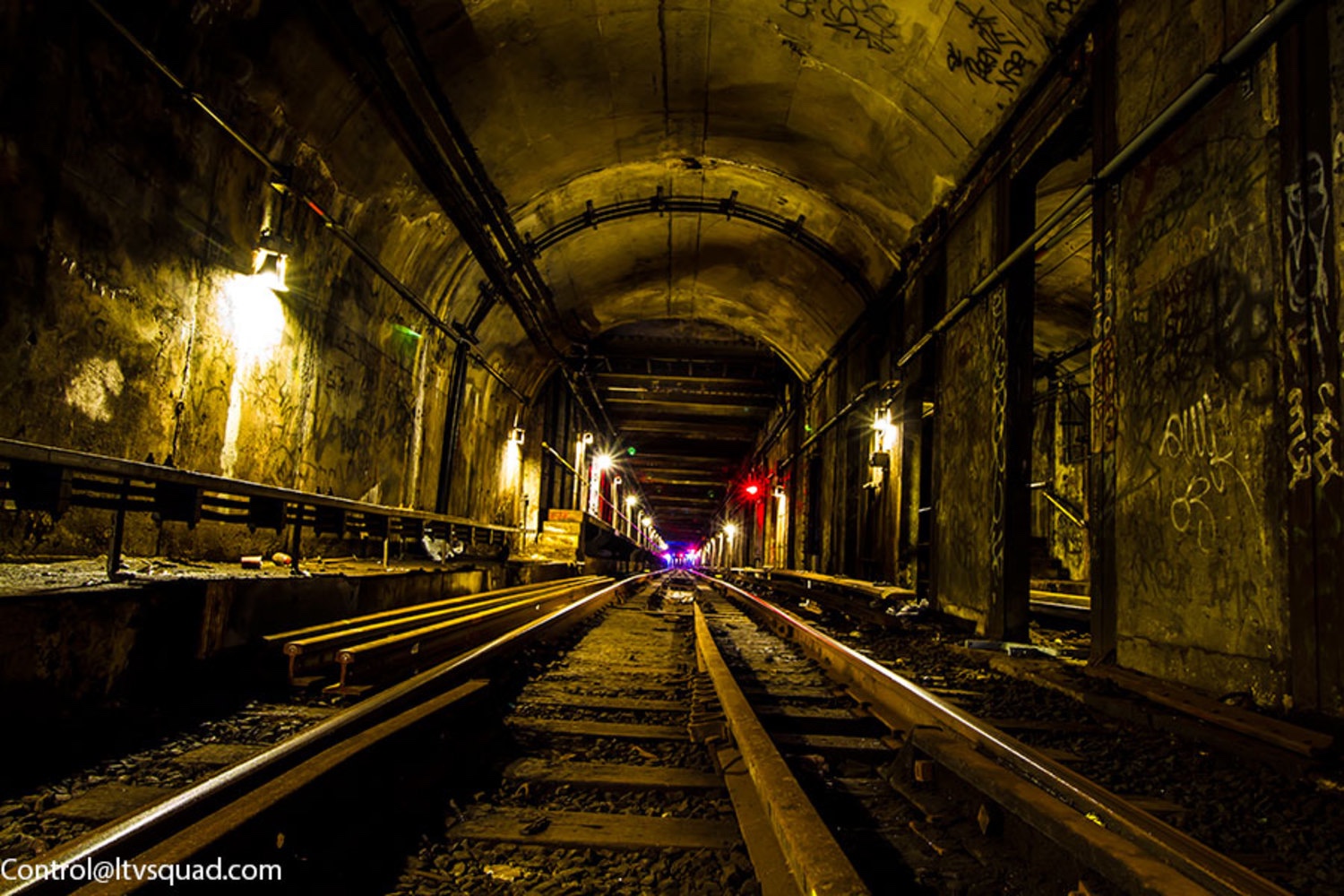
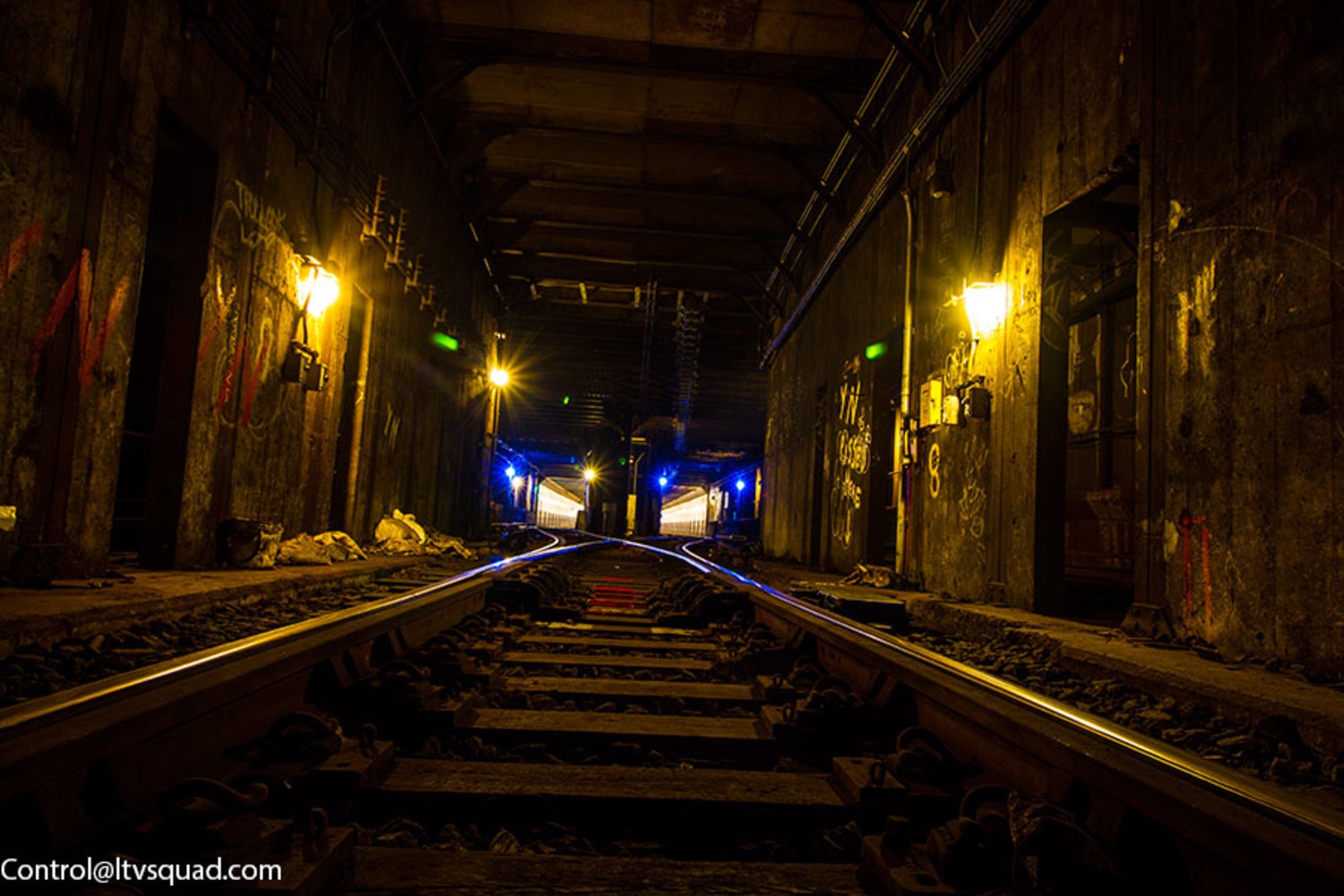
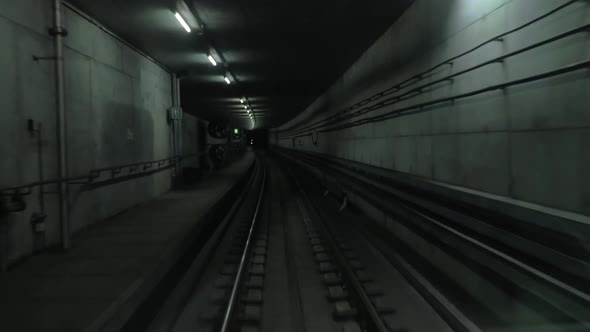
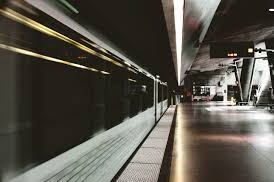
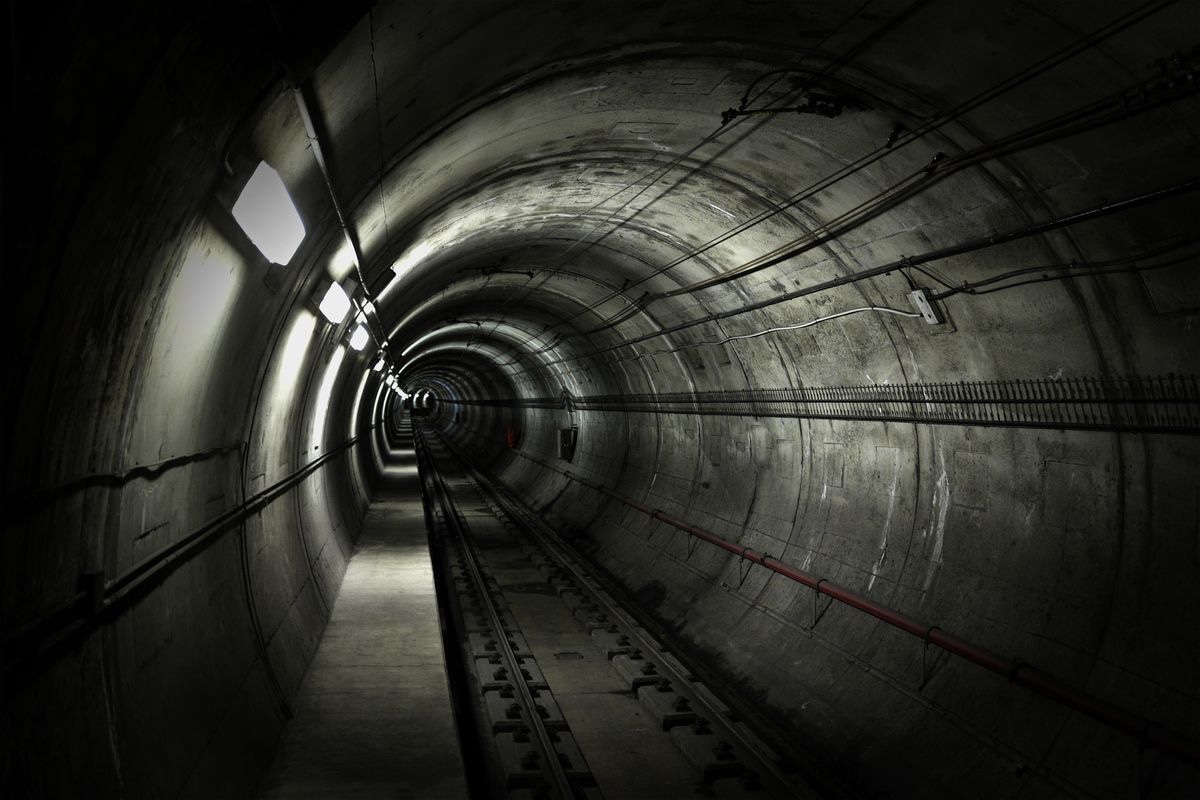
Here are some of the subway images I came across that might be of use:
But really I should continue working on my own stuff and develop it out even more.
And here is the best image of all the Horta stair pics.
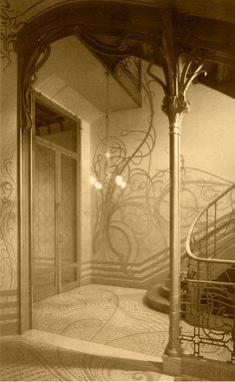
And here are the rest.
This work is very interesting.