


[ D4T4 CRYPT ORG ]

>-Quaere Cosmos Arcana Imperii-<

  • Home
  • Phys.Org | Space News
  • arXiv.org Astrophysics \ Galaxies
  • ESA Aladin A
    • ESO Aladin B
  • Architecture
    • Architects
  • Astrophysics
    • Black Holes
  • Fine Arts
  • LINKS
    • Star Gazing UK Blog
    • In The Sky: Sky Atlas
  • Linux
    • Man Pages
  • Cinema
    • Film Noir
    • Notable Film Directors
  • UFO / UAP: INDIGO X-RAY FOXTROT

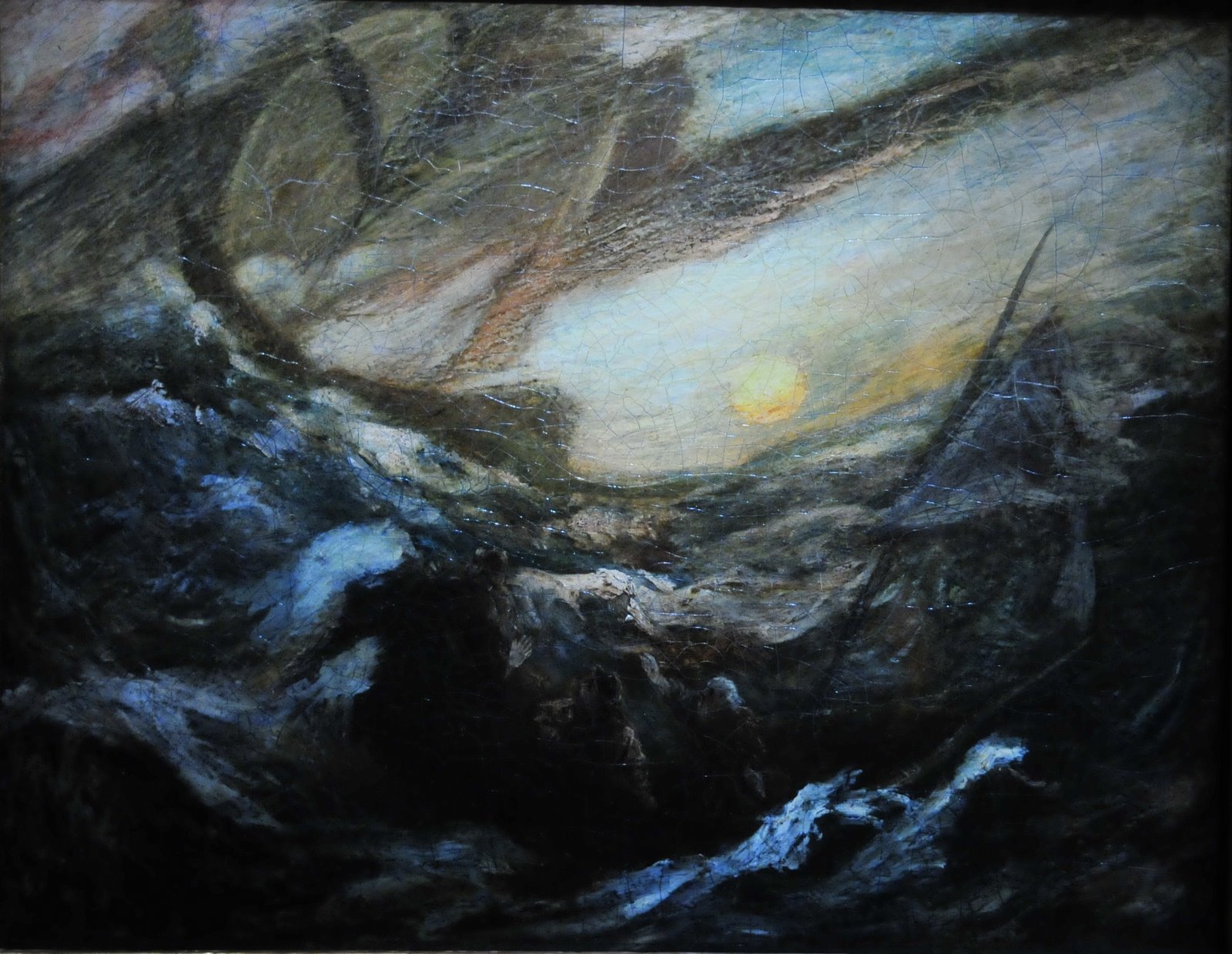
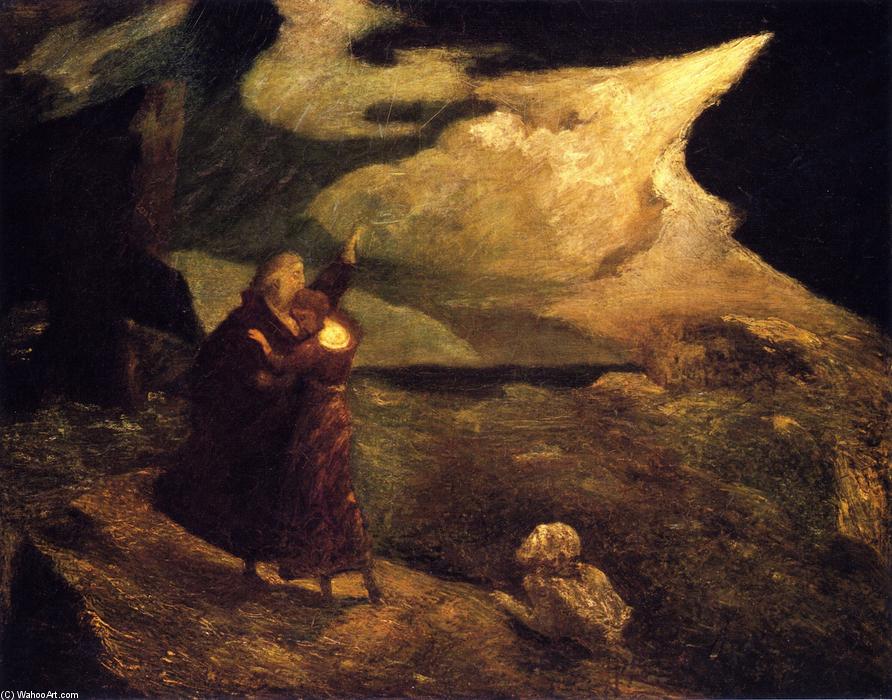
ALBERT PINKHAM RYDER, TEMPEST

May 14, 2021 by blogadmin


Filed Under: Albert Pinkham Ryder, Artists, Fine Arts, Oil Paintings

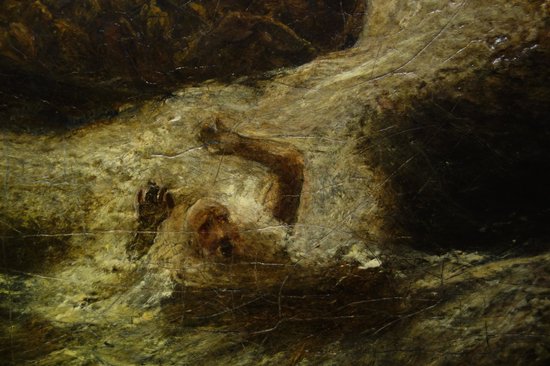
The Flying Dutchman, Albert Pinkham Ryder

August 18, 2020 by blogadmin

This will no doubt be the next study.

FULL SIZE SMITHSONIAN
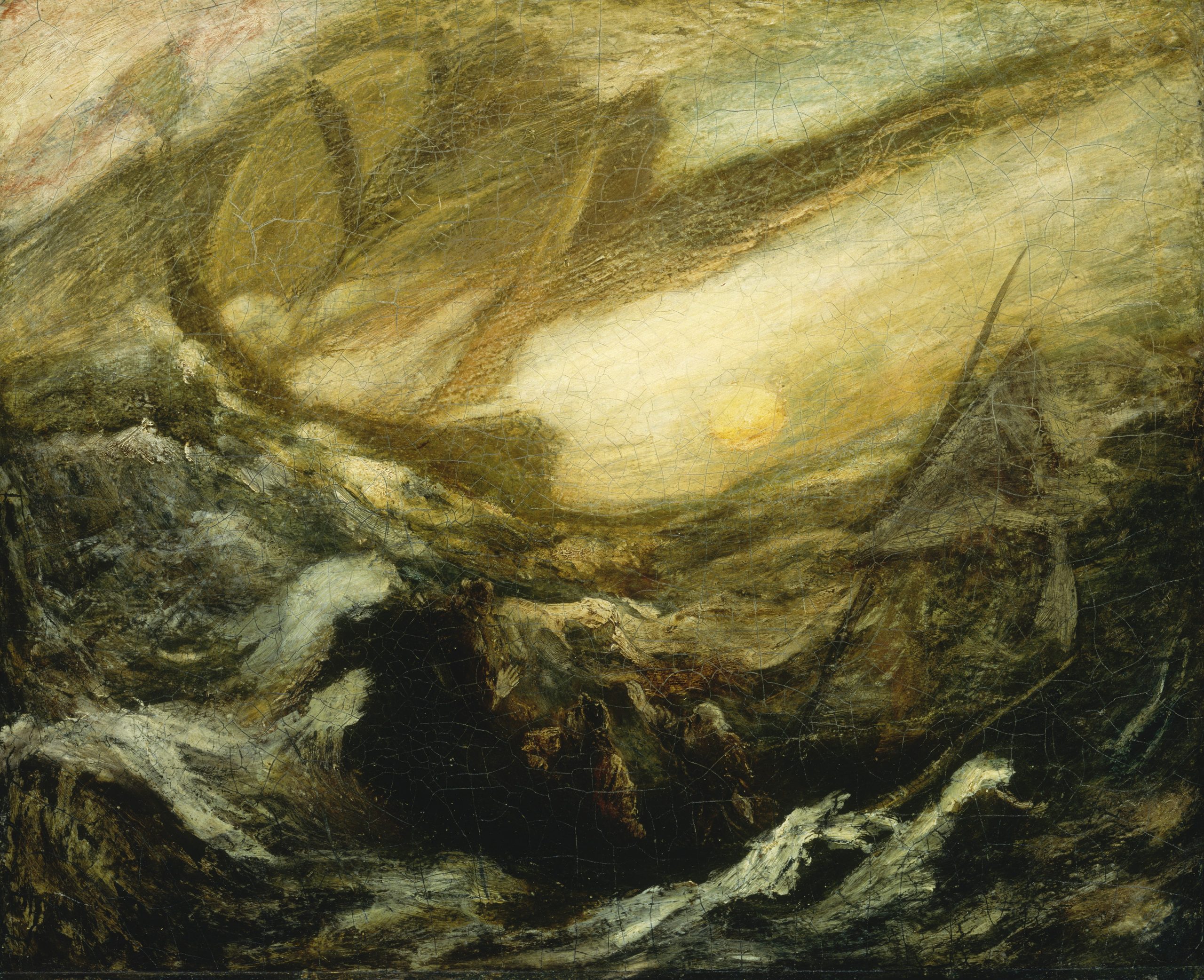
Albert Pinkham Ryder Flying Dutchman
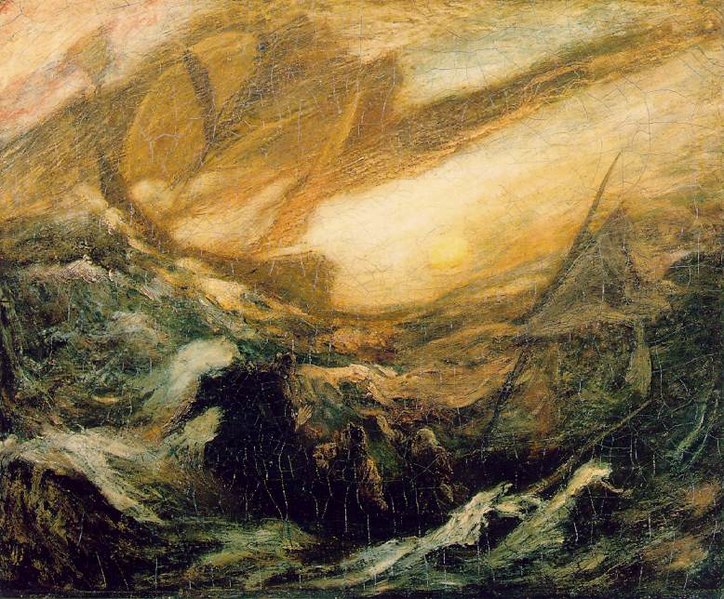
Albert Pinkham Ryder Flying Dutchman

The Flying Dutchman

The Flying Dutchman

gfdfgd
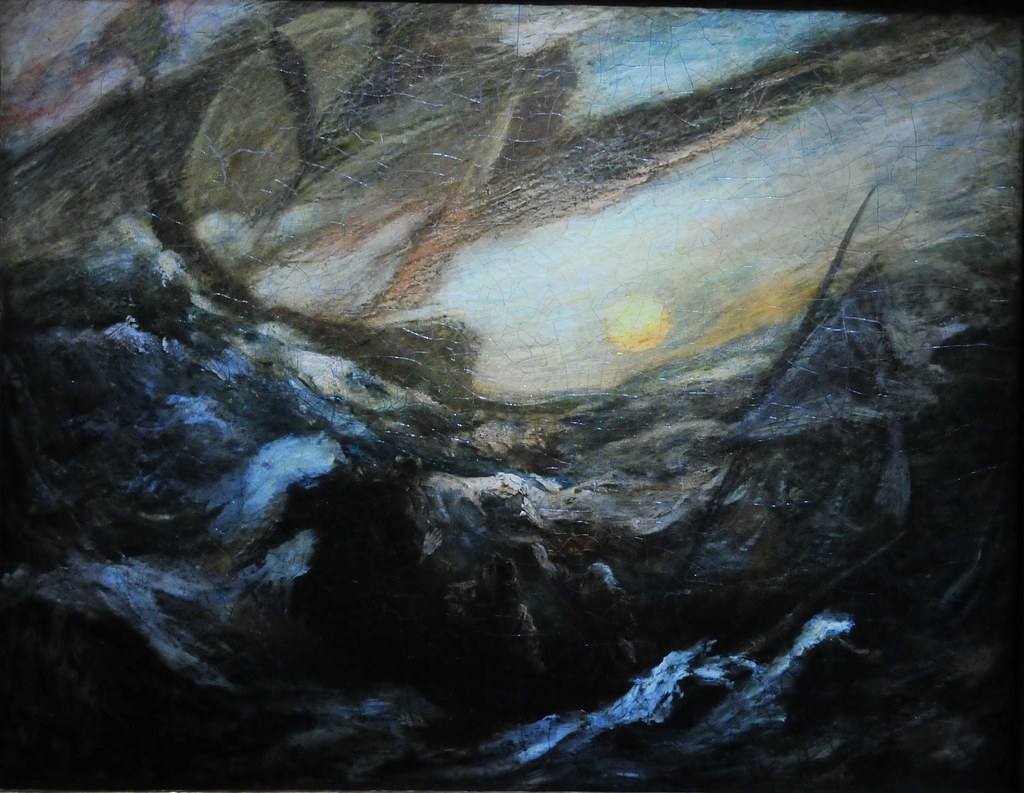
Flying Dutchman (1887) Oil on Canvas by Albert Pinkham Ryder

DSFSF
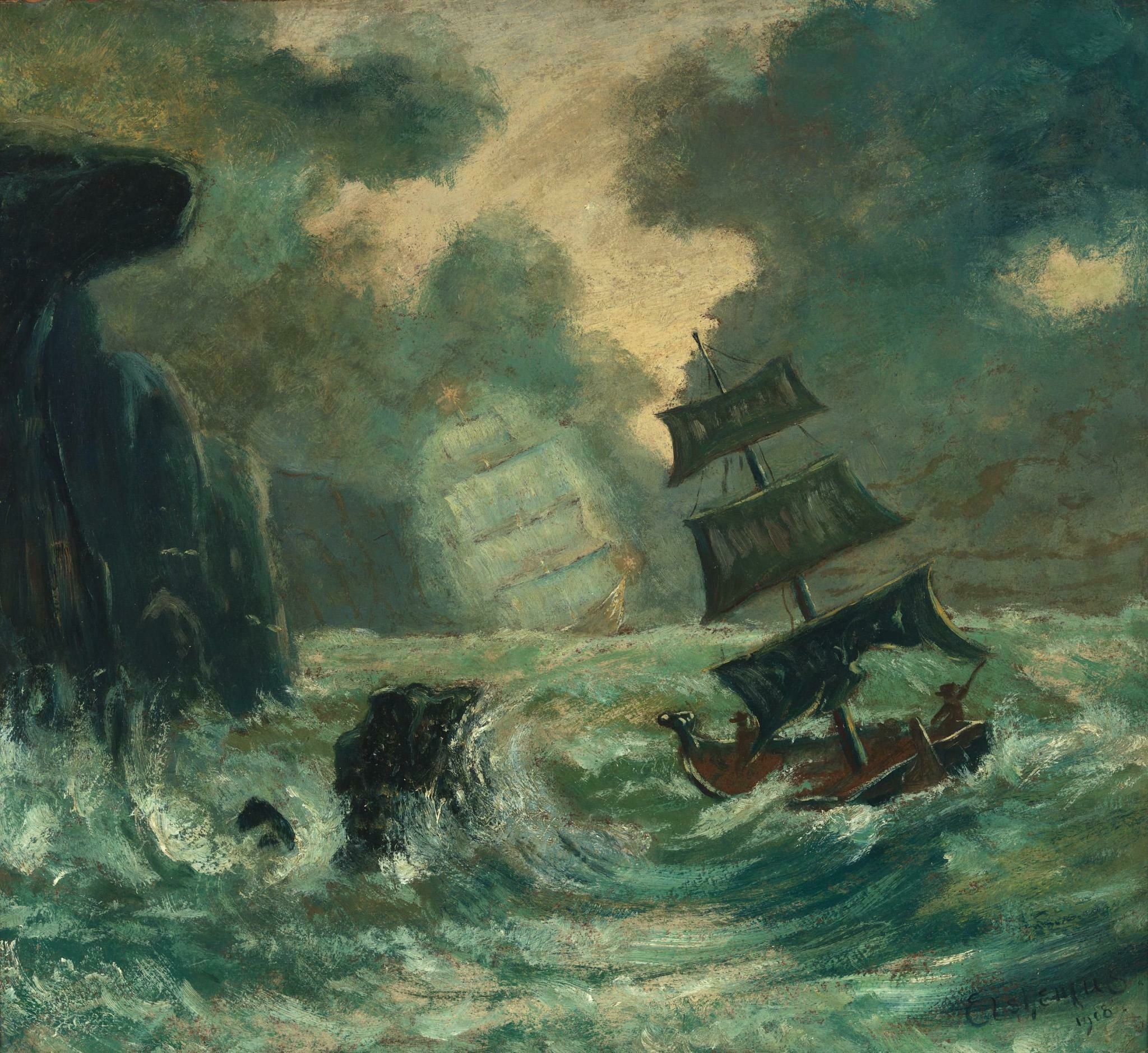
Louis M. Eilshemius | The Flying Dutchman

Louis M. Eilshemius | The Flying Dutchman

GFDGDG
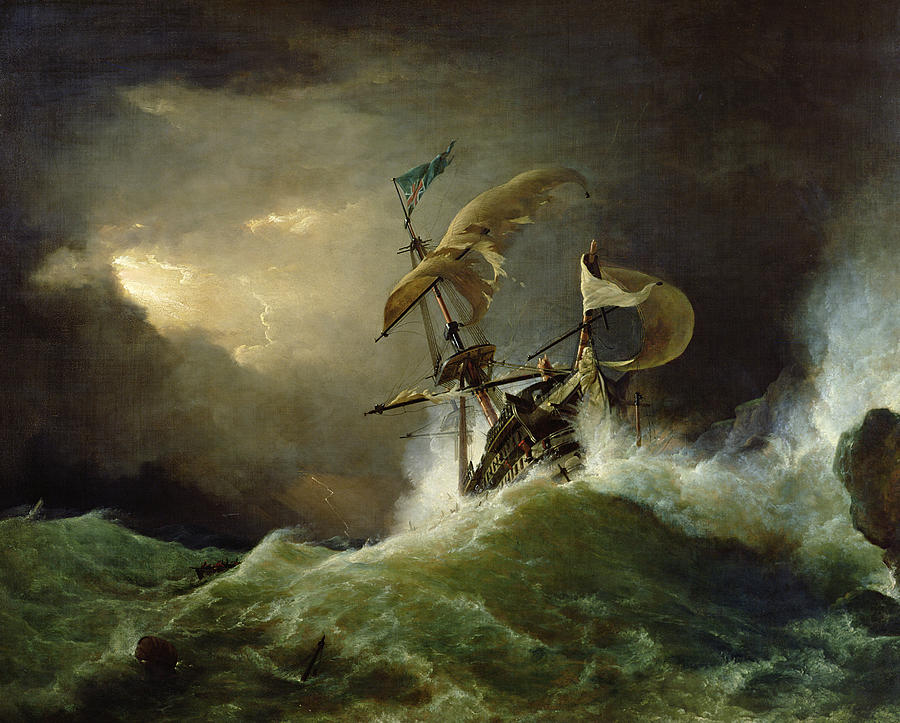
A First rate Man of War driven onto a reef of rocks, floundering in a gale by George Philip Reinagle

A First rate Man of War driven onto a reef of rocks, floundering in a gale by George Philip Reinagle

FDGDFGDFG
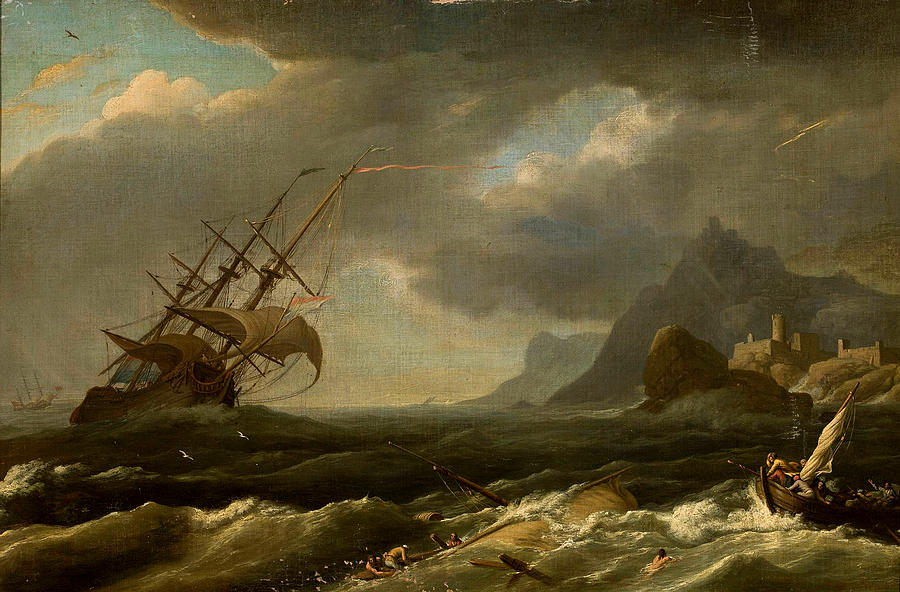
Survivors during a storm at sea by Unknown French painter

Survivors during a storm at sea by Unknown French painter

DSFDSFSDF
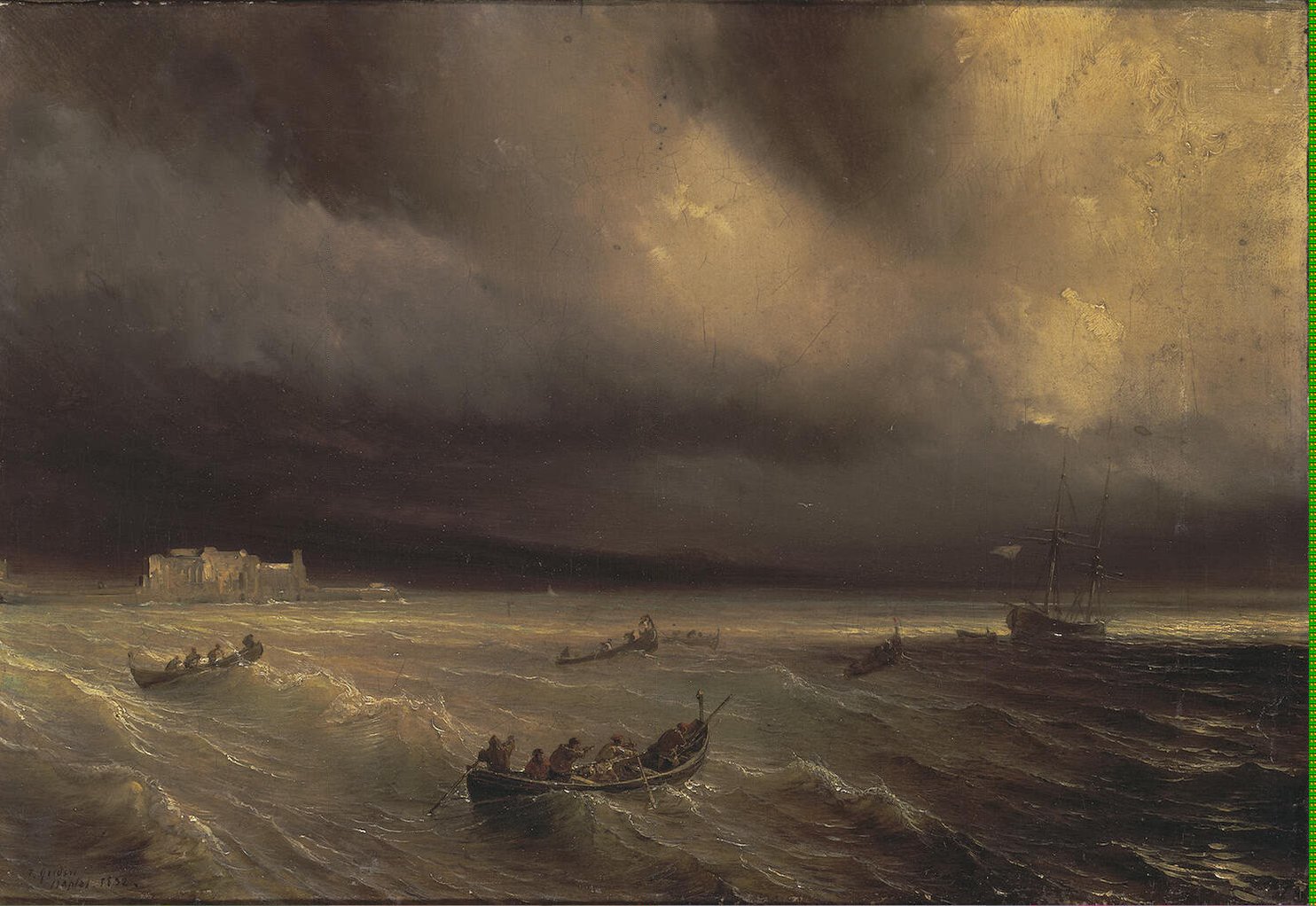
Storm in the Sea, Theodore Guidin

Storm in the Sea, Theodore Guidin

asdsada
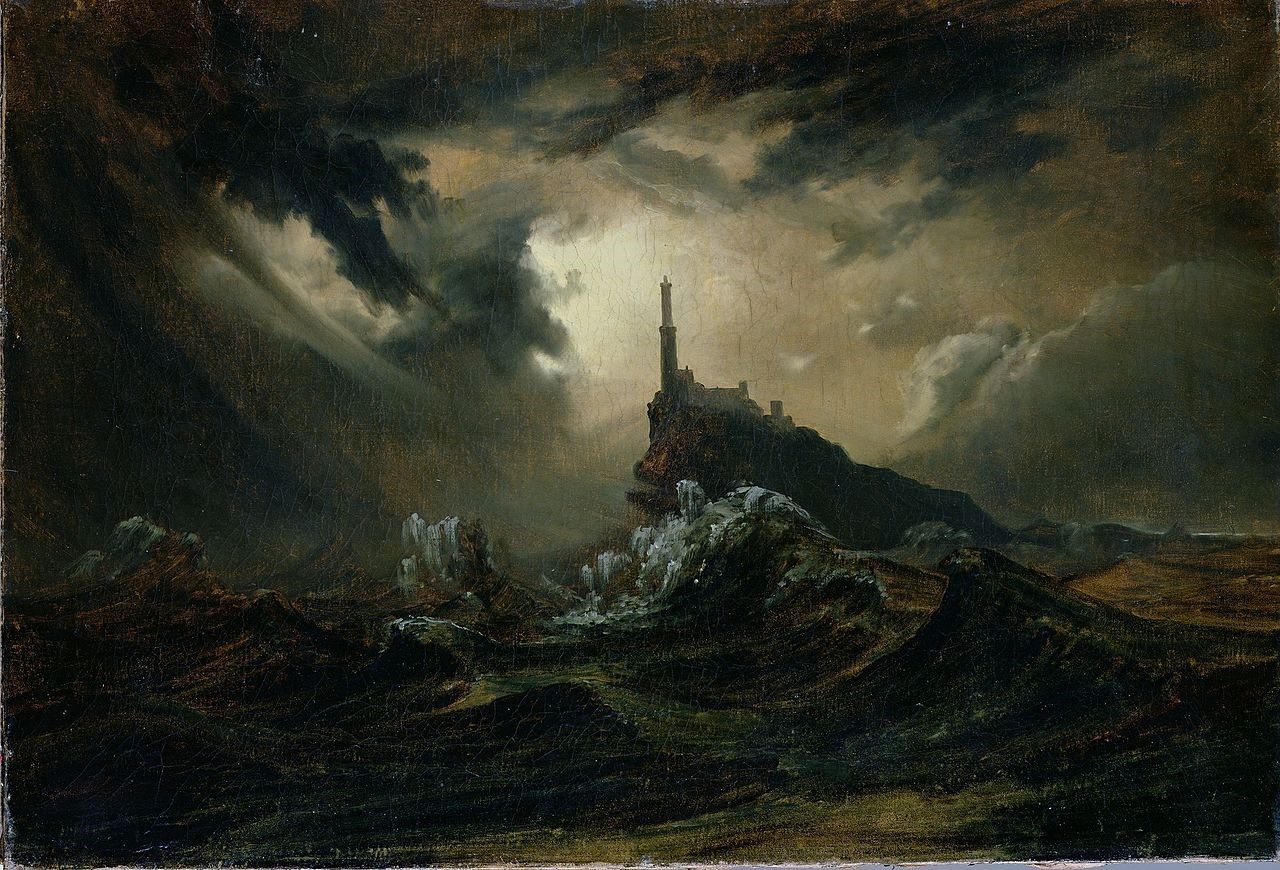
Stormy Sea with Lighthouse Carl Blechen

Stormy Sea with Lighthouse Carl Blechen

1700 A Mediterranean Brigantine Drifting Onto a Rocky Coast
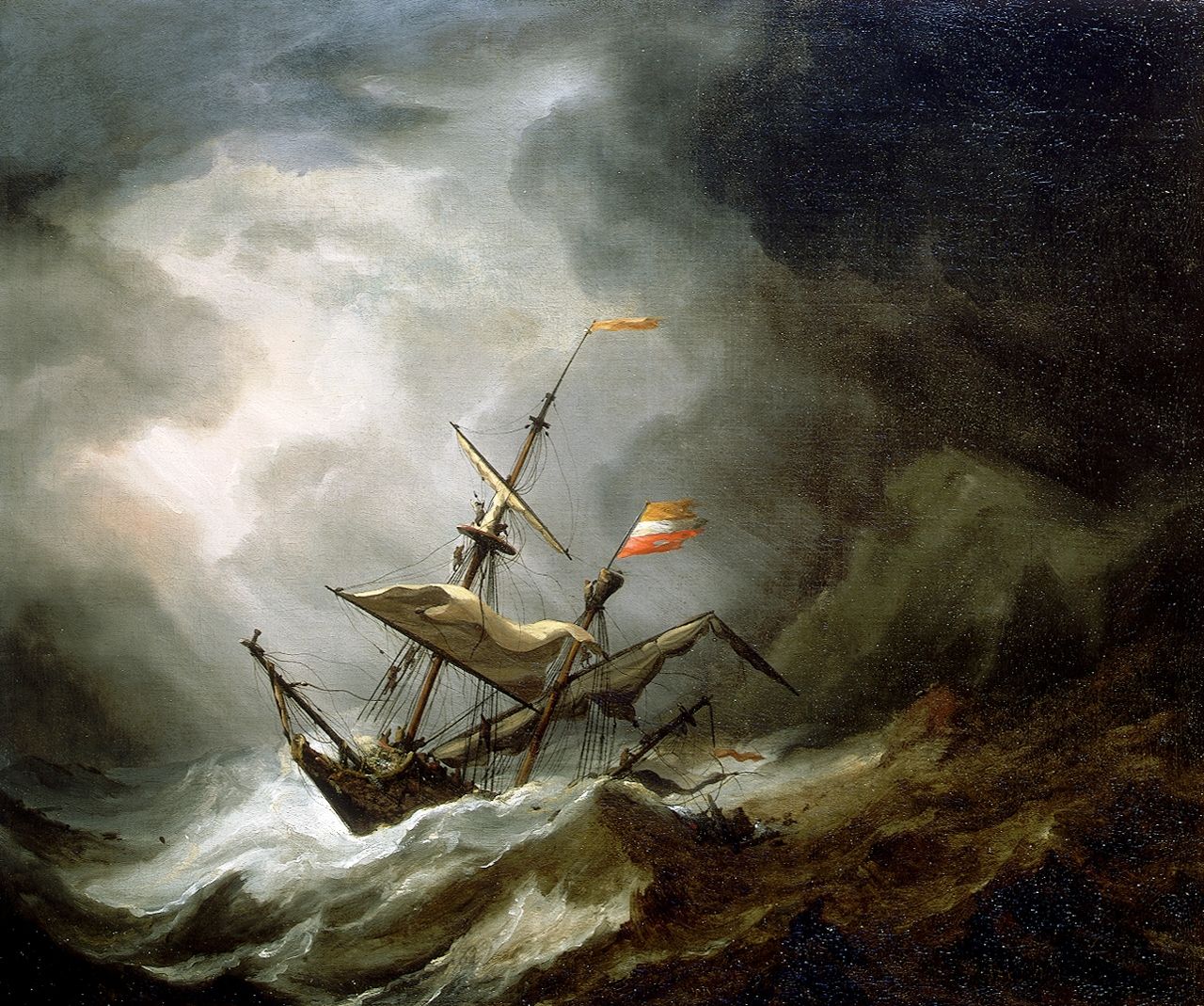
1700 A Mediterranean Brigantine Drifting Onto a Rocky Coast

1700 A Mediterranean Brigantine Drifting Onto a Rocky Coast

dgdfgdfgfd
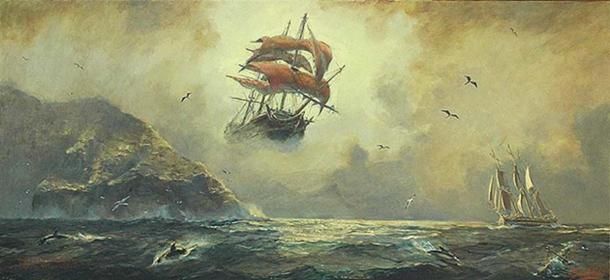
The Flying Dutchman

The Flying Dutchman

dfgfdgdgd


dfgdfgd


Filed Under: Albert Pinkham Ryder, Artists, Fine Arts, Oil Paintings Tagged With: Albert Pinkham Ryder, Fine Art, Oil Painting, The Flying Dutchman

ALBERT PINKHAM RYDER, JONAH

August 8, 2020 by blogadmin

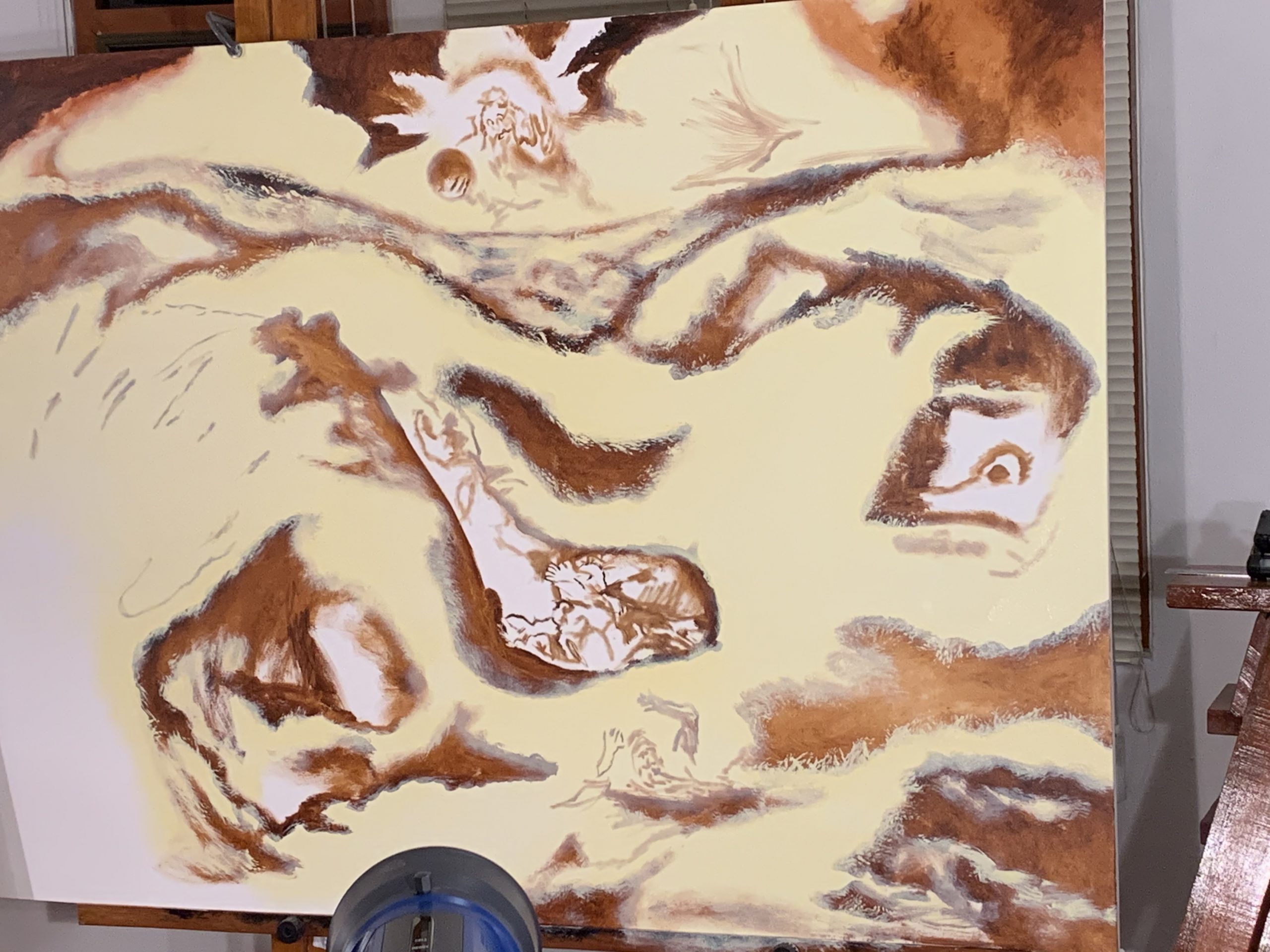
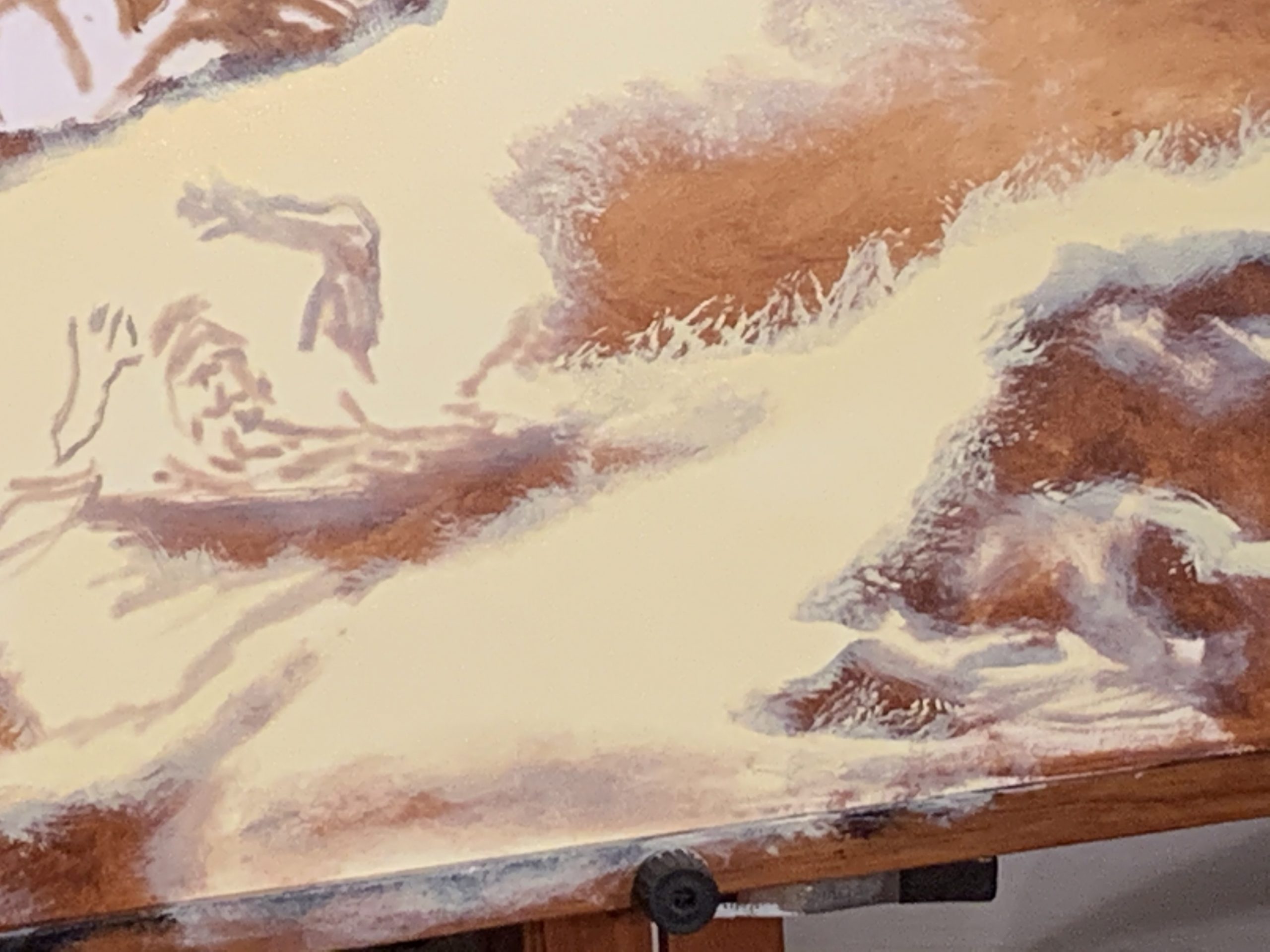
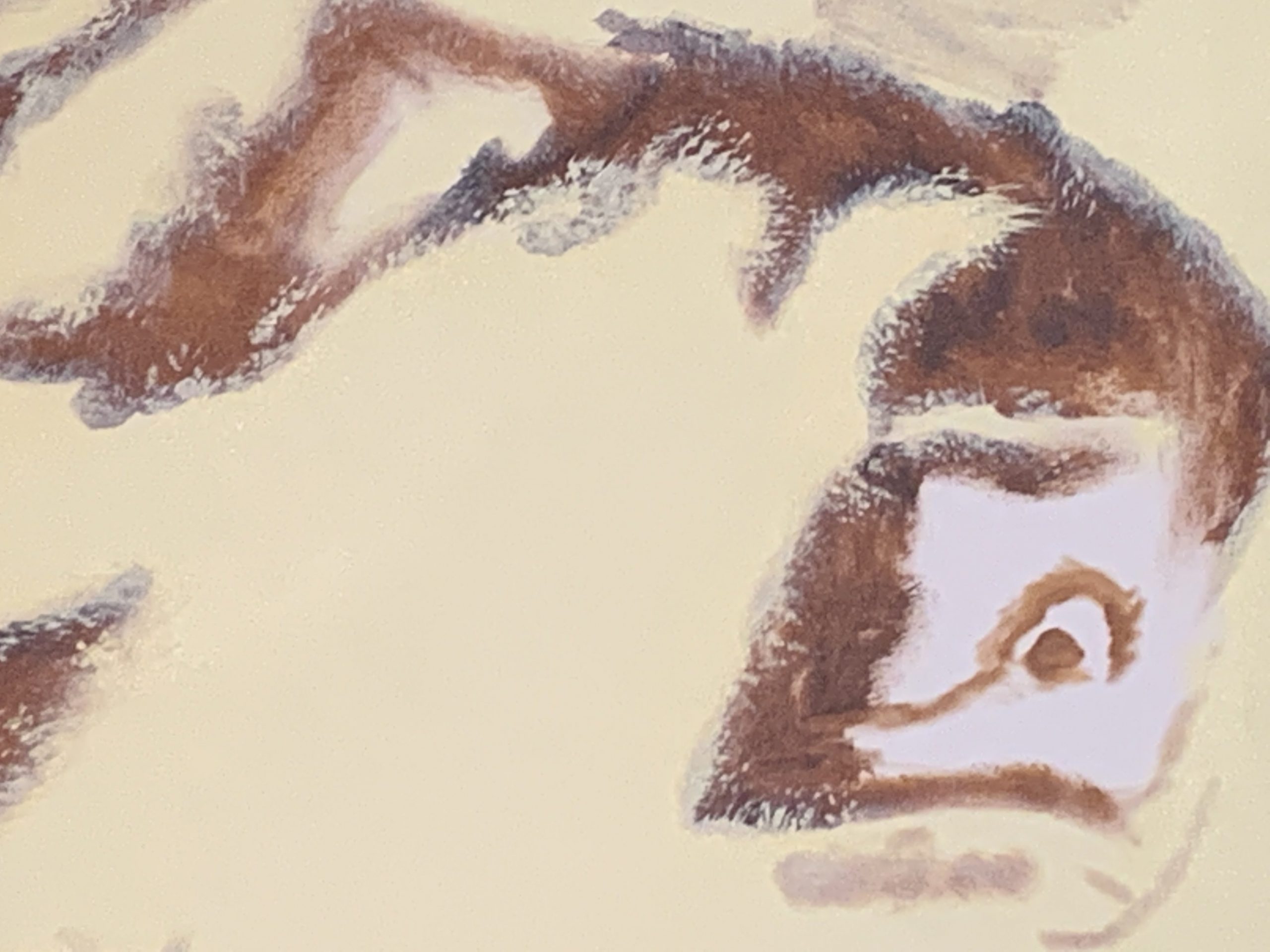
CURRENT WORK IN PROGRESS

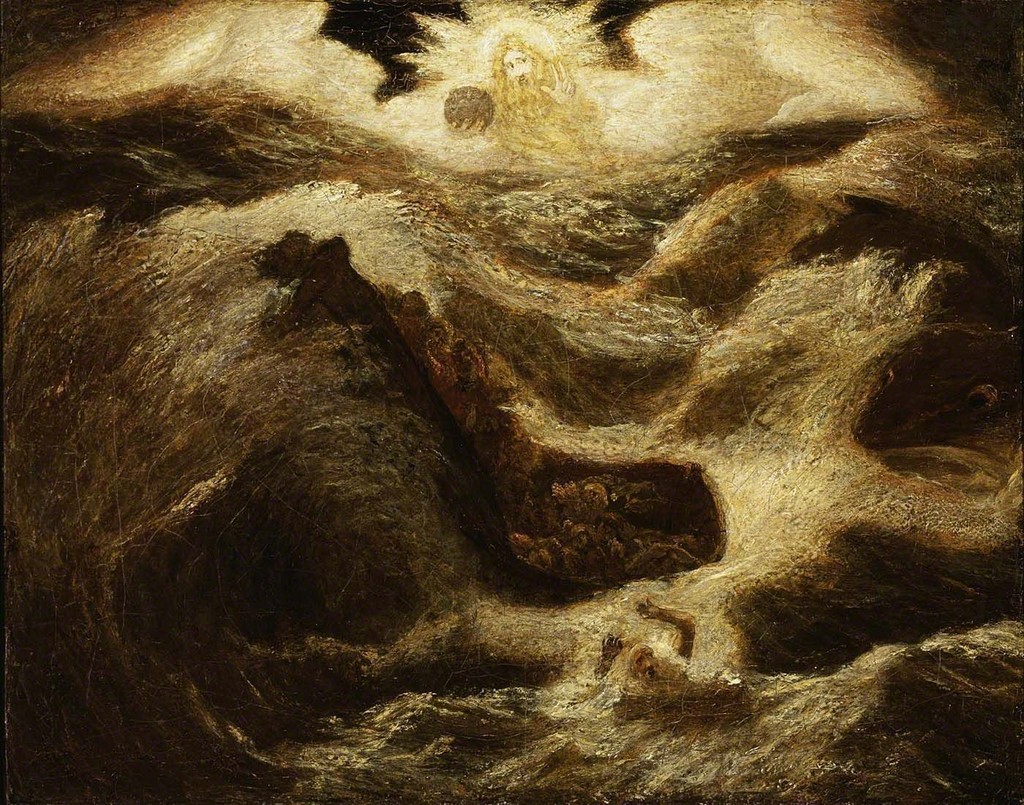
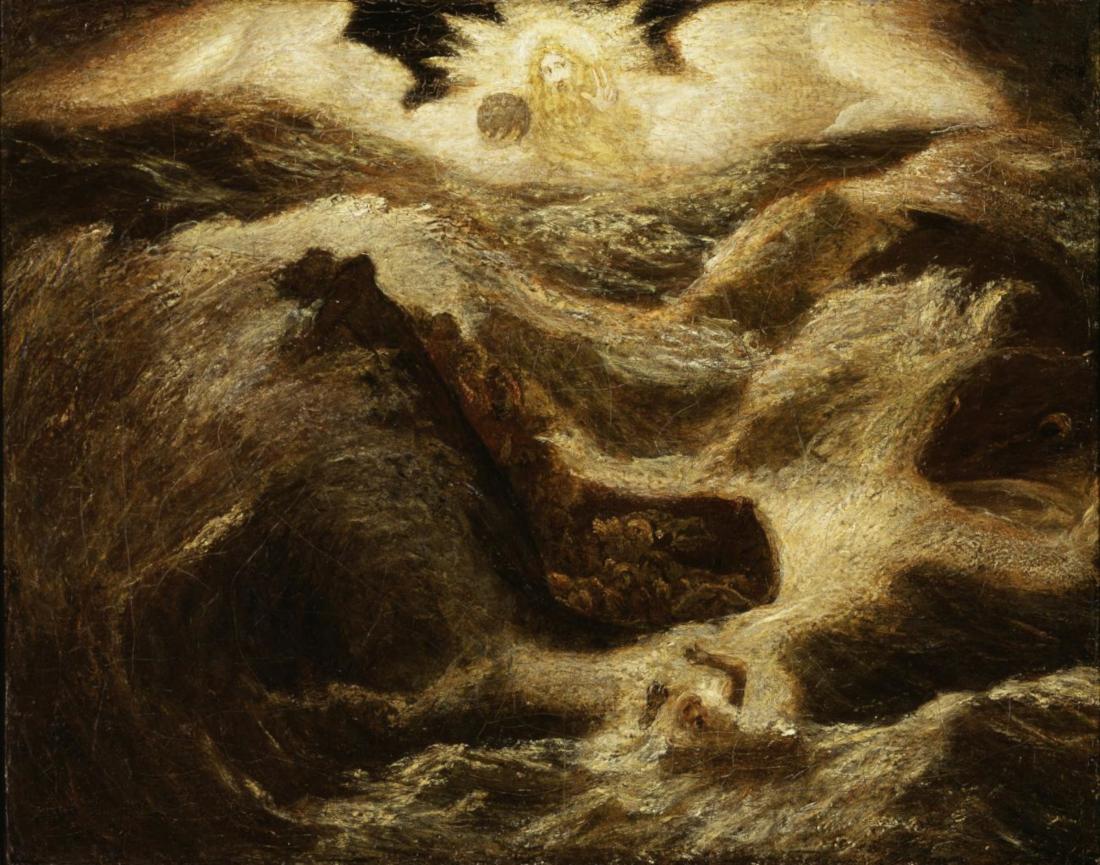
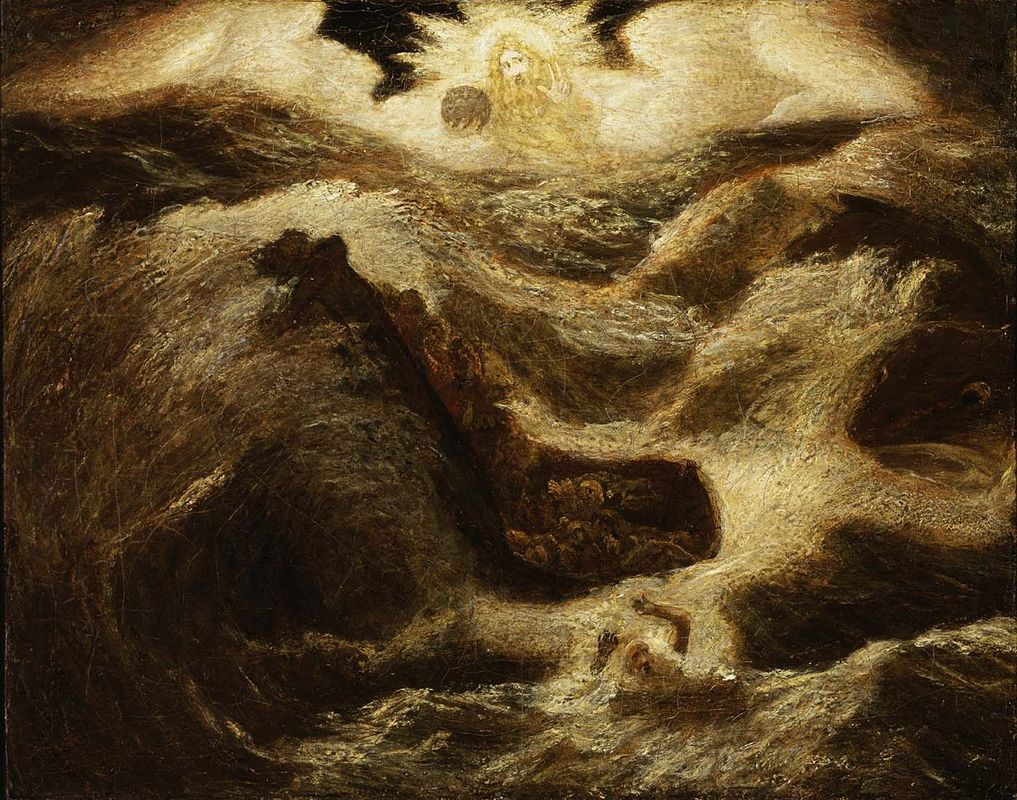
Albert Pinkham Ryder, "Jonah", 1895

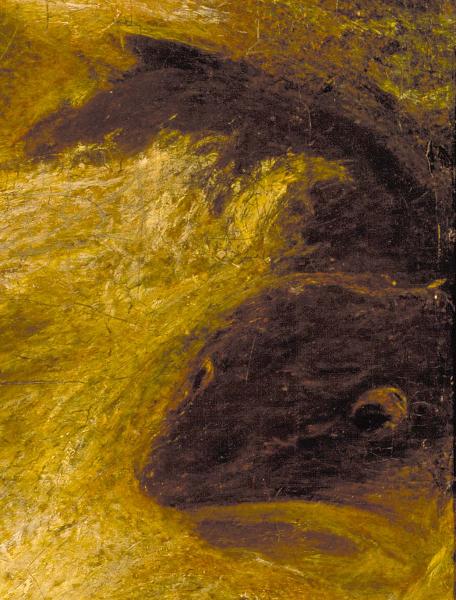
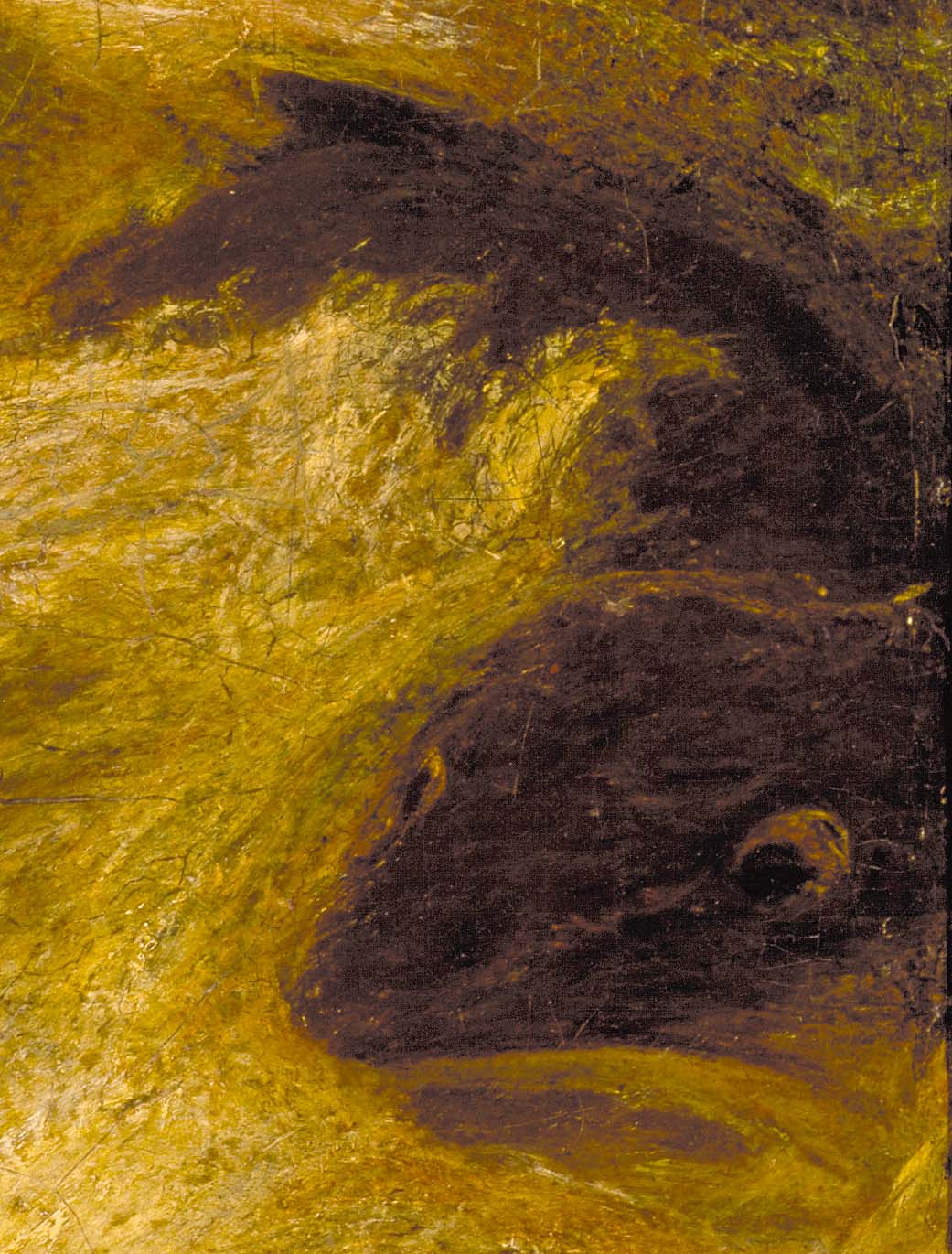
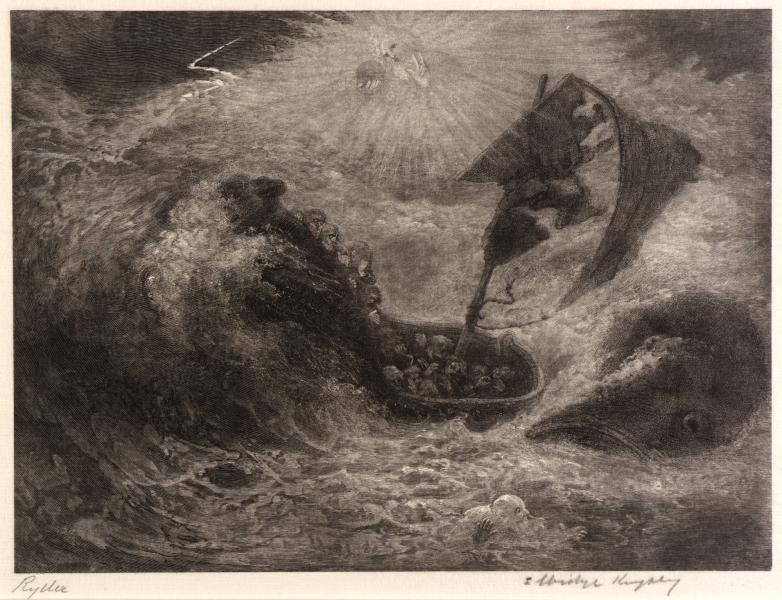
“Jonah tries to flee from God’s request to travel to the city of Nineveh. At sea his ship is caught by a storm. Jonah knows that he is the cause of the mighty tempest. He sacrifices himself and lets the others cast him into the sea.

Ryder is best known for his dark allegorical work and seascapes, which he painted using subtle colour differences.” – https://www.artbible.info/art/large/197.htm
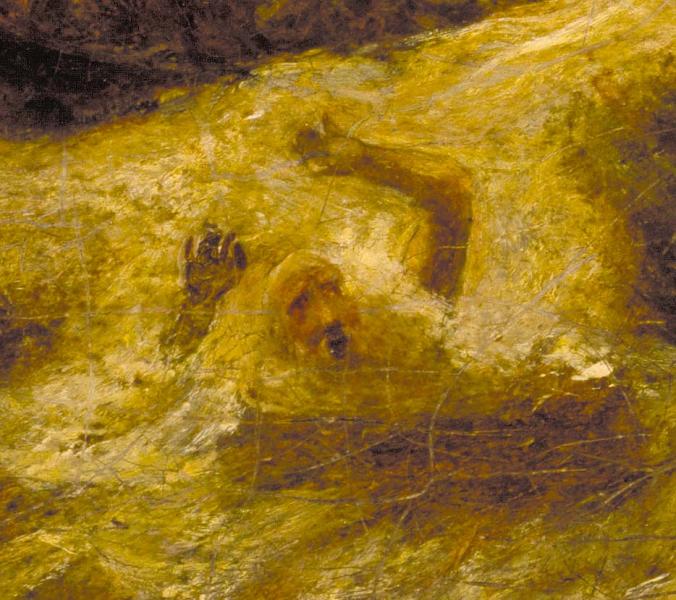
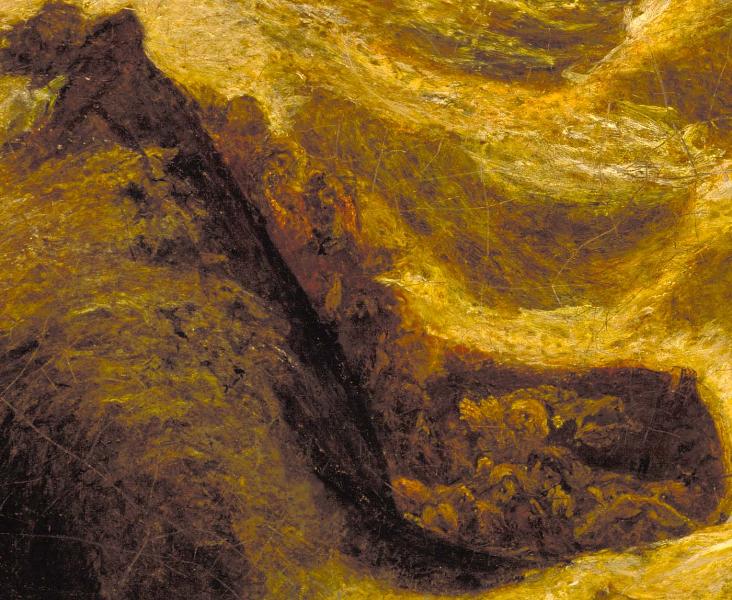
Albert Pinkham Ryder, "Jonah", 1895

Reference links:

  • https://americanart.si.edu/artwork/jonah-21449
  • https://americanart.si.edu/artwork/jonah-13766
  • https://www.artbible.info/art/large/197.html
  • https://www.artsy.net/artwork/albert-pinkham-ryder-jonah
  • https://teachingpoetryandart.weebly.com/ryder—jonah.html
  • https://www.wsj.com/articles/SB10001424127887324338604578326422980578366
  • https://www.biblegateway.com/passage/?search=Jonah%203&version=NIV
  • https://en.wikipedia.org/wiki/Jonah
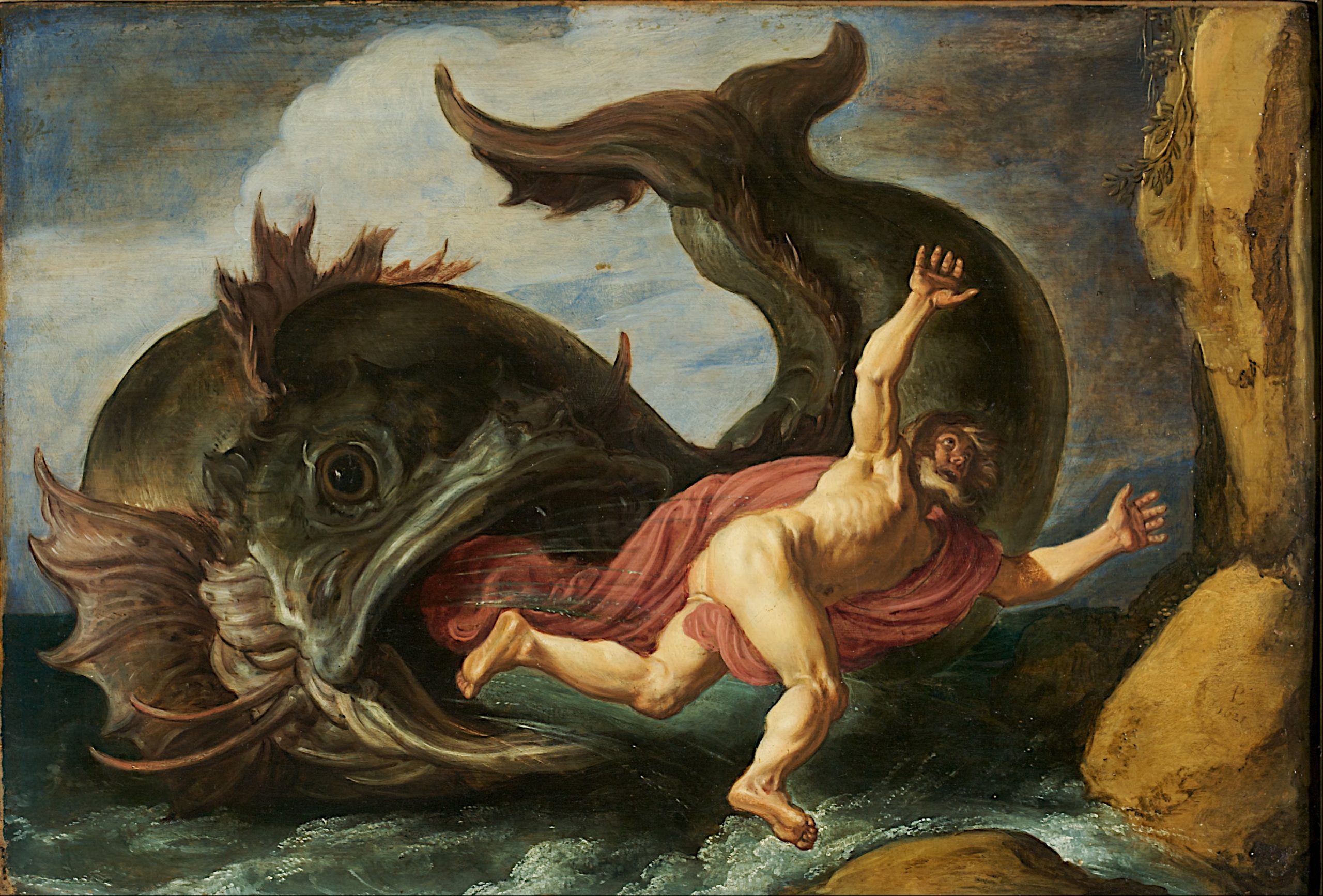
Jonah and the Whale (1621) by Pieter Lastman

Jonah and the Whale (1621) by Pieter Lastman

….

Jonah Preaching to the Ninevites (1866) by Gustave Doré

Jonah Preaching to the Ninevites (1866) by Gustave Doré

…..
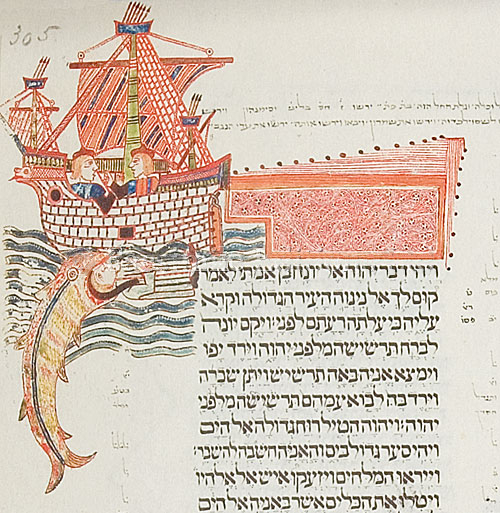
Illustration of Jonah being swallowed by the fish from the Kennicott Bible, folio 305r (1476), in the Bodleian Library, Oxford.
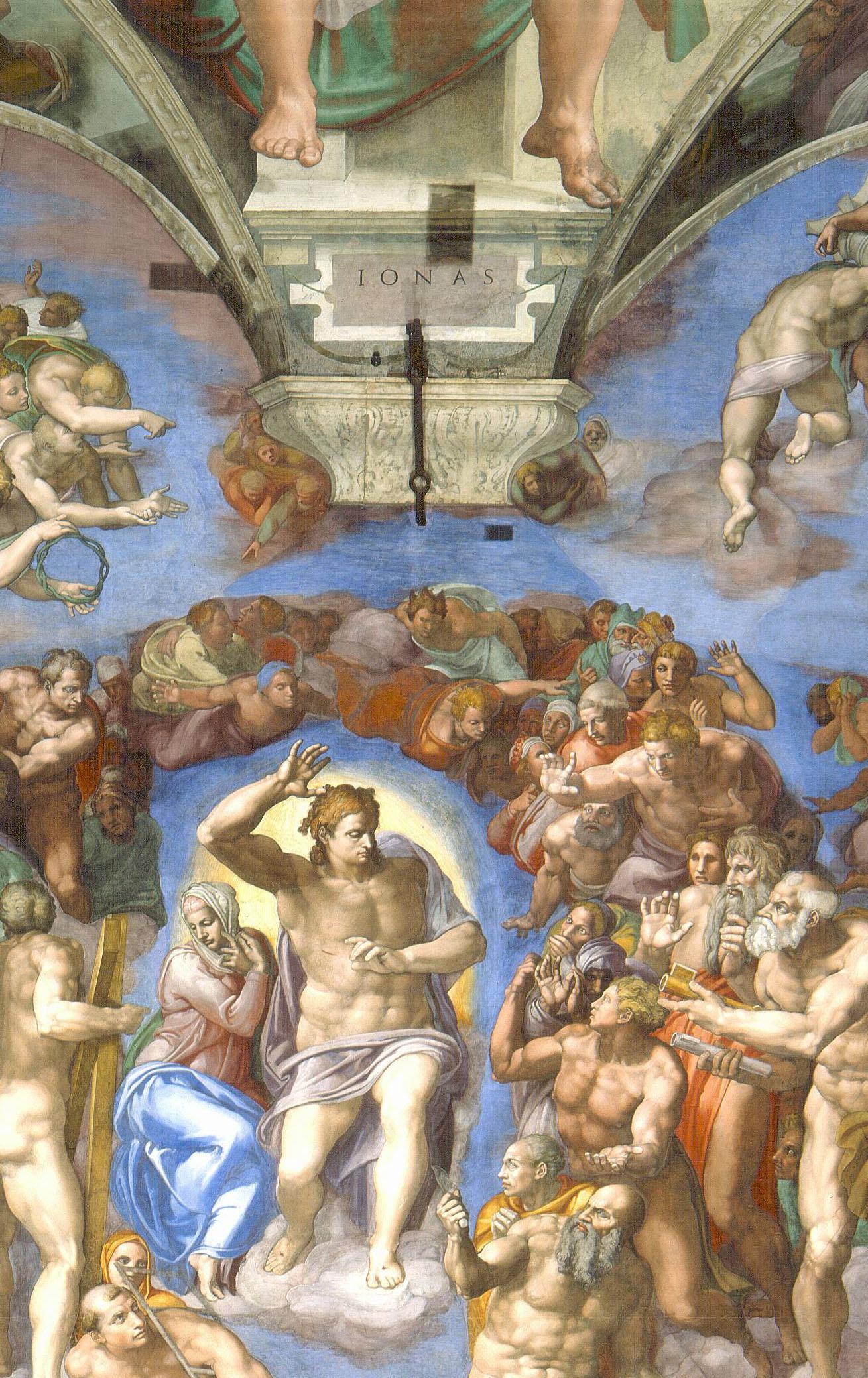
Illustration of Jonah being swallowed by the fish from the Kennicott Bible, folio 305r (1476), in the Bodleian Library, Oxford.


…..
In his fresco The Last Judgment, Michelangelo depicted Christ below Jonah (IONAS) to qualify the prophet as his precursor.


In his fresco The Last Judgment, Michelangelo depicted Christ below Jonah (IONAS) to qualify the prophet as his precursor.


…..
Jonah and the giant fish in the Jami' al-tawarikh (c. 1400), Metropolitan Museum of Art


Jonah and the giant fish in the Jami’ al-tawarikh (c. 1400), Metropolitan Museum of Art


…..
Jonah trying to hide his nakedness in the midst of bushes; Jeremiah in the wilderness (top left); Uzeyr awakened after the destruction of Jerusalem. Ottoman Turkish miniature, 16th century.[60]

Jonah trying to hide his nakedness in the midst of bushes; Jeremiah in the wilderness (top left); Uzeyr awakened after the destruction of Jerusalem. Ottoman Turkish miniature, 16th century.[60]


…..
Depiction of Jonah in a champlevé enamel (1181) by Nicholas of Verdun in the Verduner altar at Klosterneuburg abbey, Austria.


Depiction of Jonah in a champlevé enamel (1181) by Nicholas of Verdun in the Verduner altar at Klosterneuburg abbey, Austria.


…..
Jonah being swallowed by a great toothed sea-monster. Sculpted column capital from the nave of the abbey-church in Mozac, France, 12th century.


Jonah being swallowed by a great toothed sea-monster. Sculpted column capital from the nave of the abbey-church in Mozac, France, 12th century.

Filed Under: Albert Pinkham Ryder, Fine Arts, Oil Paintings

Silver Moon 3/28/20

March 28, 2020 by blogadmin

I was able to get through the mental hurdles:

1. This work was on the office / bedroom easel and I’d felt as if I didn’t even want to finish the work, much less empty the easel.

2. The two easel areas in the smaller studio room had other frames on them and I have not decided what to do yet with either of them especially the portrait landscape shape one because it has issues with the woodwork that I had not fixed yet.

3. The moving overall seemed a headache especially the repeated easel adjustments after already having done them, but once I knew Silver Moon would do well there I made it happen. I even learned a trick using the clamps so that I did not get tortured by gravity and the easel bottom runner falling while trying to raise it. It worked like a champ especially while tightening, which eliminated it “crawling”.

4. I have never placed oil paint on top of acrylic paint before and had only learned it in recent weeks or months during a research session but it worked out very well I think.

This all enabled me to transition piece which I had very serious intentions about before and had lost interest in due to the above mentioned issues with acrylics.

I organized the two easels in both rooms, move various frames and tool caddies, and moved Silver Moon into the smaller studio room, installed it on an easel, and immediately mopped on a layer of Indigo across 90% of the surface.

I’m hoping the linseed oil wasn’t too much and I certainly plan to build up while it’s moist and also work with stand oil or whatever other medium that I can to keep this thing sticky so that I can really build it up with the brush strokes which seem to be the true nature of this work aside from the pallet and a perfect positioning and lay out that Ryder did.

I am so much happier with this medium and immediately feel a new connection to the work order before I was turned off by the coarse and limited nature of acrylics.

I don’t completely hate acrylics but I now know what I can use them for in a limited capacity as far as composition and layout goes.

Filed Under: Albert Pinkham Ryder, Fine Arts, Oil Paintings

Silver Moon: Update 3/2/20

March 2, 2020 by blogadmin

I was able to spend a Sunday afternoon with my daughters in the studio and while they drew their stuff I was able to map out the coordinates of the objects in this painting.

It is painstaking work but I am learning a lot about how this painter arranged everything.

The sketching might look a bit haphazard but don’t let that fool you the coordinates are accurate to the millimeter.

I was able to get the diameter of the moon as well as it’s X and Y coordinates otherwise known as latitude and longitude.

There is a technique to do this which I will describe in a separate article so that you do not have to use an opaque projector.

I was also able to get the X and Y coordinates of all the mountain peaks and cliffs, as well as the position of the sailboat and it’s orientation above, at, and below the horizon line, and the perceived shoreline, @ viewer position.

I have actually rendered the basics of the moon and the top mast and main sail. They came up in pretty accurate position all things considered.

This canvas is exactly 583x the scale of the reference drawing.

I am using Google sheets to convert X height from top edge and Y width inwards from right edge for the bottom right corner of the main sail where it meets the horizon line.

Here’s the coordinate in original (reference drawing in cm.m and it’s converted scaled value (on canvas) in cm.m.

As noted above I will share the exact technique for this process most likely in a YouTube video once I get the script written.

I’d also like to give credit to my engineer friend JD in the video as well as the corresponding web posting for coming up with the simplest formula in answer to an email I wrote him.

You might ask: “why study another artist?”

My best answer is that with regard to oil painting there are quite a few related disciplines within fine arts and illustration that lead to solid work versus days weeks or even months of constant reworking of mistakes.

In oil paintings the chemistry of each layer has to relate properly to the layers around it above it and below it. The chemistry of the oil paint out of the tube differs from color to color due to the chemical elements used to manufacture the given color. Also within the tube there are several other ingredients which also differ in terms of how they dry, shrink, bleed, and otherwise interact with neighboring colors.

And that’s just the color in the tube, without regard for the solvents used, or expanders used, such as Linseed Oil, or stand oil.

So the technical answer to why study someone else’s work in this particular post is given with the reader also keeping in mind that this work is being done presently in acrylic to rule out the chemistry of oils and just focus on the other part of the answer which is one of drawing and perspective, positive and negative space, color, light, shadow, and other factors.

Starting out with an artist who has done work that can be studied easily as a way to build up all of the skills and gain an understanding everywhere needed in technical and chemistry areas. 

There is also quite a bit of aesthetic enjoyment as one begins to solve the hidden formula with regard to how the artist laid out this work overall. 

All of this contributes toward a future understanding of how to produce original independent work of one’s own that contains all of the more advanced skills one would need to impress an audience or get a message, impression, concept or mood across.

My answer might not be good enough for some people but consider it from another angle: That of an architect, that of a chef, that of a pilot, or even that of a brain surgeon. Or even simpler a student driver of a car, in a given city.

You can’t just hop into a car and go to a specific destination if you’ve never driven before. You can’t design a building, bake a cake, fly an airplane, or do brain surgery without studying.

The same applies with regard to drawing and painting and learning from the Masters. There are many reasons why their work was considered superior even centuries after they passed on. One would do well to understand the accomplishments of those who came before them.

It’s not a matter of loyalty, it’s a matter of detail.

One must practice in all disciplines, even the most simple. Practice builds experience and situational awareness.

While some regard to fine arts as a play pen, I regard them as a place where many different scientific, mathematical, and aesthetic devices come into play.

Be it chemistry of light and color with regard to working with dyes, pigments, inks or paints, or the mathematics of geometry (perspective) or the basic algebra of calculating latitude and longitude coordinates at multiple scales or units of measurement, or the aesthetic and creative endeavors of inventing three-dimensional spaces in which one can render anything, -these are my preferred, perhaps “old-fashioned”, yet to me more rewarding and “grounding” pastime, than what I had been spending time on prior, e.g. the Internet.

I am dictating this text into a mobile phone and apologize for the grammatical structure of my spoken words.

But I hope some of the answers or input have given might be understood by any reader who might be interested in similar work.

Or why I might have moved on from being quite involved in my former multi-decades career as an Internet publisher, Linux / UNIX Systems Engineer / Admin, Database Administrator, Network & Security Expert, some-time Coder.

If you are too old or poor or unconnected to study astrophysics, perhaps the rigors of fine art might be a suitable Haven.

Filed Under: Acrylic Paintings, Albert Pinkham Ryder, Fine Arts

Silver Moon: Update 2/29/20

February 29, 2020 by blogadmin

I got this work a little bit further along and I’m only loosely following the original.

Albert Pinkham Ryder Silver Moon

Albert Pinkham Ryder Silver Moon 792px x 600px

This time I was able to get a wash on there which was almost forgotten scale until I came back into my mind while rendering the sky.

Filed Under: Acrylic Paintings, Albert Pinkham Ryder, Artists, Fine Arts Tagged With: Albert Pinkham Ryder, Fine Art, Moon, Night, Oil Painting, Sea, Ship

Albert Pinkham Ryder, Toilers of the Sea & Others

January 26, 2020 by blogadmin

There is supposedly a victor Hugo reference as there is a book by the same name and I even used to own this book and it was quite an old hard cover but I ended up having to leave it behind somewhere.

It’s time to re-book it on the Waze is this painting which Albert Pinkham Ryder did.

The Lover’s Boat, about 1881, Albert Pinkham Ryder

Flying Dutchman (1887) Oil on Canvas by Albert Pinkham Ryder

Filed Under: Albert Pinkham Ryder, Artists, Fine Arts, Oil Paintings

SCI-NEWS.com

  • VISTA Focuses on Inner Regions of Magellanic Clouds
    by Natali Anderson on September 16, 2026 at 3:57 pm

    Astronomers using ESO’s Visible and Infrared Survey Telescope for Astronomy (VISTA) have observed the densest, most crowded regions at the centers of the Large and Small Magellanic Clouds, our […]

  • New Dicynodont Species from Tanzania Suggests Younger Age for Rocks Tied to Earliest Dinosaurs
    by Enrico de Lazaro on September 15, 2026 at 11:04 pm

    Paleontologists have identified a new species of ancient, distant mammal relative from two fossil specimens found decades apart in the Manda Beds of Tanzania. The post New Dicynodont Species from […]

  • Entanglement Survives Violence of CERN’s Large Hadron Collider
    by News Staff on September 15, 2026 at 9:06 pm

    Physicists from the ATLAS Collaboration at CERN’s Large Hadron Collider have confirmed that quantum entanglement -- the phenomenon Albert Einstein called ‘spooky action at a distance’ -- can […]

  • New Study Explains Why Venus Has No Moon
    by Natali Anderson on September 15, 2026 at 6:38 pm

    Dr. Stephen Kane from the University of California, Riverside and colleagues offer a tidy explanation for one of the Solar System’s enduring puzzles: why Venus, so similar to Earth in size and […]

  • Spanish Amber Deposit Offers Rare Window into Cretaceous Life
    by Enrico de Lazaro on September 14, 2026 at 10:33 pm

    El Soplao, a fossil site tucked into the hills of Cantabria in northern Spain, stands out for yielding amber pieces with a blue-violet hue and abundant bioinclusions, according to a new review […]

  • Diplodocus, Long Thought Exclusively American, Turns Up in Spain
    by Enrico de Lazaro on September 14, 2026 at 9:17 pm

    Paleontologists from Fundación Dinópolis have identified the first confirmed fossils of the genus Diplodocus found outside North America. The post Diplodocus, Long Thought Exclusively American, […]

  • Mercury Has Shrunk Even More than Planetary Scientists Thought
    by News Staff on September 14, 2026 at 6:41 pm

    The Solar System’s smallest planet has contracted by nearly 19 km (12 miles) across, as crater debris masked telltale wrinkles on its surface, according to new research led by the German Aerospace […]

  • Devonian Armored Fish Show Multiple Ways to Crush Hard-Shelled Prey
    by Enrico de Lazaro on September 14, 2026 at 5:01 pm

    Long before sharks or reptiles ruled the seas, armor-plated fish called placoderms were already experimenting with different jaw designs to crush hard-shelled prey. The post Devonian Armored Fish […]

  • Study: Interstellar Comet 3I/ATLAS Formed in Cold, Nitrogen-Rich Environment
    by Enrico de Lazaro on September 14, 2026 at 2:43 pm

    Astronomers have found new evidence that 3I/ATLAS, only the third confirmed interstellar object ever detected entering the Solar System from beyond, formed in an extremely cold environment far from […]

  • Ancient Alligator Relative Lived Right After Dinosaur-Killing Asteroid
    by Enrico de Lazaro on September 11, 2026 at 11:14 pm

    Paleontologists have identified a new species of extinct alligatorid that lived in what is now Colorado just a few hundred thousand years after the asteroid impact that wiped out the non-avian […]

  • Ichthyosaurs Had Surprisingly Dense Ribs, New Study Finds
    by Enrico de Lazaro on September 11, 2026 at 4:54 pm

    New research from the Natural History Museum at the University of Oslo suggests ichthyosaurs’ rib cages may have done a job modern whale ribs don’t: acting as ballast to help them dive. The post […]

  • Exceptionally Preserved Bird Feathers Found in 66-Million-Year-Old Dinosaur Coprolite
    by Enrico de Lazaro on September 10, 2026 at 10:08 pm

    Paleontologists in Montana have discovered remarkably preserved feathers of an ancient aquatic bird inside a fossilized dinosaur dropping, offering rare insight into why certain birds survived the […]

  • Denisovans Once Roamed Southwest China, New Fossils Reveal
    by Enrico de Lazaro on September 10, 2026 at 7:01 pm

    Paleoanthropologists have identified a trove of Denisovan fossils from a cave in China’s Yunnan province, extending the known range of the elusive human relative and providing the first-ever direct […]

  • Paleontologists Discover First-Ever Adult Tyrannosaurus rex Trackway
    by Enrico de Lazaro on September 9, 2026 at 11:04 pm

    Paleontologists in North Dakota have unearthed a set of 66.5-million-year-old fossilized footprints that can be confidently attributed to a full-grown Tyrannosaurus rex. The post Paleontologists […]

  • Elephants Show Talent for Resisting Impulses
    by News Staff on September 9, 2026 at 8:45 pm

    In experiments in Thailand, Asian elephants (Elephas maximus) learned to ignore an enticing but ineffective route to food and quickly adapted when a familiar solution stopped working. The post […]

  • Britain’s Tallest Standing Stones Traced to Their Geological Source
    by Enrico de Lazaro on September 9, 2026 at 7:26 pm

    Scientists from Curtin University and the University of York have pinpointed the origin of the Devil’s Arrows, the three towering gritstone megaliths that have stood on the edge of Boroughbridge, […]

  • Researchers Unveil Complete Fruit Fly Connectome
    by Enrico de Lazaro on September 9, 2026 at 5:23 pm

    After nearly two decades of work, scientists have completed a wiring diagram of the central nervous system of an adult male fruit fly (Drosophila melanogaster). The post Researchers Unveil Complete […]

  • Hubble and Webb Team Up to Spy Tiny Frozen Worlds beyond Neptune
    by Enrico de Lazaro on September 9, 2026 at 3:35 pm

    For the first time, astronomers combined Hubble and Webb space telescopes to hunt down some of the smallest, faintest objects ever spotted in the outer Solar System. The post Hubble and Webb Team Up […]

  • New Owl Species Discovered in Peru
    by Enrico de Lazaro on September 8, 2026 at 10:59 pm

    A horned owl living in a narrow strip of high-Andean grassland in northern Peru is a species new to science, according to a paper published in July 2026 in the journal Audiornis. The post New Owl […]

  • Could Scoop of Moon Dust Reveal Alien Technology?
    by Sergio Prostak on September 8, 2026 at 8:54 pm

    A cubic meter of lunar soil might be one of our best bets for finding physical proof that another advanced civilization once existed somewhere in the Milky Way, according to a new paper to be […]

Copyright © 2026 · Dynamik-Gen on Genesis Framework · WordPress · Log in