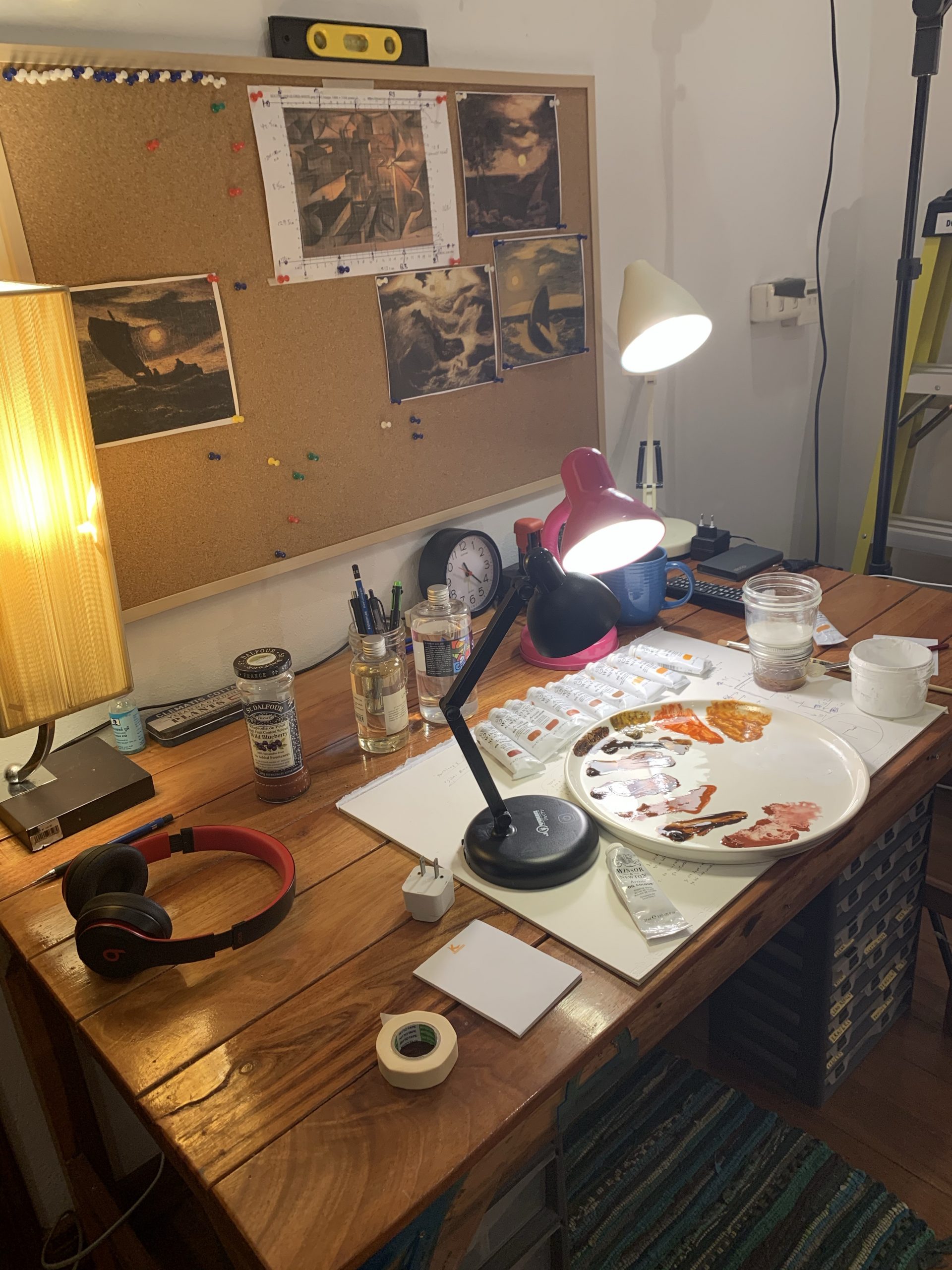
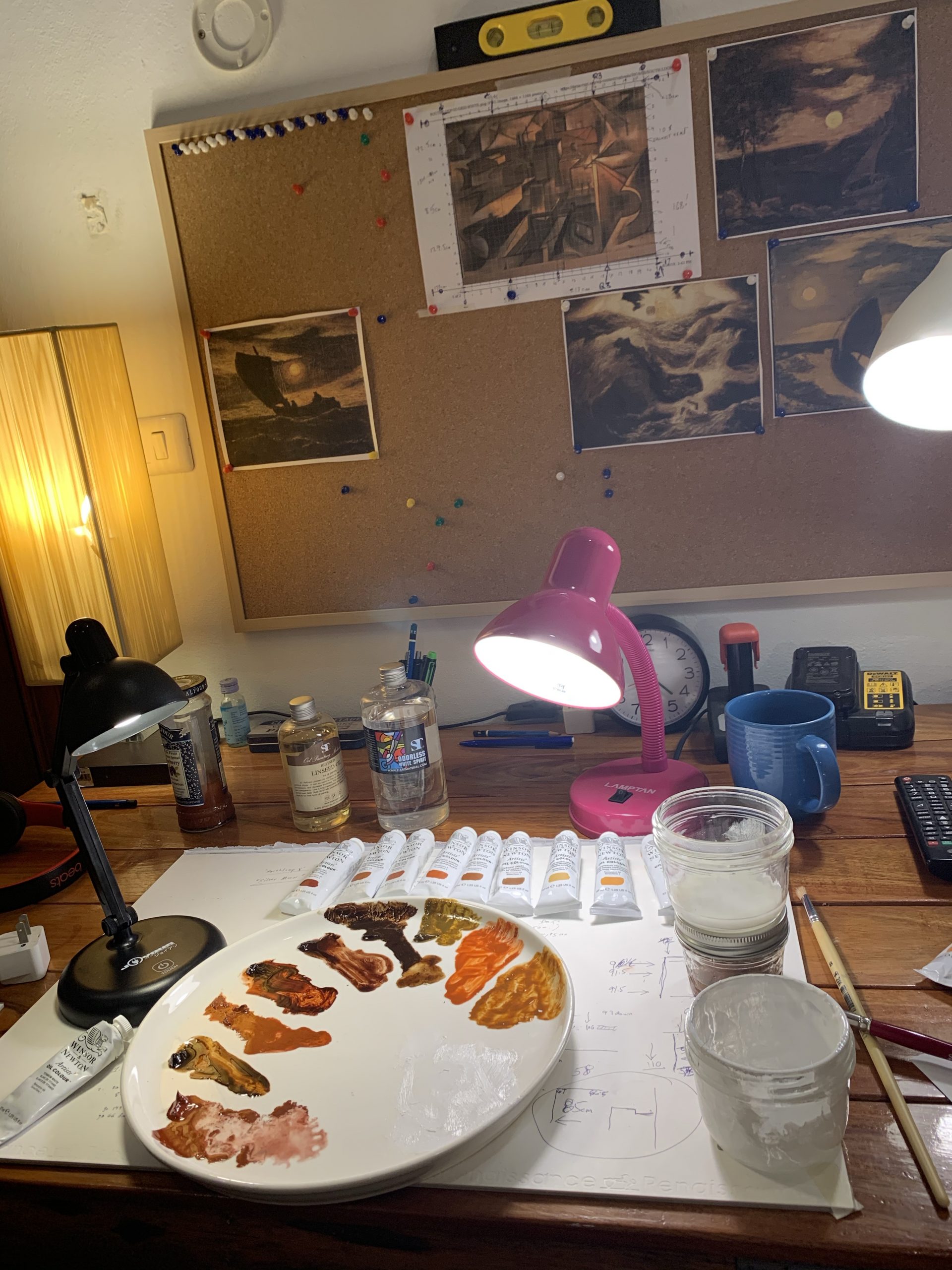
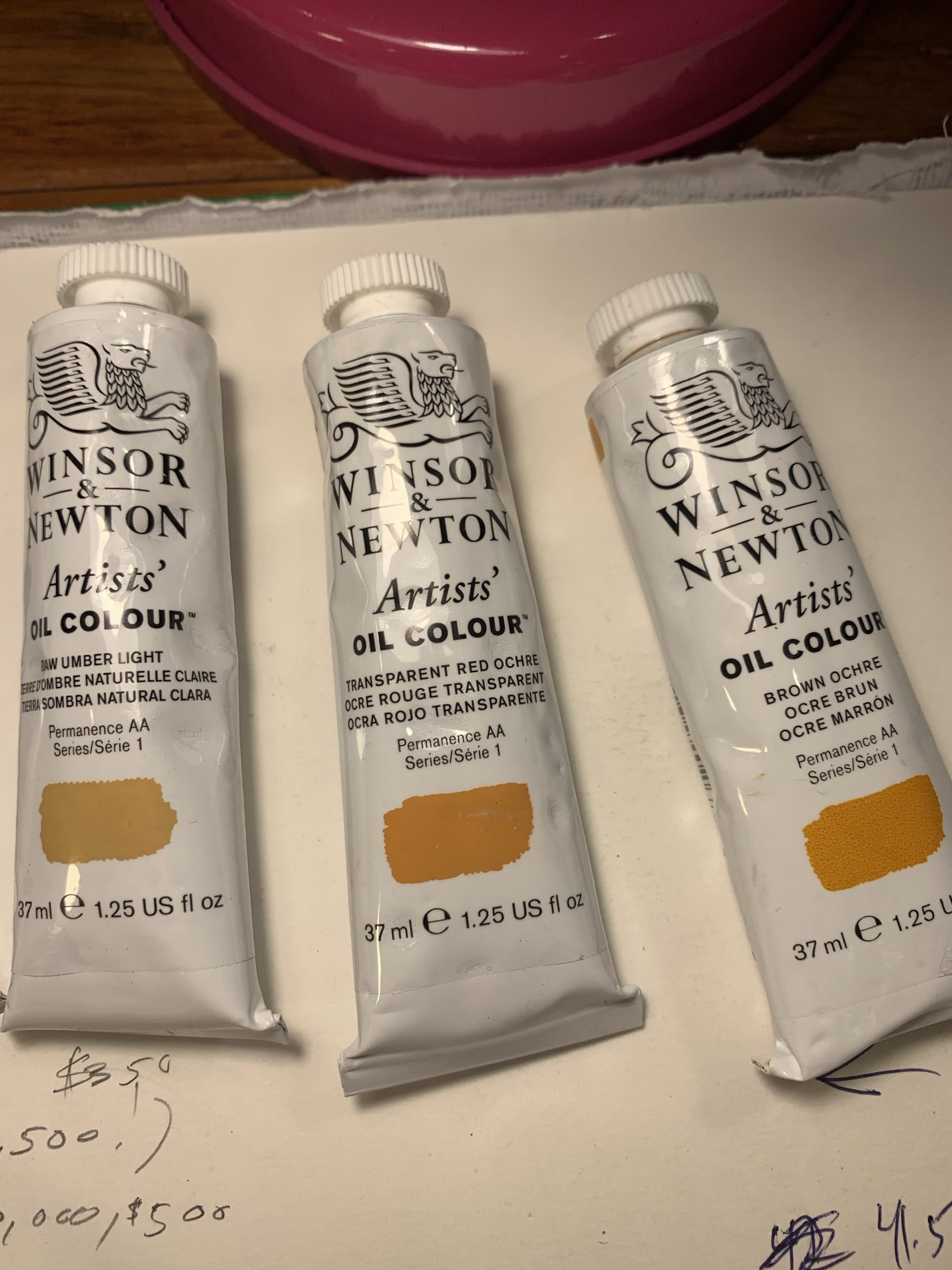
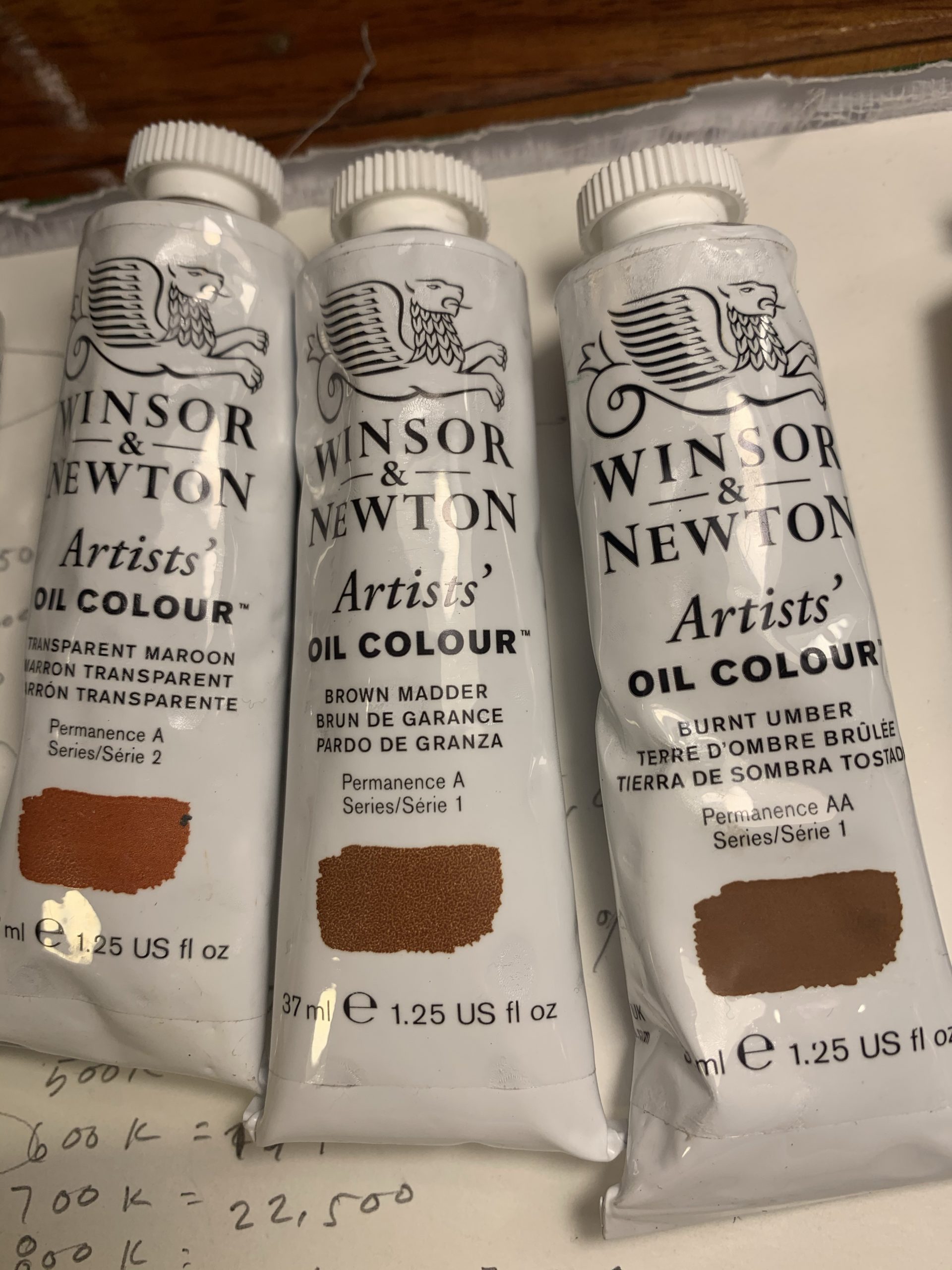
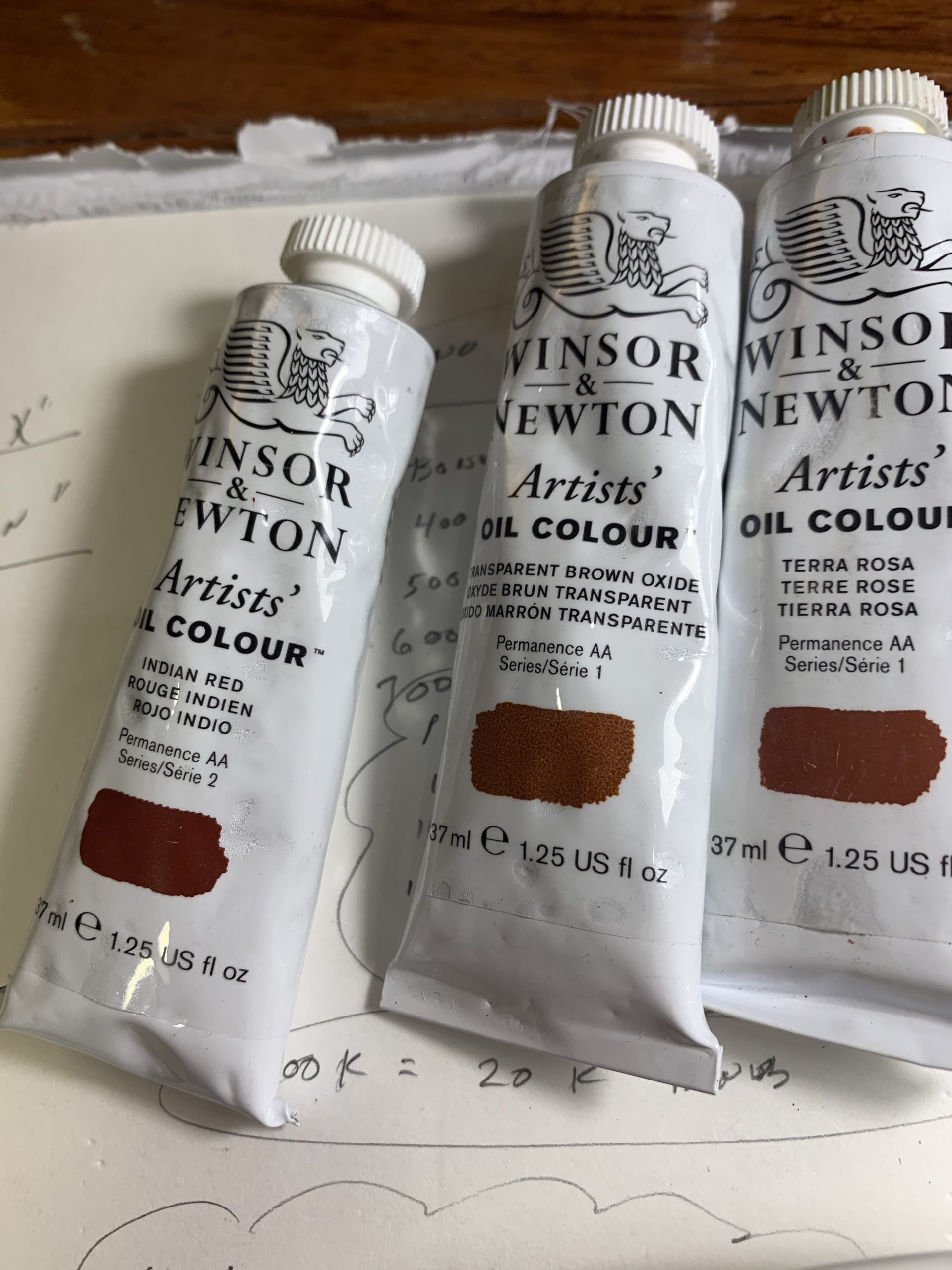
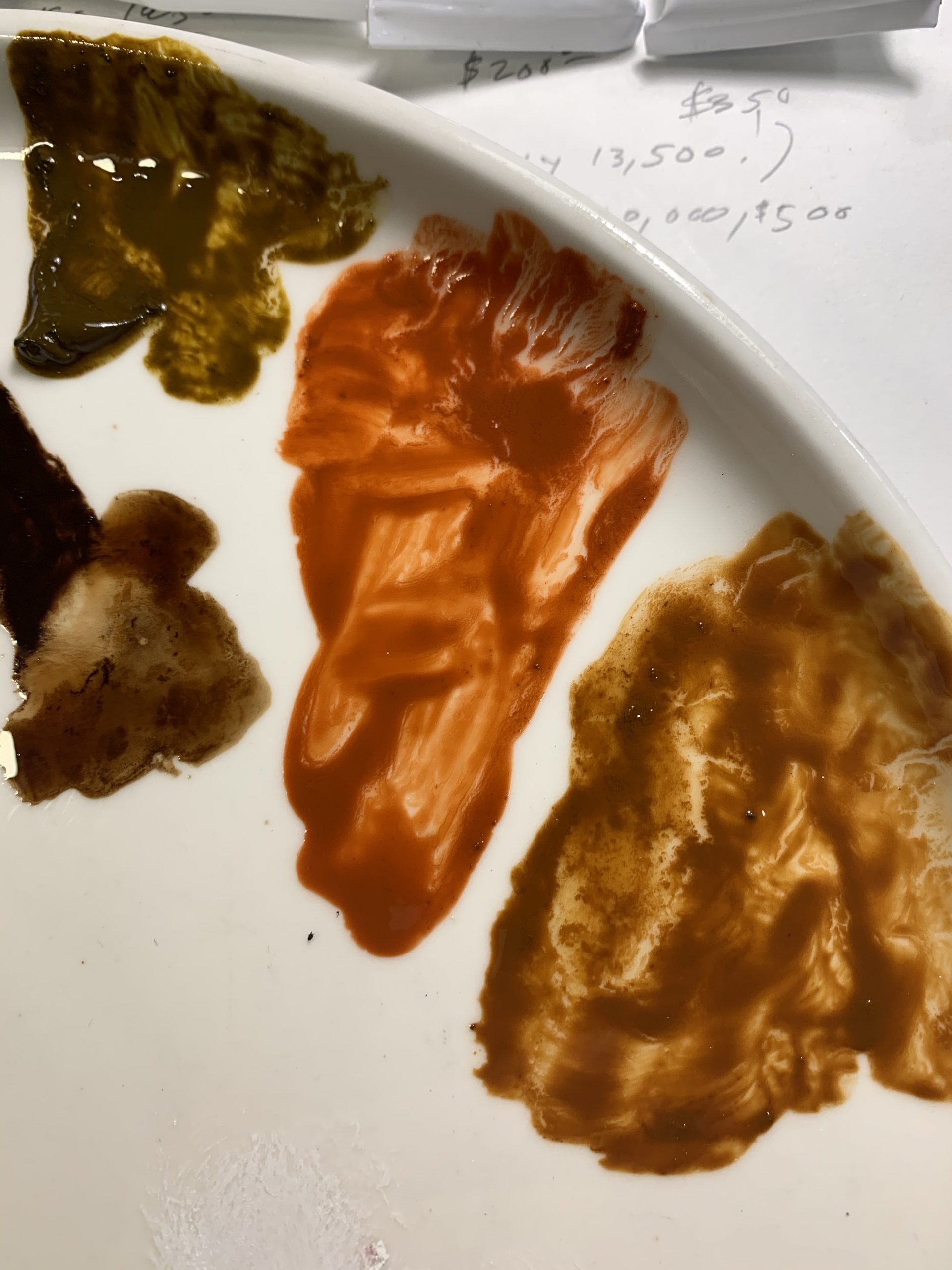
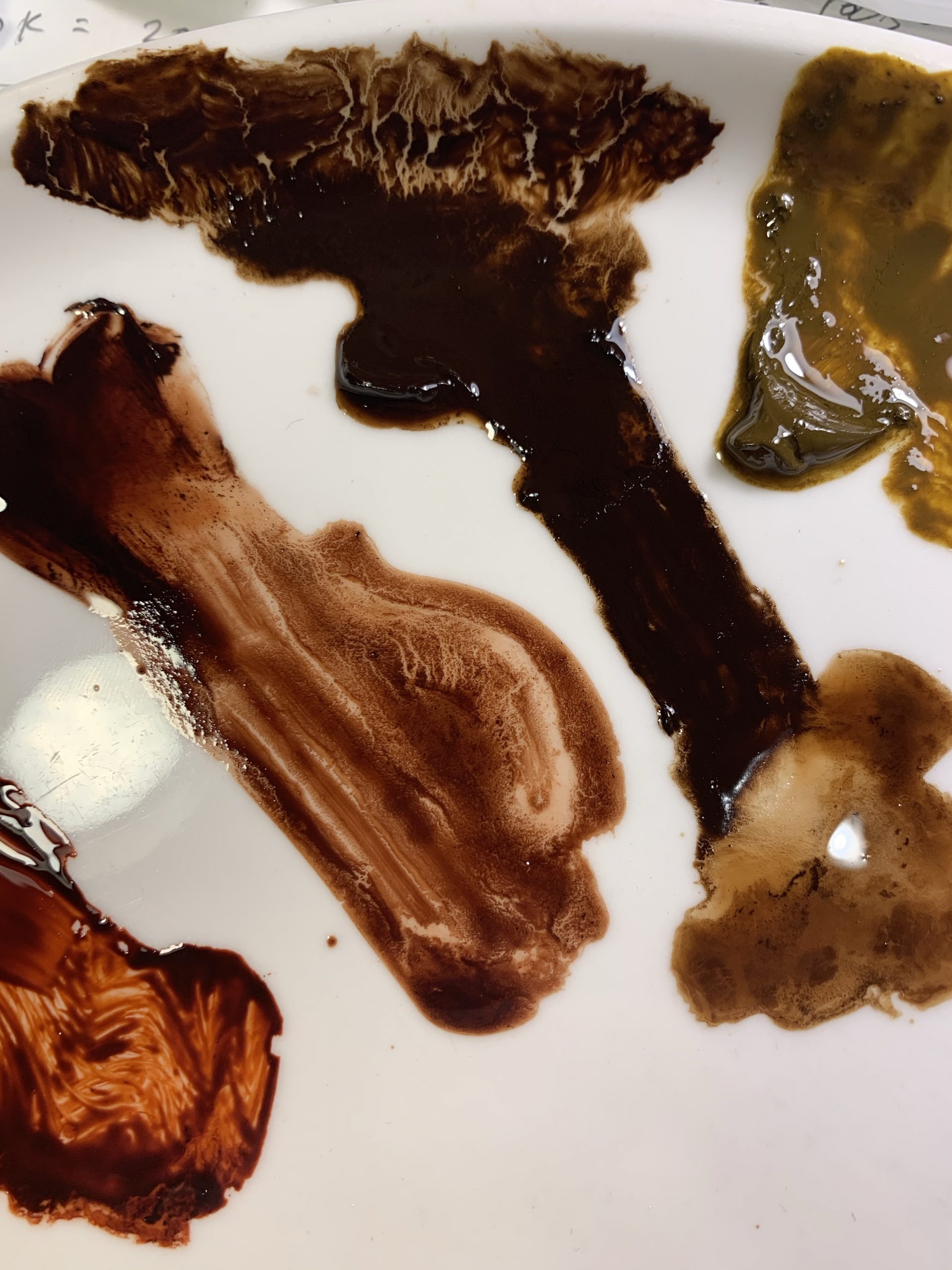
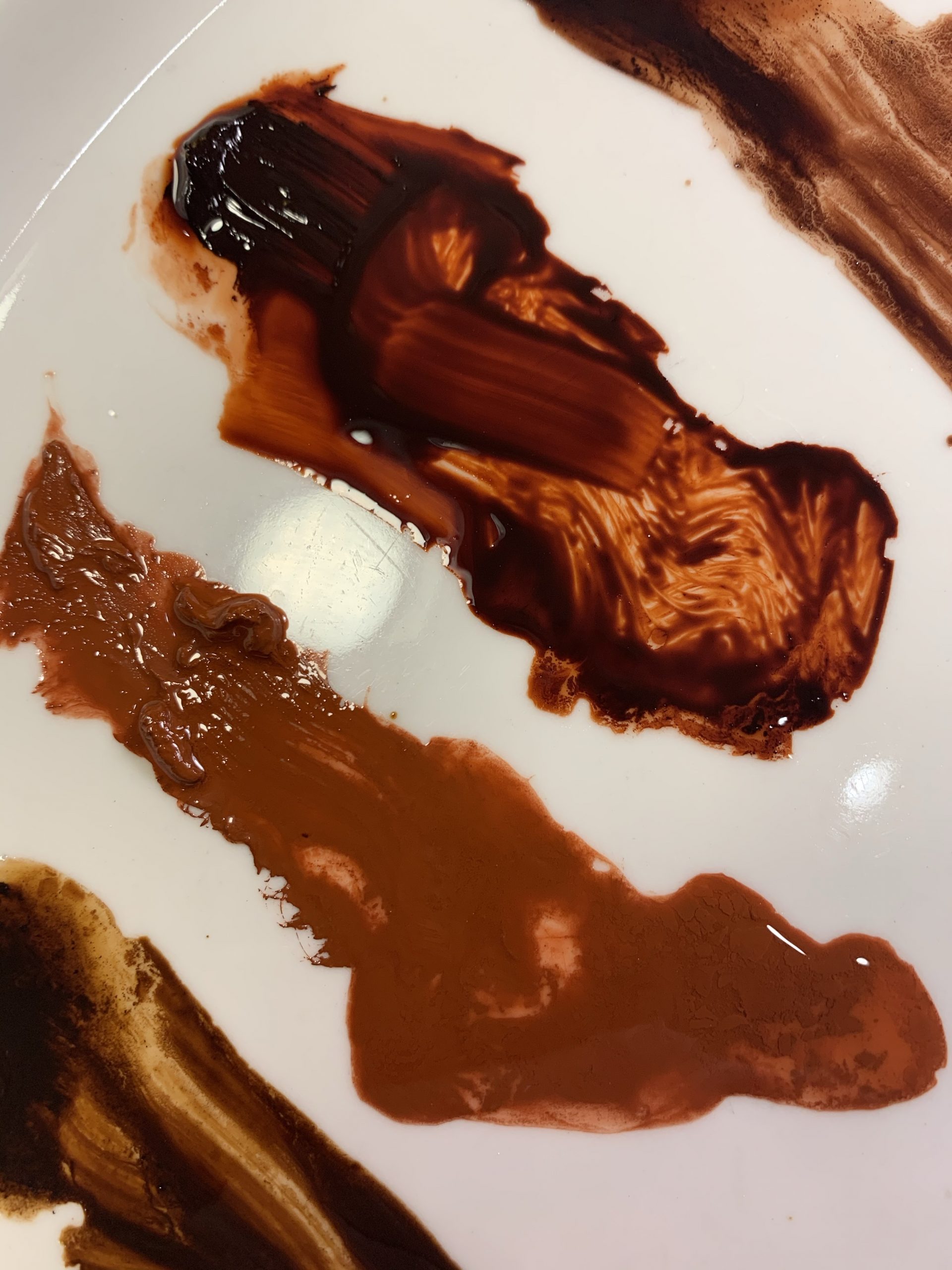
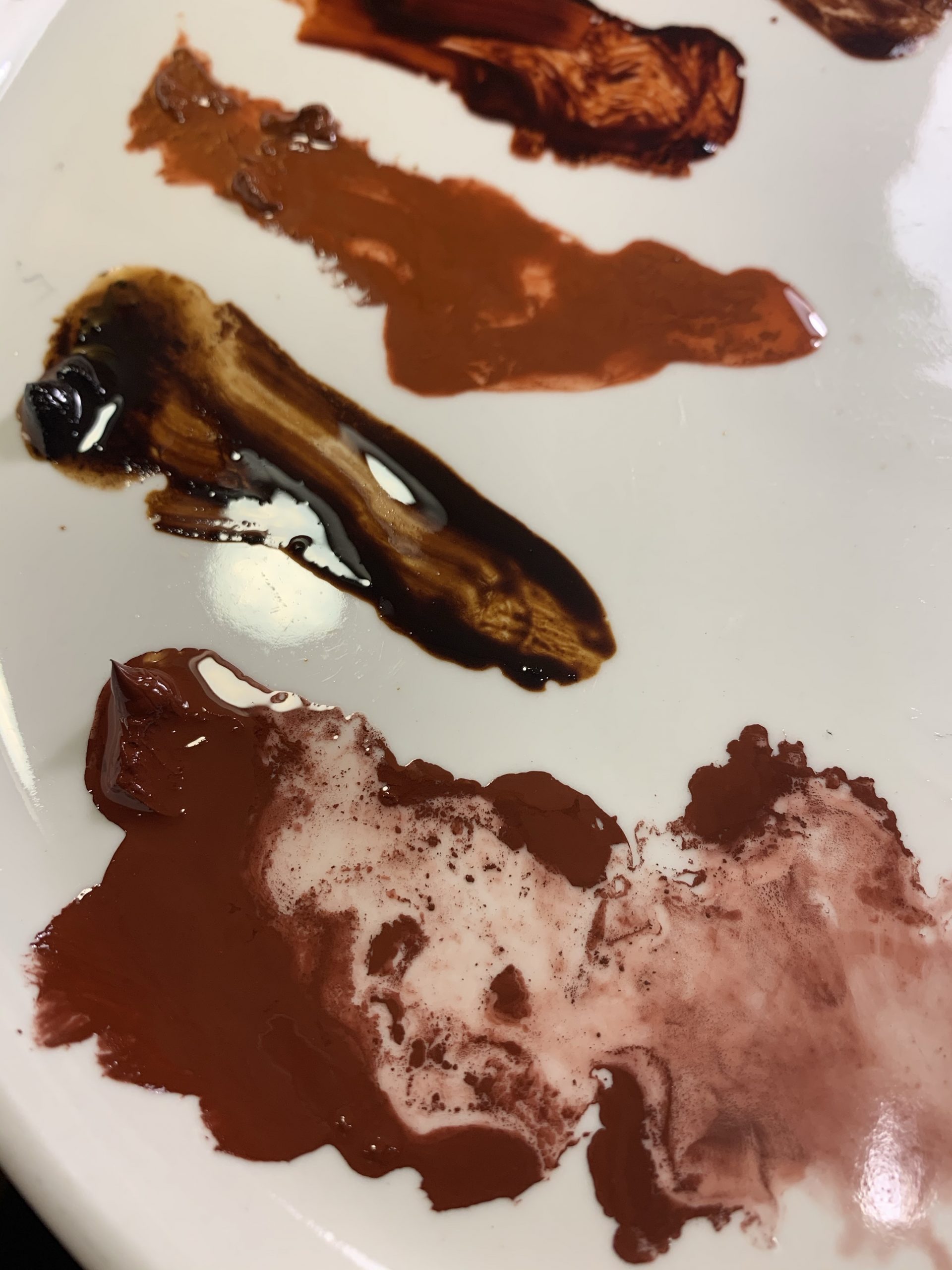
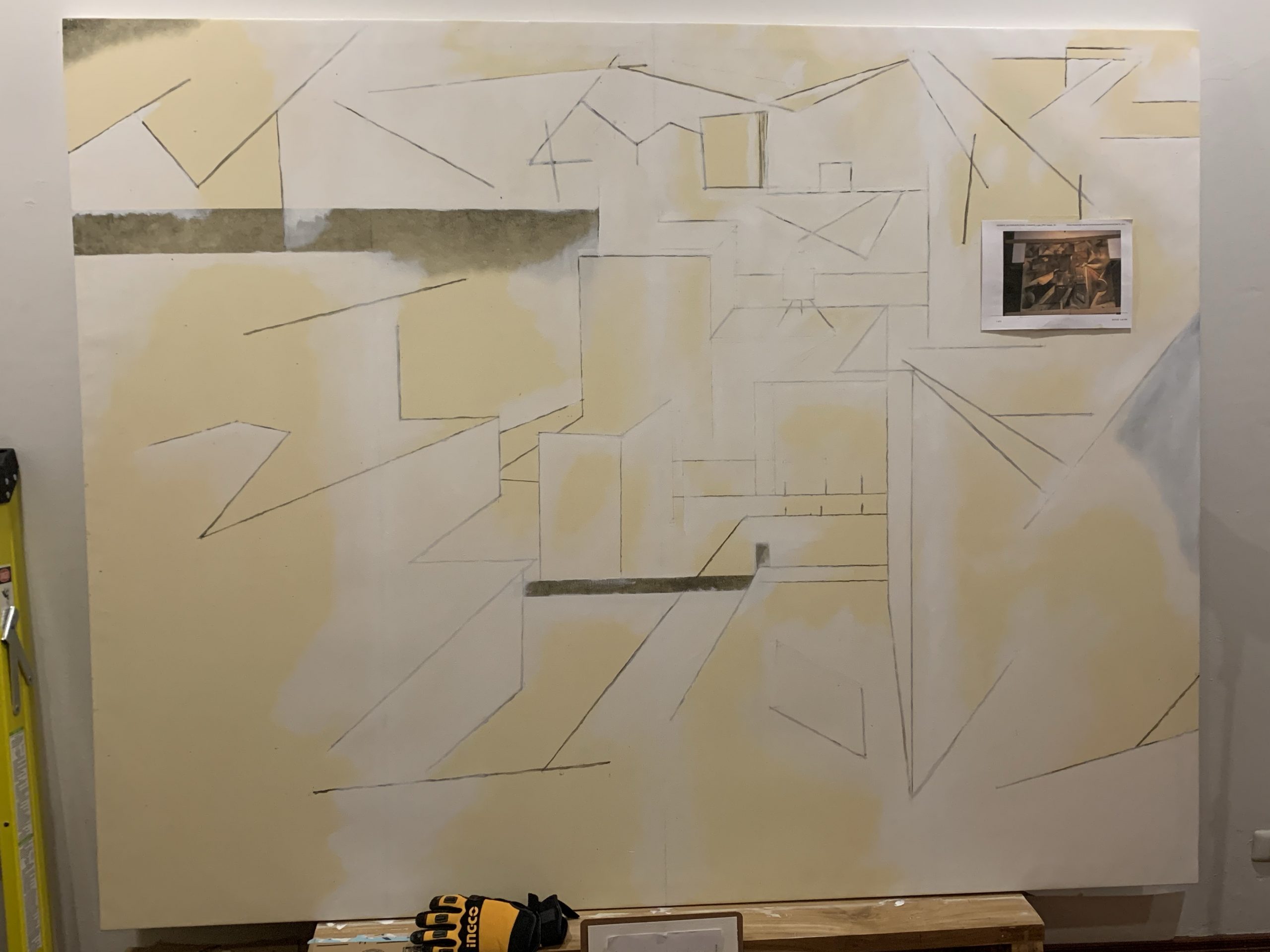
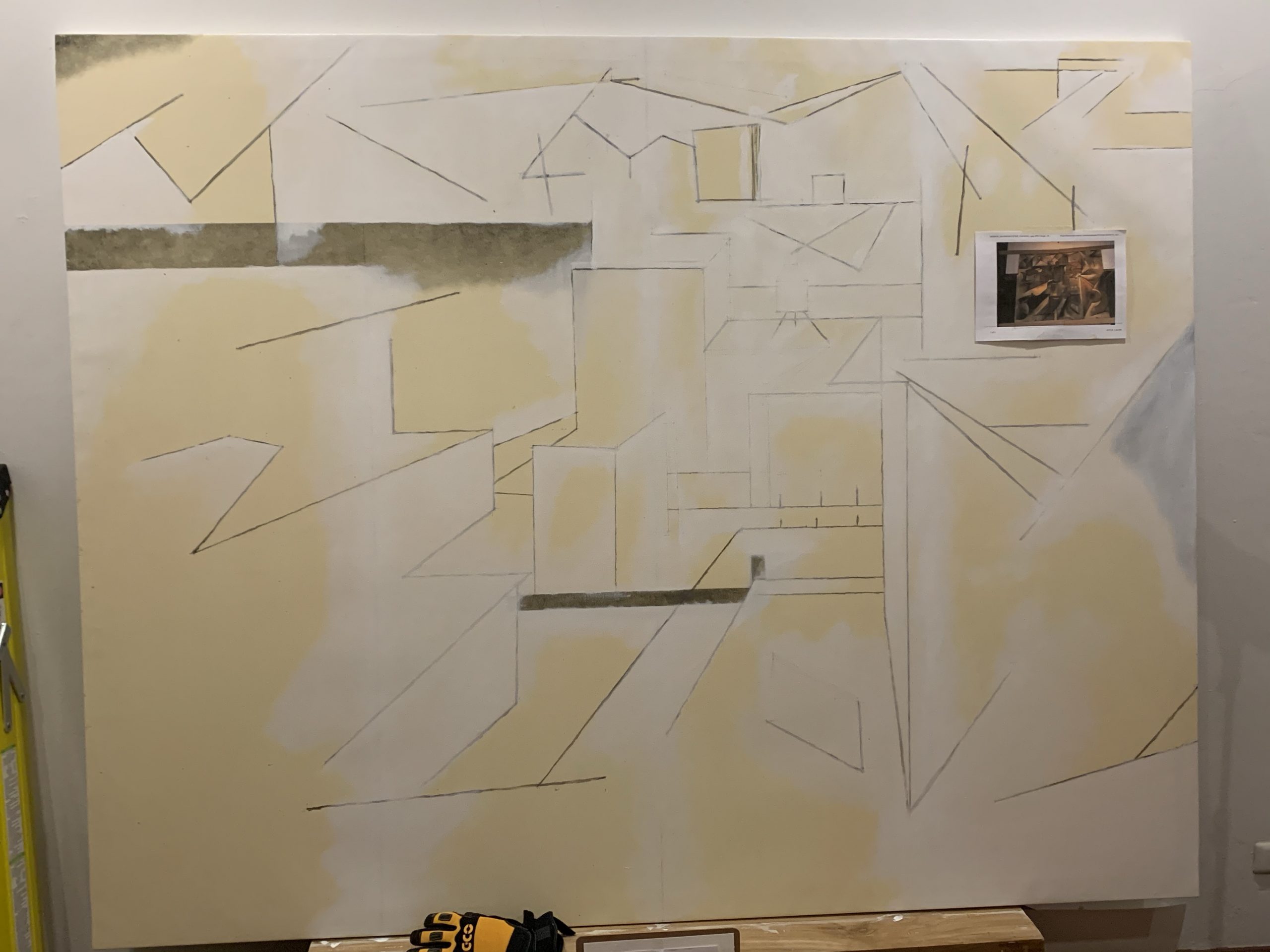
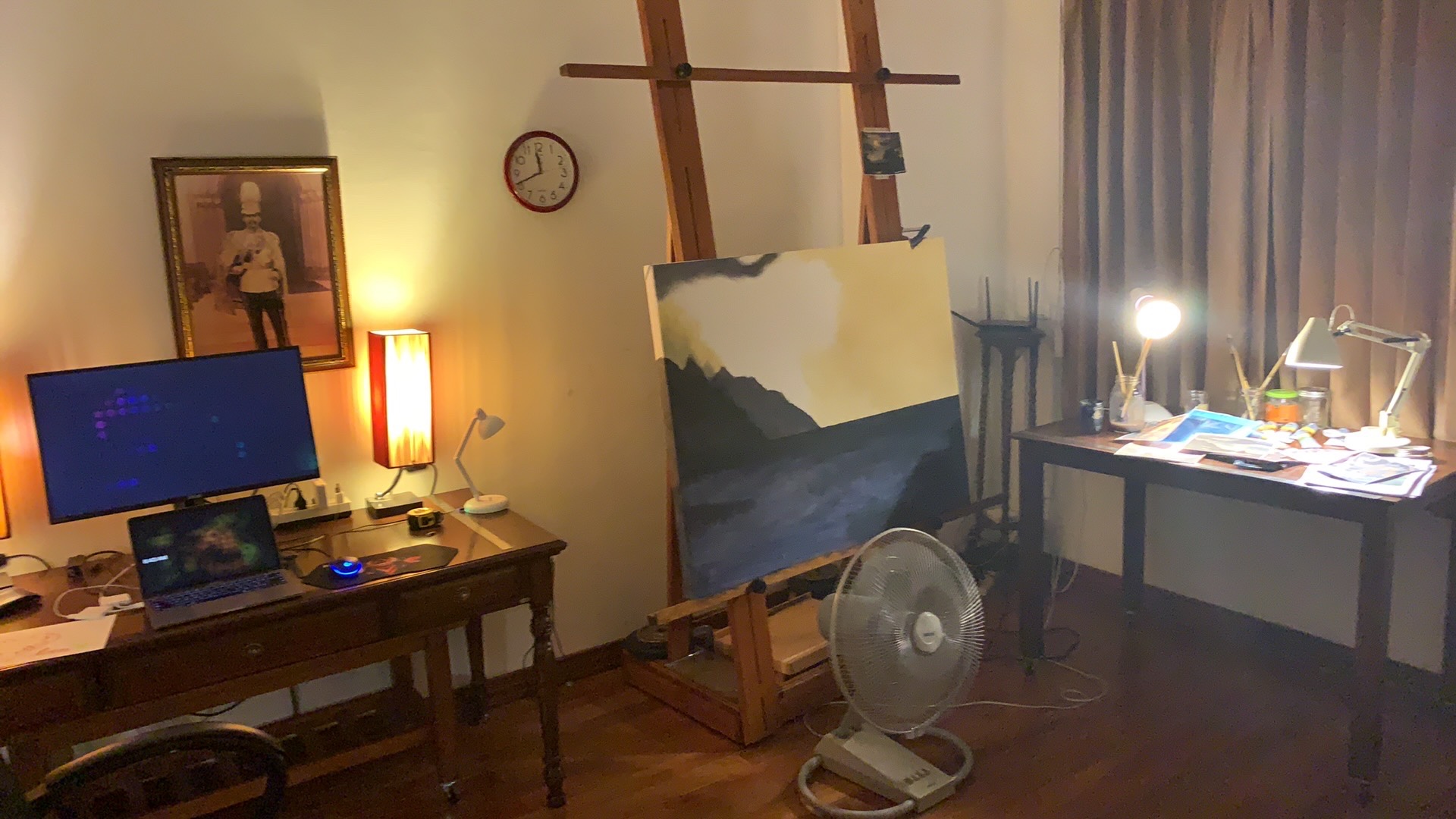
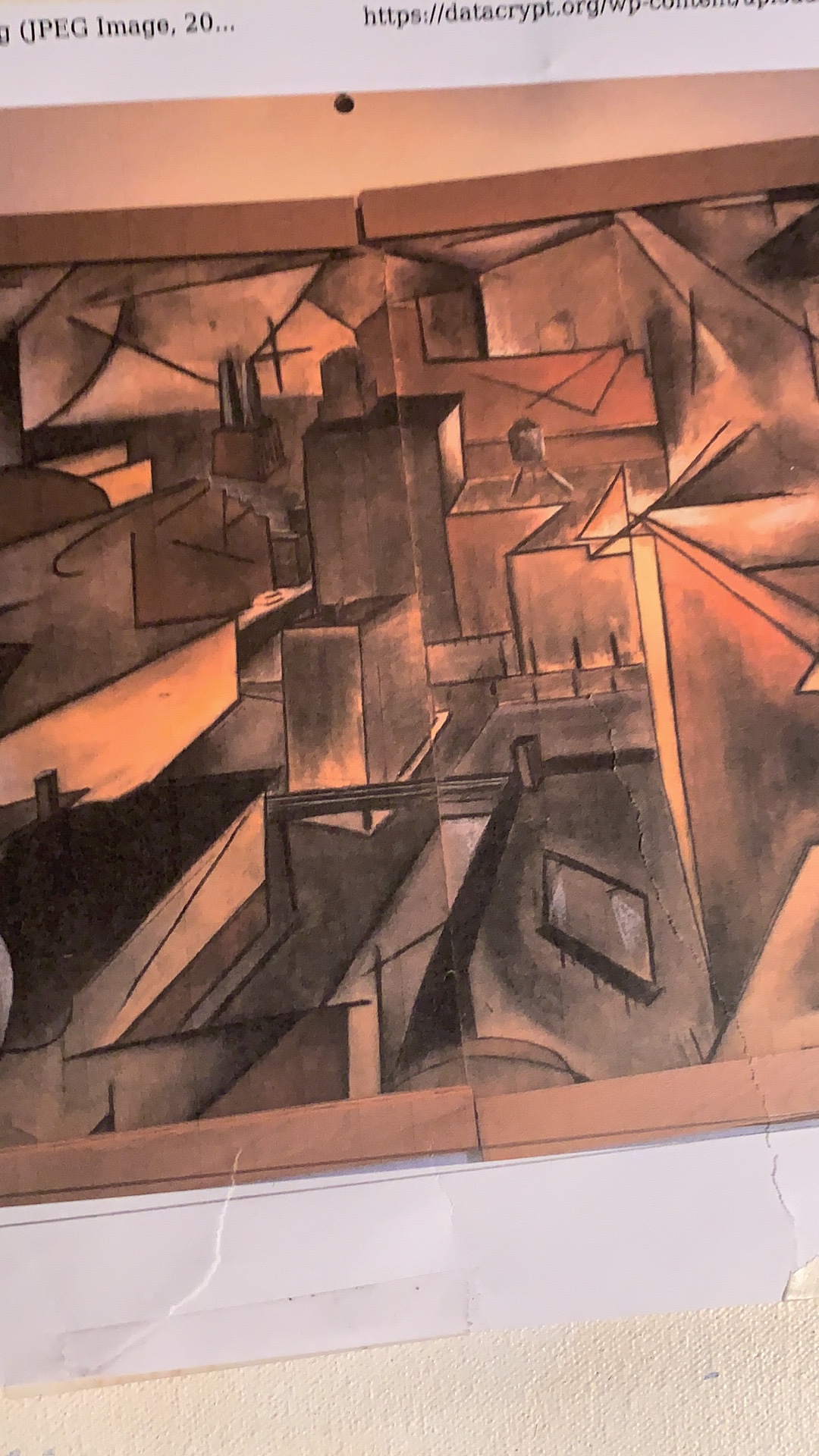
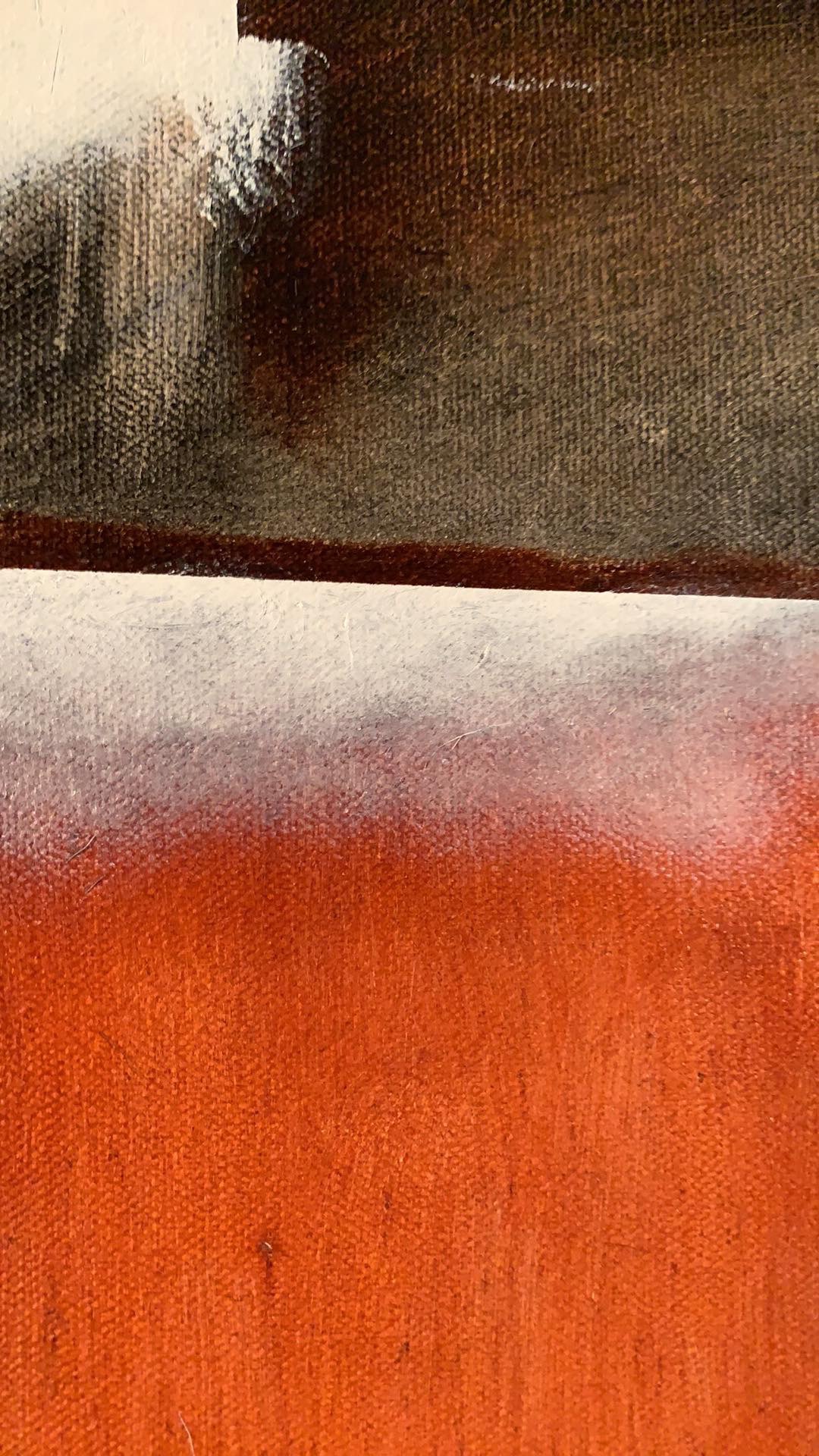
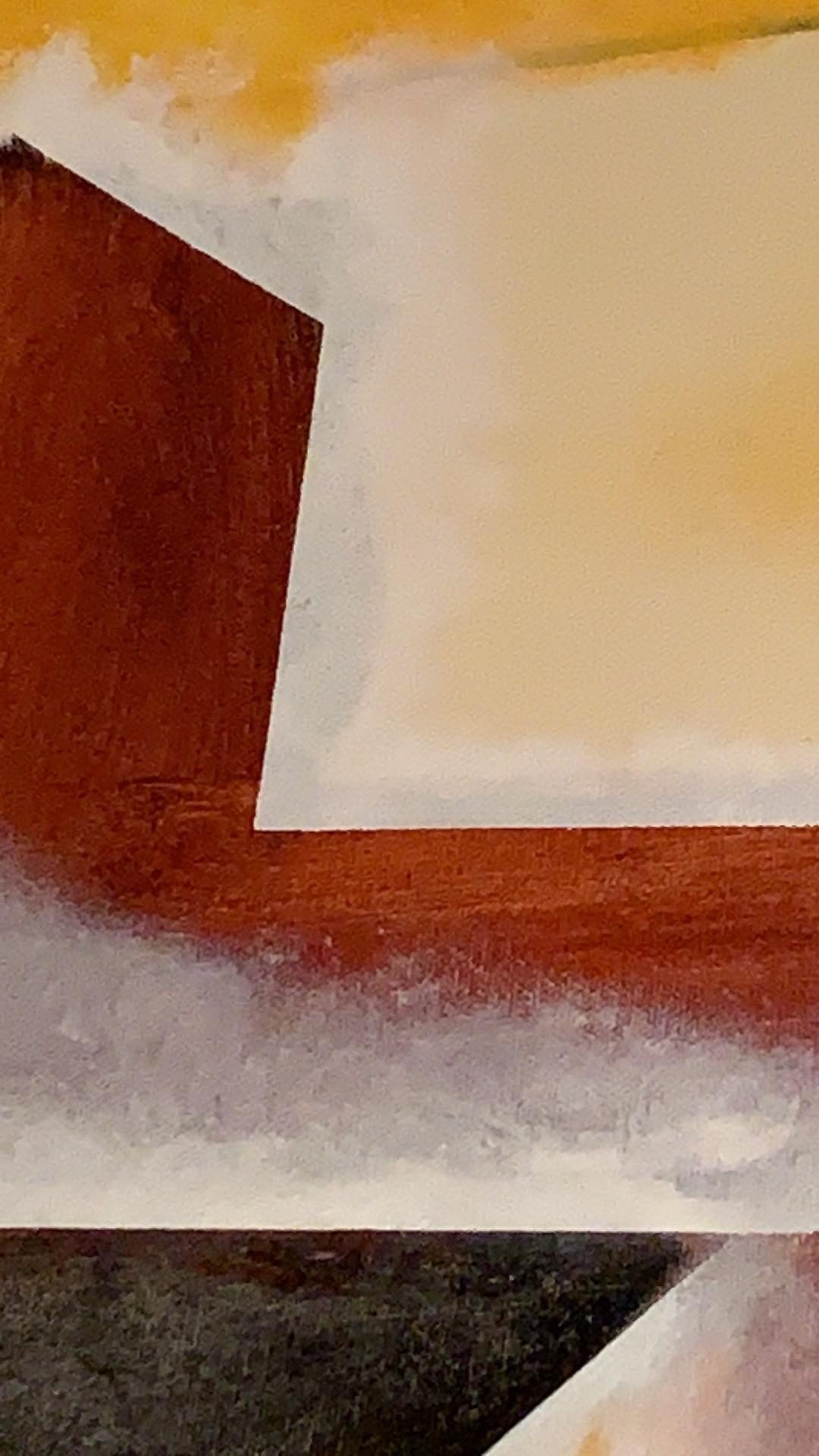
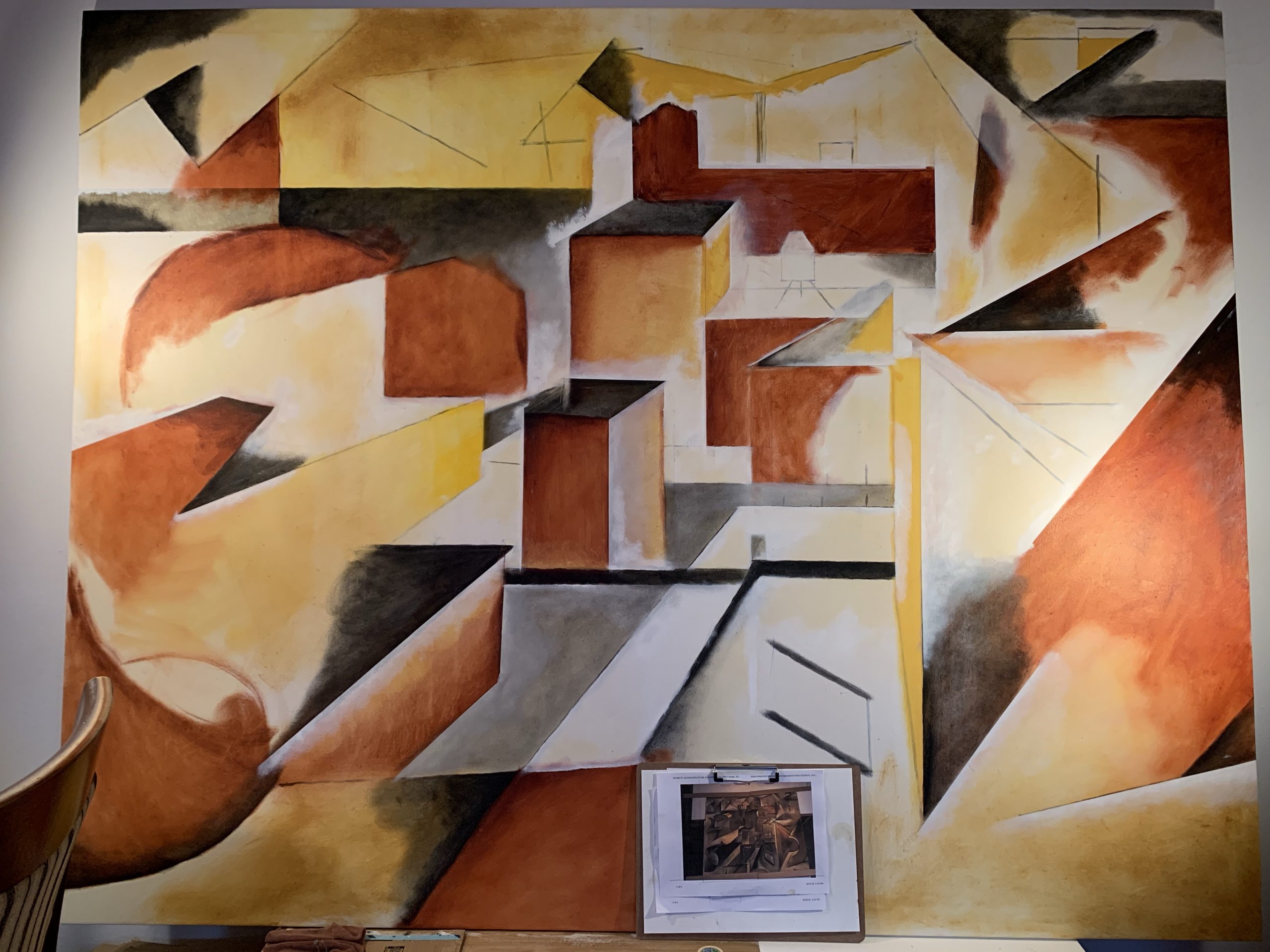
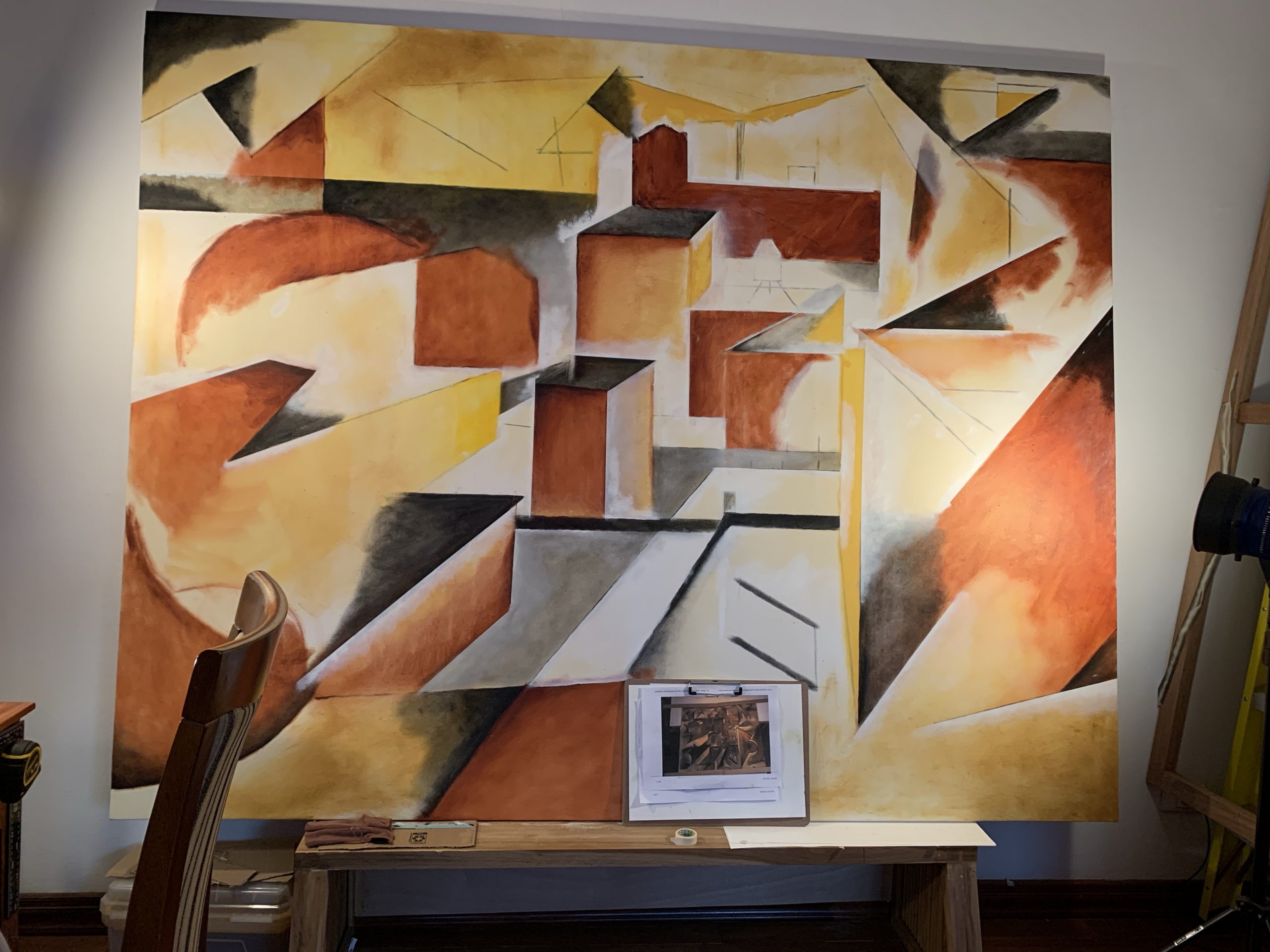
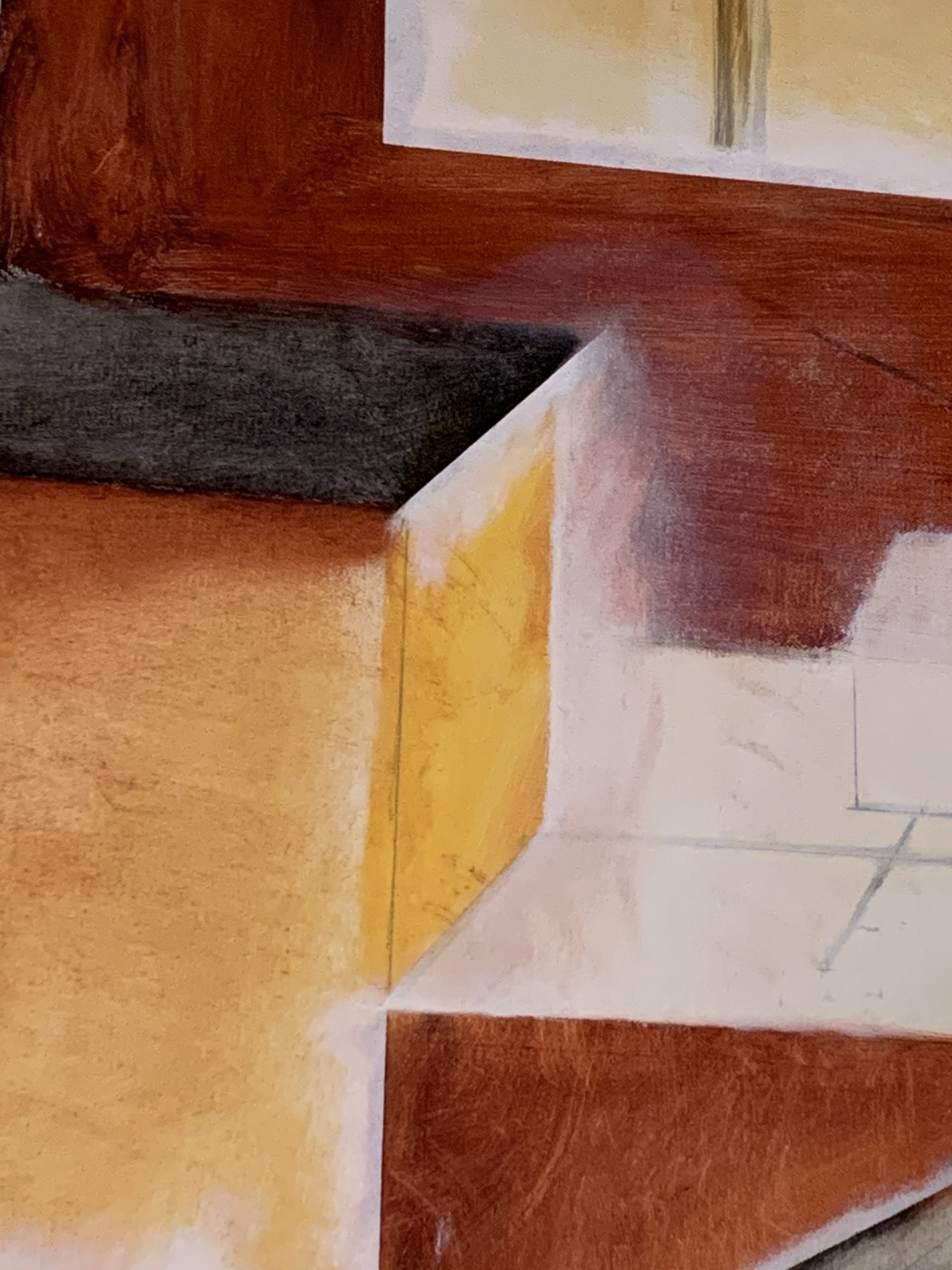
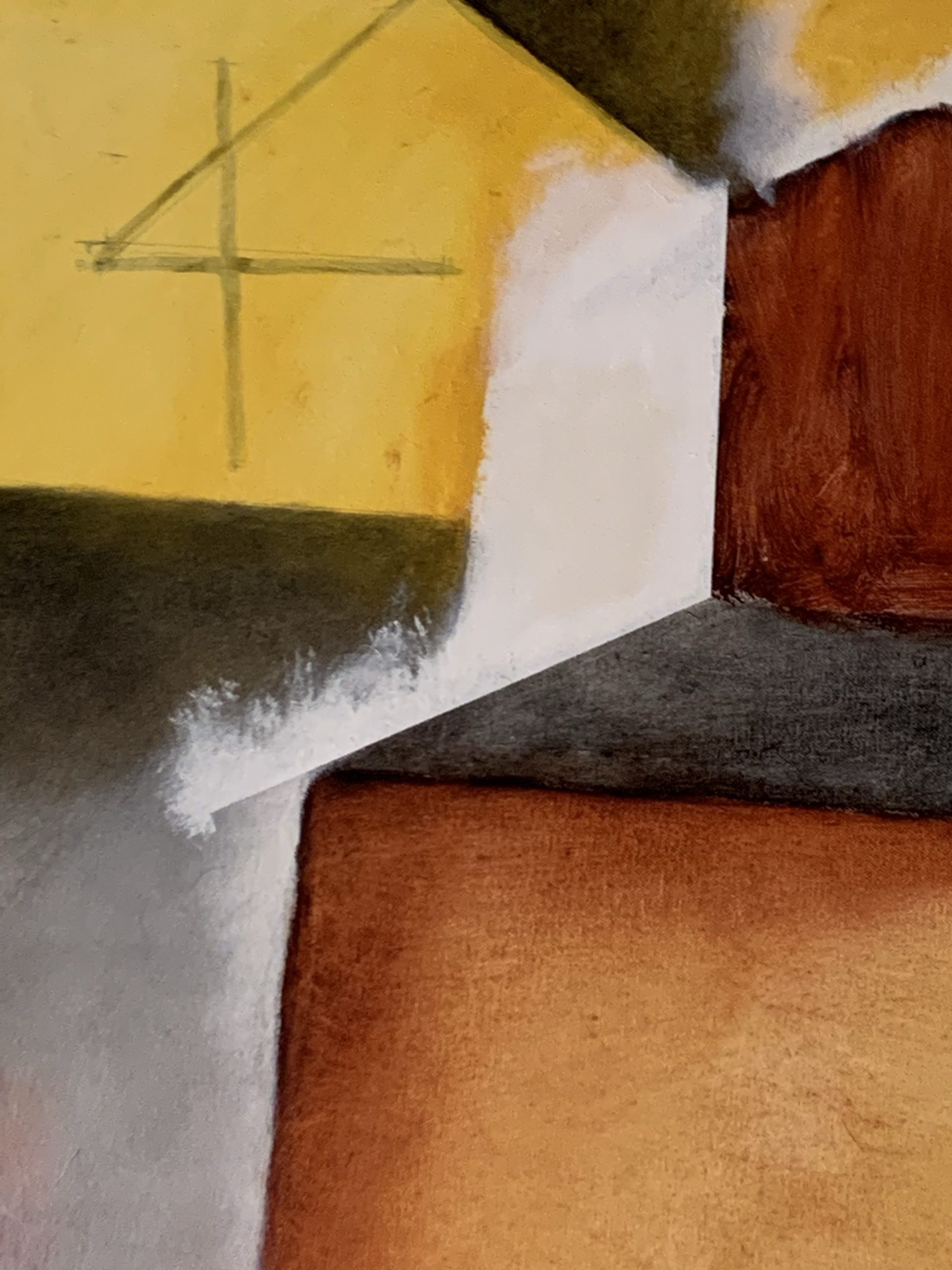
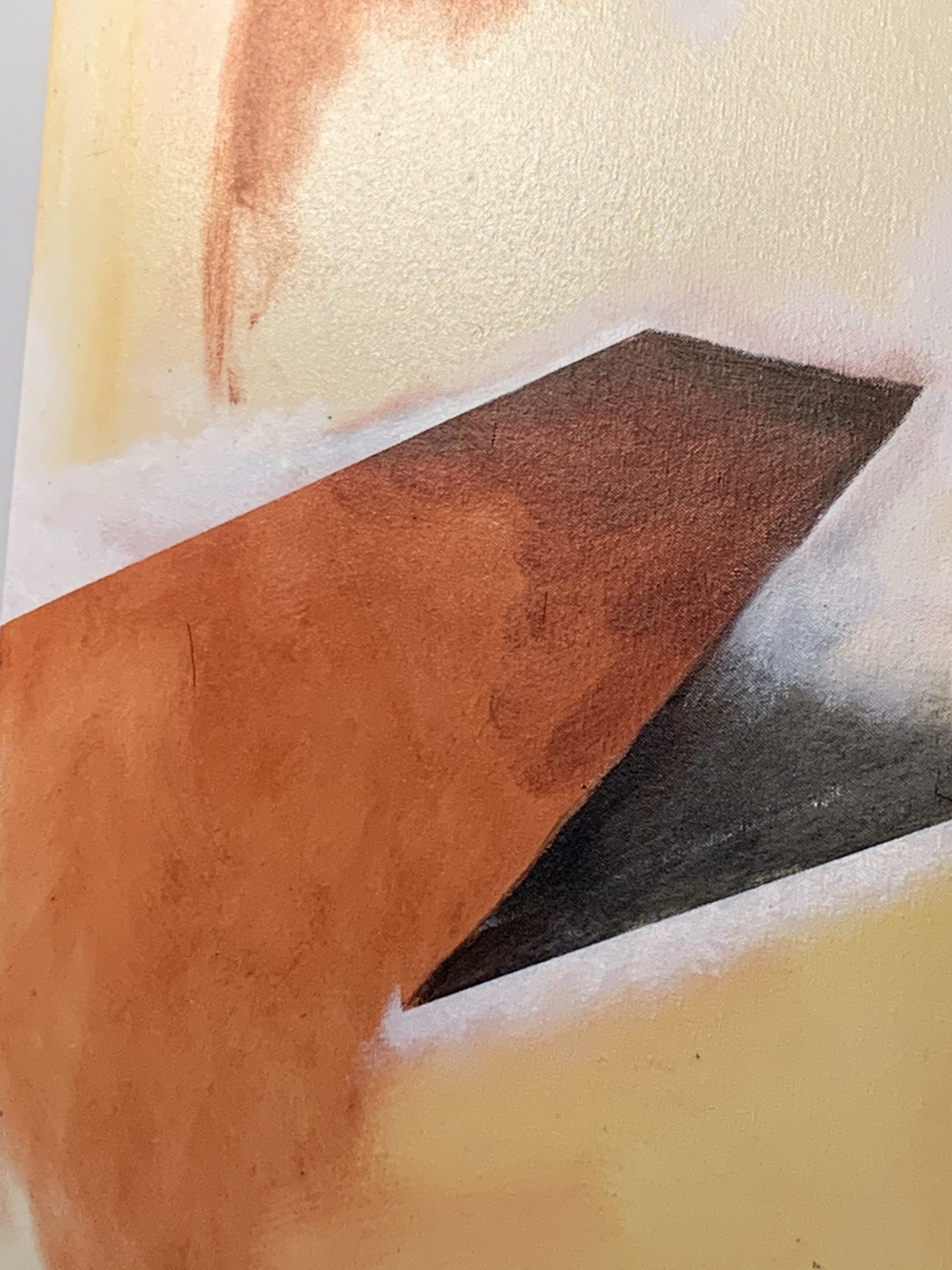
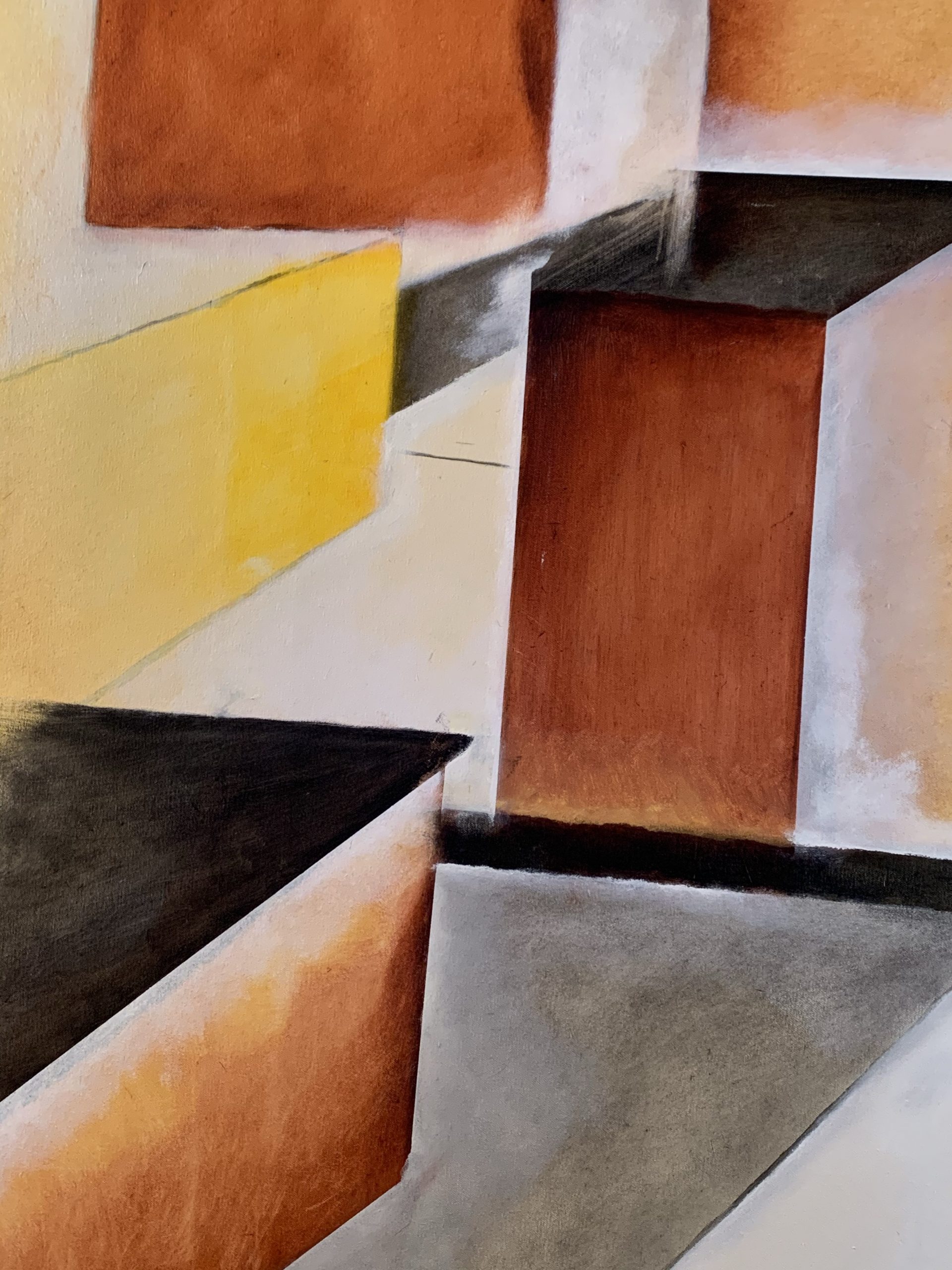
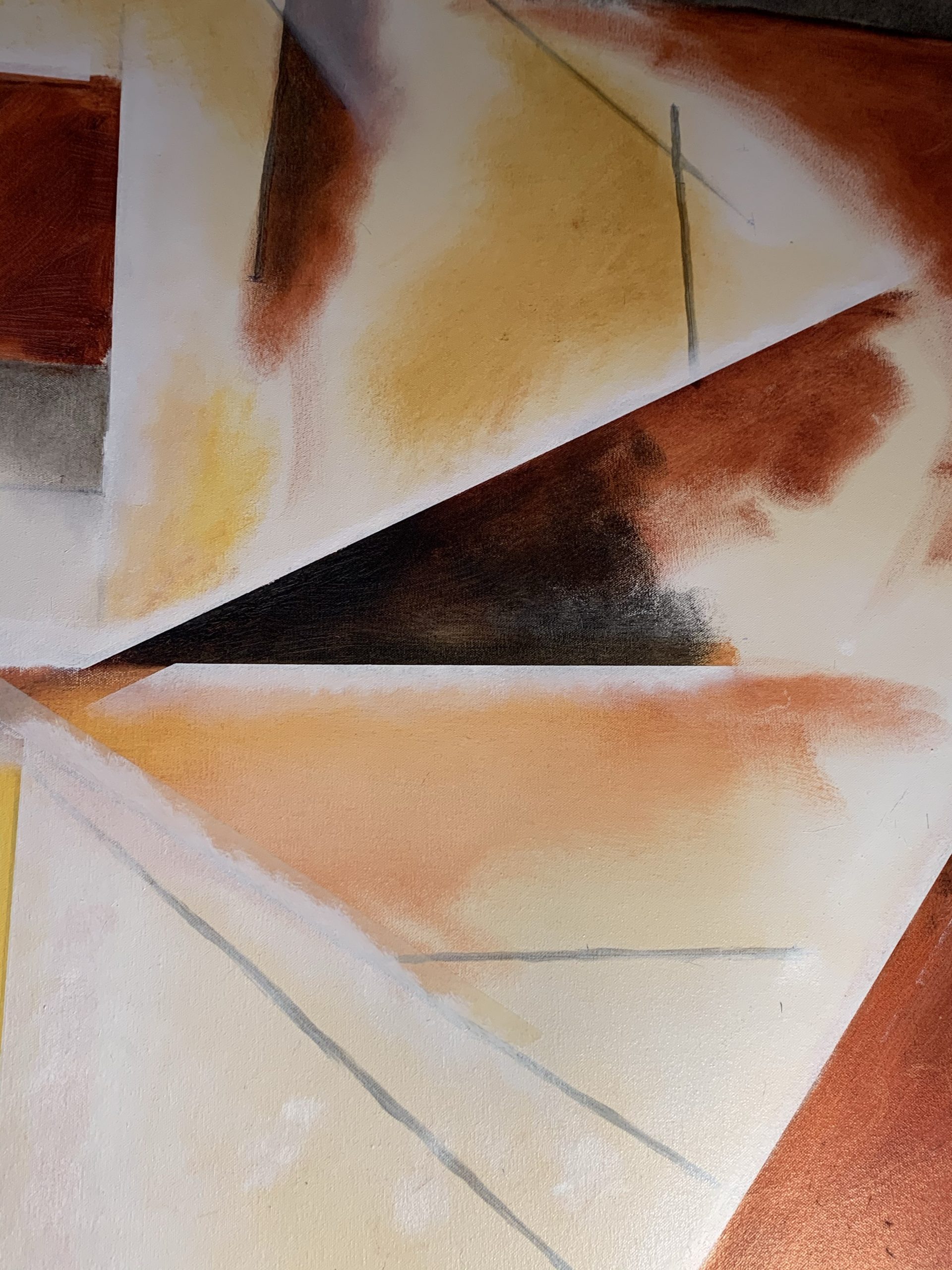
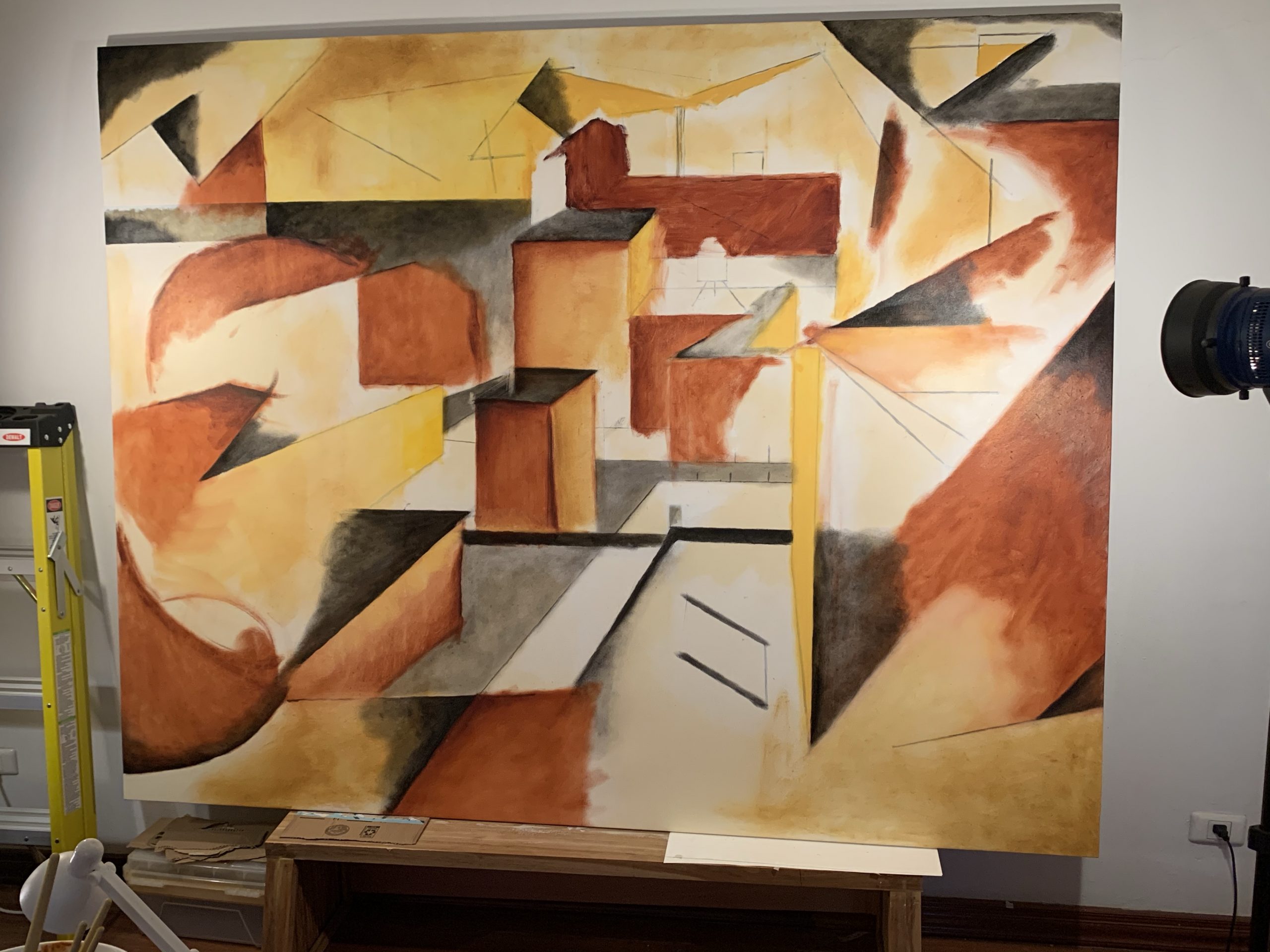
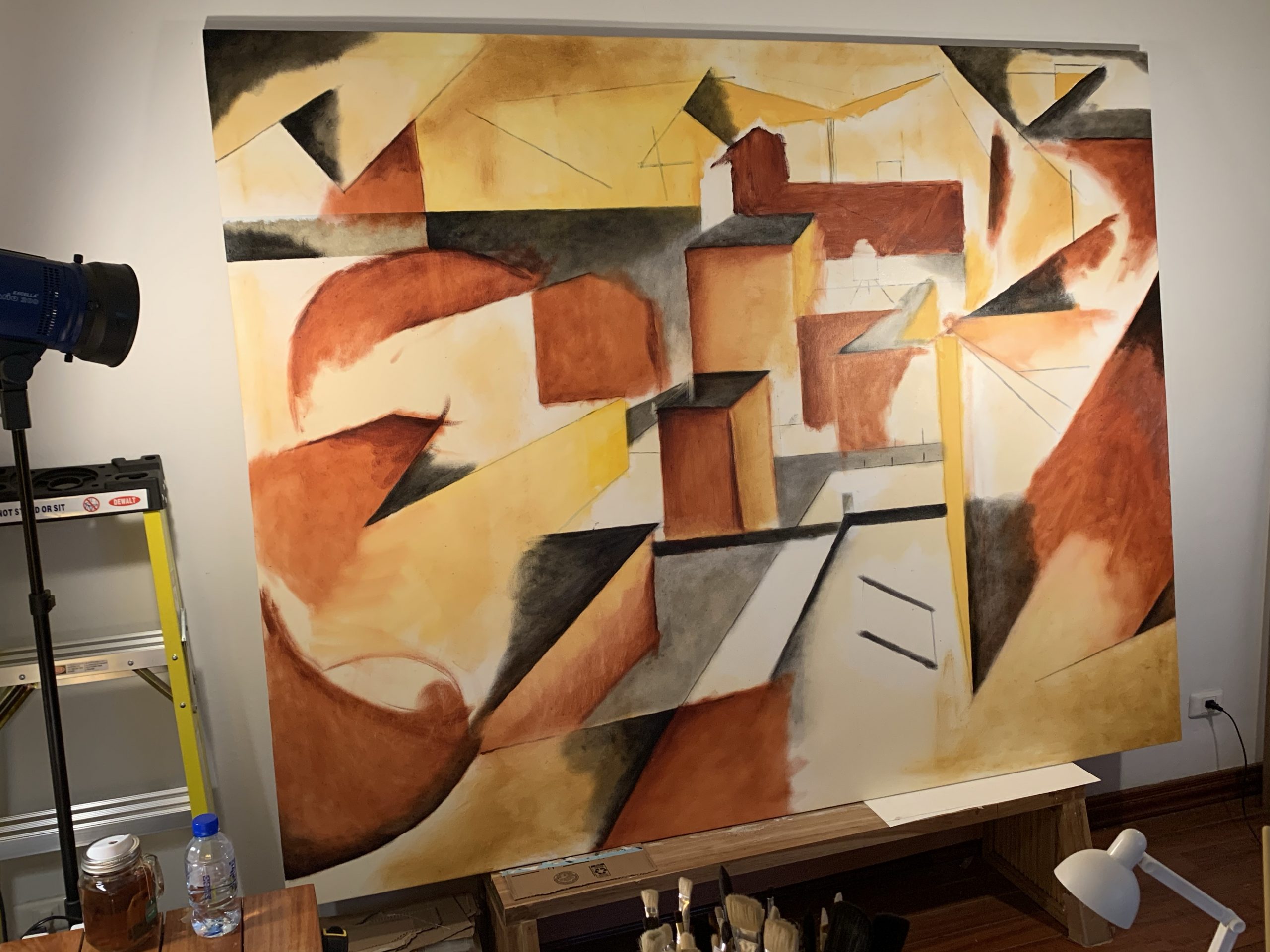
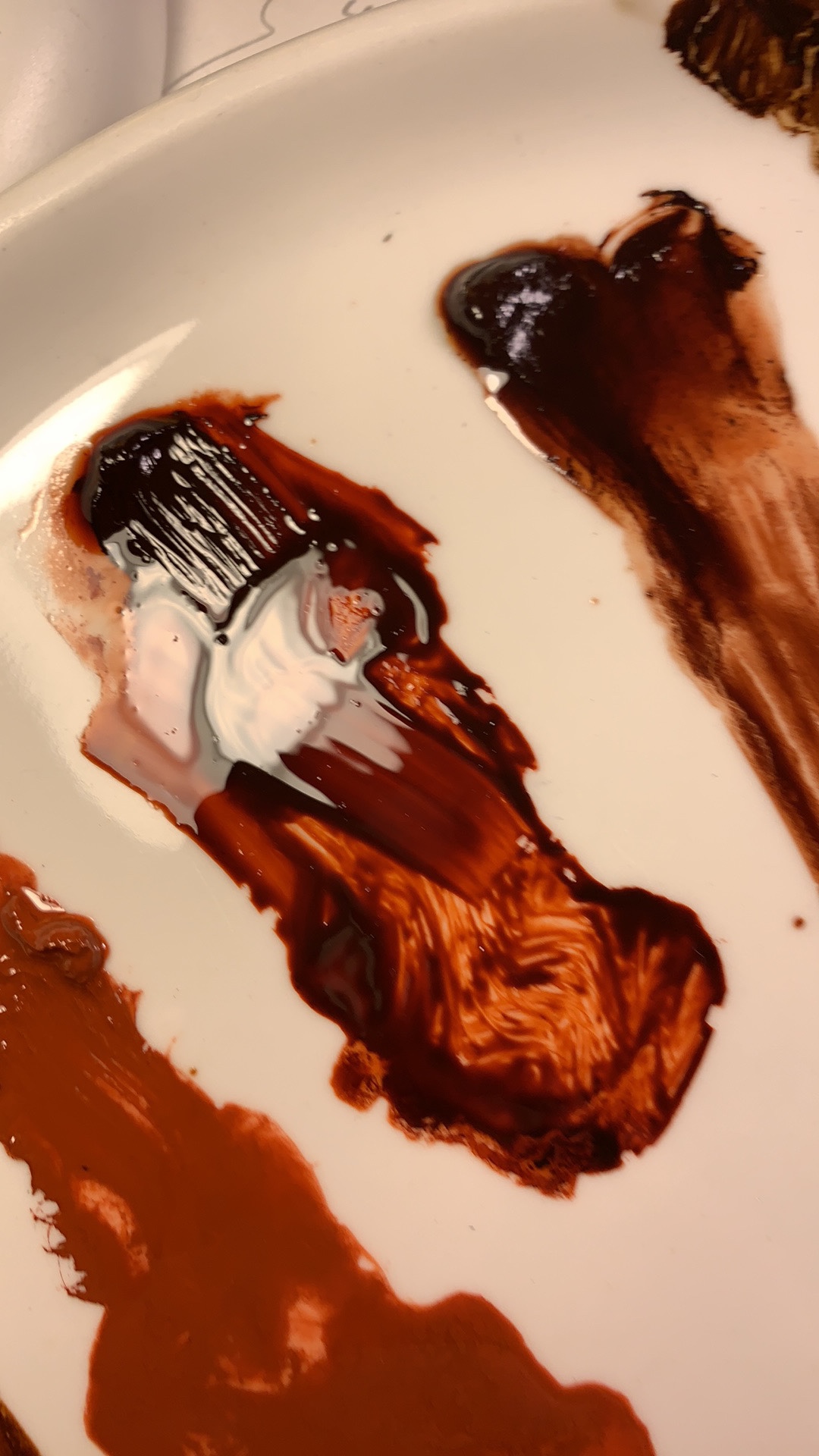
Got the morning started quite well and early and spent a number of hours getting the titanium white from the LeFranc and bourgeois edged up against the mars black and transparent oxide maroon.
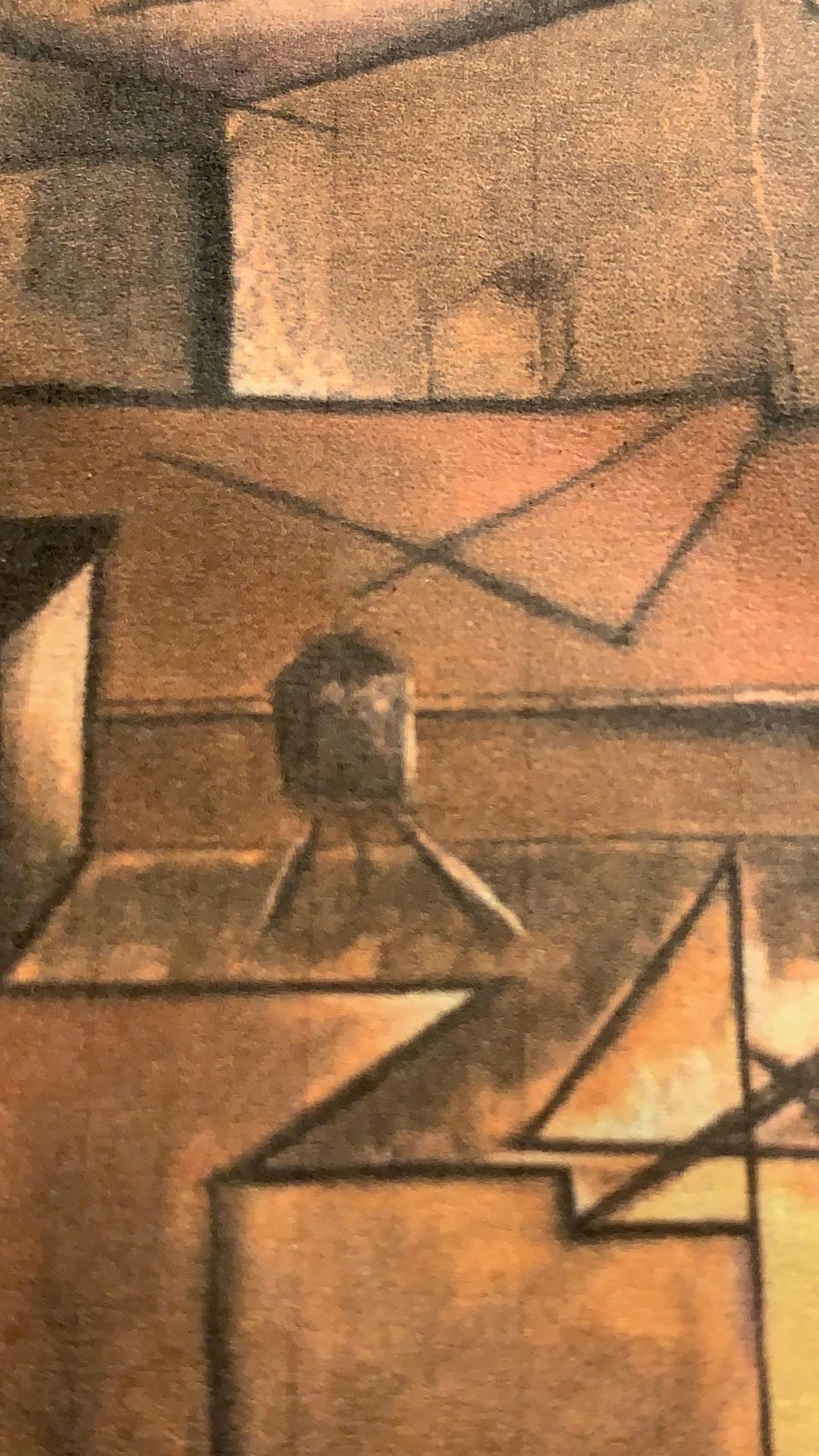
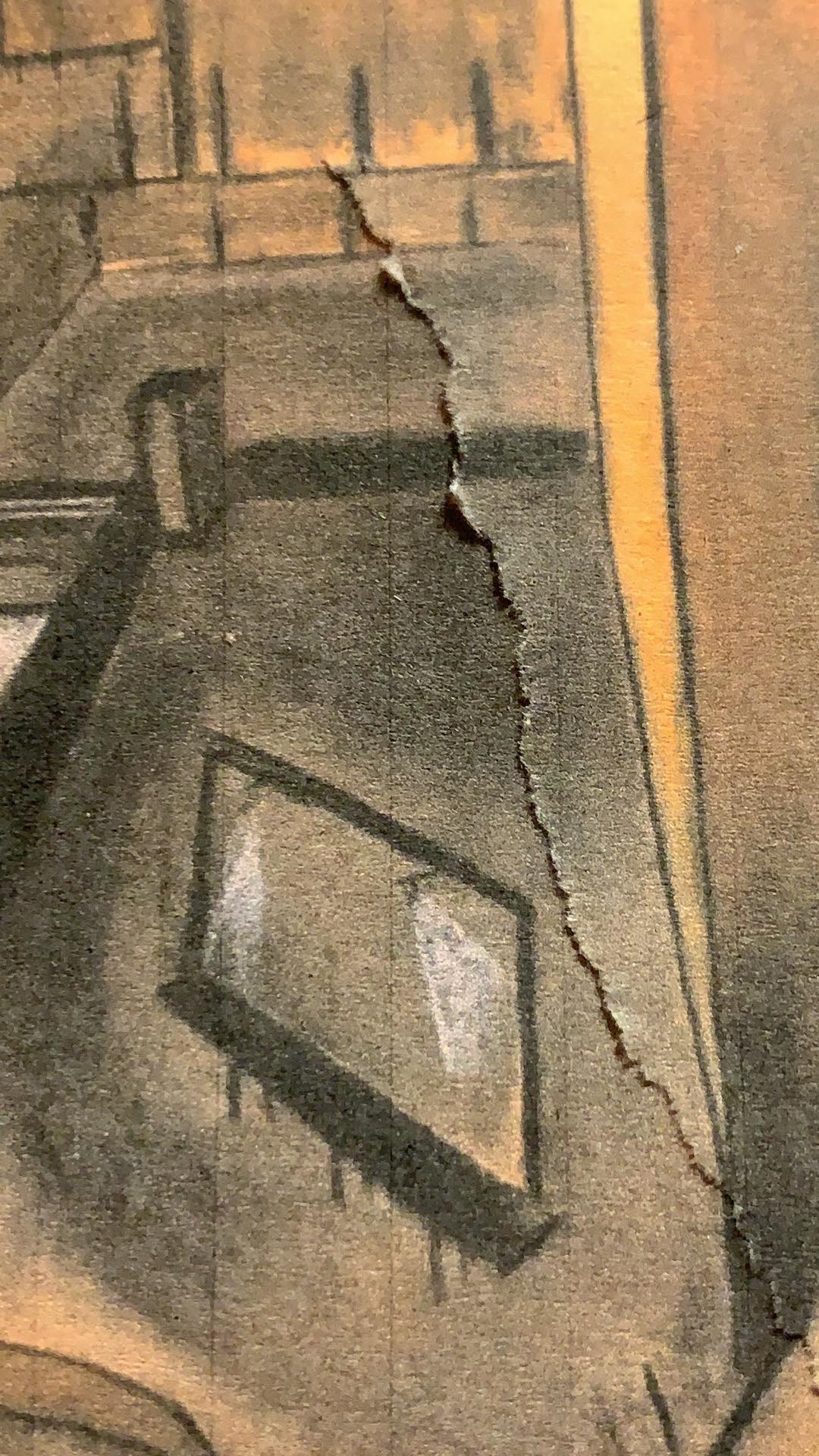
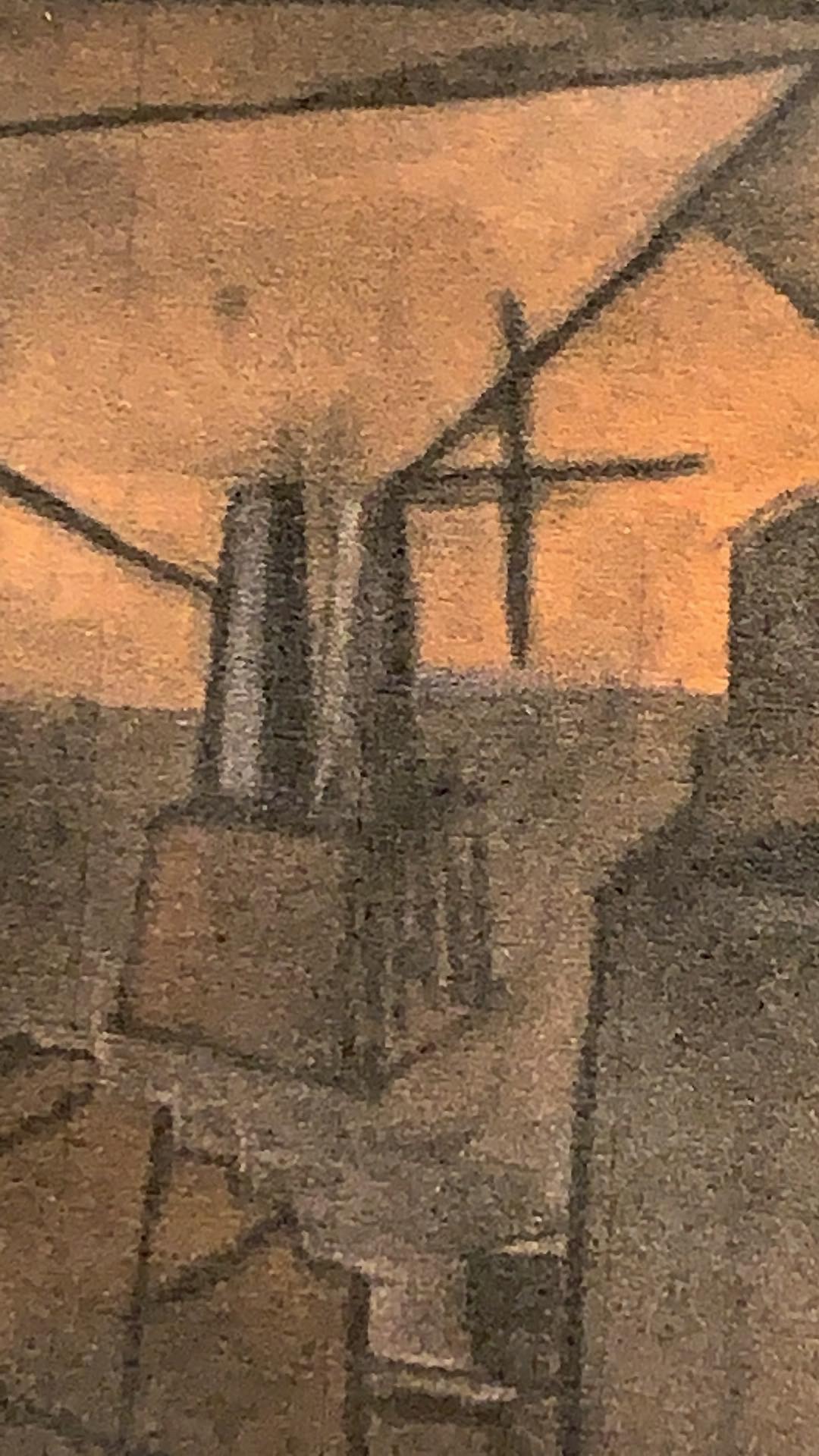

>-Quaere Cosmos Arcana Imperii-<

Got the morning started quite well and early and spent a number of hours getting the titanium white from the LeFranc and bourgeois edged up against the mars black and transparent oxide maroon.

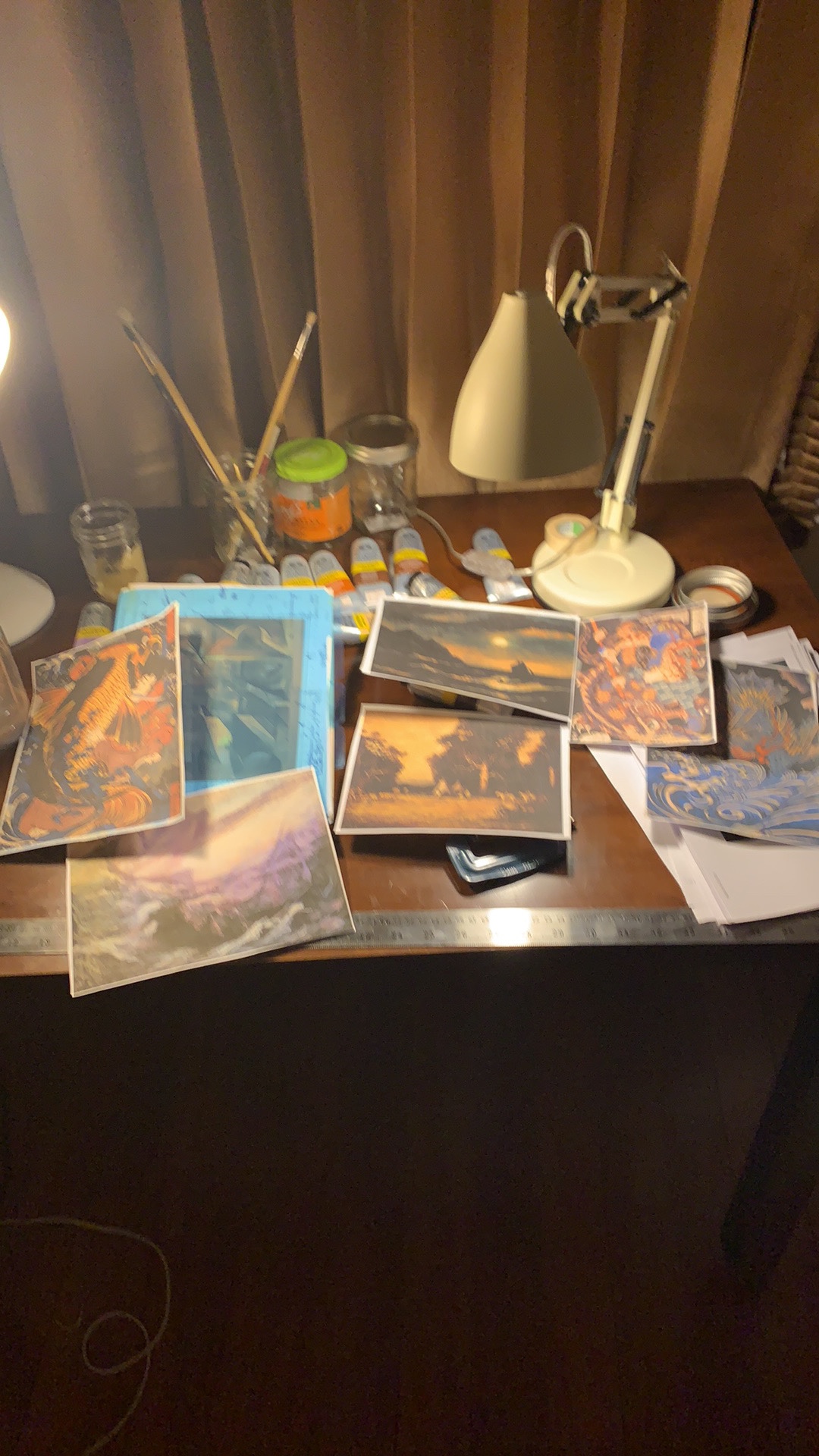
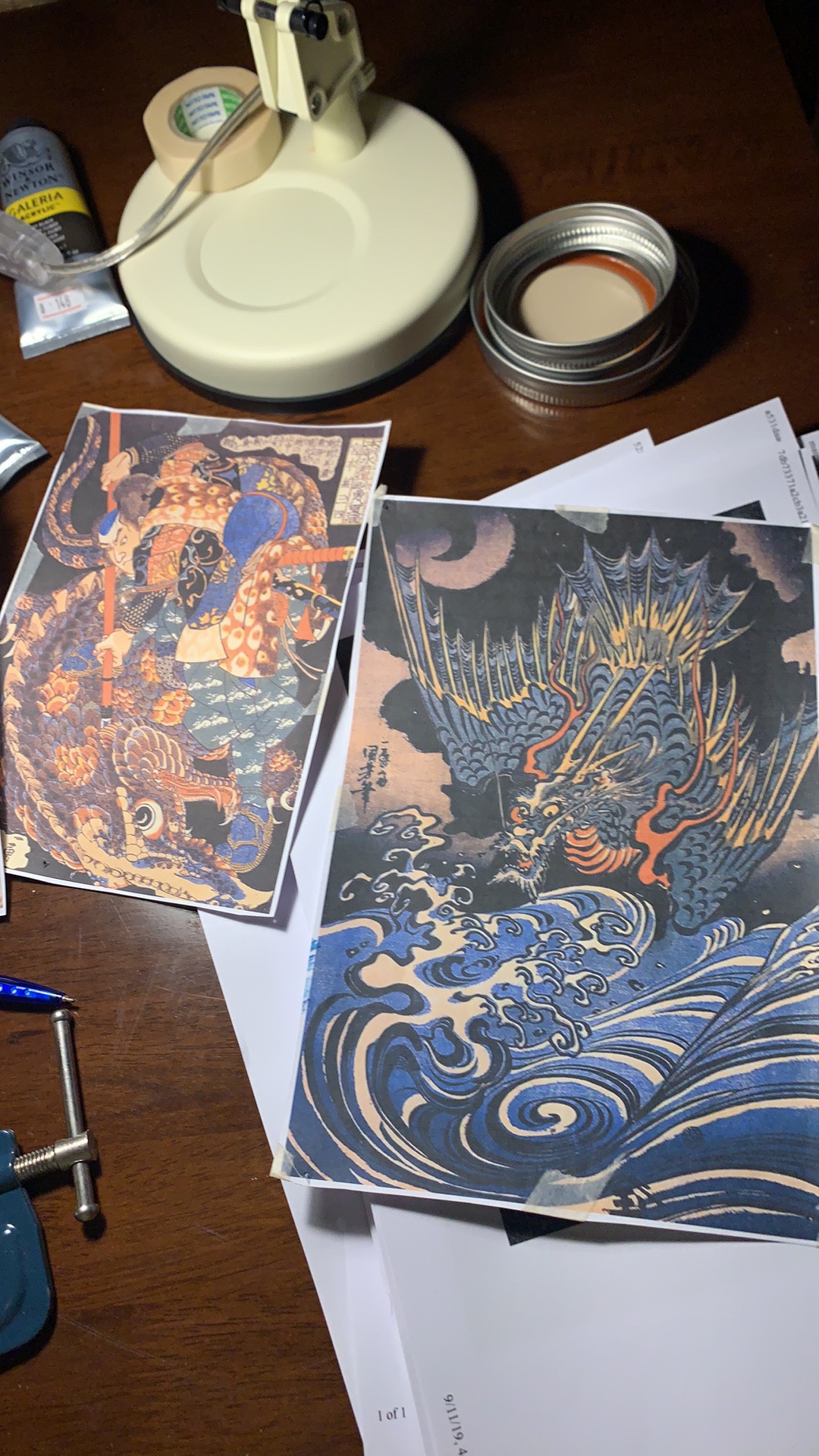
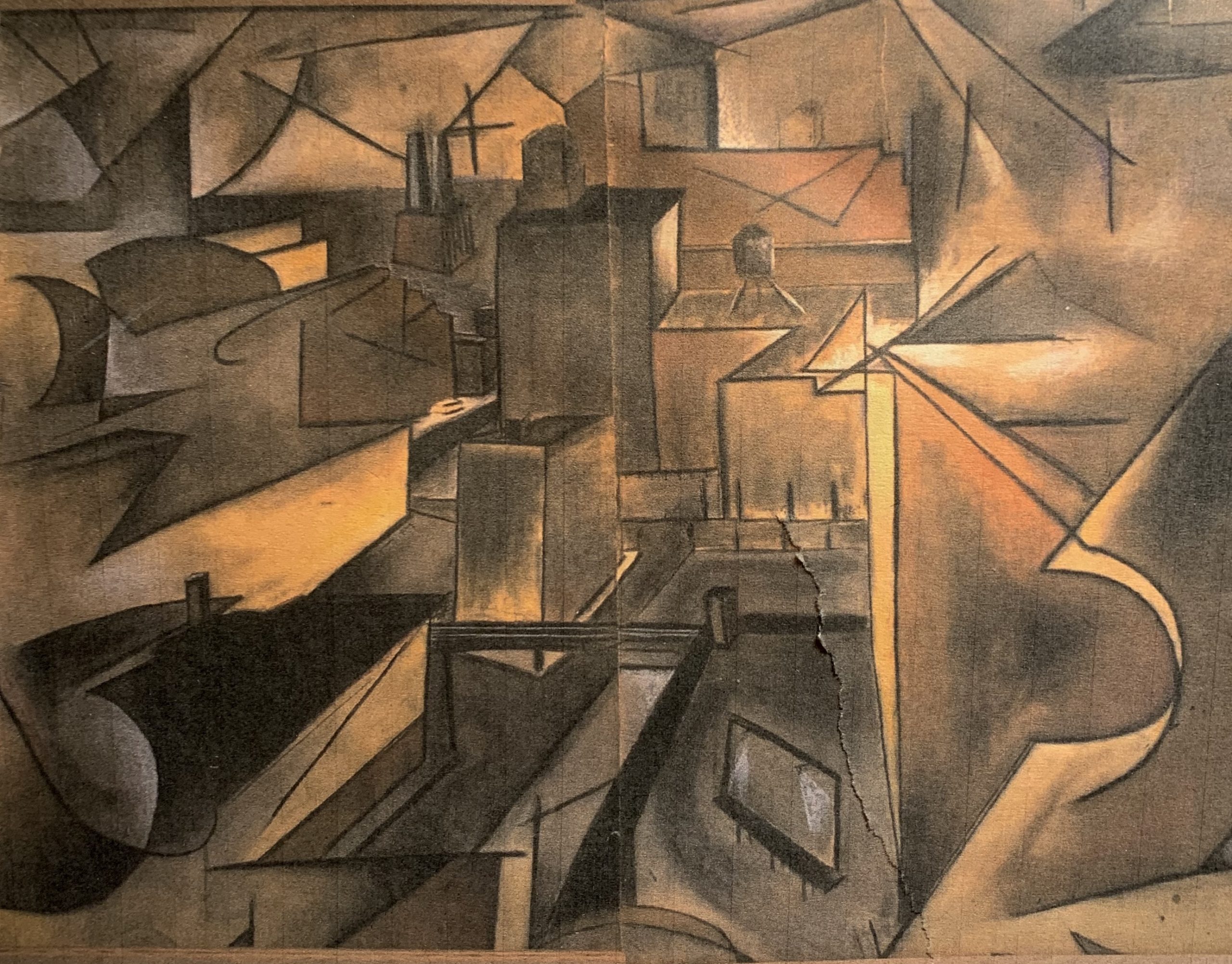
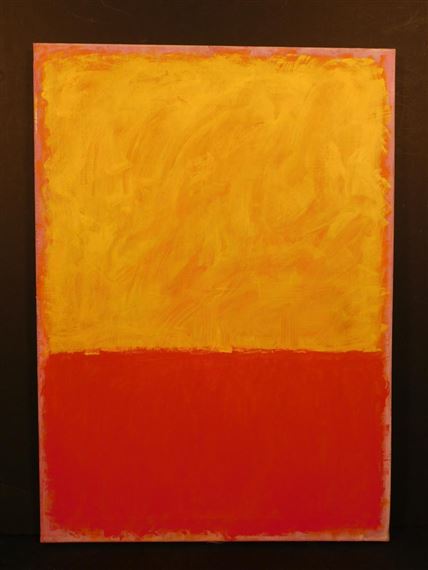
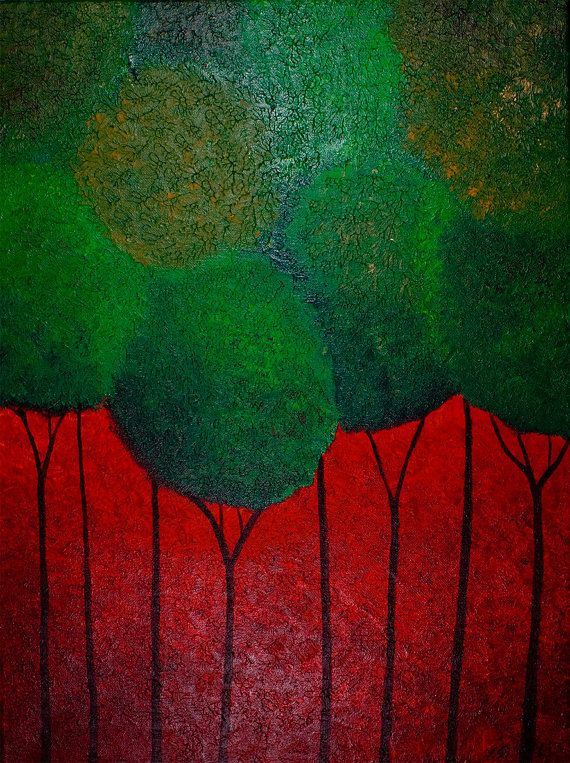
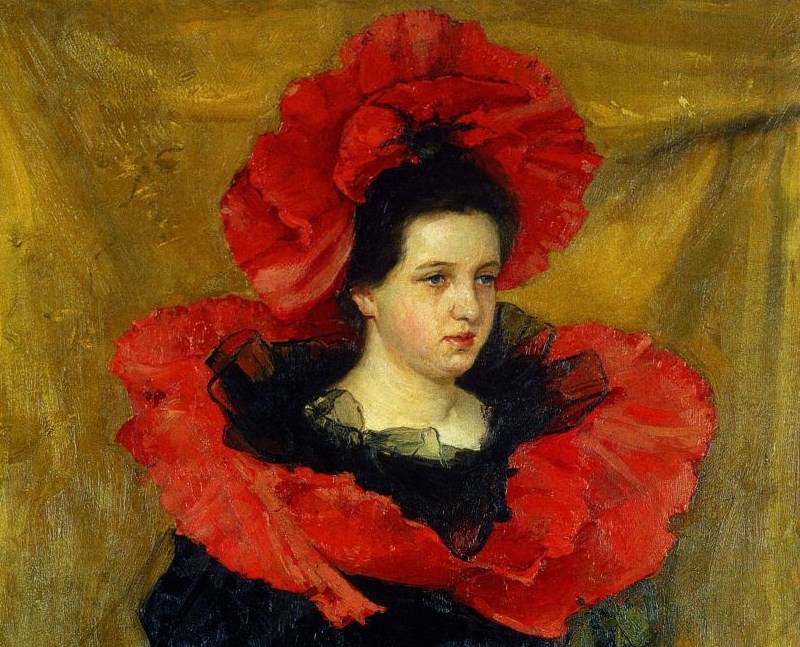
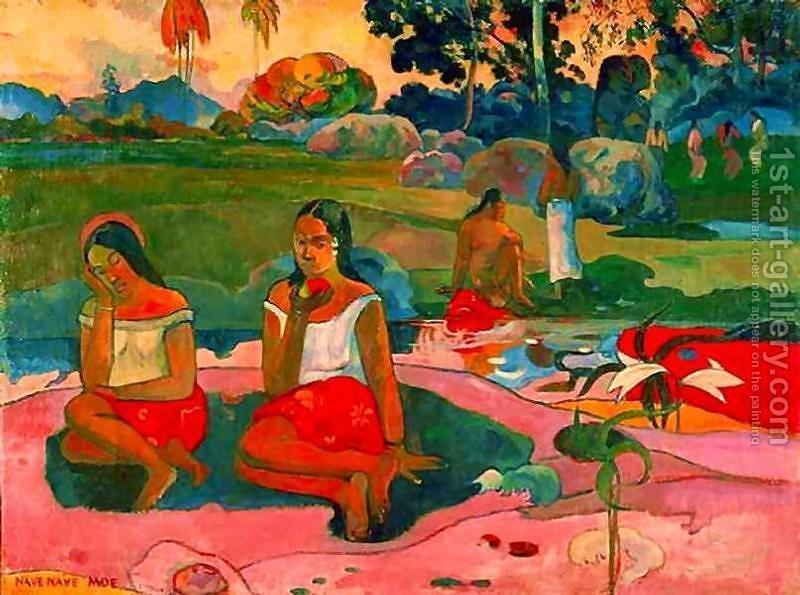
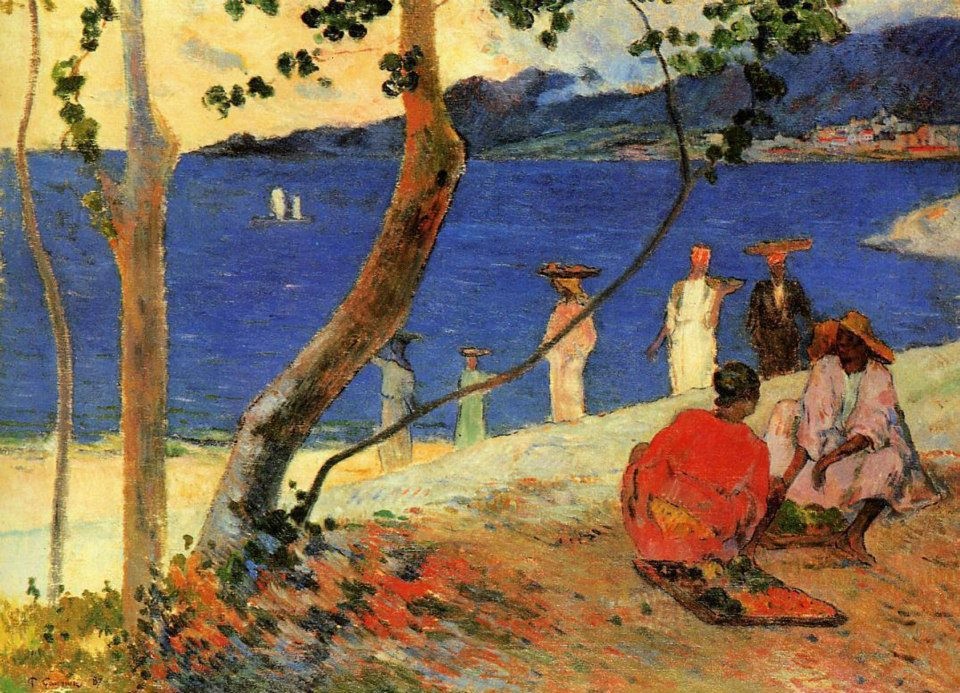
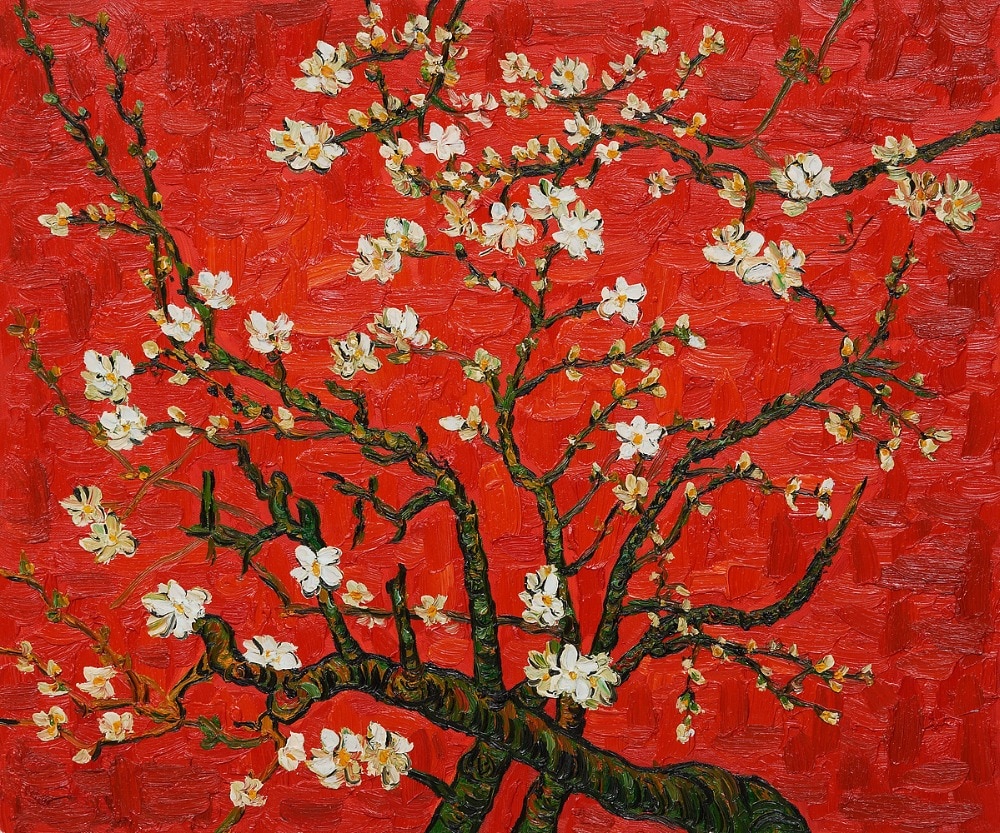
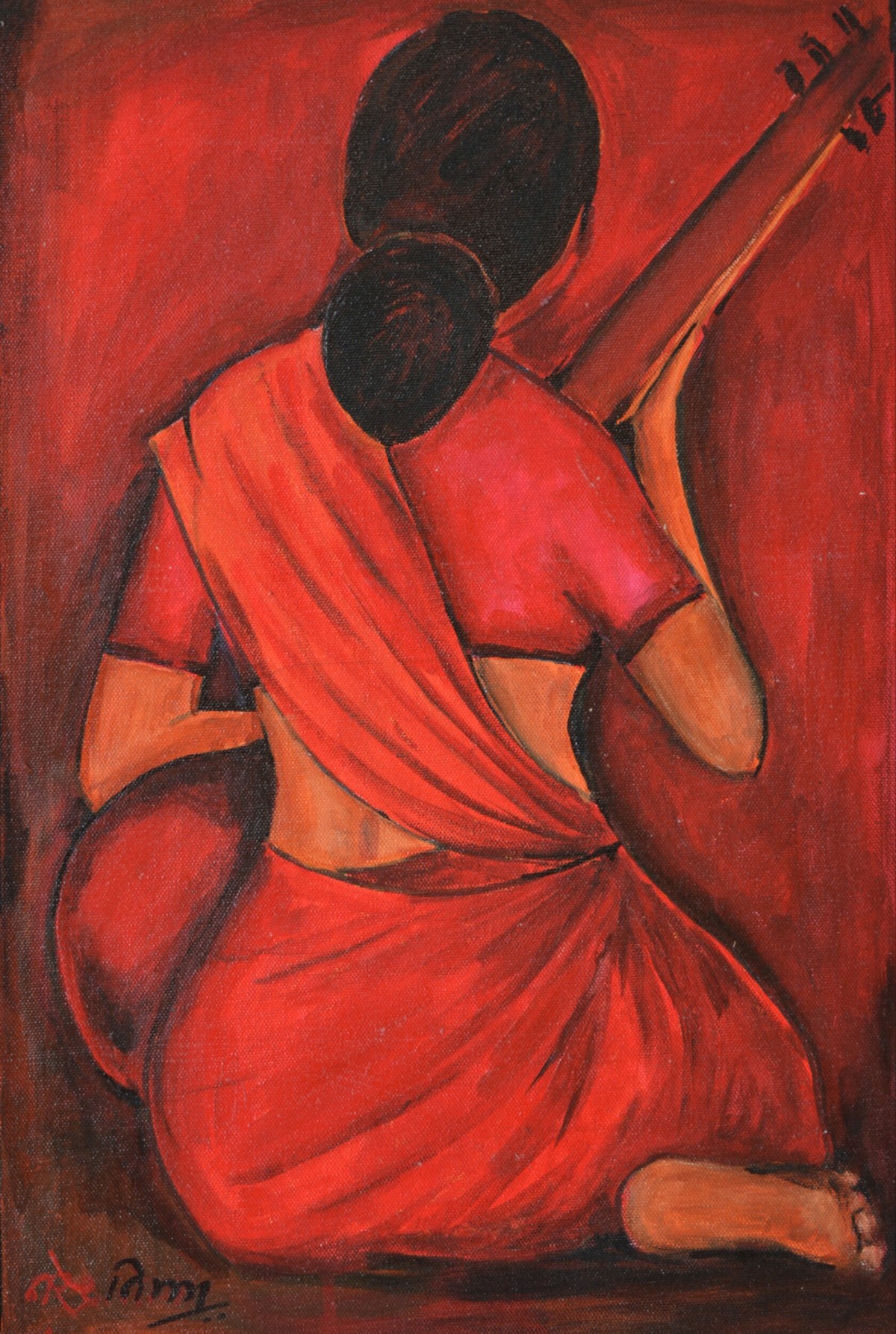
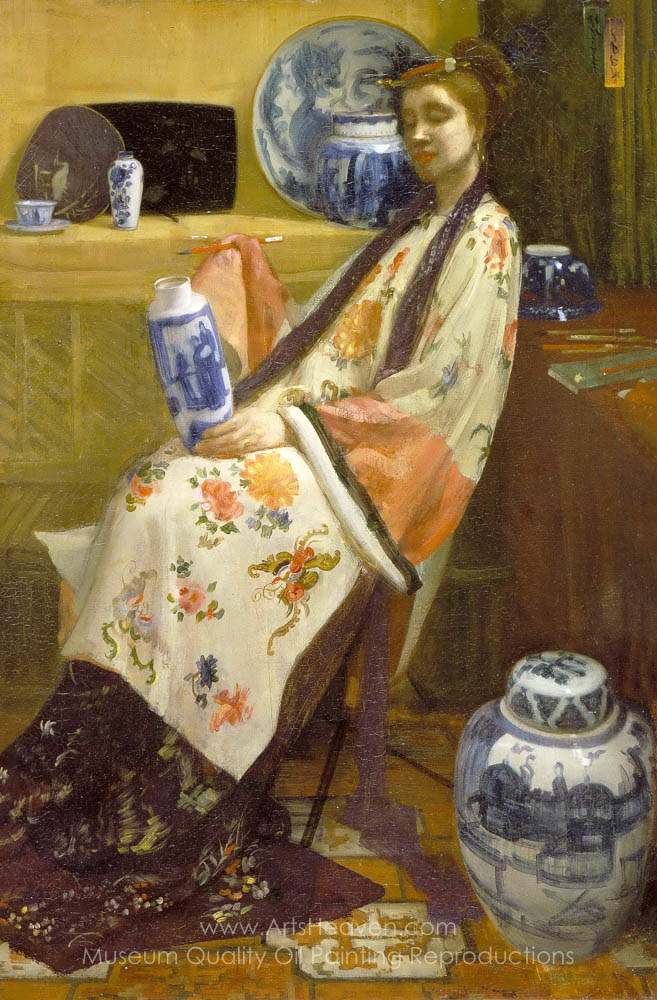
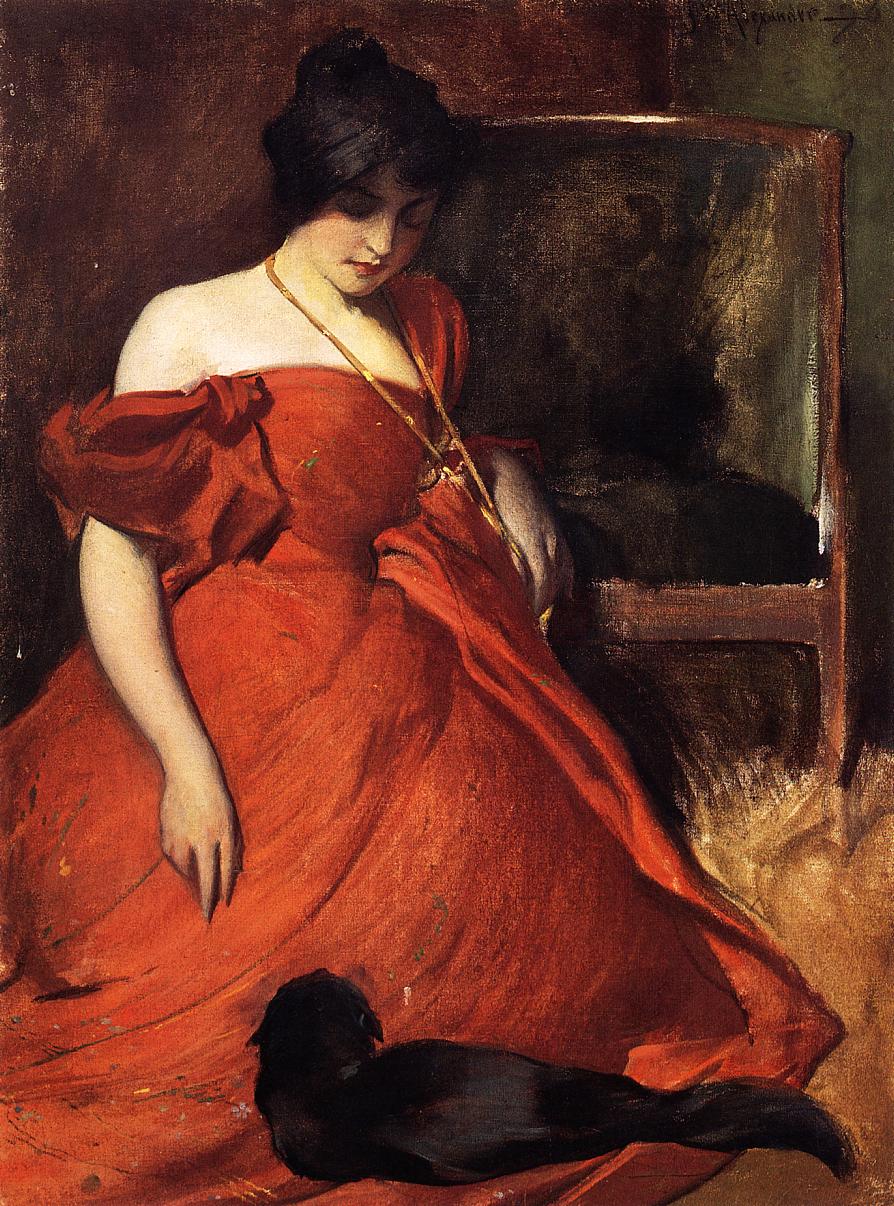
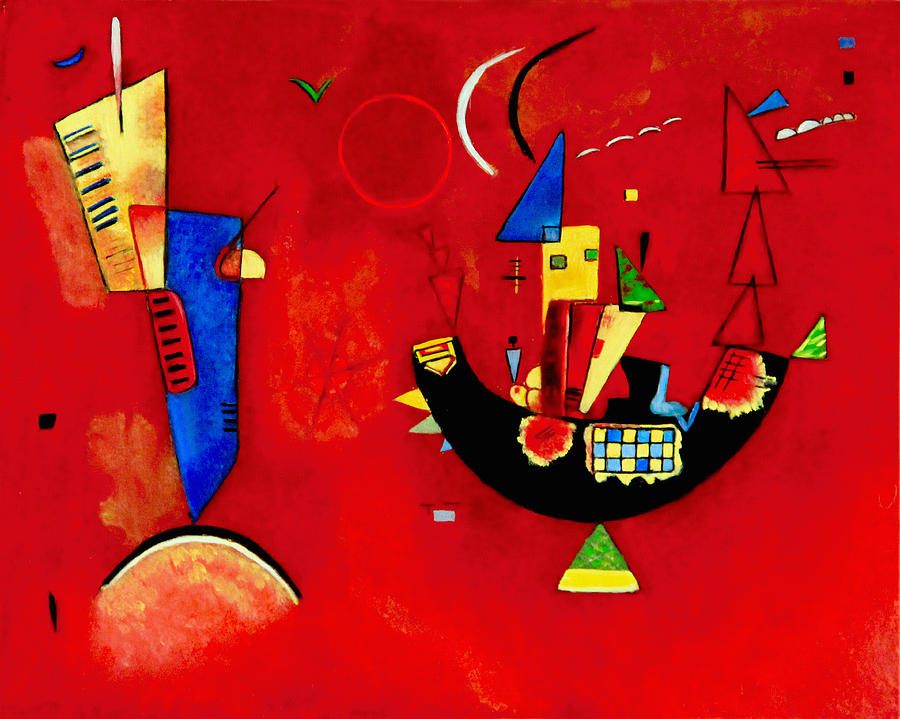
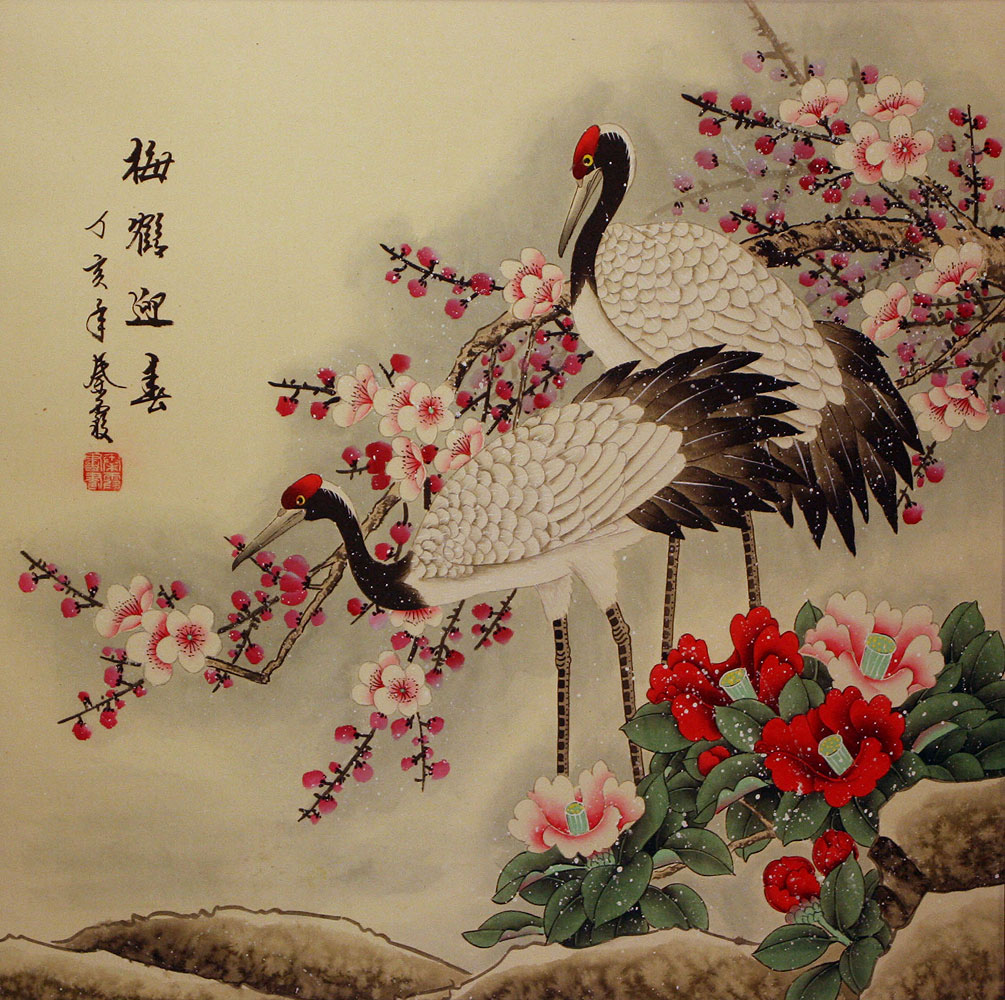
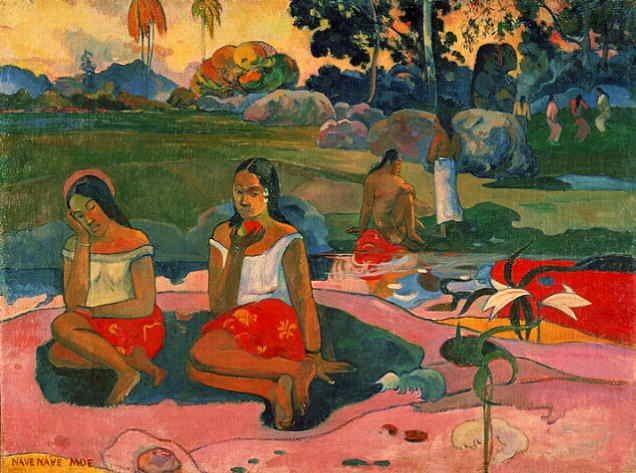
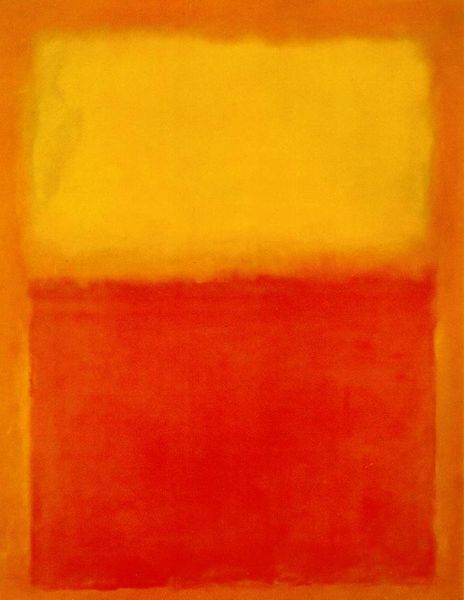
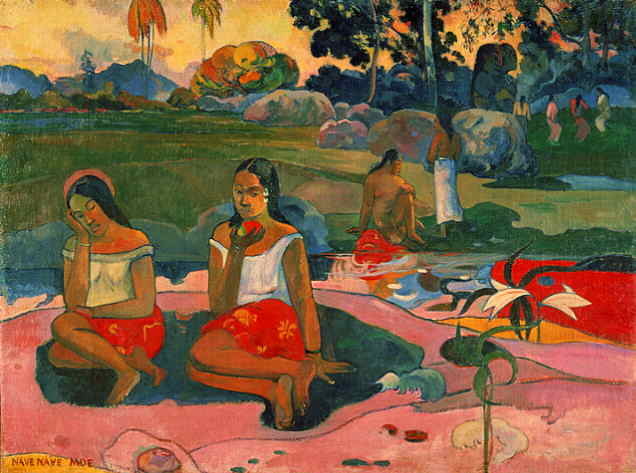
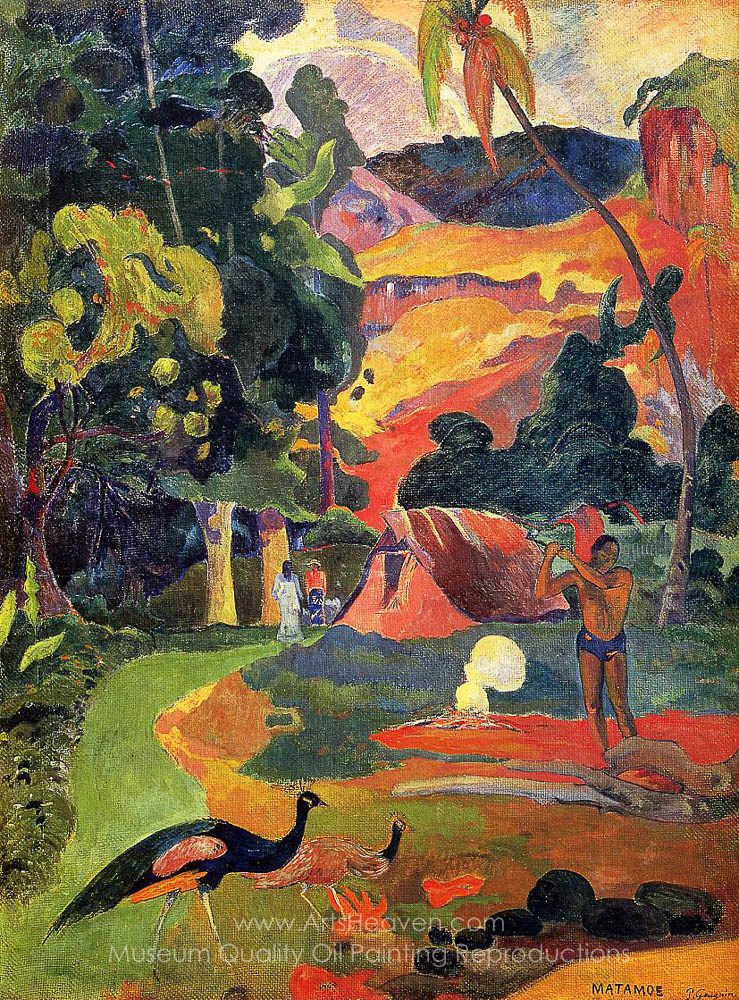
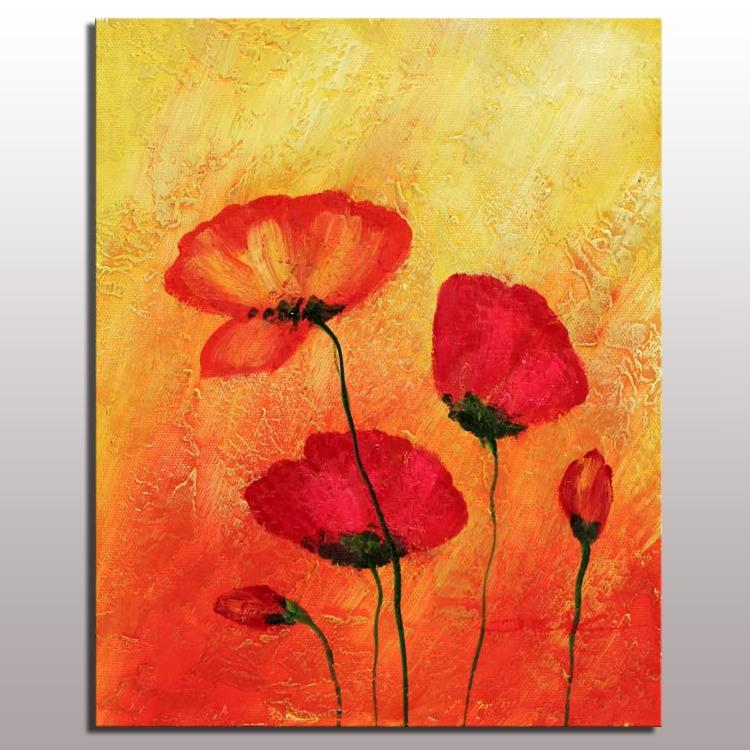
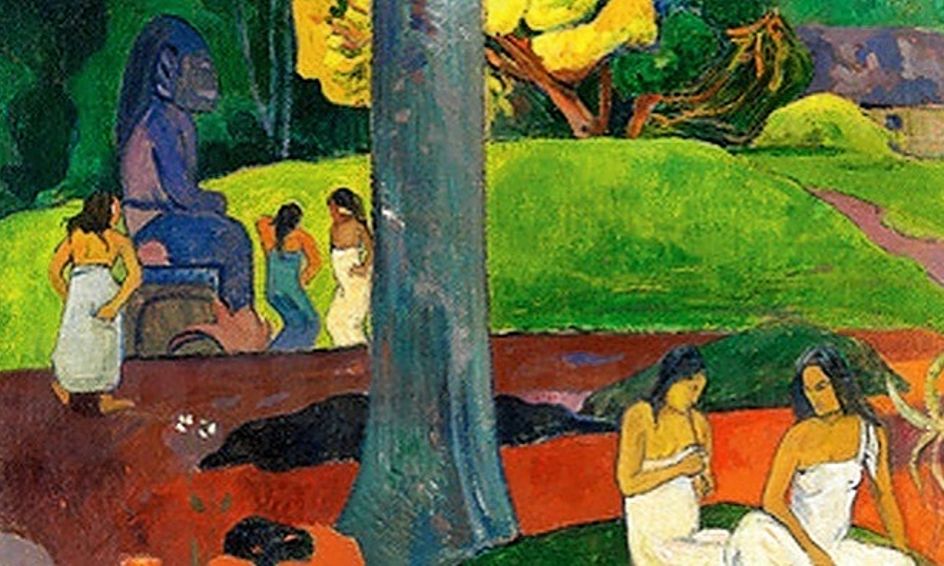
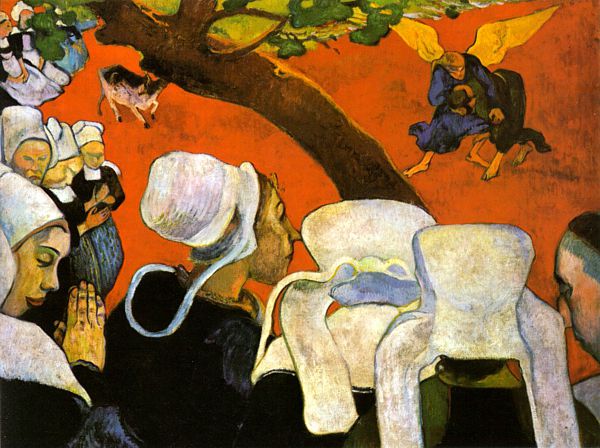
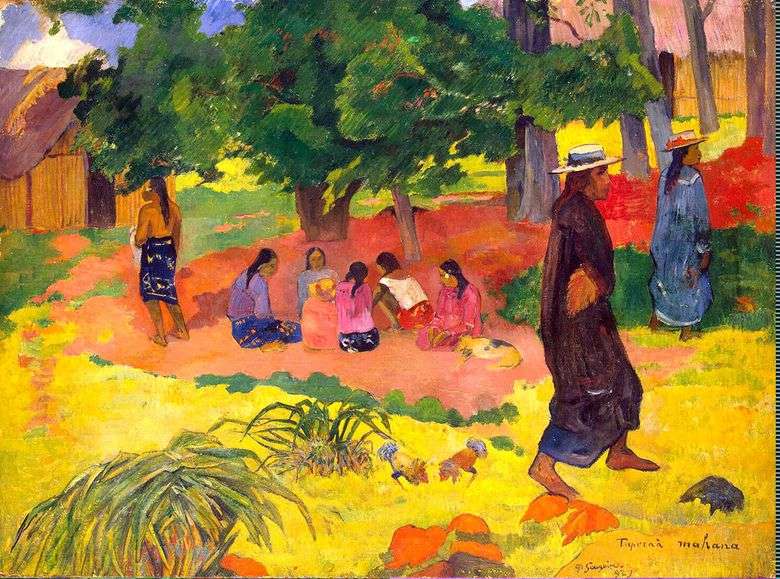
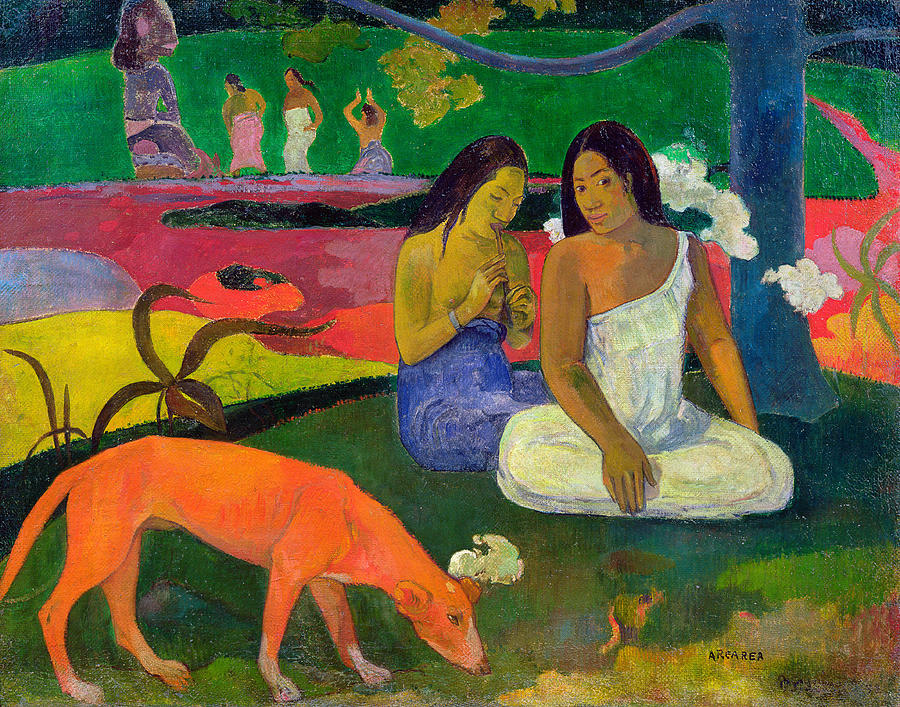
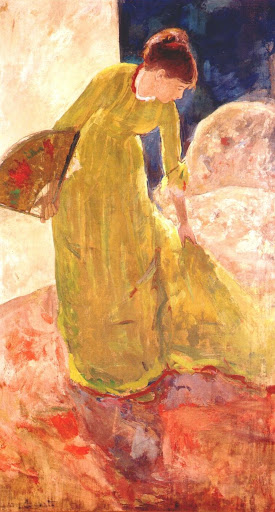
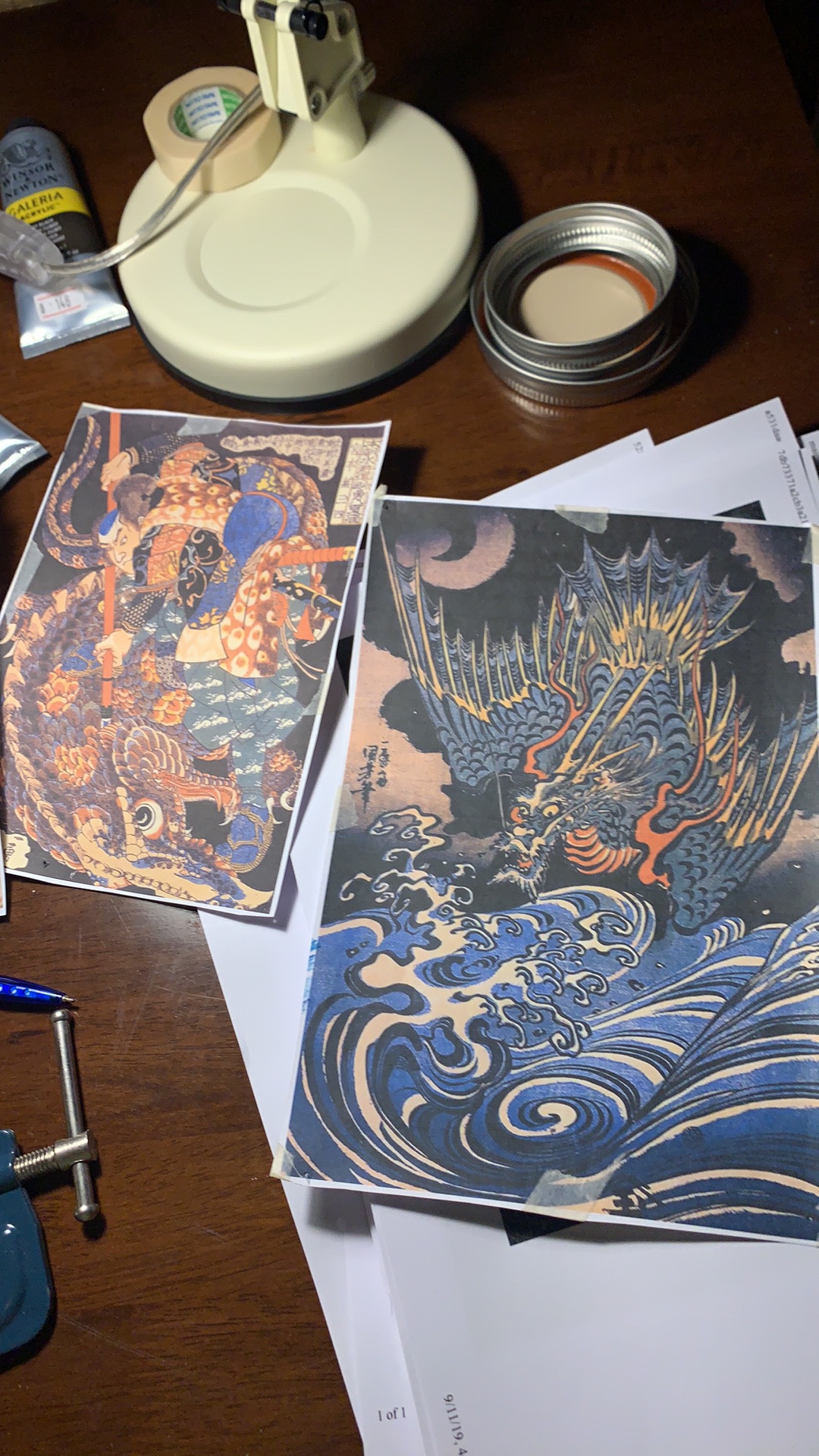
Here’s some more work I found interesting when I’d started working on the red piece.
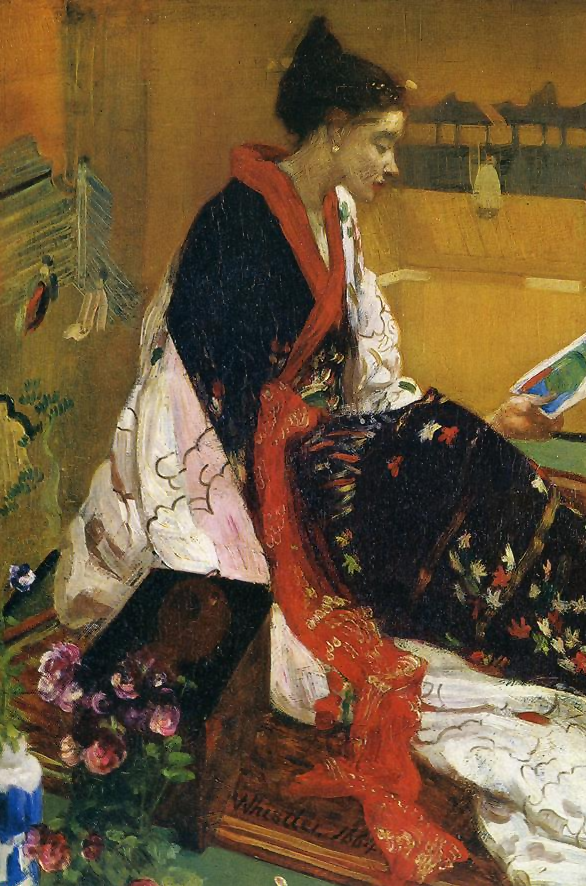
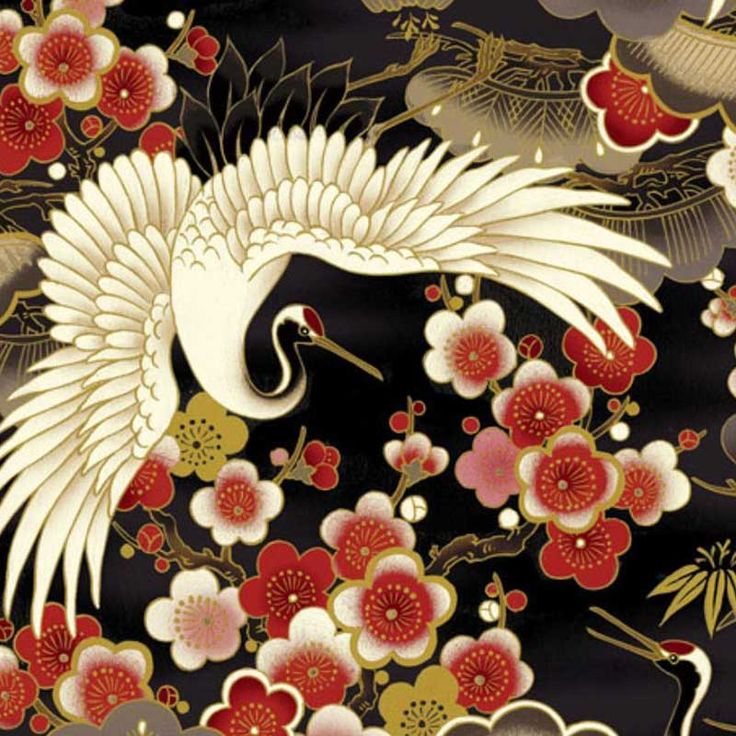
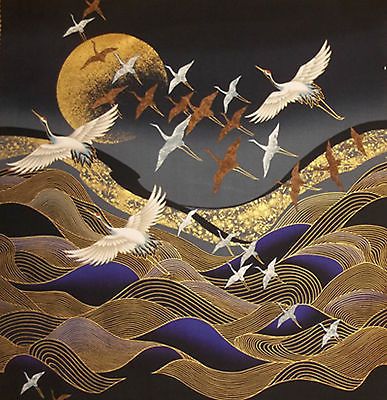
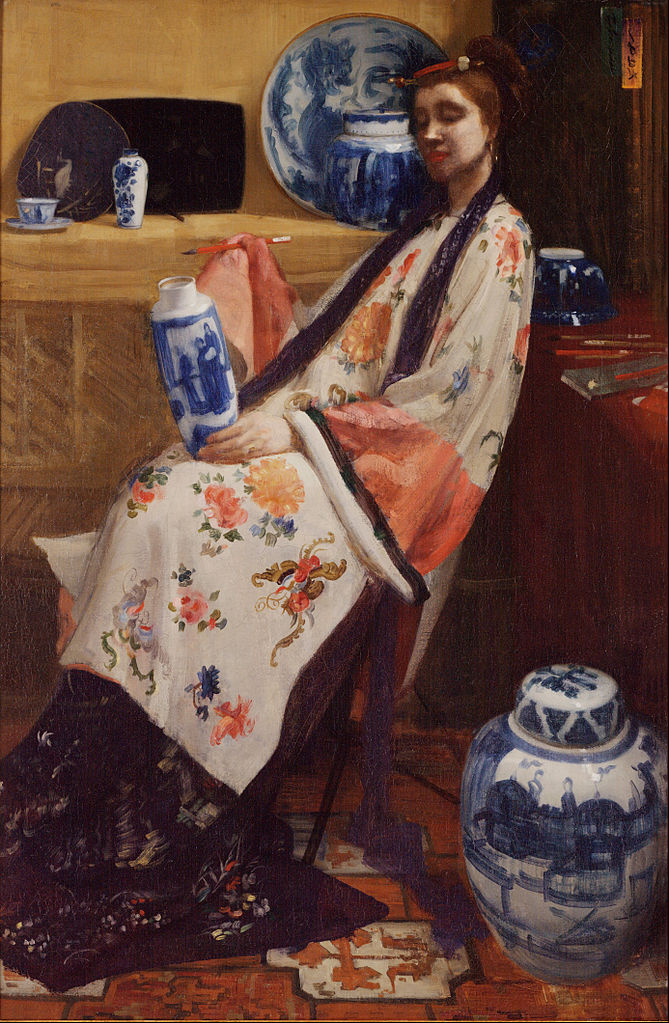
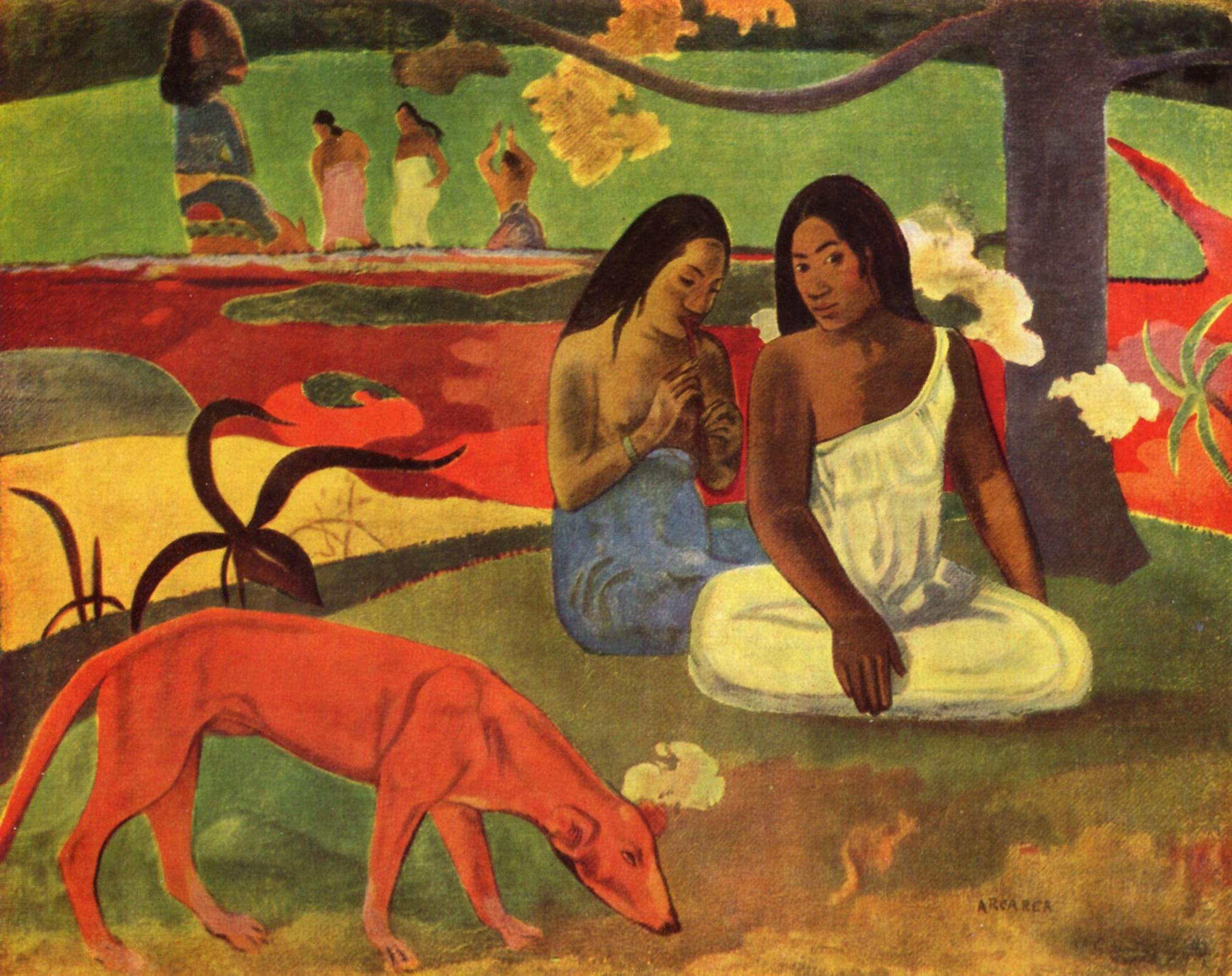
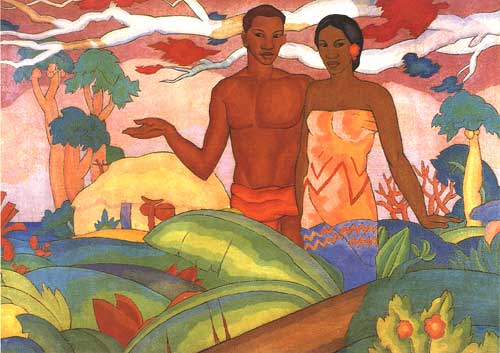
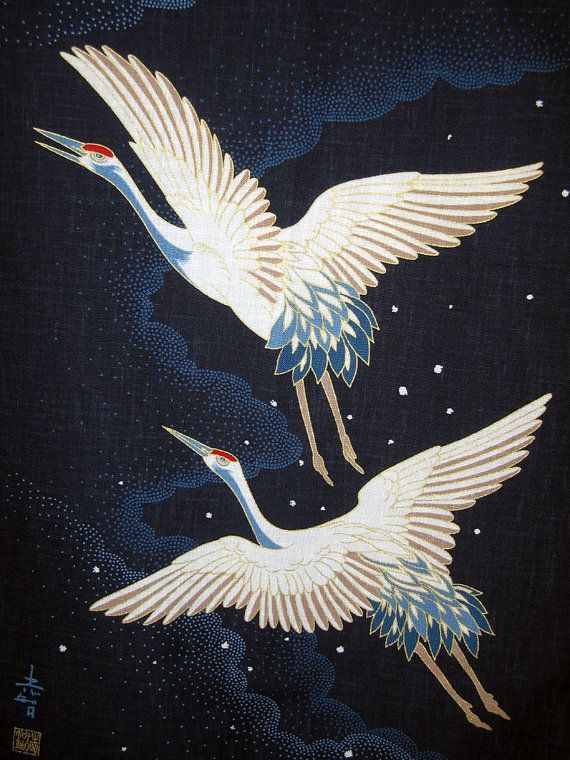
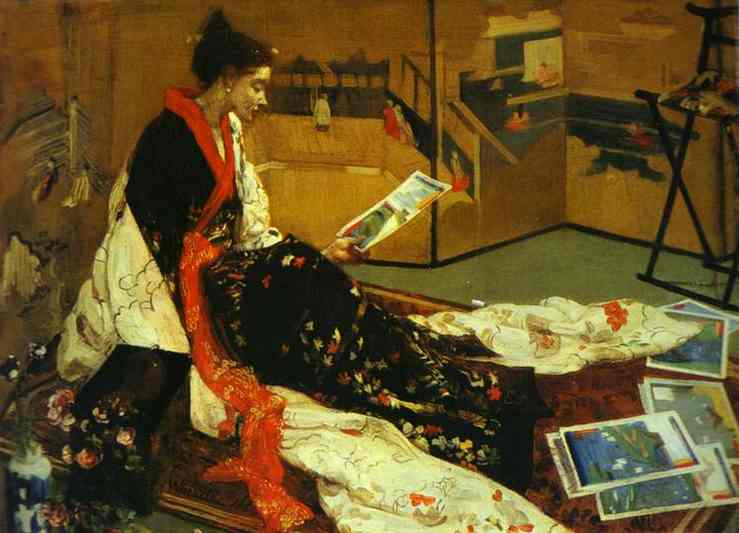
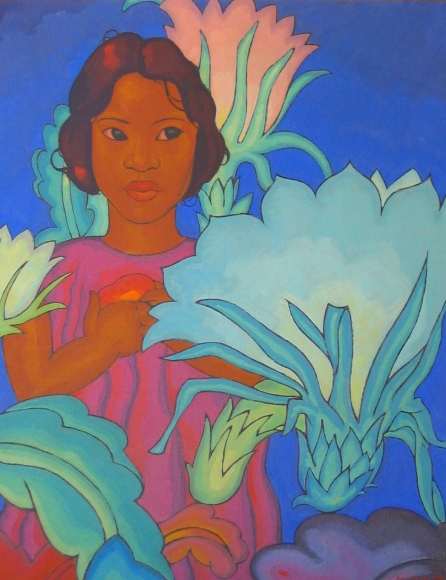
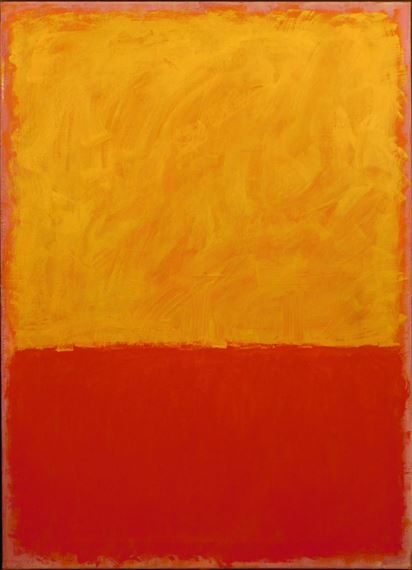
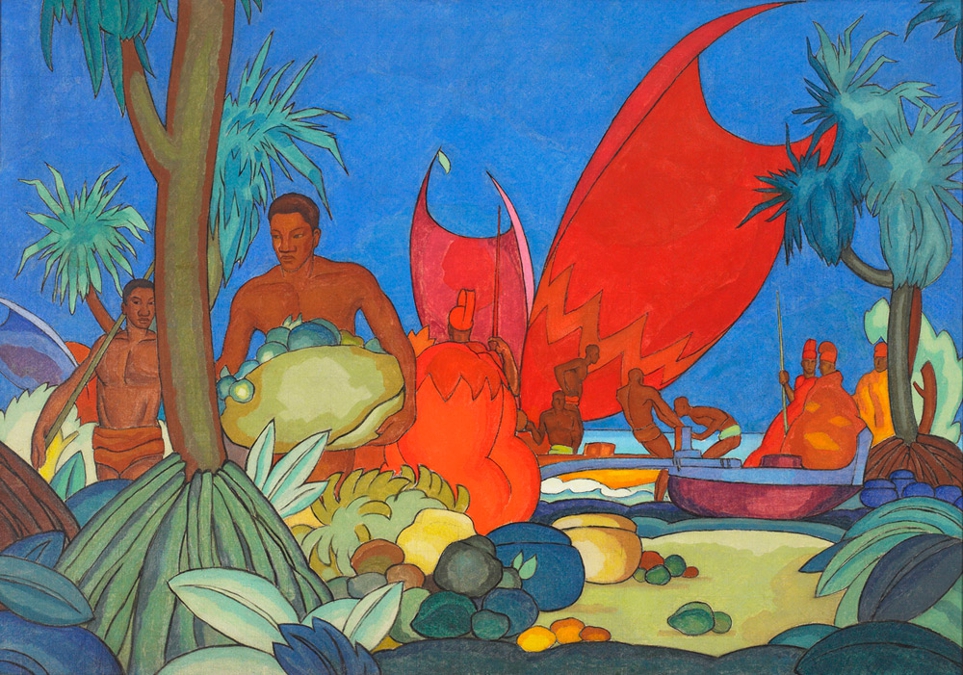
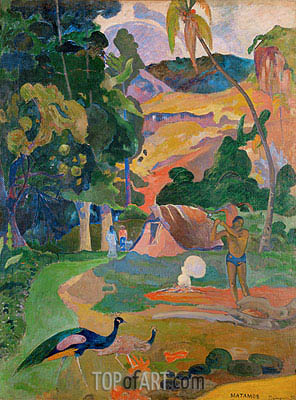
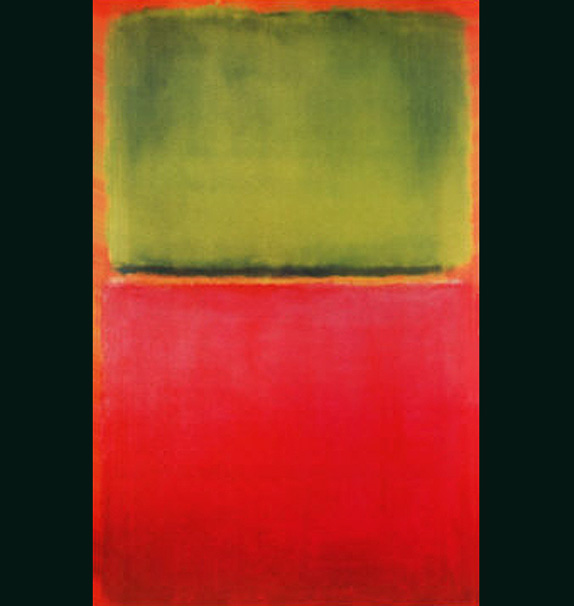
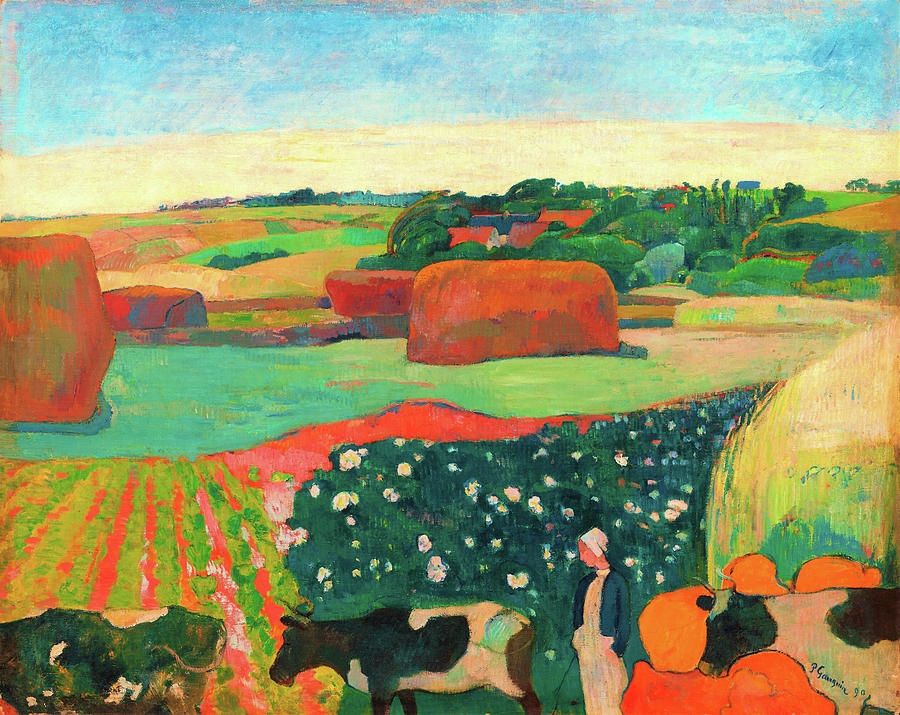
Цифровая репродукция находится в интернет-музее Gallerix.ru

I was able to wake up early and decided to just shift right to the canvas with no delays and no consideration of any other part of the schedule because I knew that this free time from 3:30 in the morning until about seven or 8 AM would actually be the longest stretch of concentration I would have each day.
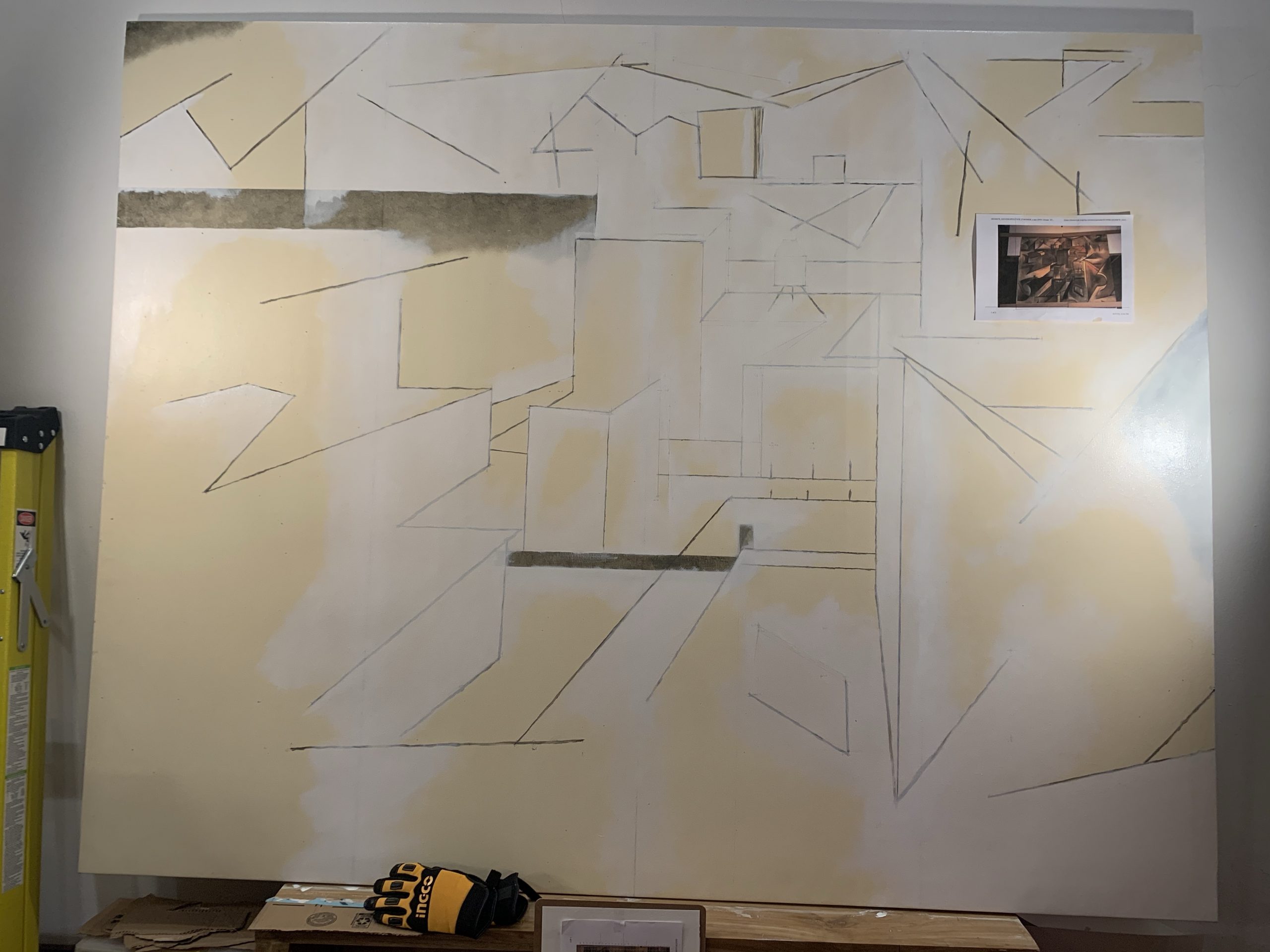
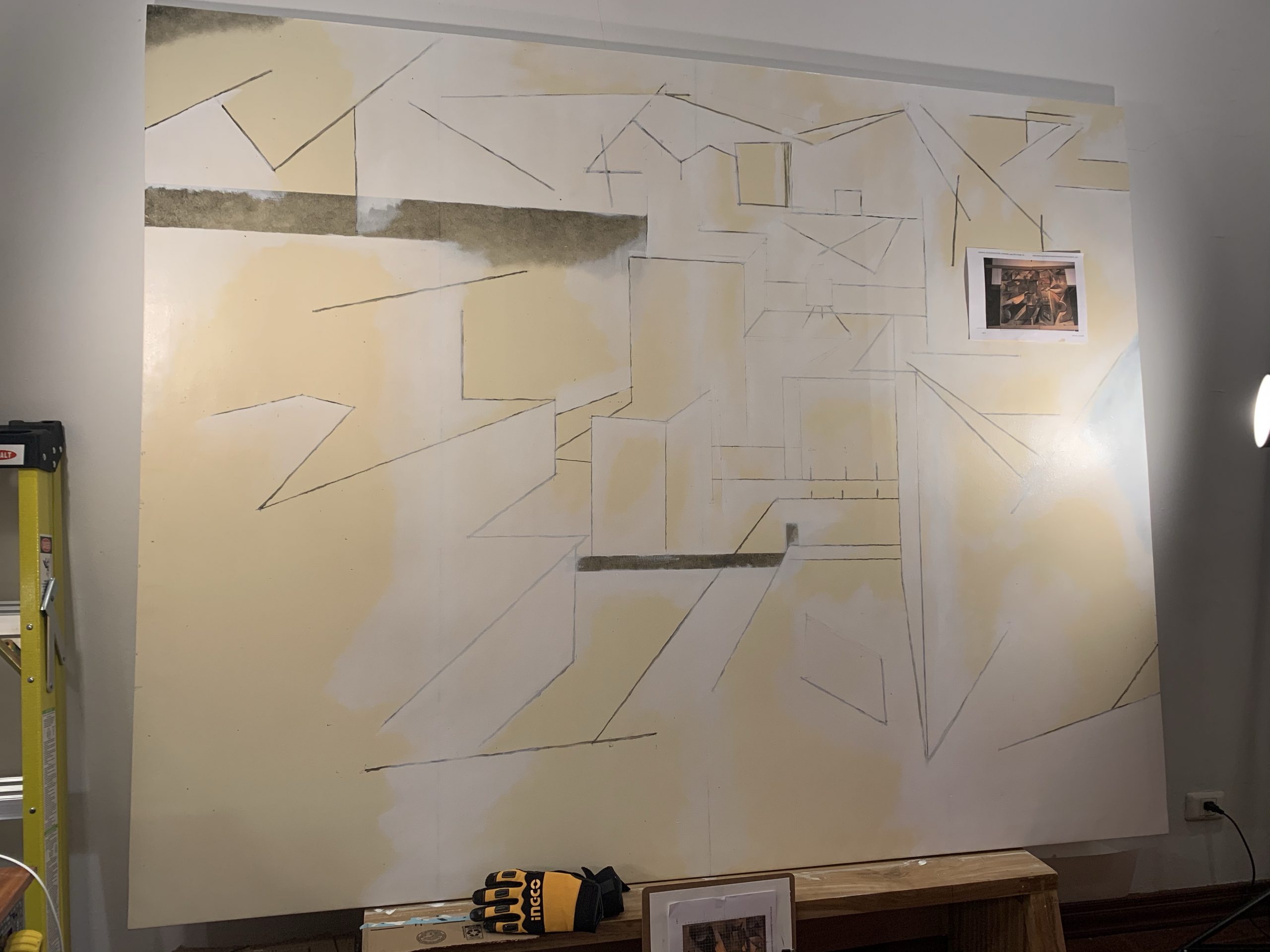
I laid in the charcoal black today and almost started in on the white but I decided to hold off because I had already made a lot of progress in this one shift.
Technical upgrade: I decided this time to get rid of “over edge” paint with the rag and will stick with that as it’s a huge help. Just do it at the very end though as a final clean up touch up. Don’t waste time doing it when the paint is too wet, don’t lose your overall flow.
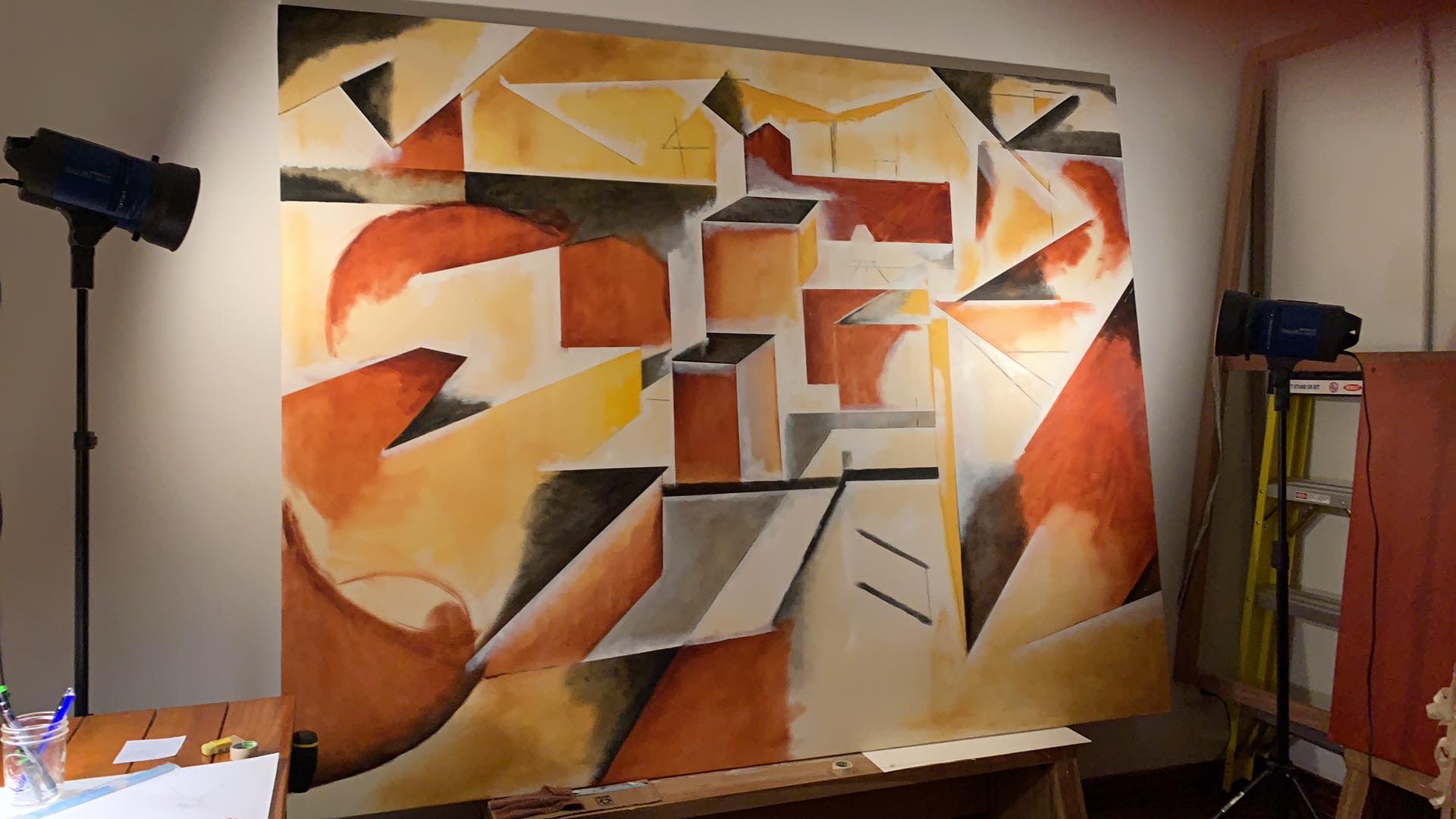
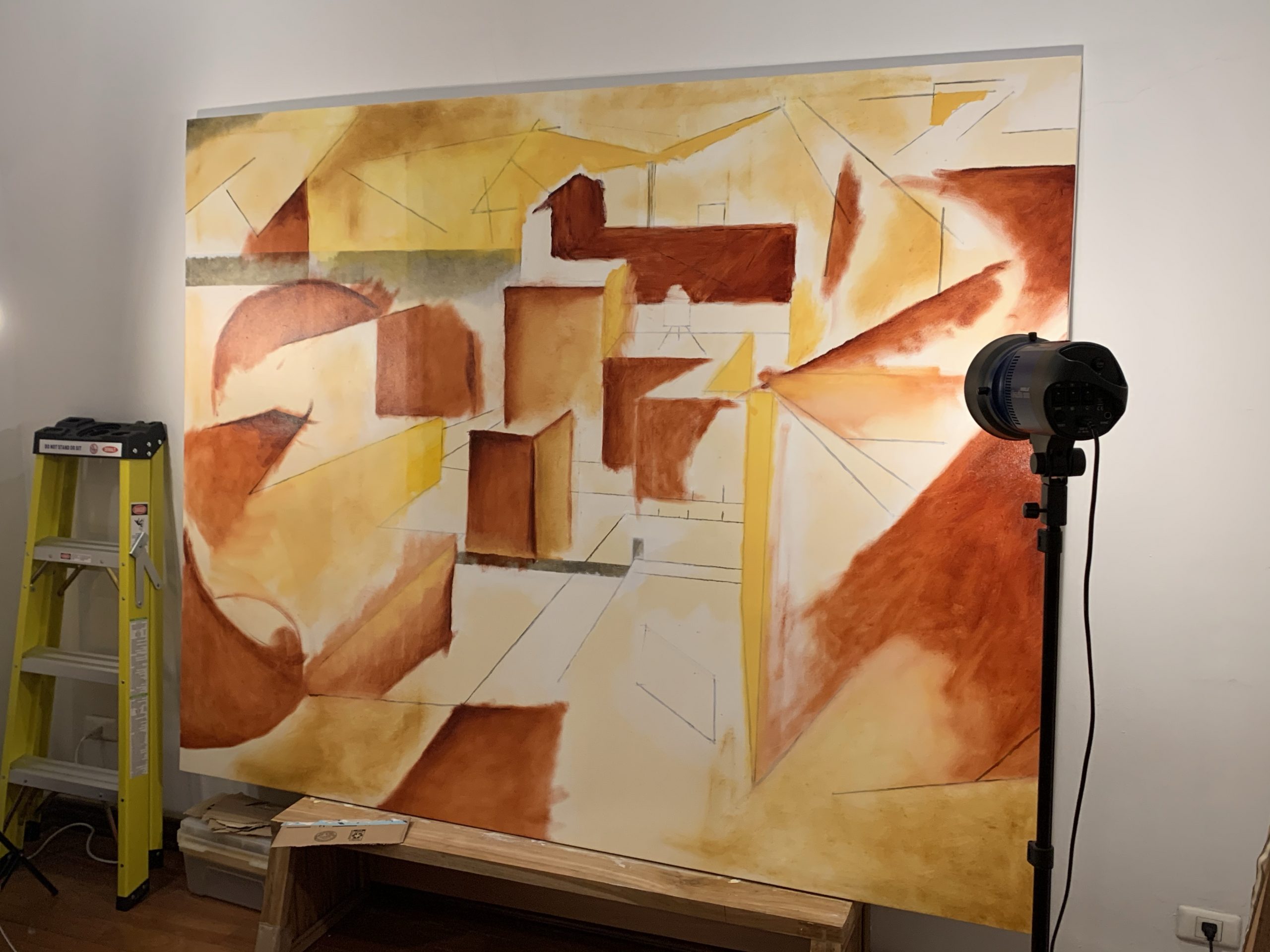
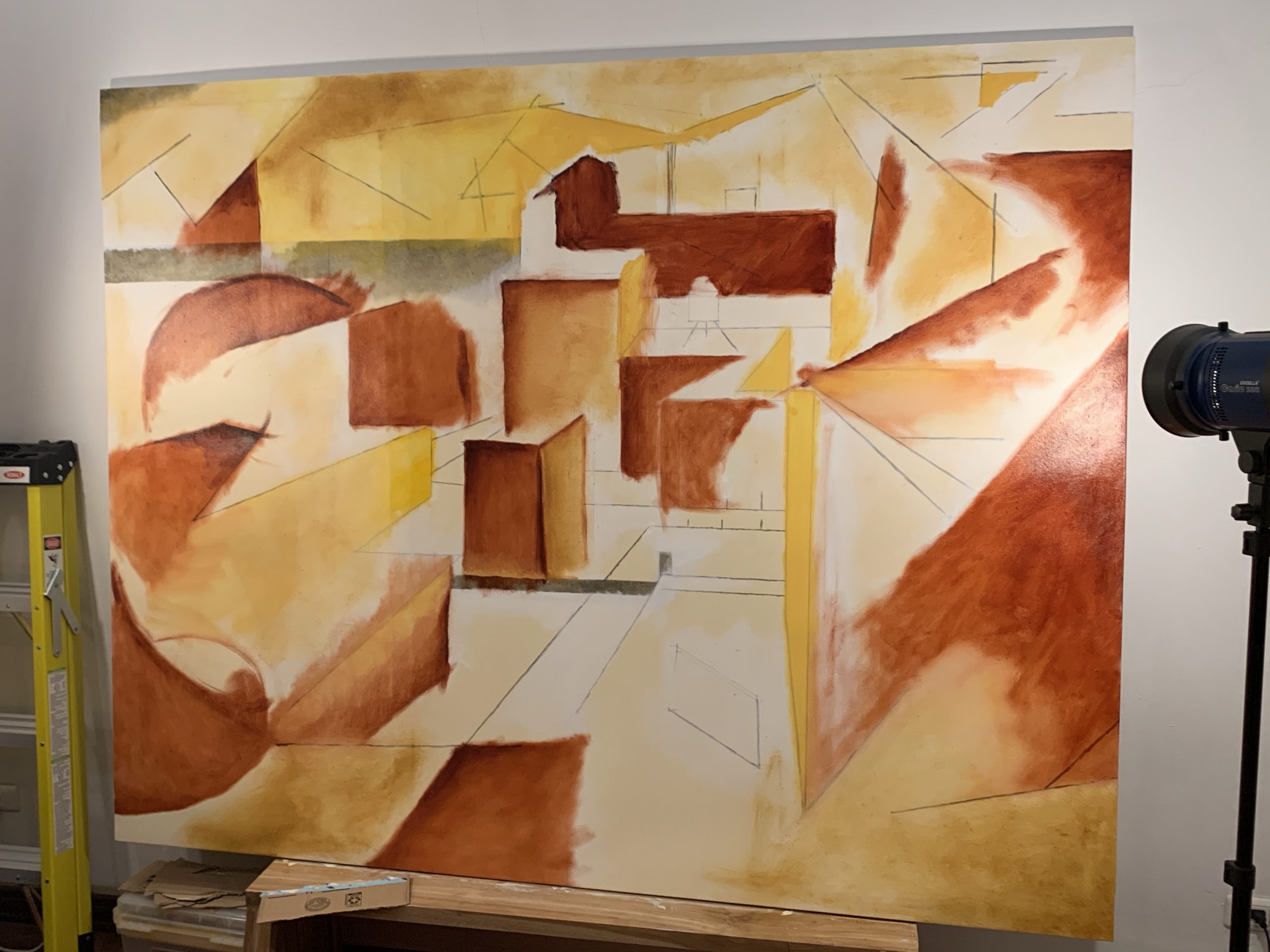
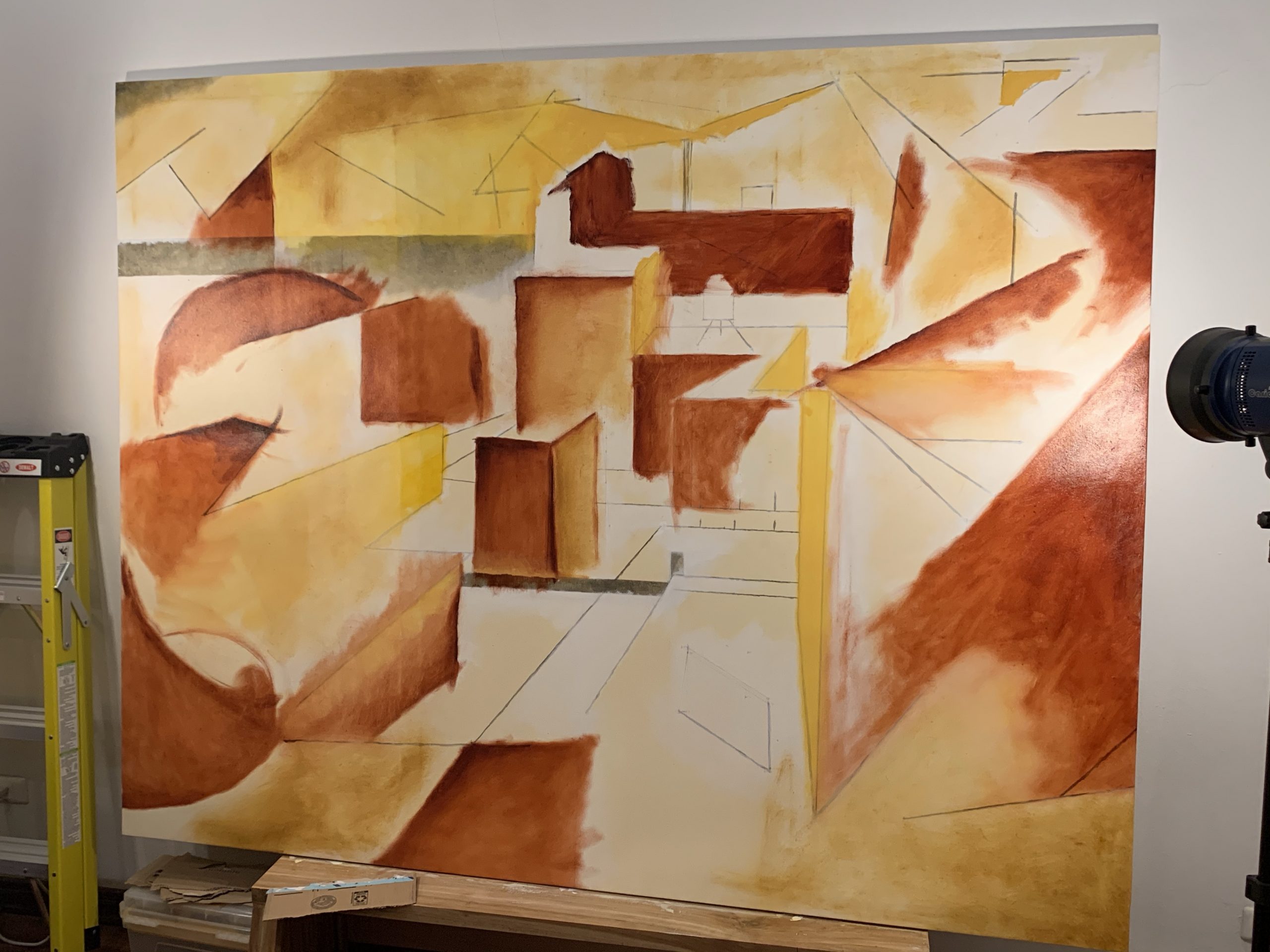
Here’s what I ended up with.
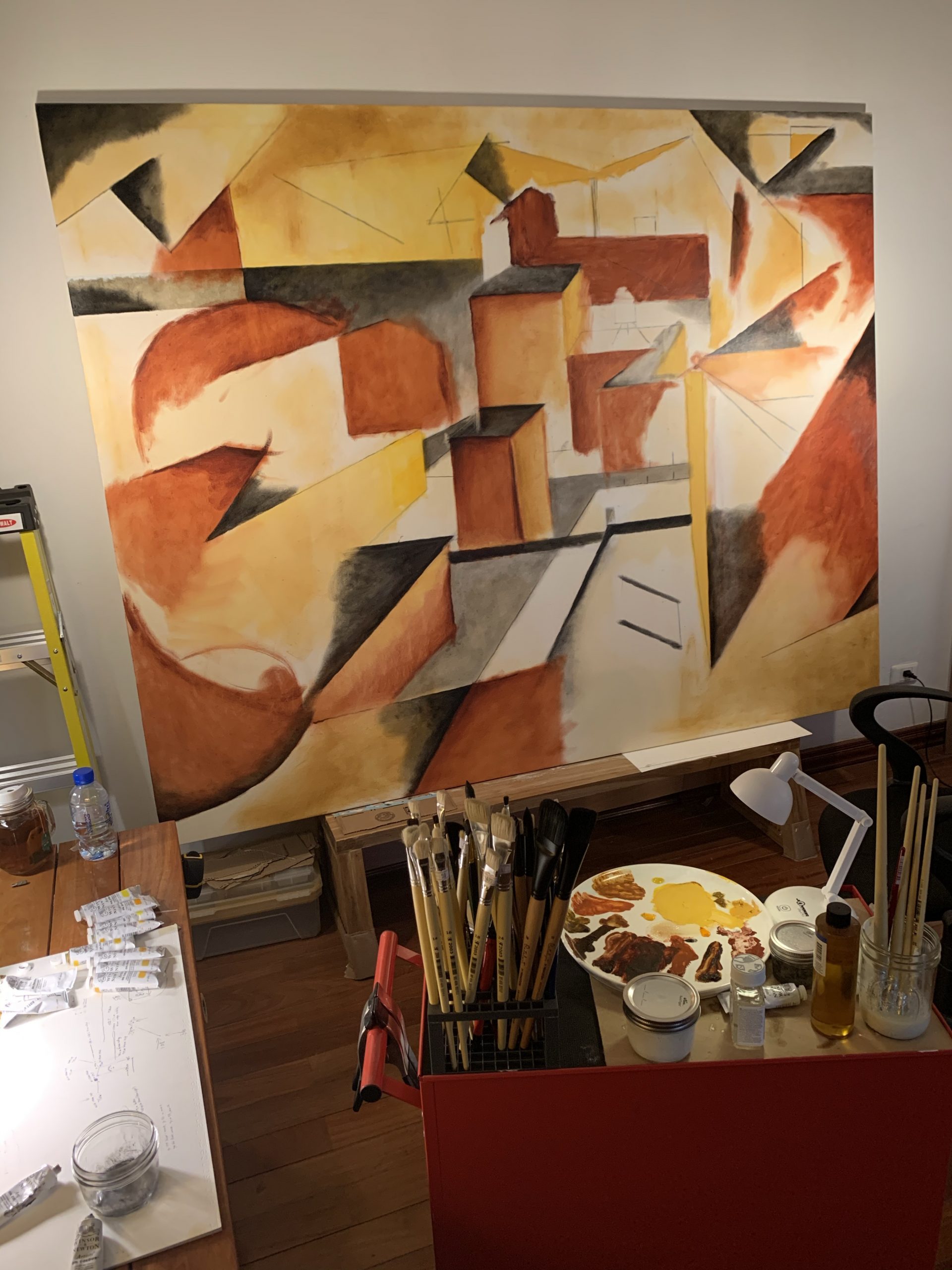
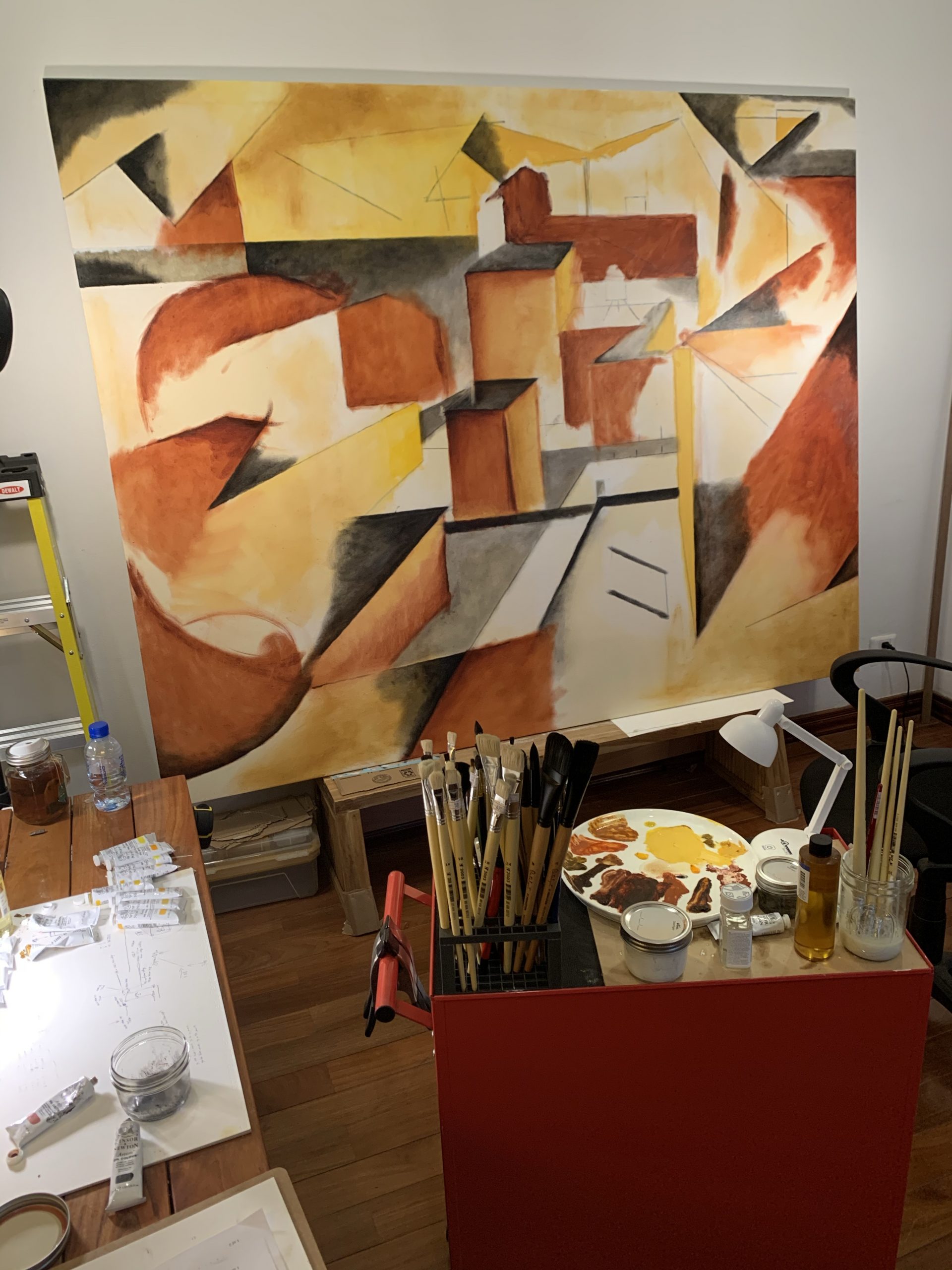
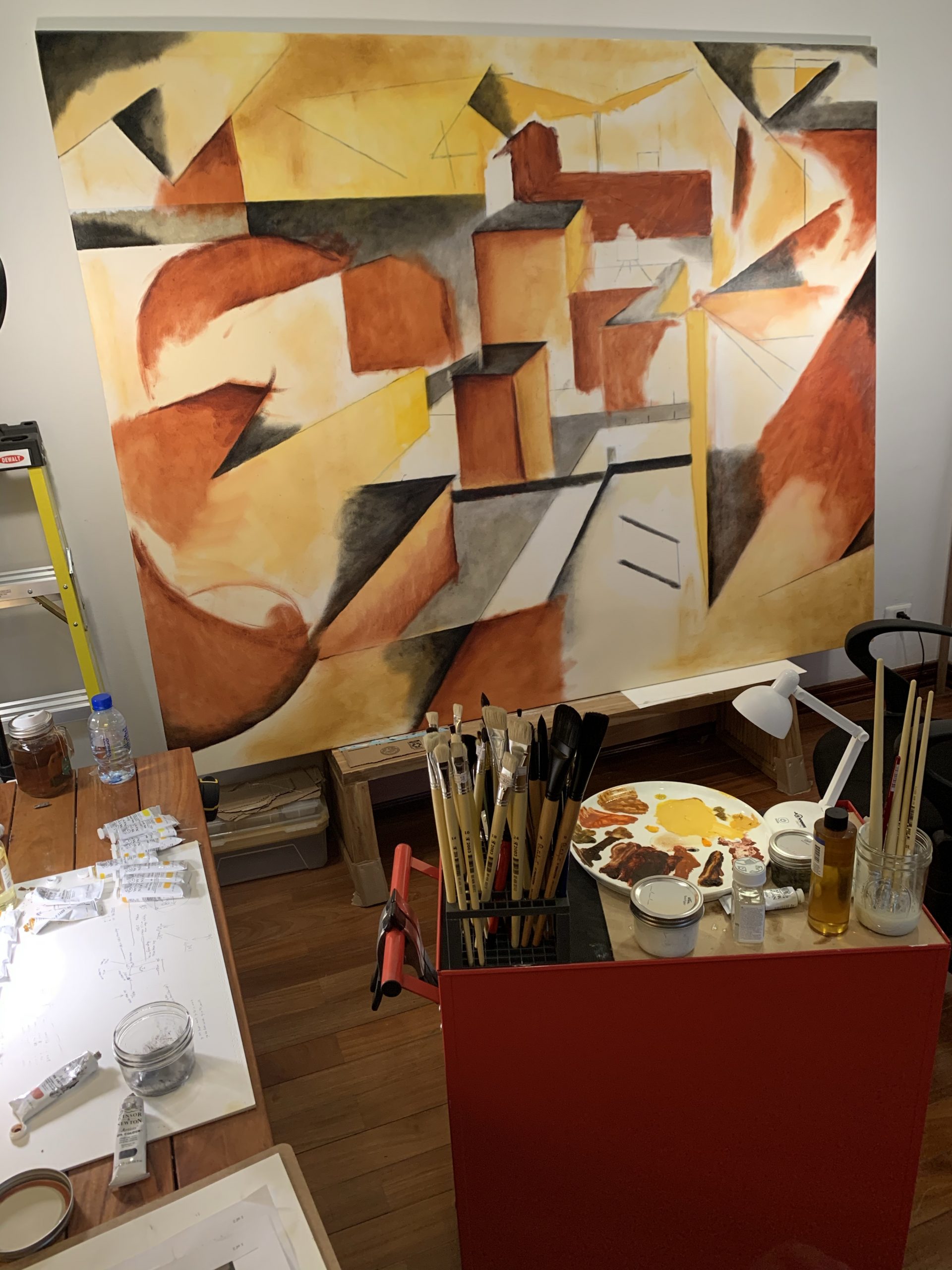
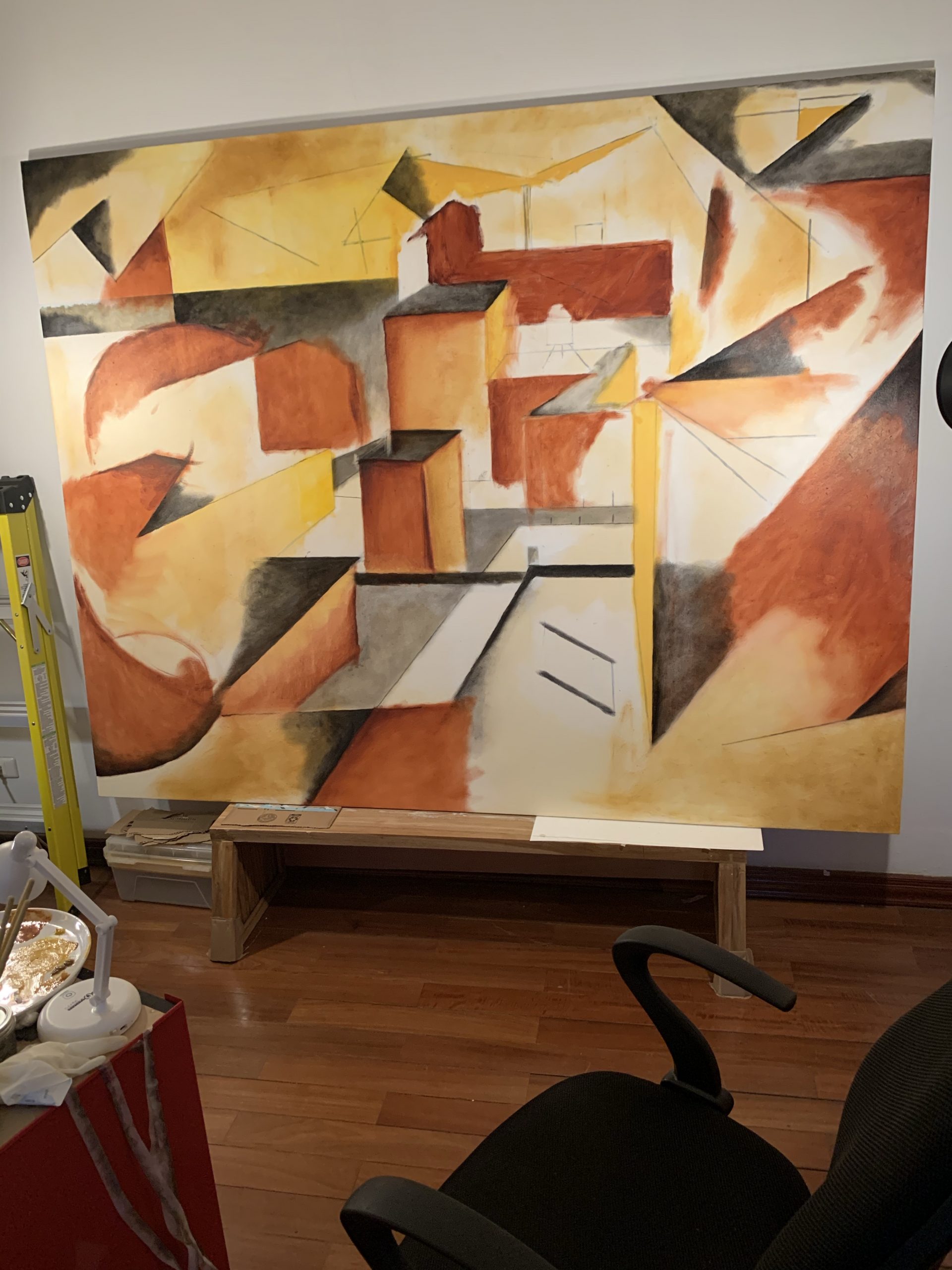
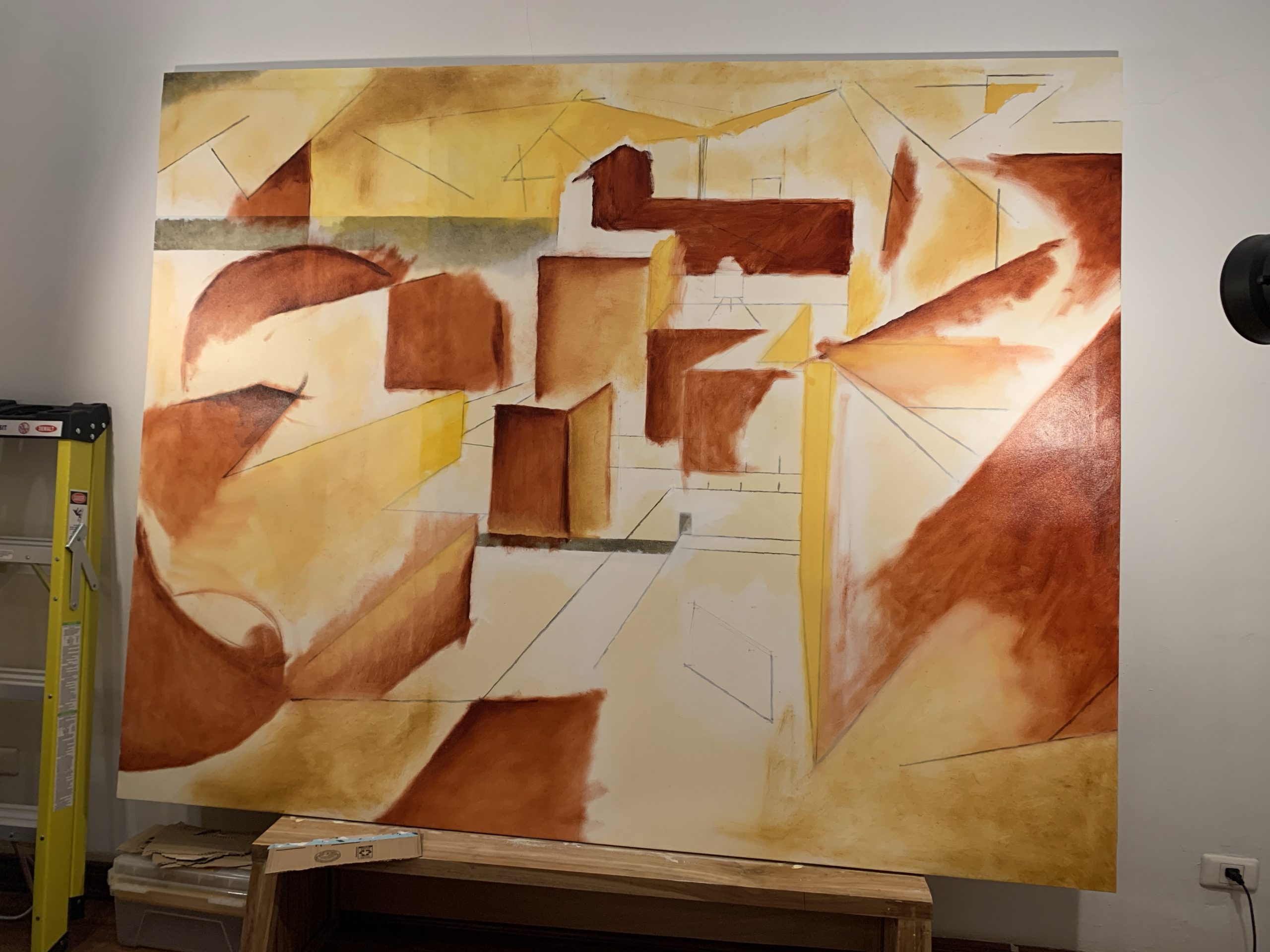
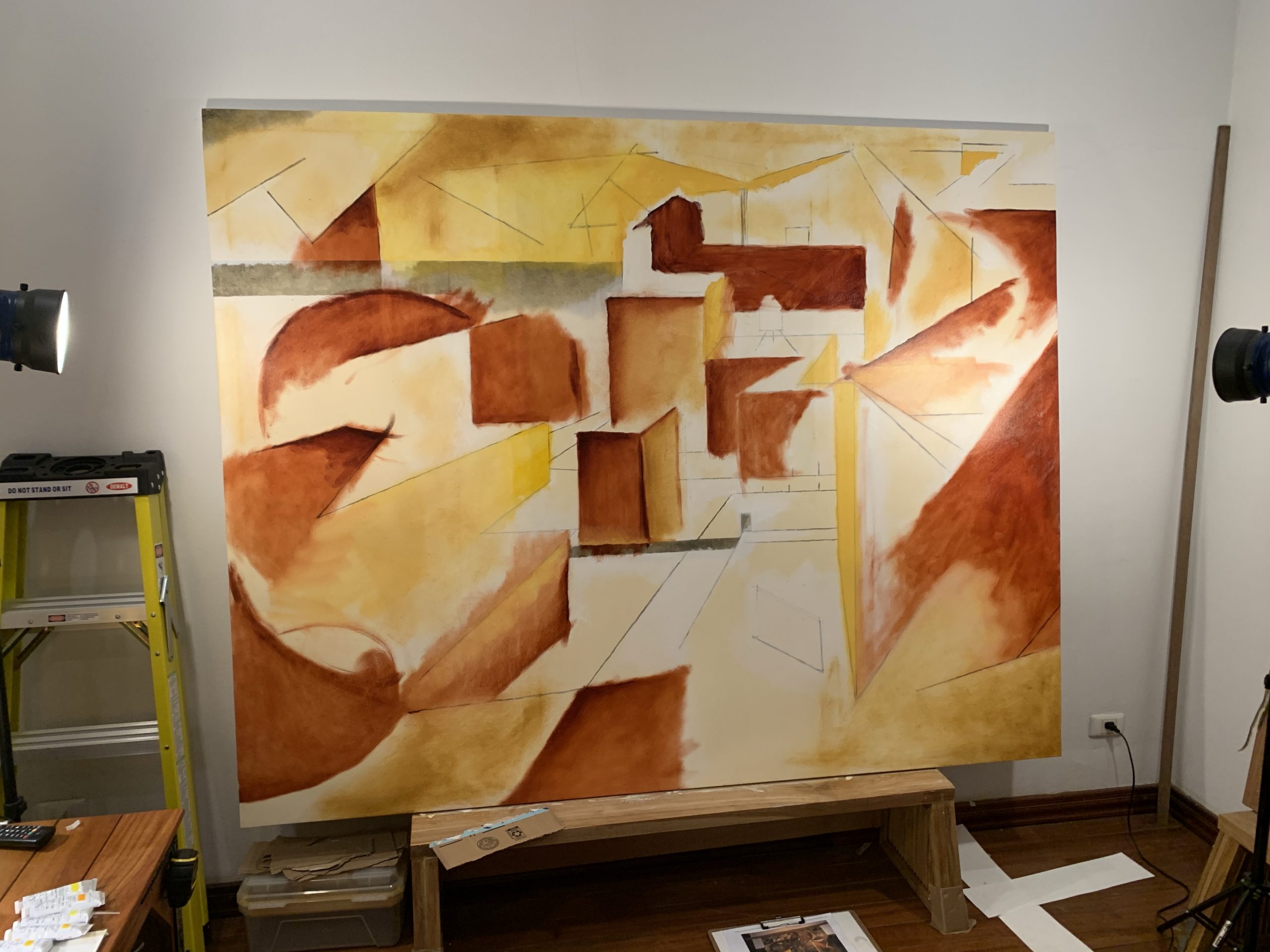
I had to jump in somewhere because it was time to stop being precious.
There were too many hurdles in terms of the color system as well as the issue with the braces in the back and the overall looseness of the canvas in certain areas.
I was hesitating in too many ways and didn’t want to spend another week trying to white out areas to then try coming in later and mailing them into position after a decade of not getting any of this kind of work done in practice.
I have the lines that I want and I know where the objects are supposed to be now and I had to get in there someway somehow and as soon as I started laying paint down I noticed that the white paint was rejecting the next layer of paint mixed with linseed oil.
So I realized I had better start painting straight from the tube and as soon as I started getting any colors on I noticed that the type of brushes that I have right now are not going to be accurate enough and the canvas is not tight enough or the surface is not firm enough and I do not have practice enough to put together the kind of piece that I had in my head.
I made a snap decision to go with specific colors that were different from what is on the drawing because if I went any other direction this thing might look really fucking dumb.
I’ve realized that I need to go on the attack now over the entire surface regardless of how bouncy it is in certain areas and just get shit done and try to make it bad ass if at all possible and if not use it as a learning experience for how to come out this thing again as soon as the next wave of canvas stretcher frames arrive.
On this next wave I have two separate smaller versions set up and I believe both of them are able to be covered with plywood and done and whatever pallet and color system and approach that I come up with as a result of this first move.
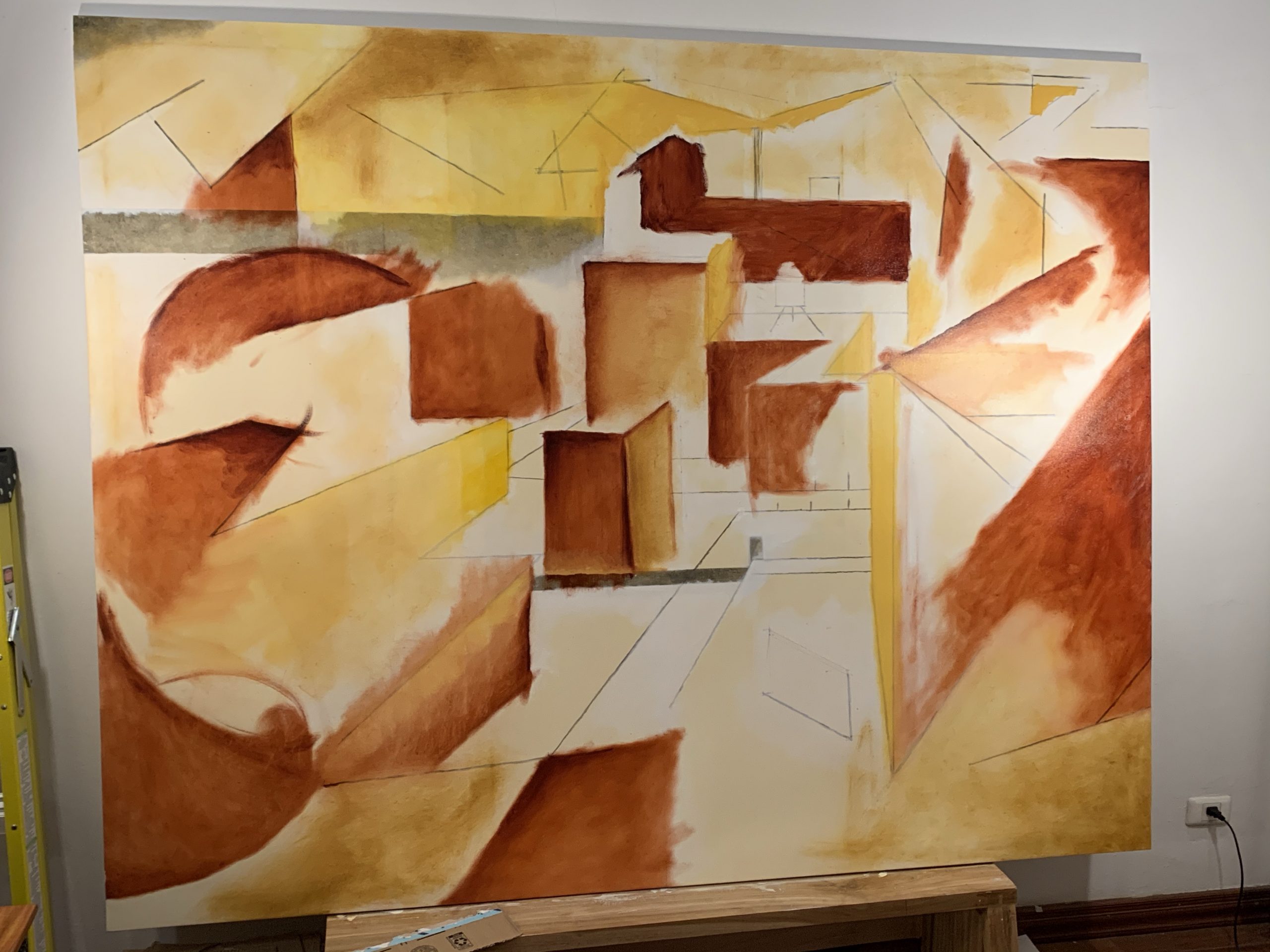
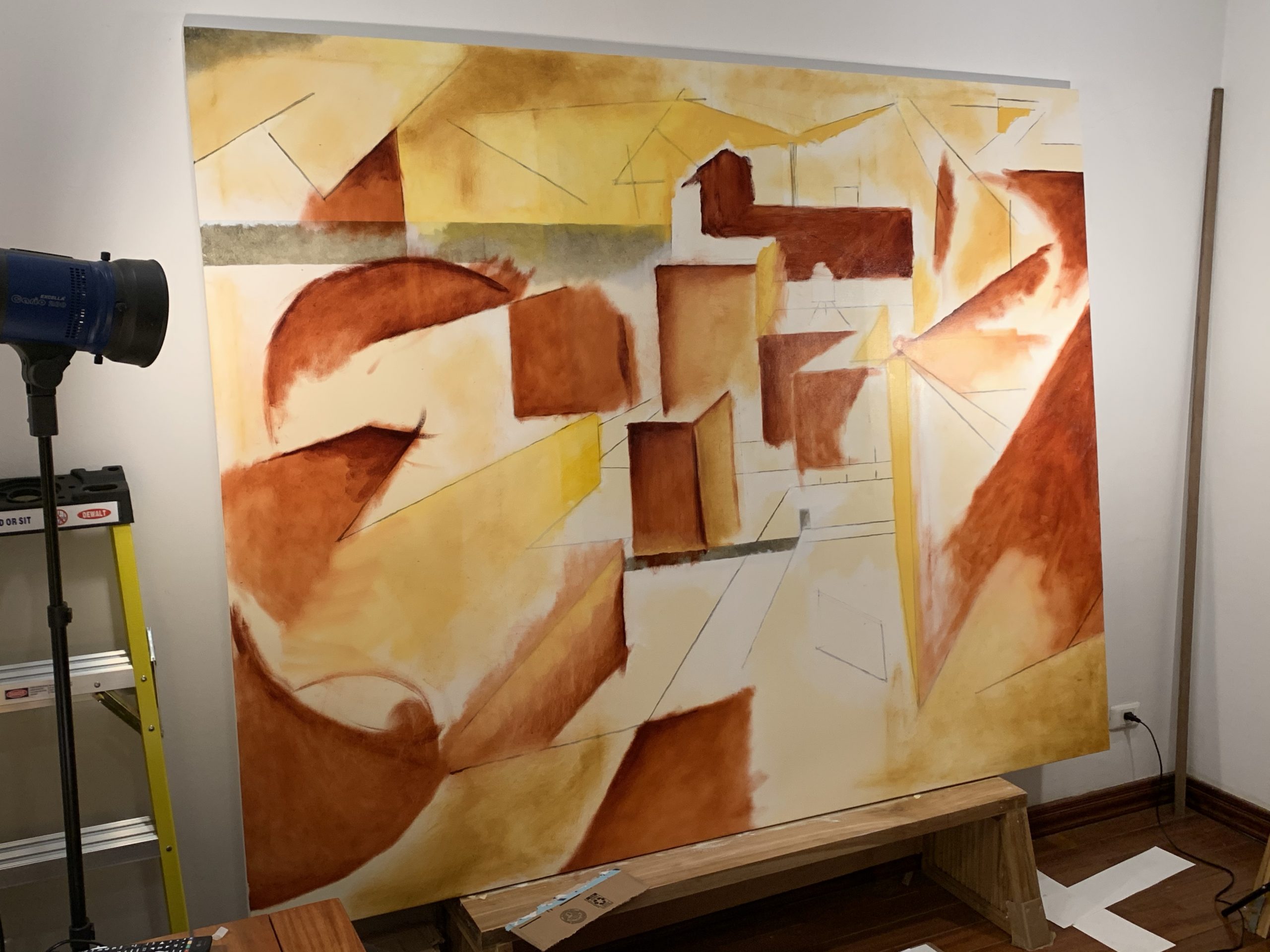
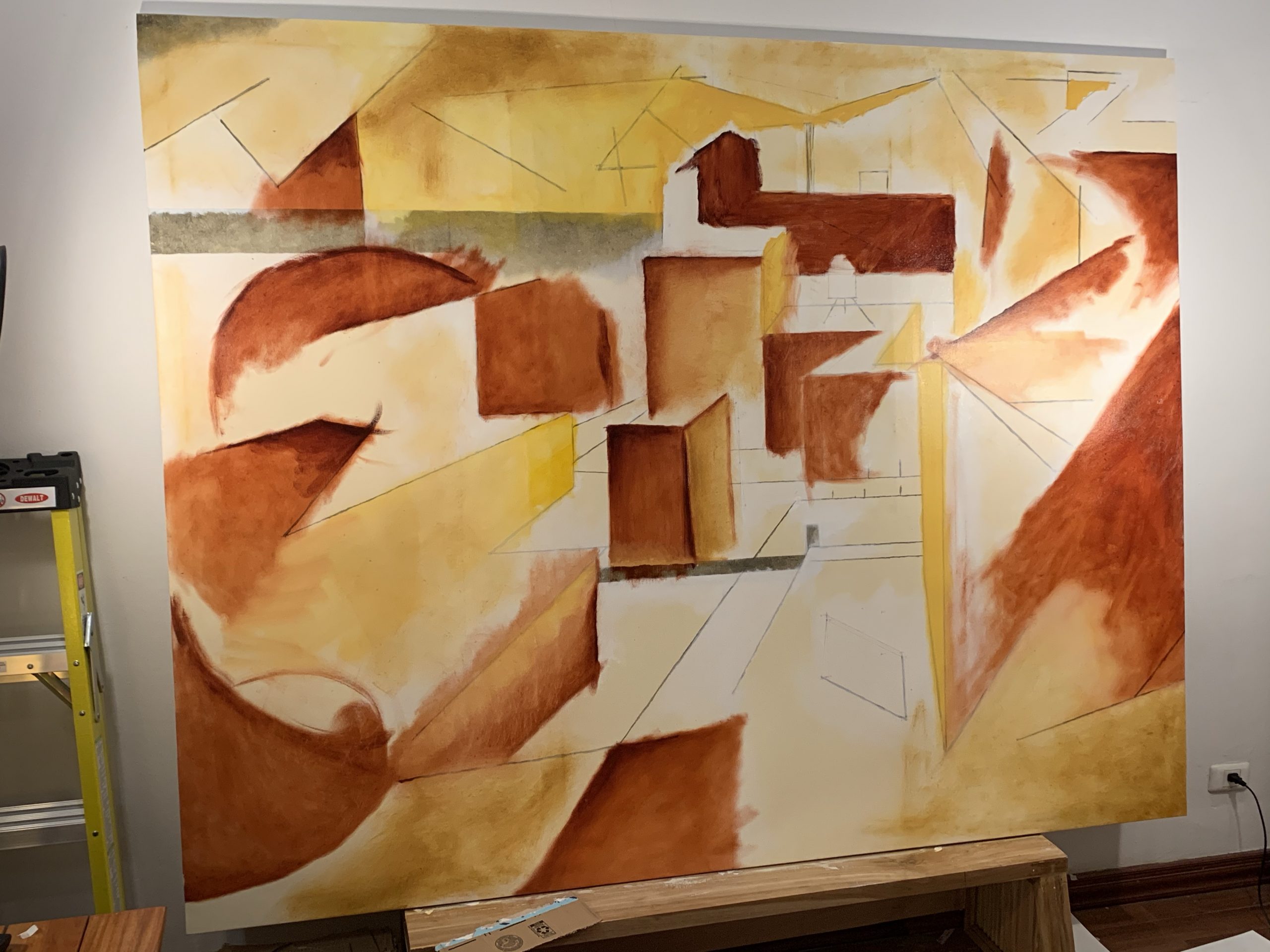
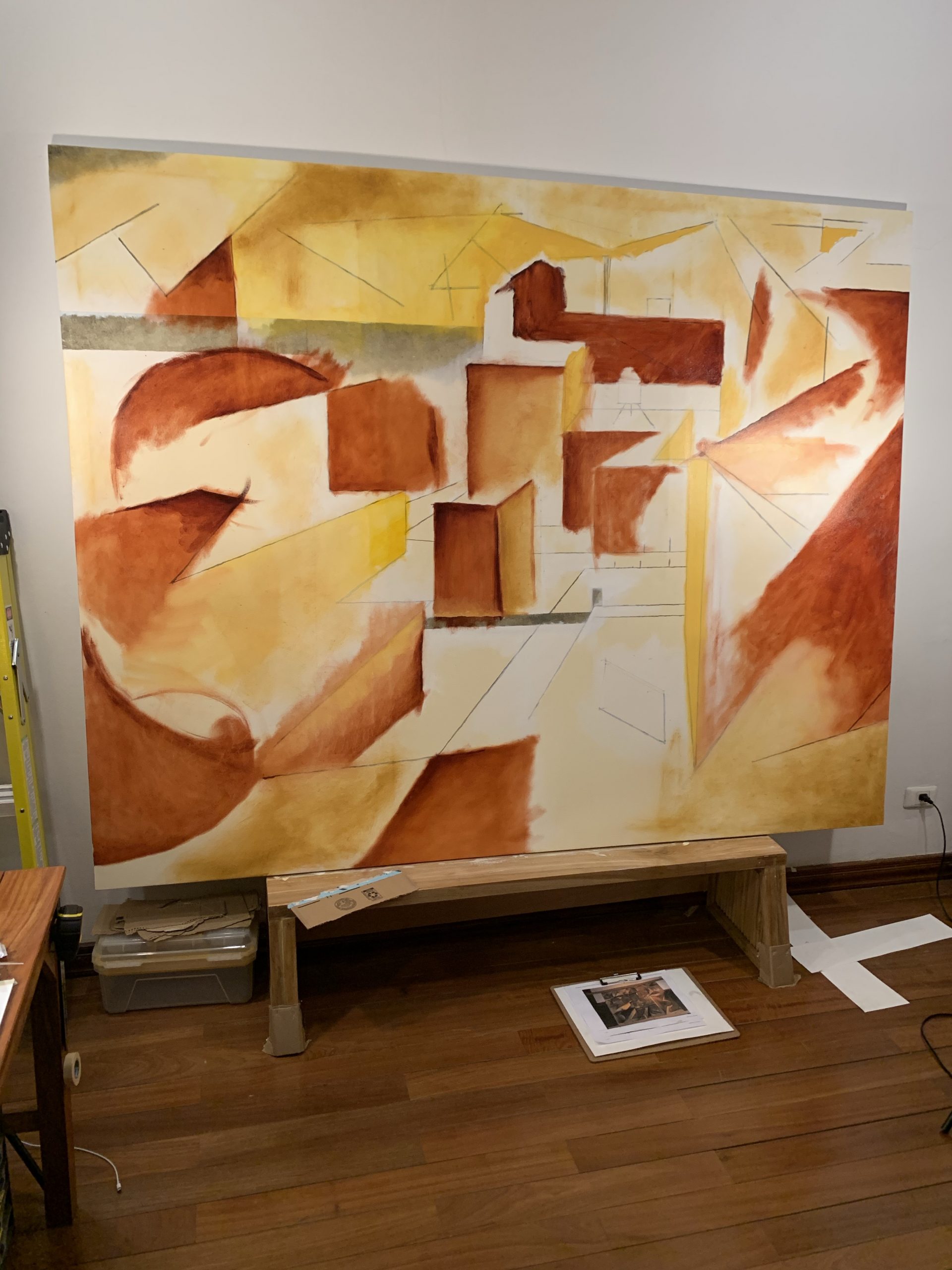
So without further ado here is what I got down in a couple hours before I decided to back off and let some of these layers dry up before I start hitting edges with more light and dark to try to punch up to contrast.
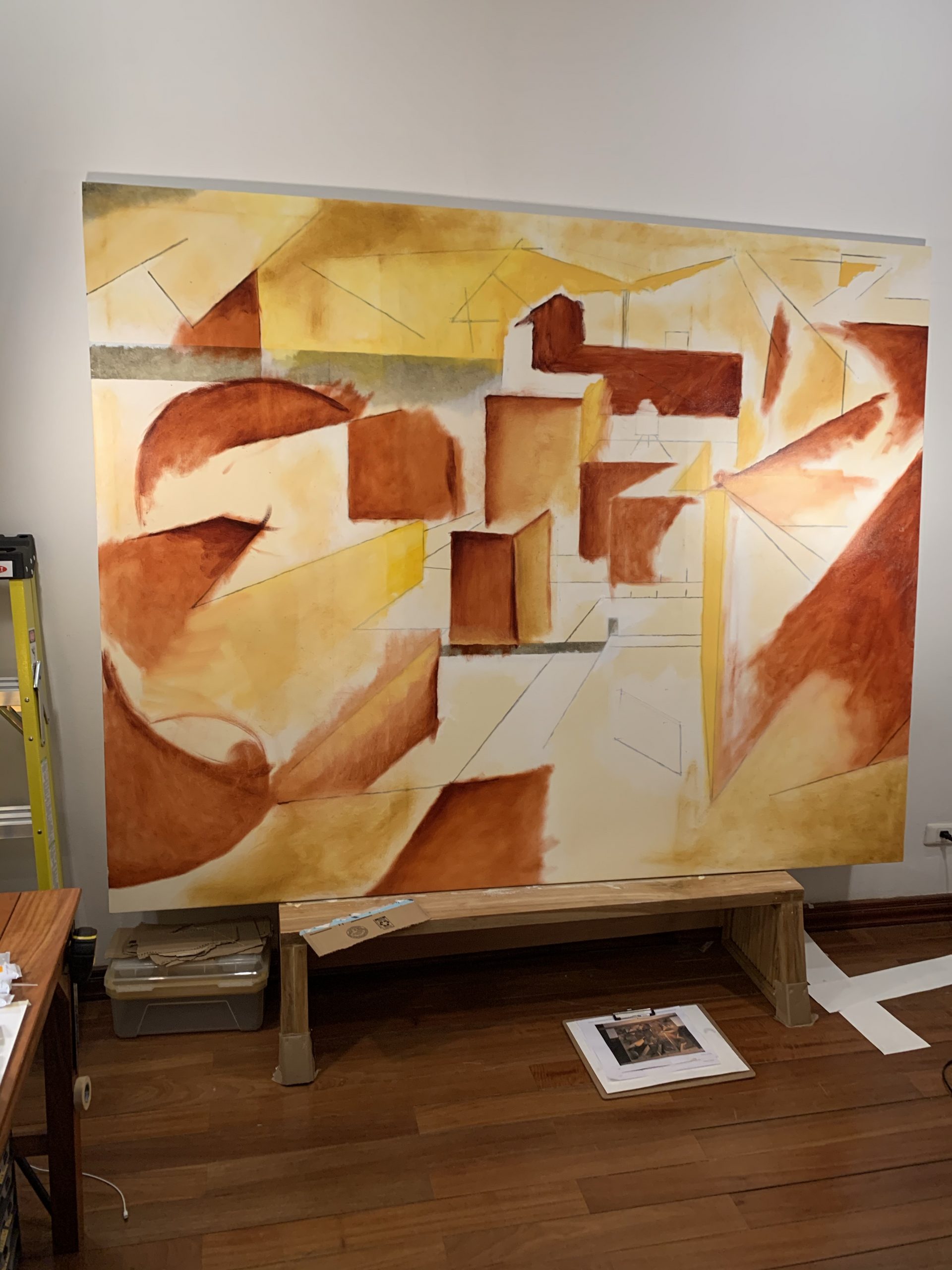
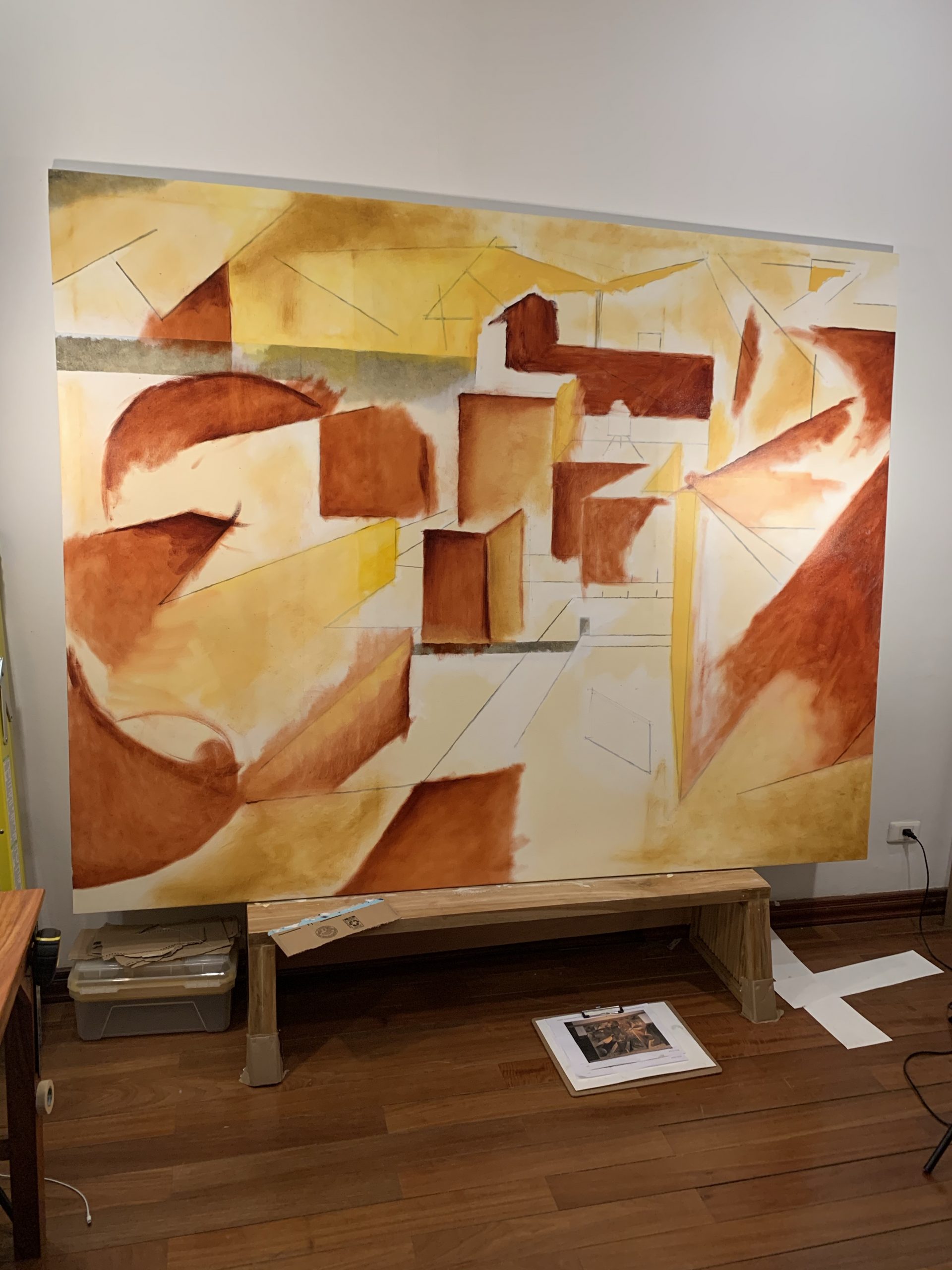
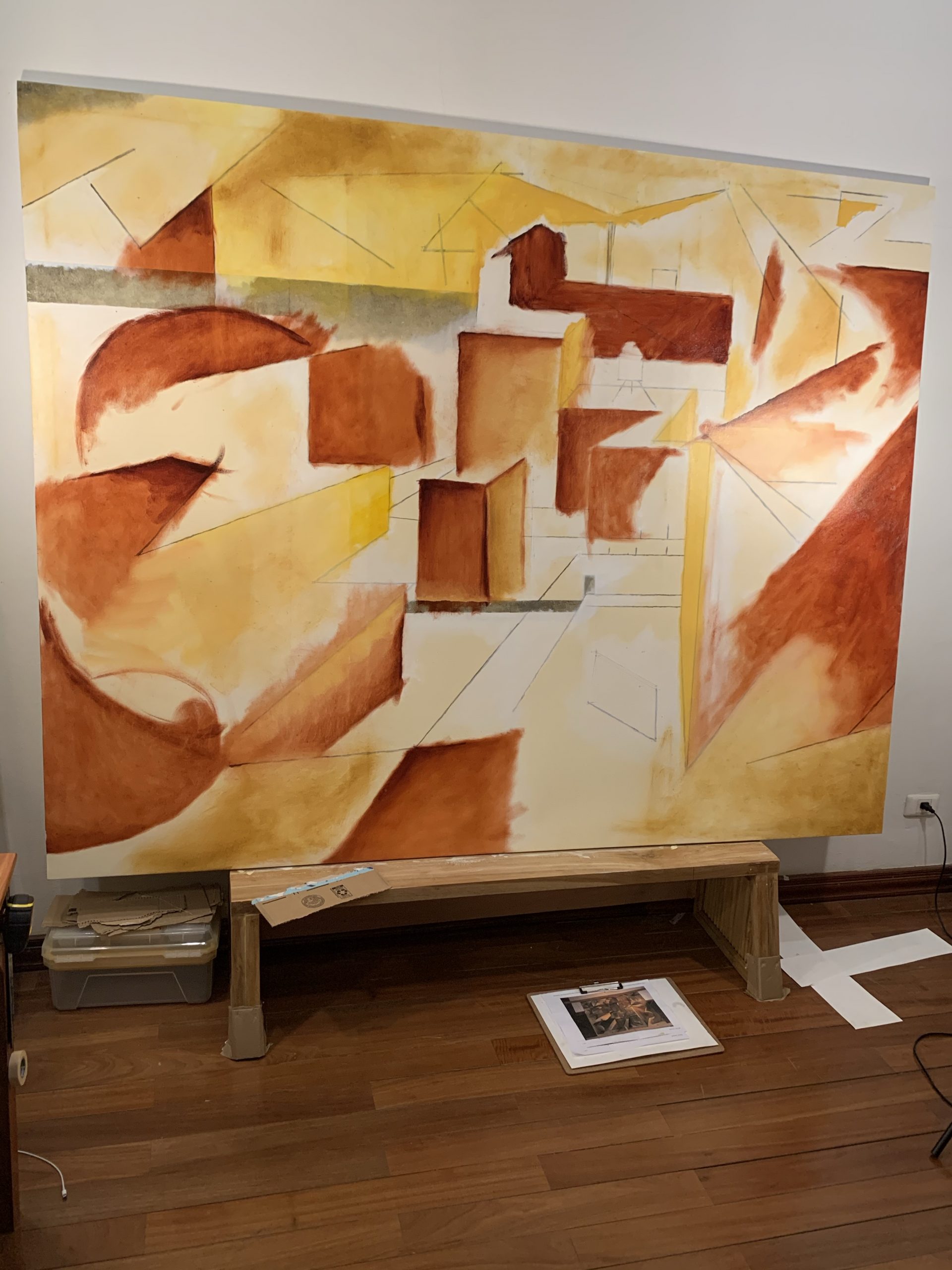
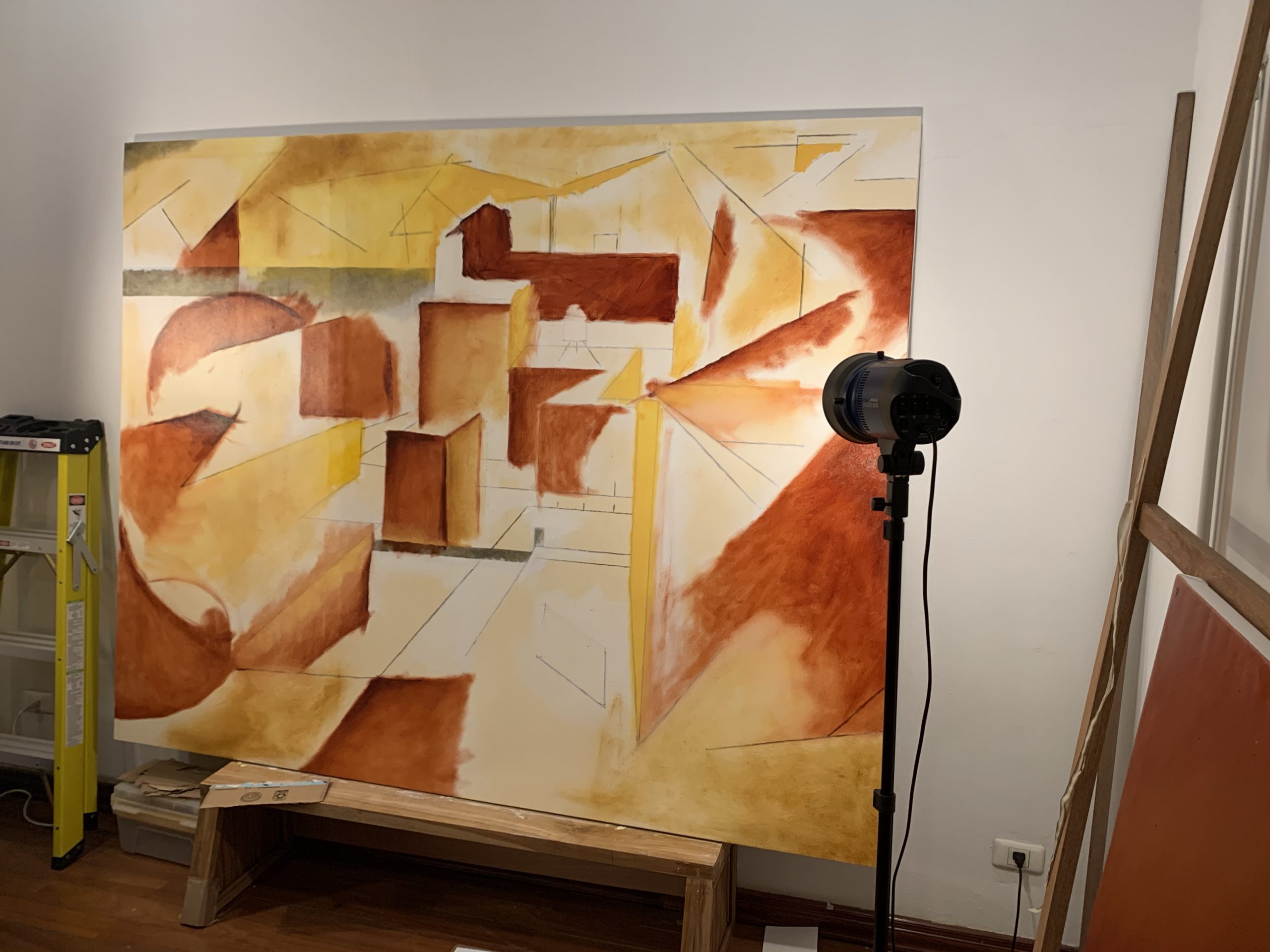
I forget it’s name exactly but it is some sort of visual distortion or reconfiguration tool that takes original images and reduces them down to brushstrokes if you select a specific setting and actually does quite a bit more than that and it almost surreal or hyper stylized format once you start tweaking all of the other options.
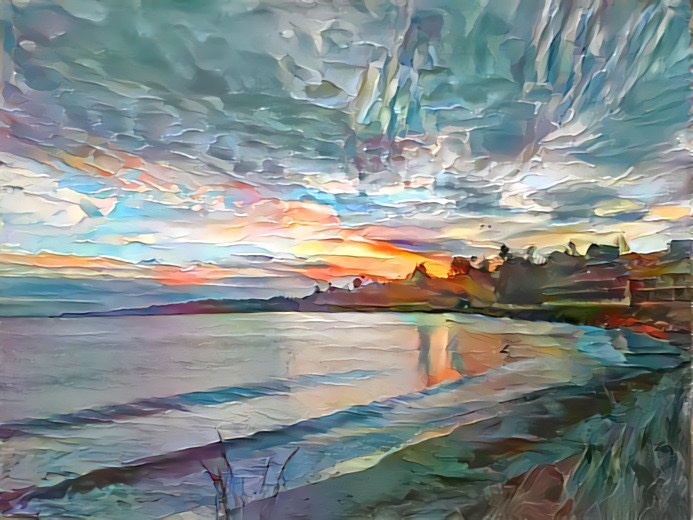
The above image is an example of my friend did of half Moon Bay which if done in oil paint would probably come out fairly well.
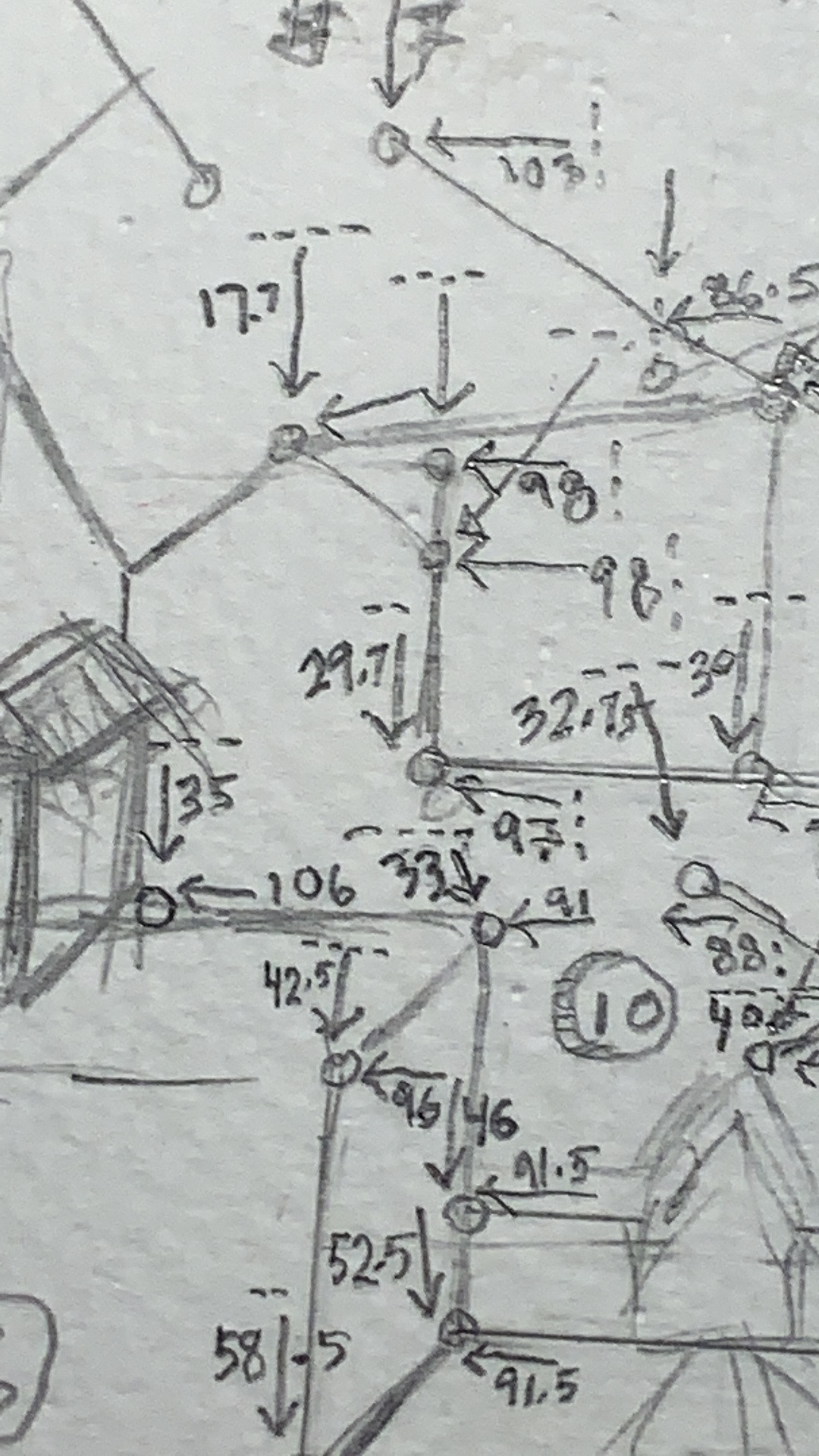
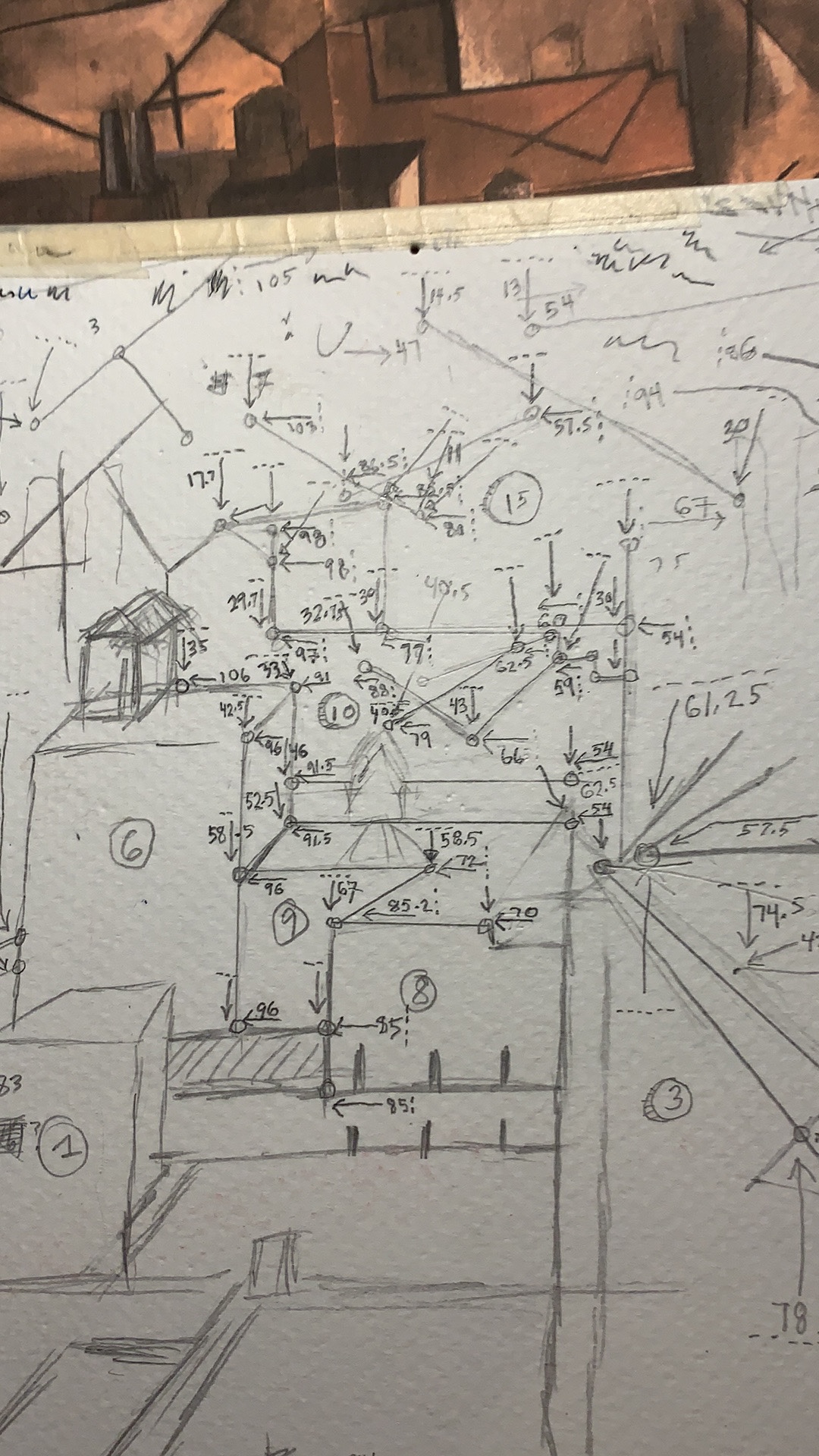
I was able to spend a Sunday afternoon with my daughters in the studio and while they drew their stuff I was able to map out the coordinates of the objects in this painting.
It is painstaking work but I am learning a lot about how this painter arranged everything.
The sketching might look a bit haphazard but don’t let that fool you the coordinates are accurate to the millimeter.
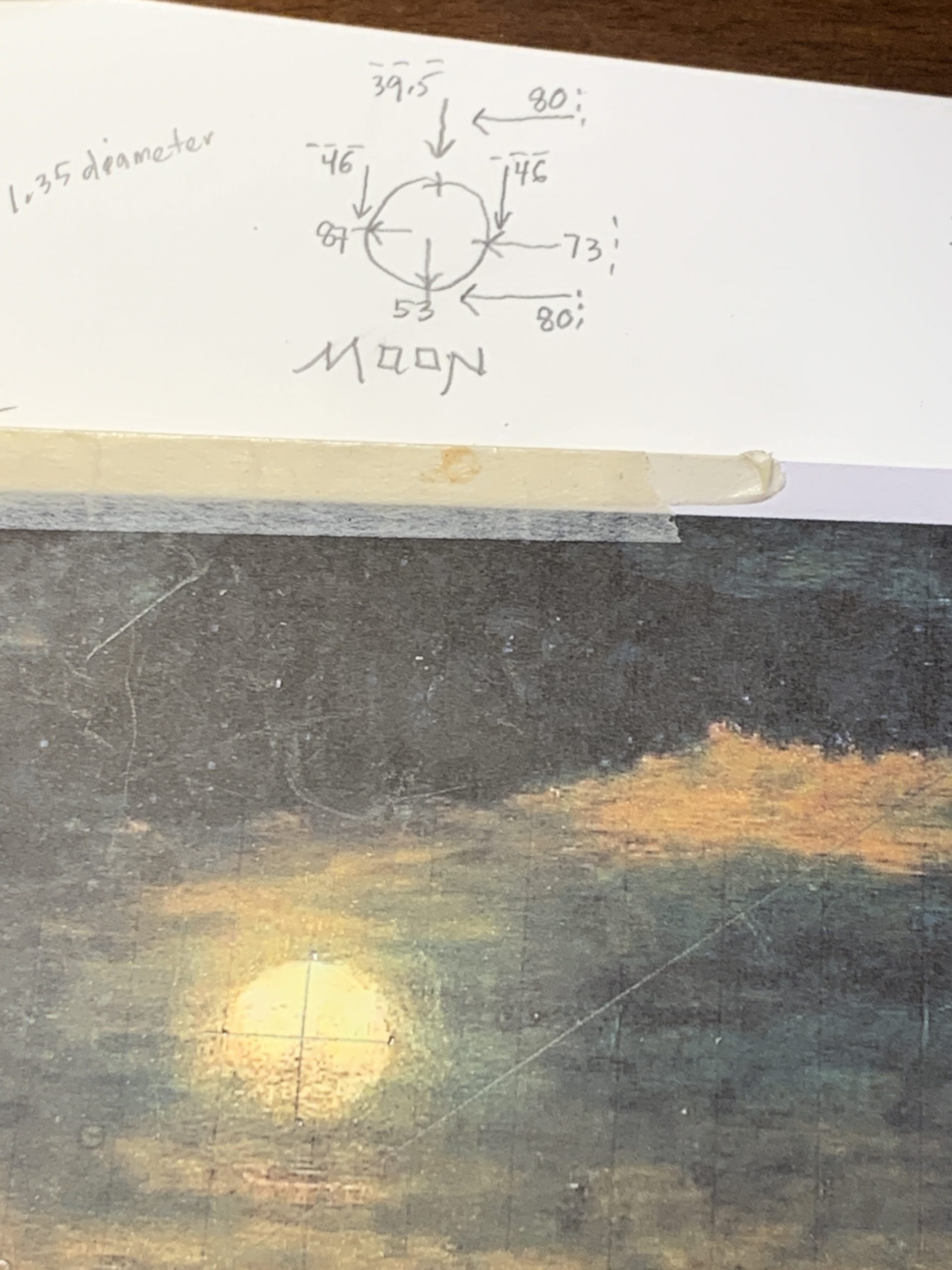
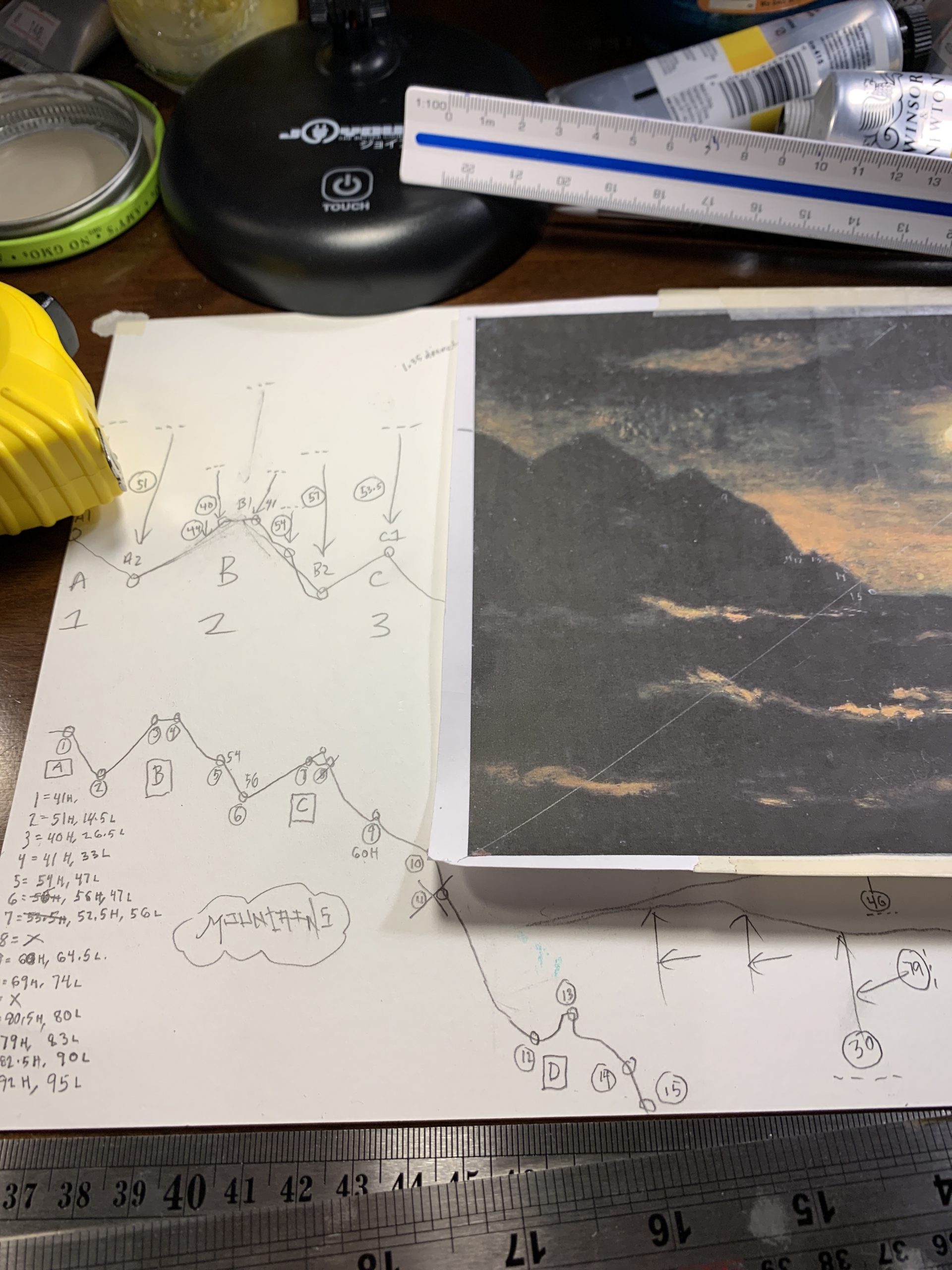
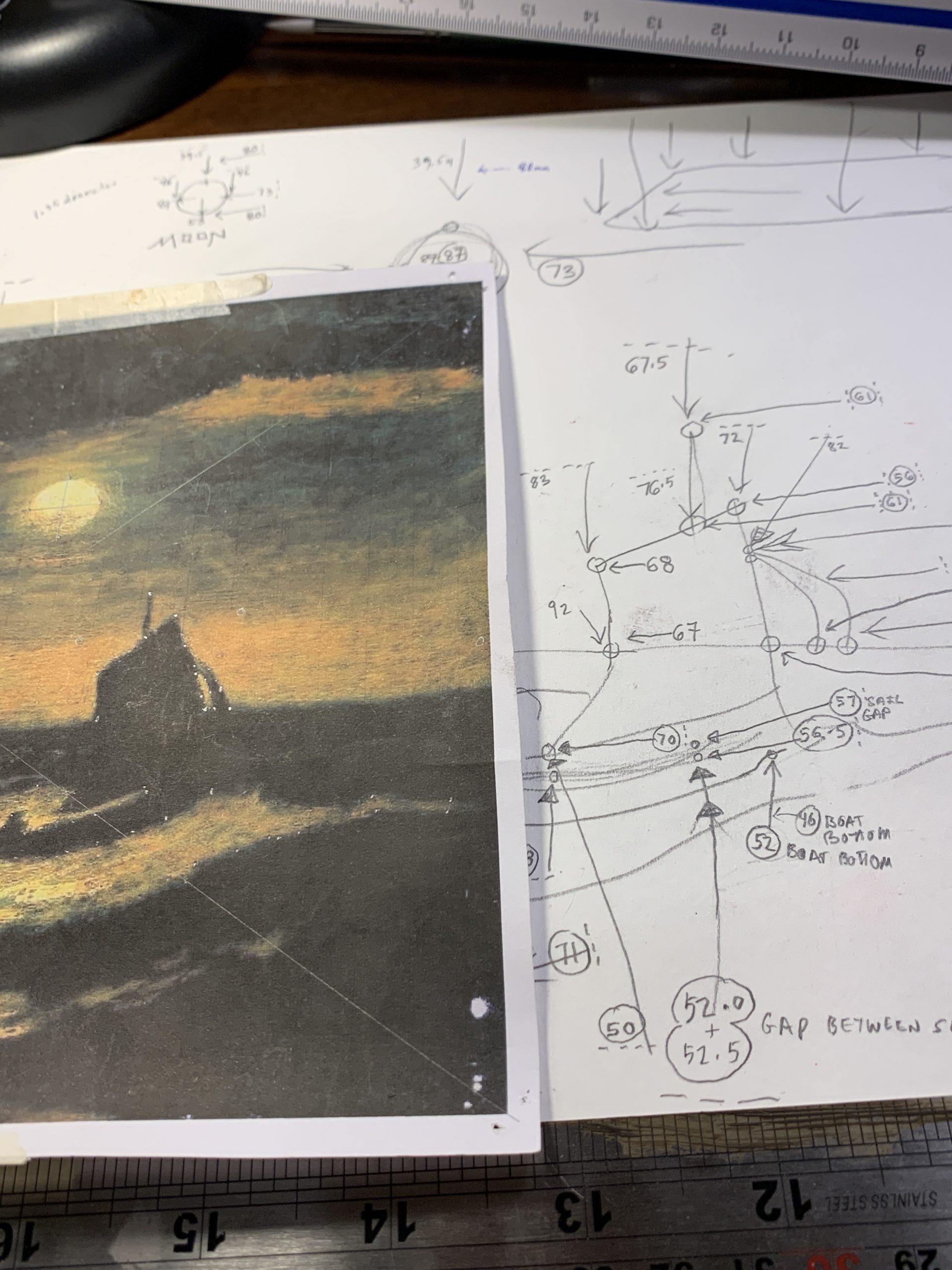
I was able to get the diameter of the moon as well as it’s X and Y coordinates otherwise known as latitude and longitude.
There is a technique to do this which I will describe in a separate article so that you do not have to use an opaque projector.
I was also able to get the X and Y coordinates of all the mountain peaks and cliffs, as well as the position of the sailboat and it’s orientation above, at, and below the horizon line, and the perceived shoreline, @ viewer position.
I have actually rendered the basics of the moon and the top mast and main sail. They came up in pretty accurate position all things considered.
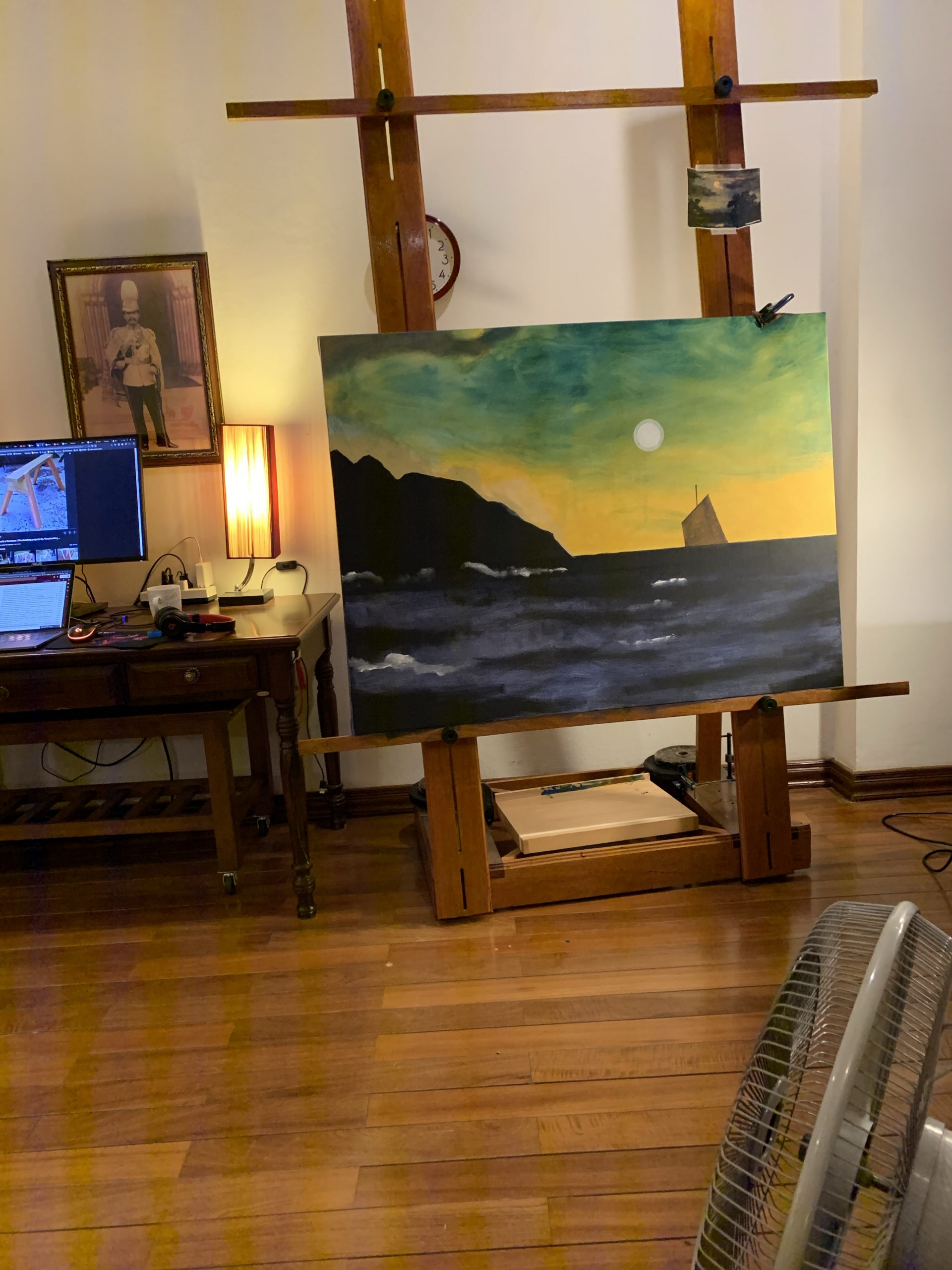
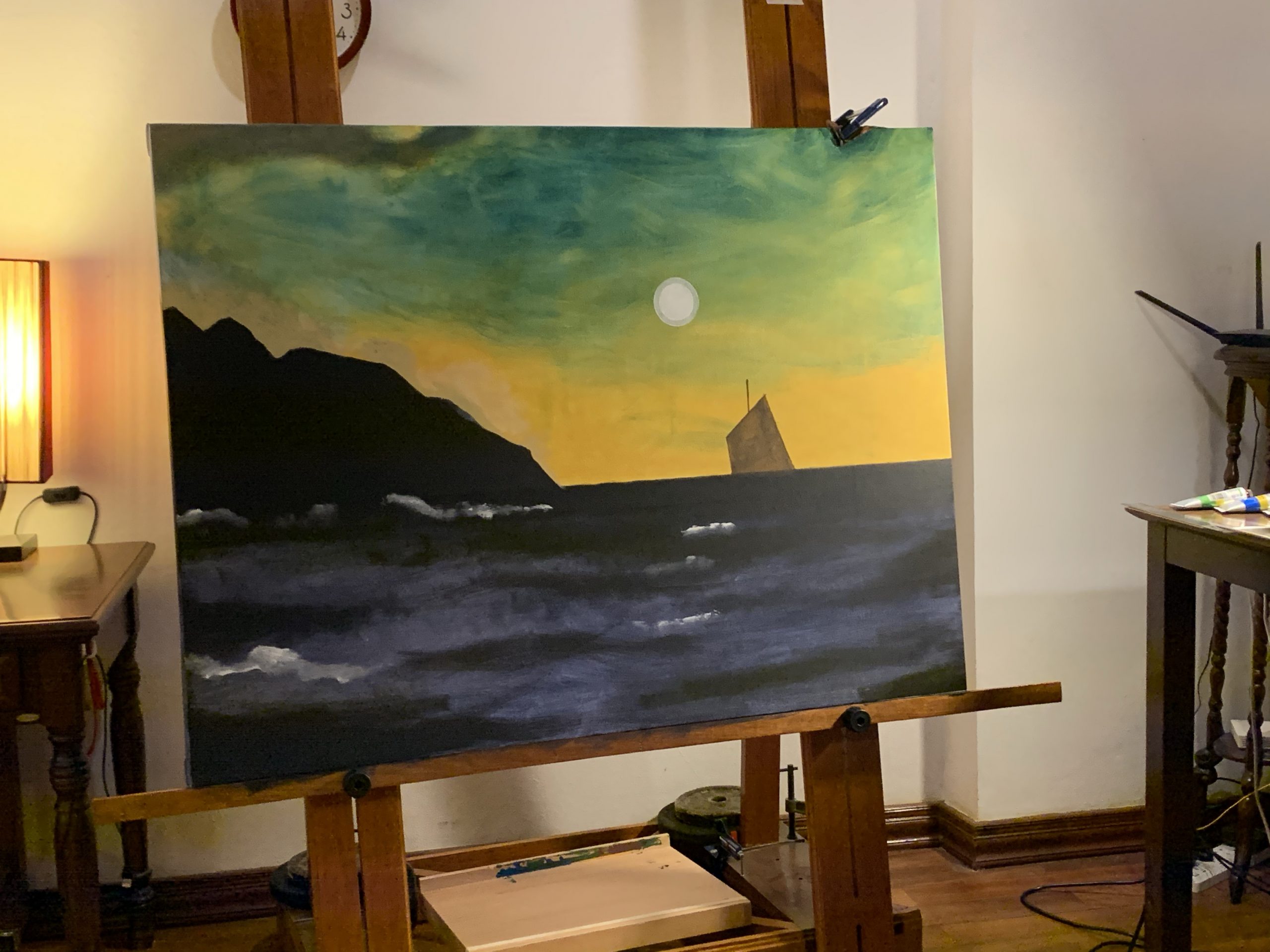
This canvas is exactly 583x the scale of the reference drawing.
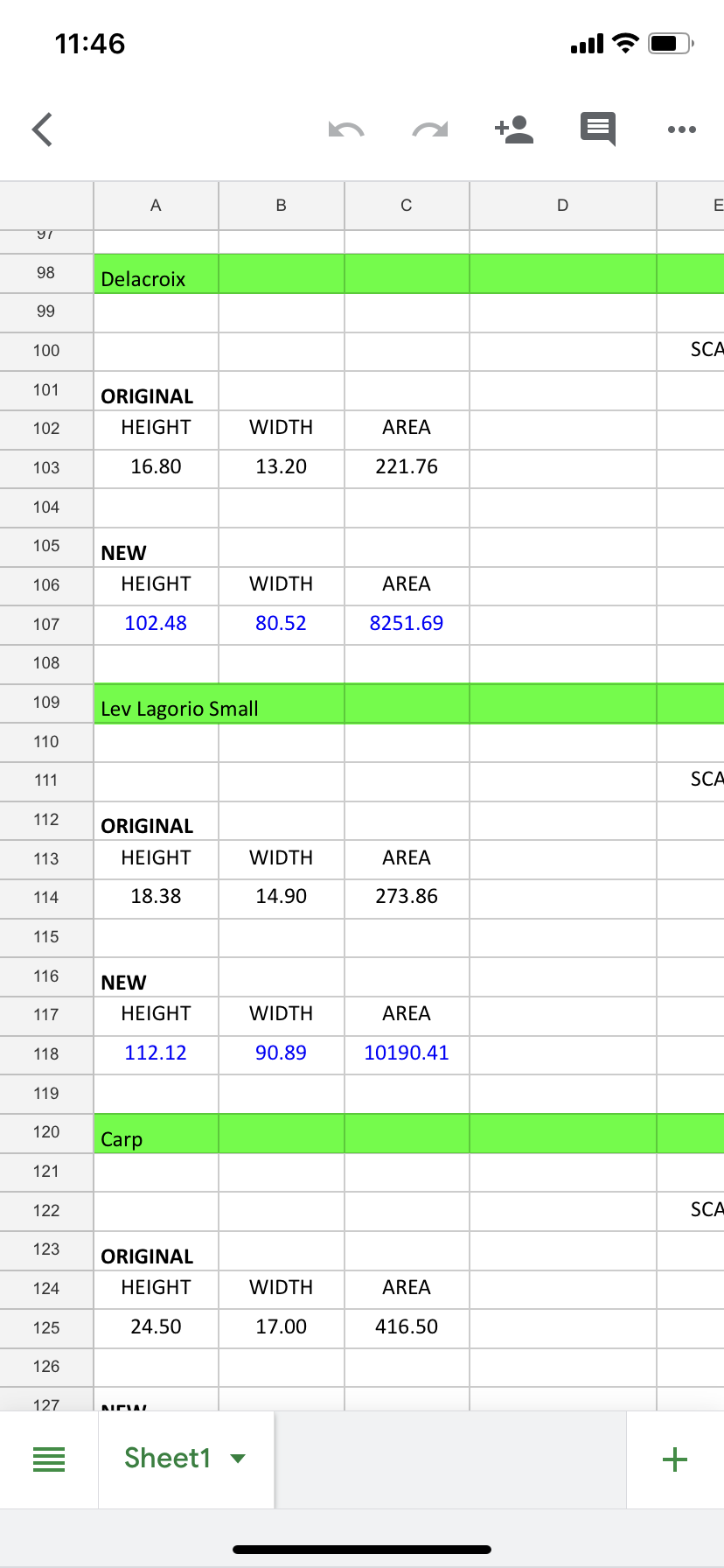
I am using Google sheets to convert X height from top edge and Y width inwards from right edge for the bottom right corner of the main sail where it meets the horizon line.
Here’s the coordinate in original (reference drawing in cm.m and it’s converted scaled value (on canvas) in cm.m.
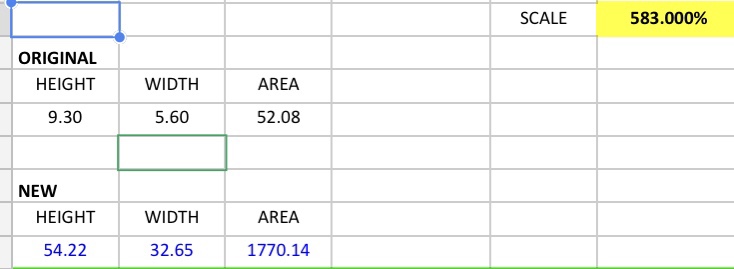
As noted above I will share the exact technique for this process most likely in a YouTube video once I get the script written.
I’d also like to give credit to my engineer friend JD in the video as well as the corresponding web posting for coming up with the simplest formula in answer to an email I wrote him.
You might ask: “why study another artist?”
My best answer is that with regard to oil painting there are quite a few related disciplines within fine arts and illustration that lead to solid work versus days weeks or even months of constant reworking of mistakes.
In oil paintings the chemistry of each layer has to relate properly to the layers around it above it and below it. The chemistry of the oil paint out of the tube differs from color to color due to the chemical elements used to manufacture the given color. Also within the tube there are several other ingredients which also differ in terms of how they dry, shrink, bleed, and otherwise interact with neighboring colors.
And that’s just the color in the tube, without regard for the solvents used, or expanders used, such as Linseed Oil, or stand oil.
So the technical answer to why study someone else’s work in this particular post is given with the reader also keeping in mind that this work is being done presently in acrylic to rule out the chemistry of oils and just focus on the other part of the answer which is one of drawing and perspective, positive and negative space, color, light, shadow, and other factors.
Starting out with an artist who has done work that can be studied easily as a way to build up all of the skills and gain an understanding everywhere needed in technical and chemistry areas. 
There is also quite a bit of aesthetic enjoyment as one begins to solve the hidden formula with regard to how the artist laid out this work overall. 
All of this contributes toward a future understanding of how to produce original independent work of one’s own that contains all of the more advanced skills one would need to impress an audience or get a message, impression, concept or mood across.
My answer might not be good enough for some people but consider it from another angle: That of an architect, that of a chef, that of a pilot, or even that of a brain surgeon. Or even simpler a student driver of a car, in a given city.
You can’t just hop into a car and go to a specific destination if you’ve never driven before. You can’t design a building, bake a cake, fly an airplane, or do brain surgery without studying.
The same applies with regard to drawing and painting and learning from the Masters. There are many reasons why their work was considered superior even centuries after they passed on. One would do well to understand the accomplishments of those who came before them.
It’s not a matter of loyalty, it’s a matter of detail.
One must practice in all disciplines, even the most simple. Practice builds experience and situational awareness.
While some regard to fine arts as a play pen, I regard them as a place where many different scientific, mathematical, and aesthetic devices come into play.
Be it chemistry of light and color with regard to working with dyes, pigments, inks or paints, or the mathematics of geometry (perspective) or the basic algebra of calculating latitude and longitude coordinates at multiple scales or units of measurement, or the aesthetic and creative endeavors of inventing three-dimensional spaces in which one can render anything, -these are my preferred, perhaps “old-fashioned”, yet to me more rewarding and “grounding” pastime, than what I had been spending time on prior, e.g. the Internet.
I am dictating this text into a mobile phone and apologize for the grammatical structure of my spoken words.
But I hope some of the answers or input have given might be understood by any reader who might be interested in similar work.
Or why I might have moved on from being quite involved in my former multi-decades career as an Internet publisher, Linux / UNIX Systems Engineer / Admin, Database Administrator, Network & Security Expert, some-time Coder.
If you are too old or poor or unconnected to study astrophysics, perhaps the rigors of fine art might be a suitable Haven.
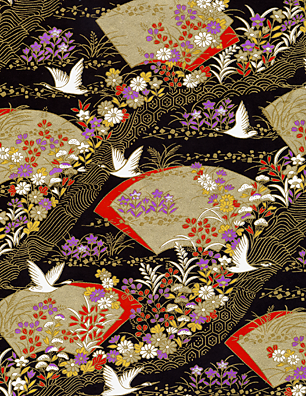
In the effort to add one more work on to the newest easel I am wondering which Japanese master to study.
Or should it be David Alfaro Sequiros?
Orozco?
Or Victor Horta?
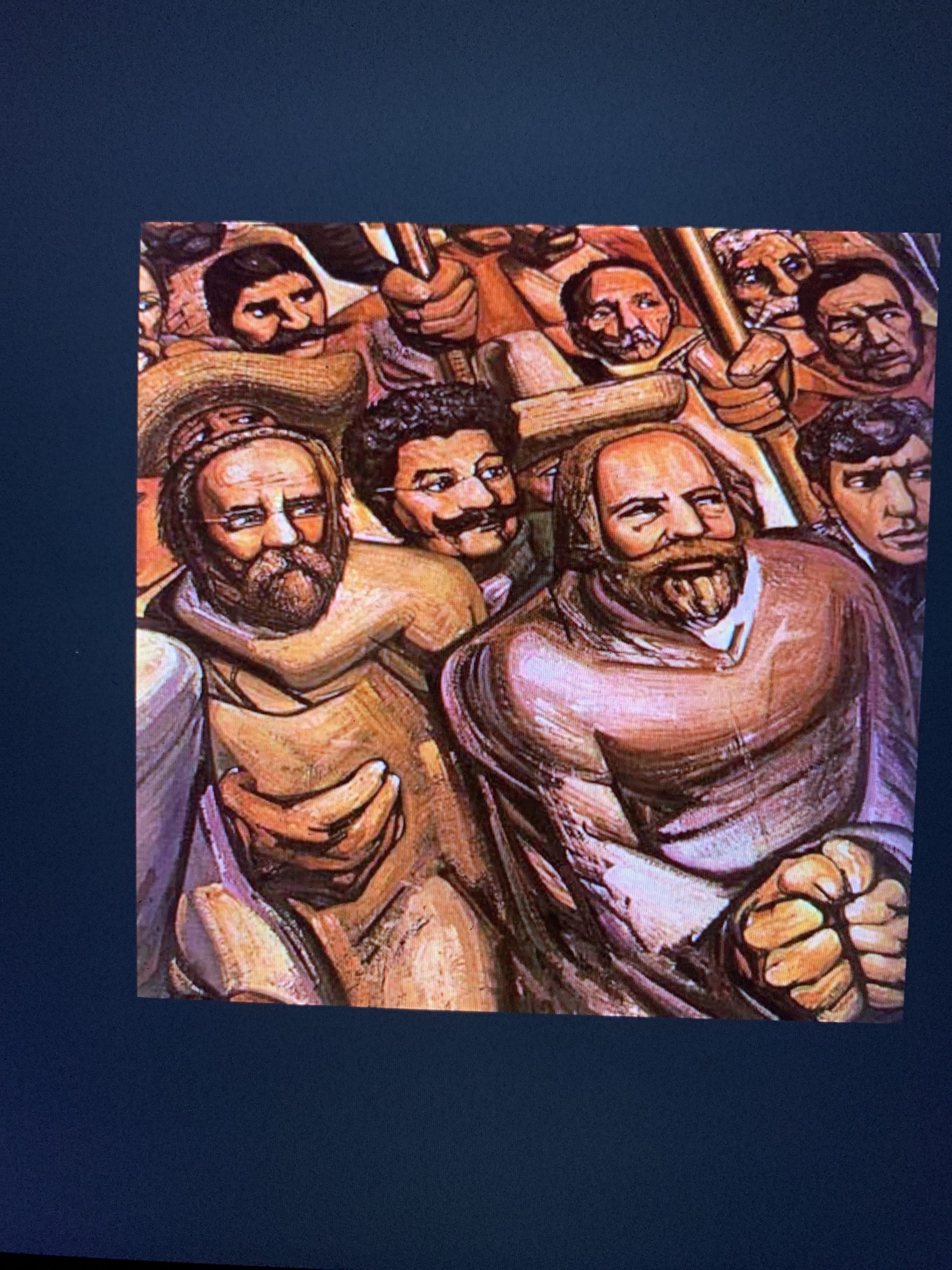
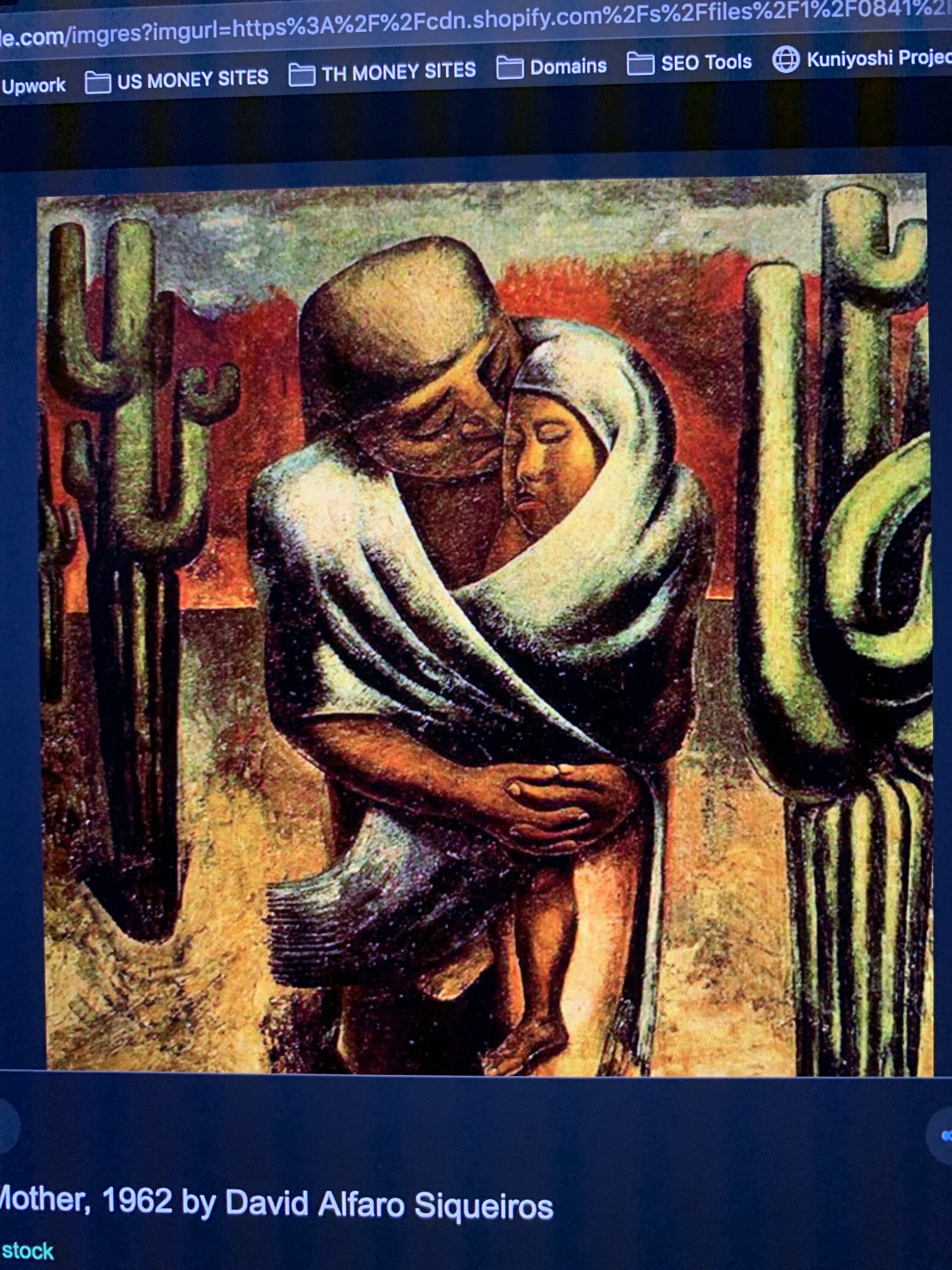
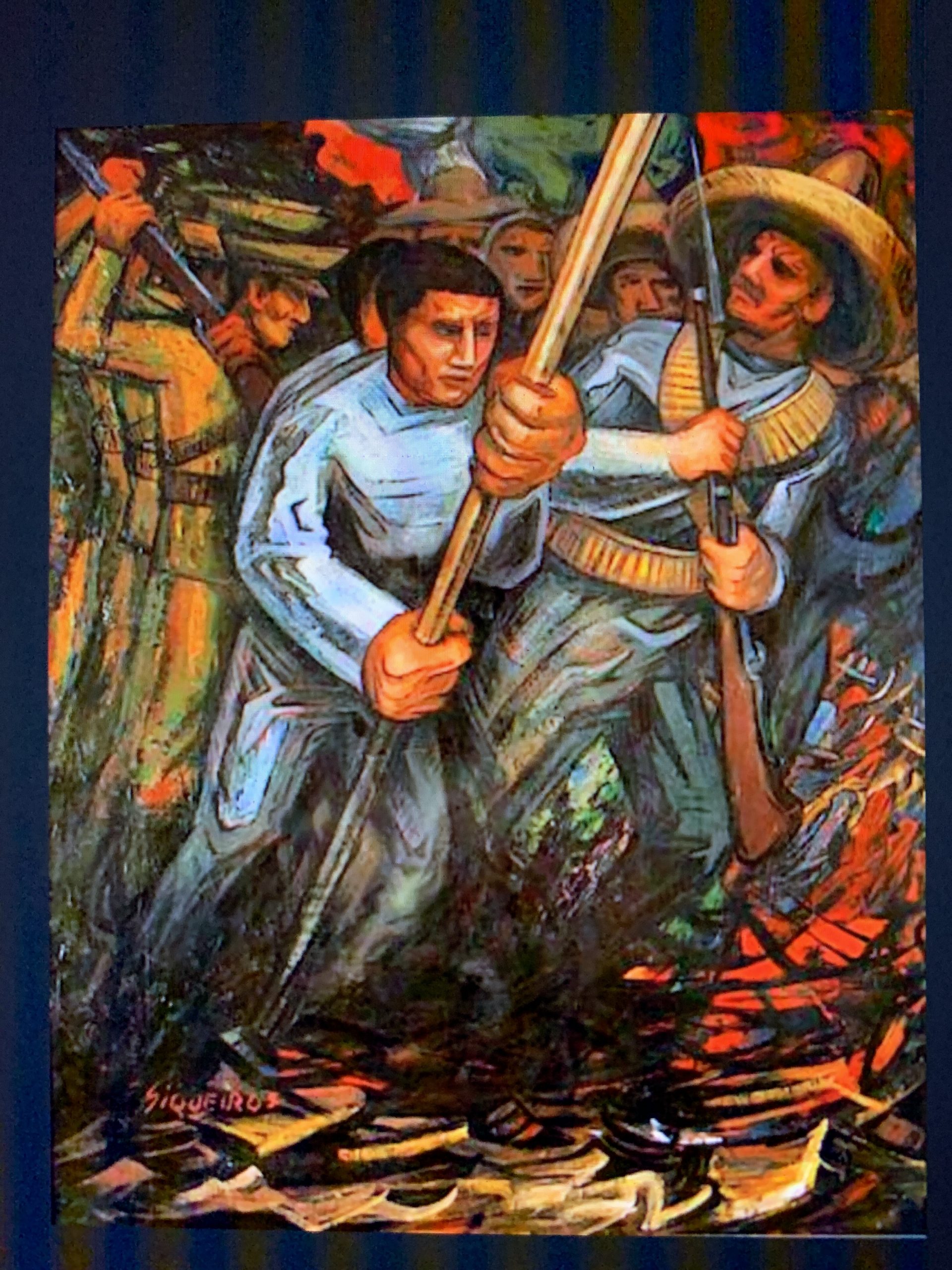
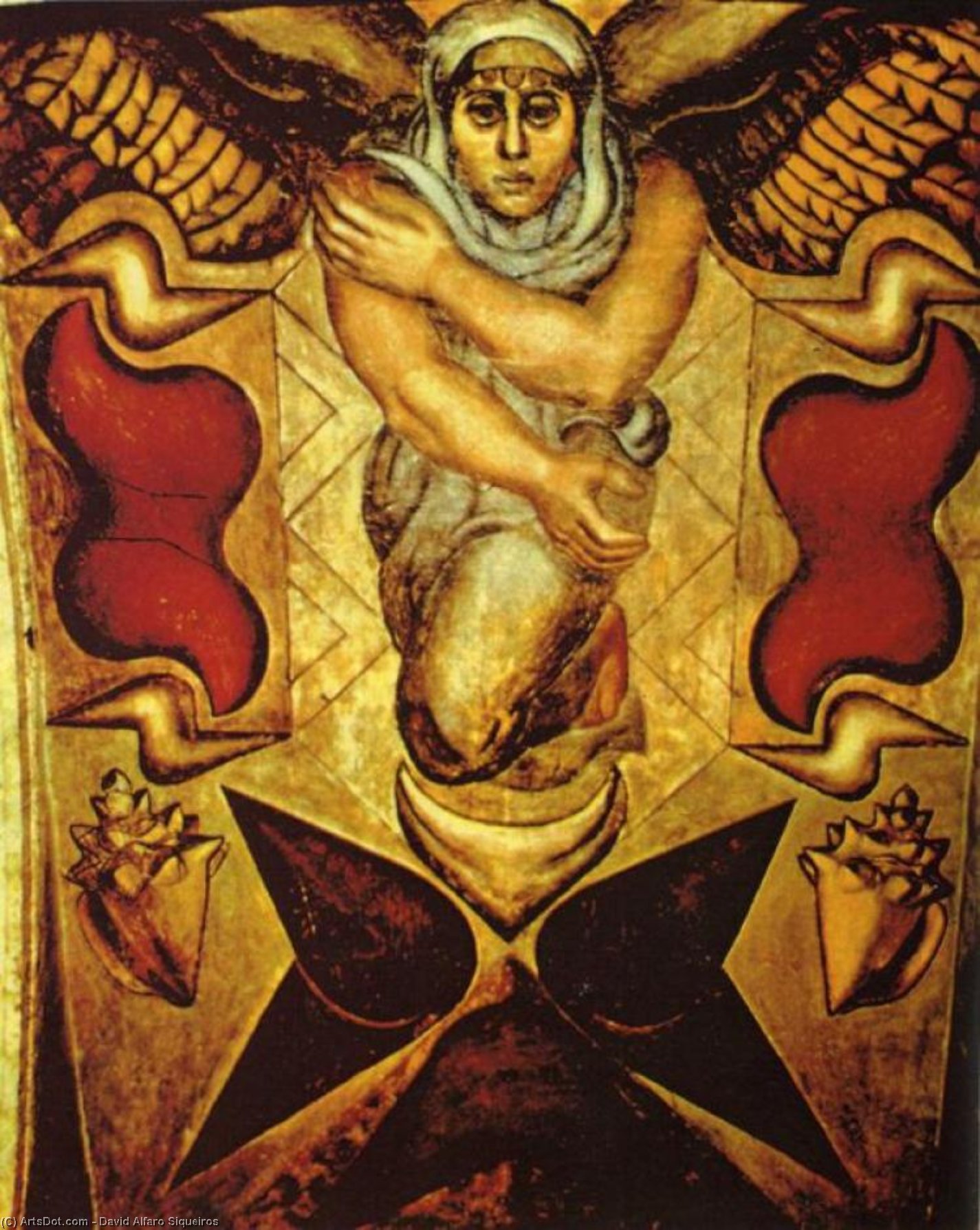
David Alfaro Sequiros, “The Elements” 1425 px x 1789 px
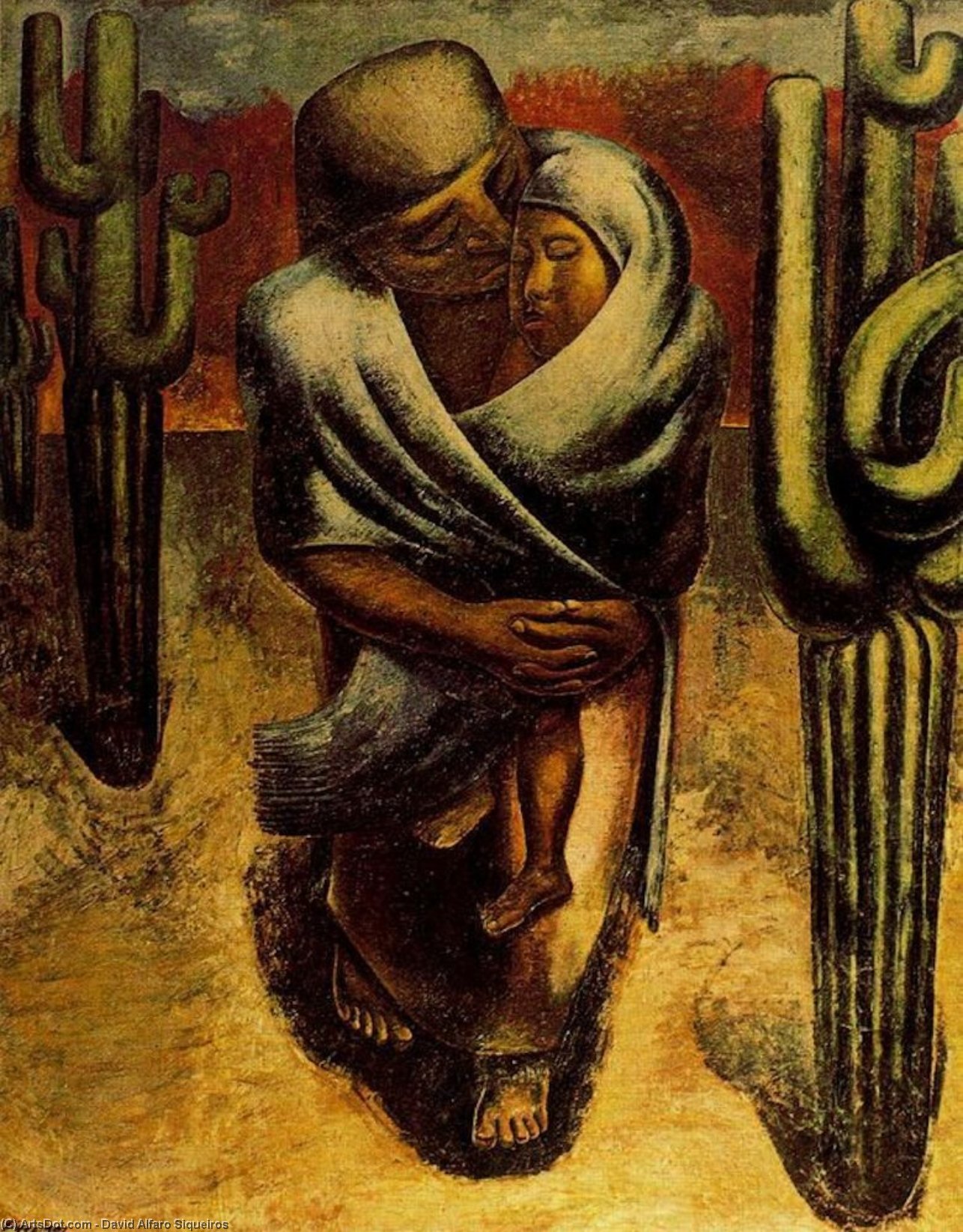
David Alfaro Sequiros “Peasant Mother”, 1286 px x 1645 px
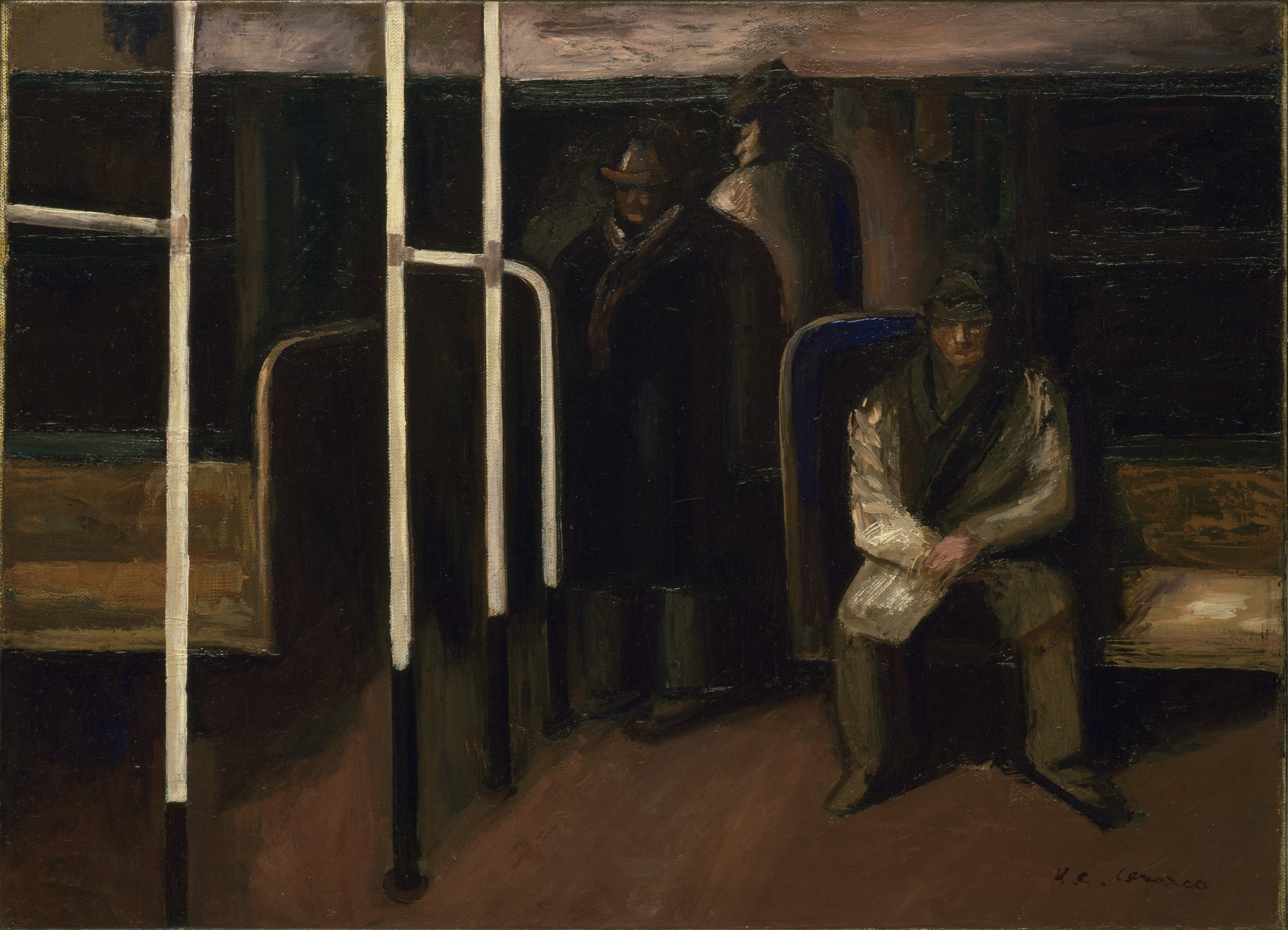
Jose Clemete Orozco, “The Subway” 2000 px x 1444 px
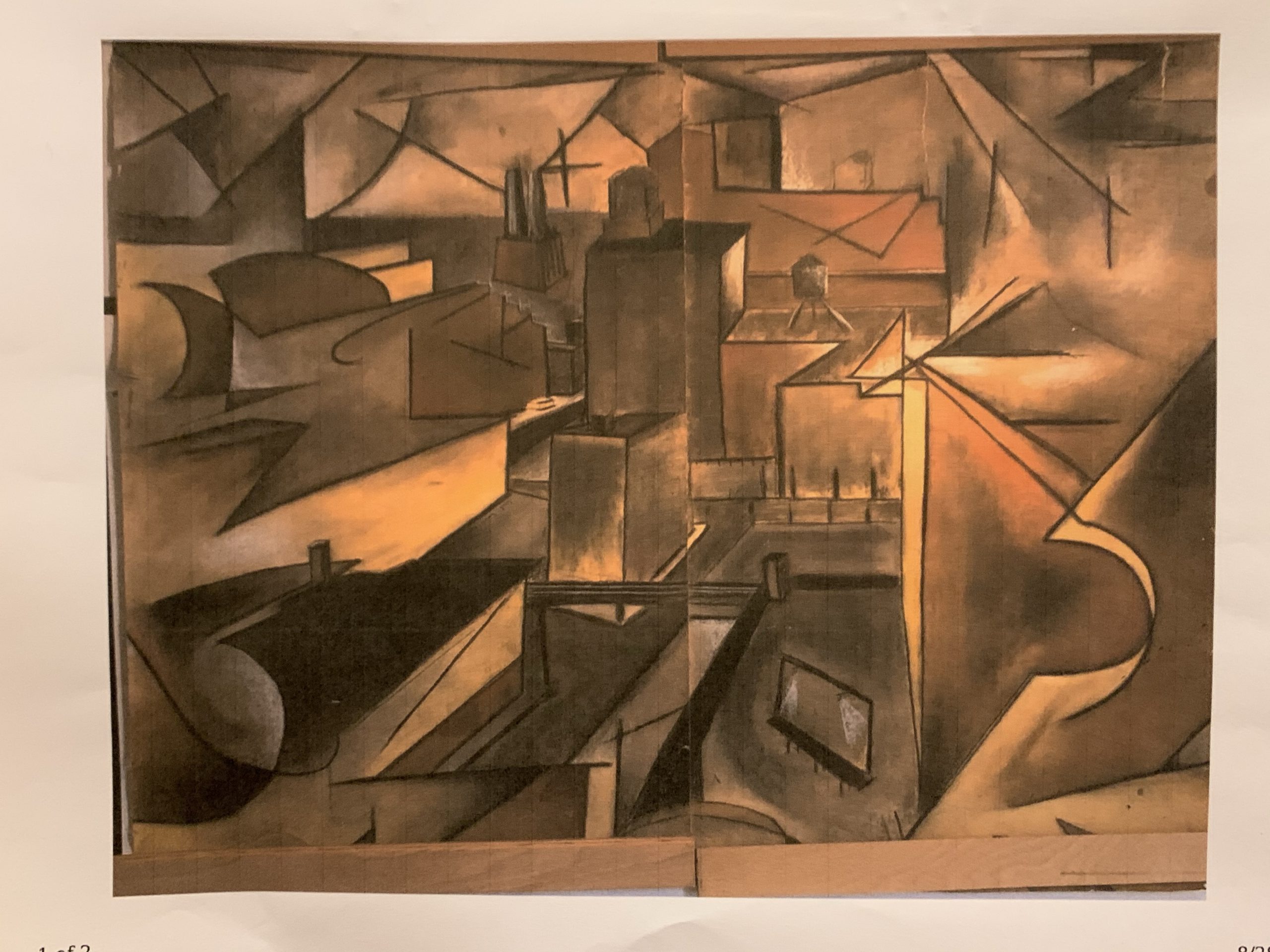
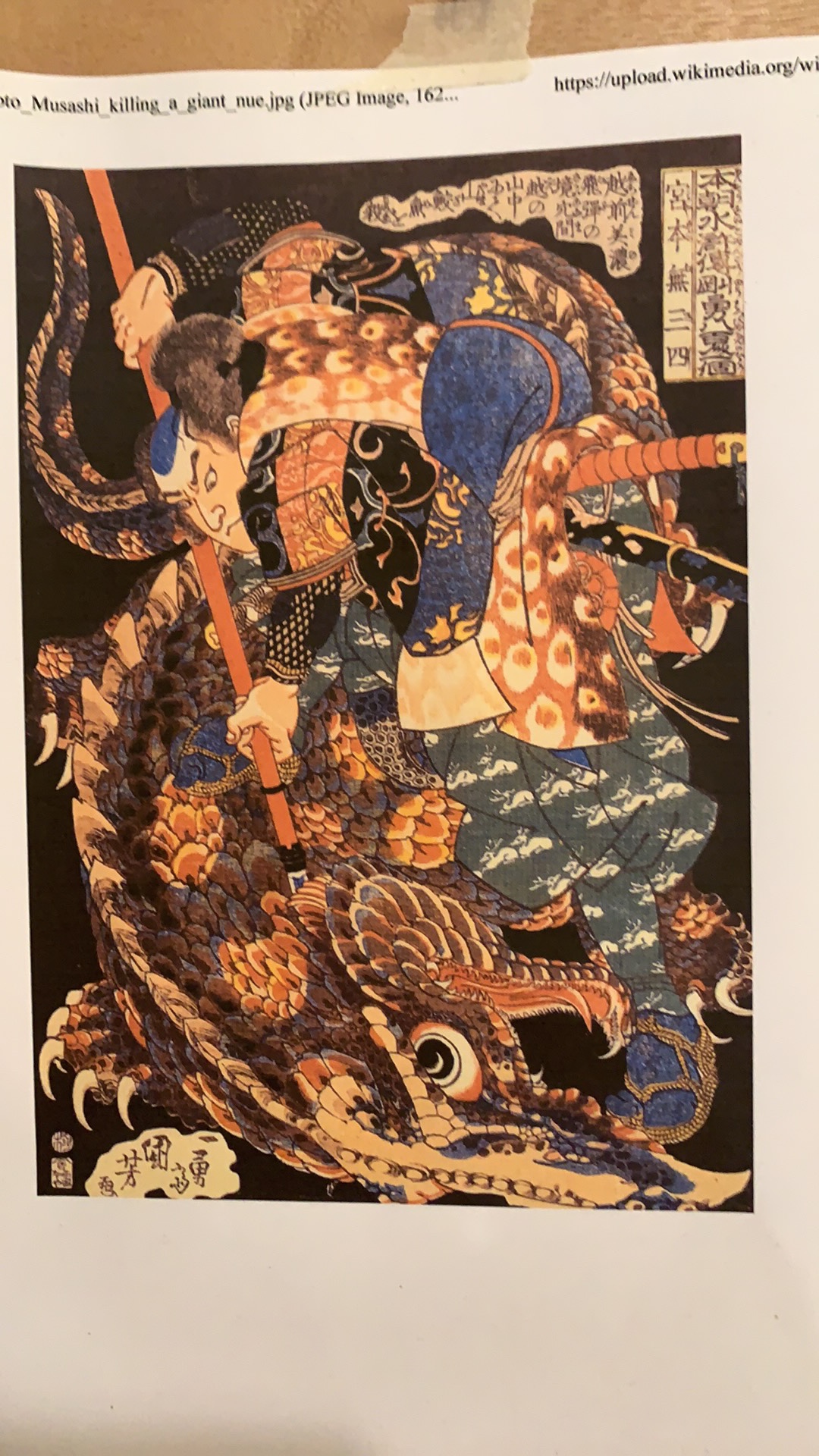
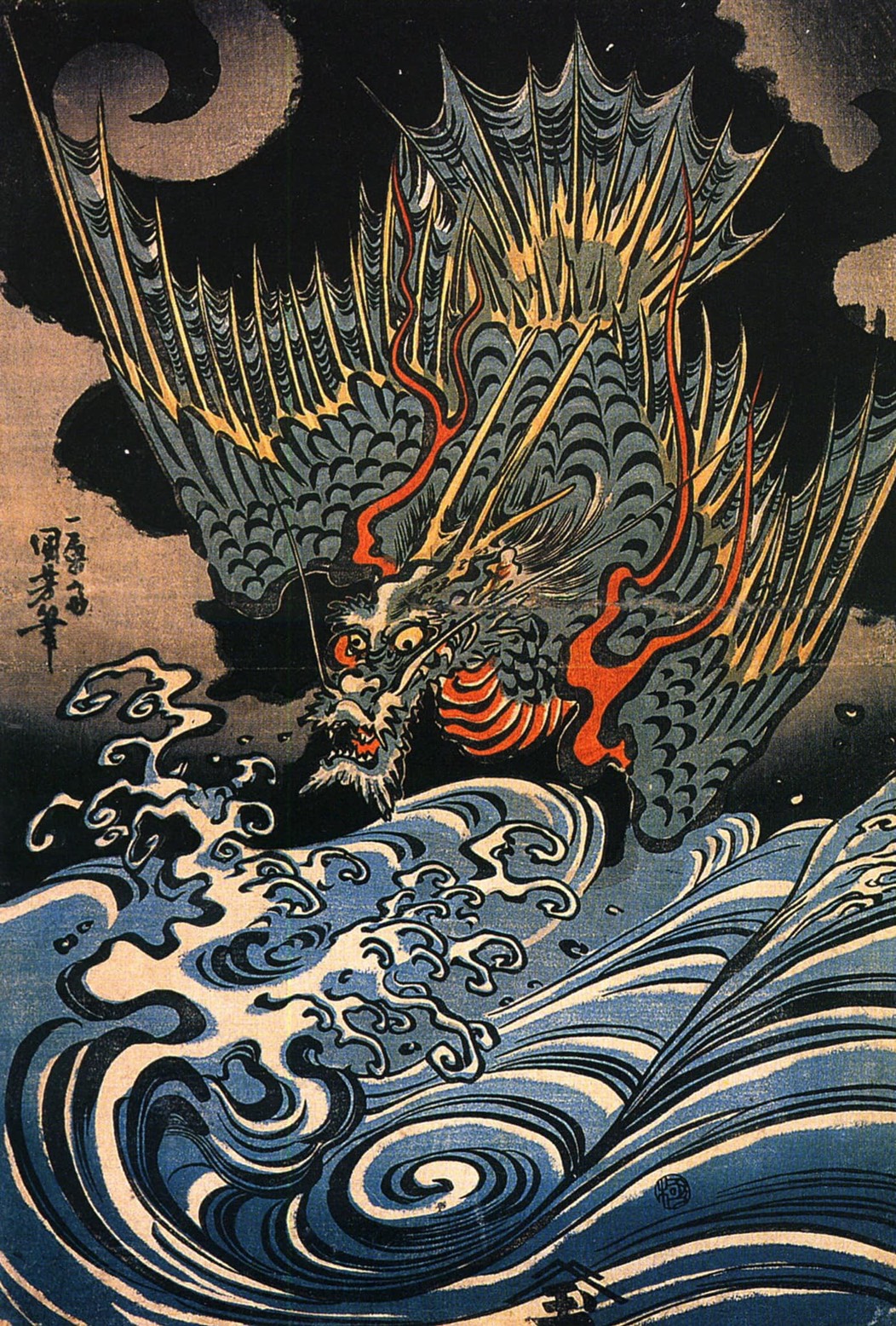
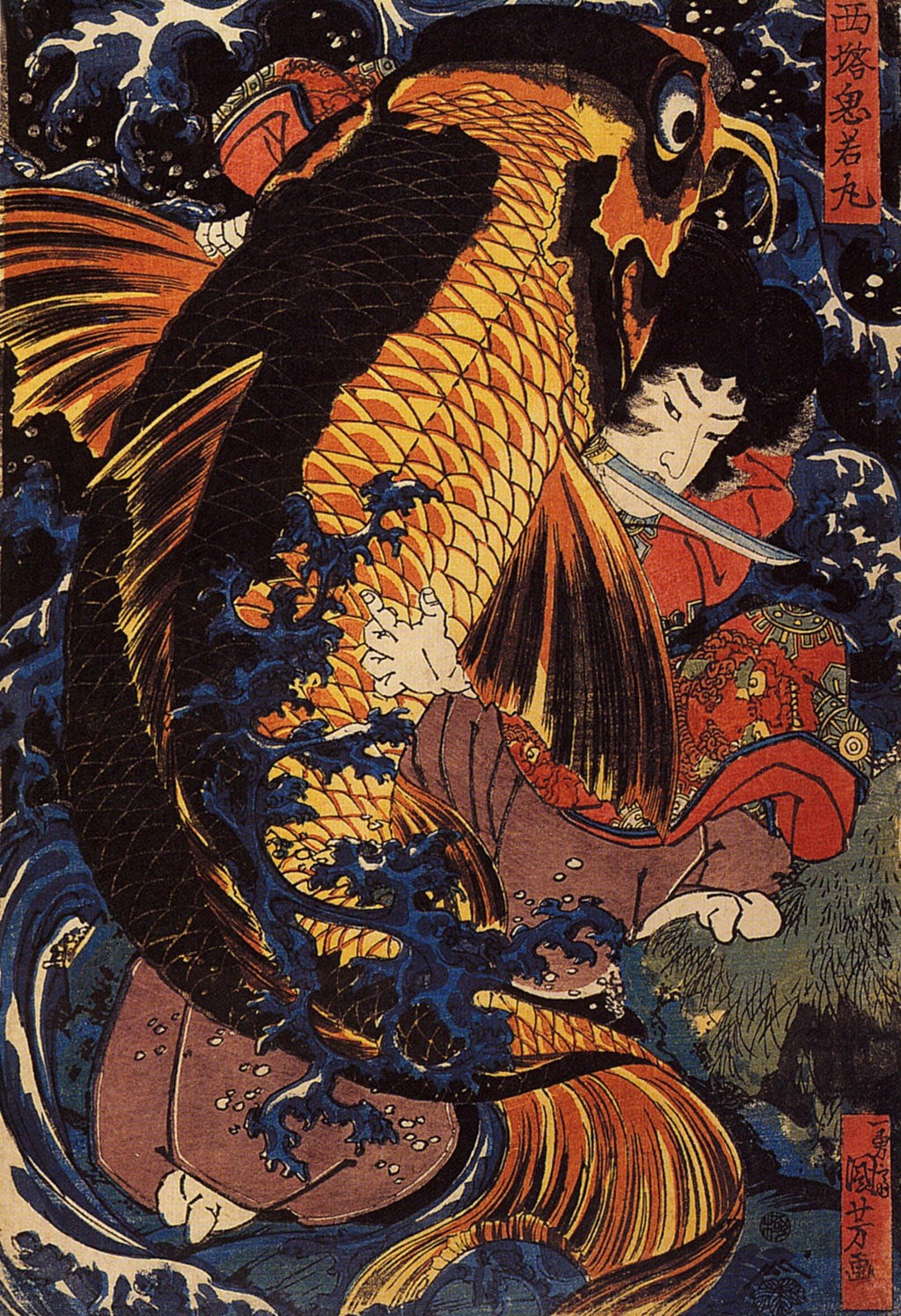
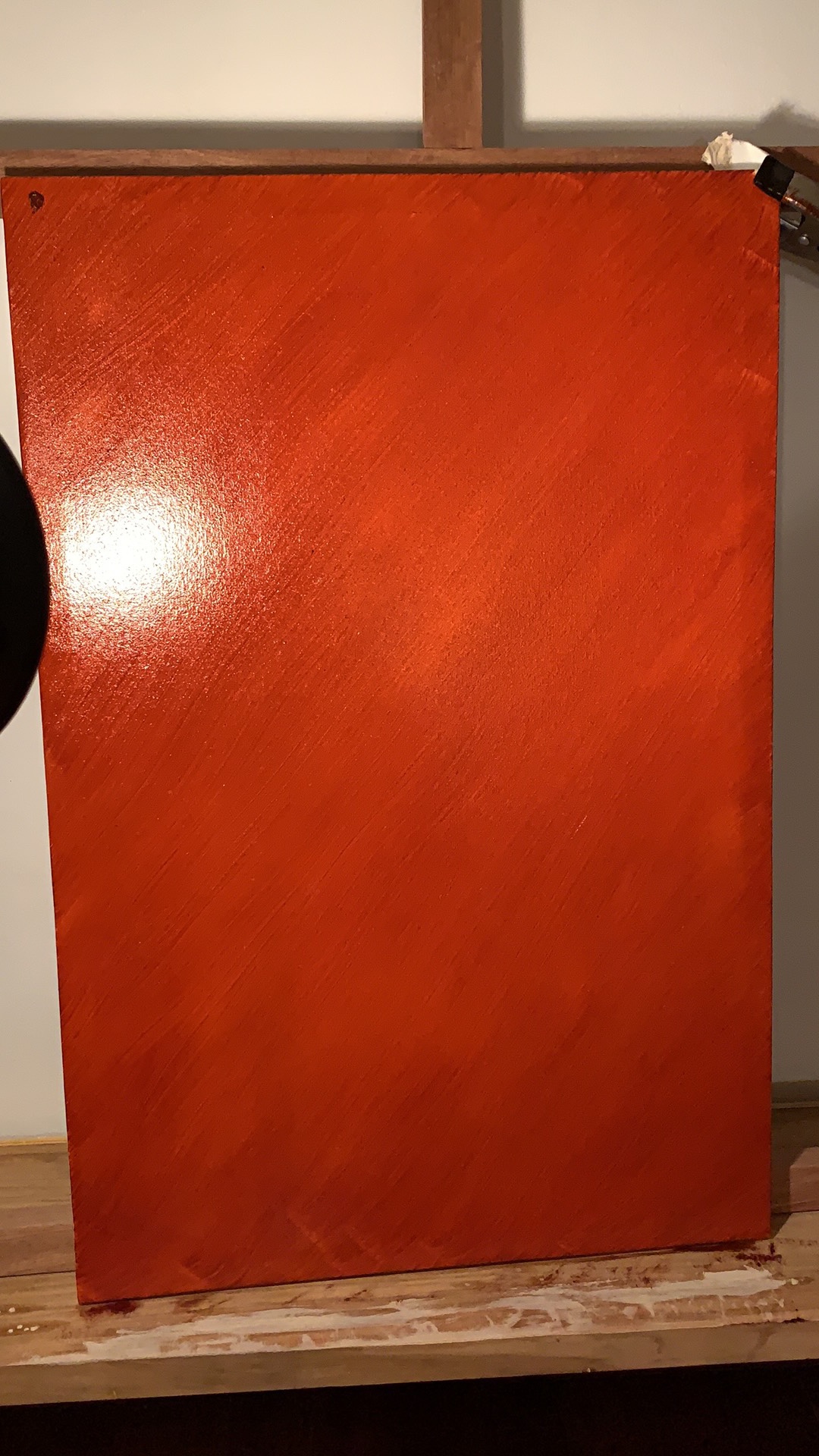
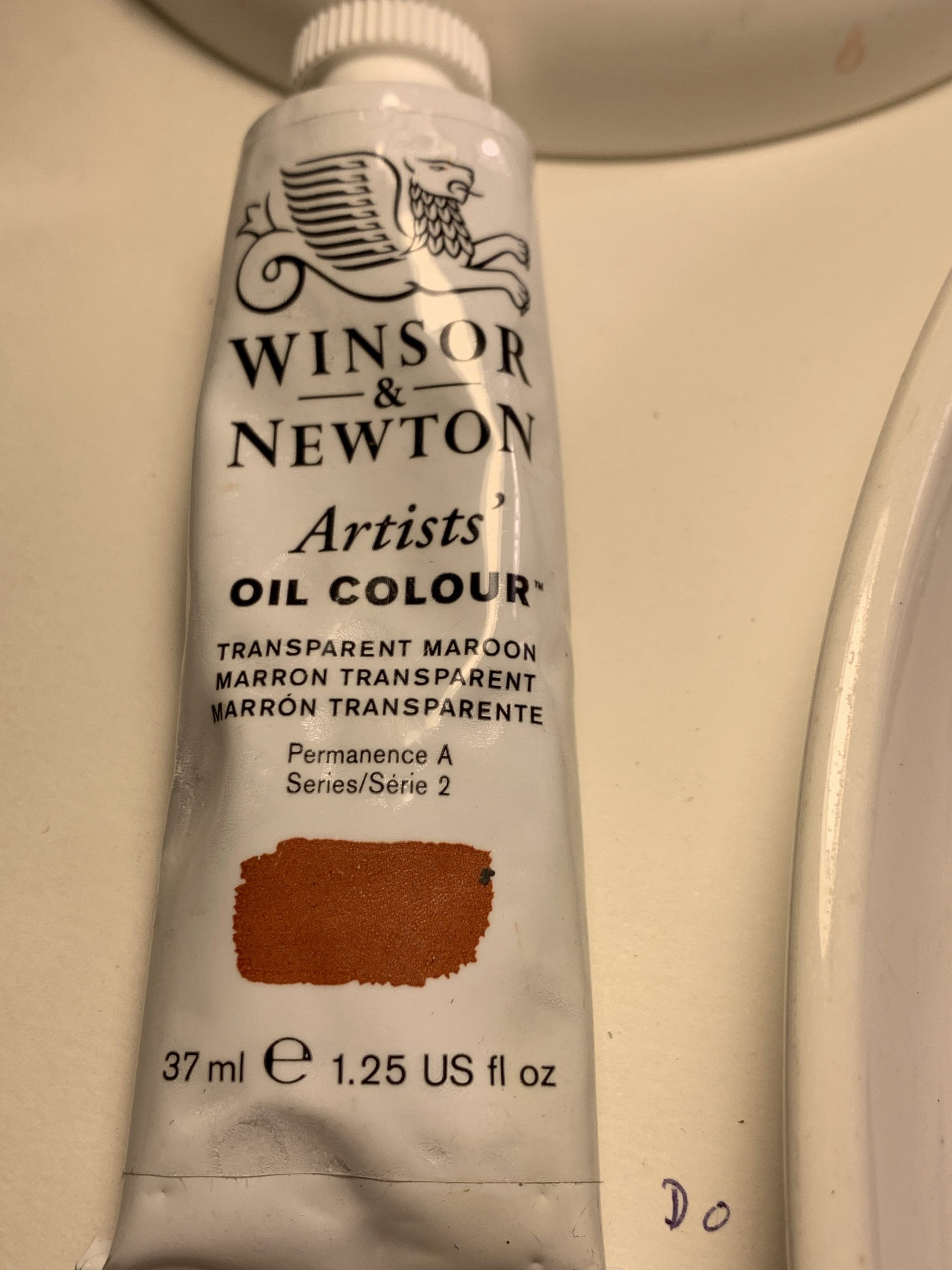
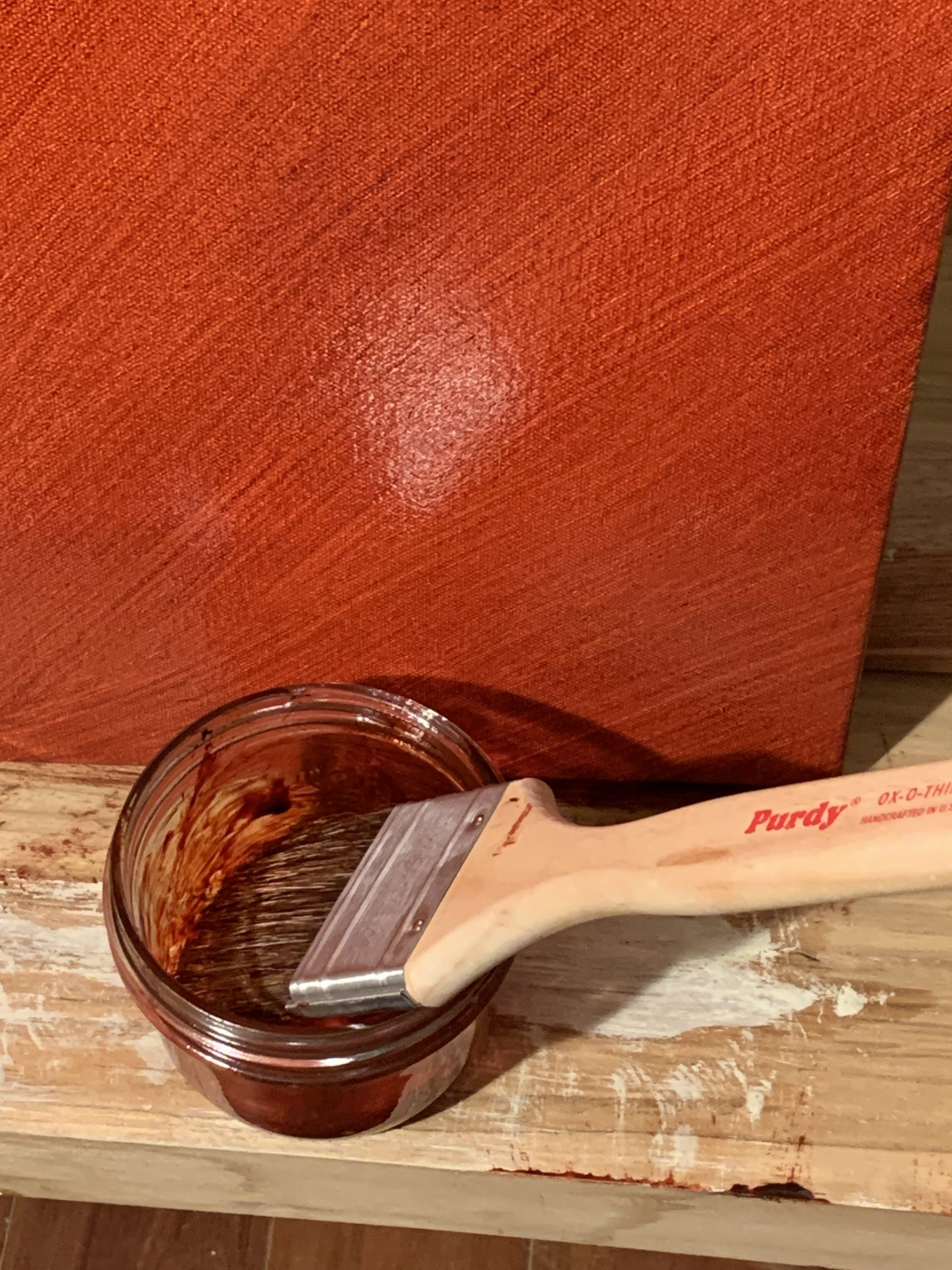
So I decided to get a piece of oil work started no matter what, using any surface I could get my hands on so I grabbed a piece that didn’t even have it re-stretch completed and got a team player of transparent maroon oxide onto it which looks pretty bad ass actually.
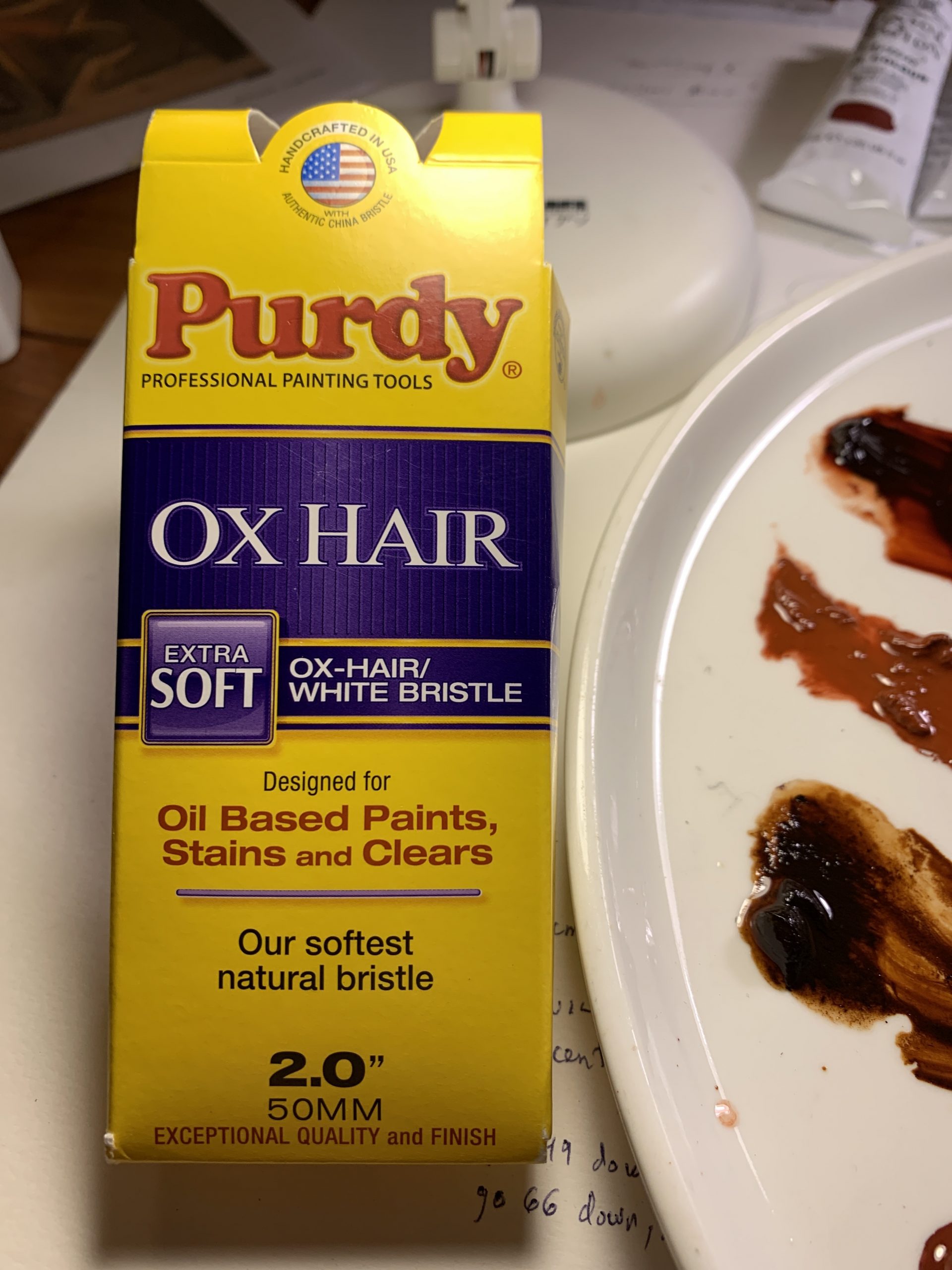
The 2 inch brush that I used was also perfect and I will be definitely ordering more of those.
It went on like butter and covered the whole surface perfectly and very fast and very even.
Four years before I was being a dumbass where my largest brush was still only a quarter inch or half inch flat and I said they’re trying to cover an entire canvas with it so at least this one commercial brand is working really really well and it’s not a fine art brand otherwise it would probably cost three times the amount.
I might not even do the Picasso but instead just work with the oils on various surfaces to explore what’s possible for the current South Loop painting. There’s quite a few deep earth tones.
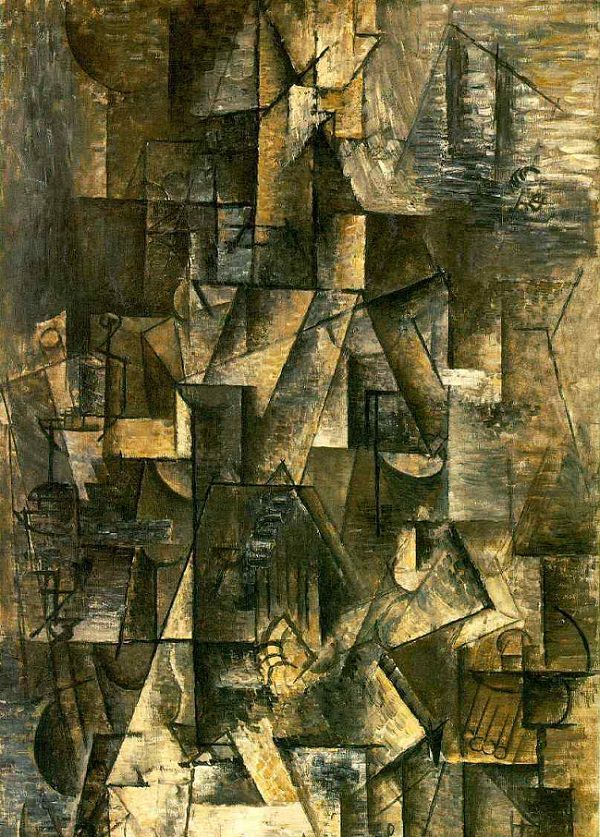
Pablo Picasso Cubist Painting Ma Jolie
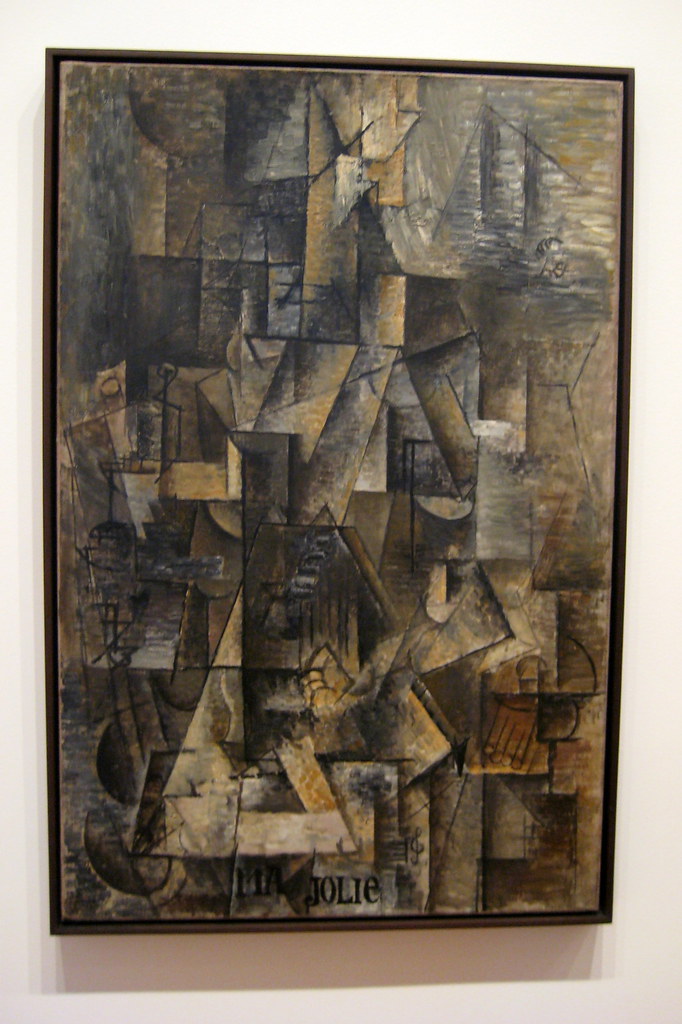
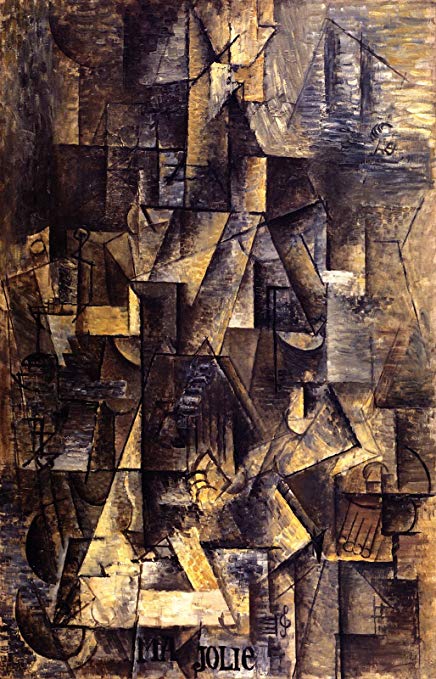
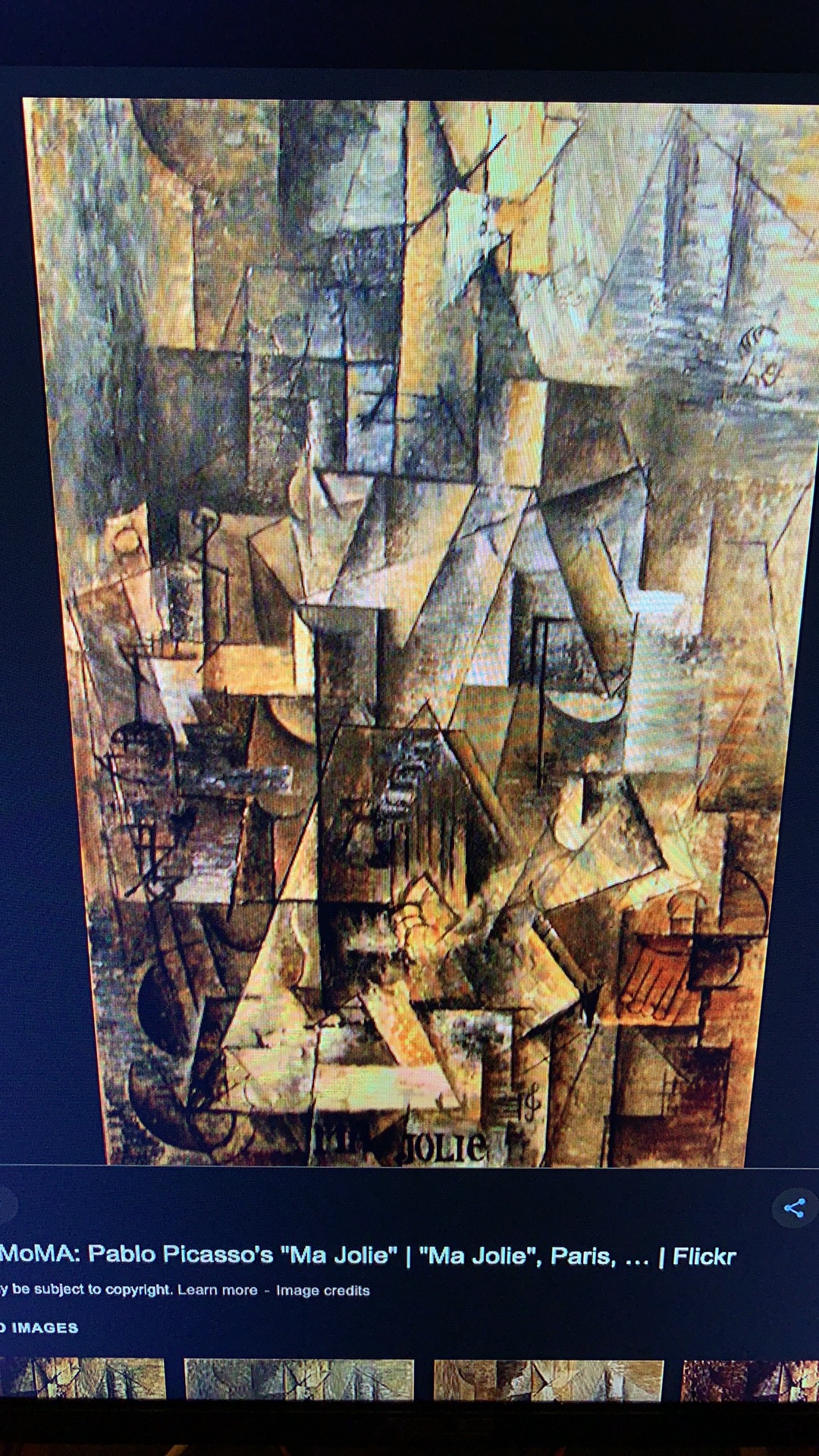
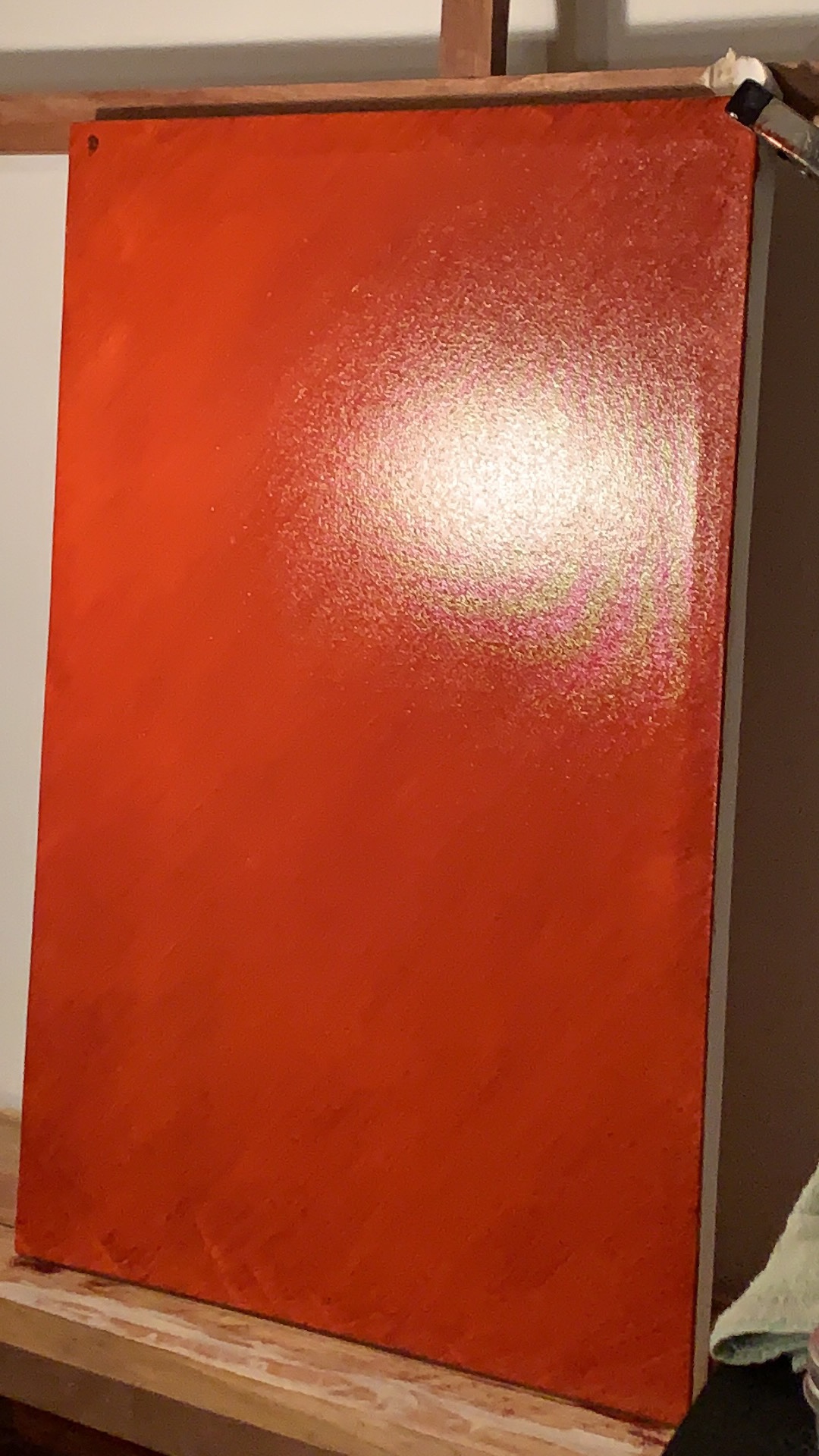
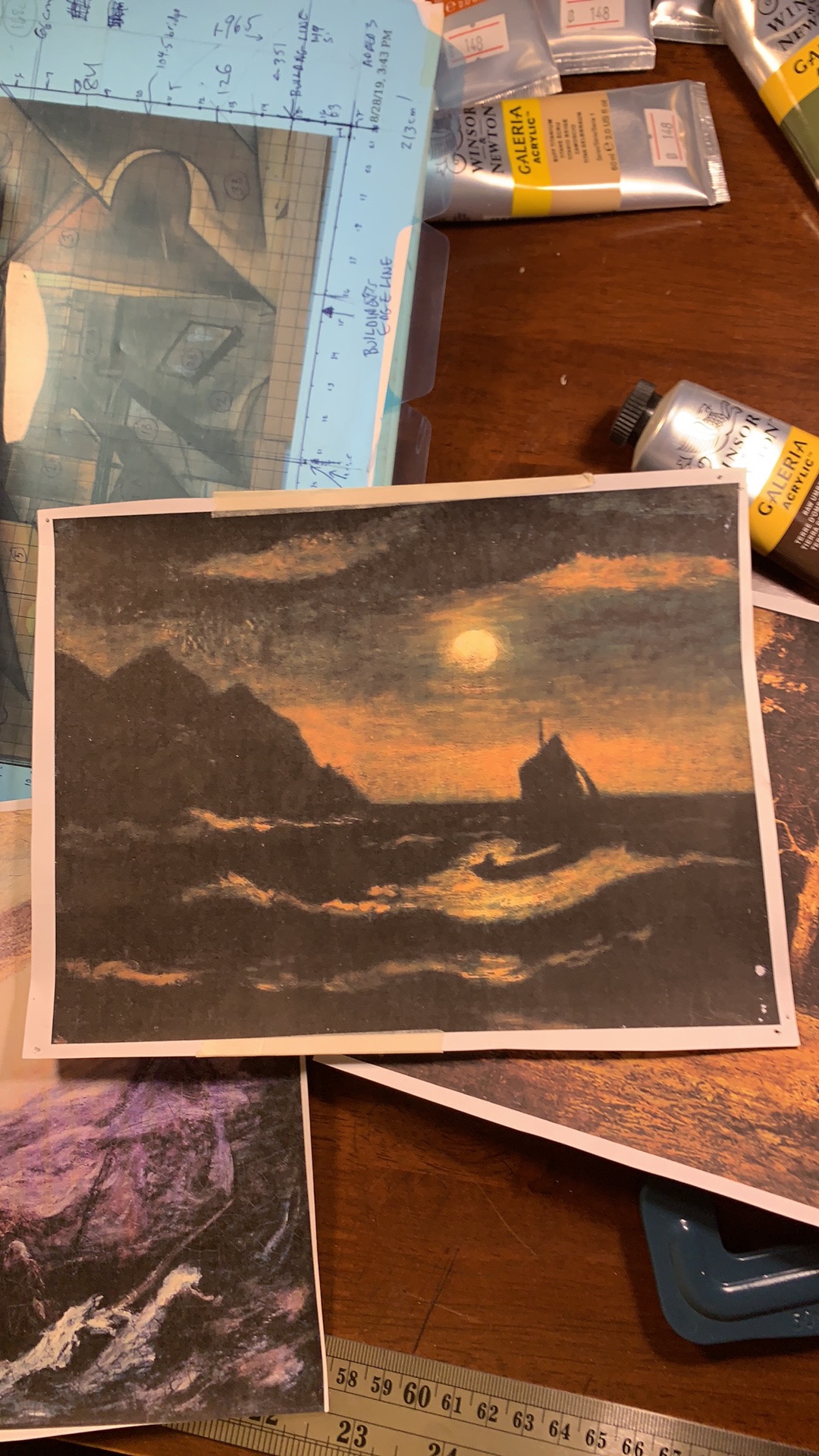
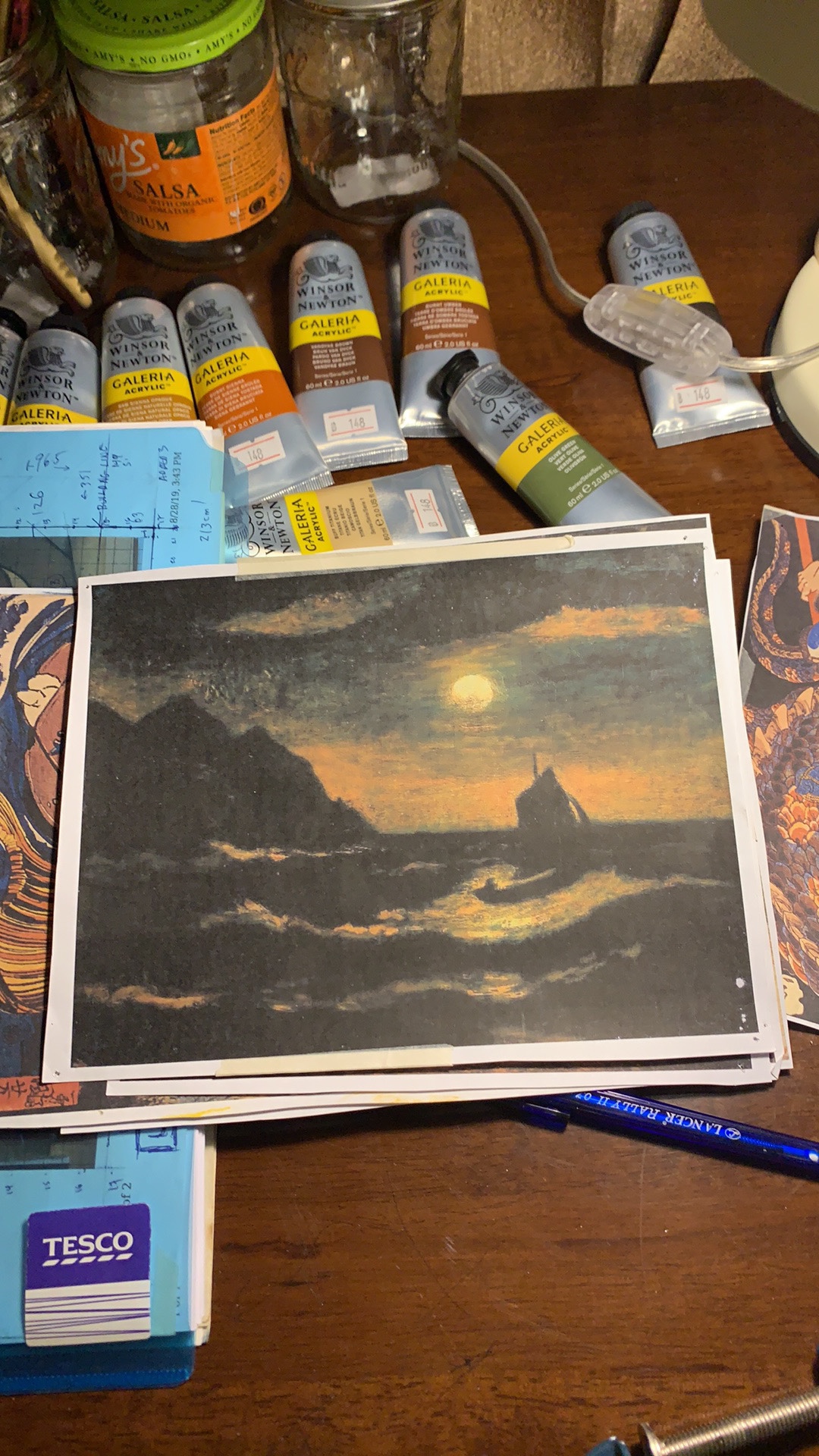
I got this work a little bit further along and I’m only loosely following the original.
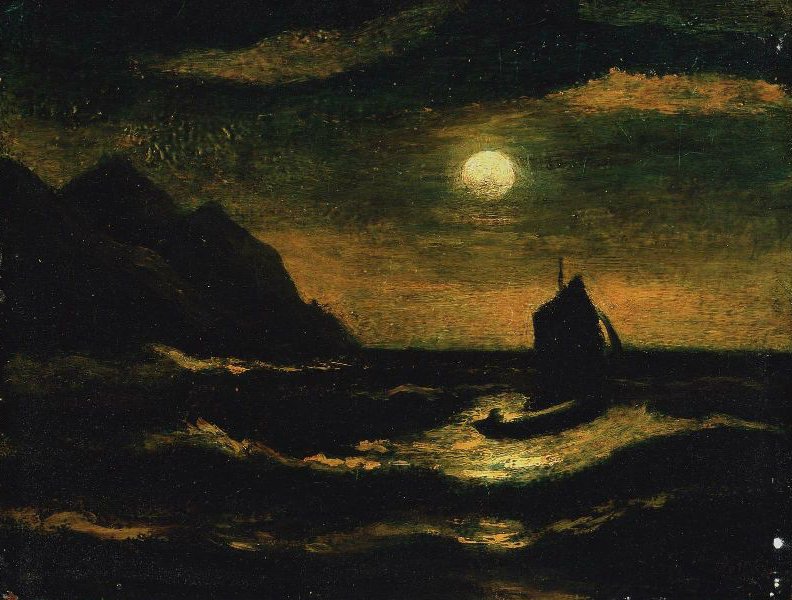
Albert Pinkham Ryder Silver Moon 792px x 600px
This time I was able to get a wash on there which was almost forgotten scale until I came back into my mind while rendering the sky.
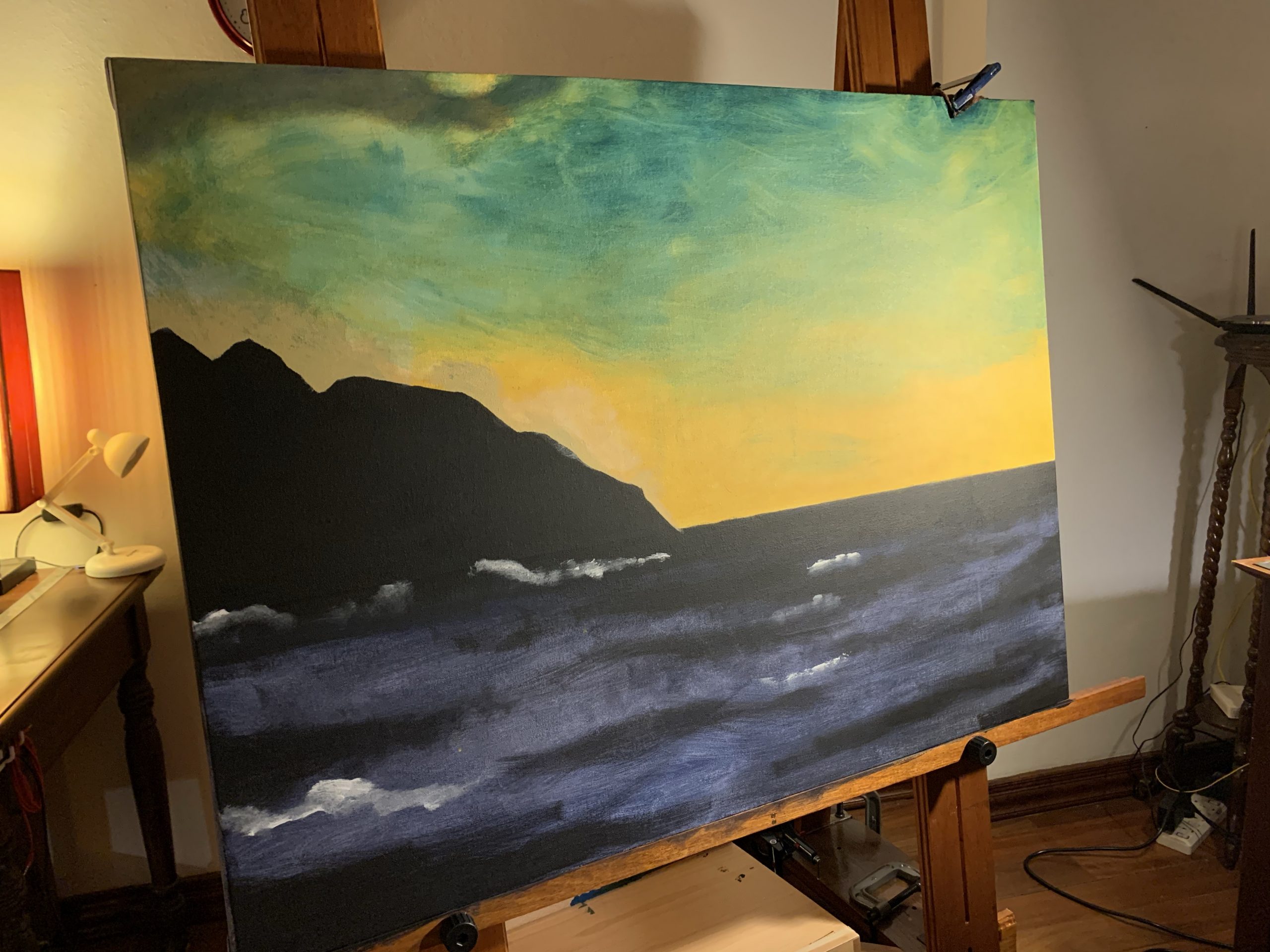
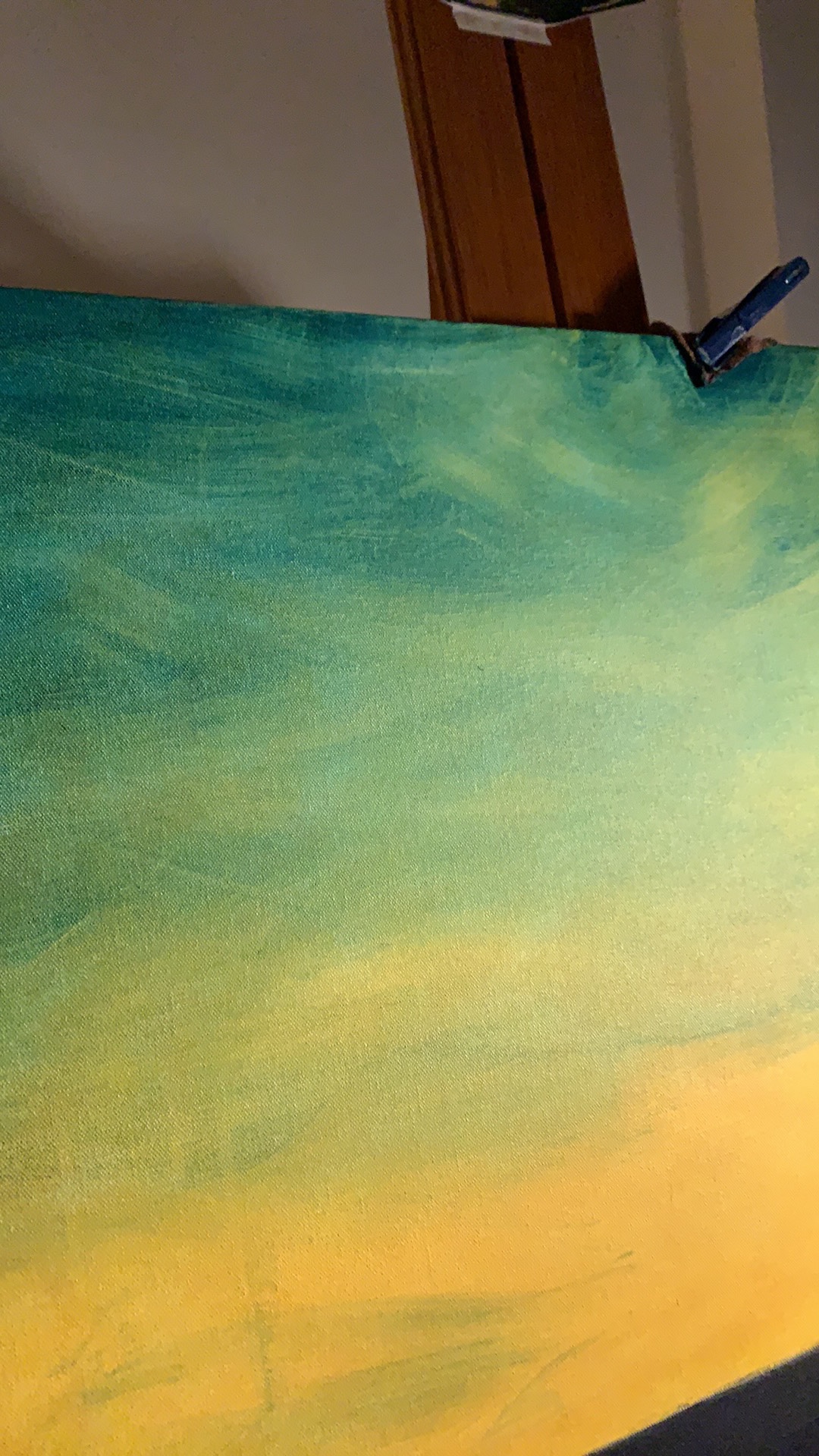
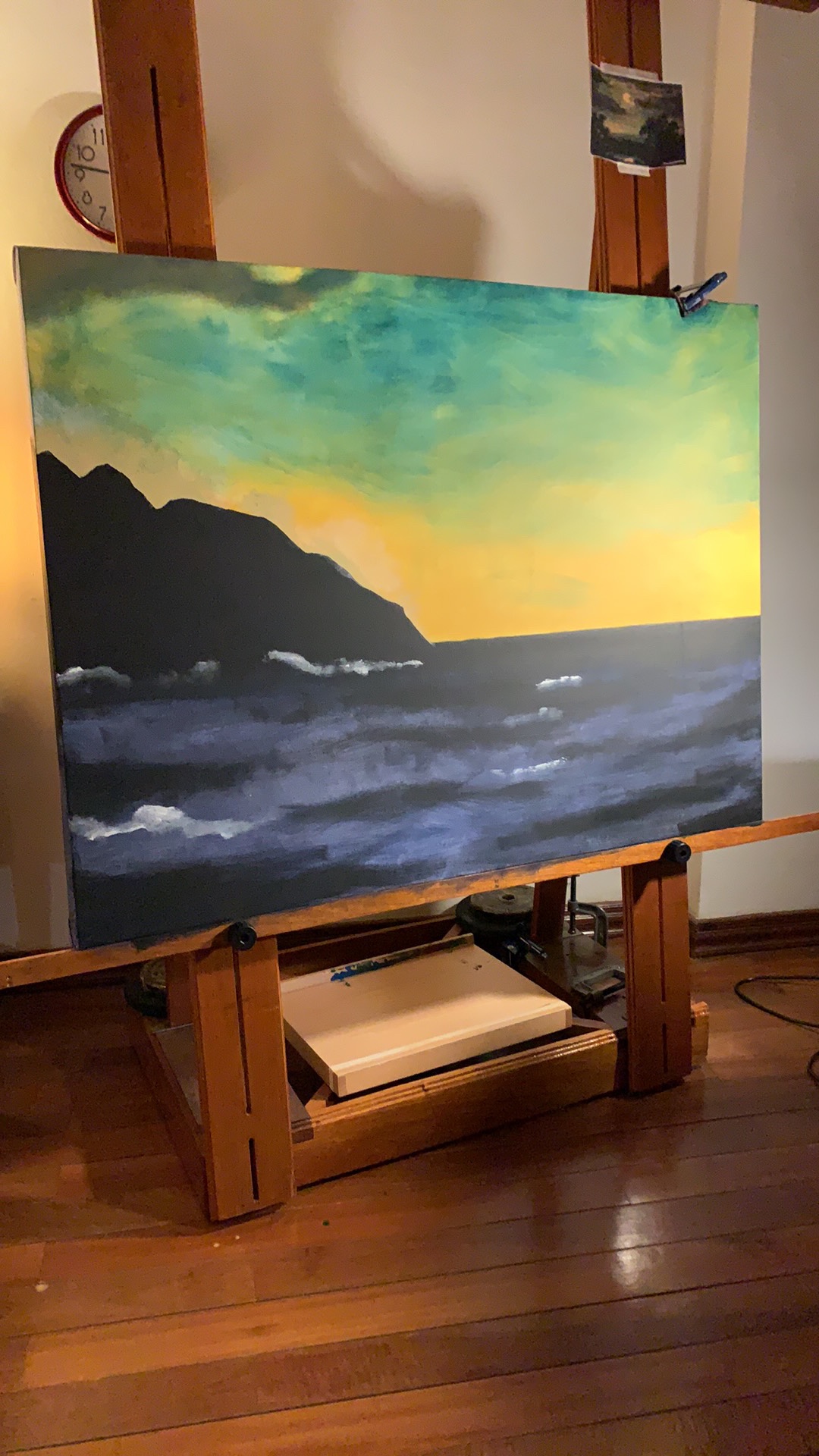
Had to do a lot more blocking in with the white e.g. the titanium white which is now running low and needs to be found and sourced within Thailand.
I will try to use the http://Nanapun.net resource. Amazon is not shipping the item here due to one of the sellers not being set up to do international so I will have to wait until they run out and re-stock.
I was however able to take out a bunch of colors and test them and get up to color mixing table to good shape instead of running the painting by applying a color at random without any kind of back painting.
It’s taking way longer but is a better way to proceed.
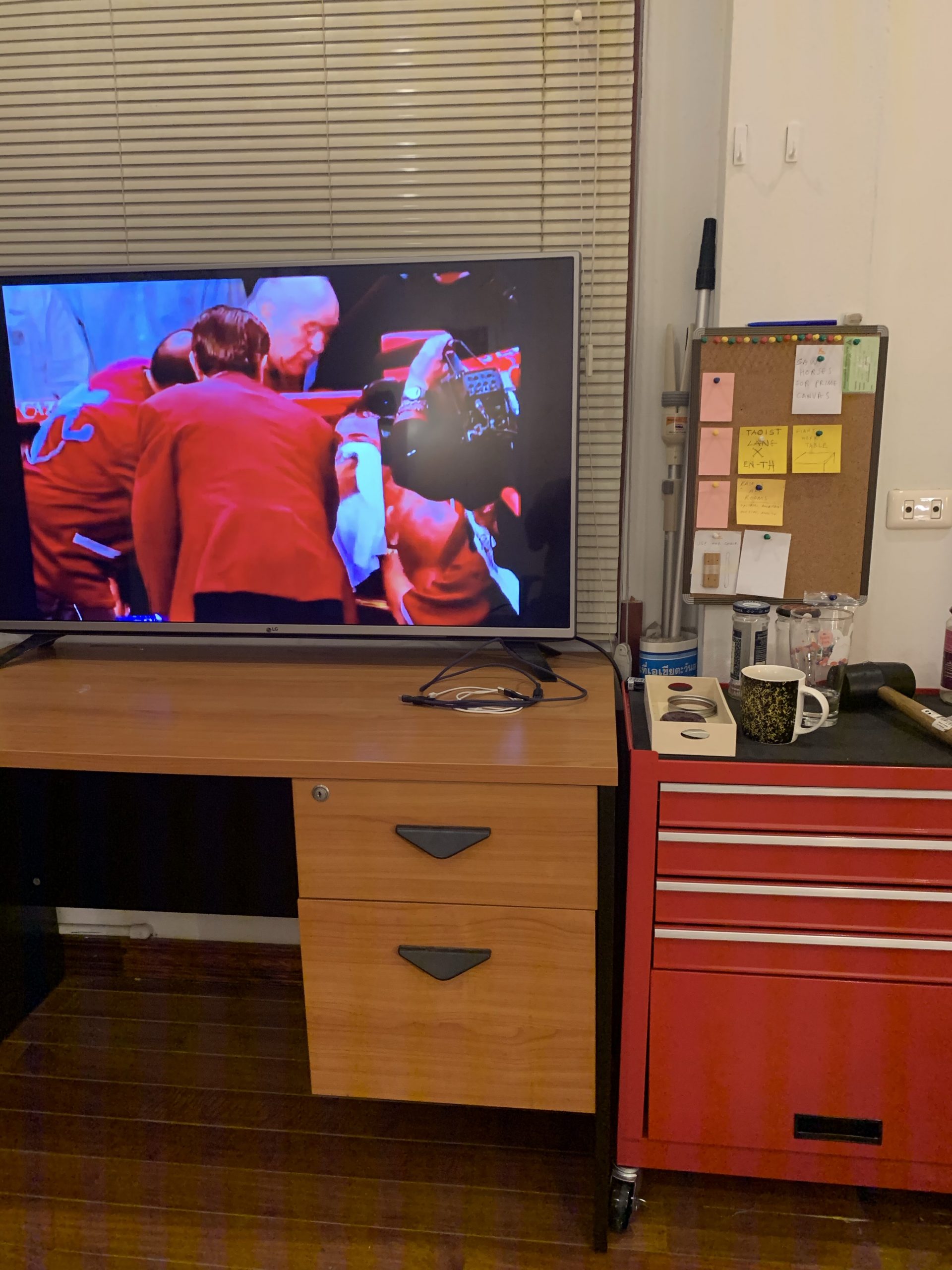
I also added some entertainment in the form of the big screen TV that was just sitting on the floor for months and it has been a boon to productivity to have old-school boxing matches and classic movies running in the background which is allowed me to truly concentrate for hours on end instead of debris first stops that I was doing before.