[ D4T4 CRYPT ORG ]

>-Quaere Cosmos Arcana Imperii-<

  • Home
  • Phys.Org | Space News
  • arXiv.org Astrophysics \ Galaxies
  • ESA Aladin A
    • ESO Aladin B
  • Architecture
    • Architects
  • Astrophysics
    • Black Holes
  • Fine Arts
  • LINKS
    • Star Gazing UK Blog
    • In The Sky: Sky Atlas
  • Linux
    • Man Pages
  • Cinema
    • Film Noir
    • Notable Film Directors
  • UFO / UAP: INDIGO X-RAY FOXTROT

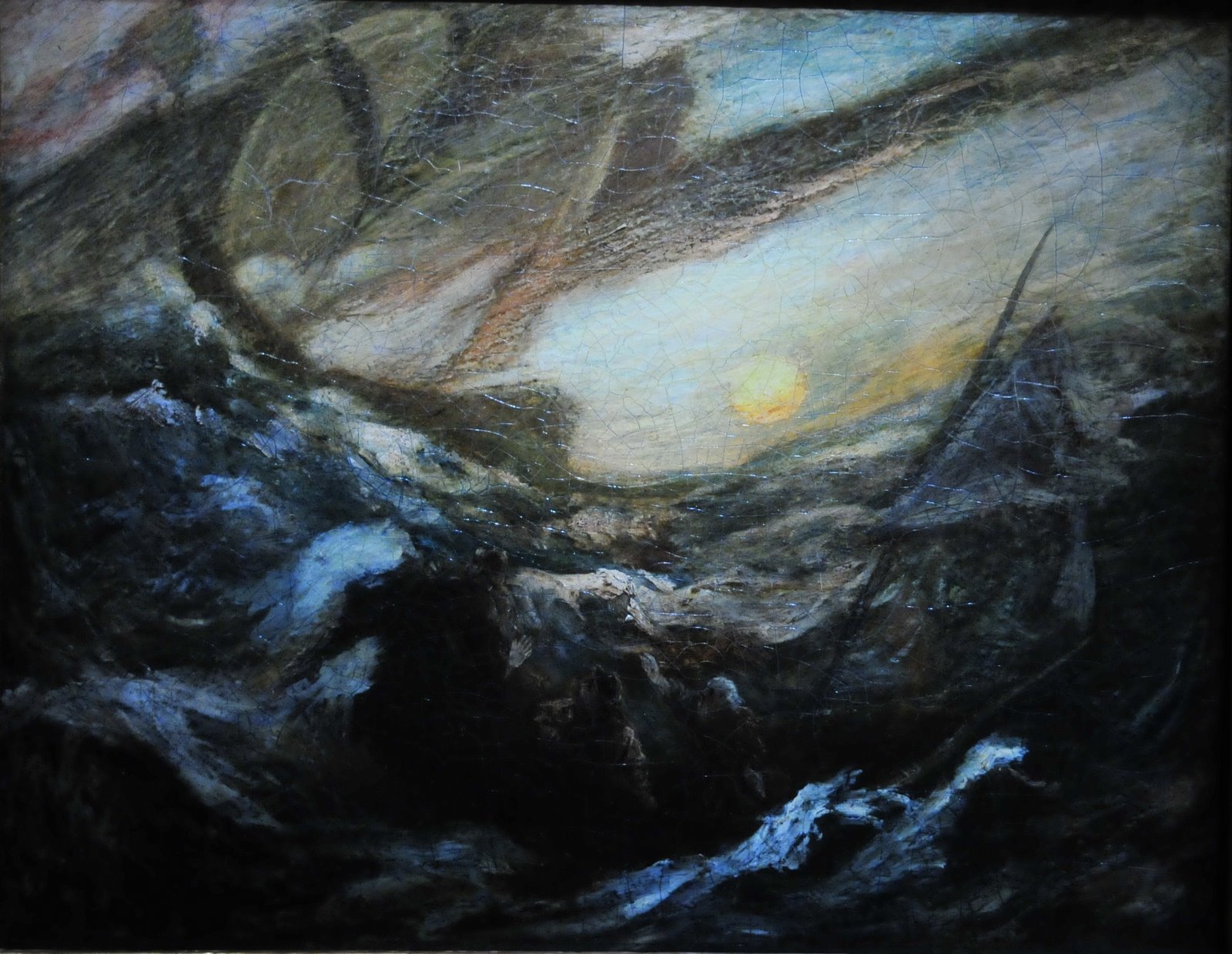
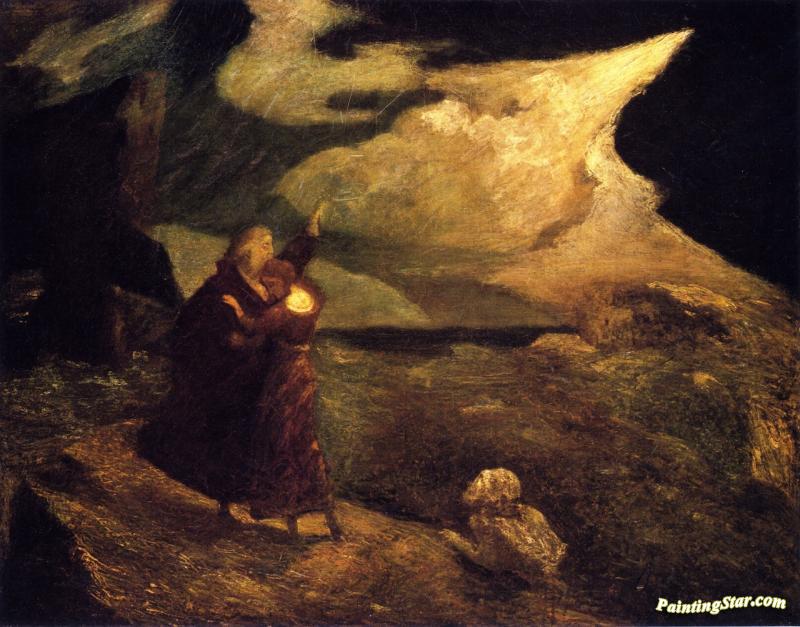
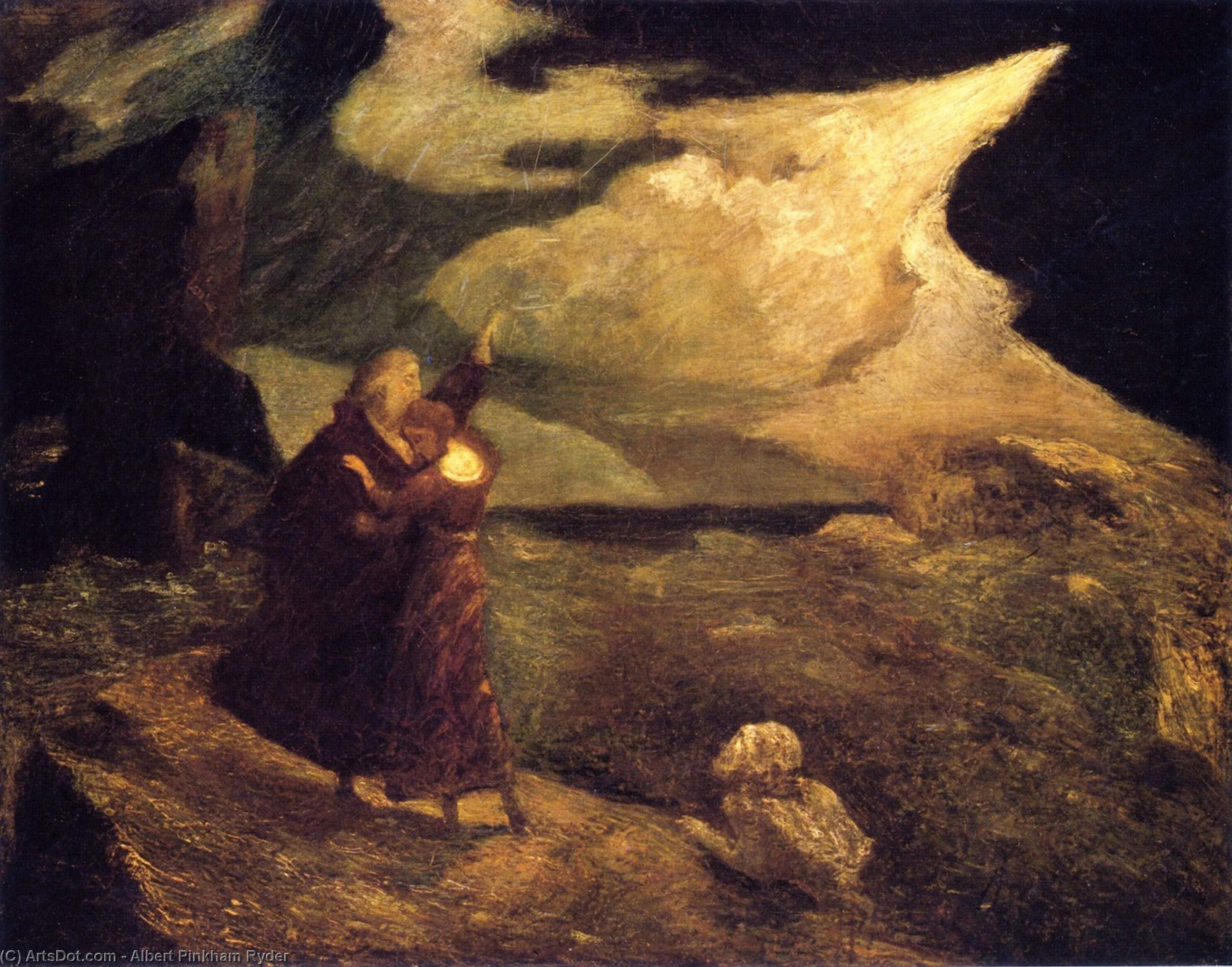
ALBERT PINKHAM RYDER, TEMPEST

May 14, 2021 by blogadmin


Filed Under: Albert Pinkham Ryder, Artists, Fine Arts, Oil Paintings

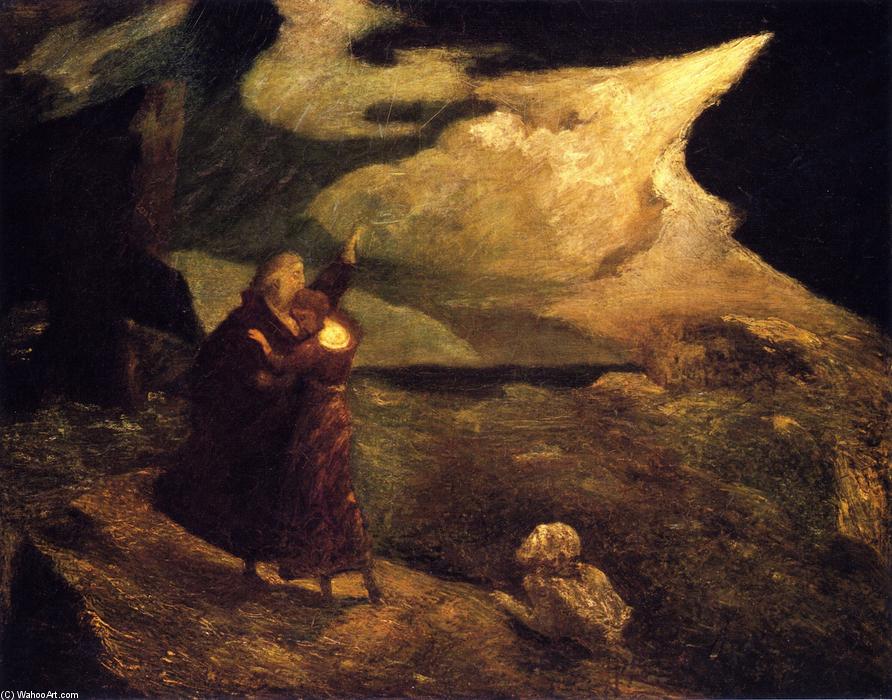
The Flying Dutchman, Albert Pinkham Ryder

August 18, 2020 by blogadmin

This will no doubt be the next study.

FULL SIZE SMITHSONIAN
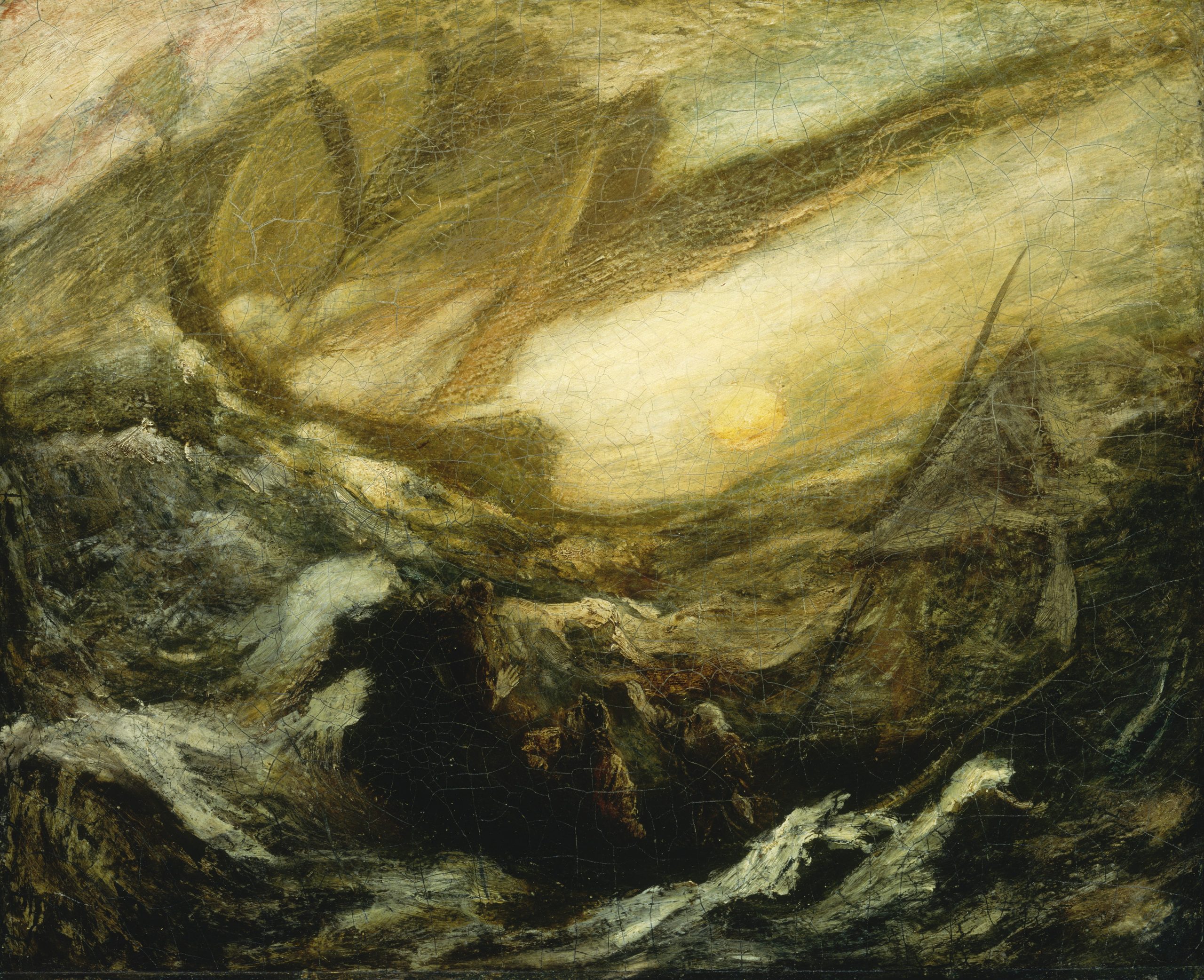
Albert Pinkham Ryder Flying Dutchman
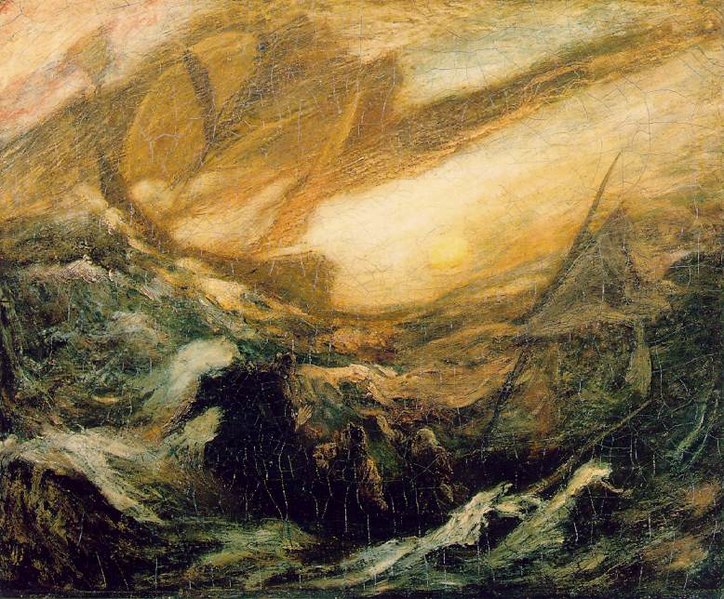
Albert Pinkham Ryder Flying Dutchman

The Flying Dutchman

The Flying Dutchman

gfdfgd
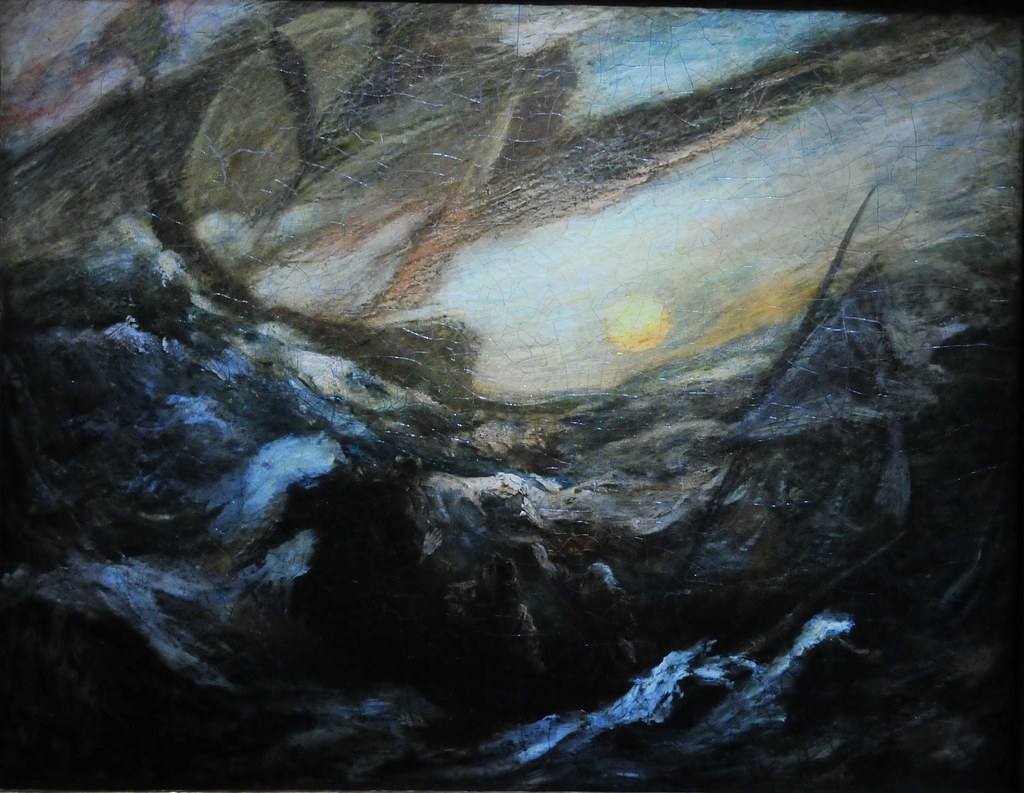
Flying Dutchman (1887) Oil on Canvas by Albert Pinkham Ryder

DSFSF
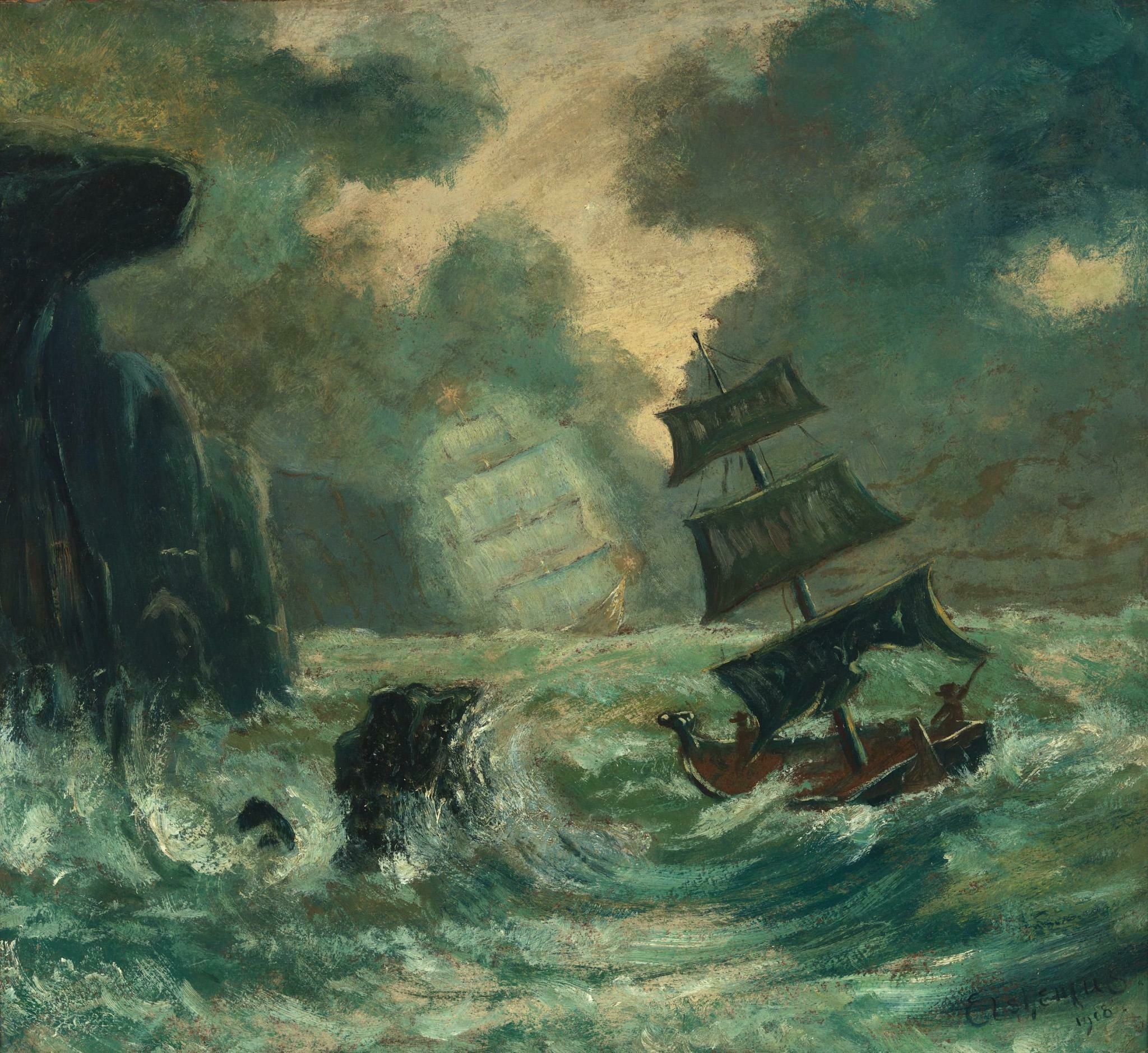
Louis M. Eilshemius | The Flying Dutchman

Louis M. Eilshemius | The Flying Dutchman

GFDGDG
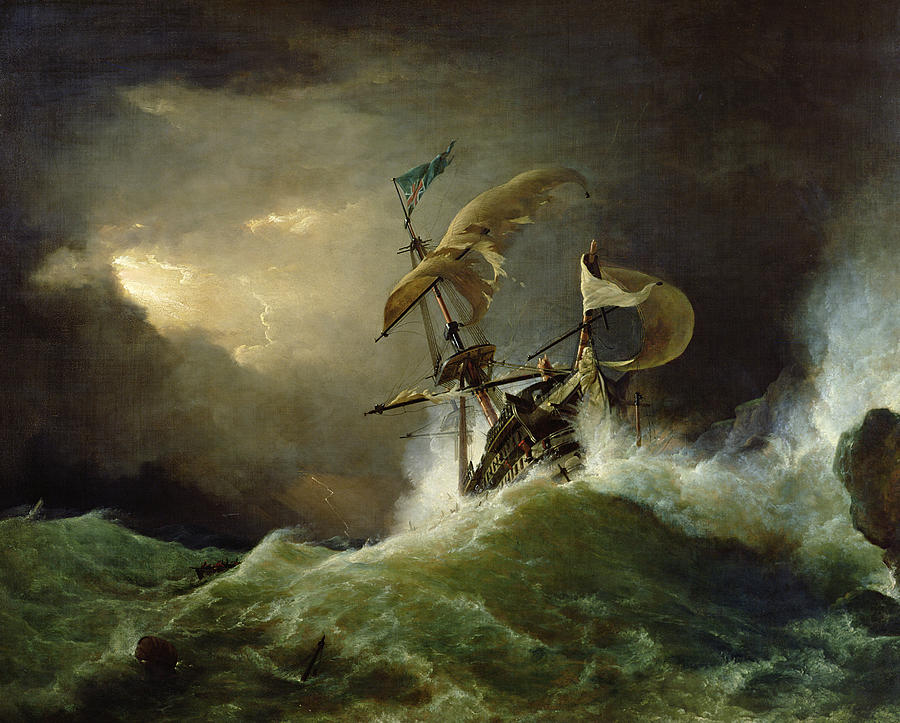
A First rate Man of War driven onto a reef of rocks, floundering in a gale by George Philip Reinagle

A First rate Man of War driven onto a reef of rocks, floundering in a gale by George Philip Reinagle

FDGDFGDFG
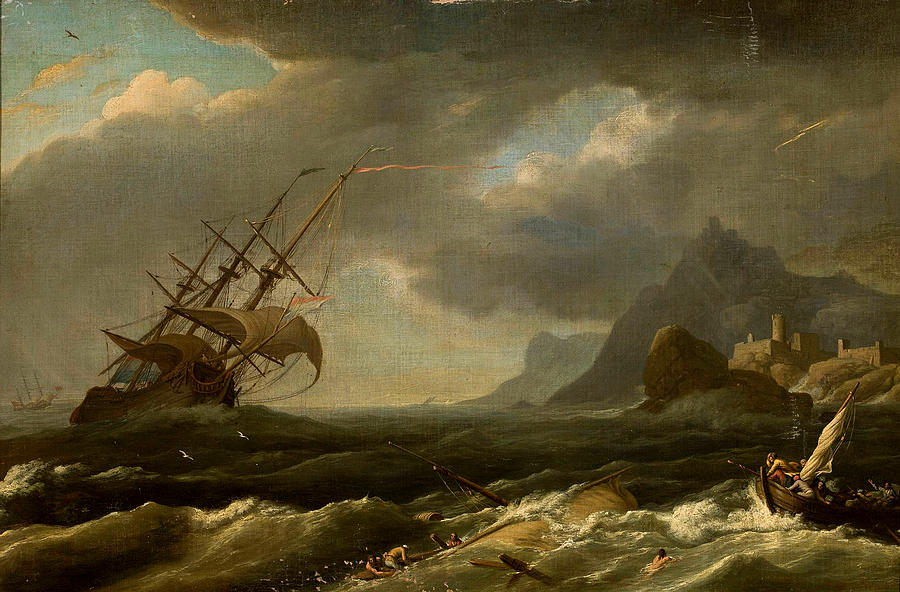
Survivors during a storm at sea by Unknown French painter

Survivors during a storm at sea by Unknown French painter

DSFDSFSDF
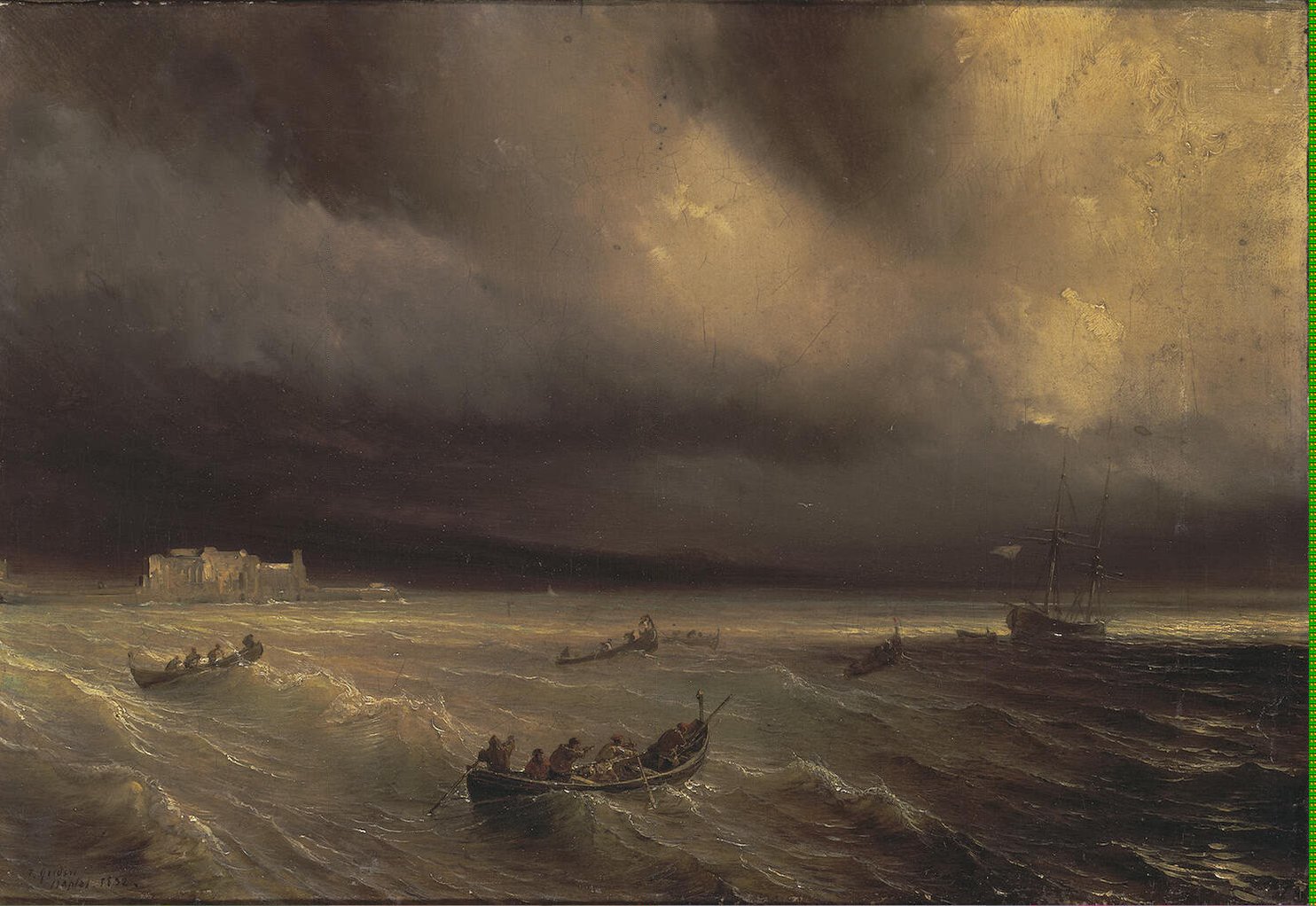
Storm in the Sea, Theodore Guidin

Storm in the Sea, Theodore Guidin

asdsada
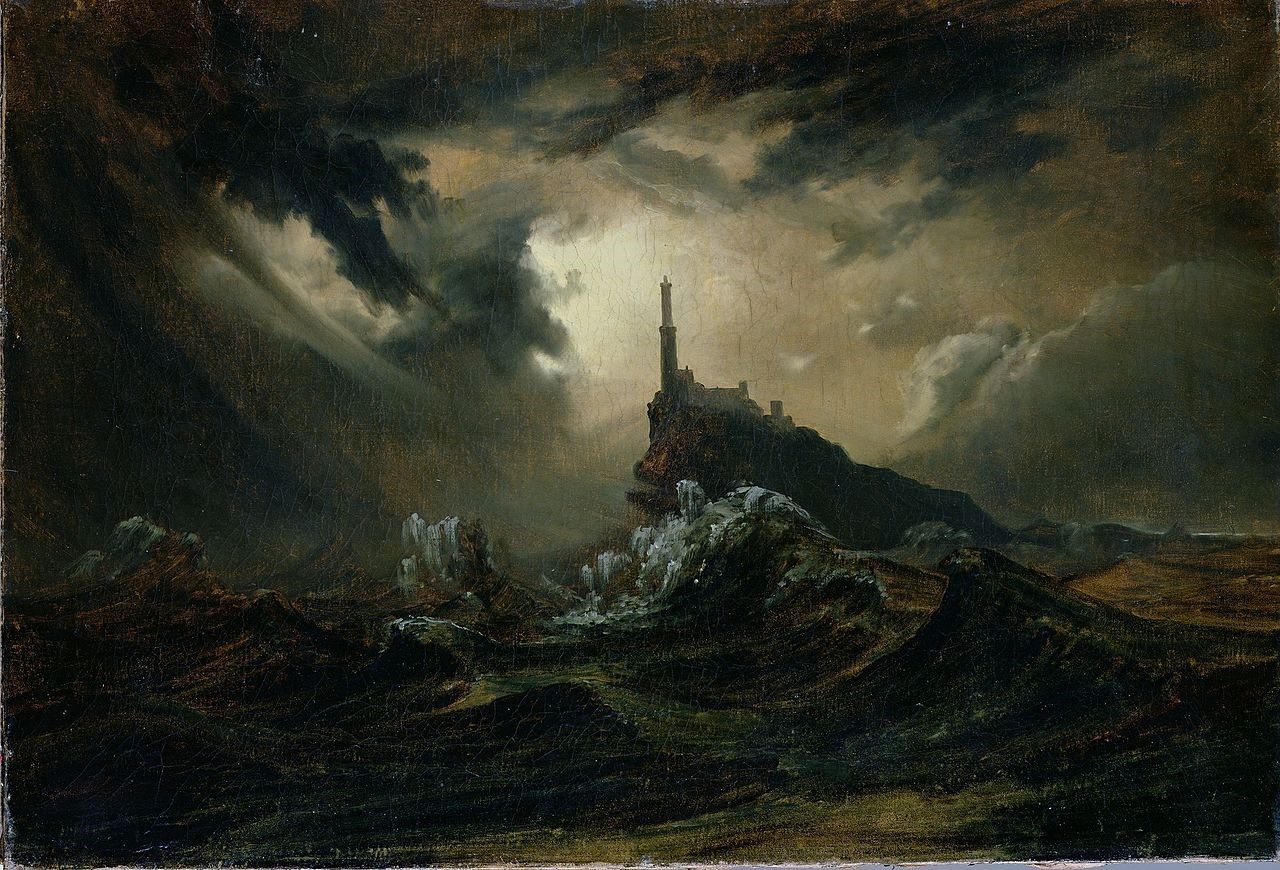
Stormy Sea with Lighthouse Carl Blechen

Stormy Sea with Lighthouse Carl Blechen

1700 A Mediterranean Brigantine Drifting Onto a Rocky Coast
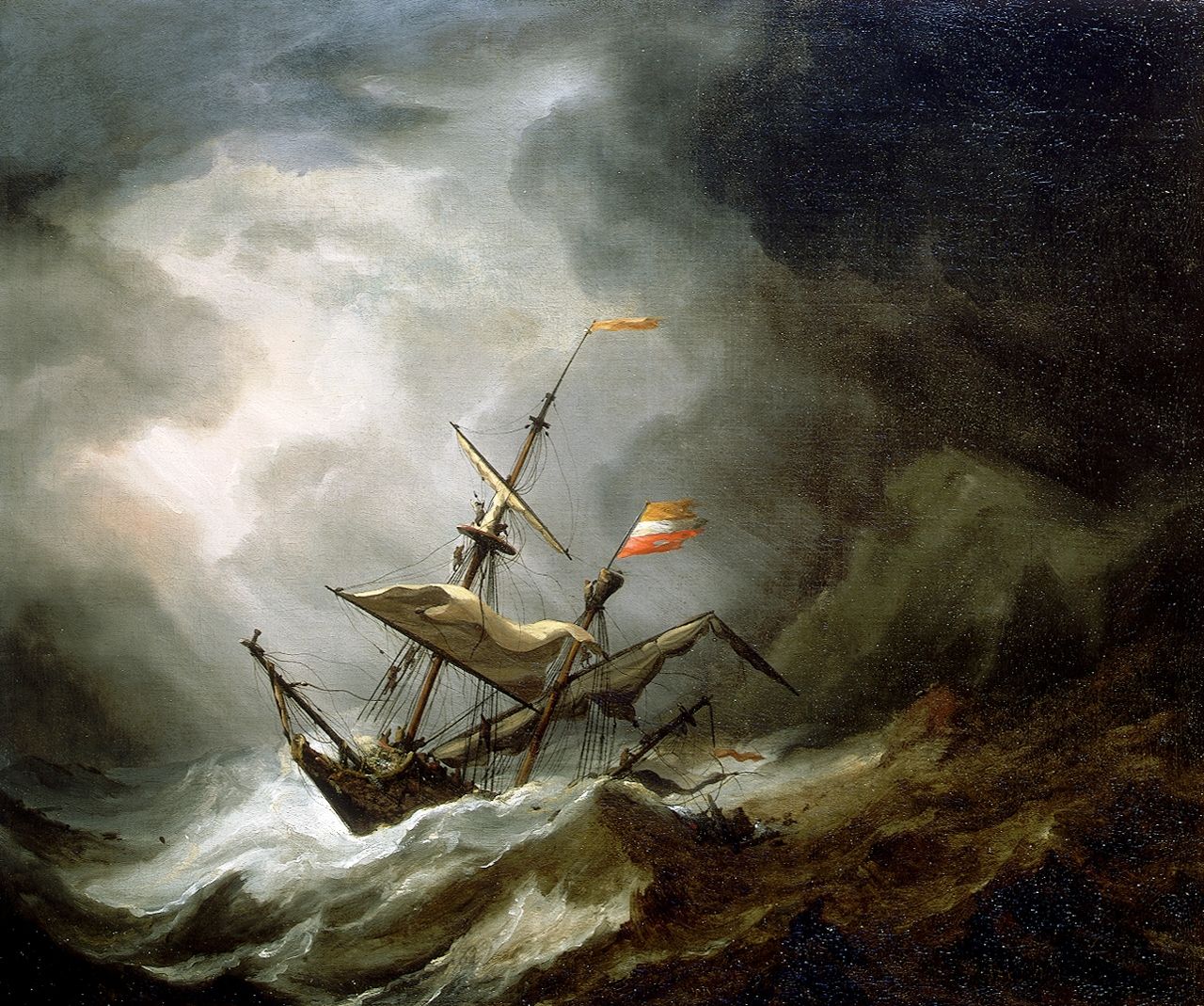
1700 A Mediterranean Brigantine Drifting Onto a Rocky Coast

1700 A Mediterranean Brigantine Drifting Onto a Rocky Coast

dgdfgdfgfd
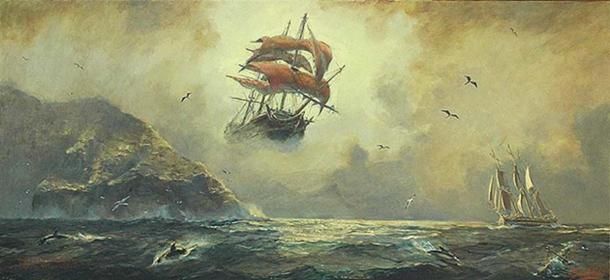
The Flying Dutchman

The Flying Dutchman

dfgfdgdgd


dfgdfgd


Filed Under: Albert Pinkham Ryder, Artists, Fine Arts, Oil Paintings Tagged With: Albert Pinkham Ryder, Fine Art, Oil Painting, The Flying Dutchman

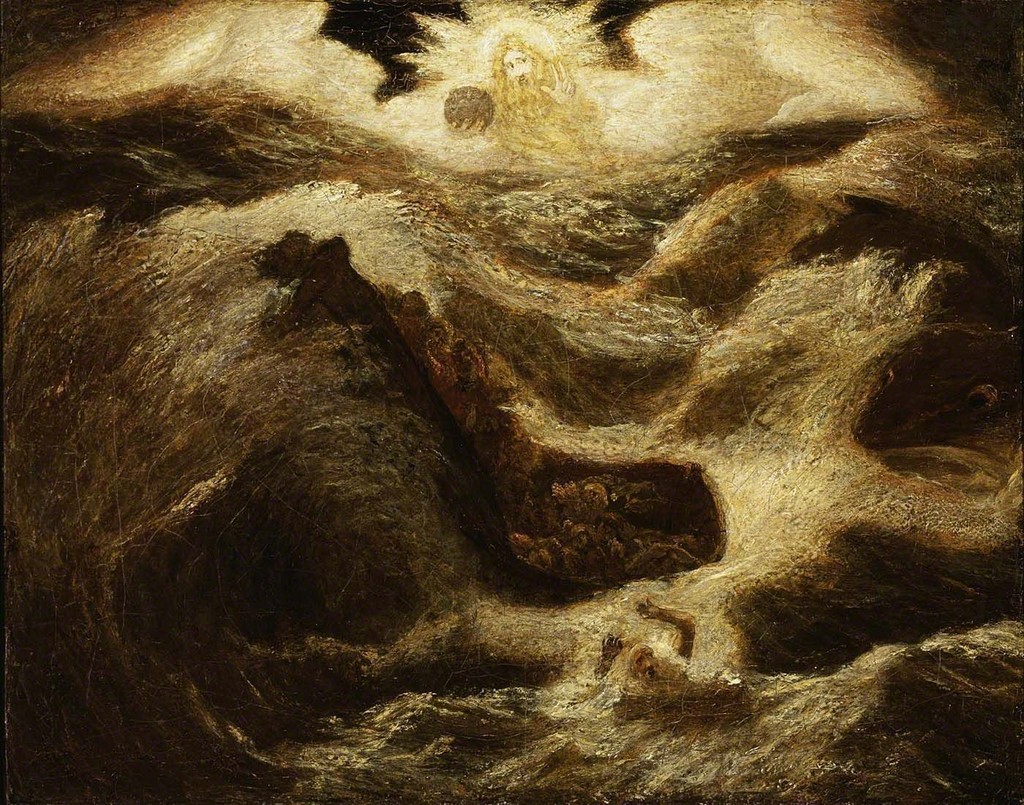
ALBERT PINKHAM RYDER, JONAH

August 8, 2020 by blogadmin

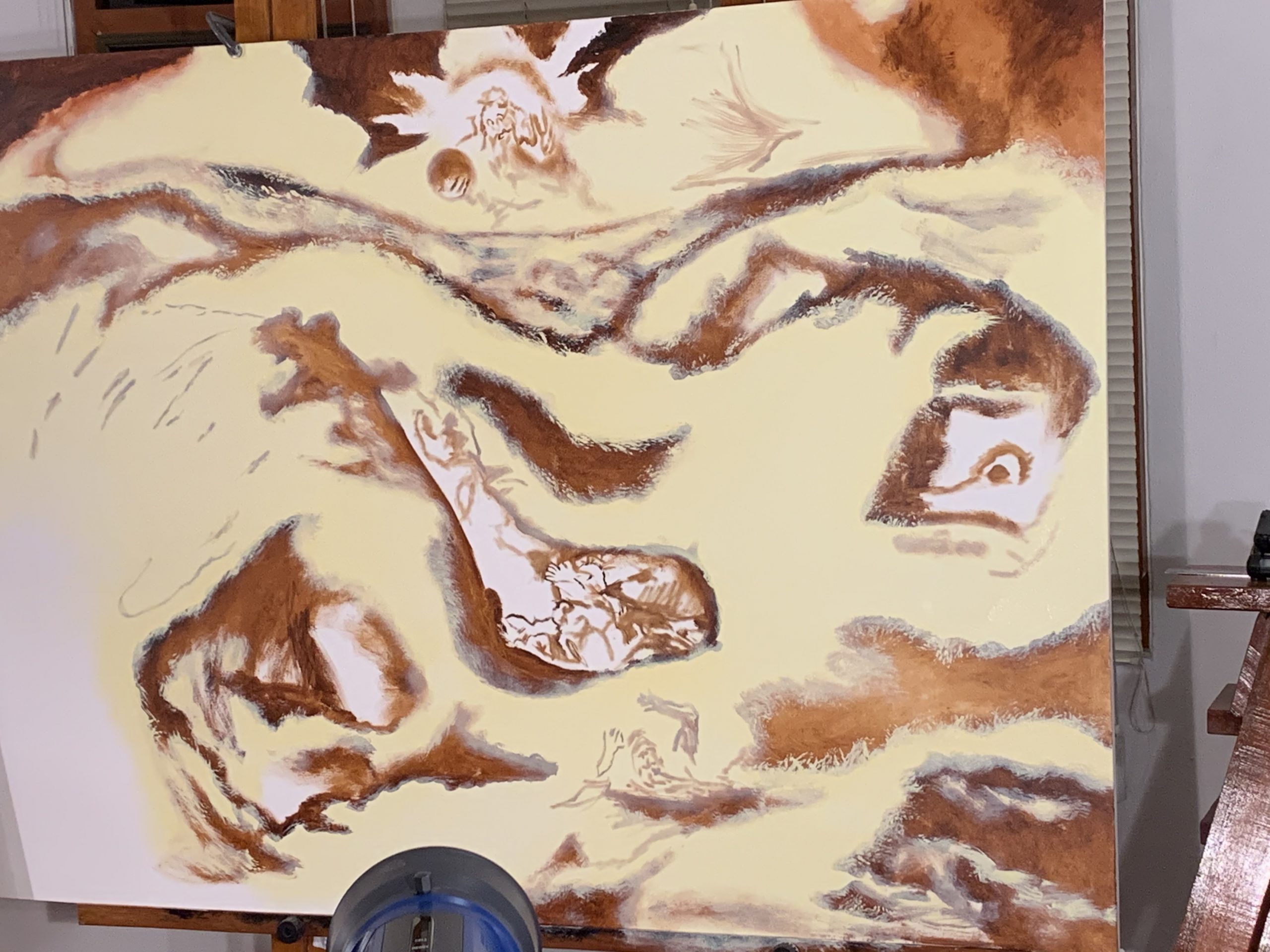
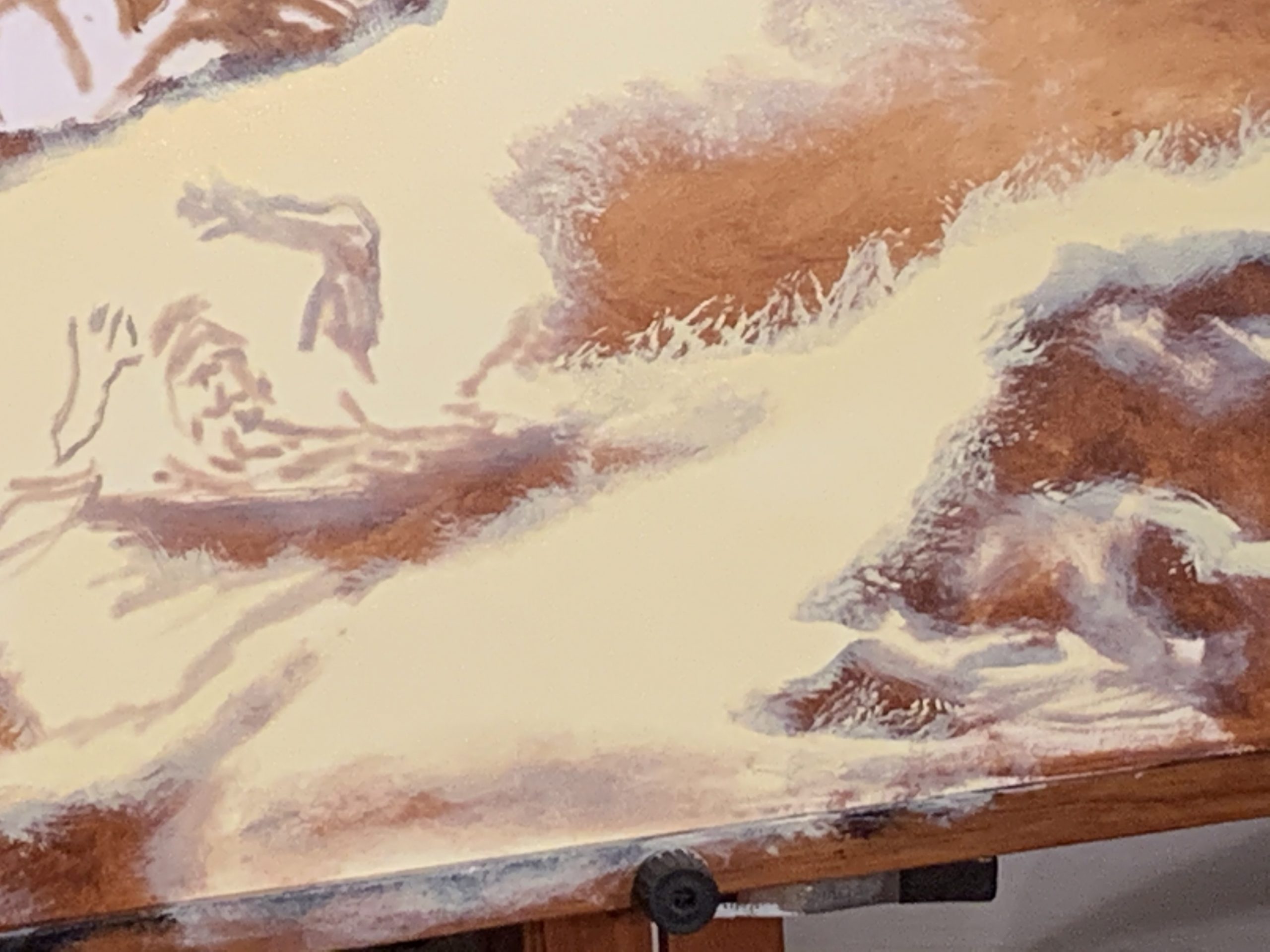
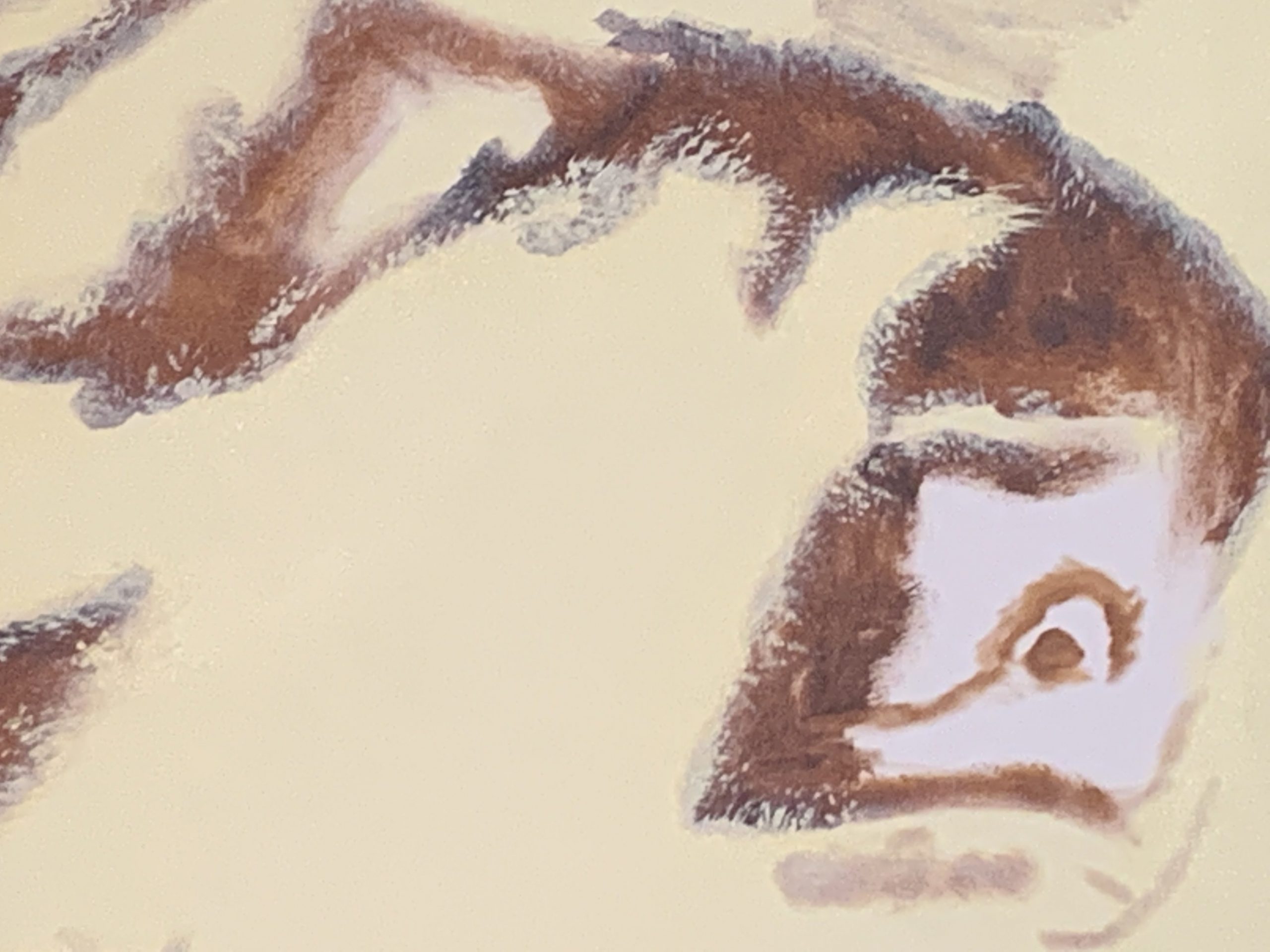
CURRENT WORK IN PROGRESS

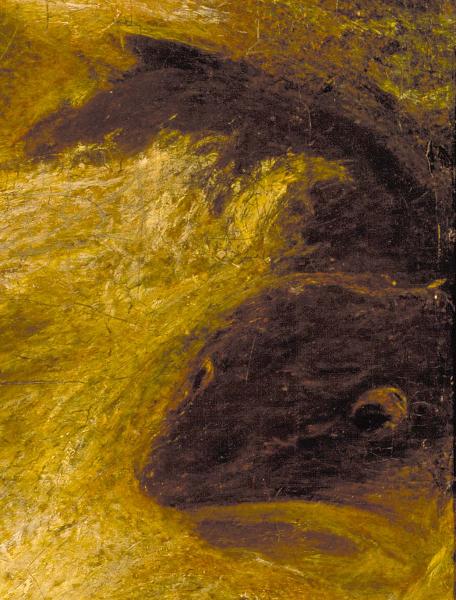
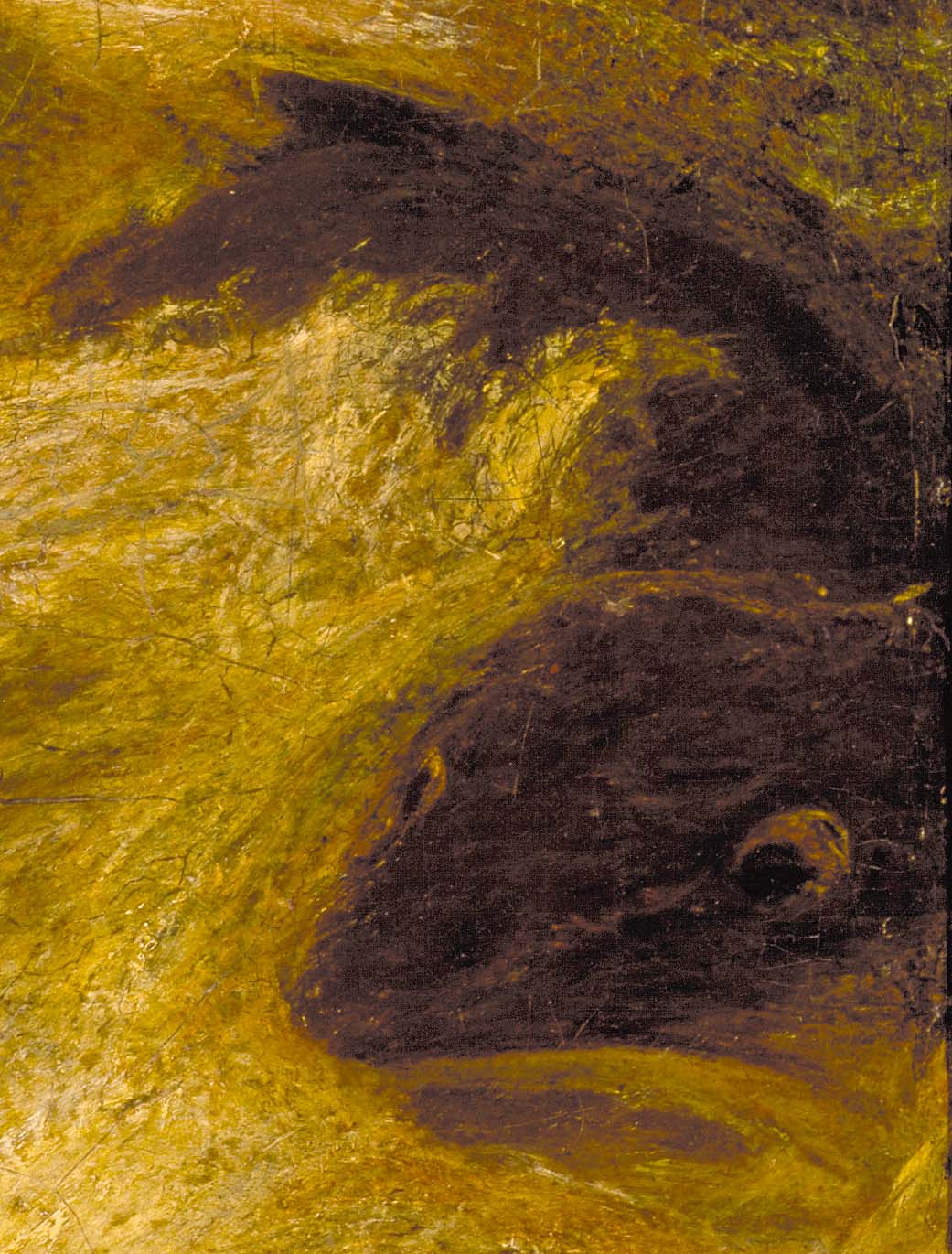
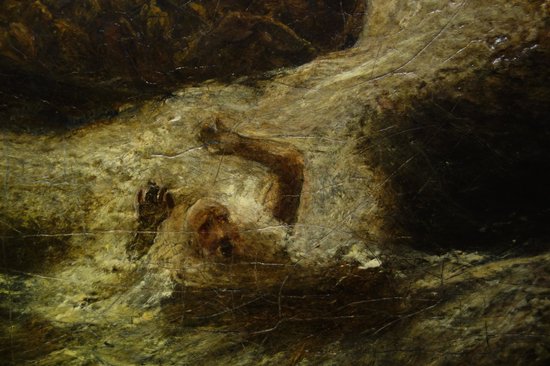
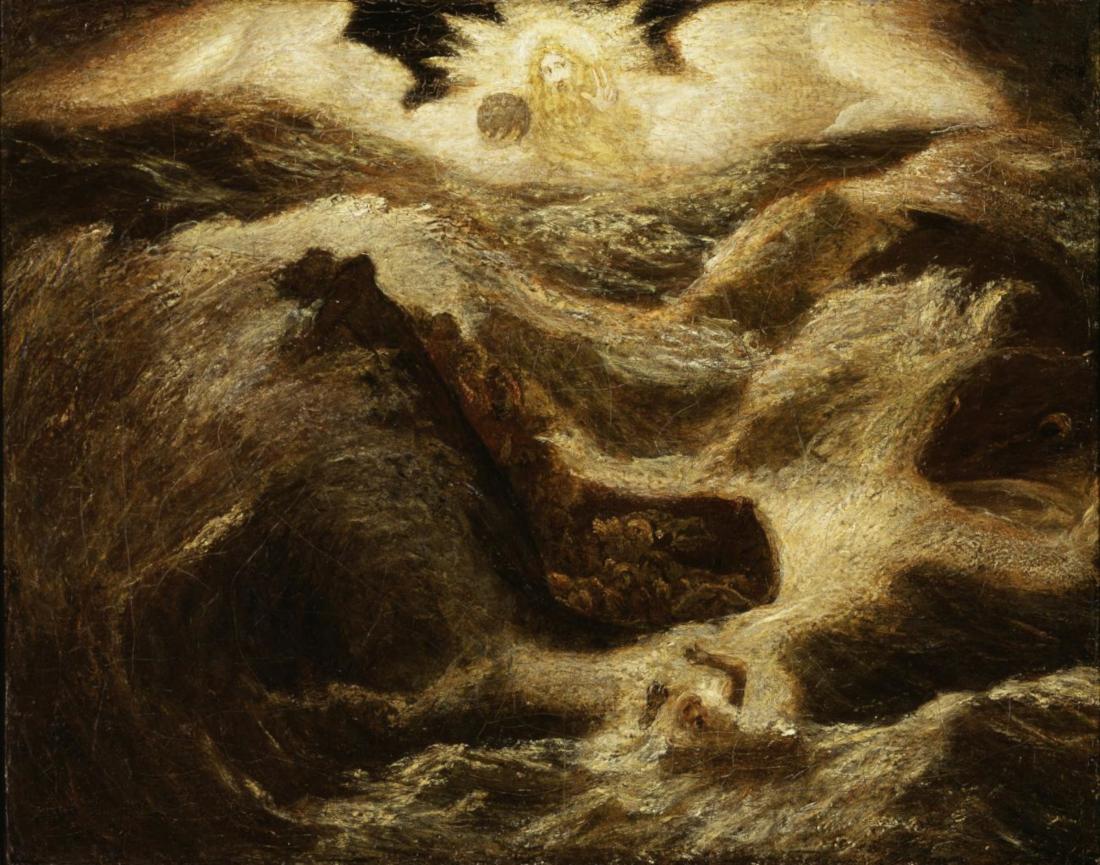
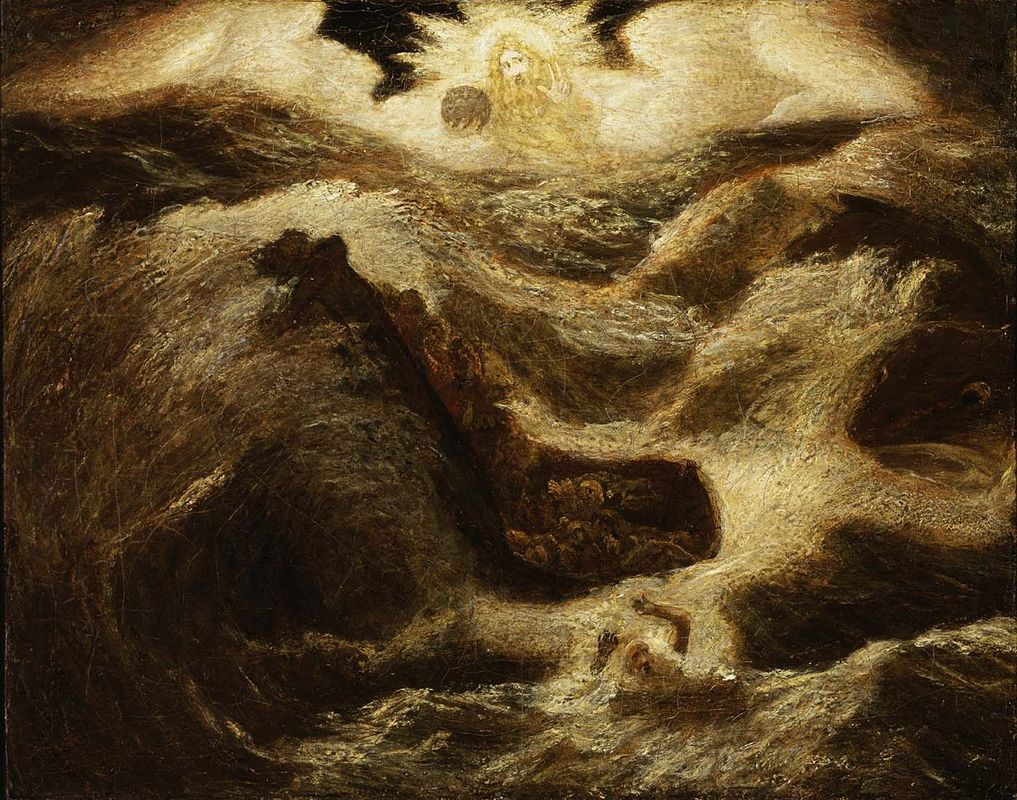
Albert Pinkham Ryder, "Jonah", 1895

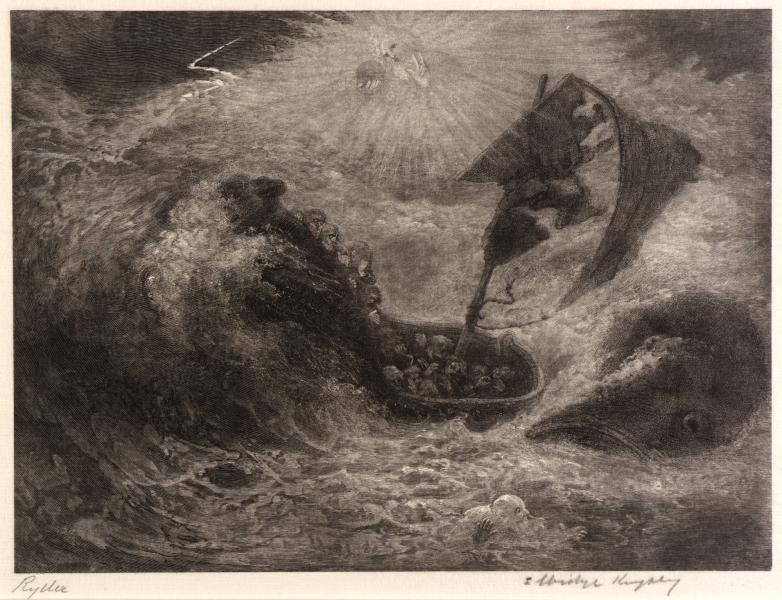
“Jonah tries to flee from God’s request to travel to the city of Nineveh. At sea his ship is caught by a storm. Jonah knows that he is the cause of the mighty tempest. He sacrifices himself and lets the others cast him into the sea.

Ryder is best known for his dark allegorical work and seascapes, which he painted using subtle colour differences.” – https://www.artbible.info/art/large/197.htm
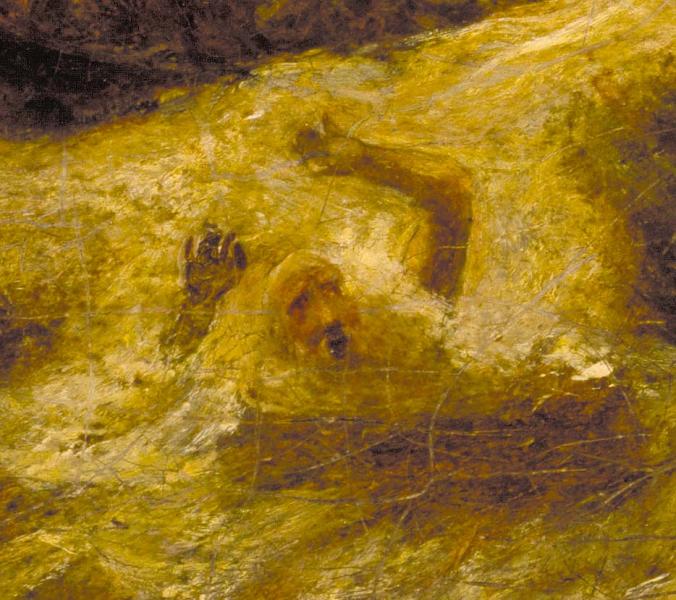
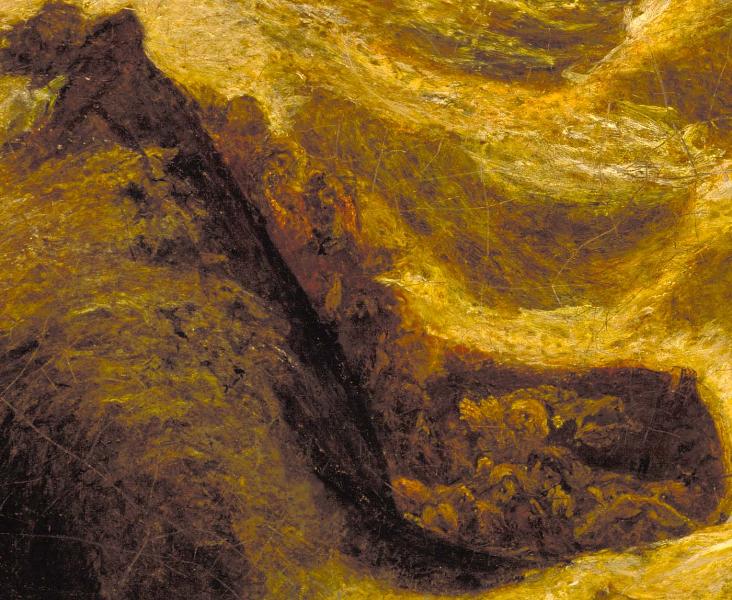
Albert Pinkham Ryder, "Jonah", 1895

Reference links:

  • https://americanart.si.edu/artwork/jonah-21449
  • https://americanart.si.edu/artwork/jonah-13766
  • https://www.artbible.info/art/large/197.html
  • https://www.artsy.net/artwork/albert-pinkham-ryder-jonah
  • https://teachingpoetryandart.weebly.com/ryder—jonah.html
  • https://www.wsj.com/articles/SB10001424127887324338604578326422980578366
  • https://www.biblegateway.com/passage/?search=Jonah%203&version=NIV
  • https://en.wikipedia.org/wiki/Jonah
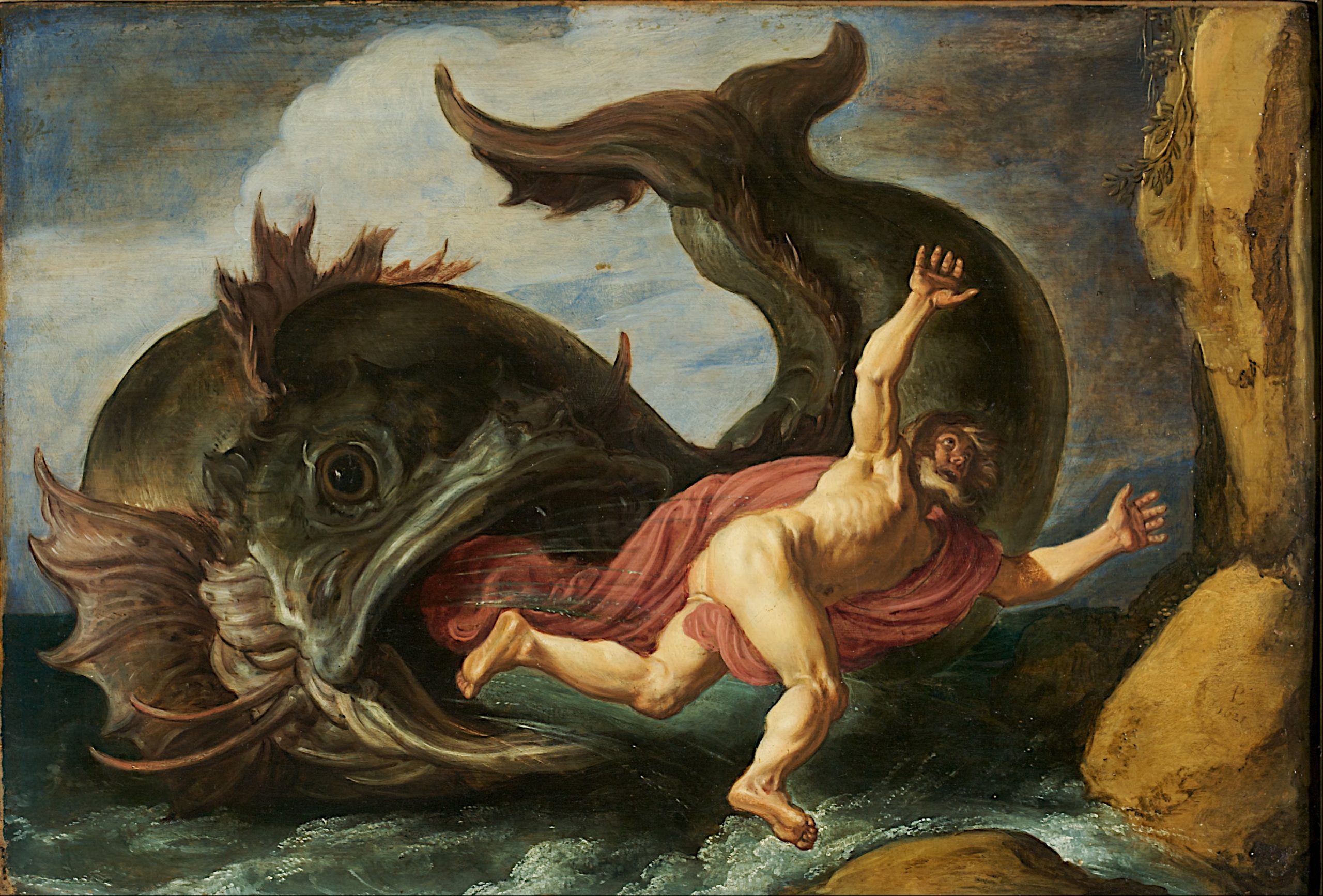
Jonah and the Whale (1621) by Pieter Lastman

Jonah and the Whale (1621) by Pieter Lastman

….

Jonah Preaching to the Ninevites (1866) by Gustave Doré

Jonah Preaching to the Ninevites (1866) by Gustave Doré

…..
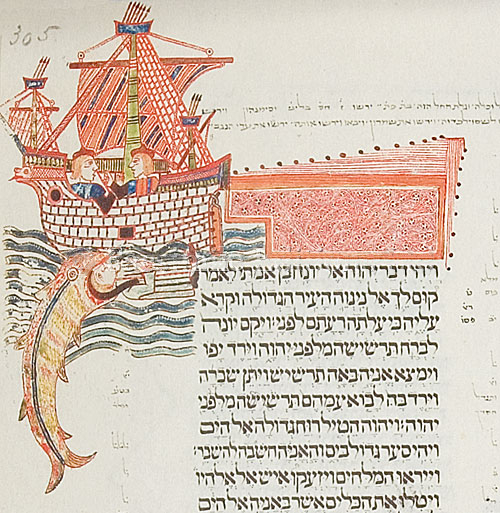
Illustration of Jonah being swallowed by the fish from the Kennicott Bible, folio 305r (1476), in the Bodleian Library, Oxford.
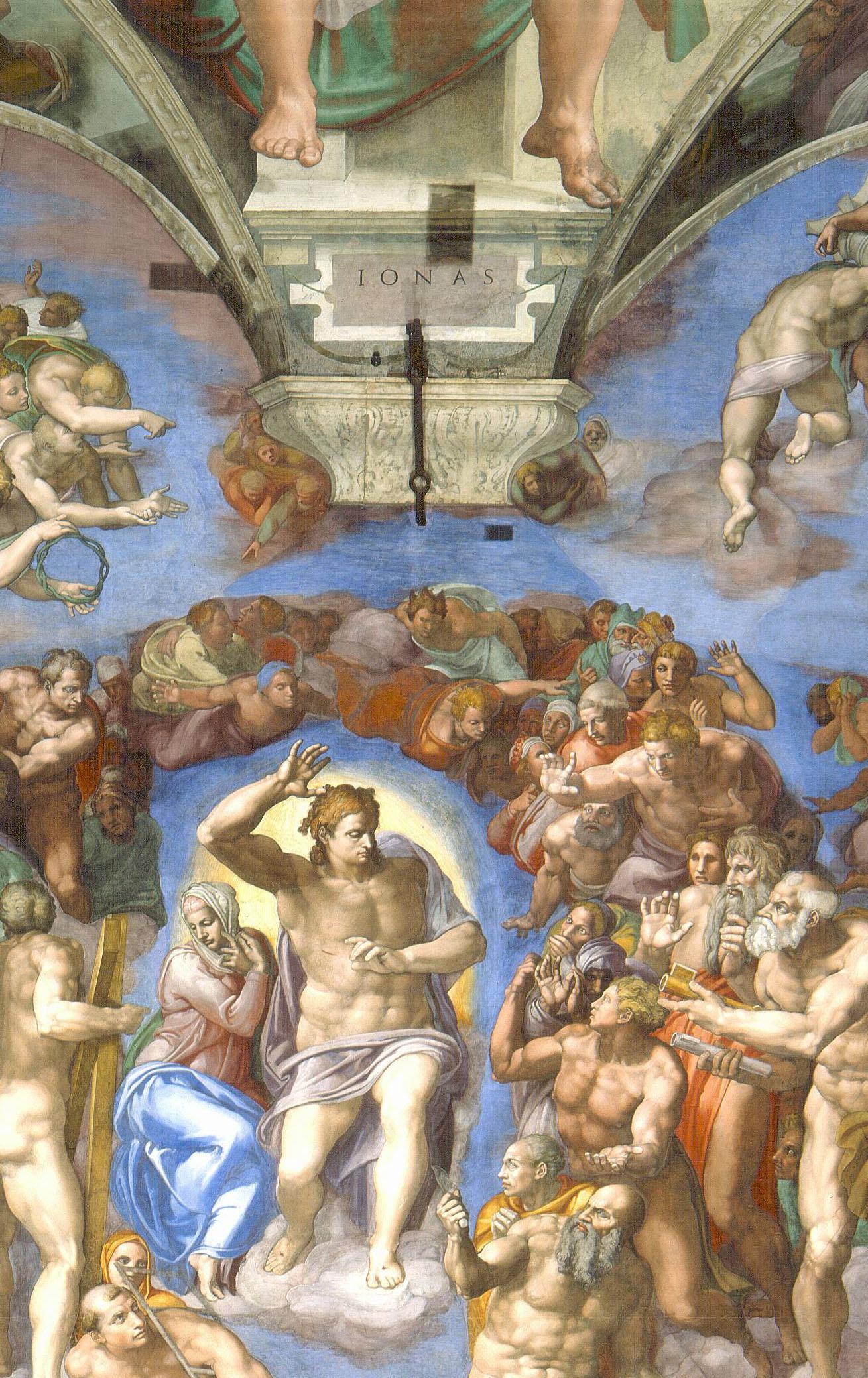
Illustration of Jonah being swallowed by the fish from the Kennicott Bible, folio 305r (1476), in the Bodleian Library, Oxford.


…..
In his fresco The Last Judgment, Michelangelo depicted Christ below Jonah (IONAS) to qualify the prophet as his precursor.


In his fresco The Last Judgment, Michelangelo depicted Christ below Jonah (IONAS) to qualify the prophet as his precursor.


…..
Jonah and the giant fish in the Jami' al-tawarikh (c. 1400), Metropolitan Museum of Art


Jonah and the giant fish in the Jami’ al-tawarikh (c. 1400), Metropolitan Museum of Art


…..
Jonah trying to hide his nakedness in the midst of bushes; Jeremiah in the wilderness (top left); Uzeyr awakened after the destruction of Jerusalem. Ottoman Turkish miniature, 16th century.[60]

Jonah trying to hide his nakedness in the midst of bushes; Jeremiah in the wilderness (top left); Uzeyr awakened after the destruction of Jerusalem. Ottoman Turkish miniature, 16th century.[60]


…..
Depiction of Jonah in a champlevé enamel (1181) by Nicholas of Verdun in the Verduner altar at Klosterneuburg abbey, Austria.


Depiction of Jonah in a champlevé enamel (1181) by Nicholas of Verdun in the Verduner altar at Klosterneuburg abbey, Austria.


…..
Jonah being swallowed by a great toothed sea-monster. Sculpted column capital from the nave of the abbey-church in Mozac, France, 12th century.


Jonah being swallowed by a great toothed sea-monster. Sculpted column capital from the nave of the abbey-church in Mozac, France, 12th century.

Filed Under: Albert Pinkham Ryder, Fine Arts, Oil Paintings

Silver Moon 3/28/20

March 28, 2020 by blogadmin

I was able to get through the mental hurdles:

1. This work was on the office / bedroom easel and I’d felt as if I didn’t even want to finish the work, much less empty the easel.

2. The two easel areas in the smaller studio room had other frames on them and I have not decided what to do yet with either of them especially the portrait landscape shape one because it has issues with the woodwork that I had not fixed yet.

3. The moving overall seemed a headache especially the repeated easel adjustments after already having done them, but once I knew Silver Moon would do well there I made it happen. I even learned a trick using the clamps so that I did not get tortured by gravity and the easel bottom runner falling while trying to raise it. It worked like a champ especially while tightening, which eliminated it “crawling”.

4. I have never placed oil paint on top of acrylic paint before and had only learned it in recent weeks or months during a research session but it worked out very well I think.

This all enabled me to transition piece which I had very serious intentions about before and had lost interest in due to the above mentioned issues with acrylics.

I organized the two easels in both rooms, move various frames and tool caddies, and moved Silver Moon into the smaller studio room, installed it on an easel, and immediately mopped on a layer of Indigo across 90% of the surface.

I’m hoping the linseed oil wasn’t too much and I certainly plan to build up while it’s moist and also work with stand oil or whatever other medium that I can to keep this thing sticky so that I can really build it up with the brush strokes which seem to be the true nature of this work aside from the pallet and a perfect positioning and lay out that Ryder did.

I am so much happier with this medium and immediately feel a new connection to the work order before I was turned off by the coarse and limited nature of acrylics.

I don’t completely hate acrylics but I now know what I can use them for in a limited capacity as far as composition and layout goes.

Filed Under: Albert Pinkham Ryder, Fine Arts, Oil Paintings

Silver Moon: Update 3/2/20

March 2, 2020 by blogadmin

I was able to spend a Sunday afternoon with my daughters in the studio and while they drew their stuff I was able to map out the coordinates of the objects in this painting.

It is painstaking work but I am learning a lot about how this painter arranged everything.

The sketching might look a bit haphazard but don’t let that fool you the coordinates are accurate to the millimeter.

I was able to get the diameter of the moon as well as it’s X and Y coordinates otherwise known as latitude and longitude.

There is a technique to do this which I will describe in a separate article so that you do not have to use an opaque projector.

I was also able to get the X and Y coordinates of all the mountain peaks and cliffs, as well as the position of the sailboat and it’s orientation above, at, and below the horizon line, and the perceived shoreline, @ viewer position.

I have actually rendered the basics of the moon and the top mast and main sail. They came up in pretty accurate position all things considered.

This canvas is exactly 583x the scale of the reference drawing.

I am using Google sheets to convert X height from top edge and Y width inwards from right edge for the bottom right corner of the main sail where it meets the horizon line.

Here’s the coordinate in original (reference drawing in cm.m and it’s converted scaled value (on canvas) in cm.m.

As noted above I will share the exact technique for this process most likely in a YouTube video once I get the script written.

I’d also like to give credit to my engineer friend JD in the video as well as the corresponding web posting for coming up with the simplest formula in answer to an email I wrote him.

You might ask: “why study another artist?”

My best answer is that with regard to oil painting there are quite a few related disciplines within fine arts and illustration that lead to solid work versus days weeks or even months of constant reworking of mistakes.

In oil paintings the chemistry of each layer has to relate properly to the layers around it above it and below it. The chemistry of the oil paint out of the tube differs from color to color due to the chemical elements used to manufacture the given color. Also within the tube there are several other ingredients which also differ in terms of how they dry, shrink, bleed, and otherwise interact with neighboring colors.

And that’s just the color in the tube, without regard for the solvents used, or expanders used, such as Linseed Oil, or stand oil.

So the technical answer to why study someone else’s work in this particular post is given with the reader also keeping in mind that this work is being done presently in acrylic to rule out the chemistry of oils and just focus on the other part of the answer which is one of drawing and perspective, positive and negative space, color, light, shadow, and other factors.

Starting out with an artist who has done work that can be studied easily as a way to build up all of the skills and gain an understanding everywhere needed in technical and chemistry areas. 

There is also quite a bit of aesthetic enjoyment as one begins to solve the hidden formula with regard to how the artist laid out this work overall. 

All of this contributes toward a future understanding of how to produce original independent work of one’s own that contains all of the more advanced skills one would need to impress an audience or get a message, impression, concept or mood across.

My answer might not be good enough for some people but consider it from another angle: That of an architect, that of a chef, that of a pilot, or even that of a brain surgeon. Or even simpler a student driver of a car, in a given city.

You can’t just hop into a car and go to a specific destination if you’ve never driven before. You can’t design a building, bake a cake, fly an airplane, or do brain surgery without studying.

The same applies with regard to drawing and painting and learning from the Masters. There are many reasons why their work was considered superior even centuries after they passed on. One would do well to understand the accomplishments of those who came before them.

It’s not a matter of loyalty, it’s a matter of detail.

One must practice in all disciplines, even the most simple. Practice builds experience and situational awareness.

While some regard to fine arts as a play pen, I regard them as a place where many different scientific, mathematical, and aesthetic devices come into play.

Be it chemistry of light and color with regard to working with dyes, pigments, inks or paints, or the mathematics of geometry (perspective) or the basic algebra of calculating latitude and longitude coordinates at multiple scales or units of measurement, or the aesthetic and creative endeavors of inventing three-dimensional spaces in which one can render anything, -these are my preferred, perhaps “old-fashioned”, yet to me more rewarding and “grounding” pastime, than what I had been spending time on prior, e.g. the Internet.

I am dictating this text into a mobile phone and apologize for the grammatical structure of my spoken words.

But I hope some of the answers or input have given might be understood by any reader who might be interested in similar work.

Or why I might have moved on from being quite involved in my former multi-decades career as an Internet publisher, Linux / UNIX Systems Engineer / Admin, Database Administrator, Network & Security Expert, some-time Coder.

If you are too old or poor or unconnected to study astrophysics, perhaps the rigors of fine art might be a suitable Haven.

Filed Under: Acrylic Paintings, Albert Pinkham Ryder, Fine Arts

Silver Moon: Update 2/29/20

February 29, 2020 by blogadmin

I got this work a little bit further along and I’m only loosely following the original.

Albert Pinkham Ryder Silver Moon

Albert Pinkham Ryder Silver Moon 792px x 600px

This time I was able to get a wash on there which was almost forgotten scale until I came back into my mind while rendering the sky.

Filed Under: Acrylic Paintings, Albert Pinkham Ryder, Artists, Fine Arts Tagged With: Albert Pinkham Ryder, Fine Art, Moon, Night, Oil Painting, Sea, Ship

Albert Pinkham Ryder, Toilers of the Sea & Others

January 26, 2020 by blogadmin

There is supposedly a victor Hugo reference as there is a book by the same name and I even used to own this book and it was quite an old hard cover but I ended up having to leave it behind somewhere.

It’s time to re-book it on the Waze is this painting which Albert Pinkham Ryder did.

The Lover’s Boat, about 1881, Albert Pinkham Ryder

Flying Dutchman (1887) Oil on Canvas by Albert Pinkham Ryder

Filed Under: Albert Pinkham Ryder, Artists, Fine Arts, Oil Paintings

SCI-NEWS.com

  • Ornithologists Identify Cryptic New Bird Species in Japan
    by Natali Anderson on March 18, 2026 at 1:47 am

    Genetic and acoustic evidence show that the rare Ijima’s leaf warbler (Phylloscopus ijimae) is actually two distinct bird species, including the newly-identified Tokara leaf warbler -- both with […]

  • Oviraptors May Have Needed the Sun to Hatch Their Eggs
    by News Staff on March 17, 2026 at 11:42 pm

    New experiments indicate bird-like oviraptorid dinosaurs could not fully warm their eggs with body heat alone, instead combining brooding with solar warmth in semi-open nests. The post Oviraptors May […]

  • DNA’s Building Blocks May Have Arrived from Space, Asteroid Ryugu Samples Suggest
    by News Staff on March 17, 2026 at 9:42 pm

    Samples returned by JAXA’s Hayabusa-2 mission from the C-type asteroid (162173) Ryugu contain all five canonical nucleobases -- purines (adenine and guanine) and pyrimidines (cytosine, thymine and […]

  • Early Triassic Cyclidan Crustacean Had Powerful Jaws
    by Enrico de Lazaro on March 17, 2026 at 1:51 am

    Paleontologists have described a new species of enigmatic cyclidan crustacean on the basis of three well-preserved specimens from the Early Triassic Guiyang biota of China. The post Early Triassic […]

  • Neanderthals May Have Hunted Giant Elephants that Roamed across Prehistoric Europe
    by Enrico de Lazaro on March 16, 2026 at 11:16 pm

    Chemical clues preserved in the teeth of straight-tusked elephants (Palaeoloxodon antiquus) from the 125,000-year-old site of Neumark-Nord in Germany suggest these massive animals traveled hundreds […]

  • New Kind of Planet May Lurk in Milky Way: Extreme World of Magma and Sulfur
    by News Staff on March 16, 2026 at 8:25 pm

    New observations of L 98-59d, a member of the five-planet system L 98-59, suggest it harbors a vast global magma ocean that traps sulfur deep inside, forming a previously unrecognized class of […]

  • Tropical Bush Cricket’s Hot-Pink Phase May Be Nature’s Perfect Disguise
    by Natali Anderson on March 16, 2026 at 6:31 pm

    Entomologists in Panama have observed a leaf-masquerading katydid species that begins life bright pink before turning green days later, a shift that may mimic rainforest leaves that flush red or pink […]

  • Supergiant Star Makes Rare Leap to Hotter Phase, Astronomers Say
    by News Staff on March 16, 2026 at 12:10 pm

    Long-term observations of WOH G64 -- once considered the most extreme red supergiant star in its galaxy -- reveal that the star has undergone a dramatic transition, possibly shedding part of its […]

  • Sun May Have Escaped Milky Way’s Crowded Core Billions of Years Ago
    by News Staff on March 14, 2026 at 12:55 am

    Using a vast catalog of Sun-like stars built by ESA’s Gaia mission, astronomers have found strong evidence that our home star traveled outward with thousands of stellar counterparts roughly 4 to 6 […]

  • New Fossil Crocodile from Ethiopia Lived alongside Australopithecus afarensis
    by News Staff on March 13, 2026 at 3:31 am

    Paleontologists analyzing fossils from Ethiopia have described a previously unknown crocodile species that shared the landscape with a hominid species called Australopithecus afarensis. The post New […]

  • Early Howler Monkeys Adapted to Eating Leaves 13 Million Years Ago
    by News Staff on March 12, 2026 at 2:38 am

    Fossil jaws of the ancient monkey species Stirtonia victoriae from the La Victoria Formation in Colombia suggest that a shift toward leaf-eating allowed early primates in South America to grow larger […]

  • Astronomers Witness Aftermath of Catastrophic Planetary Collision
    by News Staff on March 11, 2026 at 10:08 pm

    An unusual flickering of a young F-type star called Gaia20ehk and an expanding cloud of dust around it suggest that a catastrophic planetary crash unfolded in real time, offering a rare glimpse of […]

  • New Research Links Daily Multivitamins to Slower Biological Aging
    by News Staff on March 11, 2026 at 7:42 pm

    In a randomized clinical trial of older adults, researchers found that taking multivitamins for two years modestly slowed epigenetic markers of aging -- equivalent to roughly four months less […]

  • Astronomers Observe Neutron Star Crash in Unexpected Environment
    by News Staff on March 11, 2026 at 5:19 pm

    Using NASA’s Chandra X-ray Observatory and other telescopes, astronomers have traced a short-duration gamma-ray burst event called GRB 230906A to a faint dwarf galaxy embedded in a vast stream of […]

  • Study: Raccoons Don’t Just Solve Puzzles for Food, They Do It for Fun
    by News Staff on March 11, 2026 at 3:30 pm

    In a new study led by University of British Columbia Ph.D. student Hannah Griebling, raccoons (Procyon lotor) continued manipulating complex puzzle boxes long after retrieving the only marshmallow […]

  • 275-Million-Year-Old Amphibian Relative with Twisted Jaws Rewrites Early Tetrapod Diets
    by News Staff on March 11, 2026 at 1:15 am

    A new genus and species of archaic stem tetrapod from the Permian period has been identified from fossil jawbones found in Brazil. The post 275-Million-Year-Old Amphibian Relative with Twisted Jaws […]

  • Ancient Parrot DNA Points to Pre-Inca Animal Trade
    by News Staff on March 11, 2026 at 12:25 am

    Ancient DNA from brightly colored feathers found in Peru shows that at least four distinct species of Amazonian parrots -- the scarlet macaw (Ara macao), the blue-and-yellow macaw (Ara ararauna), the […]

  • VLT Discovers Third Gas Cloud near Milky Way’s Central Black Hole
    by Enrico de Lazaro on March 10, 2026 at 10:27 pm

    The newly-identified gas cloud, dubbed G2t, follows nearly the same orbit as two known clouds, suggesting they were all expelled by a pair of massive stars near the core of our Milky Way Galaxy. The […]

  • Two New Bird Species Identified in Amazonia
    by Natali Anderson on March 10, 2026 at 1:09 am

    An antbird long thought to be a single widespread species across the Amazon rainforest is, in fact, several different ones. Among them are two newly-described species -- Cercomacra mura and […]

  • 3I/ATLAS is Unusually Rich in Methanol, ALMA Observations Show
    by News Staff on March 9, 2026 at 10:26 pm

    Astronomers using the Atacama Large Millimeter/submillimeter Array (ALMA) have detected hydrogen cyanide (nitrogen-bearing organic molecule commonly seen in comets) as well as unusually high levels […]

Copyright © 2026 · Dynamik-Gen on Genesis Framework · WordPress · Log in